Disclosure: topratedkitchenware.com is reader-supported. When you buy through links on our site, we may earn an affiliate commission from Amazon and other retailers, at no extra cost to you.
Where to buy
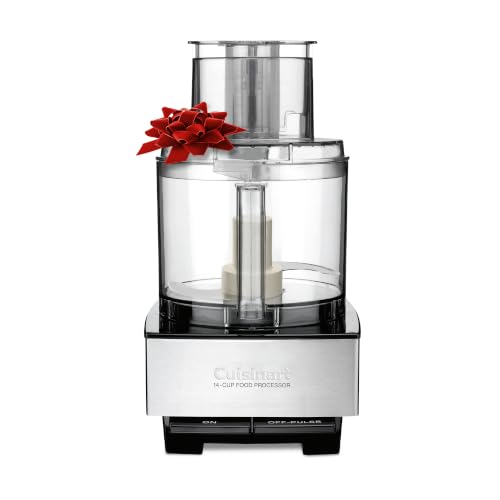
If you are shopping for the best food processors for paleo, the six picks below are the shortlist this guide is built around. A paleo kitchen leans on a food processor harder than almost any other style of cooking: cauliflower becomes rice, nuts become flour and butter, vegetables become slaws and sauces, and dates become the binder in homemade bars. The six machines below cover that workload from full-size batch prep down to single-serving sauces.
- Cuisinart Pro Custom 11 Food Processor — Best Overall for Paleo Prep · Check on Amazon
- Ninja Professional Plus Food Processor BN601 — Best for Nut and Date Work
- Cuisinart Mini Food Processor 3-Cup — Best Mini for Daily Sauces
- Hamilton Beach 10-Cup Food Processor — Best Value Batch Machine
- BLACK+DECKER 8-Cup Food Processor — Best Mid-Size All-Rounder
- Cuisinart Core Custom 4-Cup Mini Chopper — Best Compact Second Machine
Read the full guide ↓
Searching for the best food processors for paleo cooking means looking past the usual chopping demo. A paleo-style kitchen removes grains, legumes and most dairy from the ingredient list, and the food processor quietly absorbs the work those ingredients used to do. Rice becomes riced cauliflower. Wheat flour becomes almond flour. Sandwich spreads become nut butters, herb sauces and homemade dressings. Dessert becomes dates and nuts, processed into bars and bites. The machine stops being an occasional helper and becomes daily infrastructure.
That workload has a specific shape. There is a lot of shredding and slicing, because vegetables carry meals that grains used to anchor. There is a lot of sustained blade work, because nut flours, nut butters and date pastes are thick, stubborn mixtures. And there is a lot of small, frequent work too: a single sauce, a quick slaw dressing, a handful of herbs and garlic. A good paleo processor setup therefore spans sizes, which is why this guide includes full-size bowls, mid-size machines and minis, and judges each one on the paleo jobs it will actually face.
One boundary before the picks: this guide talks about cooking technique and ingredient preparation only. It makes no health claims for any style of eating. What it can tell you is which machine rices a whole cauliflower without a fight, which one survives date paste, and which mini is worth its drawer space for a nightly sauce. If your interest is narrower, our guide to Best Food Processors For Riced Veggies goes deep on the single most common paleo processor task.
Key Takeaways
- Paleo prep splits into three jobs: shredding and ricing vegetables, sustained nut and date work, and frequent small sauces.
- Disc-equipped full-size machines handle the vegetable volume; minis handle the daily small jobs.
- Nut butter and date paste are the stress tests. Choose stated power and bowl depth for those.
- A mid-size bowl plus a mini chopper is a legitimate two-machine paleo setup for small households.
- Dishwasher-safe parts matter more here, because this style of cooking uses the machine daily, often twice.
- Every pick in this guide is linked; sizes range from 14-cup class batch machines down to a 4-cup mini.
In this guide
Quick Picks
Start with the disc-equipped machines if vegetables dominate your cooking, and note the two minis at the end: in a paleo kitchen they are not toys, they are the daily sauce shift.
| Product | Badge | Why it is here | Amazon |
|---|---|---|---|
| Cuisinart Pro Custom 11 Food Processor | Best Overall for Paleo Prep | Discs for the vegetable workload, 11 cups for family batches. | Check on Amazon |
| Ninja Professional Plus Food Processor BN601 | Best for Nut and Date Work | The thick-mixture specialist: highest stated power, puree preset. | Check on Amazon |
| Cuisinart Mini Food Processor 3-Cup | Best Mini for Daily Sauces | The daily sauce shift in a 24 oz bowl. | Check on Amazon |
| Hamilton Beach 10-Cup Food Processor | Best Value Batch Machine | Four named functions plus a bowl scraper, in a 10-cup bowl. | Check on Amazon |
| BLACK+DECKER 8-Cup Food Processor | Best Mid-Size All-Rounder | Stated 450W and five named functions in an 8-cup bowl. | Check on Amazon |
| Cuisinart Core Custom 4-Cup Mini Chopper | Best Compact Second Machine | The 4-cup mini for family-size sauces and dips. | Check on Amazon |
How These Picks Were Chosen
Picks were selected from verified listings by mapping each machine to the core paleo workload: ricing and shredding vegetables, slicing for roasting trays and slaws, grinding nuts into flour, processing dates and nuts into bars, and pureeing sauces and soups. Listings were checked on 2026-11-20, and every capacity, disc and power detail in this guide comes from the listing text itself. Machines whose listings name slicing and shredding discs were weighted up for vegetable-heavy cooking; minis were included deliberately, because paleo cooking generates many small jobs.
This is a research-led guide. It makes no hands-on testing claims and no health claims about any diet. Each review reasons from the listed specifications to the job at hand: bowl volume against a whole cauliflower, blade design against a date-and-nut mixture, disc availability against a week of slaws and gratins.
All six picks are linked with listing photos, because each one has a defensible paleo role. The honest limitations are stated in each review instead: a mini will not rice a cauliflower for a family, and a full-size bowl is clumsy for two tablespoons of chimichurri. Matching machine to job is the whole game in this kitchen.
The 6 Best Food Processors for Paleo Cooking
Each review below is organized around the paleo jobs that machine will meet in a normal week: vegetable volume, nut and date work, sauces, and cleanup after daily use.

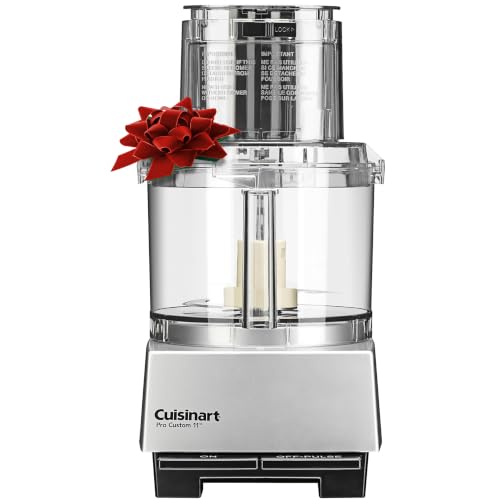
Cuisinart Pro Custom 11 Food Processor
Badge: Best Overall for Paleo Prep
Strengths
- Slicing and shredding discs named in the listing for vegetable-heavy cooking
- 11-cup bowl swallows a whole riced cauliflower in one load
- Dishwasher-safe parts for a machine that will run daily
Trade-offs
- Listing states no wattage for the heaviest date-paste work
- 11 cups is generous for a single person’s daily sauce
- Chrome finish needs a wipe to stay presentable
Key specs (from the listing)
- Capacity: 11-cup work bowl
- Discs named in the listing: slicing disc and shredding disc
- Parts: dishwasher-safe
- Finish: stainless steel and chrome
- Model: DLC-8SBCYP1
The Cuisinart Pro Custom 11 is an 11-cup processor whose listing names slicing and shredding discs, dishwasher-safe parts and a stainless and chrome build. For paleo cooking, that disc pair is the headline: the shredding disc turns cauliflower, carrots, cabbage and sweet potato into the rice, slaw and hash bases that structure grain-free meals, while the slicing disc handles roasting trays and gratins. Eleven cups is a practical family size, big enough for a whole cauliflower or a double batch of sauce without constant emptying.
In a paleo week, this machine’s rhythm is vegetables first, everything else second. Rice two cauliflowers on Sunday and the week’s stir-fries, fried-rice-style dishes and pizza bases are half done. The blade handles nut flours and herb sauces between disc sessions, and the dishwasher-safe parts keep the daily-use cleanup from becoming a deterrent. Date-and-nut bar mixtures are its sternest test; work with slightly softened dates and scrape twice, and it manages respectably for a machine whose listing makes no power boast.
A detail worth planning around: the shredding disc and the blade want different loading habits. Discs like a full feed chute and steady pressure for even shreds; the blade likes modest loads and pulsing room. On prep day, run all the disc work first in one continuous session, as the how-to below lays out, and the machine stops being assembled and disassembled between every ingredient. That sequencing, more than any specification, is what makes a big paleo prep session feel easy.
Best for: families whose paleo cooking is vegetable-led and batch-oriented / Not suited for: solo cooks making only small daily sauces, who should look at the minis below


Ninja Professional Plus Food Processor BN601
Badge: Best for Nut and Date Work
Strengths
- 1000PW power figure is the strongest stated in this roundup
- Auto-iQ presets include puree for sauces and soups
- Three blades and a 9-cup bowl cover varied batch sizes
Trade-offs
- No slicing or shredding disc is named in the listing
- 9-cup bowl is mid-size for very large vegetable batches
- Preset programs still need scraping pauses on thick mixtures
Key specs (from the listing)
- Capacity: 9-cup bowl
- Power named in the listing: 1000PW
- Programs: Auto-iQ presets for chop, slice, puree and mixing dough
- Blades: 3 blade options named in the listing
- Feed chute and pusher included
- Parts: dishwasher-safe
- Model: BN601
The Ninja Professional Plus BN601 lists 1000PW of power, a 9-cup bowl, three blades, a feed chute and pusher, dishwasher-safe parts, and Auto-iQ presets for chop, slice, puree and mixing dough. A peak-power figure is not the same measure as continuous wattage, and this guide treats it as a class signal rather than a precise ranking. Even read conservatively, this is the pick aimed at the thick end of paleo prep: nut butters, date pastes, seed butters and dense sauces, where sustained blade work matters more than discs.
Build your paleo baking around this machine. Almond flour for the week’s baking, cashew butter for sauces, and date-and-nut bases for bars all come from the same bowl, and the puree preset is a sensible starting program for soups and dressings before you take manual control. Its honest gap is the disc question: the listing names a slice preset but no shredding disc, so high-volume ricing and slaw work is blade-chopped rather than disc-shredded, which gives a slightly less uniform result. Pair it mentally with the disc machines above and below if vegetables dominate your menu.
For households new to this style of cooking, this machine’s presets lower the learning curve on the jobs that intimidate beginners: purees come out smooth without guesswork about timing, and the chop preset gives an even dice for the cauliflower and onion bases of weeknight meals. As confidence grows you will override the presets with manual pulsing for texture, but having a reliable automatic starting point is how a processor becomes a daily habit instead of a weekend project.
Best for: nut butters, date pastes and thick sauces as weekly staples / Not suited for: high-volume disc shredding, which its listing does not name

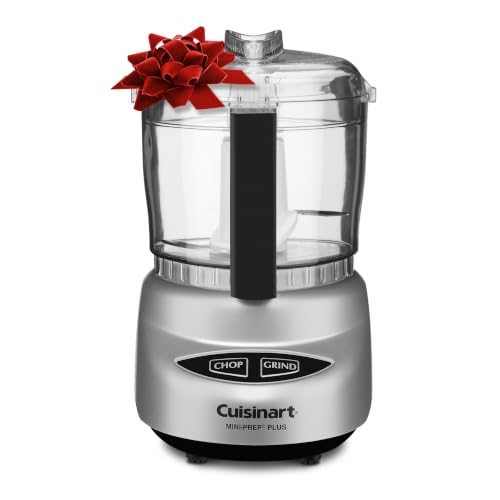
Cuisinart Mini Food Processor 3-Cup
Badge: Best Mini for Daily Sauces
Strengths
- Auto-reversing blade gives distinct chop and grind modes in a tiny bowl
- 24 oz capacity matches single-sauce and small-dressing quantities
- Takes almost no storage space in a crowded kitchen
Trade-offs
- 3-cup bowl cannot help with family vegetable batches
- No discs, so no ricing or shredding role
- Small batches of nut butter only, in short bursts
Key specs (from the listing)
- Capacity: 3-cup (24 oz)
- Blade: reversible, auto-reversing SmartPower blade
- Modes named in the listing: chop and grind
- Finish: brushed chrome
The Cuisinart Mini Food Processor is a 3-cup, 24 oz mini chopper with a reversible, auto-reversing SmartPower blade: one direction chops, the other grinds. In most kitchens a mini is an occasional gadget. In a paleo kitchen it becomes a daily driver, because this style of cooking generates a constant stream of small, pungent jobs: chimichurri for steak, a garlic-herb sauce for chicken, a quick salsa, a single serving of dressing, a handful of nuts ground over a salad. Washing a full-size bowl for two tablespoons of sauce is how processors end up unused; the mini removes that friction.
Keep this one on the counter, not in a cupboard. Its paleo shift is the finishing layer of meals: sauces, gremolatas, spice pastes and small purees, done in the time a full-size machine takes to assemble. The grind mode handles spice blends and small amounts of nuts for garnishes. Respect its scale and it will be the most-used machine in this entire guide; ask it to rice a cauliflower or produce a jar of nut butter and you will be disappointed, as you would be asking a bicycle to do a truck’s route.
Its size also makes it the right tool for the strongly flavored jobs you do not want in the big bowl: a fiery chili paste, a raw garlic sauce, a small batch of onion-heavy relish. Strong flavors linger in large bowls and lids and can ghost the next batch of something delicate. Confining them to a mini that rinses instantly keeps the big machine neutral for baking and mild sauces, a small operational detail that experienced cooks in this style plan around.
Best for: daily small sauces, dressings and herb pastes for one or two people / Not suited for: any batch vegetable or nut-butter production

Hamilton Beach 10-Cup Food Processor
Badge: Best Value Batch Machine
Strengths
- Listing names slicing, shredding, mincing and puree in one machine
- 10-cup bowl covers family vegetable batches
- Included bowl scraper speeds up thick-mixture work
Trade-offs
- Listing states no wattage figure
- Stainless styling over a value-oriented build
- Bowl scraper is one more part to wash
Key specs (from the listing)
- Capacity: 10 cups
- Functions named in the listing: slicing, shredding, mincing and puree
- Accessory named in the listing: easy-clean bowl scraper
- Finish: stainless steel
- Model: 70730
The Hamilton Beach 70730 is a 10-cup processor whose listing names slicing, shredding, mincing and puree, includes an easy-clean bowl scraper, and wears a stainless steel finish. That function list reads like a paleo prep checklist: shred the cabbage and carrots, slice the sweet potatoes, mince the aromatics, puree the soup. Ten cups handles a family’s vegetable volume, and the bowl scraper earns its keep on the thick mixtures, clearing walls during nut and seed butters faster than a spatula worked at an angle.
This is the pragmatic center of a paleo kitchen: one machine, most jobs, sensible positioning at the accessible end of the range. Its weekly pattern is a big vegetable session, several sauces, and a batch of something thick, with the scraper shortening every thick job. The listing’s silence on wattage means this guide will not promise it the heaviest date-paste marathons as a specialty; soften dates first and scrape on schedule, and it performs its role without drama. Readers who also cook filled pastas on non-paleo days for family can see the same bowl at work in Best Food Processors For Pasta Filling.
The bowl scraper deserves one more mention in this kitchen specifically, because paleo mixtures are disproportionately thick and wall-clinging: nut butters, date pastes, dense vegetable purees. A scraper shaped to the bowl clears in one pass what a spatula needs three to reach, and across a prep session of five or six mixtures, that saved effort is the difference between finishing the session and abandoning the last two items on the list.
Best for: families wanting one disc-equipped machine for most paleo jobs / Not suited for: shoppers who want a stated wattage figure before buying

BLACK+DECKER 8-Cup Food Processor
Badge: Best Mid-Size All-Rounder
Strengths
- 450W power stated plainly in the listing
- Attachments named for shred, slice, mince, grind and puree
- 8-cup bowl suits couples and small families
Trade-offs
- 8 cups is snug for double vegetable batches
- Mid-size bowl means more frequent emptying on prep day
- Fewer specialist extras than the larger Cuisinart designs
Key specs (from the listing)
- Capacity: 8-cup
- Power named in the listing: 450W
- Blade: stainless steel
- Attachments named in the listing: shred, slice, mince, grind and puree
The BLACK+DECKER 8-Cup Food Processor states its hand plainly: 450W of power, a stainless steel blade, and attachments to shred, slice, mince, grind and puree, in an 8-cup bowl. For paleo cooking that is a remarkably complete sentence. The shred and slice attachments cover the vegetable base of the diet, the grind and puree functions cover nuts, sauces and soups, and the stated wattage gives a clearer expectation for thick work than listings that say nothing. Eight cups is the couple-and-small-family size: a cauliflower at a time, a jar of sauce, a tray of sliced vegetables.
Choose this machine if your paleo cooking is daily and moderate rather than weekly and industrial. It rices, shreds and purees in portions that match two to four eaters, and it stores more easily than the 11 and 14-cup class. Its prep-day pattern involves an extra emptying cycle compared with the biggest bowls, which is a fair trade for many kitchens. For the slicing-heavy side of the menu, its disc work pairs with the techniques in Best Food Processors For Potatoes, where gratins and roasting trays get the full treatment.
Eight cups also turns out to be a forgiving size for learning the ricing technique: a load of florets small enough to pulse evenly, in a bowl large enough to see what is happening. Beginners often overload a big bowl and conclude the technique does not work. In this bowl the feedback is immediate, the batches are quick, and a second load takes a minute. For a two-person household, that learning-friendly scale may matter more than raw capacity.
Best for: couples and small families cooking paleo daily in moderate batches / Not suited for: very large Sunday batch sessions, which favor the 11-cup pick

Cuisinart Core Custom 4-Cup Mini Chopper
Badge: Best Compact Second Machine
Strengths
- 4-cup mini bowl sized for sauces, dips and small purees
- Auto-reversing SmartPower blade for chop and grind modes
- Dishwasher-safe parts suit daily small-job use
Trade-offs
- No discs, so no role in vegetable volume work
- 4 cups is a ceiling, not a starting point, for batches
- White finish shows turmeric and tomato stains more readily
Key specs (from the listing)
- Capacity: 4-cup mini bowl
- Blade: auto-reversing stainless steel SmartPower blade
- Functions named in the listing: chops and grinds
- Parts: dishwasher-safe
- Model: MCH-4
- Finish: white and stainless steel
The Cuisinart Core Custom 4-Cup Mini Chopper chops and grinds with an auto-reversing stainless steel SmartPower blade, offers dishwasher-safe parts, and comes in white and stainless steel as the MCH-4. It is the slightly larger sibling of the 3-cup mini above, and in a paleo kitchen the extra cup matters more than it sounds: a full batch of mayonnaise-style dressing, a family-size salsa, or a double portion of herb sauce fits without overflow, while the machine still rinses clean in seconds and lives in a drawer.
Think of this as the second machine that makes the first one optional on weeknights. The big processor comes out on prep day; this one handles the nightly sauce, the quick guacamole, the small puree of roasted vegetables into a soup for two. Its grind mode covers spice rubs for meats, a constant in this style of cooking. Between the two minis in this guide, choose this one if your small jobs regularly serve three or four people, and the 3-cup if they serve one or two. Both free the big bowls from two-tablespoon duty, which is the quiet secret of a processor that actually gets used.
Consider also what this mini does for breakfast and lunch, the meals where this diet is easiest to abandon: egg muffins with chopped vegetables for the week, a quick tuna or chicken salad chopped to a consistent texture, a small slaw to sit beside leftovers. None of those jobs justifies assembling a full-size processor on a busy morning. All of them take ninety seconds here. Appliances earn their place at the unglamorous meals, and this one is built for exactly those.
Best for: households of three or four whose small jobs outgrow a 3-cup mini / Not suited for: disc work and batch vegetables, which need a full-size machine
Comparison Table
The paleo workload splits cleanly across this table: discs and bowl volume at the top for vegetables, stated power in the middle for nut and date work, and minis at the bottom for the daily sauce shift. Many households will honestly end up with one from the top half and one from the bottom.
| Product | Capacity | Standout for this job | Amazon |
|---|---|---|---|
| Cuisinart Pro Custom 11 Food Processor | 11-cup work bowl | Disc pair plus family-size bowl | Check on Amazon |
| Ninja Professional Plus Food Processor BN601 | 9-cup bowl | Strongest stated power for nut and date work | Check on Amazon |
| Cuisinart Mini Food Processor 3-Cup | 3-cup (24 oz) | Countertop mini for small daily jobs | Check on Amazon |
| Hamilton Beach 10-Cup Food Processor | 10 cups | Full function list at an accessible tier | Check on Amazon |
| BLACK+DECKER 8-Cup Food Processor | 8-cup | Stated wattage plus shred and slice attachments | Check on Amazon |
| Cuisinart Core Custom 4-Cup Mini Chopper | 4-cup mini bowl | Larger mini for family-size small jobs | Check on Amazon |
How to Choose a Food Processor for Paleo Cooking
Map the machine to the three paleo jobs
Paleo processor work divides into vegetable volume, thick mixtures, and small frequent jobs, and no single machine is best at all three. Vegetable volume rewards discs and bowl size. Thick mixtures, meaning nut butters, nut flours and date pastes, reward stated power and a bowl deep enough to circulate a heavy mass. Small frequent jobs reward a mini that rinses in seconds. Decide which job dominates your week before you decide which machine leads your kitchen.
A household eating vegetable-led meals with sauces from a jar alternative will live on discs. A household baking grain-free goods weekly will live on power. Most households do some of both, which is why the two-machine pattern, one full-size and one mini, appears so often in this style of cooking and is worth considering from the start rather than as an upgrade.
Discs decide the vegetable question
Cauliflower rice is the emblematic paleo processor task, and it can be made two ways: pulsing florets with the blade, or shredding with a disc. Blade-ricing is fast and slightly uneven, with some pieces drifting toward puree. Disc shredding is more uniform and handles a whole head without stopping. If riced vegetables are a weekly staple, a listing that names a shredding disc is worth prioritizing, and the dedicated guide to Best Food Processors For Ricing Veggies compares the techniques in detail.
Slicing discs carry the rest of the vegetable menu: sweet potato rounds for roasting, zucchini and squash for gratins, cabbage for slaws. A feed chute wide enough for halved vegetables saves the pre-cutting that quietly discourages weeknight cooking.
Power and patience for nuts and dates
Nut flour is quick work; nut butter and date paste are marathons. For flour, any pick here pulses nuts to a meal in seconds, with the only skill being restraint, since ten extra seconds turns flour into butter. For butter and date paste, read the listing’s power line and function list the way the nut-butter guide teaches: a stated figure such as 450W or a 1000PW-class listing is a meaningful signal, and silence is information too.
Dates deserve a specific warning. Cold, dry dates are among the hardest loads a processor meets. Slightly warm or briefly soaked and well-drained dates process far more kindly, and cutting them in half and checking for pits before loading protects both blade and batch.
Cleanup is a feature in a daily-use kitchen
A processor used twice a day lives or dies by its cleanup. Dishwasher-safe bowls, blades and discs, named in several listings here, turn a greasy nut-butter bowl or a turmeric-stained sauce bowl into a non-event. Minis earn their place the same way: a two-part mini rinsed at the sink beats a full-size bowl left soaking and silently resented. When comparing machines, count the parts you will wash, not just the jobs you will do.
A note on buying for a household in transition
Many kitchens adopt this style of cooking gradually, with one eater fully committed and others partway there. Buy for the workload you can already see: if vegetables and sauces dominate now, a disc-equipped machine plus a mini covers the transition completely, and the thick-mixture specialists can wait until grain-free baking becomes a weekly event rather than an experiment. Equipment bought for an imagined future routine is the kind that ends up stored, while equipment bought for this month’s actual cooking gets used daily and earns any later upgrade.
How to Run a Paleo Prep Session in a Food Processor
A focused hour with a food processor can set up a week of grain-free cooking. The session below follows the order experienced paleo cooks use: discs first while the bowl is clean and dry, then blade work, then the thick mixtures last, so flavors never travel backward from a sauce into a slaw.
- Fit the shredding disc and rice the cauliflower and shred carrots, cabbage and any firm vegetables for the week; set each aside in its own container.
- Swap to the slicing disc and slice sweet potatoes, zucchini, onions and other roasting vegetables; tray or container them immediately.
- Fit the S-blade and pulse any vegetables that need a finer chop, working in short bursts for an even texture.
- Make the week’s sauces and dressings next: herb sauces, dressings and dips, while the bowl is still free of nut oils.
- Process nut flours after the sauces, pulsing in short bursts and stopping at a meal texture before the nuts warm and clump.
- Finish with the thick work: nut butter or date-and-nut bar base, scraping the walls on schedule and resting the motor if the housing warms.
- Portion everything into containers, label with the day you made it, and refrigerate promptly.
- Wash or load the dishwasher immediately; dried nut oil and date paste are far harder to clean an hour later.
Two habits make this session sustainable. First, work dry to wet and mild to strong: vegetables, then sauces, then nuts, then anything with raw garlic or chili, so one rinse between stages is enough. Second, freeze the surplus intelligently: riced cauliflower, nut flours and sauces all freeze well in flat, labeled bags, turning one session into a fortnight of head starts.
Storage times vary by ingredient, so use your judgment and your senses, and refrigerate anything perishable promptly. Sauces with fresh herbs are at their best within a few days; nut butters keep for weeks refrigerated. The processor’s job is preparation; food safety from there is the cook’s.
Label containers with both contents and date, and put the oldest at the front of the refrigerator. A prep system fails quietly when good food hides at the back until it is past its best; a visible rotation keeps the week’s work moving onto plates in the order it was made, and nothing you spent Sunday processing goes to waste.
One more rhythm worth adopting: keep a small notebook, physical or digital, of what you processed and what ran out first. Two or three sessions of notes will show you your household’s real quantities, which vegetables vanish by Wednesday and which sauce nobody touched. That record is worth more than any generic meal plan, because it tunes the next session to the way your household actually eats, and it tells you whether your next equipment need is a bigger bowl, a better disc set, or simply a second mini for a second cook.
Troubleshooting
Problem: Cauliflower rice turns to mush on one side and chunks on the other → The bowl was overloaded or the florets were uneven. Work in smaller loads of similar-size florets and pulse in short bursts, shaking the bowl once between bursts to redistribute.
Problem: Date paste stalls the blade and climbs the walls → The dates were too cold and dry. Stop, let the mixture rest, add the dates in two additions next time, and briefly warm or soak and drain them first. Scrape the walls down and break the mass apart before restarting.
Problem: Nut flour becomes nut butter before you notice → The pulses ran too long or the nuts were warm. Pulse in shorter bursts, check after each one, and start from cold nuts. Over-processed flour is not wasted: it is the first stage of a nut butter batch.
The Paleo Baking Shelf: Flours, Butters and Bars
Grain-free baking runs on the processor. Almond flour is simply almonds pulsed with restraint; cashew and sunflower seed flours follow the same rule. The skill is stopping: flour becomes butter along a continuum, and the difference between the two is about thirty seconds of processing. Cold nuts, short pulses and frequent checking produce a dry, even flour that behaves predictably in baking. A fine-mesh sieve returns any stubborn chunks for one more brief pulse and gives the most uniform result.
Bars and bites are the other baking staple: dates and nuts processed until the mixture holds together when pinched, then pressed into a pan and chilled. This is the thickest work in the paleo repertoire, and it is where the stated-power picks in this guide earn their place. Work in the largest bowl you have, add the nuts to the dates rather than the reverse, and stop as soon as the mixture coheres; over-processing warms the oils out and turns a firm bar base greasy. The same date paste, thinned with water and a pinch of salt, becomes a whole-food sweetener for sauces and dressings.
Sauces Are the System: Dressings, Marinades and Finishing Sauces
Without grains to absorb attention, paleo meals live and die by their sauces, and the processor, especially the minis, is the sauce engine. A weekly rhythm that works: one herb sauce such as chimichurri or a basil-heavy blend, one creamy dressing built on a homemade mayonnaise-style base or tahini, and one sharp salsa or relish. Between them they finish grilled meats, roasted vegetables, eggs and salads for days, and each takes under two minutes of processing.
Technique is simple but specific. Add liquids gradually through the feed tube or in stages, because an emulsion built slowly holds together where a dumped mixture separates. Taste and adjust salt and acid after processing, not before, since blade work warms and melds flavors. If smooth purees are your wider interest beyond this diet, the guide to Best Food Processors For Pureeing Food covers texture control in depth, and the small-batch logic there pairs naturally with the minis in this guide.
Vegetable Volume: Building the Week Around Produce
The arithmetic of this cooking style is vegetable arithmetic. Without grains filling plates, a family eats through a striking volume of produce, and the processor is what makes that volume manageable. Two cauliflowers become rice, a cabbage becomes slaw base, a bag of carrots becomes shreds for salads, hashes and baking, and a tray of sweet potatoes gets sliced before the oven is even hot. Done by hand, that is an evening of knife work. Done by disc, it is twenty minutes, and the difference decides whether the style survives contact with a busy life.
Uniformity is the hidden benefit. Disc-sliced vegetables roast at the same rate, so a tray of sweet potato rounds finishes evenly instead of offering a choice between burnt edges and raw centers. Disc-shredded slaw keeps its texture for days where hand-chopped slaw weeps. Even the blade’s less uniform rice has its place, in soups and fried-rice-style dishes where texture variety is welcome. Matching the cut to the dish, rather than accepting whatever one tool produces, is the mark of a kitchen that has made this style its own.
Shop with the machine in mind. Whole vegetables that fit a feed chute, firm produce that shreds cleanly, and cauliflower bought by the head rather than the bag of florets all process faster and store better. The prep session in the how-to section assumes this rhythm: produce in on one day, containers stacked, and a week of meals that begin half-finished.
Common Buying Mistakes
Buying only a full-size machine. The daily reality of this diet is small sauces and dressings. Without a mini, the big bowl comes out reluctantly and the sauces quietly stop happening. Budget for the two-machine pattern if you can.
Asking a mini to do batch work. The opposite error. A 3 or 4-cup chopper cannot rice a family’s cauliflower or carry a date-paste marathon. Respect each machine’s scale and both will serve for years.
Processing nuts for flour while they are warm. Warm nuts skip the flour stage and head straight for butter. Start cold, pulse briefly, and check constantly. Flour is a stopping problem, not a power problem.
Loading cold, dry dates into any machine. Dates straight from a cold pantry are the hardest load in this repertoire. Warm them slightly or soak and drain them, halve and pit them, and add them in stages.
Skipping the disc question. Vegetables are the base of this cooking style. A machine without a named shredding option will still rice with its blade, but less evenly and in smaller loads. Decide how much that matters before you buy.
Final Recommendation
For most paleo households, the Cuisinart Pro Custom 11 is the right lead machine: discs for the vegetable base of the diet, an 11-cup bowl for family batches, and dishwasher-safe parts for daily use. It is the pick that covers the widest share of the week’s work.
Start with the Cuisinart Pro Custom 11 Food Processor if it matches your kitchen, or the Ninja Professional Plus Food Processor BN601 as the closest alternative — check the latest price on Amazon for either before you decide.
Add the Cuisinart Core Custom 4-Cup Mini as the second machine if sauces and dressings are a nightly habit, or choose the Ninja BN601 as your lead if nut butters, flours and date work outweigh vegetable volume. The BLACK+DECKER 8-Cup is the honest mid-size alternative with stated power, and the Hamilton Beach covers the same ground in a 10-cup bowl with a helpful scraper. Whichever lead you choose, the system matters more than the single machine: discs for vegetables, power for nuts and dates, a mini for the daily small work.
Frequently Asked Questions
What does a food processor actually do in a paleo kitchen?
It replaces the prep work grains and dairy used to hide: ricing cauliflower, shredding slaws, slicing roasting vegetables, grinding nuts into flour, processing dates and nuts into bars, and pureeing sauces, dressings and soups. For many households it becomes the most-used appliance after the stove.
Is a mini chopper worth it if I already own a full-size processor?
For this style of cooking, usually yes. The daily jobs are small: a sauce, a dressing, a salsa. A mini rinses in seconds and lives on the counter, so those jobs actually happen. The full-size machine remains the right tool for batches, discs and thick mixtures.
Can I make cauliflower rice without a shredding disc?
Yes, with the S-blade and short pulses, working in modest loads. The result is slightly less uniform than disc-shredded rice, with a few pieces drifting soft. A disc gives the most even result and handles a whole head fastest, which is why disc-equipped picks lead this guide.
How do I keep nut flour from turning into nut butter?
Start with cold nuts, pulse in very short bursts, and check after every burst. The window between flour and butter is brief, and warm nuts narrow it further. Sifting the flour and returning the chunks for one last short pulse gives the most even texture.
Are dates hard on a food processor?
Cold, dry dates are one of the toughest loads in home processing. Warm them slightly, or soak briefly and drain well, halve and pit them, and add them in stages with scraping pauses. The stated-power picks in this guide handle the job most comfortably.
Does this guide make health claims about the paleo diet?
No. This guide covers cooking technique and equipment fit only: which machine rices, shreds, grinds and purees the ingredients this style of cooking uses. Questions about whether any diet suits your health belong to you and your clinician, not to an equipment guide. For the closely related vegetable technique, see Best Food Processors For Pureeing.
How long does a weekly paleo prep session take with a food processor?
For most households, about an hour of active work covers the pattern in this guide: disc work for vegetables first, then sauces, then nut flours, then any thick mixtures. The time saved against hand preparation is largest on shredding and ricing, which is why disc-equipped machines lead the recommendations.