Disclosure: topratedkitchenware.com is reader-supported. When you buy through links on our site, we may earn an affiliate commission from Amazon and other retailers, at no extra cost to you.
Where to buy
If you are shopping for the best food processors for pureeing food, the six picks below are the shortlist this guide is built around. Pureeing food for real life, a family’s soup night, a freezer full of meal-prep bases, a baby-food session that stocks the month, is a question of capacity and endurance. The six machines below are ordered from the biggest bowls down, because for this job the batch is the brief. Two small choppers close the list for the fresh-serving end of the work, and every pick is judged on how much food it can bring to a smooth finish, load after load.
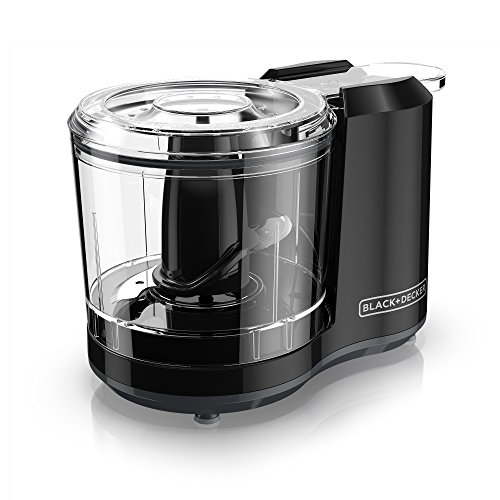
- BLACK+DECKER 1.5-Cup Electric Food Chopper — Best for Fresh Single Servings (Finishing Tool) · Check on Amazon
- KitchenAid 3.5 Cup Food Chopper (Contour Silver) — Best Small Finishing Chopper
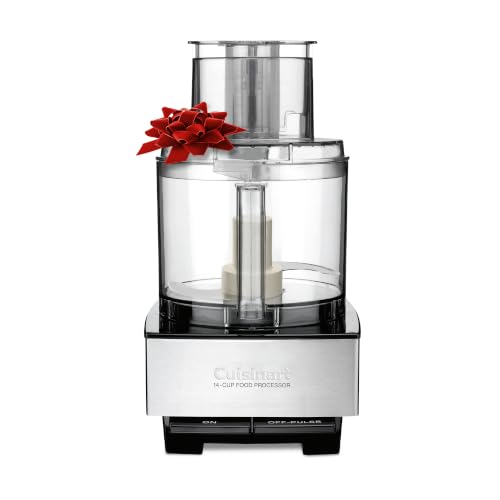
- Cuisinart 14-Cup Food Processor — Best Overall for Production Pureeing
- Cuisinart FP-1400 14-Cup Food Processor — Best for Hot Soups and Freezer Sessions
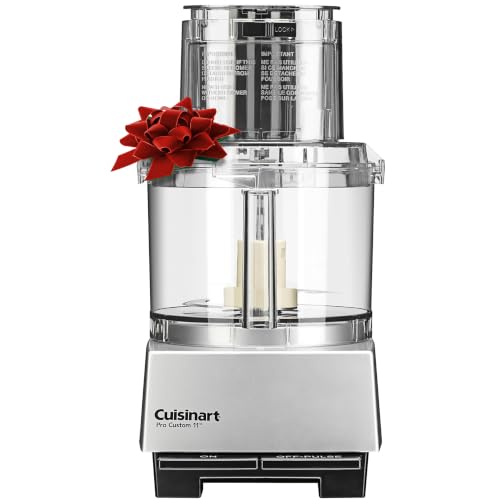
- Cuisinart Pro Custom 11 Food Processor — Best Mid-Production All-Rounder
- Ninja Professional Plus Food Processor BN601 — Best Preset-Driven Production
Read the full guide ↓
The best food processors for pureeing food are not the ones that make the silkiest spoonful; they are the ones still making smooth food at the twentieth cup. Anyone can puree a serving. Pureeing food as households actually need it, a pot of soup that becomes dinner and three freezer bags, a Sunday session that stocks a baby’s month and a week’s sauces, is production work. It rewards bowl capacity, motors comfortable with sustained running, lids that keep hot liquid where it belongs, and parts that survive the dishwasher afterward. That production lens is what this guide applies to every pick.
Scale changes the technique as much as the equipment. At family volume, the questions become logistical: how many loads per pot of soup, whether the bowl takes hot liquid safely, how the puree gets into freezer bags without wearing half of it, and whether the machine’s cleanup scales or becomes the bottleneck that ends the session early. The reviews below therefore lead with the 14 and 11-cup machines and treat the minis honestly, as finishing tools for a fresh serving, not as production equipment.
This guide is the companion to the technique-first discussion of pureeing in this cluster, which concentrates on small, texture-critical batches. Here the same physics, circulation, gradual liquid, cooked ingredients, is applied at volume. If your household purees by the pot, by the freezer bag or by the gathering, this is your list, and it makes no apology for putting the biggest bowls first.
Key Takeaways
- At family scale, capacity and sustained running matter more than any other specification.
- A 14-cup bowl purees a pot of soup in one or two loads; a mini turns the same pot into an afternoon.
- Sealed lids and careful hot-liquid limits make soup work safe and clean.
- Freezer workflow, portioning, labeling and flat-freezing, is half the value of a production session.
- The minis in this guide are finishing tools for fresh servings, not production machines, and are reviewed as such.
- Every pick is linked; order runs from production scale down to single-serving scale deliberately.
In this guide
Quick Picks
This table is ordered by production capacity on purpose. Start at the top if your pureeing is measured in pots and freezer bags; the bottom two rows serve a different, smaller job and say so.
| Product | Badge | Why it is here | Amazon |
|---|---|---|---|
| BLACK+DECKER 1.5-Cup Electric Food Chopper | Best for Fresh Single Servings (Finishing Tool) | The finishing tool: fresh servings, not production. Included for scale honesty. | Check on Amazon |
| KitchenAid 3.5 Cup Food Chopper (Contour Silver) | Best Small Finishing Chopper | The second chair: sauces, garnish purees and children’s portions. | Check on Amazon |
| Cuisinart 14-Cup Food Processor | Best Overall for Production Pureeing | The production center: 14 cups, stated 720 watts, puree in the listing. | Check on Amazon |
| Cuisinart FP-1400 14-Cup Food Processor | Best for Hot Soups and Freezer Sessions | Sealed 14-cup production bowl for soups and freezer work. | Check on Amazon |
| Cuisinart Pro Custom 11 Food Processor | Best Mid-Production All-Rounder | The pragmatic production size: 11 cups plus discs. | Check on Amazon |
| Ninja Professional Plus Food Processor BN601 | Best Preset-Driven Production | Preset-standardized pureeing in a versatile 9-cup machine. | Check on Amazon |
How These Picks Were Chosen
Picks were chosen from verified listings for production pureeing: bowl capacity first, then evidence of sustained-work design, stated power where a listing gives it, puree named as a function where a listing claims it, lid design for liquid work, and dishwasher-safe parts for session-scale cleanup. Listings were checked on 2026-11-20, and every figure in this guide comes from the listing itself. No hands-on testing is claimed; the reasoning is from specification to workload, the way a careful buyer would reason in the store.
The two small choppers at the end of the list were included deliberately and demoted honestly. A production guide that pretends a 1.5-cup chopper stocks a freezer would be lying to its readers; a guide that omits the fresh-serving end of pureeing would be incomplete. They are here, linked, and framed at their true scale, because many households run both systems: bulk sessions in a big bowl, fresh servings in a small one.
All six picks are linked with listing photos. Where two machines share a capacity class, the reviews separate them by the details that matter at volume: a sealed lid versus a stated motor figure, discs that widen the machine’s week, presets that standardize a repeated batch. Production cooks repeat themselves, and the best production machine is the one that makes the tenth batch identical to the first.
The 6 Best Food Processors for Pureeing Food at Family Scale
Each review below is judged on production terms: how much food it purees per load, how it behaves across repeated loads, and how its cleanup scales after a session.
BLACK+DECKER 1.5-Cup Electric Food Chopper
Badge: Best for Fresh Single Servings (Finishing Tool)
Strengths
- 1.5-cup bowl makes a fresh serving in about two minutes
- One-touch pulse and dishwasher-safe parts keep it effortless
- 150W motor stated plainly; expectations are easy to set
Trade-offs
- Cannot contribute meaningfully to bulk pureeing
- Pulse-only operation means texture is built in bursts
- Fibrous bulk ingredients are beyond its design
Key specs (from the listing)
- Capacity: 1.5-cup
- Motor: 150W
- Controls named in the listing: one-touch pulse
- Blade: stay-sharp blade
- Parts: dishwasher safe
The BLACK+DECKER 1.5-Cup Electric Food Chopper, with its 150W motor, one-touch pulse, stay-sharp blade and dishwasher-safe parts, opens this list as a deliberate framing device: it is the smallest pureeing tool in the pool, included so the production picks can be judged against the alternative. Its role in a pureeing-food household is the fresh serving: a single portion of soft food made to order, a small sauce finished while a bulk batch cools, a baby’s meal made fresh rather than thawed. At that scale it is quick, even and nearly effortless to clean.
What it cannot do is the subject of this guide: volume. A pot of soup through a 1.5-cup bowl is dozens of loads, each needing its own scrape and liquid judgment, and the result would vary from load to load in a way a family’s dinner notices. Production cooks should read this review as the case for owning both scales, not as a candidate for the session work. Households whose pureeing genuinely is one fresh serving at a time, however, can stop reading the big-bowl reviews with a clear conscience: this is their machine, honestly sized.
Its presence in a production kitchen has one more use: quality control. A small fresh puree of a new recipe, a seasoning variation on a soup, a test of a baby-food combination, can be made in this bowl in minutes before committing a 14-cup batch to the idea. Test small, produce large is a professional rhythm, and this little chopper is the test bench.
Best for: fresh single servings and recipe testing in a production household / Not suited for: any bulk pureeing whatsoever

KitchenAid 3.5 Cup Food Chopper (Contour Silver)
Badge: Best Small Finishing Chopper
Strengths
- 2 speeds plus pulse for controlled finishing textures
- 3.5-cup bowl covers a sauce or two servings per load
- Dishwasher-safe bowl and cord wrap for daily readiness
Trade-offs
- Still a relay tool for pot-size work, not a production bowl
- No puree program named in the listing
- Silver finish is the only difference from its red sibling in the wider pool
Key specs (from the listing)
- Capacity: 3.5 cup
- Blade: stainless steel multi-purpose blade
- Controls named in the listing: 2 speeds plus pulse
- Work bowl: dishwasher-safe
- Storage detail named in the listing: easy cord wrap
- Model: KFC3516CU
- Color: Contour Silver
The KitchenAid 3.5 Cup Food Chopper KFC3516CU in Contour Silver lists a stainless steel multi-purpose blade, 2 speeds plus pulse, a dishwasher-safe work bowl and an easy cord wrap. In a production household it plays the second chair: finishing a sauce while the big bowl is occupied, pureeing a child’s portion from the family’s vegetables, or making the small, strongly flavored puree, a romesco, a herb oil base, that would be lost inside a 14-cup bowl. Its named pulse and two speeds give it the best texture control of the small machines here.
Its honest production limit arrives quickly: a family pot of soup is five or six relays, and relay pureeing drifts in texture because each load gets slightly different liquid and running time. Where it shines in a session is parallel work. While the big machine rests between loads or the soup simmers, this chopper produces the garnish puree, the swirl, the side sauce, the baby portion, and the session ends with a complete meal instead of a single pot. Production is a team sport, and this is a genuinely useful teammate.
For households feeding both adults and a baby or toddler, this two-machine pattern is the daily reality: the family’s soup pureed at scale in the big bowl, the child’s portion pulled early, before extra salt or heat, and finished to a smoother texture here. One cooking effort, two appropriate textures, and no separate baby menu to plan. That pattern alone justifies a small chopper in a production kitchen.
Best for: parallel finishing work and family members needing a different texture / Not suited for: primary production pureeing for a household

Cuisinart 14-Cup Food Processor
Badge: Best Overall for Production Pureeing
Strengths
- 720-watt motor stated in the listing, built for sustained runs
- Puree named explicitly among its functions
- 14-cup bowl takes a family pot of soup in one or two loads
Trade-offs
- Hot liquid loads should stay near half the bowl for safety
- Large parts are a bigger wash after small jobs
- Minimum circulating load rules out tiny batches
Key specs (from the listing)
- Capacity: 14-cup work bowl
- Motor: 720-watt
- Functions named in the listing: mincing, dicing, shredding, puree and kneading dough
- Finish: stainless steel
- Model: DFP-14BCNY
The Cuisinart DFP-14BCNY pairs a 14-cup bowl with a 720-watt motor, and its listing names mincing, dicing, shredding, puree and kneading dough. This is the production center of the guide. A stated wattage at this level signals a machine designed to run, not to pulse politely, and pureeing food at family scale is running: hot soup processed continuously until the vortex smooths it, a double batch of bean puree, a freezer session of squash. The bowl’s depth keeps a working vortex at loads the minis cannot contemplate, and the batch comes out uniform because it was one batch, seasoned and textured once.
Session technique at this scale is about rhythm: cook the pot, puree in one or two loads while the food is hot and soft, season the combined batch, then portion. Combining loads before seasoning is the professional habit that keeps a freezer stock consistent. Respect the hot-liquid rule, fill about halfway for hot work, start with pulses, hold the lid, and the machine handles soup night without drama. The same bowl then turns to the week’s hummus, bean purees and sauces, which is how a production machine earns its storage: it is never only a soup machine.
Durability of routine matters as much as durability of parts. A production session creates a mountain of washing if the machine fights you, and this design’s straightforward assembly, a bowl, a blade, a lid, means the session ends with one wash cycle rather than an archaeological dig through attachments. Cooks repeat the sessions that end easily, and a freezer stays stocked only in kitchens where restocking is not dreaded.
Best for: soups, freezer sessions and family-scale purees of every kind / Not suited for: tiny fresh servings, which cannot circulate in this bowl


Cuisinart FP-1400 14-Cup Food Processor
Badge: Best for Hot Soups and Freezer Sessions
Strengths
- Leak-proof SealTight lid is the right design for hot, liquid batches
- 14-cup capacity matches the largest home production runs
- In-bowl storage corrals parts after a big session
Trade-offs
- Listing states no wattage figure to compare directly
- Sealed lid assembly has more surfaces to wash
- Same generous minimum load as any 14-cup bowl
Key specs (from the listing)
- Capacity: 14-cup large work bowl
- Lid: leak-proof SealTight design
- Slicing range named in the listing: 1 to 7 mm, plus shredding
- Also named: kneads dough
- Parts: dishwasher-safe, with in-bowl storage
- Model: FP-1400
The Cuisinart FP-1400 is a 14-cup processor with a leak-proof SealTight lid, slicing from 1 to 7 mm, shredding, dough kneading, dishwasher-safe parts and in-bowl storage. For pureeing food at scale, the sealed lid is its headline: hot soup and thin purees are the loads most likely to escape a standard lid at the moment the vortex peaks, and a lid engineered against leaks turns the messiest production job into a contained one. The listing states no wattage, so this guide ranks it by design and class rather than a power figure, and its dough listing signals a drivetrain specced for sustained work.
Freezer sessions are where this machine’s details compound. A double batch of soup purees under the sealed lid, portions into bags without a sprayed counter, and the parts nest inside the bowl to dry in one footprint. The slicing range adds a session bonus: vegetables for the next soup can be sliced in the same machine while the first pot simmers. Households that cook in weekend productions will feel the design’s intent in every step, which is the difference between equipment that supports a habit and equipment that merely survives it.
The sealed lid also changes what can be pureed without anxiety: thin broths bound for smooth soups, hot fruit purees for a freezer stock of sauces, and the watery first stage of a tomato passata-style puree all stay in the bowl. Unsealed designs make cooks unconsciously avoid liquid work; removing that avoidance quietly expands the repertoire a household actually cooks from its production sessions.
Best for: hot soups, liquid purees and organized freezer production / Not suited for: shoppers who want a stated wattage as their deciding figure

Cuisinart Pro Custom 11 Food Processor
Badge: Best Mid-Production All-Rounder
Strengths
- 11-cup bowl covers most family batches in one load
- Slicing and shredding discs widen the session beyond pureeing
- Dishwasher-safe parts for session cleanup
Trade-offs
- Listing states no wattage figure
- Largest gatherings may still need two loads
- Chrome finish needs a wipe after colorful batches
Key specs (from the listing)
- Capacity: 11-cup work bowl
- Discs named in the listing: slicing disc and shredding disc
- Parts: dishwasher-safe
- Finish: stainless steel and chrome
- Model: DLC-8SBCYP1
The Cuisinart Pro Custom 11 is an 11-cup processor whose listing names slicing and shredding discs and dishwasher-safe parts in a stainless and chrome build. Eleven cups is the pragmatic production size: most family soups, bean pots and sauce batches fit in one load, and the loads it splits are the exception rather than the rule. Its discs widen the production session usefully, since the vegetables for tomorrow’s soup or slaw can be shredded and sliced in the same sitting, in the same machine, while purees rest.
Choose this size if your production is weekly rather than industrial: a soup, a sauce, a bean puree, a baby-food top-up, all inside an hour, in a bowl that still rinses without a wrestling match. Its texture work at proper loads is even, and its honest ceiling, the true banquet batch, is handled by simply running two loads and combining before seasoning, the same professional habit the 14-cup cooks use. For many households this is the sweet spot where production capacity and daily usability overlap, and the machine gets used for ordinary dinners between sessions, which no purely industrial tool can claim.
There is a storage argument at this size too: an 11-cup machine lives on a counter or a reachable shelf in most kitchens, while the largest machines sometimes migrate to high cupboards, from which no production session has ever spontaneously begun. The best production machine is the one present at the moment the vegetables are. Presence is a specification no listing prints, and this size class wins it often.
Best for: weekly family production sessions in a single versatile machine / Not suited for: banquet-scale batches as a routine


Ninja Professional Plus Food Processor BN601
Badge: Best Preset-Driven Production
Strengths
- 1000PW power figure is the highest stated in this guide
- Auto-iQ puree preset standardizes repeated batches
- Three blades and a 9-cup bowl suit a varied production list
Trade-offs
- 9-cup bowl splits the largest pots into two loads
- Peak-power figures are not directly comparable to continuous wattage
- Presets still need a cook’s judgment on liquid and seasoning
Key specs (from the listing)
- Capacity: 9-cup bowl
- Power named in the listing: 1000PW
- Programs: Auto-iQ presets for chop, slice, puree and mixing dough
- Blades: 3 blade options named in the listing
- Feed chute and pusher included
- Parts: dishwasher-safe
- Model: BN601
The Ninja Professional Plus BN601 lists 1000PW of power, a 9-cup bowl, three blades, a feed chute and pusher, dishwasher-safe parts, and Auto-iQ presets that chop, slice, puree and mix dough. Its production case is standardization: a puree preset runs the same program for load one and load five, which makes it the natural pick for households who repeat a beloved batch, a signature soup, a weekly hummus, a baby-food staple, and want it identical every time. The peak-power figure is a class signal rather than a precise comparison, and this guide treats it that way.
Nine cups is the honest middle of production: most family batches fit, the largest split in two, and the bowl is still handy enough for a weeknight sauce, which the 14-cup machines are not. In session rhythm, the preset handles the breakdown while the cook manages portioning and the next load, a small division of labor that speeds the whole session. Households that value repeatability and a machine that also slices and mixes dough across the week will find this the most modern-feeling production tool in the guide; households chasing maximum single-load volume should stay with the 14-cup picks.
The three-blade set deserves its production note: across a varied session, soups, bean purees, dough for the bread that will accompany them, the machine changes roles without changing appliances. Production cooking is a sequence of related jobs, and a machine that covers more of the sequence shortens the session and the washing-up in equal measure. That breadth is this pick’s real argument, beyond any single number in its listing.
Best for: repeated signature batches and varied production sessions / Not suited for: maximum single-load soup volume
Comparison Table
Production pureeing is a capacity table before it is anything else. The top rows halve your loads; the bottom rows finish and finesse. Most serious households will recognize their own two-machine pattern somewhere in this table.
| Product | Capacity | Standout for this job | Amazon |
|---|---|---|---|
| BLACK+DECKER 1.5-Cup Electric Food Chopper | 1.5-cup | Single-serving scale; the production picks follow | Check on Amazon |
| KitchenAid 3.5 Cup Food Chopper (Contour Silver) | 3.5 cup | Finishing and parallel work at small scale | Check on Amazon |
| Cuisinart 14-Cup Food Processor | 14-cup work bowl | Top production pick on power and capacity | Check on Amazon |
| Cuisinart FP-1400 14-Cup Food Processor | 14-cup large work bowl | Sealed lid for hot liquid production | Check on Amazon |
| Cuisinart Pro Custom 11 Food Processor | 11-cup work bowl | Mid-production capacity with disc versatility | Check on Amazon |
| Ninja Professional Plus Food Processor BN601 | 9-cup bowl | Presets for repeatable batches, mid-size bowl | Check on Amazon |
How to Choose a Food Processor for Pureeing Food at Scale
Do the load arithmetic first
Count your real batches in cups. A family soup pot commonly holds twelve to sixteen cups of finished soup; a 14-cup bowl purees it in one careful hot load or two comfortable ones, an 11-cup bowl in two, a 9-cup bowl in two to three, and a 3.5-cup chopper in five or more, with texture drifting at every relay. A baby-food freezer session might total eight to ten cups across flavors. Write your numbers down and let them choose the bowl; capacity regret is the most common and most avoidable disappointment in this category.
Remember the working fill is not the printed capacity. Hot liquids should fill about half the bowl, and thick mixtures need headroom to fold. A 14-cup bowl is really a seven-cup hot-soup bowl and a ten-cup thick-puree bowl, and it is still, by that honest arithmetic, the production leader in this guide.
Endurance and the sustained run
Production pureeing runs machines continuously and repeatedly, so read listings for endurance signals: a stated wattage like the Cuisinart’s 720 watts, a peak figure like the Ninja’s 1000PW, dough work in the function list, which implies a drivetrain built for resistance. Silence on power is not disqualifying, the FP-1400 competes on design, but it shifts the burden of proof to the machine’s class and features. Whatever you choose, build rest into a long session: a minute between heavy loads costs nothing and treats the motor kindly.
Heat is the session’s other endurance question, and it is about the food as much as the machine. Hot ingredients puree smoother and faster, so production cooks puree hot and season once, combined. Work with lids held, towels ready, and bowls filled conservatively until the vortex’s behavior is known; every machine announces its comfort in the first load.
The freezer is the point: portioning systems
A production session is only as good as its storage system. Purees freeze best in the portions they will be eaten: flat freezer bags for soups and sauces, which stack and thaw quickly; ice-cube trays for baby food and concentrated bases; small containers for single servings. Label everything with contents and date at the moment of filling, because frozen purees are famously anonymous. The processor’s contribution to this system is a batch uniform enough that any bag tastes like the batch you seasoned.
Rotation completes the system: oldest bags to the front, a rough inventory on the freezer door, and sessions scheduled when stocks run low rather than when the freezer is already full. Households that run this loop find the production machine pays for its counter space in weeknight time, repeatedly. The vegetable bases that feed these sessions often begin as riced and shredded prep, covered in Best Food Processors For Riced Veggies.
Cleanup at session scale
Multiply a normal cleanup by six loads and you have the real cost of a production session. Dishwasher-safe bowls, blades and lids, named in most listings here, are therefore a production specification, not a convenience. So is simple geometry: bowls without creviced lids rinse faster, and in-bowl storage, as on the FP-1400, keeps a session’s worth of wet parts in one drying footprint. Judge a production machine with its washing-up included, and the sealed, simple designs in this guide explain themselves. The same session logic governs the soup work in Best Food Processors For Soup, where the combined batch is likewise seasoned once.
The finishing bench: why the minis stay in a production kitchen
Production sessions end with finishing work, and finishing work is small: a garnish puree, a child’s smoother portion, a sauce adjusted at the last minute. Keeping a mini beside the production machine for that bench work is the same insight that organizes the compact kitchens in Best Food Processors For Small Kitchens: the right-sized tool, within reach, gets used, and the session ends with a complete meal instead of a single pot and good intentions.
How to Run a Pureeing Production Session
A production session converts one cooking effort into many meals. The workflow below assumes a soup or mixed puree session in a full-size machine, with the freezer as the destination, and it scales down gracefully to a single pot for tonight.
- Cook the full pot first: soups simmered until every ingredient is tender, vegetables roasted or steamed in bulk, beans cooked soft.
- Set up the portioning station before the first load: bags or trays laid out, labels and a marker ready, a wide funnel or jug at hand.
- Puree load by load while the food is hot, filling the bowl conservatively, holding the lid, and starting each load with pulses before continuous running.
- Combine all loads in the pot and season the combined batch once, so every portion tastes identical.
- Adjust texture at the combined stage with reserved cooking liquid, a little at a time, remembering the puree will set slightly as it cools.
- Portion immediately into bags or trays, label with contents and date, and lay bags flat to freeze.
- Rest the machine briefly between heavy loads, and rinse the bowl between flavors so a squash batch does not haunt a tomato batch.
- Wash or load the dishwasher as soon as the session ends; production cleanup deferred is production cleanup doubled.
Two production habits repay adoption immediately. First, keep a session log, brief as a sticky note: what you made, how many portions, what ran out first last time. Within three sessions the log tunes quantities to your household’s real appetite and ends the era of five bags of a puree nobody finishes. Second, thaw with intention: a flat bag thaws in a bowl of cold water in the time dinner’s other elements cook, which makes the freezer stock genuinely usable on a weeknight rather than theoretically virtuous.
Food safety at scale deserves its sentence: cool purees promptly, refrigerate or freeze without lingering, and reheat thawed portions thoroughly. Production cooking is generous cooking, and its hygiene should be as systematic as its portioning.
Keep one bag from every session in the refrigerator rather than the freezer, as the week’s ready base. That single habit converts the freezer stock from a savings account you admire into a working pantry you cook from, and it guarantees the session’s food is tasted fresh at least once, which is the feedback that improves the next session’s seasoning and texture decisions.
Troubleshooting
Problem: Loads from the same pot taste different → Each load was seasoned or thinned separately. Combine all loads first, then season and adjust the combined batch once. If loads are already portioned, note the variation for next time and standardize with a preset or a timed run.
Problem: Hot puree escapes around the lid → The bowl was too full or the start was too aggressive. Fill hot loads to about half, begin with pulses, hold the lid firmly, and consider the sealed-lid design in this guide if liquid work is your staple.
Problem: The freezer fills with purees nobody eats → The session made what was easy, not what the household loves. Keep the session log, cut the unpopular batches, and double the ones that vanish. Production should follow appetite, not optimism.
Soup Night as a System, Not an Event
In households with a production processor, soup stops being an occasion and becomes a system: a pot on Sunday, dinner that night, lunches in bags, a base for Wednesday’s sauce. The machine’s role is to make the system’s texture effortless, because a soup that needs babying will not be made monthly. This is why the sealed and stated-power 14-cup picks lead this guide: they remove the two frictions, mess and effort, that kill soup systems in their third week.
The repertoire widens once the system runs. Tomato, squash, black bean, split pea, roasted pepper: each follows the same cook-puree-portion loop, and the freezer becomes a menu. Add the garnish layer, a small chopper’s herb oil, a swirl of something creamy, a handful of something crisp, and production soup eats like a fresh dish every time, which is the standard that keeps a system alive for years rather than months.
Baby Food at Production Scale, Family Food at the Same Time
The freezer-session version of baby food making belongs in this guide because its logic is production logic: several flavors, one session, a month of portions. The big bowls produce the volume evenly, the trays standardize the portions, and the session log tracks what the child loved. The crucial production decision is seasoning separation: pull the baby’s portions from the pot before the family’s salt, heat and strong spice go in, and one cooking effort feeds everyone appropriately.
As the child grows, the same sessions shift texture rather than ending: shorter runs, mashed finishes, then soft chopped family food from the small chopper. The production habit, cook once, portion smartly, freeze flat, outlasts the baby stage entirely and becomes the household’s sauce, soup and base system. Families often report the processor bought for a baby becomes the most-used appliance of the following decade, and the capacity bought for those sessions is why. The technique-first companion to this production view covers the job at the single-serving end, and the two guides together span the whole range from a fresh portion to a stocked freezer.
Sauces and Bases: The Quiet Half of Production
Not all production pureeing is soup. A household that eats well on weeknights usually runs on bases: a roasted pepper puree that becomes a sauce, a soup and a sandwich spread; a bean puree that becomes a dip, a soup thickener and a toast topping; a tomato puree that becomes a pasta sauce and a braising liquid. Making these bases at scale, in the big bowls of this guide, is the highest-leverage pureeing a home cook does, because one session quietly upgrades a dozen future meals.
Bases reward the same production virtues as soups, uniformity, honest capacity, easy cleanup, with one addition: neutrality. A base seasoned to the middle, salted lightly, acid held back, can travel in any direction at serving time, while a fully seasoned batch can only be itself. Production cooks learn to freeze bases a little under-finished and finish them fresh, with lemon, herbs, heat or cream added as the dish demands. That restraint is what makes a freezer of purees feel like a pantry of possibilities rather than a stack of identical dinners.
The small choppers re-enter here as finishing tools in the truest sense: the base thaws, and the fresh element, a herb puree, a garlic and lemon finish, a spiced oil’s solid base, gets made in ninety seconds in a mini while the base warms. Production and freshness are not opposites; in a well-run kitchen they are two halves of the same meal, and this guide’s six picks, from the 1.5-cup chopper to the sealed 14-cup bowl, are the two halves of that equipment story.
Common Buying Mistakes
Buying a mini as a production machine. The arithmetic is unforgiving: a pot of soup through a 3.5-cup bowl is an afternoon of relays with drifting texture. Minis finish; big bowls produce. Budget for the scale you actually cook at.
Seasoning load by load. Each relay ends up salted and thinned by feel, and the portions disagree with each other. Puree everything first, combine, then season once. Consistency is a workflow, not a talent.
Overfilling with hot liquid. Hot puree expands its ambitions the moment the blade spins. Half-full bowls, pulsed starts and a held lid keep soup in the machine and off the cook, every session.
Freezing without labels or portions. Anonymous bags of orange puree are a freezer’s way of mocking good intentions. Portion for real meals, label with contents and date, freeze flat, and rotate oldest forward.
Letting cleanup end the habit. A production session that finishes with an hour of scrubbing will not be repeated. Dishwasher-safe parts and a rinse-as-you-go rhythm are production features; weigh them as heavily as capacity.
Final Recommendation
For pureeing food at the scale households actually need it, the Cuisinart DFP-14BCNY is this guide’s first recommendation: a stated 720-watt motor, puree named in its own listing, and a 14-cup bowl that turns a pot of soup into a single, uniform batch. It is the production tool the rest of the list is measured against.
Start with the BLACK+DECKER 1.5-Cup Electric Food Chopper if it matches your kitchen, or the KitchenAid 3.5 Cup Food Chopper (Contour Silver) as the closest alternative — check the latest price on Amazon for either before you decide.
Choose the FP-1400 if hot, liquid work dominates and a sealed lid will keep your sessions clean, the Pro Custom 11 for the pragmatic weekly middle, and the Ninja BN601 if repeatable presets and all-week versatility matter as much as volume. Keep the KitchenAid and the little BLACK+DECKER for what they are genuinely best at: the fresh serving, the child’s portion, the finishing sauce. Production and finishing together are the complete pureeing kitchen, and this guide’s six picks, honestly scaled, cover both.
A closing thought on scale: the right production machine is the one matched to your largest regular batch, not your largest imaginable one. A household that purees a family pot weekly and a holiday pot twice a year should buy for the weekly pot and split the holiday pot in two, happily. Capacity bought for a twice-a-year event taxes every ordinary week in storage, washing and handling, while capacity matched to the routine disappears into the routine itself.
Frequently Asked Questions
How many loads does a pot of soup take in a 14-cup processor?
Usually one careful hot load or two comfortable ones for a typical family pot, since hot liquid should fill only about half the bowl. The same pot takes two loads in an 11-cup bowl and five or more in a mini chopper, which is the practical difference this guide is built on.
Can I puree food in bulk for a baby and freeze it?
Yes, and it is one of the best uses of a full-size machine: cook several flavors, puree each in the big bowl, portion into trays, freeze, and store the cubes in labeled bags. Pull the baby’s portions before adding the family’s salt and strong seasoning. Feeding choices themselves belong with the child’s clinician.
Why combine loads before seasoning?
Because seasoning by feel, load by load, guarantees variation. A combined batch seasoned once tastes the same in every portion, which matters most in a freezer stock eaten over weeks. It is the simplest professional habit a home production cook can adopt.
Is a sealed lid worth it for pureeing?
For hot and liquid work, yes. Thin purees at full vortex are the loads most likely to find a standard lid’s seam. A leak-proof design like the FP-1400’s SealTight lid keeps sessions clean and makes cooks willing to puree liquid food often, which is the real benefit.
How long do frozen purees keep?
As a general kitchen rule, soups and vegetable purees hold their quality for a few months frozen in flat, well-sealed bags, and baby-food cubes for a shorter, more careful window. Label with dates, rotate oldest first, and let your senses arbitrate anything doubtful. The meal-prep pattern that surrounds these purees pairs naturally with the batch thinking in Best Food Processors For Riced Veggies.
What is the smallest batch a 14-cup bowl can puree well?
Roughly several cups; below that the mixture cannot maintain the folding circulation a smooth puree needs and smears across the base instead. That minimum is why this guide keeps the small choppers in the list: the complete pureeing kitchen has a tool for the single serving as well as the pot.
Should production purees be seasoned fully before freezing?
Season them lightly and finish after thawing. Salt perception shifts after freezing and reheating, and acid and fresh herbs are always better added at serving. A base frozen a little under-seasoned can become anything; a fully seasoned batch can only become itself, which limits a freezer stock’s usefulness.