Disclosure: topratedkitchenware.com is reader-supported. When you buy through links on our site, we may earn an affiliate commission from Amazon and other retailers, at no extra cost to you.
Where to buy
If you are shopping for the best food processors for nut butter, the six models below are the shortlist this guide is built around. Prices and availability change often on Amazon, so use the links to check the current listing before you buy. Orders are placed on Amazon, and the listing there carries the full manufacturer detail for each model.
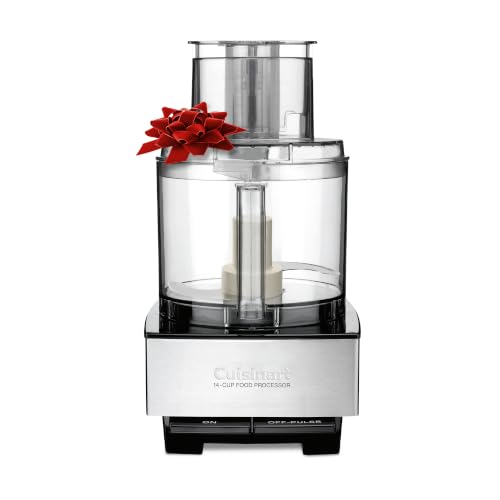
- Best Overall: Cuisinart Pro Custom 11 Food Processor — Check on Amazon
- Ninja Professional Plus Food Processor BN601 — Check on Amazon
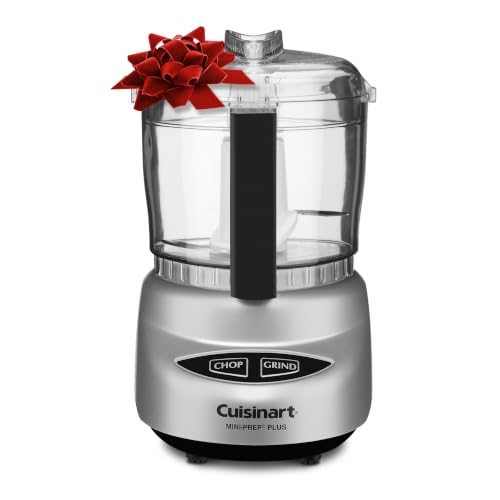
- Cuisinart Mini Food Processor 3-Cup — Check on Amazon
- Hamilton Beach 10-Cup Food Processor — Check on Amazon
- BLACK+DECKER 8-Cup Food Processor — Check on Amazon
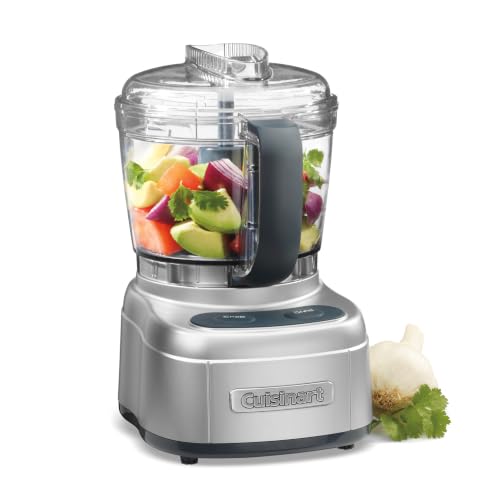
- Cuisinart Core Custom 4-Cup Mini Chopper — Check on Amazon
Read the full guide ↓
Choosing the best food processors for nut butter means judging a machine by the strangest job in its repertoire. Nut butter is not chopping, and it is not pureeing: it is a long, grinding transformation in which whole nuts are first shattered, then reduced to a dry, clumping powder, then — slowly, as their own oils release — coaxed through a thick paste stage into something glossy and spoonable. That journey takes sustained running, real torque, and a bowl and blade that keep a stubborn mass moving instead of letting it ride in a ring above the blades. Machines that shine at salsa can fail here completely.
The timeline surprises most first-time makers. For several minutes, nothing seems to happen beyond noise: crumbs become powder, powder becomes a ball that thumps around the bowl, and it is tempting to add oil, add water, or give up. Then the oils release and the mixture collapses into butter. A good nut-butter processor is the one that survives that stubborn middle stage — motor untroubled, contents circulating, lid sealed against fine nut dust — and this guide ranks its six picks by exactly that ability, with bowl size and patience features weighed alongside raw power.
Bowl size cuts both ways here, which is why this list deliberately spans eleven cups down to four. A full-size bowl makes a family jar in one run but needs enough nuts to engage the blade; a compact chopper makes a small, fresh batch beautifully but asks you to work in miniature. If you are comparing the plural, batch-and-variety side of this craft, our companion guide to the Best Food Processors For Nut Butters covers making several kinds in rotation, while this guide stays focused on choosing one machine for the job itself.
Key Takeaways
- Nut butter is a marathon job: sustained torque and a blade that keeps a thick mass circulating matter more than slicing features.
- Expect stages — crumbs, powder, a clumping ball, then a sudden collapse into butter as the nuts release their oils. Do not add oil too early.
- Full-size bowls need a generous load of nuts to engage the blade; compact choppers suit small, fresh batches and recipe tests.
- The eleven-cup Cuisinart and the thousand-peak-watt Ninja are the natural leads for regular nut-butter making.
- Rest the motor in longer sessions and scrape the bowl down between stages; technique rescues more batches than power does.
- Use the Amazon links throughout to check the latest price on Amazon for each model before deciding.
In this guide
Quick Picks
The top two picks are full-size machines with the power and bowl geometry for regular jars of nut butter. The middle pair covers budget full-size capacity and a mid-size all-rounder, and the two compacts serve small-batch makers who would rather make a little, often, than a lot at once.
| Pick | Badge | Why it earns its place |
|---|---|---|
| Cuisinart Pro Custom 11 Food Processor | Best Overall | An eleven-cup classic bowl with the sustained, steady character nut butter’s long middle stage demands. |
| Ninja Professional Plus Food Processor BN601 | Best Power for Hard Nuts | One thousand peak watts and Auto-iQ puree power for driving hard nuts through the powder stage. |
| Cuisinart Mini Food Processor 3-Cup | Best for Small Test Batches | A three-cup mini for test batches and single servings — with its small scale stated plainly. |
| Hamilton Beach 10-Cup Food Processor | Best Budget Full-Size | A ten-cup bowl with a built-in scraper that keeps nut paste moving down where it belongs. |
| BLACK+DECKER 8-Cup Food Processor | Best Mid-Size Value | An eight-cup, four-hundred-fifty-watt middle option for modest batches and everyday processing. |
| Cuisinart Core Custom 4-Cup Mini Chopper | Best Compact for Small Jars | A four-cup mini with an auto-reversing blade, sized for small jars made fresh and often. |
How These Picks Were Chosen
Picks were selected by comparing listings for the qualities nut butter actually tests: motor figures where the listing states them, bowl capacity, blade design, and any feature that helps a thick, oily mass keep moving — a bowl scraper, a puree program, a reversible blade that changes the direction of attack. Ranking follows the job, not general reputation. That is why the Hamilton Beach, a modest all-rounder in most contexts, earns a serious place here: its built-in bowl scraper addresses nut butter’s single most annoying behaviour, which is paste climbing the walls and hiding from the blade.
We were equally careful about scale honesty. A processor needs a minimum load to work — too few nuts in a big bowl simply ricochet — and a maximum load beyond which the mass cannot circulate. Each review therefore talks about the batch size the bowl genuinely suits, rather than pretending one machine covers a single serving and a catering batch equally. Where a listing gives a wattage we cite it as a listing figure; the Ninja’s thousand peak watts and the BLACK+DECKER’s four hundred fifty watts are both presented that way, as ratings rather than guarantees.
This guide is research-led rather than a bench test: we compared specifications, designs, and manufacturer descriptions against the known physics of the job, and we say so plainly. No hands-on testing claims are made. What research can settle — and does — is which designs give the oils time and encouragement to release, which bowls match which batch habits, and where each machine’s honest ceiling sits. For the related dry side of nut processing, our guide to the Best Food Processors For Nut Flour covers stopping the same machines at the flour stage instead.
The 6 Best Food Processors for Nut Butter
Every review below judges its machine against the same sequence — whole nuts, crumbs, powder, clumping ball, glossy butter — and names who the bowl size suits and where the machine’s patience runs out. The trade-offs matter: nut butter exposes them like no other job.

Cuisinart Pro Custom 11 Food Processor
Badge: Best Overall
Strengths
- Eleven-cup bowl holds a full family jar’s worth of nuts with room for the mass to circulate
- Established Pro Custom design in stainless steel, with slicing and shredding discs for the rest of the week
- Dishwasher-safe parts make an oily cleanup far less of a chore
Trade-offs
- No nut-butter or puree program, so stage timing and scrape-downs are yours to manage
- Eleven cups needs a generous load; a handful of nuts will ricochet rather than grind
- Chrome finish shows oily fingerprints and needs a wipe after messy sessions
Key specs from the listing: Capacity: 11 cups. Discs: slicing and shredding included. Care: dishwasher safe. Finish: stainless steel, chrome. Model: DLC-8SBCYP1.
The Pro Custom 11 leads this list because nut butter rewards exactly its virtues: a bowl big enough for a serious batch, a settled and proven design, and the steady character to keep running through the long, unglamorous middle stage when the mixture is a dry, clumping ball and lesser machines start to smell warm. Eleven cups of bowl means a family jar’s worth of almonds or peanuts can circulate properly — enough mass for the blade to grip, enough room for the mass to fold over itself as the oils release and the texture turns.
There is no program to hide behind here, and for nut butter that is arguably right: the stages do not run to a clock, they run to the nuts. You will stop once or twice to scrape the walls, rest the motor briefly on a long almond session, and judge readiness by gloss and flow rather than by a timer. The included slicing and shredding discs make the machine the week’s general processor as well, and dishwasher-safe parts matter more after nut butter than after almost anything else, because oily residue clings. The honest limit is minimum load: a small handful of nuts in this bowl will bounce rather than butter, so small-batch makers should look further down this list.
Best for: regular makers producing a family jar in one comfortable batch / Not suited for: small handfuls of nuts, which will not engage an eleven-cup bowl


Ninja Professional Plus Food Processor BN601
Badge: Best Power for Hard Nuts
Strengths
- One thousand peak watts driving a nine-cup bowl, aimed squarely at hard, dense loads
- Auto-iQ presets include puree, the program family nut butter belongs to
- Three blades, feed chute and pusher, and dishwasher-safe parts round out a full-size package
Trade-offs
- Nine-cup bowl caps the batch below the biggest bowls here
- Peak-watt figures describe maximum output, not a promise about every hard load
- Programs run their own timing, which may not match the patience nut butter sometimes needs
Key specs from the listing: Power: 1000 peak watts. Capacity: 9 cups. Programs: Auto-iQ presets for chop, slice, puree, and mixing dough. Blades: 3 included. Care: dishwasher-safe parts. Model: BN601.
The Ninja BN601 is the power pick. Its listing leads with one thousand peak watts and Auto-iQ presets that include puree, and hard nuts are precisely where a strong motor and a program designed to keep dense mixtures moving earn their keep. The early stages — whole nuts to crumbs to powder — pass quickly under this kind of power, and the nine-cup bowl holds a respectable batch while staying a touch more manageable on the counter than the largest bowls here.
Two honest qualifications keep it in second place rather than first. Peak wattage is a maximum rating, not a description of sustained behaviour, and nut butter is a sustained job; and a preset program runs to its own pattern, while real batches vary — roasted versus raw nuts, warm versus cool room, oily peanuts versus stubborn almonds. The winning technique on the Ninja is to use the puree preset as your base rhythm and still pause to scrape and rest, treating the program as an assistant rather than an autopilot. Households that also knead will notice the dough preset, the same versatility explored in our guide to the Best Food Processors For Nutbutter in its compact one-word form.
Best for: makers of hard-nut butters who want maximum listed power and a puree preset / Not suited for: bulk production beyond a nine-cup batch

Cuisinart Mini Food Processor 3-Cup
Badge: Best for Small Test Batches
Strengths
- Three-cup size keeps a small load of nuts engaged with the blade instead of lost in a big bowl
- Auto-reversing SmartPower blade changes direction between chop and grind behaviour
- Brushed chrome mini stores anywhere and rinses clean in moments
Trade-offs
- Batch size is miniature — a small jar at a time, never a family supply
- Long, hard runs are a lot to ask of a mini motor; rests between stages are wise
- Twenty-four-ounce capacity means oily overflow is a real risk if overfilled
Key specs from the listing: Capacity: 3 cups (24 oz). Blade: auto-reversing SmartPower, chop and grind modes. Finish: brushed chrome.
The Cuisinart Mini earns its place by solving the opposite problem. In a three-cup bowl, a modest handful of nuts stays in the blade’s working zone instead of ricocheting around a full-size bowl, which makes it genuinely good at the jobs small-batch makers actually do: testing a new nut or roast level, making a single fresh serving, or grinding a small quantity for a sauce or dressing base. The auto-reversing SmartPower blade, which changes direction between chop and grind behaviour, helps keep a small, thickening mass from settling into one stubborn ring.
The limits are scale and stamina, and they are real. Twenty-four ounces is a small jar at best, the motor of a mini prefers its work in shorter runs with rests, and a long, hard almond session is more than this format was designed for. Treat it as the test-batch and fresh-small-jar specialist — a role it performs better than any big machine can — and it is a smart, inexpensive way to live with homemade nut butter. Treat it as a bulk appliance and it will disappoint you fairly quickly.
Best for: test batches, single servings, and very small kitchens / Not suited for: family supply or long, hard grinding sessions

Hamilton Beach 10-Cup Food Processor
Badge: Best Budget Full-Size
Strengths
- Ten-cup full-size bowl suits a proper jar batch with circulation room
- Built-in bowl scraper sweeps paste off the walls without opening the lid
- Stainless steel all-rounder covering slicing, shredding, mincing, and pureeing
Trade-offs
- No motor figure is foregrounded in the listing, so judge it on bowl and scraper rather than power claims
- The scraper helps most mid-process; a very dry early stage still needs a stop and stir
- Ten cups is full-size but not the largest ceiling for bulk makers
Key specs from the listing: Capacity: 10 cups. Feature: easy-clean bowl scraper built in. Jobs named: slicing, shredding, mincing, pureeing. Finish: stainless steel. Model: 70730.
The Hamilton Beach 70730 has one feature that nut-butter makers will appreciate more with every batch: a bowl scraper built into the design, there to sweep the sides without stopping, opening, and fishing for a spatula. Nut paste’s favourite trick is climbing the walls and spinning safely out of the blade’s reach while the centre churns; a scraper directly attacks that behaviour, and the ten-cup bowl behind it is honestly full-size, with room for a proper jar batch to circulate and fold.
The rest of the proposition is straightforward value. The listing names slicing, shredding, mincing, and pureeing as its jobs, the finish is stainless steel, and no headline motor figure is offered — so this is a machine to choose for its bowl and its scraper rather than for power bragging. Very dry early stages will still benefit from a stop and a stir, and bulk makers feeding a crowd will find ten cups a ceiling. For a household making a weekly jar, though, the scraper alone can justify this machine’s place in the kitchen.
Best for: weekly jar makers who hate stopping to scrape the bowl / Not suited for: bulk makers who need the largest possible bowl

BLACK+DECKER 8-Cup Food Processor
Badge: Best Mid-Size Value
Strengths
- Eight-cup bowl is a workable middle size for modest nut batches
- Four-hundred-fifty-watt motor with attachments to shred, slice, mince, grind, and puree
- Stainless steel blade and a straightforward, uncomplicated design
Trade-offs
- Four hundred fifty watts is the modest end here, so hard nuts take longer and need patience
- Eight cups sits between stools — small for bulk, large for a single small serving
- Fewer refinement features than the premium names in this list
Key specs from the listing: Capacity: 8 cups. Power: 450W. Blade: stainless steel. Jobs named: shred, slice, mince, grind, puree.
The BLACK+DECKER sits in the middle of this list in every sense: an eight-cup bowl, a four-hundred-fifty-watt motor, a stainless steel blade, and attachments covering shred, slice, mince, grind, and puree. For nut butter, eight cups is a workable batch size — enough nuts to engage the blade and produce a useful jar, without the counter footprint of the biggest bowls — and the grind and puree functions named in the listing are exactly the actions the job passes through on its way from whole nuts to butter.
Patience is the price of admission. Four hundred fifty watts is the modest end of this group, so hard nuts will take longer to reach the oil-release stage, and the sensible technique is shorter runs with scrape-downs and brief rests rather than one long push. Roasted nuts, which give up their oils more readily than raw, are the friendly choice for this machine. Buyers who want an uncomplicated, mid-size processor for a bit of everything — with nut butter as a regular, unhurried job rather than a bulk production — will find the balance here sensible.
Best for: modest batches and general processing in a mid-size footprint / Not suited for: impatient bulk grinding of the hardest raw nuts

Cuisinart Core Custom 4-Cup Mini Chopper
Badge: Best Compact for Small Jars
Strengths
- Four-cup capacity is the small-jar sweet spot for fresh, frequent batches
- Auto-reversing stainless steel SmartPower blade for chop and grind work
- Dishwasher-safe parts and a white-and-stainless finish that suits small kitchens
Trade-offs
- Four cups makes small jars only; regular family supply means repeated batches
- Mini motors prefer short runs with rests over one long grinding session
- No discs or full-size attachments — this is a chopper first, not a full processor station
Key specs from the listing: Capacity: 4 cups. Blade: auto-reversing stainless steel SmartPower. Care: dishwasher-safe parts. Finish: white/stainless steel. Model: MCH-4.
The Core Custom 4-Cup Mini Chopper is the fresh-and-often option. Four cups is a thoughtful size for nut butter made the way many people actually eat it: a small jar, made this week, from nuts bought for the purpose, with nothing sitting around long enough to go stale. Its auto-reversing stainless steel SmartPower blade handles the chop and grind stages and keeps a small mass moving, and dishwasher-safe parts remove the oily-cleanup penalty that puts people off making small batches frequently.
As with every mini here, the boundaries are firm. Family supply means repeated batches, long hard grinds should be broken into rested runs, and there are no discs or full-size attachments — this is a chopper that does a chopper’s jobs very well, not a processing station. Within its lane, though, it is arguably the most liveable way to keep homemade nut butter in the house: small machine, small batch, small cleanup, repeat next week. Small kitchens and solo households should start their reading here rather than at the top of the list.
Best for: small jars made fresh and often by one or two people / Not suited for: households wanting one machine for every processing job
Comparison Table
Compare these six by batch habit first and features second: the right bowl for your usual quantity of nuts will make more difference than any other line in this table.
| Pick | Bowl and format | Blade and controls | Stands out for | Listing |
|---|---|---|---|---|
| Cuisinart Pro Custom 11 Food Processor | 11-cup full-size bowl | Slicing and shredding discs; dishwasher-safe parts | Steady full-batch nut butter | Check on Amazon |
| Ninja Professional Plus Food Processor BN601 | 9-cup bowl | Auto-iQ puree preset; 1000 peak watts; 3 blades | Power through hard nuts | Check on Amazon |
| Cuisinart Mini Food Processor 3-Cup | 3-cup mini bowl | Auto-reversing SmartPower blade; chop and grind | Test batches and small servings | Check on Amazon |
| Hamilton Beach 10-Cup Food Processor | 10-cup full-size bowl | Built-in bowl scraper; stainless steel design | Scrape-free weekly jars | Check on Amazon |
| BLACK+DECKER 8-Cup Food Processor | 8-cup bowl | 450W motor; shred, slice, mince, grind, puree attachments | Mid-size all-round value | Check on Amazon |
| Cuisinart Core Custom 4-Cup Mini Chopper | 4-cup mini bowl | Auto-reversing SmartPower blade; dishwasher-safe parts | Small jars, fresh and often | Check on Amazon |
How to Choose a Food Processor for Nut Butter
Match the bowl to your batch before you look at anything else. Nut butter needs a minimum load: the nuts must cover the blade and form a mass deep enough to fold over itself, or they will simply bounce and powder unevenly. In an eleven-cup bowl that means a generous quantity; in a four-cup chopper it means a modest handful. It also has a maximum: a bowl packed to the brim cannot circulate, and the mixture will ride in a ring while the centre overheats. Decide whether you are a jar-a-week household, a small-fresh-batch maker, or a bulk producer, and let that honest answer pick your size class from the six above.
Power matters, but read it properly. A listed wattage — the Ninja’s thousand peak watts, the BLACK+DECKER’s four hundred fifty — describes the motor’s rating, and the word peak matters: sustained behaviour through a ten-minute grind depends on the whole design, including bowl shape, blade position, and how the machine sheds heat. Practically, stronger machines move through the crumb and powder stages faster and strain less at the paste stage, while modest machines get there with rests and patience. If your favourite nuts are hard, dry almonds rather than oily peanuts, weight power more heavily in your decision.
Features that keep the mass moving are worth more than features that slice prettily. A bowl scraper, a blade that reverses, a puree program that pulses intelligently — each of these attacks nut butter’s central problem, which is mixture escaping the blade’s working zone and hiding on the walls. When you read listings, look for those circulation helpers first and treat extra discs and attachments as a bonus for the rest of your cooking week, not as evidence the machine will make better butter.
Think about heat and time as a pair. Friction warms the mixture as it grinds, which actually helps oils release, but the same sustained running warms the motor. The craft of nut butter on any machine is rhythm: run until the stage changes, stop, scrape down, rest briefly, run again. A machine you enjoy using in that rhythm — comfortable lid, easy scrape access, parts that go in the dishwasher afterwards — will make more nut butter over its life than a theoretically stronger machine that turns every batch into a chore. The same rhythm-and-rest discipline governs the dry version of this work in our guide to the Best Food Processors For Nut Flour Grinding.
Finally, consider the nut itself as part of the equipment decision. Roasted nuts release their oils faster and more willingly than raw; warm nuts grind faster than cold; oily nuts like peanuts and macadamias are forgiving, while almonds and hazelnuts test a machine’s patience. If your heart is set on raw almond butter in bulk, buy toward the top of this list. If your routine is roasted peanut or mixed-nut butter in modest jars, every machine here can serve you, and bowl fit and cleanup should decide it.
How to Make Nut Butter in a Food Processor
Homemade nut butter is a lesson in trusting a process that looks broken for most of its duration. The method below works across the machines in this guide, with timing adjusted to your motor and batch. Start with roasted nuts if you can — roasting deepens flavour and, just as importantly, helps the oils release, shortening the grind and easing the load on the machine.
Work in the rhythm the stages dictate. Each stage — crumbs, powder, ball, butter — announces itself if you watch and listen, and each stage change is your cue to stop, scrape the walls and lid, check the mass, and give the motor a breath before the next run. Salt and flavourings go in at the very end, when the butter is glossy, so they season a finished texture rather than interfering with the grind.
- Add roasted nuts to the bowl in a quantity that covers the blade generously without packing the bowl to the brim.
- Run the machine until the nuts break down to crumbs, then stop and scrape the walls and lid.
- Continue running as the crumbs become a dry, fine powder; scrape down again so the powder stays in the blade’s path.
- Keep going as the powder clumps into a thick ball that thumps around the bowl — this stubborn stage is normal, not a failure.
- Rest the motor briefly if the batch is long, then continue; the ball will suddenly soften as the nuts release their oils.
- Run in shorter bursts now, scraping between them, until the butter turns glossy, loose, and spoonable.
- Add salt or other flavourings only at the end, and pulse briefly to combine.
- Transfer to a clean jar while the butter is warm and fluid; it will firm up as it cools.
Resist the two classic interventions. Oil added early makes a greasy, separated butter and teaches the nuts not to release their own; water added at any point can seize the mixture into a stiff, dull paste. The nuts carry everything the butter needs — the machine’s job, and yours, is simply to keep the mass moving and wait for the oils to arrive. A spoonful of oil at the very end, for an unusually dry batch of almonds, is a finishing adjustment, not a method.
Storage is simple: a clean jar, a cool cupboard for short keeping or the fridge for longer, and a stir if the oils rise over time, which is natural for butter with nothing added to stabilise it. Warmth, light, and time are what stale nut oils, so small batches made often — the pattern the compact picks in this guide are built for — often taste better than bulk batches stored for months. That freshness logic is a theme of the Best Food Processors For Paleo approach to processing, where ingredients stay close to their original form.
Troubleshooting
Problem: The mixture has been powder for ages and will not turn to butter → the nuts are raw, cold, or the load is too small to fold properly → keep running in rested bursts and scrape so the mass stays in the blade; next time use roasted, room-temperature nuts and a load that covers the blade generously.
Problem: The butter seized into a stiff, dull paste → liquid reached the mixture, or it was overworked past glossy into tight → stop adding anything, rest the batch, and pulse gently; for the next batch, keep water and wet flavourings out entirely.
Problem: The motor smells warm and the bowl is hot to the touch → the session has run too long without a break → stop, let everything rest until the housing cools, then finish in short bursts; split future bulk batches into two smaller runs.
Raw vs Roasted Nuts: What Changes in the Bowl
Roasting is the single biggest variable in nut-butter making, bigger than the difference between most machines. Heat loosens the nuts’ structure and readies their oils, so roasted nuts move through the powder stage faster, release into butter sooner, and ask less of the motor. Raw nuts absolutely work — many makers prefer their flavour and their alignment with raw-food cooking — but they extend every stage, and the stubborn ball stage can stretch long enough to test both machine and maker. If you grind raw regularly, the stronger, full-size picks at the top of this list are the sensible home for that habit.
Roasting at home is simple and repays the effort: a moderate oven, a single layer of nuts, and close attention in the final minutes, because nuts move from golden to scorched quickly. Let them cool only slightly before processing — warm nuts grind more willingly than cold ones — and you have shortened the job and deepened the flavour in one step. Salt, as ever, goes in at the end.
One Machine, Two Crafts: Nut Butter and the Paleo Kitchen
Nut butter is a cornerstone ingredient in paleo-style cooking — a sauce base, a dressing thickener, a baking fat, and a snack in its own right — which is why processor choice for this job often anchors a whole way of eating. The same full-size machines that grind butter also slice the vegetables, shred the salads, and puree the soups that fill that kitchen, and the same compacts that make a small jar also chop the herbs and grind the spice blends. Our dedicated guide to the Best Food Processors For Paleo cooking looks at that whole pattern together.
The practical lesson is to buy the processor for the pattern, not the single recipe. A household whose week runs on whole ingredients processed at home will use the eleven-cup bowl daily and the mini constantly, while a household making one jar of almond butter a month can choose smaller and simpler with a clear conscience. Both are right answers; the mistake is buying either one by accident.
Reading a Nut Butter Listing Like a Maker
Once you know the job, listings read differently. The details worth hunting for are the ones this guide has used throughout: a stated motor figure, and whether it is described as a peak rating; the bowl capacity, read against the batch you truly make; any circulation help — a scraper, a reversible blade, a puree program; and the cleanup story, because a maker who dreads washing the bowl will simply make butter less often. Disc counts, colour options, and accessory bundles are pleasant, but they tell you almost nothing about the ten minutes your machine will spend turning almonds through their stubborn stage.
It also helps to read what a listing does not claim. A full-size processor whose description never mentions sustained pureeing may still make fine butter with rested technique, but the omission is information. A compact that names grind among its jobs is telling you its blade and motor were specified with dry, hard work in mind. Makers who learn to read listings this way — for the job’s evidence rather than the headline — rarely buy the wrong machine twice, and they understand the one they own well enough to get the best from it, which is most of what this craft ever asks.
Sweet, Savoury, and Everything After Plain
Your first successful jar should be plain: nuts, patience, and a pinch of salt at the end. It teaches the stages without variables, and it becomes the reference every later batch is judged against. From there, the variations are endings, not new methods. A spoonful of honey or maple folded through at the glossy stage makes the breakfast jar. Cacao and a little sweetener make the dessert spread. Cinnamon, ginger, and a whisper of chilli make a spiced butter that transforms toast and sauces alike. A savoury batch — salt, smoked paprika, a squeeze of lime at the very end — becomes a sauce base for noodles and roasted vegetables that no plain jar can imitate.
The discipline that keeps variations successful is to change one thing at a time and keep the base method untouched. Additions go in late, in small amounts, tasted as you go, because a batch can always accept more cinnamon and can never give any back. Write the variation on the jar’s label with its date. Within a few sessions you will have a small repertoire built on one mastered technique — which is exactly how a single good processor turns into a household staple rather than a cupboard ornament.
Common Buying Mistakes
The classic mistake is adding oil in the powder stage, out of a belief that the process has failed. It has not failed — it is simply not finished. Early oil produces a greasy, separated result and hides the moment the nuts release their own. Wait for the collapse into butter; season and adjust only at the end.
Second, overfilling or underfilling the bowl. A packed bowl cannot circulate and will strain and overheat; a scant handful in a large bowl will ricochet and powder unevenly for a very long time. The right load covers the blade generously and leaves the mass room to fold — when in doubt, match the batch to the bowl you own rather than the jar you wish you had.
Third, running the motor without mercy. Nut butter takes sustained work, and sustained work makes heat. Makers who run in stage-based bursts with scrape-downs and short rests finish faster in total, with better texture, than makers who hold the button down and hope. The pauses are part of the method, not a sign of weakness in the machine.
Finally, washing up badly. Nut oils coat bowls and blades and turn rancid if left, tainting the next batch. Wash or soak parts promptly — the dishwasher-safe designs in this list exist precisely because nut butter is an oily job — and dry blades carefully before storage.
Final Recommendation
For most households, the answer is a full-size bowl with a proven design and the patience features — your own scrape-downs, rested runs — that the craft requires. Nut butter is not a test of exotic features; it is a test of steady, sustained competence, and the machines that do it best are the ones built for exactly that.
Start with the Cuisinart Pro Custom 11 Food Processor if you want the safest all-round choice from this list. Its eleven-cup bowl fits a real jar batch, its design is settled and widely understood, and its general processing range means it earns its space on the days you are not grinding nuts at all. Makers of hard raw-nut butters who want maximum listed power should weigh the Ninja alongside it.
If that first choice does not fit your kitchen, the Ninja Professional Plus Food Processor BN601 is the alternative we would look at next. The Hamilton Beach is the value route to a full-size bowl with that genuinely useful scraper, the BLACK+DECKER covers the mid-size middle ground, and the two Cuisinart minis serve small-batch and test-batch makers better than any big bowl can. Choose by your batch habit and your favourite nuts, and the butter will follow.
Frequently Asked Questions
How long does it take to make nut butter in a food processor?
Expect a journey through distinct stages rather than a single quick blend: crumbs within the first stretch, then powder, then a stubborn clumping ball, then a fairly sudden collapse into glossy butter as the oils release. Roasted, warm, oily nuts move fastest; raw almonds take the longest. Working in bursts with scrape-downs and short rests is the normal, correct rhythm on any machine.
Do I need to add oil to make nut butter?
Almost never, and never early. Nuts carry the oil the butter needs, and it releases as the grind progresses. Oil added during the powder stage makes a greasy, separated result. A spoonful at the very end can rescue an unusually dry batch, but treat it as a finishing adjustment, not part of the method.
Which nuts are easiest and hardest in a food processor?
Peanuts and macadamias are the forgiving end — oily, quick to release, and kind to modest machines. Almonds and hazelnuts are the test: drier, harder, and slower to butter, especially raw. If your regular make is raw almond butter in quantity, choose toward the powerful full-size end of this guide.
Why does my nut butter ride up the walls and stop progressing?
Because a thickening mass naturally climbs and spins out of the blade’s reach. Stop, scrape the walls and lid back down into the centre, and continue — or choose a design that fights the problem for you, like the Hamilton Beach’s built-in bowl scraper in this guide. Scrape-downs are a stage of the method, not an interruption of it.
Can a mini chopper really make nut butter?
Yes, in miniature: a small load stays engaged with the blade in a compact bowl, so test batches and single servings butter well in the minis listed here. The limits are quantity and stamina — small jars only, and long hard grinds should be broken into rested runs. For a family supply, a full-size bowl is the right tool.
How should I store homemade nut butter?
In a clean, sealed jar, away from heat and light — a cool cupboard for shorter keeping, the fridge for longer. Natural separation is normal: if oil rises, stir it back in. Because there are no stabilisers, freshness favours the small-batch habit, which is why several picks in this guide are sized for making a little, often.