A commercial milkshake mixer is a spindle machine that spins a stainless cup of ice cream and milk into a smooth, thick shake. Many shops also use high-power blenders for the same job.
The six machines below include spindle mixers and blenders. Spindle mixers whip faster for diner-style shakes, while blenders handle fruit and ice, so we note which style each is. A good shake depends on the cup, the ice cream and the mixing time as much as the machine. Spindle mixers add very little air, so the shake stays dense and cold, while blenders pull in more air and work better for fruit-based drinks. Think about how many shakes you make in a rush and whether a mixer or a blender fits that pace. Counter space and noise are worth a thought too, since both machine types can be loud. Chill the cups first for the best texture, and keep syrups and mix-ins within reach. We have not used these products ourselves, so please confirm sizes, materials and what is included on the current listing before buying.
As an Amazon Associate we earn from qualifying purchases. Links below are affiliate links, and they do not change the product information we give.
What to Look For
| Feature | Why it matters |
|---|---|
| Style | Spindle mixers make classic shakes; blenders handle fruit and ice |
| Spindle count | Multiple spindles make more shakes at once |
| Cup | A stainless cup stays cold |
| Speed control | Variable speeds help with thick mixes |
| Warranty and support | Check the maker’s warranty terms and how to reach support if a part fails |
In this guide
Specs at a Glance
| Product | Type | Best for | Notes |
|---|---|---|---|
| Hamilton Beach HMD200 | Single spindle | Small shops | Drink mixer |
| Hamilton Beach HMD400 | Triple spindle | Busy counters | Multiple cups |
| Waring WDM120 | Single spindle | Diners | Foodservice brand |
| Vitamix The Quiet One | Blender | Cafes | Sound enclosure |
| Vitamix Professional 750 | Blender | Home shakes | Powerful motor |
| Blendtec Classic 575 | Blender | Smoothies and shakes | Powerful motor |
The 6 Best Commercial Milkshake Mixers
Top pickBest for small shops
1. Hamilton Beach Drinkmaster HMD200 Single-Spindle Drink Mixer
A single-spindle drink mixer that is a staple in soda fountains and diners. Check the current listing for the exact size and what is included before you order.
Suits: small shops. Strengths: a classic spindle design. Weaknesses: one cup at a time. Skip it if you serve many shakes at once.
View Hamilton Beach HMD200 on Amazon
Best for busy counters
2. Hamilton Beach HMD400 Three-Spindle Drink Mixer
A triple-spindle mixer that makes several shakes at the same time, for busy counters. Check the current listing for the exact size and what is included before you order.
Suits: busy counters. Strengths: multiple shakes at once. Weaknesses: more counter space. Skip it if you serve few shakes.
View Hamilton Beach HMD400 on Amazon
Best for diners
3. Waring Commercial WDM120 Drink Mixer
A single-spindle mixer from a foodservice brand, designed for fountains and diners. Check the current listing for the exact size and what is included before you order.
Suits: diners. Strengths: a foodservice build. Weaknesses: no blending of whole fruit. Skip it if you want smoothies.

Best for cafes
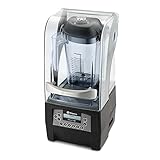
4. Vitamix The Quiet One Blender
A commercial blender with a sound enclosure, made for cafes where noise matters. Check the current listing for the exact size and what is included before you order.
Suits: cafes. Strengths: a quieter operation. Weaknesses: a higher price tier. Skip it if you only make shakes sometimes.

Best for home shakes
5. Vitamix Professional Series 750 Blender
A high-power blender with preset programs, suited to thick shakes, smoothies and frozen drinks. Check the current listing for the exact size and what is included before you order.
Suits: home shakes. Strengths: a powerful motor. Weaknesses: taller than many counters allow. Skip it if you need a spindle mixer.


Best for smoothies and shakes
6. Blendtec Classic 575 Blender
A high-power blender with a pre-programmed cycle, known for blending ice and frozen fruit. Check the current listing for the exact size and what is included before you order.
Suits: smoothies and shakes. Strengths: easy preset cycles. Weaknesses: a loud motor. Skip it if you want a quiet unit.

Care and Setup
- Rinse cups right after use.
- Wipe spindles and housings.
- Dry cups before storing.
- Check cords for wear.
Mistakes to Avoid
- Using warm ice cream.
- Overfilling cups.
- Running the motor too long.
- Using plastic cups in spindle mixers.
Deciding Between a Spindle Mixer and a Blender
The two styles in this list solve different problems. A spindle mixer has a rotating shaft that agitates ice cream and milk inside a stainless cup. It adds little air, so a shake comes out dense and cold, and you can make one after another quickly. A blender uses a container with blades and a strong motor, which lets it handle fruit, ice, frozen mixes and smoothies, but it also whips in air, giving a lighter texture.
Think about your menu. If you serve mostly classic vanilla, chocolate and malts, a spindle mixer is the traditional tool and takes little skill to operate. If your menu includes fruit shakes, protein drinks, frozen cocktails or smoothies, a blender is more flexible. Many shops keep both: spindle machines at the shake station and a blender for everything else.
- Pick a spindle mixer for speed and consistency on simple shakes.
- Pick a blender for fruit, ice and a varied menu.
- Pick both if shakes are a large part of your sales and your menu is broad.
Also consider the person using it. Spindle mixers are easy to train for because the process is simple. Blenders offer presets and variable speeds, which can help consistency, but they require learning how to load them. Check the listing for how each machine is operated and what controls it has, and ask whether the controls suit a busy counter with wet hands.
Cups, Capacity and Spindle Count
Capacity has two sides: how big each shake is and how many you can make at once. A single-spindle machine makes one shake at a time, which suits low volume or a side offering. A triple-spindle machine, like the HMD400 in the list, makes several together and suits a counter with queues. Count your peak-hour demand and think about whether you can serve the line with one cup at a time. If not, more spindles or a second machine will save wait time.
Cups matter more than people expect. Spindle mixers are designed for specific cups, usually stainless, which stay cold and handle the mixing action. The post notes that plastic cups are a common mistake. Check what size the maker recommends and whether the machine includes cups, as some are sold separately. Having spare cups at hand lets staff swap between orders without waiting to wash, so plan for at least a few per spindle.
For blenders, container size and design matter. Larger containers suit batches but can be difficult to blend small portions evenly. Check whether the machine uses a tamper or smart presets for thick mixes. Also check what lid types are available and whether the container is designed for hot or cold use. Dimensions and weight matter too: confirm the height with the lid, particularly if you plan to put the blender under a shelf, as the post warns for some models.
Building a Better Shake: Ratios, Temperature and Technique
The machine is only half the result. The ice cream, the milk and the timing shape the final shake. Use ice cream that is firm but not rock hard, ideally tempered for a short time so it softens slightly. Warm ice cream produces a thin, soupy shake, which the post lists as a mistake. Cold milk helps keep the temperature low. Start with a base amount of milk and add more gradually: it is much easier to thin a thick shake than to rescue a thin one.
Spindle mixers work best with a short mixing time. Run until the mixture is smooth and thick, then stop, because over-mixing warms the shake and may reduce thickness. Keep the spindle at the center of the cup and move it slightly to reach the sides. For malts and mix-ins such as cookie pieces or syrup, add them toward the end so they do not break down too much.
With blenders, load liquids first, then softer ingredients, then ice cream or frozen items on top, following the maker’s guidance. Use the lowest speed to start and increase gradually. For a thicker texture, use less milk and a higher proportion of ice cream, and use the tamper if the machine provides one. Avoid running a blender longer than the manual allows. Experiment with ratios and write the recipe down so staff can make the same shake every time.
Cleaning, Hygiene and Upkeep
Dairy products leave residue that spoils quickly, so cleaning must be consistent. Rinse cups and blender containers immediately after use, before milk dries. Wash with warm soapy water and sanitize as local health rules require. Wipe spindles and housings between uses, being careful not to let liquid run into the motor housing. Do not submerge the motor base. Dry cups before storing them to avoid water spots and odors.
For spindle mixers, check the shaft and the mixing disc for bent or loose parts, and ensure the spindle turns smoothly. Clean the cup rest and the drip tray, which catch spills. For blenders, check the blade assembly and the gasket for wear, and replace them if they leak or look damaged. Some blender containers have replaceable blade assemblies, but check the maker’s guidance and listing, since not all parts are user-serviceable.
- Inspect power cords for cracks or exposed wire before every shift.
- Keep the machine on a stable, dry, level surface.
- Follow the maker’s rest period so the motor does not overheat.
If a machine sounds different, smells hot or vibrates more than usual, stop and check the manual. A regular maintenance routine extends the working life and keeps shakes tasting clean rather than carrying off-flavors from old residue.
Counter Space, Noise, Power and Warranty
Commercial machines can be bigger and louder than they look in photos. Measure the counter space you can give the machine, including any clearance needed above it for lifting cups or blender lids. Spindle mixers have a compact footprint but need stable support. Blenders can be tall, and models with sound enclosures take extra room. Check the listing for dimensions and weight, and keep the machine within easy reach of the freezer and the serving area.
Noise affects the customer experience. Blenders are loud, and an enclosure can help in a cafe, as the Quiet One in the post is designed for. If you serve guests near the machine, think about whether noise would disrupt conversation. Spindle mixers generally run at a different pitch and for shorter periods, but check the listing and customer feedback for notes.
Check the electrical requirements. Commercial machines can draw significant power, and shared circuits may trip if you run several items at once. Check the plug type and rating against your outlets, and consult an electrician if you are unsure. Finally, read the warranty terms and see whether replacement parts and cups are sold and how to reach support. Home-style blenders used in busy commercial settings may not be covered by the same warranty, so read the terms about commercial use before buying.
Milkshake Mixer FAQ
Spindle mixer or blender?
Spindle mixers make classic shakes. Blenders handle fruit and ice.
Can a blender make thick shakes?
Yes, with a high-power model and the right ratio.
What cup does a spindle mixer need?
Use the cup size the maker recommends.
How do I make a thicker milkshake?
Use firmer ice cream, colder milk and less liquid, and add milk gradually. With a spindle mixer, stop as soon as the shake is smooth. With a blender, start slowly and use a tamper if one is provided.
Can a home blender be used in a commercial setting?
Some warranties exclude commercial use, and home machines may wear faster under heavy service. Check the maker's terms on the listing before using a blender for a business.
Why does my shake come out thin?
Common causes are warm ice cream, too much milk, over-mixing, or running too long. Temper the ice cream briefly, add milk slowly and stop as soon as it is smooth.
How many shakes can I make per hour?
That depends on the machine, the recipe, your staff and how quickly cups are cleaned. More spindles help throughput, but the practical limit is often prep and washing rather than the motor.
Do I need special cups for a spindle mixer?
Yes, use the cup type and size the maker recommends, usually stainless. Plastic cups can crack or warp, and the wrong size may not sit correctly under the spindle.
How do I clean a spindle mixer between shakes?
Many shops rinse the spindle in a cup of water between uses and wipe it clean, then do a full wash at the end of service. Check the manual for the recommended method and sanitize according to your local rules.
Is a quiet blender worth it?
It can be if the blender is near customers or you blend frequently, as noise adds up. Enclosures add cost and counter space, so weigh them against how often and where you blend.
Planning a Shake Menu Around the Equipment
Before comparing machines, sketch the menu you want to serve. A short list of classic flavors such as vanilla, chocolate and strawberry puts different demands on equipment than a long list with candy pieces, fruit and protein boosts. Traditional spindle mixers excel at blending ice cream and milk into a smooth, thick drink. They are less suited to hard mix-ins, which can jam the small agitator or leave chunks stuck in the cup.
Blenders such as the Vitamix Professional Series 750, Vitamix The Quiet One or Blendtec Classic 575 handle fruit, ice and larger pieces with ease, and they can make smoothies and frozen cocktails that a spindle mixer cannot. If your menu leans toward fruit-forward or frozen drinks, a blender gives wider range. If it centers on old-fashioned malts and shakes, a spindle mixer keeps the process simple and fast.
Ice Cream Quality and Serving Temperature
The mixer is only part of what makes a good shake. The ice cream you scoop matters just as much. Premium ice cream with a lower overrun, meaning less air whipped in, produces a denser shake. Ice cream that is too hard will strain the motor and leave lumps, while ice cream that has softened too much gives a thin result.
- Temper the ice cream briefly, so it is scoopable but still firm.
- Use chilled milk and chilled cups so the shake stays cold longer.
- Measure scoops consistently, since a few extra ounces change thickness and food cost.
- Add flavored syrups before the ice cream so they distribute evenly.
A small dipper well or a consistent scoop size helps new staff reproduce the same shake every time.
Speed of Service During a Rush
When a line forms, a minute per drink adds up quickly. Multi-spindle mixers like the Hamilton Beach HMD400 three-spindle model can run several cups at once, which helps at a busy counter. Single-spindle machines such as the Hamilton Beach Drinkmaster HMD200 or the Waring Commercial WDM120 are simpler and more compact, but a single station can become a bottleneck at peak hours.
Think about the flow of the workstation, too. Where do cups, ice cream, syrups, lids and straws sit? A mixer placed close to the freezer and a rinse sink saves steps. Any model is slower if the staff must walk across the kitchen to retrieve ingredients, so layout and prep matter as much as the machine itself.
Ownership Costs, Parts and Support
Commercial equipment is judged over years rather than months. Look at the warranty length, who services the unit, and how easily you can replace parts like spindles, cups and drive components. Mixers with simple mechanical designs are often easier to repair than those with extensive electronics, while blenders with sealed motors may need factory service.
Consider electrical requirements too. A countertop mixer normally plugs into a standard outlet, but high-powered blenders can draw significant current, and sharing a circuit with other equipment may trip breakers during busy periods. Confirm the plug type and amperage before buying.
Food Safety and Staff Training
Matching the Machine to the Type of Business
- Diner or ice cream parlor: shakes are a signature item, so a multi-spindle mixer and a second backup unit make sense.
- Cafe with a short shake list: a single spindle mixer or a quiet blender covers occasional orders without taking over the counter.
- Food truck or kiosk: limited power and space favor a compact unit, and a model that rinses quickly saves water.
- Restaurant dessert menu: orders arrive in bursts, so durability and easy cleaning matter more than raw speed.
Whatever the setting, decide how many shakes you expect in your busiest hour and add a margin. Equipment sized for the average day often struggles on a holiday weekend.
Cups, Portion Size and Pricing
Spindle mixers are designed around specific metal cups, and the cup size determines portion size. A larger cup lets you charge more, but it also raises ingredient cost and may need more mixing time. Work out food cost per shake, including ice cream, milk, syrup and cup, and set prices that cover it with room for labor. Spare cups are worth owning, because a dented cup can wobble in the mixer and a cup in the dishwasher cannot serve the next order.
Dairy-based drinks require careful handling. Keep cups, spindles and scoops clean between orders, sanitize surfaces on a schedule, and train staff to rinse equipment right after use so residue does not dry. Local health codes may specify how often equipment must be cleaned and what sanitizer to use, so check your jurisdiction’s rules. Training sheets near the station, with simple instructions for temperature, scoop count and cleaning, reduce mistakes and waste.
Related guides
- 6 Best Commercial Blenders for Bars and Frozen Drinks (2026)
- 6 Best Blenders for Milkshakes: Mixers, Blenders and Creami
- 6 Best Commercial Blenders for Smoothie Shops (2026)
Frequently Asked Questions
What ice cream makes the thickest milkshake?
Dense, lower-overrun ice cream generally makes a thicker shake because it contains less air. Check that it is not rock hard, as that strains the mixer. Using less milk and consistent scoop sizes also helps. Many operators test a few brands to see which gives the texture their customers expect.
Can a spindle mixer handle cookies or candy mix-ins?
Usually not well. Spindle mixers are built for smooth blending of ice cream and milk, and hard pieces can jam or cling to the agitator. For crunchy mix-ins, either stir them in by hand after mixing or use a blender with a stronger motor and a suitable jar.
How do I stop milkshakes from splattering?
Use a cup of the right size and avoid overfilling, lower the spindle into the mixture before starting, and let the mixer reach speed gradually. Splash guards or a cup holder with a shield help in a busy kitchen. Cold, firm ice cream splashes less than a soft, runny base.
Do I need a malt powder for classic malted shakes?
You only need it if malted flavor is on your menu. Malt powder adds a toasty, slightly sweet taste, and it dissolves well in a spindle mixer when added with the milk. It is an inexpensive ingredient, so it is easy to test on a small batch before committing.
Matching a Commercial milkshake mixer or blender to the Way You Actually Work
Plenty of guides stop at listing features, but choosing a commercial milkshake mixer or blender well means matching it to the rhythm of your diner, cafe or ice cream counter. The picks above were selected for different kinds of users, and the differences between them matter most once the equipment is part of a daily routine rather than a novelty. This section walks through the situations these products actually live in, so you can place your own needs alongside them and see which end of the list deserves your closest attention.
Picture a classic diner counter, where shakes are made to order in front of customers and the equipment is part of the theatre as well as the process. It also helps to picture the unglamorous moments: refilling, wiping down, emptying, and explaining the process to someone new. A choice that makes those small tasks quick and obvious will be used properly far more often than one that depends on everyone remembering a long list of exceptions. When you read the reviews above with that picture in mind, the right shortlist usually becomes obvious: look for the pick whose strengths line up with the busiest, least forgiving version of your routine, not the quietest one.
Picture a busy cafe or dessert bar, where shakes, smoothies and blended drinks share the same equipment through the day. Space shapes behaviour as much as features do. If people have to move things out of the way before they can start, they will start skipping steps, and the results will drift. Leave clear room for the supplies that belong with the task and for the finished result to land without blocking the next person. When you read the reviews above with that picture in mind, the right shortlist usually becomes obvious: look for the pick whose strengths line up with the busiest, least forgiving version of your routine, not the quietest one.
Picture a home kitchen that hosts parties, where the machine works hard for an evening and then returns to everyday smoothie duty. When demand arrives in a rush rather than a trickle, the gap between a well-matched choice and a merely adequate one becomes obvious, because there is no spare minute to work around an awkward routine. Think about who is standing in front of the equipment at that moment, how much guidance they have had, and what happens to the line of people waiting behind them. When you read the reviews above with that picture in mind, the right shortlist usually becomes obvious: look for the pick whose strengths line up with the busiest, least forgiving version of your routine, not the quietest one.
How the Picks Compare in Day-to-Day Use
Specifications only tell half the story with commercial milkshake mixers and blenders. The other half is emphasis: each pick in this guide leans in a different direction, and the reviews above describe those leanings in terms of who each one suits. The comparisons below draw only on those stated strengths, and they are meant to help you choose between neighbouring picks on the list rather than to crown an overall winner.
Set the Hamilton Beach HMD200 beside the Hamilton Beach HMD400 and the trade-off is one of emphasis. The guide above puts the Hamilton Beach HMD200 forward for classic shakes, while the Hamilton Beach HMD400 is the one it highlights for volume. If your routine matches the first description, the Hamilton Beach HMD200 will feel like the natural fit from the first week; if the second sounds more like your diner, cafe or ice cream counter, start with the Hamilton Beach HMD400 instead. Also weigh what happens on the second and third use of the day, not just the first. Heat, residue, and simple fatigue all change the picture, and the option that stays consistent across repeated use is usually the one people end up recommending to each other. Read the two full reviews above back to back with your own routine in mind, and note which review’s cautions sound like problems you would actually meet.
Set the Waring WDM120 beside the Vitamix The Quiet One and the trade-off is one of emphasis. The guide above puts the Waring WDM120 forward for diner shakes, while the Vitamix The Quiet One is the one it highlights for quiet service. If your routine matches the first description, the Waring WDM120 will feel like the natural fit from the first week; if the second sounds more like your diner, cafe or ice cream counter, start with the Vitamix The Quiet One instead. Neither direction is wrong in the abstract. The right answer depends on whether your priority is speed, control, simplicity, or the lowest possible burden on whoever tidies up afterwards, and it is worth naming that priority honestly before you decide. Read the two full reviews above back to back with your own routine in mind, and note which review’s cautions sound like problems you would actually meet.
Set the Vitamix Professional 750 beside the Blendtec Classic 575 and the trade-off is one of emphasis. The guide above puts the Vitamix Professional 750 forward for thick shakes, while the Blendtec Classic 575 is the one it highlights for smoothies and shakes. If your routine matches the first description, the Vitamix Professional 750 will feel like the natural fit from the first week; if the second sounds more like your diner, cafe or ice cream counter, start with the Blendtec Classic 575 instead. In practice, the deciding factor is rarely a single headline feature. It is the accumulation of small things: how intuitive the controls feel to a first-time user, how forgiving the process is when supplies vary, and how much attention the cleanup demands at the end of a long day. Read the two full reviews above back to back with your own routine in mind, and note which review’s cautions sound like problems you would actually meet.
One final filter applies across the whole list: support and consumables. Whichever commercial milkshake mixer or blender you choose, you will live with its supplies, its cleaning routine and its maker’s support for years. A pick that is slightly less exciting but easy to feed, clean and get help with will usually make its owner happier than a more dramatic choice that fights the routine at every step.
Setup and a Routine That Gets Consistent Results
Good results with a commercial milkshake mixer or blender are mostly a matter of routine. The steps below describe a sensible order of work that applies whichever pick from this guide you end up with; adapt the details to your manual, but keep the order, because each step sets up the next.
Step: Chill glasses or cups where the setting allows, and have toppings ready before you start. If more than one person will be doing this, agree on one shared way of handling this step and write it down where the work happens. Consistency between operators matters more than any individual’s personal twist on the technique. Done consistently, this step stops being something you think about and becomes simply how the job is done in your diner, cafe or ice cream counter, which is exactly where reliable results come from.
Step: Add liquid and softer ingredients before ice cream and hard mix-ins. Notice what a good result looks like at this stage and use it as your reference next time. Building that mental picture is how beginners become reliable, and it is the fastest way to spot when something has changed and needs attention. Done consistently, this step stops being something you think about and becomes simply how the job is done in your diner, cafe or ice cream counter, which is exactly where reliable results come from.
Step: Mix or blend in short bursts, checking texture rather than running a fixed time. Take a moment at this stage rather than rushing, because small shortcuts early on tend to surface later as inconsistent results that are hard to diagnose. If something looks or feels off, it is far easier to correct it now than after the process is fully under way. Done consistently, this step stops being something you think about and becomes simply how the job is done in your diner, cafe or ice cream counter, which is exactly where reliable results come from.
Step: Adjust with small additions of milk or ice cream rather than remaking the whole drink. This is also the point where a simple habit pays off: keep the supplies for this step in one place, in the order you use them. Fumbling around mid-task is how mistakes creep in and how a routine that should feel easy starts to feel like a chore. Done consistently, this step stops being something you think about and becomes simply how the job is done in your diner, cafe or ice cream counter, which is exactly where reliable results come from.
Step: Rinse the cup or jar immediately after pouring, before residue sets. If more than one person will be doing this, agree on one shared way of handling this step and write it down where the work happens. Consistency between operators matters more than any individual’s personal twist on the technique. Done consistently, this step stops being something you think about and becomes simply how the job is done in your diner, cafe or ice cream counter, which is exactly where reliable results come from.
Cleaning, Care and Making It Last
Care is where the lifespan of a commercial milkshake mixer or blender is decided. None of the tasks below is difficult, but all of them are easy to postpone, and postponement is what turns a good purchase into a disappointing one.
Wash cups, jars and blades after every session, paying attention to seals where milk residue hides. Build the routine into the end of the session rather than treating it as a separate job. When wiping down, emptying, and checking for wear become the natural final steps, they actually happen; when they rely on someone remembering later, they quietly stop happening.
Wipe spindles, switches and the area behind the machine, where splashes travel surprisingly far. Keep a small stock of the consumables the routine depends on, stored with the equipment itself. Running out of the right cleaning supply is the most common reason a good routine collapses, and it usually collapses at the busiest possible moment.
Check blades and drive parts for wear if texture quality declines. Cleaning little and often beats the occasional heroic deep clean, both for hygiene and for the life of the equipment. Residue that is removed while it is fresh comes away easily; left for days, it hardens, flavours linger where they are not wanted, and parts begin to wear or stick.
As for the supplies that support all of this, keep them together and keep them stocked: ice cream, milk and mix-ins stored ready to scoop, cups sized to the servings you actually sell or serve, spare cups, jars or blades for the machine you chose, straws, spoons and a tray for serving, a brush and cloth for the inevitable splashes. Having the right supplies within reach is what turns good intentions about care and consistency into a routine that survives busy weeks.
Troubleshooting Common Problems
Most problems with commercial milkshake mixers and blenders announce themselves gradually and have ordinary causes. Work through the relevant entry below before concluding that anything is broken.
Shakes come out too thin
A thin shake usually means too much milk, ice cream that was too soft, or over-mixing, which melts the very thing that gives the shake body. Start with less liquid than you think you need, use well-frozen ice cream, and stop as soon as the texture comes together. When a problem keeps returning after the basics are covered, stop forcing the equipment and contact the maker or a qualified service provider. Continuing to run something that is struggling tends to turn a small, fixable issue into a larger and more expensive one.
Shakes are lumpy or uneven
Lumps come from hard mix-ins added carelessly or a machine stopped too soon. Add mix-ins in stages, let the machine run long enough to pull everything through, and for blenders, use the tamper or pause and stir if the design allows it. Start with the simplest explanations before assuming a fault. Check that everything is seated, filled, emptied, and connected as it should be, and run the standard cleaning or reset routine the manual describes, because a large share of everyday problems trace back to a skipped basic rather than a broken part.
The machine is loud enough to disrupt service
Noise is partly the nature of the work, but worn parts, an unbalanced load, or a machine sitting on a hollow surface make it worse. Check the cup or jar is seated properly, keep loads balanced, and position the machine on a solid surface away from the quietest seating where you can. If the problem appeared suddenly, think about what changed: new supplies, a different operator, a moved machine, or a cleaning step that was rushed. Reversing the most recent change is often the quickest diagnostic you have, and it costs nothing to try.
Planning Mistakes Worth Avoiding
Finally, a few patterns account for most of the disappointment people report with commercial milkshake mixers and blenders. They are all avoidable, and none of them requires spending more money.
Choosing on the headline feature alone. The feature that dominates a product listing is not always the one that decides daily satisfaction. Decide which two or three jobs the equipment must do well every single day, and judge every candidate against those jobs first. Features outside that list are bonuses, not reasons to buy.
Skipping the unglamorous setup checks. Many disappointments blamed on a product actually begin before it is ever switched on or used: the space was never measured, the supporting supplies were never bought, or the surface, power, or water it depends on was never checked. Ten minutes of checking beforehand prevents weeks of working around a poor fit.
Letting the cleaning routine slide. Almost every piece of equipment in this guide performs well when it is clean and drifts when it is not. If the honest truth is that nobody will maintain a complicated routine, choose the option whose upkeep is simplest, because a modest choice that is cared for will outlast and outperform a premium one that is neglected.
Buying for the biggest imaginable day. Sizing for the single busiest event of the year leaves you with equipment that is oversized, awkward, or underused the rest of the time. Size for the busy end of normal, and have a simple plan — a second smaller unit, a borrowed backup, or a adjusted menu or routine — for the rare exceptional day.
Never writing the routine down. In any setting with more than one user, unwritten routines drift within weeks. A short, plain list of the agreed steps, kept where the work happens, keeps results consistent, makes training new people painless, and makes troubleshooting far easier because everyone is working from the same baseline.
More Questions About Owning One
The main FAQ above covers the most common questions about this category. The answers below go a step further into ownership: the decisions and habits that matter once your commercial milkshake mixer or blender is actually in use.
How long should it last with regular care?
There is no single honest answer, because lifespan depends far more on use and upkeep than on the badge on the front. Equipment that is cleaned on schedule, used within the workload it was designed for, and stored sensibly will generally serve for years, while the same equipment run hard and cleaned rarely will show wear quickly. Treat the care routine in the manual as part of the purchase: if you follow it, you are giving the equipment its best chance, and if a part does wear, check whether it can be replaced before replacing the whole unit.
What should I double-check before ordering?
Confirm the physical size against the space you actually have, including room to open, fill, empty, and clean it, and confirm exactly what is included in the box, because accessories shown in photos are not always supplied. Check any compatibility requirements that apply to your situation, such as the supplies it uses or the fittings it expects, and read the current listing rather than relying on an older description. Finally, confirm the returns position in case the fit is wrong, since size and workflow mismatches are the most common reason equipment like this goes back.
Is bigger always better?
Rarely. A larger option brings capacity you may use only occasionally, and it usually costs you counter or storage space every day, takes longer to clean, and can be less efficient with small loads or batches. The better question is what your typical session looks like, not your biggest one. Choose the size that handles an ordinary busy day comfortably, and keep a simple workaround for the exceptional day, rather than paying a daily penalty for capacity you seldom need.
Which extras are worth having from the start?
The worthwhile extras are the ones that support the routine itself rather than decorate it: the supplies the process consumes, the tools that make cleaning quick, and somewhere sensible to store both. Buy those alongside the equipment so the routine works properly from the first day. Decorative or highly specialised extras can wait until you have lived with the equipment for a while and know, from experience rather than guesswork, which gap is actually worth filling.
The Short Version
For classic shakes, the Hamilton Beach HMD200. For volume, the Hamilton Beach HMD400. For diner shakes, the Waring WDM120. For quiet service, the Vitamix The Quiet One. For thick shakes, the Vitamix Professional 750. For smoothies and shakes, the Blendtec Classic 575. Whichever you choose, confirm the details on the current listing and match the size and type to how you will really use it.

