A bar blender has to crush ice for frozen margaritas, daiquiris and slushy cocktails over and over without stalling. Commercial models use strong motors, durable containers and controls built for quick service.
The six blenders below include foodservice-grade models from established brands, along with a few that suit a busy home bar. We have not used these products ourselves, so confirm the container size, motor power, noise level and electrical needs on the current listing before buying. Power and durability claims are the makers’ own.
As an Amazon Associate we earn from qualifying purchases. Links below are affiliate links, and they do not change the product information we give.
What to Look For
| Feature | Why it matters |
|---|---|
| Motor | A strong motor handles ice without bogging down |
| Container | Tough, shatter-resistant plastic or steel suits a busy bar |
| Controls | Simple switches or programs speed up service |
| Noise | Quiet models or sound enclosures are kinder to a crowded room |
| Cleaning | Quick-rinse designs save time between drinks |
In this guide
Specs at a Glance
| Blender | Type | Controls | Notes |
|---|---|---|---|
| Waring Commercial BB900 Bar Blender | Bar blender | Toggle switches | Made for bars |
| Hamilton Beach Commercial Bar Blender | Bar blender | Simple controls | Foodservice maker |
| Vitamix Drink Machine Advance | Drink blender | Programs | Designed for beverage service |
| Vitamix The Quiet One | Sound-enclosed | Programs | Noise-reduced design |
| Waring Xtreme MX1200XTX | High-power blender | Programmable | Commercial-use line |
| Blendtec Classic 575 | Countertop blender | Preset cycles | Strong home bar option |
The 6 Best Commercial Blenders for Bars
Top pickBest for a working bar
1. Waring Commercial BB900 Bar Blender
Waring has equipped bars with blenders for decades. The BB900 is a classic bar blender with a simple switch layout and a durable container.
Suits: a working bar. Strengths: a long track record and simple controls. Weaknesses: loud. Skip it if you want a quiet blender.
View Waring Commercial BB900 Bar Blender on Amazon

Best for busy bars and restaurants
2. Hamilton Beach Commercial Bar Blender
Hamilton Beach Commercial makes foodservice blenders. Its bar blender line is built for frequent use and straightforward service.
Suits: busy bars and restaurants. Strengths: a commercial build. Weaknesses: models differ, so check specs. Skip it if you want a sound enclosure.
View Hamilton Beach Commercial Bar Blender on Amazon
Best for consistent, high-volume drinks
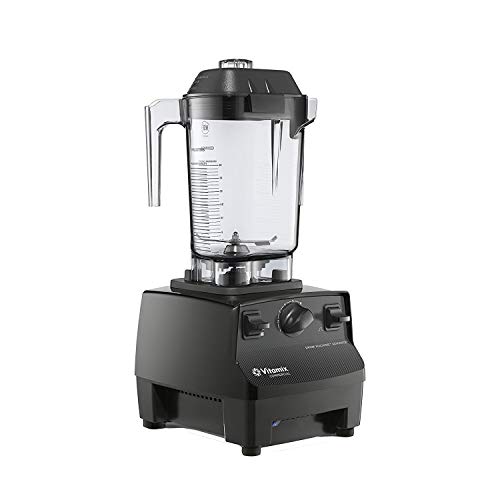
3. Vitamix Drink Machine Advance
Vitamix designs the Drink Machine line for beverage service, with programs for repeat drinks. It suits bars that make many blended cocktails.
Suits: consistent, high-volume drinks. Strengths: programs and a strong brand. Weaknesses: a premium purchase. Skip it if you make a few drinks each week.
View Vitamix Drink Machine Advance on Amazon

Best for quieter venues
4. Vitamix The Quiet One
The Quiet One is a Vitamix blender with a sound enclosure, aimed at cafes and bars where noise matters. It is a good fit for smaller rooms.
Suits: quieter venues. Strengths: reduced noise. Weaknesses: a premium purchase and a larger footprint. Skip it if noise is not a concern.
Best for frozen-drink programs
5. Waring Xtreme MX1200XTX
The Xtreme is a high-power Waring blender sold for commercial use, with a heavy-duty motor intended for ice and thick mixes.
Suits: frozen-drink programs. Strengths: power and a professional brand. Weaknesses: check the electrical needs. Skip it if you want a compact blender.
View Waring Xtreme MX1200XTX on Amazon

Best for a home bar
6. Blendtec Classic 575
Blendtec is known for its preset cycles and strong motors. The Classic 575 is a countertop blender that suits a busy home bar or a small venue.
Suits: a home bar. Strengths: preset cycles and easy cleaning. Weaknesses: not a dedicated bar unit. Skip it if you run constant service.

Care and Setup
- Rinse the container right after each drink so sugars do not harden.
- Run warm soapy water through a short blend cycle for deeper cleaning.
- Check the blade assembly for wear on a regular schedule.
- Add liquid first, then ice, to protect the motor.
Mistakes to Avoid
- Running the blender with too little liquid.
- Overfilling the container with ice.
- Ignoring electrical requirements for high-power models.
- Using a home blender for non-stop service.
Motor Power and Ice Crushing in Practice
Motor power is the number buyers compare first, but it does not tell the whole story. Listings may show peak horsepower, rated horsepower or watts, and makers do not always measure these the same way. Treat any power figure as the maker’s own claim, and read it alongside the container design, blade shape and recommended uses.
What matters at a bar is repeatable performance. A frozen drink needs ice to be pulled into the blades, broken down and mixed with liquid to a smooth, drinkable texture. Weak motors can stall, leave chunks or heat up, and the drink will melt before it is served. A strong motor handles ice faster, but a very high-powered machine can also warm the drink through friction if you blend for too long.
Blade and container shape matter too. A container with a tapered base and good internal flow helps ice recirculate toward the blades. Blades that are thicker and well-supported tolerate ice better than thin ones. The listing may not describe these details, so look for notes on intended use, such as frozen cocktails or smoothies.
Duty cycle is another thing to watch for. Commercial machines are usually designed for repeated short cycles, but not necessarily for blending continuously for long stretches. Check the manual for guidance on run time and cooling pauses, and treat it as a limit to respect during busy service.
Container Material, Size and Handling
The container is the part staff touch all night, so its material and shape affect safety and speed. Shatter-resistant plastic is common because it is light, handles knocks and can be molded with clear markings. Stainless steel containers are tough and hide stains, but you cannot see the contents. Glass is rare in busy bars because of breakage risk.
Capacity should match your drink volume. A large container holds multiple drinks at once and suits batch service, but a very large one wastes time and ingredients for a single cocktail. A smaller container is quicker to clean and good for specialty drinks. Many bars choose a mid-size container and keep a second one to swap during rush periods.
Handling features worth checking:
- A comfortable, secure handle that works with wet or gloved hands.
- A lid that seals well and has a removable cap or plug for adding ingredients.
- Clear graduation marks, so staff can measure without extra tools.
- A pour spout that is clean and does not drip.
- Whether the container is dishwasher safe or needs hand washing.
Replacement parts matter in a commercial setting. Blades, gaskets and containers wear out, so check whether the maker sells these parts, and whether extra containers are available. Having a spare ready can keep service going if one fails.
Controls, Programs and Staff Training
The control layout affects speed and consistency. Simple switches are easy to learn and tolerate wet hands, which suits a busy bar with changing staff. Programmable controls or preset cycles make drinks consistent, because the blender runs the same pattern every time, but they take training and may need a button guide nearby.
Consider who will use the blender and in what conditions:
- Experienced bartenders: may prefer manual control so they can adapt to each recipe.
- New or part-time staff: often do better with one-touch programs that reduce errors.
- High-volume venues: benefit from timers that stop automatically, which frees staff to start another task.
- Home bars: usually need only a few speeds and a pulse function.
Controls should be easy to clean. Sealed membrane buttons wipe down quickly, while exposed dials and gaps can collect sticky drips. Ask yourself how sugary splashes will be handled on a busy night.
Write down a short recipe sheet that lists the order of ingredients, the amount of ice and the program or time for each frozen drink. Post it near the blender. Consistency is one of the main reasons venues buy commercial equipment, and a written method protects it. Review it with new staff before their first shift, and update it if the menu changes.
Noise, Placement and Electrical Requirements
Blenders are loud, and a bar blender is no exception. Noise affects customers, conversation and staff comfort, so think about where the machine will sit. Sound enclosures reduce the noise by surrounding the container, and they can also help with splashing. They are larger and usually cost more, so weigh them against the layout of your room. If noise is not a concern because the bar is busy and loud anyway, an open container may be fine.
Placement should keep the blender stable and within reach of ice, liquids and the rinse sink. Choose a flat, sturdy surface that can handle vibration. Keep the cord away from water, and avoid placing the machine where staff must reach over hot or wet equipment.
Electrical requirements are essential for high-powered machines. Check the voltage, amperage and plug type on the listing, and compare them with the circuit where the machine will be used. A machine sharing a circuit with other appliances can trip breakers. If you are not sure, ask a qualified electrician before buying, especially for a business installation. Using extension cords or adapters with high-draw equipment is a risk, so follow the manual.
Ventilation also matters. Motors generate heat, and blocked vents can shorten the life of the machine. Leave the space around the base that the manual recommends, and keep it clear of towels and boxes.
Cleaning, Maintenance and Knowing When to Replace
Bar blenders face sugar, citrus, dairy and fruit puree, so cleaning is not optional. Rinse the container straight after each drink, then run a short cycle with warm water and a drop of soap. Rinse again and let it dry upside down. At the end of the night, take the container apart as far as the manual allows and wash the blade assembly, lid and gasket.
A basic maintenance routine can extend the life of the machine:
- Check the blade assembly for dull edges, wobble or leaks every so often.
- Inspect rubber gaskets for cracks or stretching, since leaks can reach the motor housing.
- Wipe the base and controls with a damp cloth, never submerging the base.
- Look at the cord and plug for damage, and stop using the machine if you see any.
- Follow the maker’s schedule for any lubrication or part replacement.
Signs it may be time to replace or service the machine include unusual noises, a burning smell, slower blending, leaks at the base of the container, or controls that act unpredictably. A blender that stalls often may be overloaded, so check your ice and liquid amounts first, but repeated stalling after good technique suggests wear.
Before buying, ask about warranty terms and whether a commercial warranty applies to your use. Some warranties differ for home and business use, so read the listing and the manual. Ask what service options exist, and whether parts are easy to obtain.
Choosing Between the Picks in This Guide, One by One
Six options is a lot to hold in your head at once, so it helps to work through the shortlist for this commercial bar blender guide pick by pick, using only what the reviews above already establish. Each pick below is framed the same way: who it suits, what it does best, and the limitation to accept with open eyes. Read the six in order and mark the one whose weakness bothers you least — that simple test resolves most shortlists faster than chasing an abstract idea of the single best option.
Consider the Waring Commercial BB900 Bar Blender if its particular balance of trade-offs matches how you actually work. The guide above notes that it suits a working bar, and that its appeal rests on a long track record and simple controls. Set against the other picks, that makes it the natural shortlist entry when those qualities matter more to you than all-round convenience. Its honest limitation is worth weighing just as carefully: loud. Skip it if you want a quiet blender. If that limitation touches something you do every day, another pick in this guide will serve you better; if it touches something you rarely do, it is a fair price in kind for the strengths you gain. The mistake to avoid is choosing it for a use case it was never aimed at, then blaming the product for a mismatch that was visible from the start.
The Hamilton Beach Commercial Bar Blender earns its place for a narrower reason than the headline suggests. It suits busy bars and restaurants, with a commercial build as the qualities that separate it from the rest of this list. Read it as a specialist rather than a default: when your routine lines up with what it does well, it can outperform a more general pick, and when your routine does not, its drawback — models differ, so check specs. Skip it if you want a sound enclosure — will be the thing you notice daily. A useful test is to picture your most ordinary session, not your most ambitious one, and ask whether this is the pick you would reach for then. Ordinary sessions are where satisfaction is actually decided.
With the Vitamix Drink Machine Advance, the decision comes down to priorities. It is aimed at consistent, high-volume drinks, and it stands out for programs and a strong brand. Those are real advantages, but they sit alongside a clear compromise: a premium purchase. Skip it if you make a few drinks each week. Compared with the neighbouring picks in this guide, it asks you to accept that compromise in exchange for doing its main job in its own way. If you have read the other reviews and found yourself nodding at this one’s strengths while shrugging at its weakness, that reaction is usually the right signal. If the weakness made you hesitate, trust the hesitation and look at the pick whose strengths match the task you found yourself defending.
Consider the Vitamix The Quiet One if its particular balance of trade-offs matches how you actually work. The guide above notes that it suits quieter venues, and that its appeal rests on reduced noise. Set against the other picks, that makes it the natural shortlist entry when those qualities matter more to you than all-round convenience. Its honest limitation is worth weighing just as carefully: a premium purchase and a larger footprint. Skip it if noise is not a concern. If that limitation touches something you do every day, another pick in this guide will serve you better; if it touches something you rarely do, it is a fair price in kind for the strengths you gain. The mistake to avoid is choosing it for a use case it was never aimed at, then blaming the product for a mismatch that was visible from the start.
The Waring Xtreme MX1200XTX earns its place for a narrower reason than the headline suggests. It suits frozen-drink programs, with power and a professional brand as the qualities that separate it from the rest of this list. Read it as a specialist rather than a default: when your routine lines up with what it does well, it can outperform a more general pick, and when your routine does not, its drawback — check the electrical needs. Skip it if you want a compact blender — will be the thing you notice daily. A useful test is to picture your most ordinary session, not your most ambitious one, and ask whether this is the pick you would reach for then. Ordinary sessions are where satisfaction is actually decided.
With the Blendtec Classic 575, the decision comes down to priorities. It is aimed at a home bar, and it stands out for preset cycles and easy cleaning. Those are real advantages, but they sit alongside a clear compromise: not a dedicated bar unit. Skip it if you run constant service. Compared with the neighbouring picks in this guide, it asks you to accept that compromise in exchange for doing its main job in its own way. If you have read the other reviews and found yourself nodding at this one’s strengths while shrugging at its weakness, that reaction is usually the right signal. If the weakness made you hesitate, trust the hesitation and look at the pick whose strengths match the task you found yourself defending.
Programming the Blend: Consistency Across Bartenders and Shifts
In a bar, the blender’s job is not one perfect drink but the same drink fifty times, made by different hands at different hours. That is why programmes and repeatable cycles matter more commercially than raw power: a frozen drink spec — ingredients, ice, cycle — should come out identical whoever presses the button. Set your house drinks up deliberately, taste across the team, agree the spec, and write it where the blender lives. The machine then enforces the standard at midnight on a Saturday, which is precisely when human consistency is least available.
Ice is the variable that defeats programmes. Wet, small ice from a struggling ice machine blends differently from hard, fresh cubes, and no programme fully compensates. Bars that take frozen drinks seriously guard their ice supply as carefully as their spirits. If drinks drift in texture across the night, check the ice before reprogramming the blender — the machine is usually innocent, and the spec usually fine.
Sound Management in a Room People Pay to Enjoy
Blenders are the loudest tool in most bars, and the noise lands in a room whose atmosphere is the product. Placement is the first control: a blender stationed away from the quietest seating, ideally with the sound directed at a wall or into the working side of the bar, costs nothing and helps every night. Enclosures and quieter models, including the sound-managed options in this guide, are the second control, worth their price in intimate rooms and unnecessary in loud ones. Match the investment to the room’s actual acoustics, not to an abstract preference for quiet.
Timing is the third control and the most overlooked. Batching frozen drinks — blending two rounds together in a large jar during a rush — halves the number of noise events and speeds service at once. A bar that plans its frozen programme around the blender’s jar sizes, as the reviews describe them, serves faster and sounds calmer. Loudness is a workflow problem before it is an equipment problem.
Jars, Blades and the Logistics of a Busy Station
At commercial pace, the jar is the bottleneck: one jar means blending, pouring, rinsing, repeating, while the queue grows. A second jar transforms the station’s rhythm and is among the cheapest throughput upgrades a bar can buy. Keep jars inspected — crazed, cloudy plastic and chipped rims harbour residue and eventually fail — and retire them on condition. Blades and drive sockets wear too; a blender that sounds different under load is reporting wear, and listening to it early is cheaper than a Friday-night failure.
Set the station up like a cockpit: spirits, mixes, ice, garnish and glassware in the order the drinks are built, all within the bartender’s turn. The blender’s power and programme earn their money only when the human around them is not walking. Bars that time their frozen drinks usually find the seconds hiding in footsteps and jar changes, not in blend cycles — a useful humility for anyone shopping by specification alone.
A Slower Decision Routine Before You Order
Most disappointment with a commercial bar blender is not caused by a bad product; it is caused by a quick decision made on the wrong criterion. The criteria table near the top of this guide is short for a reason — those are the checks that actually predict whether you will be happy. Work through them in the order below, in writing if necessary, before you commit to any of the six picks.
Start with motor. The guide’s table puts it plainly: a strong motor handles ice without bogging down. Do not treat that as a box to tick and move on. Picture it in your own space and routine — where this commercial bar blender will live, who else will use it, and how often. A criterion that looks minor on a product page becomes major when it is part of a daily habit, and minor daily friction is what quietly pushes a purchase into a cupboard. If a pick is weak on the criterion that matters most in your routine, that weakness outweighs several strengths elsewhere.
Start with container. The guide’s table puts it plainly: tough, shatter-resistant plastic or steel suits a busy bar. Do not treat that as a box to tick and move on. Picture it in your own space and routine — where this commercial bar blender will live, who else will use it, and how often. A criterion that looks minor on a product page becomes major when it is part of a daily habit, and minor daily friction is what quietly pushes a purchase into a cupboard. If a pick is weak on the criterion that matters most in your routine, that weakness outweighs several strengths elsewhere.
Start with controls. The guide’s table puts it plainly: simple switches or programs speed up service. Do not treat that as a box to tick and move on. Picture it in your own space and routine — where this commercial bar blender will live, who else will use it, and how often. A criterion that looks minor on a product page becomes major when it is part of a daily habit, and minor daily friction is what quietly pushes a purchase into a cupboard. If a pick is weak on the criterion that matters most in your routine, that weakness outweighs several strengths elsewhere.
Start with noise. The guide’s table puts it plainly: quiet models or sound enclosures are kinder to a crowded room. Do not treat that as a box to tick and move on. Picture it in your own space and routine — where this commercial bar blender will live, who else will use it, and how often. A criterion that looks minor on a product page becomes major when it is part of a daily habit, and minor daily friction is what quietly pushes a purchase into a cupboard. If a pick is weak on the criterion that matters most in your routine, that weakness outweighs several strengths elsewhere.
Start with cleaning. The guide’s table puts it plainly: quick-rinse designs save time between drinks. Do not treat that as a box to tick and move on. Picture it in your own space and routine — where this commercial bar blender will live, who else will use it, and how often. A criterion that looks minor on a product page becomes major when it is part of a daily habit, and minor daily friction is what quietly pushes a purchase into a cupboard. If a pick is weak on the criterion that matters most in your routine, that weakness outweighs several strengths elsewhere.
Finish the routine by re-reading the review of your leading pick one more time, looking only for reasons not to buy it. If the reasons you find are things you can genuinely live with, you have made a sound choice. If they are things you are merely hoping will not matter, keep looking — the other five picks exist precisely because no single commercial bar blender suits everyone.
Three Mistakes That Lead to the Wrong Choice
Buying power when the problem is workflow
A stronger blender will not fix a station where the bartender walks for ice and queues for one jar. Time the current process first; buy the machine that fixes the measured bottleneck. Commercial equipment money is too serious to spend on the wrong constraint.
Ignoring the room’s acoustics
The most capable blender in this guide can still be the wrong choice for a small, quiet cocktail bar if its noise empties the corner seats. Consider the room you have. Sound enclosures and quieter models exist in this category precisely because atmosphere is revenue.
Running domestic habits on commercial kit
Skipping the rinse between drinks, overfilling jars, and blending on the wrong programme are home habits that cost money commercially — in remakes, wear and inconsistent drinks. Train the spec, write it down, and treat the blender as the production equipment it is.
Living With It: The First Month and Beyond
In the first month of service, log what actually gets blended and when. Most bars discover their frozen programme is narrower and peakier than imagined — a few drinks, in a rush window. That evidence should drive jar purchases, programme setup and even menu decisions. Equipment bought for the imagined menu sits idle; equipment tuned to the real one pays for itself.
Daily care is a closing checklist: jars washed and inspected, base wiped, drive socket checked, the station restocked to the morning’s standard. Commercial blenders are durable but not indifferent — sugar and citrus left overnight attack seals and finishes, and a five-minute close-down prevents the slow decline that ends in a service call during your busiest week.
Over a year, the blender’s value shows in drinks per hour at peak and in consistency scores from your own team tasting blind. Maintain it on the maker’s schedule, keep a spare jar, and know your service route before you need it. Bars plan for success by assuming equipment fails at the worst moment and making that failure a shrug rather than a crisis.
More Questions About Choosing and Using One
How many jars should a bar own?
At least two for any bar with a real frozen programme — one working, one ready. Busy stations may want more, sized to their drinks. The cost of a jar is trivial against the cost of a queue, and jars are also your insurance when one is dropped or cracks mid-service.
Is a sound enclosure worth it?
In rooms where guests sit near the bar and conversation is part of the offer, yes — the difference is felt by every guest, every night. In loud, high-energy rooms, the money usually works harder elsewhere. Judge by your quietest hour, not your loudest: atmosphere is set when the room is calm.
Can one blender handle both frozen drinks and prep?
It can, but scheduling matters: prep blending before service, drink blending during it, with a thorough rinse between worlds. Bars with heavy prep — purées, syrups, batches — often find a second, simpler unit for prep protects the service station. Volume, again, should make the decision.
What usually fails first on a commercial blender?
The wear parts: jars, blades, drive sockets and seals, roughly in that order, all accelerated by sugar, heat and volume. None is a surprise if you inspect during cleaning. A maker with reachable parts and service turns these into maintenance; a maker without them turns them into replacement.
Three Readers, Three Different Right Answers
Abstract rankings matter less than fit, so consider three typical readers of this commercial bar blender guide and notice how the same shortlist resolves differently for each. Their situations are composites, but the reasoning is the reasoning you should apply to your own circumstances, using the reviews above as the evidence base.
The first-time buyer has never owned one and wants the fewest possible surprises. For this reader, the Waring Commercial BB900 Bar Blender is the natural landing place: it suits a working bar, and its case rests on a long track record and simple controls. Crucially, its known limitation — loud. Skip it if you want a quiet blender — is one this reader is well placed to accept, because it does not collide with the use they actually have in mind. The lesson generalises: the right pick is rarely the one with the fewest weaknesses, but the one whose weaknesses fall where you will never step. Read your own situation into these three sketches, decide which reader you most resemble, and let that resemblance — not the numbering in the list — order your shortlist.
The upgrader already owns a basic version and is replacing it because one specific frustration finally outweighed the rest. For this reader, the Vitamix Drink Machine Advance is the natural landing place: it suits consistent, high-volume drinks, and its case rests on programs and a strong brand. Crucially, its known limitation — a premium purchase. Skip it if you make a few drinks each week — is one this reader is well placed to accept, because it does not collide with the use they actually have in mind. The lesson generalises: the right pick is rarely the one with the fewest weaknesses, but the one whose weaknesses fall where you will never step. Read your own situation into these three sketches, decide which reader you most resemble, and let that resemblance — not the numbering in the list — order your shortlist.
The host or gift buyer is choosing for other people’s use, or for a household where several people will share it. For this reader, the Waring Xtreme MX1200XTX is the natural landing place: it suits frozen-drink programs, and its case rests on power and a professional brand. Crucially, its known limitation — check the electrical needs. Skip it if you want a compact blender — is one this reader is well placed to accept, because it does not collide with the use they actually have in mind. The lesson generalises: the right pick is rarely the one with the fewest weaknesses, but the one whose weaknesses fall where you will never step. Read your own situation into these three sketches, decide which reader you most resemble, and let that resemblance — not the numbering in the list — order your shortlist.
Commercial Bar Blenders FAQ
Why buy a commercial blender?
It is built for repeated use, with stronger motors and parts that tolerate ice.
Are commercial blenders loud?
Many are. Sound enclosures reduce noise, but they cost more.
Can I use one at home?
Yes, though they are often larger and louder than home models.
How should I make frozen drinks?
Add liquids first, then ice, and blend until smooth. Follow the maker’s guidance.
How much ice can a bar blender handle?
Commercial blenders are built to crush ice repeatedly, but each container has a fill limit. Follow the maker’s guidance on ice and liquid quantities, and avoid packing the jar to the top, which strains the motor and gives a lumpy frozen drink.
What should I look for in a bar container?
Choose a tough, shatter-resistant jar with a lid that seals well, a comfortable handle and clear markings. A container that is easy to rinse between flavors keeps service moving and stops sugary residue building up.
Do I need a dedicated circuit?
High-power models can draw significant current, so read the electrical details on the listing and check that your outlet and breaker can support the machine before you buy.
What is the difference between a commercial and a home blender?
Commercial models are built for frequent, repeated use, often with sturdier containers, simpler controls and parts that are easier to replace. Home blenders may offer more features but are usually designed for lighter use.
Should I choose a sound enclosure?
It depends on your room. Enclosures reduce noise and splashing, but they cost more and need more space. If your bar is already loud, an open container may be enough.
How do I stop frozen drinks from becoming watery?
Use enough ice for the recipe, add liquids first, and avoid blending longer than needed. Chill ingredients ahead of time, and serve the drink promptly after blending.
How often should I replace the blade assembly?
There is no set schedule. Replace it when blades are dull, loose or leaking, or when blending quality drops. Check the manual for guidance.
Can I blend hot liquids in a bar blender?
Only if the manual says it is allowed. Hot liquids create pressure, and a sealed lid can be dangerous. Follow the maker's guidance.
Do I need a second container?
It is useful in busy bars. A spare lets staff swap a clean container during rush periods, and it provides a backup if one is damaged.
Can I run a commercial blender on a standard outlet?
It depends on the model. Check the electrical details on the listing and compare them with your circuit. If you are unsure, ask a qualified electrician before buying.
Sizing a Blender to Your Bar’s Volume
The right machine depends on how many frozen drinks leave the bar on a busy night, not on how impressive the motor looks on paper. A rough estimate of your peak hour is the best starting point.
Low volume: a home bar or small cafe
If frozen drinks are an occasional special, a single blender with a mid-sized container handles the job. Speed of service matters less, so you can blend one drink at a time and rinse between orders. Pay attention to the footprint and noise, since the blender often shares space with other equipment.
Moderate volume: a neighborhood bar or restaurant
Here the blender runs in bursts, perhaps a dozen drinks in a rush. Quick-release containers, preset programs and a second container let one bartender keep pace. Consider keeping a spare jar so a dirty one is never the bottleneck.
High volume: a resort, club or event venue
Peak demand can mean several blenders going at once, along with a plan for cleaning stations, storage and electrical circuits. At this level it pays to compare warranty terms, service availability and replacement part supply as carefully as power ratings.
It is also worth asking how often the menu changes. A bar that serves the same three blended drinks can set programs and train staff once. A bar that experiments needs manual control and a forgiving container shape.
Building a Frozen Drink That Blends Well
Even a strong blender produces a poor drink if the ingredients are loaded badly. A few general habits make results more consistent whichever model you own.
- Load liquids first, then soft ingredients such as fruit puree, and add ice last so the blades pull the ice down into the liquid.
- Use a measured scoop of ice instead of eyeballing it. Too much ice makes a thick, stalled mixture, while too little leaves a thin drink.
- Chill ingredients ahead of time. Cold juice, syrup and spirits mean less ice melts during blending, so the drink stays thicker.
- Use smaller, uniform ice. Large cubes can chip unevenly and strain the motor, while crushed or small cubes blend faster.
- Add sugar in the form of syrup rather than granulated sugar, which can leave grit and clog the blades.
Alcohol lowers the freezing point of a mixture, so a drink with too much spirit will refuse to thicken. If a recipe turns out slushy, try reducing the alcohol slightly or adding more ice in a measured step. Stabilizers such as a little simple syrup or a frozen fruit base help create a smoother texture and slow separation on the glass.
Write down a standard recipe card for each blended drink, listing the volume of each ingredient and the program or time. Consistency is what customers notice, and it saves staff from guessing in the middle of a rush.
Food Safety, Certification and Local Rules
A commercial blender touches food and drink served to the public, so safety standards come into play. Many food service buyers look for equipment that carries a recognized sanitation certification, such as an NSF mark, because health inspectors often expect it. Requirements vary by city and county, so ask the local health department what applies to your setup before you buy.
Other points worth checking:
- Container materials should be rated for food contact and resist cracking or clouding after repeated washing.
- Lids should seat firmly and include a vent or removable cap for adding ingredients during blending.
- Drive sockets and blade assemblies should be easy to remove for cleaning, since residue in crevices can harbor bacteria.
- Electrical plugs and cords should match your circuit and have the right grounding.
Cross-contamination is another concern. If you blend allergen-containing ingredients such as nut milks, keep a separate container or wash thoroughly between uses. Label containers clearly, and train staff on the cleaning steps your local rules require.
Warranty, Parts and the True Cost of Ownership
The purchase price is only part of what a blender costs over several years. Blades dull, gaskets wear and drive couplings eventually need replacing, so look at how easy it is to get those parts and what they cost.
Read warranty terms closely. Some warranties for commercial equipment differ from home-use warranties, and using a home model in a business setting can void coverage. Confirm whether the warranty covers the motor base, the container or both, how long it lasts and whether labor is included.
Think about downtime. A blender that stops during a weekend rush costs sales, so a backup unit or a quick replacement route can be worth more than a small saving upfront. Keeping a spare blade assembly and gasket on the shelf is a modest expense that prevents a bigger problem.
Energy use is usually small compared with labor and ingredients, but a motor working near its limit generates heat and wears faster. Choosing a machine with some margin above your typical load tends to extend its working life, so size up rather than down when you are between two options.
Related guides
- 6 Best Commercial Juicers for Juice Bars and Cafes
- 6 Best Commercial Blenders for Smoothie Shops (2026)
- 6 Best Quiet Commercial Blenders for Cafes (2026)
Frequently Asked Questions
What order should I add ingredients to a bar blender?
Add liquids first, then soft ingredients like puree, and ice last. This lets the blades pull ice into the liquid instead of spinning above it. Measure the ice by scoop so each drink has the same texture.
Why does my frozen cocktail turn out slushy and thin?
Too much alcohol, warm ingredients or too little ice are the usual causes. Alcohol lowers the freezing point, so reduce the spirit slightly, chill everything first and use a measured scoop of small ice. A little syrup also helps the texture.
Does a commercial blender need NSF certification?
Requirements depend on your local health department. Many inspectors prefer or require equipment with a recognized sanitation mark. Contact your local authority before buying, and confirm the certification on the maker’s page for the exact model.
Will using a home blender at a business void the warranty?
It can. Many makers limit coverage to household use and offer separate terms for commercial equipment. Read the warranty for the specific model, and ask the seller or maker to confirm coverage for a bar or restaurant before you buy.
The Short Version
For a classic bar blender, the Waring BB900. For a foodservice option, the Hamilton Beach Commercial. For programmed drinks, the Vitamix Drink Machine Advance. For quiet service, the Vitamix Quiet One. For power, the Waring Xtreme. For a home bar, the Blendtec Classic 575.

