A good wine glass set gives you matching glasses for everyday drinking or for a dinner party. The choice comes down to stem or stemless, glass or crystal, and whether you want one all-purpose shape or glasses for specific wines.
The six sets below include thin stemmed glasses, a tough crystal-style option, stemless tumblers and shatter-resistant glasses for outdoors. We have not used these products ourselves, so confirm the count per set, the glass type and the size on the current listing before buying. Dishwasher advice also varies, so read the care notes before running any set through a machine.
As an Amazon Associate we earn from qualifying purchases. Links below are affiliate links, and they do not change the product information we give.
How many different glass shapes does a home really need?
One good all-purpose shape covers the large majority of home drinking honestly. A second shape earns its place when a clear pattern emerges, such as a household that drinks a great deal of one wine style, or that entertains outdoors often enough to justify shatterproof glasses. Beyond two or three shapes, additional glasses mostly serve collecting rather than drinking, which is fine if collecting is the pleasure, but should be recognised as such when you are allocating cupboard space.
My glasses smell of the cupboard. How do I fix that?
Closed-cupboard smell is common and usually lives in the glass’s surface film rather than the glass itself. Rinse with warm water, dry with a clean lint-free cloth, and store the glasses somewhere air can reach them for a day. Before a dinner, a quick rinse and polish of every glass is worth the minutes, because wine poured into a faintly stale glass will taste of the cupboard no matter how good the bottle is.
Are stemless glasses bad for white wine?
They are a trade-off, not a mistake. Holding a stemless glass warms the wine gradually, which matters over a long, slow glass of something delicate and barely matters over a casual pour that is finished promptly. Serve whites a little cooler in stemless glasses, hold the glass by its lower third, and put it down between sips rather than cradling it. For picnics, poolsides and crowded parties, the stability of a stemless glass like the Riedel O usually outweighs the small temperature cost.
How can I tell if a glass is too fragile for my household?
Hold it by the stem and bowl and ask whether you would hand it, full, to your clumsiest beloved guest without a flicker of anxiety. If the answer is no, the glass will quietly ration your hospitality. Fragility is a property of the match between glass and household, not of the glass alone, which is why the same fine set is a joy in one home and a museum in another.
What should I check when a new set arrives?
Unpack over a towel, hold each glass to the light, and look for chips on the rim, wobbles in the base, seams that catch a fingertip and bowls that lean. Fill one with water and drink from it; the rim feel is the thing photographs cannot tell you. Wash the set before first use, count every piece against the listing, and photograph any flaw before the packaging leaves, while a replacement is still a simple conversation.
Is it worth polishing glasses, or is that restaurant theatre?
A brief polish with a clean, dry, lint-free cloth removes water spots and cupboard film, and it takes seconds per glass once it is a habit. It is theatre only in the sense that all presentation is theatre; the wine genuinely tastes cleaner from a glass that smells of nothing. Polish the glasses you serve guests from, forgive the Tuesday glass its spots, and never polish with a cloth that smells of fabric softener or the kitchen’s stronger moments.
Should I buy a set as a wedding gift if I do not know the couple’s taste?
A classic all-purpose stemmed set is among the safest glassware gifts, because it suits wines the couple has not yet discovered they like. Avoid strongly styled shapes unless you know the couple loves them, include a gift receipt if the seller offers one, and consider pairing the set with a note rather than a bottle if their plans involve travel or a move. Shatterproof and stemless sets make better gifts for couples whose lives you know are outdoorsy or short on storage, which is a judgement about their days, not their sophistication.
Why do my red wine glasses make white wine taste different?
Mostly they do not change the wine so much as change the delivery: a wider bowl releases more aroma at once, a larger sip follows, and the wine warms a touch faster without the drinker noticing. Many people happily drink whites from red glasses and vice versa. If a white tastes flabby in a big bowl, serve it cooler and pour less at a time before concluding you need another set; temperature and pour size explain more disappointing glasses than bowl geometry does.
How do I stop buying glasses and know my cabinet is finished?
Your cabinet is finished when every regular occasion in your life has a glass you reach for without hesitation: the weekday pour, the dinner with friends, the outdoor afternoon, the special bottle. If a new set would only duplicate an occasion already covered, it is decoration, and decoration should be bought knowingly and sparingly. A useful test is the last ten times you poured wine: note which glasses you actually used. Cabinets built from that list, rather than from imagined future dinner parties, tend to stay finished, because they describe the life being lived instead of the life being rehearsed.
What is the kindest way to serve a guest who is nervous about breaking fine glass?
Do not hand them the finest stem and say be careful. Give them the glass that lets them relax, whether that is the everyday stem, a stemless tumbler or a shatterproof glass, and pour without comment. Guests remember whether they could enjoy the evening, not which glass they held, and a host who quietly matches glassware to comfort understands the entire subject of this guide better than one who matches it to the wine alone.
Can one set honestly cover red, white and sparkling wine?
For home drinking, yes, with small adjustments in how you serve rather than what you serve in. Pour sparkling wine in a narrower portion of the bowl and serve it well chilled, pour whites modestly so they stay cool, and let reds use the bowl’s full width. A household that drinks one style far more than the others can justify a dedicated set for that style, but the all-purpose glass remains the hardest-working object in most cabinets, and buying it well matters more than multiplying shapes around it. When you do add a specialised set later, you will add it for a reason you can name in one sentence, and that sentence, not the shape of the bowl, is the surest sign the purchase will still feel right a year from now, long after the novelty of new glassware has faded and what remains is simply the quiet pleasure of pouring a familiar wine into a glass that suits it, suits your table, and suits the people you most enjoy drinking with on any ordinary evening at home.
What to Look For
| Feature | Why it matters |
|---|---|
| Shape | A tulip bowl focuses aroma; a wide bowl suits full reds |
| Stem | Stems keep warm hands off the bowl; stemless sit steadier |
| Durability | Tough crystal-style glass resists chips |
| Count | Check how many glasses come in the box |
In this guide
Specs at a Glance
| Set | Type | Size | Notes |
|---|---|---|---|
| Libbey Kentfield Estate | Glass, stemmed | All-purpose, set of glasses | Clear bowl |
| Schott Zwiesel Pure | Tritan crystal glass | Several glass shapes | Thin and clear |
| Spiegelau Authentis | Lead-free crystal | Several shapes | Stemmed |
| JoyJolt Carre | Lead-free crystal | Large bowl | Set of two or more |
| Govino Shatterproof | Shatterproof plastic | Stemless, flexible | Reusable |
| Riedel O Tumbler | Stemless glass | Tumbler form | Set of glasses |
The 6 Best Wine Glass Sets
Top pickBest for everyday use
1. Libbey Signature Kentfield Estate All-Purpose Wine Glasses
A stemmed all-purpose glass from a widely sold maker. The Kentfield pieces are meant to work for most wines, red or white, which makes them a practical starting set. A sturdy everyday glass like this is a good fit for a household that hosts often and does not want to baby the stemware.
Suits: everyday use. Strengths: an all-purpose shape. Weaknesses: not specialized for one wine. Skip it if you want fine thin crystal.
View Libbey Kentfield Estate on Amazon
Best for frequent entertaining
2. Schott Zwiesel Tritan Pure Wine Glasses
A line of crystal-style glasses from a German maker. Tritan is a strong material that resists chipping, so the glasses can handle frequent use. The thin rim and clear bowl give a refined look, though the stems still deserve gentle handling when washing.
Suits: frequent entertaining. Strengths: strength and clarity. Weaknesses: glasses are delicate in feel. Skip it if you want stemless.
View Schott Zwiesel Pure on Amazon

Best for dinner parties
3. Spiegelau Authentis Wine Glasses
A stemmed series from another European maker, with a classic look. These suit a dinner table where you want a more formal feel. The series is offered in several shapes, so choose the bowl that best matches the wines you pour most often.
Suits: dinner parties. Strengths: classic thin bowls. Weaknesses: fragile. Skip it if you want tough tumblers.
View Spiegelau Authentis on Amazon
Best for modern tables
4. JoyJolt Carre Crystal Wine Glasses
A set with a squared design that adds style to a table. JoyJolt is known for modern designs and sells the glasses in pairs and larger sets. The flat sides sit neatly in a cabinet, but check the listing for the bowl capacity and the care advice.
Suits: modern tables. Strengths: a distinct square look. Weaknesses: shape may not suit everyone. Skip it if you want a traditional bowl.
Best for outdoor use
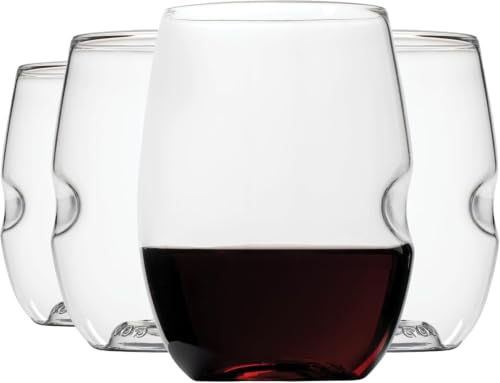
5. Govino Shatterproof Wine Glasses
A set of reusable, shatterproof glasses with a thumb grip. They suit pools, boats and picnics where regular glass would be risky. Because they are light and easy to stack, they also work for big parties where breakage is a real worry.
Suits: outdoor use. Strengths: safe around pools and decks. Weaknesses: feel is not that of glass. Skip it if you want an elegant table.
View Govino Shatterproof on Amazon
Best for casual dinners
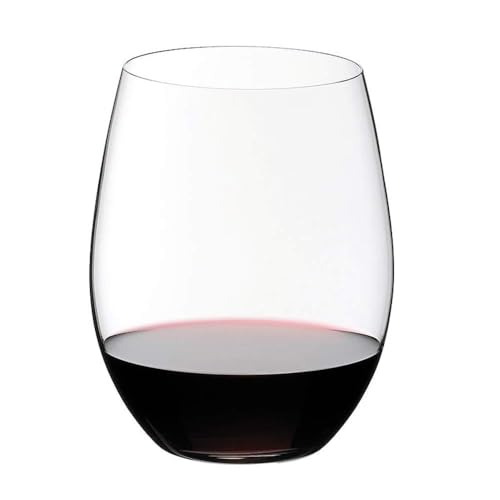
6. Riedel O Wine Tumbler Set
Stemless glasses from a leading wine glass maker. The tumbler shape is easier to store and less likely to tip. For a weeknight dinner or a casual gathering, a tumbler can feel more relaxed than a tall, fragile stem.
Suits: casual dinners. Strengths: a stable stemless design. Weaknesses: no stem to hold. Skip it if you want a stem.
Care and Setup
- Wash by hand when the maker says so.
- Polish with a lint-free cloth.
- Store upright, not by the rim on shelves.
- Avoid sudden hot or cold changes, which can crack thin glass.
Mistakes to Avoid
- Buying a set with too few glasses.
- Putting thin crystal in a hot dishwasher cycle.
- Choosing glasses too tall for a cabinet.
- Pouring too much, which hides the aroma.
Bowl Shape and What It Changes
The bowl is the part of a wine glass that does the work. A wider, larger bowl gives wine more surface area to meet the air, which many drinkers prefer for fuller reds. A narrower bowl with a smaller opening tends to hold delicate aromas closer to the nose, which suits crisp whites and lighter styles. Sparkling wine is usually served in a taller, narrower shape that keeps bubbles lively for longer.
All-purpose glasses split the difference with a medium bowl and a gently tapered rim. For most households, that is a sensible choice, because one shape covers reds, whites and rose without a cupboard full of specialised stemware. If you drink mostly one style, a glass built for it can be a nice upgrade, but it is not required to enjoy a bottle.
Rim thickness is another detail. A thin, cut rim feels delicate on the lip, while a rolled, thicker rim feels sturdier and is less likely to chip. Neither is wrong; it is about whether you value feel or toughness.
- Large bowl: bold reds that benefit from air.
- Medium bowl, tapered rim: flexible for most wines.
- Smaller bowl: whites and lighter wines that you want served cool.
When comparing sets, look at the bowl description and stated capacity on each listing. Capacity numbers describe how much the glass can hold, not how much you should pour, and names for the same shape vary between makers.
Stemmed or Stemless in Daily Life
The stem has a real job: it lets you hold the glass without warming the bowl or leaving fingerprints on it. That matters most for chilled white wine, where body heat can warm the drink quickly. Stemmed glasses also look formal, which suits dinner parties and holidays.
Stemless glasses are easier to store, harder to knock over and often simpler to fit in a dishwasher rack or a crowded cabinet. They feel relaxed for weeknights, casual guests and households with children or pets. The trade-off is that your hand touches the bowl, so the wine warms faster and the glass collects more smudges.
Think about storage as well as drinking. Tall stemmed glasses may not fit under a low cabinet shelf, and they can be awkward in a small kitchen. Stemless glasses stack or sit close together, but stacking can chip rims, so check what the maker advises.
Some buyers keep both: a few stemmed glasses for guests and a set of stemless for everyday use. If you only want one set, choose according to how you actually drink. If you often hold the glass for a long time while talking, a stem helps. If you mostly sip with dinner and wash straight after, stemless will be fine.
Shatter-resistant plastic sets are a separate category for outdoor spaces and are best viewed as a tool for pools, boats and picnics.
Glass, Crystal and Tough Alternatives
Wine glass sets come in a few materials, and the terms on listings can be confusing. Standard glass is the most common, with a thicker rim and strong construction that stands up to frequent use. Crystal is made with added minerals that allow thinner walls and greater clarity, which is why it often feels finer and rings when tapped.
Some makers use reinforced or lead-free crystal and glass formulas that resist chips and breakage better than traditional crystal. These can be a good compromise if you want a delicate look but have a busy household. Product listings should say what the material is, and whether the maker states it is dishwasher safe. If a listing is vague, treat the claim carefully and look for the care guide.
Shatter-resistant plastics are useful when real glass is risky. They are light, reusable and easy to stack, but they do not feel like glass at the lip, and they can scratch or cloud over time.
- Everyday glass: tough and easy to replace, good for large households.
- Thin crystal or crystal-style glass: refined feel, better with careful handling.
- Shatter-resistant plastic: best for outdoor use and settings where breakage is a concern.
Weight is a rough clue. A very light glass feels delicate; a heavy one feels solid. Choose the feel you prefer, and match it to how carefully your household treats glassware.
Set Size, Storage and Replacements
Count matters more than people expect. Glasses are sold in pairs, fours, sixes, eights and larger sets, and the right number depends on how often you host. A good approach is to buy enough for your usual guests plus a couple of spares, because breakage happens and a mismatched set looks untidy.
Before buying, think about replacements. Some popular lines stay in production for years, so you can add to the set later. Others are discontinued, which leaves you with an incomplete collection. If you want to expand over time, favour a series that appears widely available, and note the line name so you can search for it later.
Check the dimensions against your cabinet. Measure the shelf height and depth, then compare it to the glass height and the width of the bowl. Remember that stemware stored upside down on a shelf by the rim can chip, so storing them upright is generally safer.
Consider the packaging. Glasses shipped in thin cartons can arrive damaged, so look at how the listing describes the box or protection. On arrival, inspect each piece under good light for chips, scratches or bubbles, and keep the packaging until you are sure all glasses are fine.
If you entertain a lot, a larger set of simple glasses is often more practical than a small set of delicate ones.
Washing, Polishing and Keeping Glasses Clear
Clean glasses make wine taste better, since soap film and old residue affect aroma. Follow the maker’s care guide first. Some sets are listed as dishwasher safe, while delicate stemware may be better washed by hand with warm water and a small amount of mild soap.
When washing by hand, hold the bowl and the base gently and avoid twisting the stem against the bowl, which is a common way to snap thin glasses. Rinse well, because leftover soap leaves a film. If you use a dishwasher, space the glasses so they do not touch, avoid very hot cycles on thin crystal and check that the rack holds them securely.
For a clear finish, dry and polish with a lint-free cloth while the glass is still slightly warm from rinsing. Cloudy glasses can come from hard water or detergent residue; the cause varies, and a gentle rinse or a different routine often helps. Persistent cloudiness that does not wipe away may be etching in the surface, which is permanent.
- Avoid sudden temperature swings that can crack thin glass.
- Do not store glasses in a cabinet that smells of cooking or cardboard, since the odour can transfer.
- Replace glasses with chipped rims, since chips can cut lips and worsen.
With simple habits, a good set can stay clear and usable for years.
Building a Glassware Cabinet in Stages Instead of All at Once
The sets in this guide represent three different philosophies, and most households end up happiest with a staged cabinet rather than a single grand purchase. The Libbey Signature Kentfield set is the dependable everyday foundation: real glass, a classic all-purpose shape, and a price of ownership, in effort if not in money, that lets you use them on a Tuesday without ceremony. The Schott Zwiesel Tritan Pure and Spiegelau Authentis sets step toward finer, more deliberate glassware for the wines and evenings that justify it. The JoyJolt Carre brings a modern squared profile that some people love precisely because it does not look like everyone else’s glasses. The Govino set removes breakage from the equation entirely, and the Riedel O tumblers trade the stem for a lower, more casual silhouette. A staged cabinet might start with the everyday set, add the shatterproof set when outdoor life demands it, and only later add a finer set when the household knows which wines it actually drinks most. That order, need first and refinement second, keeps every purchase in regular use.
Stage one: the everyday workhorse
Your first set should survive the dishwasher debate, the crowded sink and the guest who insists on helping wash up. Judge it by how it feels at the end of an ordinary meal, not by how it photographs. An all-purpose bowl that flatters reds, whites and the occasional sparkling pour is worth more at this stage than a specialised shape used twice a year. Buy enough for your largest regular gathering, because running out of matching glasses mid-party pushes you into a jumble of odd tumblers anyway. Keep the box or a note of the exact set name; everyday glasses are the ones you will want to replace individually after the inevitable first breakage, and matching a set bought years ago is far easier with the name recorded.
Stage two: the problem-solver set
The second set should solve a specific problem the first one cannot. For households with a patio, a pool, a boat, a caravan or young children, that problem is breakage, and the Govino style of shatterproof glass changes the emotional register of outdoor drinking entirely: nobody hovers, nobody apologises, and a dropped glass is a shrug instead of a barefoot emergency. For households whose problem is storage, stemless tumblers such as the Riedel O stack a life into half the cupboard height and survive the dishwasher rack more gracefully. For households whose problem is that wine-loving guests visit often, the second set might instead be a finer stemmed set kept for those evenings. The rule is that stage two must answer a named frustration. A second set bought because it was pretty becomes the set that is always in the way.
Stage three: the fine set, bought with knowledge
By the time a household buys a Tritan or Authentis-level set, it should know its own habits: which wine style dominates, whether hand-washing will actually happen, and how many stems the table really needs. Fine glasses reward that knowledge because their virtues are specific, a thinner rim, a bowl shaped with intent, a stem that balances when the glass is full. They also punish vagueness, because a delicate set bought for wines you rarely drink will live in its box as an expensive intention. If you reach this stage, consider keeping the fine set incomplete on purpose, a set for the table’s usual number rather than for a crowd, and let the everyday glasses absorb the overflow at large gatherings. Mixed formality at a big table bothers nobody who is enjoying themselves.
The Same Wine in Four Glasses: An Experiment Worth Doing Once
Pour one bottle into your everyday glass, your finest glass, a stemless tumbler and a shatterproof glass, and taste them side by side with a friend. This small experiment teaches more than a shelf of advice. Notice how aroma gathers differently, how the rim’s thickness changes the first impression, how a stem keeps your hand’s warmth away from a white wine, and how the plastic-style vessel, for all its practicality, slightly changes the ceremony even when the flavour is close. Most people discover two things: the differences are real but smaller than marketing suggests, and their own preference is partly about feel and ritual rather than flavour alone. Both discoveries are useful. They tell you where your money actually buys pleasure, in bowl shape, in rim, in stem, or in not worrying, and they inoculate you against buying the next set for reasons that belong to someone else’s palate.
Living With the Set: Storage, Breakage and Replacement Planning
Storing glasses so they survive their own cupboard
More glasses chip in cupboards than at tables. Store stems upright rather than on their rims if the shelf allows, because the rim is the thinnest and most fragile part; if you must store them rim-down for stability, use a liner and never force them into a crowded row. Leave a finger’s width between glasses, since the gentle clink of neighbours being pushed together is the sound of future chips. Hanging racks suit households that use their glasses weekly and have the headroom; they are a poor choice in dusty kitchens or anywhere glasses hang unused for months gathering film. Stemless and shatterproof sets forgive almost any storage, which is another quiet argument for owning one set that asks nothing of you.
The breakage plan nobody makes until the second accident
Decide in advance what you will do when, not if, a glass breaks. For everyday sets, the answer is usually to replace the set when numbers fall below usefulness, which is why buying a widely available pattern such as the Libbey or Schott Zwiesel lines is a practical virtue. For fine sets, check before buying whether open-stock replacements exist, and consider buying one or two spare stems at the outset while the pattern is current. Sweep a breakage properly, with a damp paper towel pass after the visible pieces are gone, because glass dust travels, and keep a note of which set lost a member so the slow attrition of a set does not surprise you on the night of a dinner party. Households that treat breakage as a budgeted cost of hospitality stay relaxed; households that treat each glass as an heirloom stop inviting people, which is the most expensive outcome of all.
Dishwasher reality, stated plainly
Many glasses in this guide can survive a careful dishwasher cycle, and many owners will use one regardless of what purists say, so plan honestly. Space glasses so they cannot touch, skip the heated dry for fine crystal-style stems, use a gentle cycle, and unload before the steam of a closed machine can spot them. Etching, the permanent cloudiness that creeps over glass, comes from a combination of heat, detergent and water conditions, and once it arrives it does not polish away. If your water is hard and your everyday set clouds, that is information: move the fine set to hand-washing, use a rinse aid for the everyday set, and accept a division of labour between glasses that work and glasses that perform. Washing up after a dinner party is also, done with a friend and the last of the wine, not entirely a chore, and many households protect their best glasses simply by making that ritual part of the evening.
Hosting With Mixed Sets Without Apologising for Them
Real households accumulate glasses: the surviving four from one set, the new six, the pair that was a gift. The instinct to hide this is misplaced. What guests notice is a clean glass of the right general size, poured generously, not whether the stemware matches across the table. If you want a thread of order, keep one variable consistent: all stemmed or all stemless at a given course reads as deliberate, while mixing heights and materials at random reads as accidental. Seat the finest glasses where they will be appreciated or keep them for the table’s centre and use the everyday set at the ends; nobody audits a place setting. When a guest breaks a glass, and one eventually will, the host’s reaction is the event: a quick, warm dismissal, a replacement poured, the evening unbroken. That is the moment your choice of a replaceable everyday set proves wiser than a cabinet of irreplaceable stems.
Pouring amounts that suit the glass and the evening
A large bowl invites a modest pour, and that is a feature: the wine has room to breathe, the glass is light in the hand, and the bottle travels further around the table. Filling any wine glass to the brim defeats its shape, warms the wine with the effort of drinking it down to a manageable level, and turns a tasting pour into a commitment. At dinners with several wines, smaller pours keep palates and guests fresher, and a water glass beside every wine glass is the quiet mark of a host who wants people to last the evening. For the shatterproof and stemless sets, which often live at casual gatherings, the same restraint applies even though the setting is looser; a sensible pour is hospitality, not stinginess, when the bottle stays on the table and refills are free.
Wine Glass Set FAQ
Stemmed or stemless?
Stems keep the wine cool; stemless are stable and store easily.
Are crystal glasses worth it?
They are thinner and can feel finer. Everyday glass is tougher.
Do I need separate red and white glasses?
Not necessarily. An all-purpose glass works well for both.
How many should I buy?
A set for the number you often host, plus a few spares.
How many wine glasses should I buy in a set?
Match the number to how many people you usually host, then add a few spares for breakage. Many households choose a set of six or eight, but check the count on the listing.
Are all-purpose glasses enough for red and white?
For most people, yes. A medium bowl with a gently tapered rim works for a wide range of wines, and you can add specialised shapes later if you want.
Can thin wine glasses go in the dishwasher?
Only if the maker says so. Even then, space them apart and avoid very hot cycles, since thin glass is easier to chip or crack.
Why do my glasses look cloudy?
Common causes are detergent residue and hard water spots, which often wipe away with a rinse and polish. If the cloudiness stays, the surface may be etched, which cannot be reversed.
What does lead-free crystal mean?
It generally describes crystal-style glass made without lead oxide. Check the listing for the maker's own description of the material and its care advice.
Is stemless glassware worse for white wine?
Not worse, but your hand warms the bowl, so the wine may lose its chill faster. Holding it near the base or chilling the glasses beforehand can help.
How should I store wine glasses?
Store them upright with space between them, in a cabinet that does not hold strong odours. Storing by the rim on a shelf can chip delicate glasses.
Matching Glasses to the Wines You Drink
Glass shape is not a gimmick, though it is easy to overstate. The bowl influences how much air reaches the wine and how aroma travels to your nose, and a few general patterns are enough for most households. Larger, wider bowls give red wines room to open up, and the extra surface area helps full-bodied reds show their aromas. Smaller, narrower bowls help whites and lighter wines keep their cooler temperature and more delicate scents. Sparkling wine is usually served in a narrower glass to keep bubbles lively.
If you drink mostly one style, buy for that style. A household that pours red every night benefits from a roomy bowl. A household that favors crisp whites might prefer a slightly smaller bowl and a stem that keeps warm hands off the glass. If you drink everything, an all-purpose shape like the one on the Libbey Kentfield Estate listing is a sensible compromise, since the guide describes it as an all-purpose option.
Remember that pour size matters as much as shape. A standard pour fills a glass only about a third full, leaving space for swirling. A glass that looks enormous in the box will feel proportionate once you pour a normal serving. Check the listed capacity and rim width on each listing, and compare them with glasses you already own and like.
- Wide bowls: full-bodied reds and bold flavors.
- Medium tulip bowls: versatile for most still wines.
- Narrower bowls: crisp whites and sparkling wines.
Hosting, Gifting and Occasion Buying
Wine glasses are popular gifts and party purchases, and the occasion changes what is sensible. For a dinner party, count the guests plus a few extras, because breakage and refills happen, and having every glass match makes the table look polished. For gifting, a boxed set with an attractive presentation is easier to give, but check the count and whether the glasses are sold individually in case a recipient wants replacements.
For casual outdoor entertaining, durability trumps elegance. Stemless tumblers, tough crystal-style glass and shatter-resistant designs like the Govino listing tolerate patios, pools and picnics where glass would be risky. Lightweight options are also easier to carry, and they reduce the chance of cuts on a tiled floor. If children or pets are around, decide whether that justifies a tougher material.
For formal occasions, thin rims and fine stems give a more refined feel, although they require more careful handling. If you only use them a few times a year, storing them well matters more than the initial price. Keep a few spares of the key shape, and think about whether you will need separate glasses for water, champagne or dessert wines. A small, consistent collection usually looks better than a mix of unmatched pieces.
Safety, Materials and What the Labels Mean
Terms on glassware listings can be confusing, so it helps to know what they mean. Traditional lead crystal contains lead oxide, which gives brilliance and weight, but many modern sets are advertised as lead-free crystal, using other minerals for similar clarity. Check the listing to see which type a set uses, and follow the maker’s care guidance. Do not store wine or other drinks for long periods in lead crystal decanters or glasses; for normal drinking, the main consideration is following the maker’s advice.
Tough or shatter-resistant glassware may be made from specially formulated glass or from plastic. Some of it is made from a clear copolyester that resembles glass and tolerates drops, which is useful outdoors, though it may scratch over time. Read the listing for the material and its care requirements, since plastic and thin glass respond differently to heat, detergent and dishwasher cycles.
Inspect new glasses when they arrive. Hold each one up to the light and look for chips, cracks, bubbles or uneven rims. A chipped rim is a safety issue and should be returned rather than used. Wash new glasses before first use, and handle them gently while they are wet, since slippery glass is easy to drop. When a glass is chipped later, stop using it, because small chips can spread and cut lips.
Value Over Time: Counting the Cost Per Year
It is easy to compare glasses by price per piece, but a better measure is cost over years of use. A cheaper set that chips quickly may be replaced often, while a sturdier set that costs more can last far longer. Consider how you wash and store them, because careful habits help any set last, while rough handling reduces the life of even the toughest ones.
Availability of replacements also affects value. Established lines are easier to replace if one breaks, so a set from a known maker may be worth a little more than a one-off design. If you buy an unusual shape, think about whether you can buy single glasses later. Matching sets give a cohesive look, but a mix of similar glasses is usually forgiving enough for everyday use.
Finally, weigh how often you drink wine at home. A set used several times a week justifies a better glass, while an occasional set can be simple and inexpensive. Spend where you will notice, which for most people means a comfortable feel, a clear bowl and a set count that fits their table.
Related guides
- 6 Best Bordeaux Wine Glasses for Cabernet: Stemmed and Stemless
- 6 Best Insulated Wine Tumbler Sets: Steel, Stemless (2026)
- 6 Best Wine Tasting Glass Sets for Sommeliers (2026)
Frequently Asked Questions
What size wine glass is best for everyday use?
A medium tulip-shaped bowl is a versatile choice for most still wines. Check the capacity on the listing and remember a normal pour fills only about a third of the glass, leaving room to swirl, so a big glass is not wasteful.
Are shatter-resistant wine glasses good for outdoor use?
They are a practical option for patios, pools and picnics because they tolerate drops better than thin glass. Some are made from plastic that can scratch over time, so check the material and care instructions on the listing.
Is lead-free crystal safe for drinking wine?
Lead-free crystal uses other minerals to achieve clarity, and it is made for normal drinking. Follow the maker’s care guidance, and check the listing to confirm the glass type. Avoid long-term storage of drinks in older lead crystal.
What should I check when new wine glasses arrive?
Hold each glass to the light and look for chips, cracks, bubbles and uneven rims. A chipped rim is unsafe and should be returned. Wash glasses before first use and count the pieces against the listing.
The Short Version
For an all-purpose pick, the Libbey Kentfield. For durable crystal, the Schott Zwiesel. For a formal look, the Spiegelau. For style, the JoyJolt Carre. For outdoors, the Govino. For stemless, the Riedel O.

