Cabernet Sauvignon is a bold, tannic red, and it shows best in a tall Bordeaux-style glass with a large bowl. The best Bordeaux wine glasses for Cabernet give the wine room to open up, soften the tannins through air contact and direct each sip toward the back of the mouth. Stemmed and stemless options both work.
The six glasses below are made or sold for Cabernet and Merlot, from stemmed crystal-style glasses to a stemless tumbler. We have not used these products ourselves, so the descriptions come from general product knowledge. Please confirm pack count, capacity and care notes on the current listing before buying. Bold reds like Cabernet are happy in a tall glass with a roomy bowl, but a stemless tumbler is a relaxed alternative for casual dinners. Think about storage and washing as well as looks, and keep in mind that a thin rim gives the cleanest sip, while a thicker rim is more forgiving in daily use.
As an Amazon Associate we earn from qualifying purchases. Links below are affiliate links, and they do not change the product information we give.
What to Look For
| Feature | Why it matters |
|---|---|
| Bowl size | A big bowl lets a bold Cabernet breathe |
| Height | A tall glass concentrates aromas at the rim |
| Stem or stemless | Stems keep warm hands off the wine; stemless is sturdier and easier to store |
| Rim | A thin rim gives a cleaner sip |
| Care | Check whether the glasses are dishwasher safe |
In this guide
Specs at a Glance
| Glass | Style | Material | Notes |
|---|---|---|---|
| Riedel Performance Cabernet/Merlot | Stemmed | Crystal-style glass | Check the pack size |
| Riedel O Cabernet/Merlot | Stemless | Crystal-style glass | Check the pack size |
| Spiegelau Definition Bordeaux | Stemmed | Crystal-style glass | Check the pack size |
| Zwiesel Glas Forte Bordeaux | Stemmed | Tritan crystal-style glass | Break-resistant style |
| Lenox Tuscany Classics Cabernet | Stemmed | Crystal-style glass | Check the pack size |
| Libbey Signature Kentfield Estate Bordeaux | Stemmed | Glass | Check the pack size and version |
The 6 Best Bordeaux Wine Glasses for Cabernet
Top pickBest for cabernet lovers
1. Riedel Performance Cabernet/Merlot Glasses
A stemmed glass with a bowl designed with subtle texture at the base to encourage swirling. It is shaped for Cabernet and Merlot.
Suits: Cabernet lovers. Strengths: a purpose-made shape. Weaknesses: delicate. Skip it if you prefer stemless glasses.
View Riedel Performance Cabernet/Merlot on Amazon
Best for casual evenings
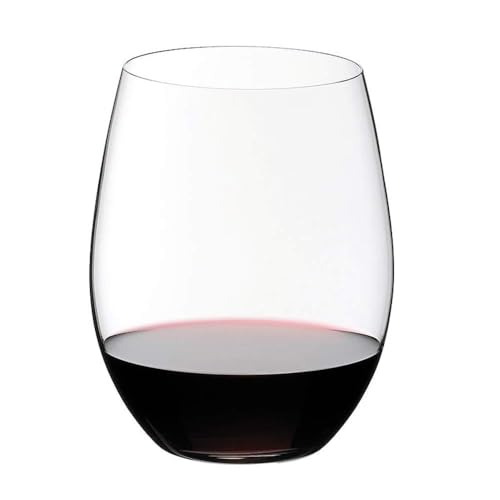
2. Riedel O Cabernet/Merlot Tumblers
A stemless take on the same grape-specific idea. The tumbler style is sturdier and fits easily in a cabinet.
Suits: casual evenings. Strengths: sturdy and easy to store. Weaknesses: warm hands touch the bowl. Skip it if you want a formal look.

Best for everyday upgrades
3. Spiegelau Definition Bordeaux Glasses
A modern-looking line with a broad bowl, suited to bold reds. It is an upgrade from basic restaurant glasses.
Suits: everyday upgrades. Strengths: a graceful bowl. Weaknesses: not the thinnest glass. Skip it if you want the finest rim.
View Spiegelau Definition Bordeaux on Amazon
Best for frequent use
4. Zwiesel Glas Forte Bordeaux Glasses
A durable line made from Tritan crystal-style glass, intended to resist breakage. A good fit for busy households.
Suits: frequent use. Strengths: toughness. Weaknesses: a slightly different feel. Skip it if you want classic crystal.
View Zwiesel Glas Forte Bordeaux on Amazon
Best for a formal table
5. Lenox Tuscany Classics Cabernet Glasses
A traditional stemmed glass in a long-running Lenox collection. It suits a classic table setting.
Suits: a formal table. Strengths: a classic look. Weaknesses: hand washing may be advised. Skip it if you want modern lines.
View Lenox Tuscany Classics Cabernet on Amazon
Best for casual hosts
6. Libbey Signature Kentfield Estate Bordeaux Glasses
A budget-friendly stemmed glass in a Bordeaux shape. It suits those who want the right form without a high cost.
Suits: casual hosts. Strengths: an approachable level. Weaknesses: not crystal-fine. Skip it if you want a thin rim.
View Libbey Kentfield Estate Bordeaux on Amazon
Care and Setup
- Wash by the base and the bowl, not by twisting the stem.
- Rinse well to avoid soap taste.
- Dry with a lint-free cloth.
- Serve Cabernet slightly below room temperature.
- Rinse a new glass before first use.
- Store glasses with the rim up to avoid trapped odors.
Mistakes to Avoid
- Filling the glass too full.
- Using a small glass for a bold red.
- Washing delicate glasses in a hot dishwasher.
- Skipping a check on pack count.
- Serving Cabernet too warm.
- Using a stemmed glass in a crowded dishwasher rack.
Bowl Size, Rim Width and Why They Suit Tannic Reds
Cabernet Sauvignon is a structured red, often high in tannin, which is the compound that gives a drying, grippy feel in the mouth. A large bowl gives the wine surface area to meet air, which can help the aromas open and make the wine seem smoother. That is the reasoning behind the tall, roomy bowl of a Bordeaux-style glass. The rim narrows a little so the aromas collect at the top, and the shape sends the wine toward the middle of the mouth rather than letting it rush to the sides.
Bowl size is only useful if you pour sensibly. Fill the glass only a third to a half of the way, so there is room to swirl and for aromas to gather. A very big bowl can make a small pour look lost, and some people prefer a medium bowl for everyday drinking. Check the capacity on the listing, remembering that stated capacity is the brim-full volume, not a pour size.
Rim width also changes how the wine reaches your palate. A narrower rim concentrates aroma and directs the sip, while a wider rim is easier to drink from and fits more noses. Some drinkers like a wide opening for casual evenings. Choose a shape that feels natural when you drink. Glassmakers sell grape-specific glasses, but a good Bordeaux shape works for Merlot, blends and many other full-bodied reds, so one style is usually enough.
Crystal, Standard Glass and Rim Thickness
Glass type changes the weight, the feel and the durability of wine glasses. Crystal and crystal-style glass can be spun thinner and still resist breakage, giving a delicate rim and a sparkle. Lead-free crystal is common today, and listings usually state whether a glass is lead-free. Standard soda-lime glass is generally thicker, heavier and more affordable, and it tolerates daily use well.
A thin rim is often described as giving a cleaner sip because the wine flows smoothly onto your tongue with little interruption. A thicker rim feels sturdier and is more forgiving in the dishwasher and on a crowded table. Neither is better in every case. If you drink wine alone or with one other person, a delicate glass may be worth the care. If you entertain large groups or have a busy home, tougher glass may be more sensible.
Check how the glass is made. Machine-made glasses are consistent and sturdy, while mouth-blown ones are often lighter and more expensive. Some makers add titanium or other reinforcements to the glass to improve strength, and the listing should say so if so. Treat claims about taste improvement with caution, since the main differences are shape, thickness and comfort. Whichever you choose, make sure the sets are matched and that spares are available.
Stems, Stemless Tumblers and Everyday Handling
A stem keeps your hand off the bowl, so the wine stays at a steady temperature and the glass stays clear of fingerprints. It also looks elegant at a dinner table. A long stem can be fragile, and tall glasses may not fit in all dishwashers or cabinets. If you want to hold the glass without worrying about it, a shorter stem may suit you.
Stemless tumblers are sturdy, stable and easy to store, and they feel casual. They suit relaxed dinners, outdoor evenings and households where tall glasses tip over. The trade-offs are that the wine warms from your hand faster and the bowl will collect fingerprints. Some people hold a stemless glass by the base or the lower part of the bowl to lessen this.
Think about your cabinets and your washing routine. Measure shelf height before buying tall stemware. Consider the weight of the base, since a heavier base resists tipping. Choose the style that you can wash comfortably and store safely. If you want both a casual and a formal option, you can mix a stemmed set for dinners with a stemless set for everyday use. Check the listing for the pack count and whether the set includes a different size or style of glass for white wine.
Serving Cabernet: Temperature, Pour and Decanting
Serving temperature has a strong effect on how Cabernet tastes. If it is too warm, the alcohol can seem sharp and the wine heavy. If it is too cold, aromas and flavors are muted and tannins can taste harsher. A common guideline is to serve full-bodied reds slightly below warm room temperature, which for many homes means chilling the bottle briefly before serving. Judge by taste rather than relying on a number.
Pour about a third of the bowl, so you can swirl and the aromas gather above the wine. A restrained pour also keeps the wine in the glass cooler for longer. If you are opening a young, tannic bottle, letting it breathe in a decanter for a while can soften it, and a large glass can offer a quicker alternative if you do not want to decant. Older bottles can be delicate and may not need much air, and they may leave sediment, so pour slowly and stop before the sediment reaches the glass.
Consider food as well. Cabernet suits rich dishes with fat and protein, such as roasted meats, because the fat softens the tannin. Lighter dishes can be overwhelmed. If the wine tastes harsh, try it with food. Swirl gently so that you do not spill, and try different pours to see what the glass does for the wine. Keep a clean glass for each wine to avoid mixing flavors.
Building and Maintaining a Set Over Time
A set of wine glasses is easier to maintain when you plan it. Start with a number that matches how many people you usually serve, often four to six, and add more as needed. Choose a line that is likely to stay available, so replacements match. Check whether the maker sells single glasses, since breakage is a certainty over time.
Washing and storage determine lifespan. Wash by hand when you can, holding the bowl and base, and do not twist the stem. In a dishwasher, use a gentle cycle, a rack that holds the stems securely and avoid crowding. Rinse soap thoroughly, as residue can affect aroma and taste. Dry with a lint-free cloth and polish to remove spots. Store them upright with space around them or in a rack designed for stemware, away from kitchen odors.
Know when to replace. Chips on the rim can cut lips and should be taken seriously. Cracks near the stem or base can lead to breaks. Cloudiness that will not wash away, such as from mineral etching in a dishwasher, will not improve. Before buying, ask: Do I have the space to store these? How will I wash them? Are spares available? Is the capacity right? Is the stem sturdy enough for my habits? A little planning makes a set serve for years.
Cabernet Glass FAQ
Why a big glass for Cabernet?
Air softens tannins and releases aroma.
Stem or stemless?
Stems keep the wine cooler. Stemless is sturdier and easier to store.
Can I use a Bordeaux glass for Merlot?
Yes. Many lines pair Cabernet and Merlot in one shape.
Should I decant Cabernet first?
Young, tannic Cabernets often gain from an hour or so in a decanter. Older bottles can be fragile and need less air. A big glass offers a quick alternative when you do not want to decant.
How much Cabernet should I pour?
About a third to a half of the bowl is common, so you have room to swirl. Pour less in very large bowls.
Is a Cabernet glass different from a Bordeaux glass?
They are close cousins. Many makers use a tall, roomy bowl for both, so one shape often serves Cabernet, Merlot and blends.
Is lead-free crystal worth it?
It offers thin, light glass that many drinkers enjoy, but it costs more and needs gentler care. Standard glass is sturdier and cheaper for daily use.
Can I use these glasses for white wine?
Yes, though white wines are often served in smaller bowls to keep them cooler. A large bowl works if you pour small amounts.
How do I remove cloudy marks from glasses?
Hand wash with warm water and a mild soap, rinse well and dry with a lint-free cloth. Permanent etching from a dishwasher cannot always be removed.
How long should I let Cabernet breathe?
Young, tannic wines often benefit from some time in a decanter or glass, but the best time depends on the bottle. Taste as you go.
Do stemless glasses make wine warm up?
They can, because your hand touches the bowl. Hold the base or choose a stemmed glass if temperature matters to you.
Beyond Cabernet: Other Wines That Suit a Bordeaux Glass
The tall bowl and moderately wide rim of a Bordeaux glass were designed for structured, tannic reds, but the shape is more versatile than the name suggests. Because the bowl is large enough for the wine to open yet narrow enough to concentrate aroma, it works well for a broad family of full-bodied wines.
- Merlot and Cabernet Franc, the other classic Bordeaux grapes, which sit comfortably in the same shape.
- Malbec, whose dark fruit and firm structure benefit from the room the bowl provides.
- Syrah and Shiraz, which can handle the glass although some drinkers prefer a slightly smaller bowl for peppery, aromatic styles.
- Tempranillo-based wines and other Spanish reds with similar weight.
- Blended reds sold as Meritage or Bordeaux-style blends.
If you want to keep your collection small, a good Bordeaux glass is arguably the most useful single shape for a red-wine drinker. The exceptions are very delicate wines like Pinot Noir, which usually do better in a wider, rounder bowl.
Reading Specs: Capacity, Height and Weight
When comparing listings, three numbers deserve attention. Capacity usually runs from about twenty to thirty ounces for Bordeaux shapes, and the large figure is deliberate; the wine only occupies a fraction of the space. Height affects storage and washing, since a glass over nine inches tall may not fit in a standard dishwasher rack or on an under-cabinet shelf. Weight is a rough indicator of build: very light glasses usually have thin walls and fragile rims, while heavier ones are sturdier but can feel clunky.
Do not equate bigger with better. A glass that is oversized for your usual pour can leave a small serving looking lost and make the wine warm up more quickly. Consider how much you usually pour and whether you often serve two or three wines at a dinner, in which case a medium size may be easier to handle.
Left Bank, Right Bank and Whether Glass Style Should Change
Bordeaux wines are often divided into Left Bank blends, dominated by Cabernet Sauvignon, and Right Bank blends, led by Merlot. Wine writers sometimes suggest a slightly different glass for each, with a taller bowl for the former and a rounder one for the latter. In practice, many glassmakers sell one Bordeaux shape that serves both, and most drinkers will not notice a dramatic difference.
Where the distinction matters more is age. A young, tannic wine benefits from a wide opening that encourages aeration, while an older bottle with fragile aromas can fade in an oversized glass. For aged bottles, many collectors pour a small amount and let the wine develop in the glass slowly, switching to a larger one only if it seems tight. Experimentation with a single good glass will teach you more than buying several shapes at the outset.
Rinsing, Tasting Technique and Everyday Habits
Small habits improve the experience. Rinsing a glass with a little water, then drying it, removes dust from storage. Some people rinse with a small amount of the wine itself so that any lingering soap or cabinet odor does not interfere. If you do, discard the rinse.
Tilt the glass against a white surface to assess color, swirl gently to release aroma, and bring your nose into the upper part of the bowl before sipping. Take a second smell after a minute, because wine continues to change as it breathes. Pour modestly, a third of the bowl or less, and avoid overfilling, which defeats the purpose of the shape. Store glasses upright rather than rim-down on shelves to prevent musty odors from collecting.
Questions to Ask Before You Choose a Set
Decide first whether you want stems, tumblers or both, since each fits a different lifestyle. Check how glasses are made: machine-made options are generally more durable and affordable, while mouth-blown styles are lighter but more fragile. Confirm the care instructions and whether replacements are sold individually. Consider your storage space carefully, because these tall glasses may not fit under all cabinets. Ask how many you need for typical dinners, then add two for breakage. Finally, compare how the rim feels against your lip, since thin, smooth edges are noticeably different from rolled ones, and let that guide your decision between price tiers.
Related guides
- 6 Best Bordeaux Wine Glasses: Crystal and Everyday Picks
- 6 Best Built-In Wine Racks: Modular, Cabinet and Wall
- 6 Best Dessert Wine Glasses: Port, Sherry and Sweet Wine
- 6 Best Insulated Wine Tumbler Sets: Steel, Stemless (2026)
Frequently Asked Questions
What size should a Bordeaux glass be?
Many fall between about twenty and thirty ounces, which looks large but is meant to hold a small pour. Choose a size that fits your cabinet and dishwasher. If you usually serve modest pours, a mid-sized glass may be easier to handle than the biggest option.
Can I drink Malbec or Syrah from a Bordeaux glass?
Yes. Malbec works especially well because of its dark fruit and structure, and Syrah is generally fine too. Some drinkers prefer a slightly smaller bowl for very aromatic Syrah, but a standard Bordeaux glass is a good all-around choice for full-bodied reds.
Do I need different glasses for Left Bank and Right Bank Bordeaux?
Not really. Some suggest slightly different bowl shapes, but a single Bordeaux glass handles both well for most drinkers. The decision matters less than serving temperature, decanting and pouring amount. Start with one good set before considering anything more specialized.
Should I rinse a wine glass before pouring?
A quick rinse with plain water, followed by drying, removes dust or cabinet odors, and it is optional if your glasses are fresh from the dishwasher. Avoid soap residue, which affects aroma. Some people rinse with a splash of the wine and discard it.
Choosing Bordeaux Wine Glasses: A Closer Look at What Actually Matters
Bordeaux glasses are built for Cabernet and its blending partners: a tall bowl, generous but not cavernous, that gives structured red wine room to breathe while directing aroma and delivering the wine to the palate in a way that softens tannin’s first impression. The picks above include stemmed and stemless versions, and that fork in the road — tradition versus practicality — shapes this whole category. Add crystal versus everyday glass and capacity questions, and choosing becomes a matter of how you drink red wine: slowly at a table, or socially around a kitchen island.
Most buyers compare Bordeaux wine glasses on the obvious points first and only discover the details that matter after a few weeks of use. The sections below slow the decision down and look at the qualities that decide whether a Bordeaux wine glass still feels right once the novelty has worn off. None of them requires expert knowledge; they simply ask you to match the product to the way you actually live, serve and clean up.
Stemmed versus stemless, without snobbery
A stem keeps hands off the bowl, holding temperature and keeping the glass clean through a long evening; it also stores tall and breaks with personality. Stemless glasses are stable, dishwasher-friendly, fit low shelves and suit casual rooms — at the cost of warming the wine in the hand and collecting fingerprints where you look at the colour. Neither is the ‘real’ choice. Your rooms, your shelves and your breakage rate should decide, and mixed households often keep both for different occasions.
Bowl height and tannin management
The Bordeaux shape’s tall bowl is functional: it lets wine be swirled without drama, gathers aroma above the surface, and the rim’s delivery spreads wine across the palate rather than firing it at one spot. Very young, tannic Cabernets benefit most; softer Merlot-led blends are forgiving of shape. If your cellar leans young and structured, bowl geometry deserves real weight in the choice; if you drink mature, soft wines, comfort and glass quality matter more.
Crystal, crystalline and everyday glass
Fine crystal rings, feels light and presents wine beautifully, and asks for hand-washing and respect. Modern lead-free crystalline offers much of the experience with better durability, and quality everyday glass serves Tuesday’s Cabernet without anxiety. The honest question is which glasses will actually be used for the wine you actually open. A household that saves crystal for guests and drinks nightly from jam jars has the equation backwards.
Capacity and the sensible pour
Bordeaux glasses are large because the wine needs air, not because the pour should be heroic. A proper pour fills the bowl to its widest point at most, leaving the surface broad and the aroma chamber generous. Check that a glass’s size flatters that pour rather than dwarfing it. Glasses so large that a standard pour looks lost encourage over-pouring, which warms the wine, the drinker and the evening’s regrets in equal measure.
Rim quality
The rim is where glass meets wine meets lip, and a fine, laser-cut rim delivers wine smoothly and feels invisible, while a rolled or thick rim interrupts and announces itself in every sip. In listings, rim descriptions and close photographs are worth real attention, because you will notice the rim in every single use. Of all the details in this category, rim quality has the highest notice-per-penny ratio.
How the Six Picks Differ in Everyday Use
Specifications only tell half the story with Bordeaux wine glasses. The other half is how each pick behaves on an ordinary evening: how it feels in the hand, how much attention it asks for, and how forgiving it is when you are busy, tired or serving guests. Read the six picks below as six answers to the same question, each tuned to a slightly different buyer.
Riedel Performance Cabernet/Merlot Glasses
Start with the job this pick does best, because that is where it separates itself from the rest of the list. In the summary table above it is described as: check the pack size. Compare Bordeaux glasses by an imagined bottle of young Cabernet: the glass that gives it air, gathers its aroma and delivers it past the tannin gracefully is the glass; stem and material are then chosen by your household’s way of life. Think about how it will be used in your home specifically: who will handle it, how often it will come out, where it will live between uses, and what will annoy you first if you choose badly. If that description matches your routine, it deserves to be on your shortlist even if it is not the headline recommendation.
Riedel O Cabernet/Merlot Tumblers
This is the pick to study if the first option does not quite fit your space, your habits or the way you like to work. In the summary table above it is described as: check the pack size. Compare Bordeaux glasses by an imagined bottle of young Cabernet: the glass that gives it air, gathers its aroma and delivers it past the tannin gracefully is the glass; stem and material are then chosen by your household’s way of life. Think about how it will be used in your home specifically: who will handle it, how often it will come out, where it will live between uses, and what will annoy you first if you choose badly. Buyers whose priorities line up differently will be happier with one of the neighbouring picks, and there is no shame in that.
Spiegelau Definition Bordeaux Glasses
Treat this one as a deliberate alternative rather than a runner-up: it makes a different trade-off, and for some buyers that trade-off is the right one. In the summary table above it is described as: check the pack size. Compare Bordeaux glasses by an imagined bottle of young Cabernet: the glass that gives it air, gathers its aroma and delivers it past the tannin gracefully is the glass; stem and material are then chosen by your household’s way of life. Think about how it will be used in your home specifically: who will handle it, how often it will come out, where it will live between uses, and what will annoy you first if you choose badly. The honest test is how often you will use it in the way it was designed to be used, not how impressive it looks on a shelf.
Zwiesel Glas Forte Bordeaux Glasses
This pick suits buyers who read the first options and found them either more or less than they need. In the summary table above it is described as: break-resistant style. Compare Bordeaux glasses by an imagined bottle of young Cabernet: the glass that gives it air, gathers its aroma and delivers it past the tannin gracefully is the glass; stem and material are then chosen by your household’s way of life. Think about how it will be used in your home specifically: who will handle it, how often it will come out, where it will live between uses, and what will annoy you first if you choose badly. Choose it for that strength, accept the compromise that comes with it, and it will feel like the right purchase for years.
Lenox Tuscany Classics Cabernet Glasses
Look closely at this one if you value a particular strength over all-round balance, because that is the ground it competes on. In the summary table above it is described as: check the pack size. Compare Bordeaux glasses by an imagined bottle of young Cabernet: the glass that gives it air, gathers its aroma and delivers it past the tannin gracefully is the glass; stem and material are then chosen by your household’s way of life. Think about how it will be used in your home specifically: who will handle it, how often it will come out, where it will live between uses, and what will annoy you first if you choose badly. If its weakness touches something you do every single time, look at the pick before or after it instead.
Libbey Signature Kentfield Estate Bordeaux Glasses
The last pick on the list is not an afterthought; it covers a type of buyer the earlier options serve less well. In the summary table above it is described as: check the pack size and version. Compare Bordeaux glasses by an imagined bottle of young Cabernet: the glass that gives it air, gathers its aroma and delivers it past the tannin gracefully is the glass; stem and material are then chosen by your household’s way of life. Think about how it will be used in your home specifically: who will handle it, how often it will come out, where it will live between uses, and what will annoy you first if you choose badly. Shortlist it, compare it directly with the pick ranked nearest to it, and let your own routine break the tie.
Bordeaux Glass Workflows: Decanted Dinners and Casual Reds
A Bordeaux wine glass earns its keep in moments, not in product photos. The situations below are the ones that separate a satisfying purchase from a cupboard ornament, and each one points back to a quality already covered in the reviews above.
The decanted Sunday dinner
This is the stemmed glass’s home ground: wine decanted an hour ahead, glasses polished, pours measured to the bowl’s widest point. The ritual slows the meal and the wine rewards it, opening in the glass across the evening. Serve at cool room temperature, keep water glasses alongside, and let the last glass of the bottle — the most evolved — be a small ceremony of its own. Equipment this considered makes an ordinary roast taste planned.
The weeknight Cabernet
Most Bordeaux is drunk on Tuesdays, and the glass for Tuesday should wash easily, store accessibly and make a modest pour feel generous. This is where stemless and durable crystalline glasses earn their keep: no polishing, no anxiety, still the right shape. Do not let the perfect be the enemy of the poured; a good glass used nightly teaches your palate more than a great glass used at Christmas.
A tasting of several reds
For comparisons, identical glasses are non-negotiable: same shape, same pour, same temperature, so differences belong to the wines. Rinse with water — or better, a splash of the next wine — between pours, and keep pours small. Bordeaux glasses serve other structured reds honourably in a tasting, from Rioja to Barolo, which makes a uniform set of them the backbone of a home tasting kit.
Outdoor and casual serving
Garden tables, uneven surfaces and moving people argue for stemless stability and thicker glass. The wine loses a degree of ceremony and gains a great deal of survival. Chill the bottle slightly more than indoor service to offset the warmer air, pour smaller and refill oftener, and accept fingerprints as the tax on a relaxed evening. The right glass outdoors is the one still intact at dessert.
Bordeaux Glass Care: Polishing, Washing and Storage
Polish stemmed glasses with a large, lint-free cloth, holding the bowl and base in separate hands and never twisting against the stem — stems snap from torque, not from drops, more often than owners expect. Steam over a kettle makes polishing fast before guests. A polished glass is not vanity: water spots and cloth fibres sit exactly where you judge a wine’s colour and legs, and a clean bowl lets a young Cabernet show its rim of purple honestly.
Wash red wine glasses promptly or at least rinse them; red wine dries into stains that need soaking, and tannin films dull bowls over time. Warm water and minimal detergent, or a dedicated glass wash, keep crystal bright. Dishwashers are acceptable for glasses designed for them, loaded with space and a gentle cycle — but fine crystal belongs in the sink, washed one piece at a time, in water you would put your own hands in happily.
Store stems upright on a shelf with height to spare, or hanging if the rack grips the base securely. Never store glasses bowl-down on dusty shelves, never stack stems, and keep them away from the cupboard’s spice zone — glass picks up odours through the film of moisture on it, and a Cabernet that hints at cumin is a storage failure, not a tasting note. A quick rinse and polish before use removes cupboard dust and doubt together.
Accept a breakage budget and buy accordingly. Fine glasses break in real households; the mature response is choosing ranges you can replace and keeping one or two spares. Note the range name and size when you buy. A set that cannot be topped up becomes a dwindling asset that hosts ration anxiously, and rationed glasses serve nobody — least of all the wine, which was bought to be drunk well and in company.
More Questions About Bordeaux Wine Glasses
Does the Bordeaux shape really change the wine?
Yes, measurably in aroma and noticeably in delivery. The tall bowl concentrates the dark-fruit and cedar aromas Cabernet families produce, and the rim shape spreads wine across the palate, softening the perception of tannin at first contact. It will not rescue a poor wine, but between two glasses the same bottle can taste like cousins rather than twins. Shape is the cheapest wine upgrade there is.
How much should I pour?
To the widest point of the bowl at most — often a surprisingly modest measure — leaving the upper bowl as an aroma chamber. This pour can be swirled safely, warms at the right pace and leaves room for the wine to evolve across the glass. Refill more often with wine from the bottle or decanter, which will itself be opening. Small pours, frequently refreshed, beat heroic pours that warm and flatten.
Are stemless glasses bad for red wine?
They are a trade, not a sin. The wine warms faster in the hand and the bowl collects prints, but for casual rooms the stability and ease win honestly. Mitigate by holding the glass lower, pouring smaller amounts, and serving the wine a touch cooler. Many experienced drinkers keep stemless glasses for the kitchen island and stems for the table, which is not inconsistency — it is matching tools to occasions.
Should Bordeaux glasses be washed with detergent?
Minimally, and rinsed thoroughly. Detergent residue perfumes the bowl and flattens the wine’s aroma, and strong fragrances are the worst offenders. Many enthusiasts wash in hot water alone when glasses held only wine, reserving detergent for lipstick or food grease, then rinse generously. Whatever your method, the test is simple: a clean, dry glass should smell of nothing at all.
How many Bordeaux glasses do I need?
Four covers most dinners, six covers generous ones, and two excellent glasses cover a couple’s slow evenings better than eight mediocre ones cover a crowd. Prioritise the quality of the glasses for your most common occasion. Because breakages happen, favour a range you can re-order, and consider keeping the box or a note of the exact model — future you, mid-dinner-party season, will be grateful.
A Simple Way to Decide
Decide by occasion first: table or island, ceremony or Tuesday. Then choose stem and material for that occasion’s realities, bowl and rim quality for your wines’ youth and structure, and a range you can replace. The Bordeaux glass that gets used for every bottle — not saved, not feared — is the one that improves your wine life, and it is usually the one bought with your real evenings in mind.
Finally, buy for the routine you have, not the routine you imagine. A Bordeaux wine glass that suits your real habits will be used weekly and enjoyed for years, while a more impressive one that fights your space, your cleaning habits or your taste will quietly stop coming out of the cupboard. The right pick above is the one whose strengths match your most common situation and whose weaknesses land on things you rarely do.
Final Checks Before You Buy
One last habit separates happy buyers from disappointed ones with Bordeaux wine glasses: they check the unglamorous details before ordering. Measure the space where the Bordeaux wine glass will live, read what is actually included in the box, and confirm the care instructions suit the way you really clean up after a gathering. Those five quiet minutes prevent most returns, most breakages and most of the frustration described in the problem sections above. If a detail cannot be confirmed from the listing, choose the pick whose design depends least on that detail.
Check the listing photographs as carefully as the description. With Bordeaux wine glasses, the photographs reveal what marketing language smooths over: proportions against a human hand or a familiar object, the finish in ordinary light, the parts that will be handled daily. Zoom in on joins, rims, hinges, seams and controls — whatever your chosen pick asks your fingers to trust. A listing with many honest angles is usually a product with nothing to hide, and a listing with only glamour shots deserves a slower decision.
Think about the second year, not just the first week. In the first week every Bordeaux wine glass is exciting; in the second year it is either a habit or a storage problem. Ask whether replacement parts, matching additions or simple repairs will still be available, whether the style will still please you when it is familiar rather than new, and whether the care routine still sounds acceptable on an ordinary tired evening. Purchases that survive this thought experiment rarely disappoint.
Consider who else will use it. A Bordeaux wine glass chosen for one person’s hands and habits often serves a whole household in practice: partners, older children, guests who help themselves. If other people will handle it regularly, favour the pick that is intuitive without instruction and forgiving of slightly rough treatment. The most elegant option is not always the most democratic one, and household peace is a legitimate product feature that no specification table lists.
Finally, set a simple rule for the first month of ownership: use it deliberately, notice what surprises you, and adjust the routine before judging the purchase. Many disappointments with Bordeaux wine glasses are routine mismatches — the wrong shelf, the wrong cleaning moment, the wrong expectations of capacity — rather than product failures. A month of honest use, with small adjustments, tells you the truth about a pick far better than the first evening’s impressions, whether glowing or grumpy.
The Short Version
For a grape-specific shape, the Riedel Performance. For stemless, the Riedel O. For a modern bowl, the Spiegelau Definition. For durability, the Zwiesel Forte. For tradition, the Lenox Tuscany. For budget-friendly, the Libbey Kentfield. C
Related Guides
- 6 Best Wine Glasses for Red Wine: Bordeaux, Cabernet and Burgundy (2026)
- 6 Best Wine Glass Sets: Stemmed, Stemless and Shatter-Resistant (2026)
- 6 Best Bordeaux Wine Glasses: Crystal and Everyday Picks
- 6 Best Red Wine Glasses: Bordeaux, Burgundy and Universal (2026)
- 6 Best Stemless Wine Glasses: Crystal, Glass and Steel

