Disclosure: topratedkitchenware.com is reader-supported. When you buy through links on our site, we may earn an affiliate commission from Amazon and other retailers, at no extra cost to you.
Where to buy
The six picks below are the verified shortlist for this guide to best mixers for alcoholic drinks. Each name links to its Amazon listing, where you can check the latest price on Amazon, confirm the exact pack size and flavour, and read the newest owner feedback before you decide.
- Zing Zang Strawberry Margarita-Daiquiri Mix, 32 Fl Oz
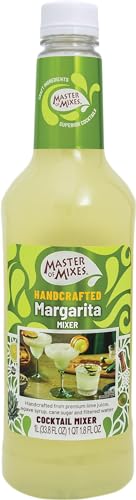
- Master of Mixes Margarita Mix, 1 Liter Bottle
- Fever-Tree Tonic Water, 24 Pack of 5.1 Fl Oz Cans
- Fever-Tree Light Tonic Water, 24 Pack of 5.1 Fl Oz Cans
- Fever-Tree Tonic Water, 24 Pack of 6.8 Fl Oz Bottles
- Fever-Tree Premium Indian Tonic Water, 16.9 Fl Oz (Pack of 8)
Read the full guide ↓ for the detailed reviews, the honest limitations of every pick, and the buying checks that matter more than any headline claim.
The best mixers for alcoholic drinks are the bottles that quietly decide whether a home drink tastes assembled or merely diluted. Spirits get the attention, but in most glasses the mixer is the majority of the volume, most of the flavour and nearly all of the balance. Choose it well and an ordinary bottle pours like a considered cocktail; choose it carelessly and even a good spirit tastes sweet, flat or confused. This guide narrows the enormous mixer shelf to six verified picks that cover the serves home drinkers actually make.
The shortlist deliberately spans the two great mixer families. Bottled mixes — margarita and daiquiri style — bring flavour, sweetness and acidity in one pour and suit shaken or blended drinks. Sparkling mixers — the tonics here — bring bitterness, fizz and length and suit long drinks over ice. Most households need at least one of each, which is why this guide refuses to crown a single style and instead badges each pick for the job it does best. Readers who arrived from our spirit-specific notes on Best Mixers For Amaretto will find some of the same products here judged by a broader standard: everyday usefulness across alcoholic drinks of all kinds.
Every pick below gets the full treatment: strengths, trade-offs, a spec box drawn only from its verified listing, and a plain verdict. There are no prices and no scores, because both go stale; there is instead a comparison table, a choosing guide, a practical mixing and troubleshooting section, and answers to the questions buyers ask most.
Key Takeaways
- Mixers are most of the drink: buy them with the same care as the spirit.
- A home bar needs at least one bottled flavour mix and one sparkling bitter mixer.
- Match mixer sweetness inversely to the base — sweet spirit, drier mixer.
- Single-serve sparkling formats protect carbonation; large bottles suit sessions.
- Check flavour, pack count and size on the listing before ordering.
In this guide
Quick Picks
| Pick | Badge | Why it earns its place | Listing |
|---|---|---|---|
| Zing Zang Strawberry Margarita-Daiquiri Mix, 32 Fl Oz | Best Overall | Fruit versatility across margaritas, daiquiris and alcohol-free serves | Check on Amazon |
| Master of Mixes Margarita Mix, 1 Liter Bottle | Best Classic Base | The dependable 1 liter margarita base for classic serves | Check on Amazon |
| Fever-Tree Tonic Water, 24 Pack of 5.1 Fl Oz Cans | Best for Long Drinks | Canned tonic with real quinine for dry, structured long drinks | Check on Amazon |
| Fever-Tree Light Tonic Water, 24 Pack of 5.1 Fl Oz Cans | Best Light Option | Lighter tonic profile that keeps long drinks bright | Check on Amazon |
| Fever-Tree Tonic Water, 24 Pack of 6.8 Fl Oz Bottles | Best for Guests | Bottled tonic in a generous single serve for occasions | Check on Amazon |
| Fever-Tree Premium Indian Tonic Water, 16.9 Fl Oz (Pack of 8) | Best Ingredient-Led Pick | Premium Indian tonic with no artificial sweeteners or preservatives | Check on Amazon |
If your shelf leans toward one base already, the spirit-specific guides go deeper — Best Mixers For Amaretto Ciroc is a good example of the same shortlist logic applied to a single bottle.
How These Picks Were Chosen
This guide is research-led, and it is worth saying plainly what that means for a topic like best mixers for alcoholic drinks. We did not mix and taste every combination in a test bar, and any guide that implies a laboratory behind a home-bar topic like this one should be read with suspicion. Instead, the six picks below come from a verified pool for this mixer category: each product’s identity, brand, format and listing details were confirmed before it was allowed into the guide, and the spec boxes in the reviews contain only information present in that verified listing data. Where a detail is not in the listing — a precise sweetness scale, an exact botanical recipe — we describe the character in general terms rather than inventing a number.
The comparison itself was built around the questions that actually decide whether a mixer works with alcoholic drinks generally. First, flavour direction: does the mixer lead with citrus, bitterness, ginger warmth, fruit or herbs, and does that direction help or fight the base? Second, sweetness balance, because a mixer that is right for a sweet liqueur can bury a dry spirit and vice versa. Third, carbonation and body where the mixer is sparkling, since a drink that goes flat in ten minutes fails no matter how good the first sip was. Fourth, format and pack size, which decide whether a bottle suits a single household, a dinner party or a stocked home bar. Fifth, ingredient approach, because the gap between a mix built on real juice or real quinine and one built on generic sweetener is the gap most drinkers taste first.
Badges were assigned after that comparison, not before it. Best Overall went to the pick that serves the widest range of alcoholic drinks generally drinks without forcing the drinker to work around it. The other badges mark genuine specialisations — a lighter profile, a fruit direction, a format advantage — rather than consolation prizes. You will also notice what is not in this guide: no prices, because mixer prices move with pack promotions and retailer stock, and no fixed ratings or review counts, because those numbers change constantly and a printed number would be stale within weeks. Each review instead ends with a plain verdict about who the pick suits and who should skip it, which ages far better than a score.
One more honesty note. A mixer guide can narrow a field and explain trade-offs, but palates differ, and the base ingredient differs from bottle to bottle even within alcoholic drinks generally. Treat the first choice below as the starting point for your own glass, adjust ratios in small steps, and trust the drink in front of you over any ranking — including this one.
Breadth was the extra filter for this general guide. Each pick had to serve alcoholic drinks beyond a single recipe: the bottled mixes here cover shaken, blended and alcohol-free serves, and the tonics cover long drinks across clear spirits and liqueurs. Narrow one-recipe products were left out even when they were interesting, because a general shortlist should reduce decisions, not multiply them.
The 6 Best Picks for Best mixers for alcoholic drinks

Zing Zang Strawberry Margarita-Daiquiri Mix, 32 Fl Oz
Badge: Best Overall
Zing Zang Strawberry Margarita-Daiquiri Mix, 32 Fl Oz is a strawberry margarita and daiquiri mix made with real fruit juices, doubling as a non-alcoholic base. As a general mixer this is the most playful bottle in the set: one pour turns a spirit into a strawberry margarita or daiquiri, and the same bottle over ice and soda covers guests who are not drinking. For a general alcoholic-drinks shelf, that double duty earns it the top badge.
Strengths
- Strawberry profile opens up frozen and blended serves that plain lime mixes cannot do
- Works for margaritas and daiquiris, so one bottle covers two classic templates
- Non-alcoholic base means the same bottle can build drinks for guests who are not drinking
Trade-offs
- Fruit-forward sweetness will not suit drinkers who want a dry, tart margarita
- Strawberry can dominate a delicate spirit if poured with a heavy hand
- Blended serves dilute faster, so ratios need adjusting versus a shaken drink
| Detail | From the verified listing |
|---|---|
| Format | 32 fl oz bottle, pack of 1 |
| Type | Strawberry margarita and daiquiri mix |
| Notes from listing | Made with real fruit juices; non-alcoholic; made in USA |
Use it blended for frozen serves, shaken for daiquiri-style drinks, or lengthened with soda for a lighter fruit pour. Its sweetness is generous, so a squeeze of lime is the standing adjustment whenever a drink tastes soft, and a salt rim turns it toward the margarita frame instantly. The honest limitation here is its fruit sweetness: measured carefully it is charming, poured generously it turns the drink into dessert.
Best for: households wanting one fruit mix for drinks and alcohol-free serves / Not suited for: dry-palate drinkers who avoid fruit sweetness
Master of Mixes Margarita Mix, 1 Liter Bottle
Badge: Best Classic Base
Master of Mixes Margarita Mix, 1 Liter Bottle is a straightforward 1 liter margarita mix from a brand built around bar staples. This is the shelf’s anchor for the most-ordered mixed drink in home bars. Its traditional profile means guests get the margarita they expect, and its liter format matches the rhythm of a small gathering without a second bottle being opened.
Strengths
- 1 liter format is the standard working size for home bars and small gatherings
- Consistent, familiar margarita profile that guests recognise immediately
- A dependable base for salt-rimmed, on-the-rocks serves
Trade-offs
- Profile leans traditional, so it will not surprise anyone looking for a craft twist
- Bottle gives no fruit variety on its own; variation has to come from garnish or additions
- Like most mixes, it rewards a squeeze of fresh lime added at serving time
| Detail | From the verified listing |
|---|---|
| Format | 1 liter bottle |
| Type | Margarita mix |
| Brand | Master of Mixes |
Use it for rocks or blended margaritas at the standard rhythm of two parts mix to one part spirit, then tune. It is forgiving for beginners and consistent for hosts, which is a rarer combination than it sounds. The honest limitation here is its familiarity: it does the classic job well, but it will not be the bottle that makes a margarita night feel new.
Best for: classic margarita drinkers and hosts serving a small group / Not suited for: anyone chasing an unfamiliar or craft flavour profile

Fever-Tree Tonic Water, 24 Pack of 5.1 Fl Oz Cans
Badge: Best for Long Drinks
Fever-Tree Tonic Water, 24 Pack of 5.1 Fl Oz Cans is a canned tonic water made with real quinine, with subtle citrus and fruit notes balanced against quinine bitterness. The canned tonic is the generalist’s bitter tool: it lengthens gin and vodka, balances sweet liqueurs, and keeps its fizz because every serve opens a fresh can. In a general guide, that reliability across so many drinks is what matters.
Strengths
- Real quinine gives a clean, adult bitterness rather than sugary fizz
- Single-serve cans keep carbonation sharp from the first drink to the last
- Subtle citrus notes lift a drink without steering it
Trade-offs
- Cans chill fast but also warm fast once opened at the table
- The bitterness is deliberate, so sweet-toothed drinkers may find it austere
- A 24 pack is a commitment if you only mix occasionally
| Detail | From the verified listing |
|---|---|
| Format | 24 pack of 5.1 fl oz cans |
| Type | Tonic water mixer |
| Notes from listing | Made with real quinine; subtle citrus and fruit notes balanced by quinine bitterness |
Use it in any long drink where the base needs dry structure: pour it last, gently, over fresh ice and a well-chilled base. One can is one measured serve, which makes repeat drinks taste like the first. The honest limitation here is its restraint: the dry, bitter profile is exactly the point, and exactly what drinkers who want a soft, sweet mixer will not enjoy.
Best for: long-drink drinkers who want dry structure and reliable fizz / Not suited for: sweet-toothed drinkers wanting a soft soda character

Fever-Tree Light Tonic Water, 24 Pack of 5.1 Fl Oz Cans
Badge: Best Light Option
Fever-Tree Light Tonic Water, 24 Pack of 5.1 Fl Oz Cans is a light tonic water with real quinine and a hint of Mexican bitter orange, listed at 30 calories per can. The light tonic serves the growing share of drinkers who want long drinks that stay light. It keeps quinine structure while stepping back, which makes it the better general choice for delicate bases and for drinks served alongside food.
Strengths
- Lighter profile lets the base spirit or base drink carry more of the flavour
- Hint of bitter orange adds interest that plain light tonics often lack
- Can format keeps portions consistent drink after drink
Trade-offs
- Lighter body can feel thin next to a bold, heavily flavoured base
- Bitter orange note is subtle; do not expect an orange drink
- Still contains quinine bitterness, so it is not a neutral sparkling water
| Detail | From the verified listing |
|---|---|
| Format | 24 pack of 5.1 fl oz cans |
| Type | Light tonic water mixer |
| Notes from listing | Real quinine; 30 calories per can; hint of Mexican bitter orange |
Use it for long drinks, spritz-style serves and food-friendly pours. It is also the forgiving choice for drinkers who find classic tonic bitter, because the lighter profile softens the quinine edge without removing it. The honest limitation here is its lightness: in a drink built on big, sweet flavours it can disappear, where the regular tonic would hold its line.
Best for: lighter long drinks and delicate bases / Not suited for: bold sweet bases needing firm bitterness

Fever-Tree Tonic Water, 24 Pack of 6.8 Fl Oz Bottles
Badge: Best for Guests
Fever-Tree Tonic Water, 24 Pack of 6.8 Fl Oz Bottles is a bottled tonic water with real quinine, in a larger 6.8 fl oz single-serve bottle. The bottled tonic is the occasion version of the same idea: a larger single serve in glass, suited to guests, slower drinks and tables where cans feel out of place. Its citrus-quinine balance is the most classic in this line-up.
Strengths
- Glass bottles present well for guests and hold carbonation firmly until opening
- Larger single serve suits a long drink without opening a second container
- Citrus-and-quinine balance is versatile across many drink styles
Trade-offs
- Glass is heavier to store and to recycle than cans
- A 6.8 fl oz serve is generous; smaller drinks may leave some behind
- Bottles need a opener-ready setup if caps are not twist-off
| Detail | From the verified listing |
|---|---|
| Format | 24 pack of 6.8 fl oz bottles |
| Type | Tonic water mixer |
| Notes from listing | Made with real quinine; subtle citrus and fruit notes balanced by quinine bitterness |
Use it when serving guests a round of the same long drink, or for one generous serve at the table. Open it cold, pour it promptly, and plan the bottle around the session rather than saving half for next week. The honest limitation here is the format commitment: bottles are lovely for occasions and slightly cumbersome for a quick weeknight drink.
Best for: serving guests classic long drinks from glass bottles / Not suited for: solo drinkers who mix one drink at a time, slowly

Fever-Tree Premium Indian Tonic Water, 16.9 Fl Oz (Pack of 8)
Badge: Best Ingredient-Led Pick
Fever-Tree Premium Indian Tonic Water, 16.9 Fl Oz (Pack of 8) is a premium Indian tonic water with no artificial sweeteners, flavourings or preservatives, in shareable 16.9 fl oz bottles. The Premium Indian tonic is the ingredient-led choice: no artificial sweeteners, flavourings or preservatives, in a shareable bottle. For drinkers who read labels, this is the tonic that asks the fewest compromises.
Strengths
- Clean ingredient approach appeals to buyers who read mixer labels closely
- Larger bottles suit sharing across several drinks in one session
- Classic Indian tonic profile is the reference style many drinkers expect
Trade-offs
- A large bottle loses fizz once opened if drinks are spread over hours
- Premium positioning means it is bought for flavour, not for stretching a budget
- Profile is classic rather than adventurous; flavoured-tonic fans should look elsewhere in this list
| Detail | From the verified listing |
|---|---|
| Format | 16.9 fl oz bottles, pack of 8 |
| Type | Premium Indian tonic water |
| Notes from listing | No artificial sweeteners, flavourings or preservatives |
Use it for classic long drinks where a clean ingredient list matters to the drinker. The larger bottle suits a round of drinks mixed in one session; pour across the group rather than across the week. The honest limitation here is the opened-bottle clock: pour it across a gathering and it shines; nurse one bottle over a week and the sparkle fades.
Best for: label-reading drinkers who prioritise ingredient approach / Not suited for: households that open a bottle and finish it over many days
Comparison Table
| Pick | Badge | Format and flavour notes | Listing |
|---|---|---|---|
| Zing Zang Strawberry Margarita-Daiquiri Mix, 32 Fl Oz | Best Overall | 32 fl oz bottle; strawberry margarita and daiquiri mix | Check on Amazon |
| Master of Mixes Margarita Mix, 1 Liter Bottle | Best Classic Base | 1 liter bottle; classic margarita mix | Check on Amazon |
| Fever-Tree Tonic Water, 24 Pack of 5.1 Fl Oz Cans | Best for Long Drinks | 24 cans of 5.1 fl oz; real quinine tonic | Check on Amazon |
| Fever-Tree Light Tonic Water, 24 Pack of 5.1 Fl Oz Cans | Best Light Option | 24 cans of 5.1 fl oz; light tonic, bitter orange note | Check on Amazon |
| Fever-Tree Tonic Water, 24 Pack of 6.8 Fl Oz Bottles | Best for Guests | 24 bottles of 6.8 fl oz; classic tonic profile | Check on Amazon |
| Fever-Tree Premium Indian Tonic Water, 16.9 Fl Oz (Pack of 8) | Best Ingredient-Led Pick | 16.9 fl oz bottles, pack of 8; premium Indian tonic | Check on Amazon |
The table splits cleanly in two: bottled flavour mixes on top, sparkling tonics below. Most shelves need one from each half — and if your drinking leans herbal or botanical, Best Mixers For Ancho Reyes shows how the same tonic logic stretches toward spicier bases.
How to Choose the Right Mixer for Best mixers for alcoholic drinks
Choosing among the best mixers for alcoholic drinks starts with a decision most buyers skip: decide what job the mixer is doing in your glass. A mixer can lengthen a drink, adding volume and sparkle so a strong base becomes an easy long serve. It can flavour a drink, contributing citrus, fruit, herbs or spice that the base does not have. Or it can balance a drink, supplying the bitterness or acidity that keeps sweetness in check. Many disappointing drinks come from asking one mixer to do a job it was not built for — expecting a delicate flavoured tonic to balance a very sweet liqueur, or expecting a rich fruit mix to behave like a neutral lengthener. Name the job first and half the shelf eliminates itself.
Next, match sweetness to the base. Alcoholic drinks generally already brings its own sugar and flavour weight, so the useful question is how much more the drink can carry. As a working rule, the sweeter the base, the drier the mixer should be: light tonics, dry ginger ales and tart citrus mixes exist precisely for bases that arrive sweet. The drier or more delicate the base, the more room there is for a fruit-forward or fuller mixer. If you are unsure, buy the drier option first. Sweetness can be added at serving time with a spoon of simple syrup or a sweeter garnish; it cannot be taken out of a drink that a sweet mixer has already flooded.
Carbonation deserves its own paragraph because it fades twice: once in the bottle and once in the glass. Single-serve cans and small bottles protect fizz best, because each drink opens a fresh container; large bottles are economical and generous but should be planned around a session, not a week. In the glass, pour sparkling mixers gently down the side over fresh ice, add them last, and avoid stirring a finished drink into flatness. Temperature matters as much as technique — a mixer poured fridge-cold keeps its sparkle noticeably longer than the same mixer poured at room temperature, which is why every pick in this guide rewards being stored cold and opened cold.
Format is the quiet deciding factor. Households that mix twice a month should favour smaller packs and bottles they will finish while fresh; households that host should favour the multi-packs and liter formats that appear throughout this guide. Read pack sizes in serves, not in ounces: a 5.1 fl oz can is one measured long drink, a 6.8 fl oz bottle is a generous one, and a 1 liter bottle is a small gathering. Finally, check the listing itself before you buy — confirm the pack count, the format and the flavour in the title, because mixer listings often sit one click away from a different flavour or size of the same brand, and the wrong variant is the most common buying error in this whole category.
One general rule resolves most shelf debates: buy the mixer for the drink you make second-most often. Your favourite drink already gets attention and fresh stock; the second drink is the one that suffers from a tired, wrong or missing mixer, and it is where a deliberate purchase changes everyday drinking most.
How to Mix, Serve and Store: A Practical Guide
Good mixing with alcoholic drinks generally is mostly sequence and temperature, not equipment. Start every drink cold: chill the base, chill the mixer, and use fresh ice rather than the half-melted cubes at the top of the freezer bag. Build the drink in the glass or shaker in this order — base first, then any citrus or sweet additions, then ice, and sparkling mixers absolutely last. That order protects carbonation, and it also lets you taste and adjust the still drink before the mixer goes in, which is the moment a heavy hand can still be corrected.
Work with a starting ratio and adjust in small steps. For a long drink, begin around one part base to three parts mixer over ice, taste, and then move a quarter-part at a time toward the base or the mixer until the drink sits where you like it. For shorter mixed drinks built on a bottled mix, follow the rhythm of two parts mix to one part base as a first pour, then tune tartness with fresh citrus — a squeeze of lime or lemon wakes up almost any bottled mix without changing its character. Write down the ratio that worked. Home bars improve through notes, not memory, and the second time you make a drink should start from the first time’s success rather than from zero.
Garnish with intent. A garnish is not decoration; it is the aroma the drinker meets first. Citrus peel expressed over the glass suits tonic-based drinks, a wedge of lime suits margarita-style serves, a slice of fresh ginger or a mint sprig suits ginger-based drinks, and a salt rim belongs only where the drink’s sweetness can support it. Keep garnishes fresh and modest. One well-chosen garnish that echoes an ingredient already in the glass will always beat a crowded rim of unrelated fruit.
Storage decides whether the last drink from a bottle tastes like the first. Unopened mixers keep in a cool, dark cupboard; opened bottled mixes and large tonic bottles belong in the fridge and should be used promptly, with sparkling formats treated as same-session products once opened. Cans should be chilled before serving rather than stored in a hot garage and iced at the last second. Date an opened bottle with a marker on the cap if your household mixes infrequently — it removes the guesswork that leads people to serve a flat, tired mixer and blame the base.
Troubleshooting follows the same logic: identify which element failed before changing the recipe. Problem: the drink tastes flat and lifeless. The mixer was warm, old or poured roughly; chill everything, open a fresh container, and pour gently over new ice. Problem: the drink is far too sweet. The mixer and the base are both sweet; switch to the driest mixer in this guide for that base, add fresh citrus, or lengthen the drink with a splash of plain sparkling water. Problem: the base has disappeared. The mixer is doing too much — reduce its share, choose a lighter or more neutral pick, and serve the drink shorter over more ice so dilution works for you instead of against you.
When mixing for guests with different tastes, set out the base, two mixers from this guide — one flavour mix, one tonic — fresh ice and two garnishes. Guests who build their own drink within that frame almost always land on something they like, and the host stops being a short-order bartender.
Bottled Mixes Versus Sparkling Mixers: Two Tools, Not Rivals
New home drinkers often ask which family is better, and the honest answer is that they do different work. A bottled mix is a recipe shortcut: sweetness, acidity and flavour arrive pre-balanced, so the drinker’s job is ratio and dilution. A sparkling mixer is a structural tool: it adds length, bitterness and lift while contributing little sweetness, so the drinker’s job is choosing a base with enough flavour to fill the frame. Judging a tonic by margarita standards, or a margarita mix by tonic standards, produces most of the disappointment in home mixing.
The practical consequence is a two-bottle minimum for a general shelf, which this shortlist reflects. It also explains the badge spread: the fruit mix and the classic mix lead the bottled family, the canned tonic leads the sparkling family, and the remaining tonics specialise by weight and format. Readers narrowing to a single spirit next — Best Mixers For Apple Crown is the whisky-fruit example — will find one family usually dominates once the base is fixed.
Reading a Mixer Label Like a Buyer, Not a Fan
A mixer listing tells you more than its marketing line if you read it in the right order. Start with format and count, because that decides cost per serve and storage. Then flavour direction, in the plainest words the listing offers. Then the ingredient signals the listing itself makes — real fruit juice, real quinine, no high fructose corn syrup, no artificial sweeteners — which are the claims this guide’s spec boxes repeat, because they were present in the verified data.
What a label cannot tell you is balance in your glass, which is why this guide describes character instead of scores. Buy the smallest sensible pack of a new mixer first, pour it against your usual base at two ratios, and only then commit to the case. That single habit prevents more shelf regret than any ranking, including this one.
Stocking for a Party Without Overbuying
For a gathering, plan mixers in serves: one bottled mix bottle per small group of margarita drinkers, one can or bottle of tonic per long drink, plus a deliberate alcohol-free option. Chilling capacity runs out before bottles do, so start chilling a day ahead and keep a bag of ice in reserve for dilution, not just for glasses.
Open sparkling formats as the evening goes, not in advance. A table of pre-opened tonics is a table of flat drinks by the second hour; cans and small bottles exist precisely to let each round start fresh.
Setting Up a Home Mixing Station That Actually Gets Used
Most home bars fail as furniture before they fail as drinks: bottles exiled to a high cupboard, mixers warm in a pantry, ice an afterthought. A mixing station that gets used is small, cold and visible — the two or three spirits you genuinely pour, one bottled mix and one sparkling mixer from this guide, a bag of fresh ice, a jigger or a measured pour you trust, and one garnish you keep fresh. Everything else is storage, and storage can live wherever it fits. The station is the working surface of your drinking life, and it should be sized to your habits rather than to your aspirations.
Rotation keeps the station honest. When a mixer has sat opened and fading for weeks, it is not an asset; it is a reason your drinks taste tired. Work in the smallest formats your pace justifies, finish bottles before opening their replacements, and let the comparison table above guide the restock rather than impulse. Households that adopt that discipline find their drinks improving without a single new purchase, because freshness was the missing ingredient all along.
Keep one page of notes at the station — ratios that worked, guests’ preferences, the garnish that suited a particular base. It takes thirty seconds after a good drink and saves the slow rediscovery that makes home mixing feel harder than it is. The guides in this cluster, including this one, can narrow a shelf; only your own notes can finish the job.
Ratios Worth Memorising: A Starter Card
Three ratios cover most of what this guide’s picks are asked to do, and memorising them is worth more than memorising recipes. One to three — base to mixer — is the long-drink default: spirit-forward enough to taste intentional, long enough to stay refreshing. Two to one — mix to base — is the bottled-mix default for margarita-frame drinks, where the mix carries the recipe and the spirit carries the warmth. One to four is the session ratio, for light tonics and long evenings, where the drink’s job is company rather than intensity. Every serve in this cluster is a variation on one of those three skeletons.
Adjustments should move one skeleton step at a time. A drink that tastes thin at one to three rarely needs one to one; it needs one to two and a fresh look at the ice. A drink that tastes harsh at two to one usually needs dilution and cold more than it needs a different bottle. Drinkers who change one variable per pour learn their own palate within a dozen drinks, which is the entire skill that separates a confident home mixer from a recipe follower.
Write the card and keep it at the station: three ratios, your two house serves, and the garnish that suits each. Guests will assume you have a gift for this. What you actually have is a system, and systems — unlike gifts — work on tired evenings, with unfamiliar bottles, for other people’s palates as well as your own.
One more station habit separates good home mixing from lucky home mixing: taste the mixer alone, once, before it ever meets a spirit. A spoonful of a new tonic or a sip of a new bottled mix teaches you its sweetness, its bitterness and its weight in ten seconds, and that knowledge converts every ratio in this guide from a guess into a decision. Drinkers who skip the solo taste spend their first three drinks with a new bottle re-learning what one sip would have told them, and usually blame the recipe for the tuition.
Temperature discipline is the second habit, and it is really a shopping habit in disguise. Mixers should be bought early enough to chill properly, stored where they will actually reach serving temperature, and opened in the order they were chilled. A household that plans its cold shelf a day ahead will outperform a household with finer bottles and no plan, because in mixed drinks the difference between cold and cool is the difference between crisp and tired.
Finally, let the shelf reflect the drinkers, not the drinks. The right question at restock time is not which serve you admired in a video but which serve your household poured twice last month. This guide’s badges exist to make that restock a thirty-second decision: the badge that matches your real drinking is the bottle that comes home, and the rest of the list stays here, patient, for the season your drinking changes.
Common Buying Mistakes
The most common mistake with best mixers for alcoholic drinks is buying the mixer before deciding the drink. A beautiful bottle of flavoured tonic or fruit mix that does not match the base you actually own will sit in the fridge while you keep making the same drink you always make. Decide the two or three serves you genuinely plan to pour this month, then buy against that list.
The second mistake is treating all mixers in a category as interchangeable. Tonic is not tonic: a light tonic, a Mediterranean tonic and an elderflower tonic poured into the same glass produce three different drinks, and the same is true of a classic margarita mix versus a strawberry one. The reviews above describe flavour direction in plain words precisely so you can match the bottle to the base instead of discovering the mismatch at serving time.
Third, buyers ignore the opened-bottle clock. Large formats look like value and often are — for a party. For a quiet household they become a slow decline from sparkling to flat, and the final drinks get blamed on the base or the recipe. Match format to your real rate of use, even when the bigger pack looks smarter on the shelf.
Fourth, people adjust recipes in giant steps. Doubling the mixer or halving it to fix a drink overshoots in both directions and teaches you nothing. Move in quarter-parts, taste after each change, and stop the moment the drink balances. And fifth, shoppers skip the listing check: flavour, pack count and bottle size in the title are the three details that decide whether the box that arrives is the product this guide reviewed, so confirm all three before ordering.
Final Recommendation
For a first purchase, the Zing Zang strawberry mix earns the top spot in this general guide on versatility alone: it covers fruit margaritas, daiquiris and alcohol-free serves from one bottle. Households that drink long and dry more often than they drink fruit should start instead with the canned Fever-Tree tonic, and classic margarita households with the Master of Mixes liter.
Start with Zing Zang Strawberry Margarita-Daiquiri Mix, 32 Fl Oz, the Best Overall pick, if you want one bottle that covers the most ground. Choose Master of Mixes Margarita Mix, 1 Liter Bottle when its specialisation — the dependable 1 liter margarita base for classic serves — matches the drink you pour most. And keep Fever-Tree Tonic Water, 24 Pack of 5.1 Fl Oz Cans in mind as the deliberate alternative for households whose taste runs the other way.
Build the shelf one proven bottle at a time. A mixer you have poured ten times teaches you more than five you have poured once, and the second purchase should almost always be the other family — sparkling if you started bottled, bottled if you started sparkling.
Related guides
Frequently Asked Questions
What are the essential mixers for a home bar?
A citrus bottled mix, a tonic water you like, and one lighter or flavoured variation cover the great majority of home serves. Add a fruit mix if your household drinks blended or fruit drinks often. Beyond that, buy against specific drinks rather than general completeness.
Are bottled margarita mixes worth using instead of fresh lime?
They trade a little freshness for consistency and speed, and the better ones — including the real-juice and agave-based picks in this guide — land closer to fresh than their reputation suggests. A squeeze of fresh lime over a bottled mix closes most of the remaining gap.
Why does tonic taste so bitter, and can I soften it?
The bitterness is quinine, and it is the point: it balances sweetness and gives long drinks structure. To soften it, choose a light tonic from this guide, serve the drink longer over more ice, or add a citrus garnish, which reads as freshness rather than bitterness.
How long do opened mixers keep?
Bottled mixes keep best refrigerated and used promptly; sparkling mixers are same-session products once opened, because carbonation is their main asset. Single-serve cans and small bottles remove the problem entirely by matching the container to the serve.
Can these mixers be used without alcohol?
Several can. The strawberry mix is explicitly a non-alcoholic base, and tonics over ice with citrus make a credible adult alcohol-free drink. Serving the same bottles both ways is the easiest route to a mixed group feeling equally catered for — a theme we return to in Best Mixers For Apple Crown serves as well.
How do I stop my mixed drinks tasting too sweet?
Change one variable: a drier mixer, more citrus, more dilution or a salt rim. Sweetness in a mixed drink is a balance problem, not an ingredient failure, and the lightest tonic in this guide exists for bases that arrive sweet already.


