Disclosure: topratedkitchenware.com is reader-supported. When you buy through links on our site, we may earn an affiliate commission from Amazon and other retailers, at no extra cost to you.
Where to buy
The best mixers for butterscotch schnapps are not more sweetness — they are balance. Butterscotch schnapps is one of the sweetest bottles on the back bar, so the mixers that serve it best bring opposition. The six verified picks below are the bottled mixers that bring tart lime, real fruit, bitter quinine and live carbonation to a liqueur that badly needs all four: margarita mixes for a sour-style serve, a strawberry daiquiri mix for a dessert-fruit serve, and proper tonic waters for a long, bitter-balanced highball.
- Daily’s Margarita Mix, 64 oz Bottle — Best for Batches. The big-bottle sour base for party quantities.
- Zing Zang Original Margarita Cocktail Mix, 32 Fl Oz — Best Overall. Real fruit juice and no high fructose corn syrup.
- Zing Zang Strawberry Margarita-Daiquiri Mix, 32 Fl Oz — Best Fruity Twist. The dessert-serve wildcard.
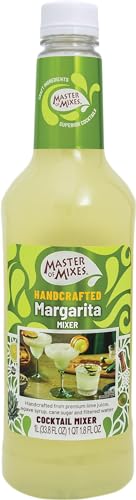
- Master of Mixes Margarita Mix, 1 Liter Bottle — Best Classic Balance. The straightforward lime workhorse.
- Fever-Tree Tonic Water Mixer, 24 Pack, 5.1 Fl Oz Cans — Best Bitter Balance. Real quinine against the caramel sweetness.
- Fever-Tree Light Tonic Water Mixer, 24 Pack, 5.1 Fl Oz Cans — Best Lighter Option. The same bitter trick, turned down.
Read the full guide below for the detailed breakdown of every pick, the comparison table, and the buying advice.
Finding the best mixers for butterscotch schnapps starts with an honest admission about the spirit itself. Butterscotch schnapps is a liqueur built on one dominant note — brown-butter caramel sweetness — delivered at a modest strength and usually with very little acidity, bitterness or tannin of its own. Neat, it reads like liquid candy. In a shot layered with Irish cream it is a dessert. The mixing problem it poses is therefore the opposite of the problem posed by a dry gin or a smoky mezcal: those spirits need softening, while butterscotch schnapps needs opposition. It needs something tart to cut the sugar, something bitter to frame it, or bubbles to lift it, and ideally two of those three at once.
That is why this guide is organised around balance rather than around tradition. The classic partners for butterscotch schnapps in old recipe books are cream soda, coffee, hot chocolate and apple cider — lovely drinks, but they are not bottled cocktail mixers in the sense this guide covers, and several of them double down on sweetness instead of correcting it. What the verified pick pool offers instead is the balancing toolkit: lime-forward margarita mixes that behave like a ready-made sour, a strawberry daiquiri mix that turns the liqueur toward a fruit-dessert register, and tonic waters whose quinine bitterness is the single most reliable counterweight to caramel sugar. Judged strictly as tools for making butterscotch schnapps drinkable in a long or mixed serve, these six earn their places.
Every pick below was checked against the balancing brief. Does it bring acid, bitterness or carbonation? Does its own sweetness stay below the liqueur’s, so the finished drink is less sweet than the schnapps alone? Is the format sensible for the way people actually drink a sweet liqueur — in small, occasional serves rather than nightly rounds? Where a pick has a real weakness for this job, the review says so plainly, because a guide that pretends a lime mix is a traditional butterscotch partner would not be worth your time. Readers who move between sweet liqueurs will also find the logic here transfers directly: the same balancing approach shapes our guide to the Best Mixers For Cake Vodka, another frosting-sweet bottle that tonic rescues.
Key Takeaways
- Butterscotch schnapps needs opposition, not company: tart, bitter or sparkling mixers outperform sweet ones because the liqueur already supplies all the sugar a drink can hold.
- Margarita mixes work here as ready-made sours — lime acidity against caramel sweetness — with Zing Zang Original the best-balanced of the three in the pool.
- Tonic water is the surprise strong suit: quinine bitterness plus carbonation turns the liqueur into a long, adult highball, and the light version does it with less of everything.
- The strawberry daiquiri mix is a deliberate dessert serve, not an all-rounder — reach for it when you want the candy character amplified in a fruit direction, not corrected.
- Buy small formats unless you entertain often: a sweet liqueur is an occasional pour, and open margarita mix keeps for weeks, not months.
- Chill everything, use plenty of ice, and keep the schnapps measure modest — dilution and cold are free balance that no mixer can add later.
In this guide
Quick Picks
| Pick | Badge | Format from listing | Best serve | Link |
|---|---|---|---|---|
| Daily’s Margarita Mix | Best for Batches | 64 oz bottle | Party sour-style punch base | Check on Amazon |
| Zing Zang Original Margarita Mix | Best Overall | 32 fl oz plastic bottle | Single sour-style serve | Check on Amazon |
| Zing Zang Strawberry Margarita-Daiquiri Mix | Best Fruity Twist | 32 fl oz bottle | Strawberry dessert serve | Check on Amazon |
| Master of Mixes Margarita Mix | Best Classic Balance | 1 liter bottle | Everyday sour-style serve | Check on Amazon |
| Fever-Tree Tonic Water | Best Bitter Balance | 24 pack, 5.1 fl oz cans | Long tonic highball | Check on Amazon |
| Fever-Tree Light Tonic Water | Best Lighter Option | 24 pack, 5.1 fl oz cans | Lighter tonic highball | Check on Amazon |
How These Picks Were Chosen
This is a research-led guide, not a hands-on lab test, and it does not pretend otherwise. Each pick was verified against its current Amazon listing through the Creators API on 2026-11-20, so the product names, formats and ingredient claims quoted in the spec boxes come from the listings themselves rather than from memory or from older packaging. The shortlist was then filtered through the balancing brief described above: a mixer only stayed in contention if it could plausibly correct, rather than compound, the liqueur’s sweetness.
Within that filter, picks were compared on the things a listing can honestly evidence: whether the mix is built on real fruit juice, whether it uses high fructose corn syrup, the size and material of the format, and — for the tonics — whether the quinine is real and what else rides along in the flavour profile, such as the Mexican bitter orange in the light tonic. Flavour judgements are framed the way a careful bartender would frame them: as expectations set by ingredients and category conventions, with the honest limitation of each pick stated in its review. If you want the same research method applied to a spiced rum rather than a sweet liqueur, our Best Mixers For Captain Morgan guide uses the identical verification process on a ginger-led pool.
The 6 Best Mixers for Butterscotch Schnapps

Daily’s Margarita Mix, 64 oz Bottle
Badge: Best for Batches
Strengths
- The 64 oz bottle is the largest format in this pool, which suits a liqueur most people serve to a group rather than to themselves.
- Lime-forward sour profile does the main job — acidity against caramel — without needing a second bottle.
- A single-bottle solution: no salt rim, no separate sweetener, nothing else to buy for the basic serve.
Trade-offs
- A big bottle of a niche mixer can outstay its welcome in the fridge once opened.
- Its sweetness is formulated for tequila serves, so the finished drink stays firmly on the sweet side of balanced.
- No fruit character of its own — the flavour story is lime and sugar only.
Mini spec box
- Brand: Daily’s
- Product type: Margarita mix
- Format: 64 oz bottle
- Specs taken from the verified listing title only
Daily’s earns its place through scale and simplicity. Butterscotch schnapps tends to appear at gatherings — a round of dessert shots, a holiday punch, a coffee-bar addition at a party — and in that setting a 64 oz bottle of sour mix is the practical tool: combine it with the schnapps over ice in a pitcher, roughly one part schnapps to two parts mix as a starting ratio, taste, and adjust with extra ice and a squeeze of fresh lime if anyone finds it cloying. The lime does real work against the caramel, turning a candy liqueur into something closer to a key-lime-and-caramel sour, which is a genuinely pleasant register.
The honest limitation is freshness and sweetness. A bottle this size assumes a crowd; a couple drinking one serve each will be working through it for a long time, and margarita mix does not improve with age once opened. It is also a sweetened mix, so while the acid corrects the schnapps, the sugar adds to it — the drink gets tarter, not lighter. Buy it for the party, not for the shelf.
Best for: hosts mixing butterscotch serves for a group / Not suited for: solo drinkers who will not finish a large bottle

Zing Zang Original Margarita Cocktail Mix, 32 Fl Oz
Badge: Best Overall
Strengths
- Made with real fruit juice and no high fructose corn syrup, per the listing — the cleanest ingredient story among the margarita mixes here.
- The 32 fl oz plastic bottle is a right-sized format for an occasional liqueur.
- A fuller, more savoury-leaning margarita profile stands up to caramel sweetness better than a thin, candy-sweet mix.
Trade-offs
- Plastic bottle presentation will not impress anyone as a gift or bar-cart piece.
- Its assertive flavour can dominate if you pour it like a lengthener rather than a sour component.
- Still a sweetened mix — balance improves, total sugar does not fall.
Mini spec box
- Brand: Zing Zang
- Product type: Margarita cocktail mix
- Format: 32 fl oz plastic bottle
- Listing notes: made with real fruit juice; no high fructose corn syrup; made in USA
If you buy one bottle from this list for a single household, buy this one. Zing Zang’s original margarita mix has a reputation in its home category for tasting like ingredients rather than like syrup, and that quality matters doubly against butterscotch schnapps: a mix with real lime character and a slight savoury edge gives the caramel something adult to play against. Mixed two-to-one over ice with a pinch of salt — salt is the underrated third balancer in sweet drinks, after acid and bitterness — it produces the most complete drink in this guide.
The limitation to keep in mind is proportion. Because the mix has presence, pouring it as a long top-up makes a lime drink with a caramel echo rather than a butterscotch drink with lime support. Keep the schnapps clearly in the frame, chill the mix before it meets the glass, and treat the first glass as a calibration pour. Households that like this sour-balancing style usually end up exploring it across other bottles too, which is exactly the territory covered by our Best Mixers For Captain guide.
Best for: most households wanting one versatile bottle / Not suited for: anyone seeking a traditional creamy butterscotch serve

Zing Zang Strawberry Margarita-Daiquiri Mix, 32 Fl Oz
Badge: Best Fruity Twist
Strengths
- Strawberry and caramel is a proven dessert pairing — think caramel-dipped strawberries — so the flavour logic is sound.
- Made with real fruit juices and no alcohol, per the listing, so it doubles as a mocktail base for non-drinkers at the same table.
- Works blended with ice as a frozen dessert serve, where the schnapps reads as a caramel sauce note.
Trade-offs
- This is the sweetest direction in the guide: it amplifies the liqueur’s dessert character instead of correcting it.
- Strawberry can push the drink toward candy if the ratio leans too far toward the mix.
- Not the bottle to reach for when you want the butterscotch itself to be the headline.
Mini spec box
- Brand: Zing Zang
- Product type: Strawberry margarita-daiquiri mix
- Format: 32 fl oz bottle, pack of 1
- Listing notes: non-alcoholic cocktail mix; made with real fruit juices; made in USA
Every guide needs one pick that leans into the spirit’s nature instead of fighting it, and this is that pick. A strawberry daiquiri base under butterscotch schnapps tastes like a liquid strawberry-caramel dessert, and blended with ice it becomes a frozen treat that makes no apology for being sweet. The lime inside the mix still contributes a little structural acid, so the drink is fruity-sweet rather than flat-sweet, and a small pinch of salt or a salted rim pulls it back another useful notch.
Be clear-eyed about the trade-off, though: this is a sometimes drink. Two of these in an evening will palate-fatigue most people, and it is the wrong tool when a guest asks for something refreshing. Think of it as the bottle for dessert course and summer blending, while the tonics below handle the refreshing brief.
Best for: dessert serves and frozen drinks / Not suited for: anyone wanting a dry or refreshing result
Master of Mixes Margarita Mix, 1 Liter Bottle
Badge: Best Classic Balance
Strengths
- The 1 liter format splits the difference between the party bottle and the small bottle — the sensible middle size.
- A classic, predictable margarita profile: you know exactly what the lime-sweet balance will do before you pour.
- Predictability is a virtue with a one-note liqueur, because you can set a house ratio and repeat it exactly.
Trade-offs
- The least distinctive bottle here — nothing in its profile surprises, for better or worse.
- Like the other sweetened mixes, it corrects with acid while adding sugar of its own.
- One litre is still a commitment for a liqueur you may only open monthly.
Mini spec box
- Brand: Master of Mixes
- Product type: Margarita mix
- Format: 1 liter bottle
- Specs taken from the verified listing title only
Master of Mixes is the steady professional of this group: a bar-supply staple whose margarita mix behaves the same way in every glass. With butterscotch schnapps that consistency is the selling point. Settle on a ratio — two parts mix to one part schnapps over ice is the reliable starting point — and every subsequent drink lands in the same place, which matters when you are serving guests rather than experimenting. The flavour is the familiar lime-sour profile, tart enough to frame the caramel, sweet enough to keep the drink friendly.
Its limitation is excitement: there is no fruit twist, no bitter edge, no ingredient story to tell. If the Zing Zang Original is the bottle for people who read labels, this is the bottle for people who want the drink to work without thinking about it. Both are legitimate reasons to buy, and the comparison table below lays the formats side by side so you can choose by household size first and flavour second.
Best for: repeatable, no-fuss sour-style serves / Not suited for: drinkers chasing a distinctive flavour twist

Fever-Tree Tonic Water Mixer, 24 Pack, 5.1 Fl Oz Cans
Badge: Best Bitter Balance
Strengths
- Real quinine bitterness is the strongest counterweight to caramel sweetness available in a bottled mixer.
- Subtle citrus and fruit notes in the listing profile sit comfortably beside butterscotch’s richness.
- Single-serve 5.1 fl oz cans stay fizzy to the last drink — no flat half-bottle problem.
Trade-offs
- The result is a genuinely bitter long drink; drinkers who love the liqueur’s candy character may find it too corrected.
- A 24 pack is a lot of tonic to store for one liqueur — it earns its shelf space only if you also drink gin or vodka tonics.
- Cans chill fast but offer no resealing if you pour half-measures.
Mini spec box
- Brand: Fever-Tree
- Product type: Tonic water mixer
- Format: 24 pack, 5.1 fl oz cans
- Listing notes: real quinine; subtle citrus and fruit notes balanced by quinine bitterness
This is the pick that changes what butterscotch schnapps is for. Poured long over ice — one part schnapps to three or four parts tonic, with a strip of orange or lemon peel if you have it — the liqueur stops being a candy shot and becomes the flavouring inside a bitter, sparkling highball. The quinine frames the caramel the way bitterness frames the sugar in a good amaro serve, and the carbonation scrubs the palate between sips so the sweetness never accumulates. It is the only serve in this guide you could comfortably drink two of.
The caveat is audience. Serve this to someone expecting a buttery dessert drink and they will think you have made a mistake; the tonic genuinely transforms the liqueur rather than showcasing it. Treat it as the refreshing option for people who already like tonic’s bitter register — the same readers who tend to stock the mixers in our Best Mixers For Calypso Rum guide, where tonic does similar balancing work for a Caribbean rum.
Best for: drinkers who want the liqueur long, bitter and refreshing / Not suited for: dessert-drink loyalists

Fever-Tree Light Tonic Water Mixer, 24 Pack, 5.1 Fl Oz Cans
Badge: Best Lighter Option
Strengths
- The listing’s lighter profile — with a hint of Mexican bitter orange — keeps the bitter-balancing trick while softening its edges.
- Bitter orange is a natural bridge flavour between quinine bitterness and butterscotch’s caramel.
- Same practical single-serve can format as the full-strength tonic.
Trade-offs
- Less quinine assertiveness means less correction — very sweet palates may still find the drink sweet overall.
- Two near-identical tonic packs in one guide is a storage question: most households need one, not both.
- The lighter style can taste thin if you over-dilute with melting ice.
Mini spec box
- Brand: Fever-Tree
- Product type: Light tonic water mixer
- Format: 24 pack, 5.1 fl oz cans
- Listing notes: real quinine; hint of Mexican bitter orange; balanced botanicals; smooth, crisp taste
The light tonic is the diplomatic version of the pick above. Where the full-strength tonic can feel like an argument with the liqueur, the light version negotiates: bitterness is present and carbonation is lively, but the bitter-orange note gives the caramel a citrus handrail to hold, and the overall drink reads smoother and less austere. For a mixed group — some dessert loyalists, some highball drinkers — this is the safer single tonic to stock, because it sits closer to the middle of the table.
Its honest limitation is that lighter means lighter in every dimension, including corrective power. If your complaint about butterscotch schnapps is specifically that it is too sweet, the full-strength tonic solves that problem harder. If your complaint is that it is one-dimensional, this bottle solves that problem better. Either way, use hard, cold ice and pour the tonic last, down the side of the glass, to keep the bubbles alive through the final sip.
Best for: mixed groups and gentler highballs / Not suited for: maximum bitterness seekers
Comparison Table
| Pick | Badge | Mixer family | Format | Balance it brings | Link |
|---|---|---|---|---|---|
| Daily’s Margarita Mix | Best for Batches | Margarita mix | 64 oz bottle | Lime acid, batch scale | Check on Amazon |
| Zing Zang Original Margarita Mix | Best Overall | Margarita mix | 32 fl oz bottle | Real-juice lime, no HFCS | Check on Amazon |
| Zing Zang Strawberry Margarita-Daiquiri Mix | Best Fruity Twist | Fruit daiquiri mix | 32 fl oz bottle | Fruit amplification, dessert register | Check on Amazon |
| Master of Mixes Margarita Mix | Best Classic Balance | Margarita mix | 1 liter bottle | Predictable lime-sour | Check on Amazon |
| Fever-Tree Tonic Water | Best Bitter Balance | Tonic water | 24 × 5.1 fl oz cans | Quinine bitterness, carbonation | Check on Amazon |
| Fever-Tree Light Tonic Water | Best Lighter Option | Light tonic water | 24 × 5.1 fl oz cans | Gentler bitterness, bitter orange | Check on Amazon |
How to Choose the Right Mixer for a Sweet Liqueur
Choosing for butterscotch schnapps is really choosing a balancing strategy, and there are only three on the table. The acid strategy uses lime-based mixes to cut sweetness with tartness; it keeps the drink recognisably a cocktail and is the most forgiving for beginners because sour flavours are easy to adjust by ratio. The bitterness strategy uses tonic, whose quinine does not just dilute sweetness but actively opposes it on the palate; it produces the driest, longest drinks and suits people who already enjoy bitter flavours. The amplification strategy — the strawberry mix — accepts the sweetness and redirects it toward fruit and dessert; it is the least corrective and the most fun, in strict moderation.
Format deserves as much thought as flavour. A sweet liqueur is, for most households, a bottle that comes out a handful of times a year. That usage pattern punishes large formats: the 64 oz Daily’s bottle is excellent value per serve for a party and a slow fridge-space regret for a couple. Cans invert the economics — a 24 pack is a storage commitment up front, but every individual serve is fresh, fizzy and portioned, and unopened cans keep far longer than an opened bottle of mix. If your household drinks tonic with other spirits as well, cans are the rational buy; if tonic would be bought for this liqueur alone, start with a margarita mix in the middle format instead.
Finally, read labels the way this guide did. “Made with real fruit juice” and “no high fructose corn syrup” are concrete, checkable claims that correlate with a mix tasting like ingredients. Vague words like “premium” or “gourmet” on a mixer label tell you nothing. And remember the qualitative tiers: the pool here runs from workhorse bar-supply mixes to a premium tonic brand, and the step up buys you ingredient quality and carbonation discipline, not a different category of drink. Spend the extra on the bottle you will serve most often, not on the one that will sit at the back of the fridge. Readers comparing notes across sweet spirits will recognise the same tier logic in our Best Mixers For Cake Vodka guide, where tonic quality plays the role lime quality plays here.
How to Mix Butterscotch Schnapps: Three Reliable Serves
The sour-style serve. Fill a rocks glass with fresh ice. Add one part butterscotch schnapps and two parts chilled margarita mix. Stir briefly, taste, and adjust: a pinch of salt sharpens the lime and suppresses perceived sweetness; an extra splash of mix adds tartness. Garnish with a lime wedge squeezed over the top. This is the serve for the Daily’s, Zing Zang Original and Master of Mixes bottles.
The tonic highball. Fill a tall glass to the top with hard, cold ice — the colder the ice, the slower the dilution and the livelier the drink. Add one part schnapps, then pour three to four parts tonic slowly down the side to preserve carbonation. Give it one gentle stir, no more. A strip of citrus peel twisted over the glass adds aroma that makes the drink read drier than it is.
The frozen strawberry dessert. Blend one part schnapps, two parts strawberry mix and a generous cup of ice until smooth. Serve immediately in a chilled glass, optionally with a salted rim. Eat the first spoonfuls with a spoon if it pours thick; that is a feature, not a flaw.
Storage and handling. Refrigerate margarita mixes after opening and use them within the window the label advises; when in doubt, smell and taste a spoonful before serving guests — an oxidised mix turns dull and slightly musty. Keep tonic cans cool and out of direct sunlight, and never serve tonic warm: warm carbonation escapes on pouring and leaves the drink flat and sweeter-tasting.
Troubleshooting common serves
Problem: the drink tastes like candy and nothing else → add acid or bitterness, not ice alone: a squeeze of fresh lime, a longer tonic ratio, or a pinch of salt will each pull it back.
Problem: the tonic highball tastes harsh and medicinal → the ratio is too tonic-heavy for your palate or the tonic was warm; rebuild at three parts tonic to one part schnapps, everything fridge-cold.
Problem: the frozen strawberry serve separates in the glass → it was under-blended or sat too long; blend longer to a finer ice texture and serve immediately.
Why Salt, Ice and Ratio Matter More Than the Bottle
New mixers often assume the bottle choice is ninety percent of the result. With a liqueur this sweet, technique is at least half. Salt, used in a pinch rather than a rim, suppresses sweetness perception and makes lime taste limier — it is the cheapest upgrade in this entire guide. Ice quality matters because a sweet drink diluted by fast-melting wet ice becomes a lukewarm sugar drink; large, hard, fridge-cold cubes keep the serve cold and structured. And ratio discipline matters most of all: pick a starting ratio for the serve you are making, change one variable at a time, and write down the version your household likes. The difference between a cloying glass and a balanced one is usually half a part of mixer, not a different brand.
Serving Butterscotch Schnapps Beyond the Glass
The liqueur’s dessert nature opens uses the mixers support indirectly. A spoonful of the sour-style serve over vanilla ice cream makes a caramel-lime sundae sauce with genuine contrast. The strawberry serve, blended thicker, works as a boozy dessert topping. A tonic highball alongside a cheese board gives the caramel a savoury stage where its sweetness reads as an accent. None of this requires extra bottles — it requires seeing the liqueur as an ingredient with one strong note, and pairing that note deliberately, the same skill the buying guide above teaches for drinks.
The Flavour Logic Behind Pairing With Butterscotch
It helps to understand why the balancing strategies in this guide work, because the same logic lets you improvise confidently with whatever is already in your kitchen. Butterscotch flavour is built from brown sugar and butter notes — in flavour terms, cooked sugar, dairy richness and a hint of vanilla. Cooked-sugar flavours are heavy and coating: they linger on the palate and, without interruption, they fatigue it. That is why a neat pour of the liqueur tastes wonderful for two sips and monotonous by the sixth.
Acid interrupts by chemistry and by perception. Tartness triggers salivation, which physically clears the coating from your palate, and it gives the brain a second flavour event to track, which makes the caramel taste more defined rather than less. This is why the lime in a margarita mix does not fight the butterscotch; it frames it, the way a squeeze of lemon frames a caramel sauce on a dessert plate. Bitter flavours interrupt differently: bitterness is an alertness signal, and against sugar it creates the tension that makes drinks taste adult and structured — the same tension that makes tonic work with sweet vermouths and fruit liqueurs across the classic cocktail canon. Carbonation interrupts mechanically, scrubbing the palate with each sip and adding a texture the liqueur entirely lacks.
Fruit, the strawberry strategy, works by association rather than interruption. Strawberry and caramel share a dessert context in most drinkers’ memories, so the combination reads as intentional and composed rather than random — but because both partners are sweet, the drink depends on the mix’s internal lime and on serving temperature for what little structure it has. That is why the guide insists the strawberry serve be blended frozen or served very cold: cold suppresses sweetness perception, and in that one serve, temperature is doing the balancing work that acid and bitterness do in the others.
One more variable deserves mention: dilution. A liqueur served neat or barely diluted presents its sugar at full concentration. Every serve in this guide is built over ice partly for temperature and partly because meltwater is an ingredient — it lowers the sugar concentration per sip and stretches the caramel flavour across a longer drink. When a serve tastes too sweet even after you have adjusted the ratio, the fix is often patience: give the ice ninety seconds to work before you reach for another bottle.
Glassware, Garnish and Making the Drink Look the Part
A balanced drink served carelessly still disappoints, and butterscotch serves are unusually sensitive to presentation because the liqueur’s colour — a deep amber — is one of its pleasures. The sour-style serve belongs in a rocks glass where that amber shows through the ice; a lime wedge on the rim is not decoration but a tool, letting the drinker add a final squeeze of acid at the table. The tonic highball belongs in the tallest, narrowest glass you own, because a narrow column keeps carbonation lively longer and the pale, sparkling result signals refreshment before the first sip — an honest signal, in this case.
Garnish choices should follow the balancing logic. Citrus peel suits the tonic serve: its aromatic oils read as dryness and make the drink smell less sweet than it is. A lime wedge suits the sour serve for the functional reason above. The strawberry serve can carry a strawberry or a mint sprig, both of which promise the dessert register the drink delivers. What none of these serves wants is a sugary rim or a sweet garnish: adding a caramel drizzle to a drink you have just spent three sections balancing is working against yourself.
Temperature discipline ties it together. Chill the mixes before service, keep the liqueur at room temperature or cooler — never warm from a sunny shelf — and build every drink in the glass it will be served in, over fresh ice, at the moment of serving. A butterscotch drink built ten minutes early is a melted, flat, sweeter drink, whatever bottles you bought. The picks in this guide are forgiving; the clock is not.
A Short Tasting Protocol: Finding Your House Ratio
Because palates differ more on sweetness than on almost any other axis, the most useful thing you can do with your first bottle from this guide is run a ten-minute tasting and fix your house ratios on paper. Set out three small glasses. In the first, build the sour-style serve at two parts mix to one part schnapps. In the second, build it at three to one. In the third, keep two to one but add the pinch of salt. Taste in that order, with a sip of water between glasses, and note which glass you would happily finish. That glass is your baseline, and every future serve starts there instead of from a stranger’s recipe.
Repeat the exercise once for the tonic serve, comparing three-to-one against four-to-one, ideally with the second glass poured with the light tonic if you bought both. What you are mapping is your own sweetness threshold, and it will not match your partner’s, your guests’ or this guide’s defaults — which is precisely why the exercise is worth ten minutes. Hosts who know their house ratio also learn their adjustment language: “I can make yours a touch longer” is a more useful sentence at a party than any garnish.
Write the results down somewhere durable — a note in the cupboard door is traditional — along with the date you opened each bottle. Those two habits, a recorded ratio and an opening date, quietly solve the two most common home-bar frustrations with a sweet liqueur: the drink that never tastes the same twice, and the mix of uncertain age discovered at the back of the fridge.
One last note on expectations: none of these serves will make butterscotch schnapps taste like a dry spirit, and that is not the goal. The goal is a drink in which the caramel is the pleasure and something else — lime, quinine, bubbles, cold — supplies the structure. When that structure is present, the liqueur’s single sweet note becomes a feature in a composed drink rather than the whole drink, and a bottle many households bought once and abandoned becomes genuinely useful again.
Common Buying Mistakes
- Buying the biggest bottle for a small household. A 64 oz mix is party equipment. If your liqueur comes out twice a year, the middle formats and cans waste less and taste fresher.
- Pairing sweet with sweet on purpose. Reaching for the fruitiest, sweetest mixer because the liqueur is sweet produces a drink nobody finishes. Balance first; amplify only deliberately, as with the strawberry pick.
- Judging a mixer by its home category alone. A margarita mix is, functionally, a bottled lime sour — and a sour is a legitimate tool for any sweet spirit. Judge the function, not the label’s original spirit.
- Serving tonic warm or over tired ice. Flat tonic cannot do its balancing job. Cold cans, hard ice and a gentle pour are part of the recipe, not garnish-level details.
- Ignoring the label’s concrete claims. “Real fruit juice” and “no high fructose corn syrup” are verifiable; banner adjectives are not. Buy on the verifiable claims.
- Expecting one bottle to cover every mood. The refreshing serve and the dessert serve are different drinks. Most happy households here own one sour mix and one tonic, not six of anything.
Final Recommendation
Start with the Zing Zang Original Margarita Cocktail Mix: it has the cleanest ingredient story in the pool, a right-sized bottle, and the lime structure to turn butterscotch schnapps into a balanced sour-style drink tonight. Add the Fever-Tree Tonic Water when you want the liqueur long and refreshing, or choose the Fever-Tree Light Tonic Water if your table prefers its bitterness gentler. Hosts with a party on the calendar should scale up to the Daily’s batch bottle instead, and anyone planning a dessert course should give the strawberry mix its one glorious outing. Whichever you choose, chill it, ice it properly, and let balance — not sweetness — lead.
Frequently Asked Questions
What is the best mixer for butterscotch schnapps if I find it too sweet?
Tonic water. Quinine bitterness plus carbonation corrects sweetness more completely than dilution or ice can, and the Fever-Tree tonic in this guide is built on real quinine. Pour it long — three or four parts tonic to one part schnapps — over plenty of cold ice.
Can you really use margarita mix with butterscotch schnapps?
Yes, because a margarita mix functions as a bottled lime sour: acid, a little sweetness and salt-friendly structure. Against a caramel liqueur it produces a sour-style drink in which the lime frames the butterscotch instead of competing with it. It is unconventional, and this guide says so openly, but the flavour mechanics are sound.
What ratio of mixer to schnapps should I start with?
For margarita mixes, start at two parts mix to one part schnapps. For tonic, start at three parts tonic to one part schnapps and lengthen to four if you want it drier. For the strawberry mix, two to one works for a dessert serve. Adjust in half-part steps and keep notes.
Does butterscotch schnapps work in a non-alcoholic drink?
The schnapps itself contains alcohol, so it cannot make a drink non-alcoholic. The strawberry mix in this guide is itself non-alcoholic, though, and makes a fine strawberry-lime drink on its own — useful when drinkers and non-drinkers are sharing a table and you want similar-looking glasses.
How long does an opened bottle of margarita mix keep?
Follow the label’s guidance first. In general, refrigerated margarita mix is at its best within a few weeks of opening; flavour dulls as it oxidises. That shelf life is exactly why this guide steers small households toward the 32 fl oz and 1 liter formats and reserves the 64 oz bottle for gatherings.
Should I add salt to a butterscotch drink?
A small pinch dissolved in the drink — not a full salted rim — is one of the most effective tweaks available. Salt suppresses perceived sweetness and heightens citrus, so a sour-style serve tastes brighter and more balanced without any extra ingredients.
What glass and ice suit these serves best?
Rocks glasses with large cubes for the sour-style serve, tall glasses filled to the top with ice for the tonic highball, and a chilled glass for the frozen strawberry serve. In every case the rule is the same: cold glassware, hard ice, and a drink served immediately rather than left to melt.
Can I batch a butterscotch serve ahead of a party?
Batch the sour-style serve, not the tonic one. Combine the schnapps and margarita mix in a pitcher at your house ratio, refrigerate it, and pour over fresh ice as guests arrive — the mix holds its flavour chilled for the length of an evening. Tonic, by contrast, must meet the glass at the moment of serving, because a batched highball loses its carbonation within the hour and with it the bitterness-and-bubbles structure that makes the drink work. Set the tonic station up separately, with the cans in ice and the tall glasses beside them, and let guests watch their drinks being built; the fizz is part of the hospitality.


