Disclosure: topratedkitchenware.com is reader-supported. When you buy through links on our site, we may earn an affiliate commission from Amazon and other retailers, at no extra cost to you.
Where to buy
The six mixers below are the verified picks for this guide to the best mixers for cuban rum. Each name links to its Amazon listing, where you can check the latest price on Amazon, confirm the current pack configuration, and read the newest owner feedback before you order. If you only buy one, start with the first pick: Check on Amazon.
- Zing Zang Strawberry Margarita-Daiquiri Mix, 32 Fl Oz
- Master of Mixes Margarita Mix, 1 Liter Bottle
- Zing Zang Original Margarita Cocktail Mix, 32 Fl Oz Bottle
- Daily’s Margarita Mix, 64 Oz Bottle
- Fever-Tree Tonic Water Mixer, 24 Pack, 5.1 Fl Oz Cans
- Fever-Tree Light Tonic Water Mixer, 24 Pack, 5.1 Fl Oz Cans
Read the full guide ↓ for the ranking logic, the honest limitations of every pick, and the daiquiri ratios that built Havana’s reputation.
Cuban rum carries a mythology no other spirit quite matches: the mojito, the daiquiri, the Cuba libre, and the Havana bars that perfected them. Finding the best mixers for cuban rum means stocking for the drinks that made the style famous, and those drinks run on a short list of partners — lime above all, then mint and soda in the mojito, cola in the libre, and tonic in the modern rum-and-tonic serve that Spanish bars turned into a ritual of its own. This guide’s six picks cover that territory with products you can actually buy and chill tonight. Four are lime-based mixes — daiquiri and margarita mixes by design, used here in their daiquiri capacity, because a daiquiri mix and a margarita mix are cousins built on the same lime architecture, and rum is the daiquiri’s native spirit. Two are Fever-Tree tonic waters, full and light, for the long, bitter-edged serve that shows a drier side of Cuban rum.
A note on what Cuban rum means in this guide: the light, dry, Cuban-style rums — white and lightly aged golden rums in the Havana tradition — that most drinkers actually have on the shelf. These rums are crisp, grassy, and citrus-friendly, which is why lime dominates their classic drinks and why the shortlist leans the way it does. Heavier, funkier rums from other islands reward some of the same mixers at different ratios, and the buying guide notes where the adjustments lie; the darker end of the rum shelf gets its own full treatment in Best Mixers For Dark Rum and its cold-weather edition in Best Mixers For Dark Rum Winter.
The daiquiri deserves a sentence of respect before the rankings begin, because it disciplines everything in this guide. A true daiquiri is rum, lime, and a whisper of sweetness, shaken until it is almost slushy with cold — one of the most demanding simple drinks in the world, because there is nowhere for a flawed ingredient to hide. The mixes below are judged by that standard: could this bottle, at the right ratio, produce a daiquiri you would serve a rum lover without apology? The ones that could, lead. The ones built for volume and parties follow, honestly labeled. And the tonics close the list with a different but genuine Cuban-adjacent pleasure — the long drink for the drinker who finds even a daiquiri too rich.
Key Takeaways
- Lime is Cuban rum’s defining partner; the daiquiri family is where this spirit lives, and four of the six picks serve it.
- Zing Zang’s Strawberry Margarita-Daiquiri Mix is the best overall pick — a real-juice daiquiri base for the frozen and shaken strawberry daiquiris rum made famous.
- Master of Mixes’ classic margarita mix is the purist’s lime base for a clean, classic daiquiri at a two-to-one-style ratio.
- Fever-Tree’s tonic waters, regular and light, give Cuban rum its long, dry serve — the rum and tonic.
- Daily’s 64 oz bottle is the party format; rum drinks at a gathering consume mix faster than any other category.
- Check the latest price on Amazon before ordering, because pack counts change between listings.
In this guide
Quick Picks
| Pick | Badge | Format from listing | Best use | Link |
|---|---|---|---|---|
| Zing Zang Strawberry Margarita-Daiquiri Mix | Best Overall | 32 fl oz | Strawberry daiquiris, shaken or frozen | Check on Amazon |
| Master of Mixes Margarita Mix | Best Classic Daiquiri Base | 1 liter bottle | Classic lime daiquiris | Check on Amazon |
| Zing Zang Original Margarita Mix | Best Bold Lime | 32 fl oz bottle | Punchy daiquiris and rum sours | Check on Amazon |
| Daily’s Margarita Mix | Best for Parties | 64 oz bottle | High-volume daiquiri stations | Check on Amazon |
| Fever-Tree Tonic Water, Cans | Best for Rum and Tonic | 5.1 fl oz cans, 24 pack | Long, dry rum serves | Check on Amazon |
| Fever-Tree Light Tonic Water, Cans | Best Light Option | 5.1 fl oz cans, 24 pack | Lighter rum and tonics | Check on Amazon |
Two families, two moods. The lime mixes make the shaken drinks — daiquiris in their classic, strawberry, and bold registers, plus party volume. The tonics make the long drink. A Cuban rum shelf with one bottle from each family is complete for most households; the reviews below decide which ones.
How These Picks Were Chosen
This is a research-led guide. Picks were compared on their verified listings — stated ingredients, juice and calorie positioning, formats, and pack sizes — against the demands of light, dry, Cuban-style rum. The first filter was daiquiri credibility: could the mix plausibly stand in for the lime-and-sweetness half of a daiquiri without embarrassing the rum? Listings naming real fruit juices earned their places on that test. The second filter was range within the family: classic lime, strawberry, bold lime, and bulk lime are four different jobs, and the shortlist keeps them separate rather than pretending one bottle does all of them. The third filter was the long-drink alternative: tonic waters with real quinine positioning, in single-serve cans, for the rum serve that needs no shaker at all.
Spec boxes quote only what the listings state; nothing about these products has been invented or borrowed from other listings. Flavor language reflects the listings’ own claims and the well-established behavior of each drink family. One honesty note on naming: several bottles here carry the word margarita, because the lime-mix market labels itself that way; their daiquiri use is explained in each review rather than disguised, and the classic daiquiri ratio guidance in the how-to section applies to all of them. Where a from-scratch daiquiri with fresh lime remains the reference standard, the guide says so — these mixes earn their shelf space on consistency, speed, and the evenings when juicing a bag of limes is not happening.
Scope: this guide covers mixing, not collecting. It assumes a good Cuban-style rum poured with intention, and it judges every mixer by whether the finished drink respects that rum. Sweet, syrupy shortcuts that bury a light rum entirely were excluded even when they are popular, because a mixer that erases the spirit has failed the only test that matters here.
The 6 Best Mixers for Cuban Rum
The lime family comes first, in the order a daiquiri drinker will reach for them, and the tonics close the list. Every review names its bottle’s honest limitation; with a spirit this transparent, limitations matter.

Zing Zang Strawberry Margarita-Daiquiri Mix, 32 Fl Oz
Badge: Best Overall
Strengths
- A daiquiri mix by name and design — rum is its native spirit, no translation required.
- Made with real fruit juices, per the listing.
- Equally at home shaken or frozen, the two lives of the strawberry daiquiri.
Trade-offs
- Sweetest direction in the guide; classic daiquiri purists should start with the lime picks.
- Berry leads the drink — the rum supports rather than stars.
- One flavor; households wanting range need a second bottle.
Spec box: Brand: Zing Zang. Style: strawberry margarita-daiquiri mix. Listing highlights: made with real fruit juices, made in USA, non-alcoholic cocktail mixer. Format: 32 fl oz, pack of 1.
The strawberry daiquiri is the drink that introduced more people to rum than any other, and it is usually introduced badly — a syrupy slush where neither berry nor rum can be tasted. This mix is how a home drinker does it properly. Built as a daiquiri mix with real fruit juices, per its listing, it carries genuine strawberry flavor with the lime structure a daiquiri demands, so the rum stays present as warmth and grass underneath the fruit. Shaken and strained over fresh ice, it makes the elegant version; blended with ice, the festive one; both taste like drinks rather than desserts because the acid is built in. The honest framing: this is the crowd-pleaser pick, not the purist pick, and its sweetness is real — pour it at daiquiri ratios, keep it very cold, and add fresh lime when a batch drifts. For a household whose rum drinking is social and summery, this single bottle will be opened more than the other five combined, which is why it leads the guide despite the classicists’ claims below.
Best for: strawberry daiquiri drinkers and social rum households / Not suited for: classic daiquiri purists
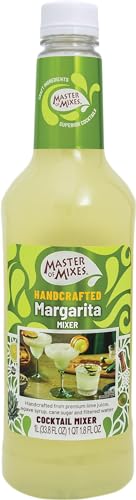
Master of Mixes Margarita Mix, 1 Liter Bottle
Badge: Best Classic Daiquiri Base
Strengths
- The classic, predictable lime base — the closest bottled route to a traditional daiquiri balance.
- 1 liter format matches a standing daiquiri ritual.
- Takes fresh-lime and salt corrections gracefully, like a good base should.
Trade-offs
- Less distinctive than the Zing Zang bottles; it is a canvas, not a character.
- Labeled for margaritas — daiquiri drinkers must pour it as one, at daiquiri ratios.
- Sweetness sits close to a light rum’s own; measure with care.
Spec box: Brand: Master of Mixes. Style: margarita mix used here as a classic lime daiquiri base. Format stated in listing: 1 liter bottle. Role in this guide: the repeatable house daiquiri base.
The classic daiquiri is rum’s purest test, and this is the bottled base that respects it most. Master of Mixes’ classic lime profile is deliberately unshowy — balanced citrus, measured sweetness, no fruit competing for the lead — which is exactly what a light Cuban-style rum needs from a mix: the lime half of the daiquiri, handled, so the rum can be the flavor. Build it at roughly two parts rum to one part mix as a starting point, shake it until the tin is painful to hold, and strain it over fresh ice or serve it straight up, daiquiri-style, in a chilled glass. The from-scratch standard — fresh lime, a whisper of sugar — remains the reference, and this guide will not pretend a bottle equals it; but on the Tuesday nights and second rounds where fresh juicing is not happening, this liter is the difference between a real daiquiri and no daiquiri, and that difference is worth a shelf slot. Predictability is its virtue: calibrate your ratio once, and the drink repeats all season.
Best for: classic daiquiri drinkers who want a reliable bottled base / Not suited for: drinkers seeking fruit flavors or maximum lime punch

Zing Zang Original Margarita Cocktail Mix, 32 Fl Oz Bottle
Badge: Best Bold Lime
Strengths
- Real fruit juice and no high fructose corn syrup, per the listing.
- The punchiest lime in the guide — it can structure even an aged golden rum.
- 32 fl oz is a practical household size.
Trade-offs
- Boldness can bully a delicate white rum at careless ratios.
- Juice-forward weight makes the richest-feeling daiquiri here.
- A margarita-first bottle; daiquiri use requires the ratio discipline of this guide.
Spec box: Brand: Zing Zang. Style: margarita cocktail mix used here as a bold lime daiquiri and rum sour base. Listing highlights: made with real fruit juice, no high fructose corn syrup, made in USA. Format: 32 fl oz plastic bottle.
Some rums — the golden, lightly aged end of the Cuban style — have enough body to meet a strong mixer head-on, and for those bottles this is the pick. Zing Zang’s original mix brings the guide’s most assertive lime, built on real fruit juice with no high fructose corn syrup, and in a daiquiri it produces the bracing, almost savory version of the drink: lime first, rum warmth second, a finish that asks for another sip. It also crosses over to the rum sour and the rum margarita-style serve for households that like their drinks defined. The caution is matching: a very delicate white rum can be shouted down by this bottle, so pour the first one at the gentle end of the ratio range and tighten only if the rum is holding its own. Drinkers who season boldly in the kitchen will recognize their palate in this mix immediately; drinkers who prefer the classic balance should stay with the Master of Mixes liter and treat this as the second bottle, for the nights when subtlety is not the assignment. Lemon-vodka drinkers chase the same assertive citrus in Best Mixers For Deep Eddy Lemon — the palate is recognizable across spirits.
Best for: golden rums and bold-palate daiquiri drinkers / Not suited for: delicate white rums poured carelessly

Daily’s Margarita Mix, 64 Oz Bottle
Badge: Best for Parties
Strengths
- 64 oz — the volume format daiquiri parties actually consume.
- A neutral, crowd-accepting lime base for a rum station.
- Removes rationing from the host’s list of worries.
Trade-offs
- The plainest lime here; finish drinks with fresh lime.
- Big opened bottles demand refrigeration and a finishing plan.
- Not the bottle for a quiet, contemplative classic daiquiri.
Spec box: Brand: Daily’s. Style: margarita mix used here as a high-volume lime daiquiri base. Format stated in listing: 64 oz bottle. Role in this guide: party-volume rum mixer.
Rum parties burn through mix at a rate that surprises hosts who planned by whisky mathematics: daiquiris are smaller, colder, and more repeatable than whisky drinks, and guests return for them. The 64 oz Daily’s bottle is the honest answer to that arithmetic. As a daiquiri base it is the plainest in this guide — a serviceable, neutral lime that a host finishes per drink with a squeeze of fresh citrus and, for the classic serve, a pinch of salt — and at party scale that plainness is a feature, because it accepts every adjustment and offends no palate. Set it at a rum station with two rums, a shaker, a lime bowl, and an ocean of ice, and the station will run all evening without the host juicing, measuring panic, or rationing the good bottles. Those good bottles — the Master of Mixes liter, the Zing Zangs — should be reserved for the first round and the purists. Daily’s is for the joyful middle of the party, and every serious rum household eventually learns to keep one in reserve.
Best for: rum parties and high-volume daiquiri stations / Not suited for: small households and classic-daiquiri purists

Fever-Tree Tonic Water Mixer, 24 Pack, 5.1 Fl Oz Cans
Badge: Best for Rum and Tonic
Strengths
- Real quinine tonic, per the listing, with subtle citrus and fruit notes balanced by quinine bitterness.
- 5.1 fl oz cans pour one long drink, always fresh.
- Bitterness gives light rum a dry, adult register the lime family cannot.
Trade-offs
- Positioned by its listing for gin and vodka tonics — the rum serve is a drinker’s choice, not the label’s.
- Quinine bitterness divides palates; not every rum drinker converts.
- No lime structure — this is a different drink, not a daiquiri alternative.
Spec box: Brand: Fever-Tree. Style: tonic water mixer. Listing highlights: real quinine; subtle citrus and fruit notes balanced by quinine bitterness; positioned for gin and tonic or vodka and tonic. Format: 5.1 fl oz cans, 24 pack.
The rum and tonic is the serve Spanish bartenders built into a ceremony — big glass, big ice, garnishes chosen like ingredients — and it deserves its place in a Cuban rum guide because it shows the spirit’s driest, most aromatic face. Fever-Tree’s canned tonic, built on real quinine with citrus and fruit notes under the bitterness, is the right partner: poured long over a white or golden rum, it turns the drink into a bitter, refreshing highball where the rum’s grass and citrus notes read almost like a botanical. The small cans suit the serve perfectly — one can, one drink, full carbonation. The honesty notes: the listing positions this tonic for gin and vodka, and quinine is an acquired bitterness that some rum drinkers never acquire. Serve the first one to a guest before committing them to a case. For the converted, though, this 24 pack is the most refreshing purchase in the guide — the drink for the hottest evenings, when even a daiquiri feels rich.
Best for: rum and tonic drinkers and bitter-palate refreshment / Not suited for: daiquiri purists and quinine skeptics

Fever-Tree Light Tonic Water Mixer, 24 Pack, 5.1 Fl Oz Cans
Badge: Best Light Option
Strengths
- Light tonic with real quinine, per the listing, at 30 calories per can as stated.
- A hint of Mexican bitter orange, per the listing, suits rum’s citrus affinity.
- The crispest, driest long serve in the guide.
Trade-offs
- The lightest body here — golden rums may prefer the full tonic’s weight.
- Same quinine caveat as its sibling: an acquired taste.
- Cans only in this listing; no bottled option for free-pour hosts.
Spec box: Brand: Fever-Tree. Style: light tonic water mixer. Listing highlights: real quinine; 30 calories per can; hint of Mexican bitter orange; balanced botanicals for a smooth, crisp taste. Format: 5.1 fl oz cans, 24 pack.
If the full tonic is the rum and tonic’s classic form, the light tonic is its sharpest form. Fever-Tree’s light version keeps the real quinine bitterness, trims the profile to a stated 30 calories per can, and adds a hint of Mexican bitter orange that sits beautifully against a Cuban-style rum’s own citrus leanings. The finished drink is the driest long serve in this guide — the one for the drinker who finds daiquiris rich, mojitos sweet, and most rum drinks too much of a muchness. It is also the most session-friendly pour on the list, which matters at the long, hot gatherings where rum does its best social work. The trade-offs mirror its sibling’s, with one addition: very light-bodied white rums are perfect here, but a golden rum with real age may feel under-supported and prefer the standard tonic’s extra weight. Own one tonic or the other by your rum; own both if your shelf holds both styles, as most rum shelves eventually do.
Best for: dry-palate drinkers and light rum and tonic serves / Not suited for: drinkers who want tonic body to match an aged rum
Comparison Table
| Mixer | Family | Format | Sweetness direction | Signature serve | Link |
|---|---|---|---|---|---|
| Zing Zang Strawberry Daiquiri Mix | Fruit daiquiri | 32 fl oz | Fruity, sweeter | Strawberry daiquiri | Check on Amazon |
| Master of Mixes Margarita Mix | Classic lime | 1 liter bottle | Balanced | Classic daiquiri | Check on Amazon |
| Zing Zang Original Margarita Mix | Bold lime | 32 fl oz bottle | Punchy tart | Bold daiquiri, rum sour | Check on Amazon |
| Daily’s Margarita Mix | Volume lime | 64 oz bottle | Classic | Party daiquiris | Check on Amazon |
| Fever-Tree Tonic Water Cans | Tonic | 5.1 fl oz cans, 24 pack | Bitter, balanced | Rum and tonic | Check on Amazon |
| Fever-Tree Light Tonic Cans | Light tonic | 5.1 fl oz cans, 24 pack | Bitter, light | Dry rum and tonic | Check on Amazon |
How to Choose a Mixer for Cuban Rum
Choose by drink family first, because Cuban rum’s families do not overlap. Shaken-drink households — daiquiri people — should spend their money inside the lime four, and the only real questions are flavor (classic, strawberry, or bold) and volume (liter, 32 oz, or 64 oz). Long-drink households should spend inside the tonic two, and the only question is weight: full tonic for golden rums and bitter depth, light tonic for white rums and maximum dryness. Households that do both, which is most rum households by midsummer, should buy one from each family before doubling up in either.
Choose by rum second. A delicate white rum wants the classic lime or the light tonic — partners that season without shoving. A golden rum with some age can take the bold lime and the full tonic, and rewards both. A flavored or spiced rum, if your shelf holds one, behaves more like the dark rums in the companion guides and should be poured by their rules instead. Matching mixer weight to rum weight is the single most reliable heuristic in this entire category.
Budget reasoning in this category is refreshingly simple, because the expensive mistake is never the bottle — it is the rum wasted under a bad one. A light Cuban-style rum is a crafted spirit; a mixer that buries it converts that craft into anonymous sweetness, which is the worst value outcome available at any price. The real-juice and real-quinine bottles in this guide cost what they cost because their ingredients are the drink, and judged per finished glass rather than per bottle, the upgrade from a syrupy shortcut to a credible base is among the cheapest quality improvements in all of home drinking. Buy fewer mixers, buy them properly, and finish them fresh.
Choose by honesty about fresh lime third. If your household genuinely juices limes weekly, the bottled lime mixes are your backup singers and the tonics may be the better headline purchase. If your household’s lime bowl is usually empty, the mixes are the main act, and buying the better ones — the real-juice bottles — is the difference between a daiquiri tradition that survives busy seasons and one that quietly dies. Stock for the household you are, not the one in the photograph.
How to Build the Classic Daiquiri and the Rum and Tonic
The classic daiquiri, bottled-base edition. Chill the serving glass while you work — a daiquiri poured into a warm glass loses its defining cold in the first minute. Fill a shaker completely with fresh ice. Add two measures of Cuban-style rum and one measure of classic lime mix as your starting ratio. Shake with genuine violence for a slow count of twelve — a daiquiri should arrive almost painfully cold, with a thin, bright froth. Strain over fresh ice in a short glass, or straight up into a chilled cocktail glass for the traditional serve. Taste for the triangle: rum warmth, lime brightness, sweetness only as a rumor. Adjust the next by quarter-measures. For the strawberry version, keep the architecture and the Zing Zang Strawberry bottle, and serve it over fresh ice or blended, with a lime squeeze either way.
The rum and tonic. Fill the largest glass you own completely with ice, using the biggest cubes you have so the serve stays cold without drowning — this serve is a ceremony of cold. Pour a measure of rum, then a full 5.1 fl oz can of tonic down the side. Garnish like a Spaniard: a lime wheel, a strip of orange peel, or a few juniper berries if the pantry offers them, each chosen to season the aroma. Drink it slowly; the serve is built to evolve as the ice works.
Troubleshooting, kept short because rum drinks forgive quickly once the cause is named. Problem: the daiquiri tastes like limeade → the mix is long; pull toward two-to-one and shake colder. Problem: the daiquiri tastes harsh → it was under-shaken or the rum is very dry; shake longer before touching the ratio. Problem: the rum and tonic tastes medicinal → the quinine is leading because the rum is too delicate; switch to the light tonic or a golden rum.
The Mojito and the Cuba Libre: An Honest Word
There is a third famous name worth a footnote: the Hemingway daiquiri, the grapefruit-and-maraschino variation the writer made legendary in Havana. No bottle in this guide builds it faithfully — it needs fresh grapefruit — but the classic lime base here, tightened with a squeeze of grapefruit when the fruit is in the house, gestures in its direction and gives a rum household a legitimate weekend project. Traditions stay alive by being cooked from, not just read about.
Two of Cuban rum’s three most famous drinks are not directly served by any bottle in this guide, and honesty requires saying so. The mojito needs fresh mint, lime, sugar, and soda — no bottled mix in this shortlist makes a mojito worth the name, and rum drinkers should treat mojito service as a fresh-ingredient ritual rather than a product purchase. The Cuba libre needs cola and lime; cola is a soda choice, not a mixer-guide choice, and the only guidance worth giving is to use a cola you like drinking on its own and never skip the lime, which is what separates a libre from a rum and coke. What this guide’s shelf does for both drinks is indirect but real: the lime mixes keep a household in the daiquiri habit that defines the style, and the tonics cover the long-drink occasions the mojito would otherwise own. A complete Cuban rum bar is this shortlist plus fresh mint, fresh limes, and a cola you respect — products for the drinks that bottle well, produce for the drinks that do not.
Cuban Rum Through an Evening: A Serving Order
Sequencing has a practical corollary for stocking: the evening’s shape tells you the week’s shopping. If your gatherings reliably open with long drinks and close with fruit, the tonic cases and the strawberry bottle are your standing order and the classic lime is the monthly bottle. If your evenings are daiquiri-first rituals for two, the liter is the standing order and the tonics are the occasional case. Let the observed shape of your own hospitality, rather than any generic list, set the quantities — it is the only forecast that has ever been right about a home bar.
Rum rewards sequencing. Begin an evening with the rum and tonic — bitter, cold, and appetite-opening, it is the aperitif of the rum world and the light tonic version is built for exactly that hour. Move to the classic daiquiri with food or just after it, when palates are warmed and the drink’s precision can be appreciated. Let the strawberry daiquiri close the drinking, in its shaken or frozen form, where a dessert register belongs. Hosts who sequence this way will notice the evening has a shape that random pouring never achieves, and the six bottles in this guide map onto that shape almost suspiciously well — two tonics for the opening, two limes for the middle, fruit for the close, and the big Daily’s bottle underneath everything, keeping the station supplied. Stock to the shape of your evenings and the shelf will never feel random again.
Ice and the Daiquiri: Why Rum Drinks Are Won in the Freezer
Ask a Havana-trained bartender what separates a great daiquiri from a good one and the answer is rarely the rum — it is the ice. A daiquiri is served colder than almost any other shaken drink, verging on slush, because extreme cold is what lets lime taste bright instead of sour and rum taste crisp instead of hot. Achieving that at home is a freezer discipline. Keep the shaker’s ice fresh and hard, straight from a freezer that actually freezes; wet, half-melted ice from an ice bucket that has sat through a party will dilute the drink before it chills it, producing the warm, watery daiquiri that gives the drink a bad name in home bars. Shake longer than feels reasonable — the tin should be too cold to hold comfortably — and if your freezer has the space, keep the serving glasses in it on daiquiri nights.
The tonic serves obey the same law from the other direction: their ice must be abundant and large, because a long drink’s enemy is melt over time. Fill the glass to the rim, use the biggest cubes or spheres you have, and pour the tonic cold enough to fog the glass. Between the two families, a rum household’s entire quality program can be written in one line — shaken drinks need fresh, hard, plentiful ice; long drinks need big, cold, plentiful ice — and it will do more for the six bottles in this guide than any upgrade of the bottles themselves. Drinkers managing sugar across their whole shelf, incidentally, will find the light tonic’s stated per-can profile a useful data point, and the broader question is treated directly in Best Mixers For Diabetics.
From Havana to Your Kitchen: What the Tradition Actually Asks of You
The Cuban rum tradition is sometimes mistaken for a list of recipes. It is better understood as a set of standards: drinks built on fresh citrus, served at punishing cold, balanced so the rum is always audible, and made with a showman’s care for the person drinking. Bottled mixes do not betray that tradition when they are used the way this guide prescribes — measured, shaken hard, corrected with fresh lime, and finished while bright — because the tradition’s heart is the standard, not the juicing. Where the tradition does draw a line is at carelessness: the warm pour, the long ratio, the week-old open bottle. A home drinker who holds the standards with bottled help is closer to Havana than a drinker who juices fresh limes and then serves the result warm over tired ice. Buy the best lime base your household will finish fresh, keep the tonics cold and the shaker colder, and the mythology takes care of itself.
Stocking a Two-Rum Shelf: White and Golden, Matched
Most rum households end up with two bottles — a white for daiquiris and a golden for everything richer — and the mixer shelf should be stocked as two matched pairs rather than one pile. For the white rum: the classic lime liter and the light tonic, the two partners that season without weight. For the golden: the bold Zing Zang lime and the full tonic, the partners with enough presence to meet age and oak. The strawberry mix and the Daily’s bottle float above both pairs as the social layer, deployed by occasion rather than by rum. Stocked this way, a household always has the right bottle open for the rum in hand, and the wrong-bottle problem — a delicate white rum drowning in a bold mix, a golden rum thinning in a light tonic — simply stops occurring. It is a small system, but systems are what separate a shelf that works every night from a shelf that works when luck provides.
Common Buying Mistakes
The first mistake is buying a daiquiri mix and pouring it like a soda — these are concentrated sour bases and must be measured, shaken, and tasted like the ingredients they are, not lengthened like the soft drinks they are not. The second is judging a light rum by a heavy mixer’s standards, or the reverse; match weights. The third is skipping the shake’s violence — a daiquiri’s cold is an ingredient. The fourth is buying tonic for a household that has never tasted quinine; serve one can before the case. The fifth is letting opened lime mixes age in the refrigerator door until their brightness is a memory; date them, refrigerate them properly, and finish them in their prime.
Final Recommendation
Start with the Zing Zang Strawberry Daiquiri Mix if your rum drinking is social — it is the bottle most likely to build a daiquiri habit in a household that does not have one yet — — it will be the most-opened bottle — and the Master of Mixes classic lime liter if it is purist. Every Cuban rum shelf should hold one of those two plus one tonic: the full Fever-Tree for golden rums, the light for white. Add Zing Zang Original when your rums gain age and your palate gains confidence, and Daily’s 64 oz when the parties start. That ladder — fruit, classic, tonic, bold, bulk — is the complete education of a Cuban rum drinker, available in five purchases.
Frequently Asked Questions
What is the most classic mixer for Cuban rum?
Lime, in the daiquiri. Rum, lime, and a whisper of sweetness shaken hard is the foundational Cuban serve — the drink Havana’s great bars treated as a test of the bartender rather than a recipe, and the classic lime mix in this guide is the bottled route to it. Cola (the Cuba libre) and mint-soda (the mojito) complete the traditional trio but are fresh and soda choices rather than bottled mixers.
Can a margarita mix really make a daiquiri?
Yes, with ratio discipline. Margarita and daiquiri mixes share the lime-sweetener architecture — both descend from the same sour family tree, one branch through Mexico and one through Havana — the daiquiri simply uses it with rum at a spirit-forward ratio. Bottles labeled daiquiri, like the strawberry pick, need no translation at all. Fresh lime remains the reference standard, but a real-juice bottled base at the right ratio makes a daiquiri worth serving.
What ratio should I use for a bottled-base daiquiri?
Start at two parts rum to one part lime mix, shaken hard over a full shaker of ice. Light Cuban-style rums are delicate, so adjust by quarter-measures and taste for the triangle of warmth, brightness, and barely-there sweetness. Keep the found ratio on a card at the station — daiquiri calibration is the kind of knowledge a household should never have to re-derive on a Friday night. Light Cuban-style rums are delicate, so adjust by quarter-measures and taste for the triangle of warmth, brightness, and barely-there sweetness.
Is rum and tonic a real serve or a gin drinker’s habit?
A real serve with a genuine tradition, particularly in Spain, where it is built with ceremony over big ice with aromatic garnishes chosen the way a gin drinker chooses botanicals — to season the rum’s own aroma rather than to decorate the glass. It shows a dry, bitter side of rum that the lime family cannot, and it is the best long drink in this guide for very hot weather.
Which tonic should I choose, regular or light?
Match the rum. Golden and lightly aged rums have the body for the regular tonic’s weight, the quinine depth, and the longer, slower dilution of a big-ice serve; delicate white rums shine in the light tonic’s crisper, drier frame — which also carries the bitter-orange note that flatters rum’s citrus side. Palate decides last: taste one can of each before casing up.
Can I freeze the strawberry daiquiri mix into a blended serve?
Yes — blended strawberry daiquiris are one of the mix’s native formats, and the frozen version is where this bottle’s real-juice base earns its keep against syrup-based rivals. Blend the rum and mix with a generous quantity of ice until the texture is smooth and slushy, taste, and correct with fresh lime, because blending aerates and slightly sweetens perception. Serve immediately in cold glasses; a blended daiquiri waits for no one and separates if it stands.
What garnish belongs on a classic daiquiri?
Traditionally, almost nothing — the classic serve is famously austere, sometimes a lime wheel on the rim for the shaken version, on the theory that a drink this balanced should arrive unadorned and let its temperature and clarity make the impression. Let the drink’s temperature and balance be the presentation. Save elaborate garnish for the rum and tonic, where the Spanish style welcomes it.
How do I keep daiquiris from tasting too sweet at a party?
Pre-chill everything, shake to order rather than batching the finished drink, keep the ratio card at the station, serve in small glasses that finish while they are still at full cold, and put a lime bowl in reach — most party drift is temperature drift in disguise, and fresh lime plus fresh ice corrects nearly all of it.


