Disclosure: topratedkitchenware.com is reader-supported. When you buy through links on our site, we may earn an affiliate commission from Amazon and other retailers, at no extra cost to you.
Where to buy
The six tonic waters below are the verified picks for this guide to the best mixers for dark rum. Each name links to its Amazon listing, where you can check the latest price on Amazon, confirm the current pack configuration, and read the newest owner feedback before you order. If you only buy one, start with the first pick: Check on Amazon.
- Fever-Tree Tonic Water Mixer, 24 Pack, 5.1 Fl Oz Cans
- Fever-Tree Light Tonic Water Mixer, 24 Pack, 5.1 Fl Oz Cans
- Fever-Tree Tonic Water Mixer, 24 Pack, 6.8 Fl Oz Bottles
- Fever-Tree Premium Indian Tonic Water, 16.9 Fl Oz (Pack of 8)
- Fever-Tree Mediterranean Tonic Mixer, 24 Pack, 6.8 Fl Oz Bottles
- Fever-Tree Light Tonic Water Mixer, 8 Pack, 5.07 Fl Oz Cans
Read the full guide ↓ for the ranking logic, the honest limitations of every pick, and the garnish ceremony that turns rum and tonic into an event.
Dark rum is the heavyweight of the rum world: molasses-rich, oak-aged, carrying notes of caramel, dried fruit, baking spice, and sometimes a whiff of smoke. Finding the best mixers for dark rum means finding partners that can stand next to that weight without either collapsing under it or shouting over it. This guide makes a deliberate, defensible choice: it is built on tonic water — specifically Fever-Tree’s tonic range — because the rum and tonic is the dark rum serve that most surprises people and most rewards a good bottle. Quinine’s bitterness does for dark rum what it does for gin: it dries the drink out, frames the spirit’s richness with a bitter edge, and turns a heavy pour into a long, refreshing, aromatic highball. Six tonic waters may sound like a narrow shelf, but Fever-Tree’s range spans regular and light recipes, cans and bottles, a flagship Indian tonic, and a Mediterranean expression built on rosemary oils — enough genuine variation to match different dark rums, different palates, and different occasions.
Honesty requires addressing the famous alternative immediately. The Dark ‘n’ Stormy — dark rum and ginger beer — is a magnificent drink, and ginger beer is the mixer many dark rum drinkers reach for first. It is not in this shortlist because this guide’s verified shelf is the tonic shelf, and the guide will not pretend otherwise. What it will argue, with a straight face, is that the rum and tonic deserves co-headline status: where ginger beer warms and sweetens the rum’s spice, tonic cools and dries it, and a dark rum collection is better understood — and better enjoyed — when both directions are available. Readers building the cold-weather end of the dark rum shelf will find this guide’s framework extended in Best Mixers For Dark Rum Winter, and the cross-spirit version of the same matching logic in Best Mixers For Different Spirits.
Within the tonic family, the variables that matter are bitterness weight, sweetness, aromatic direction, and format. A heavy, funky Jamaican-style dark rum wants the full tonic’s body. A smooth, solera-style rum wants the light tonic’s cleaner frame. A spiced rum — which arrives pre-sweetened and pre-seasoned — wants the driest, most bitter pour you can give it, and the Mediterranean tonic’s herbal edge opens a completely different aromatic door. The six reviews below map those matches pick by pick, with the garnish and ice ceremony that Spanish rum-and-tonic culture perfected treated as part of the recipe, not decoration.
Key Takeaways
- Tonic water is dark rum’s great under-discovered partner: quinine bitterness dries and frames the rum’s caramel richness.
- The Fever-Tree Tonic Water 24 pack of cans is the best overall pick — real quinine, single-serve freshness, and the weight to match an aged rum.
- The Light Tonic, at a stated 30 calories per can, is the frame for spiced and sweeter dark rums that need drying out.
- The Mediterranean Tonic, built on rosemary oils and African quinine per its listing, is the aromatic wildcard for drinkers who garnish seriously.
- Serve rum and tonic the Spanish way: biggest glass, most ice, garnish chosen to season the aroma.
- Check the latest price on Amazon before ordering, because pack counts change between listings.
In this guide
Quick Picks
| Pick | Badge | Format from listing | Best use | Link |
|---|---|---|---|---|
| Fever-Tree Tonic Water, Cans | Best Overall | 5.1 fl oz cans, 24 pack | The definitive rum and tonic | Check on Amazon |
| Fever-Tree Light Tonic Water, Cans | Best Light Frame | 5.1 fl oz cans, 24 pack | Spiced and sweet dark rums | Check on Amazon |
| Fever-Tree Tonic Water, Bottles | Best for Hosting | 6.8 fl oz bottles, 24 pack | Pour-to-measure group serves | Check on Amazon |
| Fever-Tree Premium Indian Tonic Water | Best Premium Pour | 16.9 fl oz, pack of 8 | Top-shelf aged rums | Check on Amazon |
| Fever-Tree Mediterranean Tonic | Best Aromatic Twist | 6.8 fl oz bottles, 24 pack | Herbal, garnish-led serves | Check on Amazon |
| Fever-Tree Light Tonic Water, 8 Pack | Best Starter Pack | 5.07 fl oz cans, 8 pack | Trying the light style first | Check on Amazon |
One brand, six genuinely different tools: two recipes, three formats, and two aromatic directions. The badges separate them by job so a dark rum drinker can buy the weight and format their rum and their evenings actually need.
How These Picks Were Chosen
This is a research-led guide. The shortlist was built by comparing the verified Fever-Tree tonic listings — their stated quinine positioning, calorie and aromatic notes, formats, and pack sizes — against the range of dark rums a real shelf holds, from heavy pot-still styles to smooth aged blends and spiced bottles. Three filters decided the ranking. First, quinine credibility: every pick is built on real quinine per its listing, because bitterness is the entire mechanism of the rum and tonic and a tonic without it is just sweet soda. Second, weight matching: the guide deliberately spans full and light recipes so that rum weight and tonic weight can be paired, the category’s central skill. Third, format honesty: small cans for guaranteed carbonation, bottles for hosts who pour to measure, and one large-format flagship for the drinker whose rum deserves ceremony.
Spec boxes quote only the verified listing titles. Aromatic descriptions — rosemary in the Mediterranean, bitter orange in the Light — come from the listings themselves. The guide’s central claim, that tonic flatters dark rum, is a drink-structure argument made openly and tested easily: the two-drink home comparison in the how-to section, the same rum with the full and light tonics side by side, will teach your palate more in five minutes than any prose can. Where the listings position these tonics for gin and vodka — several do — the reviews say so and treat the rum serve as the considered drinker’s choice it is, with a long and genuine tradition behind it in Spain’s bars.
Scope note: this guide covers the tonic direction completely and the ginger direction not at all, by design and by disclosure. A dark rum drinker who buys from this list will own the dry, bitter, aromatic half of the rum’s mixed life. The warm, spicy half lives on the ginger shelf, and a complete dark rum bar eventually holds both — a point the final recommendation makes without hedging.
The 6 Best Mixers for Dark Rum
Reviews run from the definitive serve through the light frame and the hosting format, to the premium pour, the aromatic wildcard, and the starter pack. Match the tonic’s weight to your rum’s weight as you read.

Fever-Tree Tonic Water Mixer, 24 Pack, 5.1 Fl Oz Cans
Badge: Best Overall
Strengths
- Real quinine with subtle citrus and fruit notes balanced by quinine bitterness, per the listing.
- Full tonic weight — enough body to stand beside an aged, molasses-rich rum.
- 5.1 fl oz cans open fresh for every single serve.
Trade-offs
- The listing positions it for gin and vodka tonics; the rum serve is your delicious rebellion.
- Its sweetness, while balanced, is real — very sweet spiced rums should step down to the Light.
- One can per drink means parties consume the case quickly.
Spec box: Brand: Fever-Tree. Style: tonic water mixer. Listing highlights: real quinine; subtle citrus and fruit notes balanced by quinine bitterness. Format: 5.1 fl oz cans, 24 pack.
This is the rum and tonic in its reference form. The tonic’s quinine bitterness arrives first, its citrus and fruit notes season the middle, and the dark rum — poured at a respectful ratio over a mountain of ice — unfolds underneath with its caramel and dried fruit intact but dried out, lengthened, and made refreshing. The transformation is the point: a rum that sips like dessert neat becomes a drink you can stay with all evening, and its heaviest notes gain definition from the bitter frame. The can format is the right delivery system, because this serve lives on carbonation and a 5.1 fl oz can is one drink, opened at the moment of pouring, every time. Build it in the biggest glass you own, garnish with a lime wheel and something aromatic from the kitchen — a strip of orange peel, a bruised herb — and you have the serve that converts gin drinkers to rum faster than any daiquiri. The only rums it does not flatter are the very sweetest spiced bottles, and the next pick exists for them.
Best for: aged dark rums and drinkers new to rum and tonic / Not suited for: very sweet spiced rums, which need the Light

Fever-Tree Light Tonic Water Mixer, 24 Pack, 5.1 Fl Oz Cans
Badge: Best Light Frame
Strengths
- Real quinine in a light recipe, at a stated 30 calories per can.
- A hint of Mexican bitter orange, per the listing — a natural ally for rum.
- The driest frame in the guide; it rescues sweet and spiced rums.
Trade-offs
- Less body than the full tonic; the heaviest pot-still rums may prefer that weight.
- Its crispness can read austere to drinkers raised on cola serves.
- Cans only in this listing.
Spec box: Brand: Fever-Tree. Style: light tonic water mixer. Listing highlights: real quinine; 30 calories per can; hint of Mexican bitter orange; balanced botanicals for a smooth, crisp taste. Format: 5.1 fl oz cans, 24 pack.
Spiced rum is where this bottle earns its keep. A spiced rum arrives sweetened and seasoned by its maker, and most mixers respond by adding more of both until the drink is a syrup with a pulse. The Light Tonic responds with subtraction: quinine bitterness, a crisp and smooth profile, a whisper of bitter orange, and a stated 30 calories per can that tells you how little sugar is competing with the rum. The result is the only long serve in which a spiced rum tastes like a spirit — its vanilla and spice notes still present, but framed, dried, and refreshed. It performs the same rescue, more gently, on sweet-leaning aged rums, and it is the natural pick for drinkers watching the sugar across their whole shelf, a concern the wider category addresses in Best Mixers For Diets. The trade-off is body: a truly heavy, funky dark rum has enough mass to want the full tonic’s support, and in the Light it can taste slightly exposed. Match by weight and this can is flawless at its job.
Best for: spiced rums, sweet aged rums, and dry palates / Not suited for: the heaviest pot-still rums seeking body

Fever-Tree Tonic Water Mixer, 24 Pack, 6.8 Fl Oz Bottles
Badge: Best for Hosting
Strengths
- The full tonic recipe in bottles — pour each guest’s serve to a custom length.
- 6.8 fl oz bottles handle one generous serve or two shorter ones.
- Bottled service suits the ceremony of the Spanish-style serve.
Trade-offs
- Opened bottles fade; plan same-evening finishing.
- Free pouring drifts ratios in a way cans prevent.
- Glass is heavier to chill and store.
Spec box: Brand: Fever-Tree. Style: tonic water mixer. Listing highlights: real quinine; subtle citrus and fruit notes balanced by quinine bitterness. Format: 6.8 fl oz bottles, 24 pack.
The rum and tonic is a host’s drink — it builds in seconds, forgives interruption, and looks magnificent in a big glass — and this bottled format is its hosting edition. Bottles let you pour a longer, gentler serve for the guest new to dark rum and a shorter, stronger one for the rum loyalist, from the same case, without a can-per-person commitment. The recipe is the full tonic: quinine-led, citrus-seasoned, with the body an aged rum wants. The ceremony scales beautifully — a tray of balloon glasses, a bucket of the biggest ice you can freeze, bottles sweating in a second bucket, garnishes in small bowls — and guests reliably photograph it before they drink it. The costs are freshness management and ratio drift, both of which a party absorbs without noticing. Solo drinkers should buy the cans; anyone whose dark rum comes out when the house fills should buy these bottles and stop deliberating.
Best for: hosts and group rum and tonic service / Not suited for: slow solo drinkers

Fever-Tree Premium Indian Tonic Water, 16.9 Fl Oz (Pack of 8)
Badge: Best Premium Pour
Strengths
- The flagship Indian tonic recipe — no artificial sweeteners, flavourings, or preservatives, per the listing.
- 16.9 fl oz bottles pour two ceremonial serves per opening.
- The tonic to match a genuinely special aged rum.
Trade-offs
- Large bottles demand a plan: two drinkers, one evening, no leftovers nursed for a week.
- Premium positioning across a pack of 8 is a considered purchase.
- Its finesse is wasted on heavily spiced, sweetened rums.
Spec box: Brand: Fever-Tree. Style: premium Indian tonic water. Listing highlights: no artificial sweeteners, flavourings, or preservatives. Format: 16.9 fl oz, pack of 8.
Every spirit category has a bottle that deserves the best of everything, and most dark rum shelves have one too — the aged, limited, or simply beloved rum that comes out for people who notice. This is its tonic. Fever-Tree’s Premium Indian recipe is the brand’s flagship expression, made without artificial sweeteners, flavourings, or preservatives per its listing, and its quinine profile is the most composed in this guide: bitter, clean, and long. Poured over a great rum in a big glass with serious ice, it produces the rum and tonic at its ceiling — the serve you would order in a serious Spanish bar and judge every later one against. The format asks for occasion discipline: a 16.9 fl oz bottle is two generous serves, and it should be finished the evening it opens, which makes this a two-drinker or small-gathering purchase rather than a solo staple. Buy it when the rum is the point, and let the cans carry the ordinary Tuesdays.
Best for: top-shelf aged rums and two-drinker occasions / Not suited for: solo drinkers and heavily spiced rums
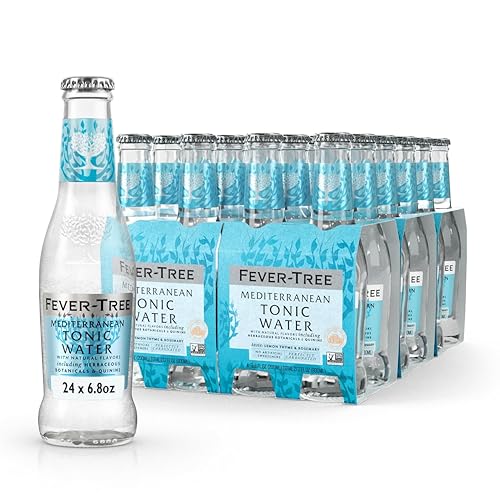
Fever-Tree Mediterranean Tonic Mixer, 24 Pack, 6.8 Fl Oz Bottles
Badge: Best Aromatic Twist
Strengths
- Essential oils of rosemary with African quinine, per the listing — a subtly herbaceous, refreshing profile.
- The only pick that changes the drink’s aromatic direction, not just its weight.
- Bottled format suits garnish-led, ceremonial service.
Trade-offs
- Herbaceous notes divide drinkers; it is a point of view, not a neutral base.
- Its delicacy can be outmuscled by the funkiest, heaviest rums.
- Opened bottles need same-evening respect, like all bottled picks here.
Spec box: Brand: Fever-Tree. Style: Mediterranean tonic mixer. Listing highlights: essential oils of rosemary combined with African quinine; subtly herbaceous, refreshing flavor. Format: 6.8 fl oz bottles, 24 pack.
This is the pick for the drinker who treats garnish as an ingredient. The Mediterranean tonic’s rosemary oils and African quinine give the rum and tonic a savory, herbal top note that plays against dark rum’s sweetness in a completely different way from citrus — less bright, more aromatic, almost culinary. With a smooth aged rum it produces the most dinner-worthy long drink in the guide, the one that can sit beside food without fighting it; with a sprig of fresh rosemary and an orange twist as garnish, echoing the bottle’s own aromatics, it becomes the serve guests remember and ask about. The cautions are real: herbal is a direction, not an improvement, and drinkers who want their tonic invisible will not convert; and the profile’s delicacy means the heaviest, funkiest rums should stay with the full Indian-style tonics. Within its lane, though, this bottle does something no other pick here does — it gives a dark rum drinker a second, distinct signature serve from the same shelf. Amaro drinkers exploring adjacent bitter-herbal territory will find a kindred shelf in Best Mixers For Disaronno.
Best for: aromatic drinkers, food pairing, and garnish-led service / Not suited for: neutral-base drinkers and the heaviest funky rums

Fever-Tree Light Tonic Water Mixer, 8 Pack, 5.07 Fl Oz Cans
Badge: Best Starter Pack
Strengths
- The Light recipe — real quinine, 30 calories per serving per the listing, a touch of Mexican bitter orange — in a trial count.
- Lets a tonic skeptic test the rum and tonic idea cheaply and fairly.
- Single-serve cans keep the test honest: every trial drink is fully carbonated.
Trade-offs
- Converts will reorder in the 24 pack almost immediately.
- Same light-body caveat as its sibling for the heaviest rums.
- Not a party format.
Spec box: Brand: Fever-Tree. Style: light tonic water mixer. Listing highlights: real quinine; only 30 calories per serving; a touch of Mexican bitter orange; balanced botanicals for a smooth, crisp taste. Format: 5.07 fl oz cans, 8 pack.
Rum and tonic has a conversion problem: drinkers who have never tried it assume it is a gin drink wearing a costume, and they will not risk a 24 pack on a rumor. This 8 pack is the rumor-killer. Eight cans is exactly enough to run the experiment properly — two rums, two garnishes, one skeptical friend — and the Light recipe is the right ambassador, because its crisp, bitter-orange profile is the version of the serve most likely to convert a cola-and-rum drinker on the first glass. If the experiment fails, you have spent little and learned your household is a ginger household, which is valuable knowledge. If it succeeds, as it usually does, the 24 pack of the same recipe is your standing order and this purchase was tuition well spent. Starter packs earn their own review slot in this guide for the same reason they did in the companion volumes: in a category where recipe loyalty forms fast and formats punish guessing, the small honest trial is a real product, not a compromise.
Best for: rum and tonic skeptics and first-time tonic buyers / Not suited for: confirmed Light Tonic drinkers, who should buy the 24 pack
Comparison Table
| Mixer | Recipe | Format | Sweetness direction | Signature serve | Link |
|---|---|---|---|---|---|
| Fever-Tree Tonic Water Cans | Full tonic | 5.1 fl oz cans, 24 pack | Balanced bitter | Definitive rum and tonic | Check on Amazon |
| Fever-Tree Light Tonic Cans | Light tonic | 5.1 fl oz cans, 24 pack | Dry, light | Spiced rum rescue serve | Check on Amazon |
| Fever-Tree Tonic Water Bottles | Full tonic | 6.8 fl oz bottles, 24 pack | Balanced bitter | Host’s custom pours | Check on Amazon |
| Fever-Tree Premium Indian Tonic | Flagship tonic | 16.9 fl oz, pack of 8 | Composed bitter | Top-shelf rum serve | Check on Amazon |
| Fever-Tree Mediterranean Tonic | Herbal tonic | 6.8 fl oz bottles, 24 pack | Herbaceous | Dinner-table rum serve | Check on Amazon |
| Fever-Tree Light Tonic 8 Pack | Light tonic | 5.07 fl oz cans, 8 pack | Dry, light | The trial serve | Check on Amazon |
How to Choose a Tonic for Your Dark Rum
Match weights before anything else. Heavy rum, full tonic; light frame for sweet or spiced rum; flagship tonic for the special bottle; herbal tonic when the evening is about aroma and food. That one heuristic, honestly applied, will make better purchases than any brand loyalty. The failure mode to avoid is the mismatch in either direction — a delicate tonic under a massive rum tastes like an apology, and a massive tonic over a gentle rum tastes like a takeover.
One more variable deserves a place in the decision: the drinkers you serve most. Rum and tonic converts skeptics at a remarkable rate, but it converts them one palate at a time, and households differ in their bitterness tolerance more than in almost any other taste dimension. If your table leans sweet, lead with the full tonic’s balance and keep the Light for the spiced rum rescue work. If your table leans dry — gin drinkers, aperitivo drinkers, black-coffee drinkers — the Light and the Mediterranean will be the household’s heroes and the full tonic the supporting bottle. Stock for the palates you actually pour for, and let your own preference argue its case one converted guest at a time.
Then choose format by social reality. Cans are the quality default: carbonation guaranteed, portions honest, waste near zero. Bottles are the host’s tool and the ceremony’s prop. The big flagship bottles are occasion purchases, to be opened when the rum and the company justify them and finished while they are lively. Trial packs are for the unconvinced, and there is no shame in the category — rum and tonic is the most doubted serve in this entire guide series and the most converted once tasted, so the 8 pack may be the highest-value first click on the page.
Finally, plan the garnish shelf alongside the tonic shelf. A rum and tonic without an aromatic garnish is a sketch of the drink. Keep citrus — lime and orange — as the standing garnish, one fresh herb for the Mediterranean bottle, and whatever your rum’s character suggests: a cinnamon stick for a spiced rum, a coffee bean or two for a very dark one, juniper if the gin shelf is near. The garnish is chosen per rum, not per habit, and rotating it is how one tonic and one rum produce a season of different drinks.
How to Build the Spanish-Style Rum and Tonic
A word on the rum pour itself before the method: measure it. Dark rums vary enormously in intensity, and the difference between a balanced rum and tonic and a tonic-flavored rum soup is usually a half-measure poured by optimism. Use a measure for the first drink with any new rum, note the ratio that works, and only then let your hand take over — it will pour honestly once it has been taught what honest looks like in your largest glass.
The method is a ceremony of cold and aroma, and it is worth doing properly. First, choose the largest glass you own — a balloon or a big wine glass is traditional — because surface and volume are what let the aromatics gather. Second, fill it completely with the largest, hardest ice you have; this drink should still be mostly ice when it is half finished. Third, pour a measure of dark rum over the ice and stir it briefly to chill the spirit itself. Fourth, add the tonic slowly down the side or over the back of a spoon, one full can or bottle measure, preserving every bubble you can. Fifth, garnish with intent: express a strip of citrus peel over the surface, add the fruit and herb your rum calls for, and serve immediately, without a straw if you want the aroma to lead.
Ratios run longer than a gin serve because dark rum has more to give: one part rum to three or even four parts tonic is the working range, with the full tonics at the shorter end and the Light at the longer. Taste the first one you build with a new rum and write the ratio down — dark rums vary more than almost any spirit category, and the note is what makes the second bottle’s first drink as good as the first bottle’s last.
Troubleshooting. Problem: the drink tastes medicinal → the quinine is leading because the rum is too light for the tonic’s weight; step the rum up or the tonic down to Light. Problem: the drink tastes sweet and heavy → the rum is a sweet one wearing a full tonic; switch to the Light and add a lime squeeze. Problem: the drink goes flat and dull → the ice was small or the pour was rough; rebuild with bigger ice and a gentler pour.
Dark Rum Styles, Matched to Their Tonics
Reading a dark rum label helps the matching, and the useful signals are few: age statements and style words tell you about weight, origin tells you about tradition — Jamaican for funk, Barbadian for balance, demerara for depth — and the words spiced or flavored tell you the maker has already done part of the mixer’s job, which means your tonic must do the opposite part. A rum that arrives silent about its style should be tasted neat once before it is matched; sixty seconds of attention at the start saves a case of the wrong tonic later.
A short field guide, because dark rum is not one flavor. Heavy pot-still rums — the funky, ester-rich Jamaican style — are the full tonic’s home ground, and the Premium Indian’s composed bitterness is their ceiling serve; their intensity needs bitterness with body. Smooth aged blends in the Spanish style, all caramel and dried fruit, are the most versatile: full tonic for weight, Mediterranean for aroma, Light when the evening is long. Blackstrap and very dark rums, molasses-forward and almost savory, love the Light tonic’s dryness and a coffee or orange garnish. Spiced rums, as this guide has argued throughout, belong to the Light recipe nearly without exception. And demerara rums, with their brown-sugar depth, split the difference — full tonic, orange peel, no apology. When a new rum arrives on your shelf, pour it once with each tonic you own before deciding its partner; the rum will tell you, and it will be right.
The Ginger Question, Answered in Full
The comparison has a practical use beyond philosophy: it tells you how to stock a small bar. A household that can only justify one dark rum mixer case at a time should choose by season and by rum — ginger for the cold months and the spiced bottles, tonic for the warm months and the aged ones — and rotate without guilt. A household with room for both should resist buying them in the same week; stagger the cases so each is finished in its carbonated prime, because a flat ginger beer and a flat tonic are the same tragedy in different bottles.
Because the Dark ‘n’ Stormy looms over this entire category, it deserves a direct comparison rather than a footnote. Ginger beer gives dark rum warmth, spice, and sweetness; the drink is rich, comforting, and cold-weather friendly. Tonic gives dark rum bitterness, dryness, and lift; the drink is refreshing, aromatic, and warm-weather friendly. Neither is the correct mixer — they are opposite seasons of the same spirit, and the mature dark rum shelf holds both, the way a whisky shelf holds both a mixing bourbon and a sipping one. This guide’s contribution is to insist the tonic season gets its full due: a verified shelf, matched weights, proper ceremony. If you arrive here a committed ginger drinker, buy the Light 8 pack as an experiment and run it honestly against your favorite spiced or aged rum. The conversion rate of that experiment, across everyone who has ever been talked into it, is the reason this guide exists.
The Balloon Glass Ritual: Why Presentation Is Part of This Recipe
Outsiders sometimes smile at the Spanish rum and tonic ceremony — the fishbowl glass, the tower of ice, the garnish arranged like a still life — and mistake it for theater. It is engineering wearing a nice suit. The large glass holds enough ice to keep a long drink at temperature for its whole life, which no tumbler can do. The wide bowl gathers the aromatics from the garnish and the tonic’s botanicals into the space where the drinker’s nose arrives first, and aroma is most of what distinguishes one tonic serve from another. The big ice melts slowly, so the last third of the drink tastes like the first third instead of like the ghost of it. Even the much-mocked garnish abundance has a logic: each element is chosen against the rum, and the drinker experiences them in sequence as the glass warms by degrees and the ice shifts.
Adopt the ritual at home in proportion. You do not need the largest glassware in the catalog; you need the largest you own, filled completely, with the garnish treated as a decision rather than a reflex. Freeze the glasses when guests are coming. Keep a small, deliberate garnish kit — citrus, one herb, one spice — beside the tonic shelf so the decision takes seconds. The ritual’s real gift is pacing: a drink built this carefully is drunk slowly and noticed fully, and a dark rum, of all spirits, deserves to be noticed.
Dark Rum and Tonic Through the Year
The serve has seasons inside the season. In high summer, the Light tonic over a spiced or golden rum, with lime and ice in quantities that look excessive, is the refreshing end of the rum world — the drink for the hottest hour of the day. In autumn, the full tonic and an orange peel move the serve toward the harvest register, and it begins to sit happily beside richer food. Winter belongs to the heavy rums and the Premium Indian, poured shorter, garnished with spice, drunk at the pace of a fireside conversation — and the winter-specific shelf, with its warm serves and spiced variations, is mapped in the companion winter guide linked earlier in this article. Spring is the Mediterranean’s season, when its rosemary aromatics match the first herbs in the kitchen and the serve turns almost culinary. A household that rotates one tonic case per season will find the same rum tasting new four times a year, which is a better return on a shelf than most new bottles provide.
Storing Tonic So the Last Can Pours Like the First
Tonic is a carbonated product with a quiet enemy list: heat, light, time, and — once opened — air. Unopened cans and bottles belong in the coolest, darkest storage you have, rotated so the oldest stock pours first; a case bought for summer and discovered the following spring will still be safe, but its carbonation will have lost the liveliness this serve is built on. Chill before serving, always — a warm tonic poured over ice spends its bubbles and its cold budget in the first thirty seconds. Opened bottles are the weak point of any tonic shelf, which is why this guide steers solo drinkers so firmly to cans: reseal a bottle tightly, refrigerate it, and treat anything beyond a couple of days as cooking stock for the next party’s first round rather than the good rum’s partner. Date opened bottles with a marker. The habit sounds fussy until the first time it saves a great rum from a flat tonic, after which it sounds like what it is — the cheapest insurance in the home bar.
Common Buying Mistakes
The first mistake is mismatching weights — delicate tonic, massive rum, or the reverse — and blaming the serve. The second is serving rum and tonic in a small glass with three cubes; the drink is an architecture of ice and needs its building. The third is skipping the garnish, which in this serve is an ingredient. The fourth is buying the flagship bottles for everyday rums, or everyday cans for the flagship rum. The fifth is nursing an opened bottle of tonic across a week of single drinks when the cans exist precisely to prevent that sadness.
Final Recommendation
Buy the Fever-Tree Tonic Water 24 pack of cans as your foundation — it is the definitive rum and tonic, format-perfect and weight-matched to most aged dark rums. Add the Light Tonic 24 pack the moment a spiced or sweet rum joins the shelf. Hosts should hold the bottled full tonic; collectors should keep the Premium Indian 8 pack for the special bottle; the curious should start with the Light 8 pack and let one evening decide. And every dark rum household should own the Mediterranean bottle by the second month, because the second signature serve is what turns a good shelf into a repertoire.
Related guides
Frequently Asked Questions
Does tonic really work with dark rum?
Yes — it is a serve with a genuine tradition, especially in Spain, where it anchors a whole style of rum service, and a sound structure: quinine bitterness dries and frames the rum’s caramel richness, turning a heavy neat pour into a long, refreshing drink. The fastest proof is the two-drink test in this guide, with your own rum, full tonic against light.
What about the Dark ‘n’ Stormy and ginger beer?
A great drink, and this guide says so plainly, without the territorial defensiveness that usually poisons this particular comparison. Ginger beer is the warm, spicy direction for dark rum; tonic is the dry, bitter direction. This shortlist covers the tonic direction completely because that is its verified shelf — a complete dark rum bar eventually stocks both directions.
What ratio of tonic to dark rum should I use?
Start at one part rum to three parts tonic over a glass packed with large ice. If the serve will be drunk slowly — a long conversation, a slow evening — build it a touch shorter than perfect, because meltwater will lengthen it gently as the ice works. Heavier rums and fuller tonics sit happily at the shorter end; spiced rums with the Light tonic can stretch longer. Write down the ratio that suits each rum you own.
Which tonic suits a spiced rum?
The Light, nearly without exception. A spiced rum arrives sweetened and seasoned; the Light Tonic’s dry, bitter frame — with a stated 30 calories per can — is the only profile here that subtracts instead of adding, and it turns a syrupy pour into a structured one.
What garnish belongs in a rum and tonic?
Citrus first — lime wheel or orange peel, expressed over the glass so the oils actually land in the drink — then one aromatic chosen for the rum: rosemary with the Mediterranean tonic, a cinnamon stick with spiced rum, coffee beans with a very dark rum. Express peels over the surface so the oils season the aroma, not just the liquid.
Is rum and tonic better with white or dark rum?
Both work, and they are different drinks worth owning side by side across a summer. White rum and tonic is crisp and gin-adjacent; dark rum and tonic — this guide’s subject — is richer, with the tonic drying out caramel and dried fruit into a long, aromatic serve. Dark rum is the more distinctive version and the one most likely to convert a skeptic, because the contrast is bigger.
How long does an opened bottle of tonic stay lively?
Resealed and refrigerated, a few days at best before the carbonation noticeably fades. The flavor remains fine for casual serves, but the rum and tonic is a carbonation drink — which is why this guide’s core recommendations are single-serve cans and why opened flagship bottles should be finished the evening they are opened.
Can I use these tonics for other spirits?
Of course — they are gin and vodka tonics by original design, and the Mediterranean and Light recipes travel across the whole clear-spirit shelf, the vermouth shelf, and the growing shelf of non-alcoholic spirits, where their bitterness does the same framing work. Buying them for rum does not exile them from their first jobs; it doubles their value.


