Disclosure: topratedkitchenware.com is reader-supported. When you buy through links on our site, we may earn an affiliate commission from Amazon and other retailers, at no extra cost to you.
Where to buy
If you are shopping for the best mixers for peach crown and already know you want a tonic-led drink, start with the list below. Each name links to its Amazon listing so you can check the current pack, format and availability before you buy. If you are still deciding how bitter, how floral or how citrus-forward you want the drink to be, read the full guide below the list, because the differences between these six options matter more with a sweet peach whisky than they do with a dry London gin.
- Fever-Tree Mediterranean Tonic Mixer, 24 Pack — herbaceous, balanced and the most forgiving partner for peach.
- Fever-Tree Light Tonic Water Mixer, 8 Pack Cans — a lighter serve in a small can format.
- Fever-Tree Elderflower Tonic Mixer, 24 Pack Cans — soft, sweet and floral.
- Fever-Tree Sparkling Sicilian Lemonade, 4 Pack — bright citrus sparkle instead of quinine bitterness.
- Fever-Tree Tonic Water Refreshingly Light, Large Bottle — one open bottle for several serves.
- Schweppes Tonic Water, 10 Count Pack of 6 — the familiar classic tonic profile.
Read the full guide ↓ for ratios, serving temperature, garnish choices and the mistakes that make a peach whisky highball taste flat or syrupy.
Finding the best mixers for peach crown starts with understanding what the spirit itself brings to the glass. Peach Crown, the peach-flavoured expression in the Crown Royal family, is smooth, rounded and unmistakably sweet, with ripe stone-fruit flavour layered over a soft Canadian whisky base. That sweetness is the whole challenge. A mixer that is also sweet, heavy or dull will push the drink toward a soft-drink character, while a mixer with bitterness, acidity, herbs or lively carbonation will lift the peach, keep the whisky present and make the second sip as good as the first. This guide compares six tonic and sparkling options that can do that job in different ways, explains when each one works best, and shows you how to build, adjust and troubleshoot the serve at home without any specialist equipment.
Most people meet this spirit in a simple highball: whisky, ice and something fizzy poured over the top. That simplicity is deceptive. The ratio, the temperature of the mixer, the size of the ice and even the order in which you pour all change the result. A warm tonic poured aggressively over small, wet ice will lose its fizz in seconds and leave a sweet, watery drink. The same tonic, chilled, poured gently over fresh hard ice in a tall glass, stays bright for the length of the serve. The picks below were chosen because they give you control over those variables: different levels of bitterness, different botanical directions, different pack formats for different kinds of drinking, from a single evening serve to a small gathering where several glasses are poured in a row.
You will also find honest limits in this guide. None of these mixers will turn a sweet flavoured whisky into a dry, austere drink, and none of them should be expected to. What a good mixer can do is frame the peach rather than fight it, add the structure the spirit lacks on its own, and keep the drink refreshing rather than cloying. If that is what you want from your glass, the six options below cover the realistic range, from herbaceous tonic to floral tonic to sparkling lemonade, and the rest of the guide will help you pick the one that matches your palate and your plans. Readers comparing neighbouring serves may also find it useful to look at Best Mixers For Peach Vodka, where the same stone-fruit logic applies to a lighter spirit base.
Key Takeaways
- Bitterness and acidity are your friends with a sweet peach whisky: tonic quinine and citrus both cut sweetness and keep the drink refreshing.
- The Mediterranean tonic is the safest all-round starting point because its herbaceous notes support peach without adding floral sweetness.
- Light tonic formats suit drinkers who find the standard serve too sweet, while elderflower tonic leans into a softer, more fragrant style.
- Sparkling lemonade is the right choice when you want no quinine bitterness at all and prefer a bright, citrus-led highball.
- Chill the mixer, use plenty of fresh ice and pour gently: carbonation management matters as much as which bottle you buy.
- Start near two parts mixer to one part whisky, taste, and adjust in small steps rather than following a fixed recipe blindly.
In this guide
Quick Picks
| Pick | Badge | Style | Format from listing | Link |
|---|---|---|---|---|
| Fever-Tree Mediterranean Tonic Mixer | Best Overall | Herbaceous tonic | 24 pack, 6.8 fl oz bottles | Check on Amazon |
| Fever-Tree Light Tonic Water Mixer | Best Light Option | Light tonic | 8 pack, 5.07 fl oz cans | Check on Amazon |
| Fever-Tree Elderflower Tonic Mixer | Best Floral Twist | Elderflower tonic | 24 pack, 5.1 fl oz cans | Check on Amazon |
| Fever-Tree Sparkling Sicilian Lemonade | Best Citrus Sparkle | Sparkling lemonade | 4 pack, 6.8 fl oz | Check on Amazon |
| Fever-Tree Tonic Water Refreshingly Light | Best for Batch Serving | Light tonic, large bottle | 16.9 fl oz bottle | Check on Amazon |
| Schweppes Tonic Water | Best Classic Tonic | Classic tonic | 10 count, pack of 6 | Check on Amazon |
The table is a shortcut, not a verdict. Best Overall means the pick that will please the widest range of peach whisky drinkers on the first pour, not the pick that is best for every palate. If you already know you dislike quinine, skip straight to the lemonade review. If you know you dislike floral drinks, skip the elderflower review and spend your time on the two light tonics and the classic Schweppes serve instead. The detailed reviews below explain the reasoning behind each badge in full, including the situations where each pick is the wrong choice.
How These Picks Were Chosen
This is a research-led guide, not a laboratory test, and it is written that way on purpose. The picks were selected by comparing the verified product listings for this group, checking each product name, format and flavour description against the specific job of mixing with a peach-flavoured whisky, and then weighing flavour direction, carbonation style, pack practicality and versatility across serves. Only products confirmed through the verified listings for this article are linked, and the specifications quoted in the mini spec boxes come only from those listings, never from memory or from other retailers.
Flavour fit came first. A mixer for this spirit needs at least one of three tools: quinine bitterness, citrus acidity or aromatic complexity. Products that offered none of those tools, or that duplicated another pick exactly without a format or flavour difference, were not useful in a six-pick list. Format came second, because how you drink at home shapes what you should buy. Small cans suit single serves and stay fizzy from first glass to last, multipack bottles suit households that pour this drink often, and a single larger bottle suits an evening of several serves poured close together but is a poor choice if it will sit open in the fridge for a week.
Versatility came third. Every pick here also works with other spirits and in alcohol-free serves, so nothing you buy for peach whisky is wasted if your taste changes. The Mediterranean tonic works with gin, the lemonade works on its own over ice, and the classic tonic works in almost any highball. That matters for real kitchens, where fridge space is limited and a mixer bought for one drink only tends to expire half used. Finally, honesty about limits shaped the ordering: where a pick is sweeter, softer or less bitter than the others, the review says so plainly, because with a sweet base spirit those differences decide whether you enjoy the drink.
The 6 Best Mixers for Peach Crown
The six reviews below follow the same pattern so you can compare them quickly: what the mixer is, where its flavour comes from, how it behaves with peach whisky at different ratios, who should buy it and who should not. Ratios are given as starting points, not rules, and every review notes the honest limitation of the pick so there are no surprises after you buy.
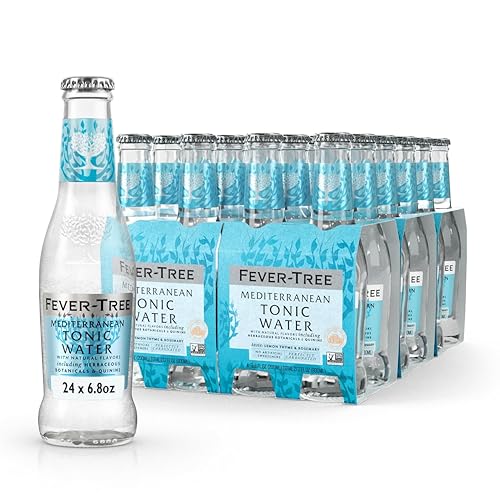
Fever-Tree Mediterranean Tonic Mixer, 24 Pack
Badge: Best Overall
Strengths
- Herbaceous character from rosemary essential oils gives the peach an aromatic frame instead of extra sweetness.
- Quinine bitterness is present but balanced, so the whisky stays smooth while the finish stays clean.
- The 24 pack bottle format suits households that pour this serve regularly and want consistent results.
Trade-offs
- Drinkers who want a purely fruity, soft serve may find the herbal note more grown-up than expected.
- A 24 pack is a commitment if you are trying the pairing for the first time.
- Bottles, once opened, should be used promptly for the best carbonation.
Mini spec box: Brand: Fever-Tree. Style: Mediterranean tonic mixer. Pack: 24 pack. Bottle size: 6.8 fl oz bottles. Flavour notes from listing: essential oils of rosemary combined with African quinine, subtly herbaceous and refreshing.
This is the pour to start with if you have never mixed this spirit with tonic before. The Mediterranean style was built around herbal, savoury-leaning botanicals rather than the sharper citrus bitterness of a classic tonic, and that direction happens to suit peach extremely well. Rosemary and peach are natural partners in cooking, where the herb is used to stop stone fruit from tasting one-dimensional, and the same logic works in the glass. The first sip is still recognisably peach and whisky, but the herbal edge gives the fruit definition, and the quinine dries the finish just enough that you want another sip instead of putting the glass down.
At two parts tonic to one part whisky over plenty of ice, the drink reads as a proper highball: refreshing, lightly bitter and aromatic. At three parts tonic, it becomes a longer, lighter serve for warm weather or for drinkers who want the whisky as background rather than the main event. Below two parts, the sweetness of the spirit starts to dominate and the tonic cannot do its structural work, which is the most common reason home serves of this drink disappoint. If your first pour tastes too sweet, do not add more whisky; add more tonic, a fresh ice cube and, if you have it, a thin slice of lemon or a sprig of a fresh herb as garnish to reinforce the aromatic direction.
The bottle format deserves a practical note. Individual small bottles are the best format for carbonation, because each serve opens a fresh, fully fizzy bottle and nothing sits open losing gas. For a household that pours this drink on most weekends, the multipack makes that quality repeatable without any planning. For a first trial, the same format asks more commitment, which is the honest trade-off recorded above and the reason the light can pack below exists in this list.
Best for: most peach whisky drinkers pouring their first tonic highball / Not suited for: drinkers who want a soft, purely fruity serve with no herbal or bitter edge

Fever-Tree Light Tonic Water Mixer, 8 Pack Cans
Badge: Best Light Option
Strengths
- Light style reduces the sense of sweetness in the finished drink, which is the main complaint about peach whisky serves.
- Small cans are portioned for single serves, so every glass starts fully carbonated.
- Mexican bitter orange in the flavour profile adds a citrus lift that suits stone fruit.
Trade-offs
- The lighter body can taste thin if you pour it over too much melting ice.
- An 8 pack runs out quickly when serving a group.
- Drinkers who love a bold, bitter tonic may want more quinine presence.
Mini spec box: Brand: Fever-Tree. Style: light tonic water mixer with real quinine. Pack: 8 pack. Can size: 5.07 fl oz cans. Notes from listing: only 30 calories per serving, touch of Mexican bitter orange, balanced botanicals, smooth and crisp taste. The calorie figure is quoted from the product listing as a product attribute, not as a health claim.
Choose this pick when the standard serve tastes too sweet to you. A light tonic changes the balance of the whole glass without changing the spirit: the peach flavour stays, but the background sweetness drops, the citrus note comes forward and the finish feels crisper. In practice this is the pick that converts people who tried a peach whisky and cola, found it heavy, and assumed the spirit itself was not for them. Often the spirit was fine and the mixer was the problem.
The can format is the second reason to buy it. Cans chill quickly, stack neatly and, most importantly, are finished in one serve, so there is no half-open bottle going flat in the fridge door. The size also helps with ratio discipline. One can poured over a standard measure of whisky and a full glass of ice lands close to the refreshing end of the ratio range without any measuring, which makes it a good weeknight option when you want the drink to work first time with no adjustment.
Serve it cold and serve it over hard, fresh ice. Light-bodied mixers show dilution more than fuller ones, so wet ice that has been sitting in a warm kitchen will water the drink before you finish it. If you are comparing lighter options across spirits, the discussion in Best Mixers For Pineapple Vodka covers a similar sweetness-versus-refreshment balance with tropical fruit, and many of the same serving habits apply.
Best for: drinkers who find peach whisky serves too sweet and want a crisper highball / Not suited for: groups, or drinkers who want a full-bodied, strongly bitter tonic

Fever-Tree Elderflower Tonic Mixer, 24 Pack Cans
Badge: Best Floral Twist
Strengths
- Elderflower and peach are a classic flavour pairing, giving a fragrant, summery drink.
- Quinine still provides structure underneath the floral softness.
- The can multipack keeps serves consistent across a gathering.
Trade-offs
- The soft, sweet floral direction will be too perfumed for drinkers who prefer dry serves.
- It narrows the drink to one mood: fragrant and gentle rather than sharp and refreshing.
- Garnish choices matter more here; heavy garnishes can overwhelm the floral note.
Mini spec box: Brand: Fever-Tree. Style: elderflower tonic mixer. Pack: 24 pack. Can size: 5.1 fl oz cans. Notes from listing: blended with African quinine for a delicate, balanced flavour, soft and sweet elderflower notes.
This is the pick for drinkers who lean into the fruit rather than fighting it. Elderflower has a soft, honeyed fragrance that sits naturally beside peach, and together they produce a drink that tastes like late summer: fragrant, gentle and easy to drink. The tonic base still matters, because without quinine underneath, peach plus elderflower would be a purely sweet combination. With it, there is just enough dryness at the finish to keep the glass balanced.
Build this serve a little longer than the Mediterranean version, around three parts tonic to one part whisky, and keep the garnish light. A thin slice of peach if you have fresh fruit, a small lemon twist expressed over the glass, or nothing at all all work. Avoid mint overload or strongly flavoured additional syrups, which bury the elderflower rather than supporting it. This is also the most forgiving pick for guests who say they do not usually drink whisky, because the floral frame softens every edge of the spirit while the alcohol presence stays modest in a long serve.
The honest limitation is range. This is a one-mood mixer, bought for fragrant, gentle drinks, and if your taste runs dry and bitter you will tire of it quickly. Buy it because that mood is exactly what you want, ideally for warm-weather drinking, garden serves and occasions where a softer drink suits the food, such as salads, grilled chicken or fruit-based desserts.
Best for: fragrant, summery serves and guests who prefer gentle drinks / Not suited for: drinkers who want a dry, bitter or strongly refreshing highball

Fever-Tree Sparkling Sicilian Lemonade, 4 Pack
Badge: Best Citrus Sparkle
Strengths
- Lemon acidity is the strongest natural counterweight to peach sweetness in this list.
- No quinine, so it suits drinkers who dislike tonic bitterness entirely.
- Works equally well as an alcohol-free pour over ice, so one pack serves everyone.
Trade-offs
- Without quinine, the drink has less dry structure and can taste like a sparkling fruit serve.
- The small 4 pack is a trial size, not a stocking-up format.
- Citrus can dominate if you pour too long a serve; ratio discipline matters.
Mini spec box: Brand: Fever-Tree. Style: sparkling Sicilian lemonade. Pack: 4 pack. Bottle size: 6.8 fl oz.
Not everyone likes tonic, and no one should be told to persist with bitterness they dislike when a citrus route works this well. Lemonade and peach are partners in iced tea, in desserts and in preserves, and the same pairing carries this highball. The lemon acidity cuts the sweetness directly rather than drying it with bitterness, and the sparkle keeps the texture light. The result is closer to a sparkling peach lemonade with a whisky warmth underneath, which for many drinkers is exactly the point of buying a flavoured whisky in the first place.
Because there is no quinine structure, build this drink with a little more care. Start at two parts lemonade to one part whisky, taste for acidity, and resist the urge to lengthen it further unless the glass still tastes heavy, because an over-long pour turns the serve into lemonade with a hint of whisky rather than a mixed drink. A lemon slice or a twist is the natural garnish, and a pinch of care with ice applies here too: sparkling lemonade loses its lift quickly over melting ice, so fill the glass properly with fresh cubes rather than using a token handful.
This pick also earns its place for mixed groups. The same bottles pour a genuinely good alcohol-free drink over ice with a peach slice, so drivers and non-drinkers are not handed a sad substitute while everyone else drinks the real serve. That dual use makes the small pack size less of a drawback than it first appears, although regular buyers will want to restock more often than with the multipack tonics.
Best for: tonic-averse drinkers and mixed groups needing an alcohol-free option from the same pack / Not suited for: drinkers who want quinine dryness and a classic highball structure

Fever-Tree Tonic Water Refreshingly Light, Large Bottle
Badge: Best for Batch Serving
Strengths
- One larger bottle pours several serves in one session without opening multiple small bottles.
- Light tonic profile keeps a round of peach highballs crisp rather than sweet.
- Simple, versatile tonic that also covers gin and vodka serves in the same evening.
Trade-offs
- Carbonation fades once opened, so it is a poor choice for one drink a week.
- Less portion control than cans or small bottles; free-pouring can drift ratios.
- The light profile will not satisfy drinkers chasing a bold bitter finish.
Mini spec box: Brand: Fever-Tree. Style: tonic water, refreshingly light. Bottle size: 16.9 fl oz.
Format is the whole story here. A single larger bottle is the right tool when several drinks are poured close together: a barbecue, a small dinner or an evening where the same highball is made three or four times in an hour. In that setting, opening individual bottles or cans for every serve creates waste and fuss, while one bottle, kept cold and poured promptly, delivers consistent drinks with minimal effort. The light profile helps in the same setting, because a round of sweeter drinks can become tiring across an evening, while a crisper tonic keeps each fresh glass welcome.
The discipline this format demands is timing. Chill the bottle unopened, open it when the first drink is made, pour each serve soon after, and keep the cap on and the bottle cold between pours. Do not buy this format as a slow fridge staple. Tonic that has sat open for days will pour flat no matter how good it was originally, and flat tonic over a sweet spirit produces exactly the dull, syrupy drink this guide exists to help you avoid. If your drinking pattern is one highball on a Friday, choose cans or small bottles instead and treat this pick as the gathering option it is designed to be.
Measured pouring helps too. Without the natural portioning of a can, it is easy for each successive drink in a session to grow longer and weaker, or shorter and sweeter, depending on the pourer. A simple jigger or even a marked glass keeps the round consistent, which guests notice even if they never say so.
Best for: gatherings where several peach highballs are poured in one session / Not suited for: slow, occasional drinkers who need carbonation to survive between weekends

Schweppes Tonic Water, 10 Count Pack of 6
Badge: Best Classic Tonic
Strengths
- The familiar classic tonic profile many drinkers already know and trust.
- Straightforward bitterness that balances peach without adding herbs or flowers.
- Bulk pack format suits households that use tonic across many different drinks.
Trade-offs
- Less aromatic complexity than the Mediterranean or elderflower options.
- The classic profile can read sweeter than the light tonics in a long serve.
- Bulk buying only makes sense if tonic is a regular household staple for you.
Mini spec box: Brand: Schweppes. Style: tonic water. Pack: 10 count, pack of 6.
Sometimes the right recommendation is the familiar one. Schweppes tonic is the reference flavour most drinkers grew up with in gin and vodka serves, and that familiarity is useful with a flavoured whisky, because you can predict the result before you pour. Expect a direct quinine bitterness, a clean citrus-leaning background and no herbal or floral detours. With peach whisky that produces the most straightforward highball in this list: fruit up front, bitterness behind it, nothing competing for attention.
That simplicity is both the strength and the limit. If you found the Mediterranean pick interesting but busy, or the elderflower pick too fragrant, this is your drink. If you are buying tonic primarily for this pairing and want the mixer itself to contribute character, the Fever-Tree options above will give you more to taste. The bulk format, meanwhile, points to a different kind of household: one where tonic is opened for many drinks across the month, from gin serves to alcohol-free tonic over ice with a slice of citrus, so a larger stock is used while it is fresh rather than stored indefinitely.
One serving note applies especially to classic tonic and a sweet spirit: keep the ratio honest. The classic profile in a very long pour can let the combined sweetness reassert itself as the ice melts, so a two-to-one build over a full glass of ice, drunk at a normal pace, will taste better than a three-to-one build nursed slowly in a warm room. Readers working through other fruit and spirit combinations will recognise the same principle in Best Mixers For Pink Gin discussions of tonic balance, even though the spirit base differs.
Best for: drinkers who want a predictable, classic tonic highball and use tonic often / Not suited for: drinkers seeking herbal or floral character from the mixer itself
Comparison Table
| Pick | Flavour direction | Bitterness | Best serve | Link |
|---|---|---|---|---|
| Fever-Tree Mediterranean Tonic | Herbaceous, rosemary-led | Moderate, balanced | Standard highball | Check on Amazon |
| Fever-Tree Light Tonic Cans | Crisp, bitter orange | Light and clean | Single crisp serve | Check on Amazon |
| Fever-Tree Elderflower Tonic | Soft, floral, sweet-leaning | Gentle | Long summer serve | Check on Amazon |
| Fever-Tree Sparkling Sicilian Lemonade | Bright lemon citrus | None, acidity instead | Citrus highball | Check on Amazon |
| Fever-Tree Refreshingly Light Bottle | Clean light tonic | Light | Round of serves | Check on Amazon |
| Schweppes Tonic Water | Classic tonic | Direct and familiar | Everyday highball | Check on Amazon |
How to Choose the Right Mixer for a Peach Whisky
Start with your reaction to sweetness, because that single preference predicts satisfaction better than any brand loyalty. If sweet drinks tire you quickly, your shortlist is the two light tonics and the Mediterranean tonic, all of which push the finished glass toward dryness and refreshment. If you enjoy sweeter, softer drinks and bought a peach whisky precisely because it is fruity and approachable, the elderflower tonic and the sparkling lemonade will suit you better, and there is no virtue in forcing yourself toward bitterness you do not enjoy. The classic Schweppes sits between those camps and is the sensible choice when several palates share one purchase.
Next, think about bitterness separately from sweetness. Quinine bitterness and sugar level are different axes: a tonic can be light in body yet still bitter, or full and soft with little bite. Peach whisky needs at least one corrective, either bitterness or acidity, but it does not need both at full strength. That is why the lemonade, with acidity and no bitterness, and the light tonic, with bitterness and a lean body, can both succeed while tasting completely different. Choose the corrective you personally enjoy tasting, because you will taste it in every sip.
Then match the format to your real drinking pattern, honestly assessed. Occasional drinkers should buy small cans or small bottles, because carbonation is perishable and a fresh small format beats a flat large one every time. Regular drinkers can use multipacks confidently. Hosts pouring rounds should buy the larger bottle for the event and small formats for themselves. Buying the wrong format is the most common reason good mixers disappoint, and it has nothing to do with the liquid in the bottle on the day it was opened.
Finally, consider what else the mixer must do in your house. Fridge space and versatility matter. A tonic that also covers gin, vodka and alcohol-free serves earns its shelf space in a way a single-purpose bottle may not. If you are building a small home bar from scratch, one herbaceous tonic and one citrus sparkling option cover a surprising range of drinks, and the guidance in Best Mixers For Peach Vodka on versatile flavoured-spirit mixers follows the same small, hard-working collection logic.
How to Build, Serve and Adjust a Peach Whisky Highball
The method is short, but each step protects either carbonation or balance. First, chill everything you can: the mixer in the fridge, the glass if there is room, and the spirit at room temperature is fine but never warm from a sunny shelf. Second, fill a tall glass completely with fresh ice, right to the top, because a full glass of ice melts more slowly than a few cubes rattling in space. Third, pour the whisky over the ice. Fourth, open the mixer at the last moment and pour it gently down the side of the glass or over the back of a spoon, aiming to keep as much fizz in the liquid as possible rather than knocking it out with a hard splash. Fifth, give the drink one slow lift with a straw or spoon to combine the layers, no more. Sixth, add the garnish and serve immediately.
Adjusting the drink is a skill worth learning deliberately. Taste the first serve before you change anything, and name what you dislike in plain terms. Too sweet means lengthen the mixer or switch to a lighter tonic next time, and a squeeze of fresh lemon can rescue the glass in front of you. Too bitter means shorten the pour slightly or move toward the elderflower or lemonade direction. Too weak means the ice has melted or the ratio drifted long; rebuild with fresh ice rather than topping up a tired glass. Too fizzy and sharp usually settles within a minute as the first aggressive carbonation calms. Keeping brief notes on your phone after each variation sounds excessive until the third time you try to remember which ratio you liked.
Cleaning and storage for this serve are mostly about the mixer stock rather than equipment. Rinse glasses promptly, because dried tonic leaves a sticky film, and store unopened bottles and cans in a cool, dark cupboard rather than a hot garage. Once opened, a bottle belongs in the fridge with its cap tight and should be used within a short window while it still pours lively. Cans that have been opened should be finished, not stored. Check dates on multipacks when they arrive and rotate older stock to the front, a dull habit that prevents the specific disappointment of a flat drink made from an expired mixer.
Problem: the drink tastes flat within minutes. That usually means warm mixer, too little ice or an opened bottle stored too long; rebuild with a freshly opened, chilled mixer and a full glass of fresh ice. Problem: the drink tastes syrupy and heavy. That points to a short ratio or a sweet mixer choice; lengthen the pour, add citrus, or move to a light tonic. Problem: the peach flavour disappears. That means the serve is over-lengthened or over-diluted; shorten the ratio slightly and use harder, colder ice so the flavour survives to the end of the glass.
Peach Whisky Beyond the Highball
The highball is the main serve, but the same bottles support a small family of variations worth knowing. A peach whisky and tonic with a splash of fresh lemon juice and a longer pour becomes a cooler-style drink for very hot days. The sparkling lemonade build, served in a wine glass with plenty of ice and a peach slice, works as a casual spritz-style serve before food. The elderflower build, shortened slightly and served over crushed ice if you have it, becomes a softer, fragrant drink for slow evenings. None of these require extra bottles, which is deliberate: a flavoured whisky earns its place in a home bar when one or two mixers unlock several genuinely different drinks, not when each variation demands a new purchase.
Food pairing follows the same balance logic. Salty and smoky foods, from grilled meats to sharp cheese, make a tonic highball taste more refreshing by contrast, while very sweet desserts push the drink toward heaviness and are better matched by the crispest light-tonic serve or saved for a different glass altogether. Spicy food sits in between: the peach fruit is pleasant against heat, but a longer, colder serve protects the palate better than a short, strong one.
Seasonal Serving Notes for Peach Whisky Drinks
Peach is a seasonal flavour in the imagination even when the bottle is available all year, and adjusting the serve to the season makes the same purchases taste better for more of the calendar. In high summer, lengthen the pour, use the coldest mixer and the largest ice you have, and favour the light tonic and lemonade builds, which stay refreshing when the room itself is warm. A drink that tastes balanced in an air-conditioned kitchen can taste heavy on a hot porch, so expect to pour a little longer outdoors and do not judge a mixer harshly from one overheated serve.
In cooler months, the same spirit benefits from a shorter, more spirit-forward build. The Mediterranean tonic at a ratio closer to two parts mixer than three keeps its herbal character in focus, and the classic Schweppes build becomes more satisfying as its bitterness reads as structure rather than refreshment. The elderflower serve, which can feel almost too fragrant in August, settles into a gentler role in spring, when its floral note matches the season instead of competing with the heat. None of this requires new bottles; it only requires noticing that ratio and temperature are seasonal tools as much as they are recipe details.
Glassware plays a small part too. A tall, narrow glass keeps a long drink colder and fizzier than a wide tumbler, because less surface is exposed to warm air and the ice column stays intact longer. For the shorter cool-weather build, a smaller glass prevents the drink from looking and tasting diluted as it sits. Keeping two simple glass shapes in the cupboard covers the whole year of serves from these six bottles, which is a better investment than any specialised equipment for a drink whose entire method is ice, spirit and a well-chosen mixer poured in the right order.
Common Buying Mistakes
The first mistake is buying a sweet mixer to match a sweet spirit and expecting refreshment; matching sweetness with sweetness produces a heavy drink, while contrast produces balance. The second mistake is buying the largest format for the slowest drinking pattern, then blaming the brand when an opened bottle pours flat a week later. The third mistake is judging a mixer from a warm, ice-light first pour, which misrepresents every product in this list. The fourth mistake is fixing on one published ratio and never adjusting it, when palates, ice and even the temperature of the room all shift what tastes right. The fifth mistake is stocking several near-identical classic tonics while owning nothing with citrus acidity or a lighter profile, leaving you no way to correct a drink that tastes heavy. The sixth mistake is ignoring the rest of your drinking: a mixer that only suits one spirit tends to expire half used, so versatility deserves real weight in the decision.
Final Recommendation
Start with the Fever-Tree Mediterranean Tonic Mixer if you want one purchase most likely to please on the first pour: its herbaceous balance frames the peach, keeps the finish clean and teaches you what a well-built version of this drink tastes like. If your pours still read too sweet, move to the Fever-Tree Light Tonic Water Mixer in cans for a crisper single serve. If you dislike tonic altogether, choose the Fever-Tree Sparkling Sicilian Lemonade and use acidity instead of bitterness to balance the glass. Hosts pouring rounds should add the larger light bottle, floral drinkers should choose the elderflower cans, and classicists who use tonic constantly will be happiest with the Schweppes stock. Whichever you choose, chill it, ice generously and adjust the ratio to your own palate over the first few serves.
Frequently Asked Questions
What is the best starting ratio for peach whisky and tonic?
Begin near two parts tonic to one part whisky over a full glass of ice, taste, and then adjust in small steps. Sweeter palates often settle a little shorter, while drinkers who prioritise refreshment usually lengthen toward three parts tonic. The right ratio is the one where the peach is clear, the finish is clean and you finish the glass at the same quality it started.
Can I use these mixers for an alcohol-free serve?
Yes. Every tonic here pours well over ice on its own, and the sparkling lemonade is a complete alcohol-free drink with a peach slice or lemon garnish. Serving the same mixer with and without the spirit also keeps a gathering inclusive without buying a separate set of bottles.
Why does my highball go flat so quickly?
Warm mixer, too little ice, vigorous pouring and previously opened bottles are the usual causes, often in combination. Chill the mixer, fill the glass with fresh ice, open the bottle last and pour gently. If the problem persists with a fresh, cold can, the drink is probably being nursed too slowly in a warm room rather than suffering a product fault.
Is elderflower tonic too sweet with a peach whisky?
It is the sweetest-leaning direction in this list, so it depends on your palate. The quinine underneath still provides some structure, and a longer pour with plenty of ice keeps it balanced for most drinkers. If you already find peach whisky sweet on its own, choose a light tonic first and treat the elderflower style as an occasional variation. Similar sweetness judgements are discussed for other flavoured spirits in Best Mixers For Peanut Butter Whiskey, where rich flavours need the same careful handling.
Should I buy cans, small bottles or a large bottle?
Match the format to how fast you will use it. Cans and small bottles protect carbonation for occasional drinkers, multipacks suit regular serves, and a large bottle only makes sense when several drinks are poured in one session. When in doubt, buy the smaller format first and scale up once you know your pattern.
What garnish works best with a peach whisky highball?
Keep it aligned with the mixer: a lemon twist or slice for citrus and classic builds, a light herbal note for the Mediterranean build, and fresh peach or a restrained floral touch for the elderflower build. Garnish should echo a flavour already in the glass, not introduce a competing one, and a simple serve with no garnish at all is better than a crowded glass.
How long does an opened bottle of tonic stay usable?
Use opened tonic promptly while it still pours with visible, lively fizz, keep it capped and refrigerated between pours, and do not plan a special drink around a bottle that has been open for many days. Flat tonic cannot be rescued, and with a sweet spirit the flatness will dominate the whole glass.


