Disclosure: topratedkitchenware.com is reader-supported. When you buy through links on our site, we may earn an affiliate commission from Amazon and other retailers, at no extra cost to you.
Where to buy
The best mixers for spiced rum in this researched pool come in two families. Six beverage mixers, all linked: two citrus-fruit mixes that build daiquiri-style spiced rum drinks, and four Fever-Tree tonics — one recipe family in a light version and three formats — that build the drier rum-and-tonic serve. The detailed reviews are frank about how this pool compares with the classic cola serve, so read the first review’s pairing logic before choosing a family.
- Zing Zang Strawberry Margarita-Daiquiri Mix, 32 Fl Oz — Best for Fruity Rum Drinks. Check on Amazon for current availability.
- Master of Mixes Margarita Mix, 1 Liter — Best Citrus Option. Check on Amazon for current availability.
- Fever-Tree Tonic Water, 24 Pack, 5.1 Fl Oz Cans — Best Overall for Rum and Tonic. Check on Amazon for current availability.
- Fever-Tree Light Tonic Water, 24 Pack, 5.1 Fl Oz Cans — Best Lower-Calorie Serve. Check on Amazon for current availability.
- Fever-Tree Tonic Water, 24 Pack, 6.8 Fl Oz Bottles — Best Glass-Bottle Format. Check on Amazon for current availability.
- Fever-Tree Premium Indian Tonic Water, 16.9 Fl Oz, Pack of 8 — Best Sharing Format. Check on Amazon for current availability.
Read the full guide ↓
The best mixers for spiced rum start from what spiced rum actually is: a sweetened, vanilla-and-baking-spice spirit that needs a partner with either brightness or bitterness to keep it honest. The classic answers are cola and ginger beer, and this guide will not pretend otherwise. But the assigned pool we researched opens two other doors that many drinkers now prefer — citrus mixes that turn spiced rum into daiquiri-style drinks, and premium tonics that lengthen it into a dry, refreshing highball — and both doors lead somewhere genuinely good.
So this is a guide in two families. The Zing Zang strawberry daiquiri mix and the Master of Mixes margarita mix bring fruit and lime: sweet, bright, party-ready serves where the rum’s spice warms the finish. The four Fever-Tree tonics bring quinine: bitterness and fizz that dry the drink out and let the spice speak. Four of the six picks are one tonic family in different recipes and formats, and we review them as format decisions — cans versus bottles, light versus full, single-serve versus sharing — rather than pretending they are four different flavors. If you are also stocking a vodka shelf, our companion guide to Best Mixers For Strawberry Vodka covers the same tonic family from the vodka side.
Key Takeaways
- Spiced rum is sweet; the mixer’s job is contrast — citrus brightness or quinine bitterness, not more sweetness alone.
- The daiquiri is a rum cocktail, so the Zing Zang daiquiri mix is a structural pairing, not a shortcut.
- Rum and tonic is the drier, lighter serve: Fever-Tree’s real-quinine tonics balance spiced rum instead of sugaring it.
- Picks 3–6 are one tonic family: choose by recipe (full or light) and format (5.1 oz cans, 6.8 oz bottles, 16.9 oz sharing bottles).
- Single-serve cans guarantee fresh fizz per drink; large bottles only make sense when several drinks are poured per opening.
- Taste your specific rum with one can before buying a case for a party — very sweet rums can fight tonic’s bitterness, and a single-can test is the cheapest research in home bartending.
In this guide
Quick Picks
Badges match the detailed reviews below exactly. The first two rows are the fruity-citrus family; the last four are the tonic family, separated by recipe and format so you can shortlist by how you actually serve drinks at home every week throughout the whole year.
| Pick | Badge | Best for | Where to check |
|---|---|---|---|
| Zing Zang Strawberry Margarita-Daiquiri Mix, 32 Fl Oz | Best for Fruity Rum Drinks | A strawberry daiquiri mix — and the daiquiri is a rum drink, which makes this the pool’s most natural pairing | Check on Amazon |
| Master of Mixes Margarita Mix, 1 Liter | Best Citrus Option | A lime-forward margarita mix that doubles as a daiquiri-style citrus base for spiced rum | Check on Amazon |
| Fever-Tree Tonic Water, 24 Pack, 5.1 Fl Oz Cans | Best Overall for Rum and Tonic | Real-quinine tonic in single-serve cans — the drier, lighter way to lengthen spiced rum | Check on Amazon |
| Fever-Tree Light Tonic Water, 24 Pack, 5.1 Fl Oz Cans | Best Lower-Calorie Serve | The light version of the tonic above — 30 calories per can per the listing — same single-serve logic | Check on Amazon |
| Fever-Tree Tonic Water, 24 Pack, 6.8 Fl Oz Bottles | Best Glass-Bottle Format | The same tonic family in 6.8 oz glass bottles — for slower drinks and glass-bottle households | Check on Amazon |
| Fever-Tree Premium Indian Tonic Water, 16.9 Fl Oz, Pack of 8 | Best Sharing Format | Large 16.9 oz bottles of the flagship Indian tonic — the pitcher and party format | Check on Amazon |
How These Picks Were Chosen
We assessed the assigned beverage pool on pairing logic first and format second. Pairing logic asked a simple question of each product: what does it do to a sweet, spiced spirit? The daiquiri mix passed on structure — daiquiris are rum drinks. The margarita mix passed on flavor — a sweetened lime base is a daiquiri’s close relative. The tonics passed on contrast — quinine bitterness and carbonation are the standard correctives to a sweet spirit, which is why rum and tonic has become a modern staple serve even though the listings name gin and vodka.
Format analysis did the rest of the work, because four picks share one tonic family. We compared serving size against real drink math — a highball’s tonic volume, a party’s pour count, a solo drinker’s waste — and treated carbonation freshness as a first-order quality: a mixer that arrives flat has failed at its only job. Recipe differences (the Light’s bitter-orange note and lower calorie count, the Premium Indian’s flagship status) were taken strictly from the verified listings, and anything not in a listing — no invented tasting notes about ingredients we cannot verify — stayed out.
This is research-led guidance, not a claim of a hosted tasting panel, and we print no prices or ratings because both change constantly. One more honesty note: if your heart is set on the classic spiced rum and cola, none of these six replaces it, and the guide says so rather than overselling the pool. What the pool does offer — citrus daiquiri serves and the whole tonic family — it offers well, and drinkers building a broader home bar will find the same Fever-Tree range examined for vodka in Best Mixers For Svedka and Best Mixers For Svedka Vodka.
The 6 Best Mixers for Spiced Rum, by Serve Style
Choose your family first — fruity citrus or dry tonic — then choose within it by format and occasion. Every review names who should skip the pick as clearly as who should buy it.

Zing Zang Strawberry Margarita-Daiquiri Mix, 32 Fl Oz
Badge: Best for Fruity Rum Drinks
Strengths
- Built for daiquiris, and a daiquiri is rum’s home turf — the pairing is structural, not a stretch
- Real fruit juices (per the listing) give it a fresher strawberry character than syrup-only mixes
- Non-alcoholic and ready to pour: rum, mix, ice, done — no syrup-making or juicing
Trade-offs
- Sweet and assertive: it will cover a delicately spiced rum rather than showcase it
- Strawberry is one flavor direction — drinkers wanting the classic spiced profile should look at the tonic picks
- A 32 oz bottle, once opened, wants fridge space and a plan to use it
At a glance
- Size: 32 fl oz bottle
- Style: Strawberry margarita-daiquiri mix, non-alcoholic
- Ingredient note in API title: Made with real fruit juices
- Origin note in API title: Made in USA
Start with the pairing logic, because it is better than it first looks. This bottle is labeled for margaritas and daiquiris, and the daiquiri is one of the foundational rum cocktails — rum, citrus, sweetness, ice. Spiced rum in a strawberry daiquiri mix is therefore not a hack; it is a variation on a classic, with the rum’s vanilla and baking-spice notes playing against strawberry’s bright fruit. Of the six picks in this guide, this is the one where the spirit and the mix were, in a real sense, designed for each other’s family.
In the glass, expect a crowd-pleasing, fruit-forward drink: sweet strawberry up front, the spiced rum warming the finish, and enough body to work blended with ice or simply shaken and strained over fresh ice. It suits drinkers who find spiced rum neat a little stern and parties where one bottle has to please everyone. The real-fruit-juice base keeps it from tasting like candy syrup, though it remains firmly a sweet mix — nobody should buy it expecting a dry drink.
The honest trade-off is dominance. A strongly spiced rum’s subtler notes — the difference between one spiced rum and another — get paved over by strawberry sweetness. If your pleasure in spiced rum is the spice itself, the tonic picks below, which dilute without sweetening heavily, will serve you better. Keep the Zing Zang for the drinks where fruit is the point: frozen strawberry daiquiris, party pitchers and summer afternoons.
Best for: party drinks, frozen daiquiris and anyone who wants spiced rum in a fruity frame / Not suited for: purists who want the rum’s spice profile in front
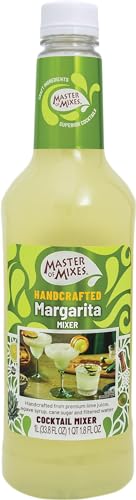
Master of Mixes Margarita Mix, 1 Liter
Badge: Best Citrus Option
Strengths
- Lime-citrus profile is the backbone of a classic daiquiri, so it pairs with rum by flavor logic
- 1 liter format suits parties and repeated use better than small bottles
- A widely distributed, long-running mixer brand — easy to restock consistently
Trade-offs
- Formulated for tequila margaritas; with rum it makes a rum-rita/daiquiri hybrid, not a traditional serve
- Sweetened mix — drinkers avoiding sweet drinks should choose a tonic pick instead
- No strawberry or fruit character; citrus is the whole story
At a glance
- Size: 1 liter bottle
- Style: Margarita mix (lime citrus), non-alcoholic
- Brand: Master of Mixes
- Use with rum: Daiquiri-style citrus base
This pick requires the most explanation in the guide, so here it is plainly: a margarita mix is a sweetened lime base, and a daiquiri is rum with lime and sweetness. Put spiced rum into a margarita mix and you have not made a margarita — you have made a close daiquiri relative, sometimes called a rum-rita, in which lime brightness cuts the rum’s richness and the spice notes read as the drink’s warm finish. It works, it is genuinely refreshing, and for spiced rums that drink heavy or syrupy, the citrus frame can be an improvement.
The 1-liter format is the practical argument. Party math favors liter bottles: fewer empties, consistent flavor across a pitcher, and a mix that also covers actual margaritas for guests who prefer tequila. Master of Mixes is a fixture of American back bars and supermarket shelves, which matters for a staple — the bottle you liked is the bottle you can buy again, tasting the same, next month.
The limitations are the mirror of the Zing Zang’s. This is a sweetened citrus mix, so it sweetens as it dilutes, and it was blended with tequila in mind, meaning salt-and-agave drinkers get their drink while rum drinkers get a hybrid. Serve it proudly as what it is — a bright, citrus, daiquiri-style spiced rum drink — and it will not disappoint. Serve it to someone expecting a classic rum and cola and it will confuse them, because it is a different, lighter drink wearing a familiar name.
Best for: citrus lovers and party hosts who want one liter bottle covering rum and tequila drinks / Not suited for: dry-drink fans, or anyone expecting a traditional spiced rum serve

Fever-Tree Tonic Water, 24 Pack, 5.1 Fl Oz Cans
Badge: Best Overall for Rum and Tonic
Strengths
- Real quinine bitterness balances spiced rum’s sweetness instead of adding to it
- 5.1 oz cans are single-serve: every drink gets fresh carbonation, nothing goes flat in the fridge
- Subtle citrus and fruit notes (per the listing) sit comfortably with vanilla-spice rum profiles
Trade-offs
- Rum and tonic is a lighter, drier serve than the classic rum and cola — not everyone wants that direction
- Tonic’s bitterness can fight very sweet, heavily spiced rums; taste before committing a case to a party
- 24 cans is a commitment format for a drink you have not yet confirmed you love
At a glance
- Format: 24 pack, 5.1 fl oz cans
- Key ingredient in API title: Real quinine
- Flavor notes in API title: Subtle citrus and fruit notes, balanced quinine bitterness
- Listing’s stated serves: Gin and tonic or vodka and tonic — used here with rum
Rum and tonic is the thinking drinker’s spiced rum serve, and this can format is its best delivery system in the guide. The logic is balance: most spiced rums are sweetened, some heavily, and piling a sweet mixer on top produces a drink that cloys by the third sip. Tonic answers with quinine bitterness and carbonation — it lengthens the rum, dries the finish, and lets the spice notes stay audible. Fever-Tree’s version, built on real quinine with citrus and fruit notes underneath, is the benchmark expression of that idea.
The 5.1 oz can is the right size for the job. A highball built on a double measure of rum wants roughly this volume of tonic, so one can equals one drink with nothing left over to go flat — the chronic waste of bottled tonic formats. Cans chill fast, travel to picnics and boats without breakage risk, and stack in a fridge door. For a home bar that serves rum and tonic weekly, this is the format that removes every small friction from the drink.
The caveat is taste direction, and it is real: some spiced rums are blended to be sweet, and their makers’ intended serve is cola. With tonic, those rums can taste thin or oddly bitter at the finish. The fix is a single-can experiment before a party commitment — and if your rum is a dry, spice-forward style, expect the pairing to flatter it immediately. This is our best overall pick because, when it works, it produces the most adult, refreshing spiced rum long drink in the guide.
Best for: spiced rum drinkers who want a drier, lighter long drink with zero flat-tonic waste / Not suited for: cola loyalists, or very sweet rums whose balance fights quinine

Fever-Tree Light Tonic Water, 24 Pack, 5.1 Fl Oz Cans
Badge: Best Lower-Calorie Serve
Strengths
- Light recipe keeps the rum-and-tonic structure for drinkers watching sugar and calories
- Mexican bitter orange note (per the listing) adds a citrus twist that suits spiced rum particularly well
- Same 5.1 oz single-serve cans: fresh fizz per drink, no flat leftovers
Trade-offs
- Light tonics taste leaner; some drinkers miss the full version’s rounder sweetness
- As with all tonic picks, the serve is drier than classic cola-based spiced rum drinks
- A 24-can case is a lot of one drink style for an undecided household
At a glance
- Format: 24 pack, 5.1 fl oz cans
- Calories in API title: 30 calories per can
- Flavor notes in API title: Hint of Mexican bitter orange, balanced botanicals
- Key ingredient in API title: Real quinine
The Light tonic exists for a specific, common negotiation: the drinker who loves the rum-and-tonic structure but not what a fully sweetened mixer does to the drink’s calorie and sugar ledger. Fever-Tree’s light recipe trims that side of the drink while keeping real quinine and the botanical balance intact, and the listing’s note of Mexican bitter orange turns out to be a quiet gift for spiced rum — orange and baking spice are natural allies, and the pairing reads warmer and more integrated than the standard tonic in many glasses.
Everything practical from the previous pick carries over: single-serve 5.1 oz cans, one can per highball, fresh carbonation every time, no flat half-bottle haunting the fridge. If your household’s spiced rum serve is a weeknight one — a single long drink rather than a weekend production — the light version is arguably the most sustainable default in this entire guide, in every sense of the word.
The trade-off is palate, not quality. Light mixers drink leaner, and a drinker who loves the plush sweetness of a classic spiced rum and cola may find this serve austere. There is also the case-size commitment to consider. But for the growing group of drinkers rebuilding their home bar around lighter serves, this is the pick that lets spiced rum stay in the rotation without negotiation — drier, brighter, and still unmistakably a rum drink.
Best for: regular rum-and-tonic drinkers who want the lighter recipe as their default / Not suited for: drinkers who love the full, sweet classic serve and find light mixers austere

Fever-Tree Tonic Water, 24 Pack, 6.8 Fl Oz Bottles
Badge: Best Glass-Bottle Format
Strengths
- 6.8 oz bottles suit a longer, slower highball or sharing one bottle across two shorter drinks
- Glass-bottle format for households avoiding cans and for a more classic bar presentation
- The listing positions it for gin or vodka and tonic — the same dry logic transfers to spiced rum
Trade-offs
- An opened bottle’s second half can lose its sparkle if the drink is not finished promptly
- Glass is heavier and breakable — worse for boats, picnics and poolside than cans
- Same dry tonic direction as the other Fever-Tree picks; not a new flavor, a new format
At a glance
- Format: 24 pack, 6.8 fl oz bottles
- Key ingredient in API title: Real quinine
- Flavor notes in API title: Subtle citrus and fruit notes balanced by quinine bitterness
- Container: Glass bottles
Honesty about what this pick is: the Fever-Tree tonic idea again, in glass. We include it as its own pick — as the pool does — because format is a real decision in a home bar, and glass bottles serve a different drinker from cans. The 6.8 oz size builds a longer highball, the kind sipped across an hour, or splits across two shorter serves for two people drinking together. Glass also presents better at a table, chills beautifully, and avoids the can-versus-bottle taste debate entirely for drinkers who have a side in it.
With spiced rum, the serve is the familiar one from the can picks: quinine bitterness against the rum’s sweetness, carbonation lifting the spice, a drier and more refreshing result than cola delivers. If you have already decided rum and tonic is your drink and your remaining question is purely ‘which format lives in my fridge?’, this bottle format is the traditionalist’s answer, and the 24-bottle case keeps a household stocked through a season of long drinks.
The costs of glass are equally familiar. An opened bottle that is not finished will not sparkle tomorrow the way an unopened can will, so this format rewards drinkers who finish what they open — or households where two drinks are poured at once. Glass is also the wrong choice anywhere breakage matters. None of that diminishes the pick; it defines it. Bottles for the home bar and the dinner table, cans for everywhere else, and the same good tonic inside both.
Best for: home-bar traditionalists who pour longer drinks and prefer glass / Not suited for: picnics, boats and poolside serving, where the cans win on safety and freshness

Fever-Tree Premium Indian Tonic Water, 16.9 Fl Oz, Pack of 8
Badge: Best Sharing Format
Strengths
- 16.9 oz bottles pour a round of rum and tonics at once — the natural party and pitcher format
- The flagship Premium Indian recipe, with no artificial sweeteners, flavourings or preservatives (per the listing)
- Fewer, larger bottles mean less packaging per drink for households that entertain
Trade-offs
- A large bottle opened for one drink will lose fizz before its next use — this format assumes company
- The least portable pick here; a fridge-shelf resident, not a picnic option
- Still the dry tonic direction — it shares the family trade-off with sweet, cola-intended rums
At a glance
- Format: 16.9 fl oz bottles, pack of 8
- Recipe note in API title: No artificial sweeteners, flavourings or preservatives
- Style: Premium Indian tonic water
- Best use: Multiple drinks per opening
Every format in this tonic family answers a different serving situation, and the 16.9 oz Premium Indian bottle answers the social one. When four people are drinking rum and tonic, single-serve cans become a blizzard of empties and a large bottle becomes the calm center of the table: pour, garnish, pass it on. The flagship Indian tonic recipe — the one the brand built its name on, without artificial sweeteners, flavourings or preservatives — is also the fullest-flavored expression of the tonic idea in this guide, which makes it the right bottle for the occasion when the drink itself is the event.
With spiced rum, a pitcher-style service has a specific advantage: consistency. One bottle, one rum, one ratio, built in a jug over ice, gives every glass the same balance — no drift between the first drink mixed and the fourth. Add citrus peels or a cinnamon stick to the jug and the spiced theme deepens in a way individual glasses rarely bother with. For hosts, this is the pick that turns a mixer choice into a small piece of hospitality craft.
The format’s one rule is unforgiving: carbonation is perishable. A 16.9 oz bottle opened for a single drink on Monday will pour sadly on Friday, and no cap fully prevents it. Buy this format for households that entertain, families that share the same drink, and weekends with a plan — and let the cans serve the solo weeknight. Judged on its own terms, as the sharing format of a benchmark tonic, it completes the family honestly.
Best for: hosts and households pouring several rum and tonics per opening / Not suited for: solo drinkers, who will waste its carbonation — the cans exist for them
Comparison Table
Formats and serve styles, compared on verified listing attributes. The most important column is the second one: it tells you what kind of drink each pick actually makes with spiced rum.
| Pick | Serve style with spiced rum | Format | Flavor anchor (from listing) | Best occasion | Check |
|---|---|---|---|---|---|
| Zing Zang Strawberry Margarita-Daiquiri Mix, 32 Fl Oz | 32 fl oz bottle | Strawberry daiquiri style | Real fruit juices | Non-alcoholic mix | Check on Amazon |
| Master of Mixes Margarita Mix, 1 Liter | 1 liter bottle | Lime citrus profile | Daiquiri-style with rum | Party format | Check on Amazon |
| Fever-Tree Tonic Water, 24 Pack, 5.1 Fl Oz Cans | 24 × 5.1 fl oz cans | Real quinine | Single-serve format | Dry, bitter balance | Check on Amazon |
| Fever-Tree Light Tonic Water, 24 Pack, 5.1 Fl Oz Cans | 24 × 5.1 fl oz cans | 30 calories per can (listing) | Bitter orange note | Light recipe, real quinine | Check on Amazon |
| Fever-Tree Tonic Water, 24 Pack, 6.8 Fl Oz Bottles | 24 × 6.8 fl oz bottles | Real quinine | Glass-bottle format | Longer-serve size | Check on Amazon |
| Fever-Tree Premium Indian Tonic Water, 16.9 Fl Oz, Pack of 8 | 8 × 16.9 fl oz bottles | Flagship Indian recipe | Sharing / pitcher format | No artificial sweeteners (listing) | Check on Amazon |
How to Choose the Best Mixers for Spiced Rum at Home
Start with the rum in your hand, not the mixer on the shelf
Spiced rums split into two camps. Sweet, vanilla-heavy rums are blended almost as liqueurs; they need bitterness or acid to stay drinkable in a long serve, which points to tonic or the lime in the citrus mixes. Dry, spice-forward rums carry their own structure and can handle sweeter partners, which is where the strawberry daiquiri mix shines. Read your bottle’s character honestly — taste it neat once — and the mixer family chooses itself. Buying mixers for an imaginary rum is how home bars fill with opened, abandoned bottles.
A useful test before any case purchase: build one drink at the ratio you actually enjoy, with one can or a small bottle, and finish it. Mixers reveal themselves across a whole glass, not a sip — sweetness accumulates, bitterness integrates, and carbonation fades on a schedule that a tasting spoon cannot predict.
Ratios: the quiet skill of the long drink
For rum and tonic, start near one part spiced rum to three parts tonic over plenty of ice, then adjust: more tonic for a drier, lighter drink, less for a rum-forward one. For the citrus mixes, the daiquiri frame suggests roughly two parts rum to one part mix, shaken or blended with ice, tasting before adding anything sweet — both mixes arrive sweetened. Ratios are starting points, not laws, but writing down the one you loved is the difference between a house drink and a lucky accident.
Ice is an ingredient, not a garnish. A glass full of fresh ice keeps a long drink cold and carbonated longer, and dilutes more slowly than a few cubes swimming in the mix. The single-serve can formats in this guide assume a properly iced highball; short the ice and even the best tonic tastes tired by mid-glass.
Format economics: cans, bottles and the flatness tax
Every tonic format pays a different flatness tax. Cans tax nothing: each opening is a full drink at full fizz, at the cost of more packaging per ounce. Small glass bottles tax the second half of a bottle if it waits. Large bottles tax everything after the first session unless the household drinks the same serve together. None of this makes one format ‘best’ — it makes each format best for a serving pattern, which is why this guide carries three sizes of one tonic without embarrassment.
Apply the same thinking to the citrus mixes. A 32 oz or 1 liter bottle, once opened, belongs in the fridge with a use-by plan measured in weeks of parties, not months of intentions. Households that drink these serves monthly should buy the size they will finish while it still tastes like the first pour.
Where cola and ginger beer fit — honestly
This guide’s pool does not include cola or ginger beer, the two classic spiced rum partners, and pretending the pool is the whole world would be a disservice. If you love a spiced rum and cola, keep drinking it; the tonic and citrus serves here are additions to a repertoire, not replacements for a favorite. Ginger beer in particular — spicy, sweet, assertive — remains the benchmark partner for dark, stormy-leaning spiced rum drinks, and a complete home bar stocks it alongside a tonic, not instead of one.
How to Build the Drinks: Serves, Garnishes and Batches
The rum and tonic, step by step
The serve that four of our six picks exist for:
- Fill a highball glass to the top with fresh ice — more ice than feels reasonable.
- Pour a double measure of spiced rum over the ice.
- Add tonic slowly down the side of the glass to keep the fizz alive: one 5.1 oz can is the natural single serving.
- Stir once, gently, with a long spoon. Agitation is carbonation’s enemy.
- Garnish to the rum: an orange twist flatters vanilla-spice rums, a lime wedge sharpens sweeter ones, and a cinnamon stick leans into the spice theme for a party serve.
- Taste and write down your ratio. The second drink should be a decision, not a guess.
Daiquiri-style serves with the citrus mixes
For the Zing Zang: blend with ice for the frozen strawberry daiquiri, or shake with ice and strain over fresh ice for the cleaner version; the spiced rum’s warmth against cold strawberry is the whole pleasure. For the Master of Mixes: shake spiced rum and mix with ice in roughly a two-to-one rum-to-mix ratio, strain over fresh ice, and call it what it is — a rum-rita, bright and lime-led. Both mixes are sweetened, so resist adding syrup until you have tasted the finished drink.
Troubleshooting: three spiced rum drink problems
Problem: the rum and tonic tastes harshly bitter → what to do: your rum is likely very sweet and fighting the quinine. Add a small splash of the citrus mix or a squeeze of orange to bridge the flavors, or move that rum to the daiquiri-mix serves and keep tonic for drier rums.
Problem: the drink goes flat and sweet by halfway → what to do: more ice, colder glassware, tonic poured last and gently, and a single-serve can format so the tonic starts at full fizz.
Problem: a party pitcher tastes different in every glass → what to do: build the whole serve in the jug over ice (the 16.9 oz Premium Indian format exists for this), stir the jug before each pour, and never top up individual glasses with straight rum.
Spiced Rum’s Wider Mixer Map
A home bar built around one spirit grows by adjacency. The tonic family in this guide is the same family that anchors the vodka serves in Best Mixers For Strawberry Vodka — a strawberry vodka and tonic is the summer cousin of your rum and tonic, and a case of cans serves both. Citrus mixes travel too: the daiquiri logic that pairs them with spiced rum is the margarita logic that pairs them with tequila, which is why one liter bottle can cover a whole party’s worth of different drinkers.
The discipline that keeps a mixer shelf useful is finishing what you open. Two families, a few formats, bought in the sizes your household actually finishes — that is a working bar. Ten opened bottles in the fridge door is a museum. This guide’s six picks, chosen by family and format, are designed to be the working version.
Garnishes That Actually Earn Their Place
A garnish should connect the mixer’s flavor to the rum’s spice, not decorate the glass at random. With the tonic serves, citrus peel is the working garnish: orange peel’s oils sit directly on top of spiced rum’s vanilla and clove notes, while lime adds the sharper lift a sweeter rum needs. Express the peel over the glass — squeeze it so the oils spray the surface — and the first sip changes noticeably. With the Light tonic’s bitter-orange note, orange peel doubles the effect and is the single best garnish in this guide.
For the citrus-mix serves, garnish inside the drink’s own logic: a strawberry and a lime wedge for the daiquiri mix, a salted rim only if you are deliberately leaning into the rum-rita idea. Whole spices are the party flourish — a cinnamon stick or a few cloves floated in a pitcher built on the Premium Indian bottles reads as intentional and perfumes the whole jug. What does not earn its place is the generic cocktail cherry dropped into everything; it sweetens without direction, and direction is what every garnish above provides.
Stocking for a Party Without Overbuying
Party math, done honestly, prevents both shortages and a fridge of opened bottles. Count long drinks at roughly one 5.1 oz can of tonic per drink, and plan the big-bottle Premium Indian format only when a single serve style will be poured repeatedly. For the citrus family, one 32 oz or 1 liter bottle covers a modest round of daiquiri-style drinks; buy the second bottle only when the guest list, not optimism, demands it.
Serve structure helps too: offer one tonic serve and one citrus serve rather than five improvisations. Guests happily choose between two good drinks, the ice lasts, the ratios stay written down, and the host gets to drink something as well. That two-serve structure is exactly what this guide’s two families were shortlisted to provide.
Common Buying Mistakes
The recurring errors in spiced rum mixing are easy to avoid once named:
- Piling a sweet mixer onto a sweet rum and wondering why the drink cloys — contrast is the mixer’s job.
- Buying a 24-can case of tonic for a party before testing one can against your specific rum.
- Opening a 16.9 oz bottle for a single drink and expecting Friday’s pour to sparkle.
- Under-icing the glass, then blaming the tonic for a drink that went flat and warm.
- Treating the four Fever-Tree picks as four flavors and buying all of them, instead of one recipe in the format that fits your serving pattern.
- Adding sugar or syrup to a daiquiri-style serve before tasting — both citrus mixes arrive sweetened.
Avoid those, and the choice in this guide reduces to two honest questions: fruity or dry, and how many drinks per opening.
One softer mistake deserves a mention too: judging a mixer by the first sip of the first drink. Sweetness tires and bitterness integrates across a full glass, carbonation fades, and ice dilutes — a serve is a fifteen-minute experience, not a spoonful. The mixers that win in this guide win across the whole glass and the second one after it. Give any new pairing a full drink, at your real ratio, in your real glassware, before you promote it to house status or dismiss it from the shelf.
Final Recommendation
Start with the Fever-Tree tonic cans if you want this guide’s single best answer: a drier, balanced rum and tonic with a fresh can per drink — Check on Amazon, and take the Light version if the lighter recipe suits your weeknight default — Check on Amazon. For parties and fruit, the Zing Zang strawberry daiquiri mix is the pool’s most natural rum pairing — Check on Amazon.
Choose the Master of Mixes liter for citrus at party scale, the 6.8 oz glass bottles if your bar is a glass household, and the 16.9 oz Premium Indian bottles when several drinks are poured per opening. And keep the guide’s honesty with you: cola and ginger beer remain classics for a reason — these six picks are how you expand beyond them, not a verdict against them.
Frequently Asked Questions
What is the classic mixer for spiced rum?
Cola is the classic, with ginger beer the other traditional partner. This guide’s assigned pool covers the two main alternatives: citrus daiquiri-style mixes and premium tonics. We recommend the pool’s serves on their own merits and say plainly that they expand, rather than replace, the classics.
Does tonic water really go with spiced rum?
Yes — rum and tonic is an established modern serve. Quinine bitterness and carbonation counter spiced rum’s sweetness, producing a drier, more refreshing long drink. The exception is very sweet rums, which can taste thin or harsh with tonic; test one can against your bottle before buying a case.
Which Fever-Tree format should I buy?
Match format to serving pattern: 5.1 oz cans for one drink at a time with guaranteed fizz, 6.8 oz glass bottles for longer home-bar drinks, and 16.9 oz bottles only when several drinks are poured per opening. The Light cans are the same single-serve logic with a lighter recipe.
Can I use a margarita mix with rum?
Yes — a sweetened lime mix plus rum is effectively a daiquiri-style drink, sometimes called a rum-rita. The Master of Mixes pick works this way, and the Zing Zang is explicitly a margarita-daiquiri mix, with the daiquiri being a rum cocktail by definition.
What ratio of rum to tonic is right?
Start at one part spiced rum to three parts tonic over a full glass of ice, then adjust to your rum’s sweetness — drier rums can take a shorter pour, sweeter rums benefit from more tonic. Write down the ratio you love so the drink is repeatable.
How long does an opened mixer bottle stay good?
Carbonated tonic loses fizz steadily once opened, which is why format choice matters: drink large bottles within the occasion they were opened for. Still citrus mixes keep longer refrigerated, but plan to finish a 32 oz or 1 liter bottle across a few weeks of use rather than months.


