Disclosure: topratedkitchenware.com is reader-supported. When you buy through links on our site, we may earn an affiliate commission from Amazon and other retailers, at no extra cost to you.
Where to buy
If you are shopping for the best food processors for smoothies, start with an honest warning that shapes this whole guide: a food processor is not a blender, and no machine below will turn frozen fruit and ice into a silky drink the way a blender jar does. What a processor can do well is soft-fruit smoothies, smoothie bases, green blends with plenty of liquid, and the thick, spoonable mixtures that sit between a smoothie and a puree. The six models below are the shortlist this guide is built around. Two of them carry Amazon links because their verified listings state a puree function or a leak-proof liquid seal; the other four are reviewed in full as prose-only entries because their listings describe chopping and grinding only, with no liquid or puree data we could honestly tie to smoothies. Listings change often, so use the links to check the current detail before you buy.
- Cuisinart Elemental 4-Cup Chopper/Grinder ECH-4SV — prose-only in this guide (chopper/grinder listing, no puree or liquid capacity stated)
- KitchenAid 3.5 Cup Food Chopper KFC3516ER, Empire Red — prose-only in this guide (chopper listing, no puree or liquid capacity stated)
- BLACK+DECKER 1.5-Cup Electric Food Chopper — prose-only in this guide (chopper listing, no puree or liquid capacity stated)
- KitchenAid 3.5 Cup Food Chopper KFC3516CU, Contour Silver — prose-only in this guide (chopper listing, no puree or liquid capacity stated)
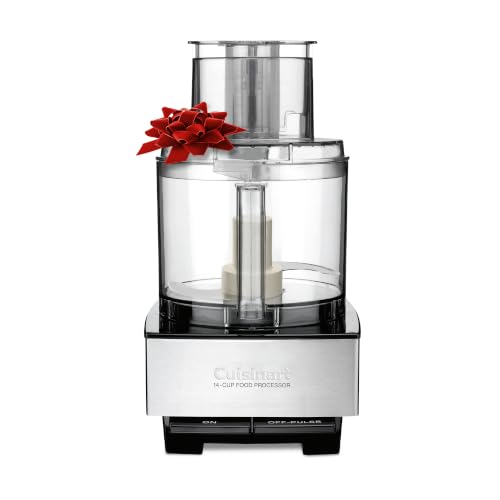
- Cuisinart 14-Cup Food Processor DFP-14BCNY — Check on Amazon
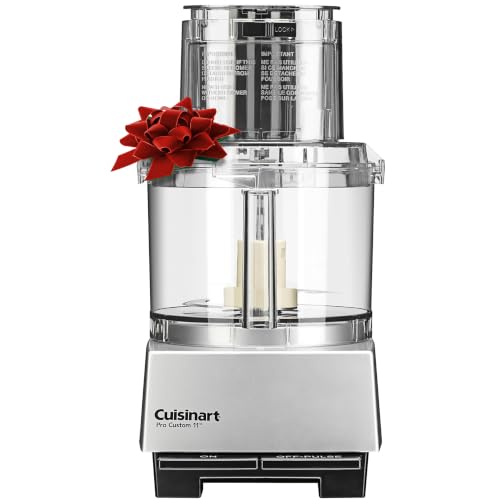
- Cuisinart 14-Cup Food Processor FP-1400 — Check on Amazon
Read the full guide ↓
Finding the best food processors for smoothies means redefining what success looks like. In a blender, blades sit at the bottom of a tall, narrow jar and pull ingredients down into a vortex, which is why blenders liquefy. In a food processor, a flat blade spins near the base of a wide bowl and throws ingredients outward against the walls. That geometry is brilliant for chopping, shredding, and kneading, and genuinely useful for soft, liquid-rich blends — but it leaves pockets of unprocessed fruit, struggles with ice, and needs more liquid and more scraping than a blender to reach a drinkable texture. If your smoothie routine is built on soft bananas, berries, yogurt, protein powder, and a generous splash of milk or juice, a good processor can absolutely handle it, and it earns its counter space the rest of the week with ordinary prep. If your routine is frozen mango, ice cubes, and leafy greens with minimal liquid, keep reading for the limits, because they are real.
This guide therefore judges every pick first on the smoothie-adjacent evidence in its own verified listing — a stated puree function, a sealed lid that can hold liquid, a bowl big enough to blend in batches — and only second on general chopping talent. Four of the six machines here are excellent small choppers whose listings simply do not claim the liquid work a smoothie needs, so they appear as prose-only reviews with their real strengths described and their smoothie limits stated plainly. The two large Cuisinart models are the honest recommendations for anyone determined to blend in a processor bowl, and even they come with technique notes rather than promises. Readers whose blending needs lean hot and liquid should also look at our companion guide to the Best Food Processors For Soup, where the same sealed-bowl logic matters even more.
Key Takeaways
- A food processor can make soft, liquid-rich smoothies and smoothie bases, but it cannot match a blender on frozen fruit, ice, or silky texture — buy it for prep versatility, not as a blender replacement.
- Only two picks here are linked: the Cuisinart DFP-14BCNY, whose listing states a puree function, and the Cuisinart FP-1400, whose listing states a leak-proof SealTight lid for liquid batches. The four compact choppers are prose-only because their listings state chopping and grinding only.
- Liquid is the technique: add more liquid than a blender recipe uses, blend in smaller batches, and stop to scrape the bowl walls, where the flat blade throws ingredients.
- Bowl size cuts both ways — a fourteen-cup bowl blends family batches but needs a minimum volume to work, while a three-cup chopper is right-sized for a single soft serving.
- Never fill a processor bowl to the brim with liquid; leave headroom, work in batches, and expect a chunkier, more rustic texture than a blender gives.
- If smoothies are your main goal and prep is secondary, a blender is the honest first purchase; a processor is the pick when chopping, shredding, and dough share the workload.
In this guide
Quick Picks
Six machines, two honest smoothie candidates and four excellent choppers whose listings make no liquid claims. Badges reflect each machine’s real lane, and the two linked picks are the only ones we can point at a smoothie with a clear conscience.
| Pick | Badge | Why it earns its place |
|---|---|---|
| Cuisinart Elemental 4-Cup Chopper/Grinder ECH-4SV | Best Compact Chopper (Prose-Only) | A four-cup chopper and grinder with a locking blade for clean pouring of sauces and soft blends, but no puree or liquid capacity stated in its listing. |
| KitchenAid 3.5 Cup Food Chopper KFC3516ER | Best Small-Batch Chopper (Prose-Only) | A three-and-a-half-cup chopper with two speeds plus pulse and a dishwasher-safe bowl — sized for one soft serving, with no liquid claim in its listing. |
| BLACK+DECKER 1.5-Cup Electric Food Chopper | Best for Tiny Jobs (Prose-Only) | The smallest machine here, a one-and-a-half-cup one-touch chopper for dressings and baby-food-sized portions rather than drinks. |
| KitchenAid 3.5 Cup Food Chopper KFC3516CU | Best Neutral-Finish Chopper (Prose-Only) | The silver twin of the red KitchenAid chopper, with the same bowl, blade, and controls and the same honest smoothie limits. |
| Cuisinart 14-Cup Food Processor DFP-14BCNY | Best Overall for Smoothies | The only pick whose listing names puree among its jobs, in a fourteen-cup bowl with a seven-hundred-twenty-watt motor behind it. |
| Cuisinart 14-Cup Food Processor FP-1400 | Best Sealed Bowl for Liquid Batches | A fourteen-cup flagship whose leak-proof SealTight lid is the feature liquid blends actually need, with in-bowl storage for its tools. |
How These Picks Were Chosen
This is a research-led guide, not a hands-on lab report, and the method matters more than usual here because the keyword itself invites exaggeration. We started from a verified pool of food processors whose Amazon listings were confirmed through the Creators API on 2026-11-20, and we read each listing title the way a careful shopper should: as the only set of claims we are entitled to repeat. For a smoothie guide, the claims that count are narrow. Does the listing state a puree function? Does it state a sealed or leak-proof lid that can hold liquid without weeping at the rim? Does it state a capacity that makes a family batch plausible, or a compact size that suits a single serving? Picks that answered yes to the puree or liquid-seal question earned links and images. Picks whose listings described only chopping, grinding, slicing, or shredding were kept in the guide — they are real machines readers will meet while shopping — but demoted to prose-only status, with no link and no image, and with their smoothie limitations written into their reviews rather than smoothed over.
We also weighted the unglamorous details that decide whether processor smoothies work in practice: bowl geometry, the need for headroom above liquid, how easily the bowl and blade wash, and whether the machine’s everyday prep talents justify its footprint on the days nobody is blending. Two near-identical KitchenAid choppers appear because both color variants sit in the verified pool; their reviews say plainly that they are the same machine in different finishes, so no reader mistakes them for two different recommendations. Finally, we applied the standing rules of this site to every line: no static prices, no fixed ratings or review counts, and no specifications beyond what each verified listing states. Where a listing is silent — on liquid capacity, on ice, on minimum fill — we say it is silent, and we tell you how to work around the silence with technique instead of pretending the feature exists.
The 6 best food processors for smoothies, reviewed in detail
Read the badges and verdicts as routing, not ranking. The first four reviews describe capable compact choppers that we cannot link for smoothie use; the last two are the machines this guide actually recommends for blending in a bowl, with their own limits stated just as plainly.
Cuisinart Elemental 4-Cup Chopper/Grinder ECH-4SV
Badge: Best Compact Chopper (Prose-Only)
Strengths
- Four-cup capacity is a sensible single-serving size for soft blends, sauces, and smoothie bases.
- The BladeLock safety system secures the SmartPower blade for easy pouring, which helps when tipping a finished blend into a glass.
- Chopper and grinder roles cover smoothie-adjacent prep — ground flax, chopped nuts for topping, herb oils — in the same small footprint.
Trade-offs
- Its listing states chopping and grinding only; no puree function and no liquid capacity is claimed, so it is prose-only in this guide.
- A chopper blade in a small bowl will leave soft-fruit blends rustic rather than smooth, and frozen fruit is beyond its brief.
- Four cups fills fast once liquid, fruit, and yogurt compete for headroom.
Mini spec box
- Capacity: 4 cups (as listed)
- Blade: SmartPower blade with BladeLock safety system
- Roles stated in listing: chopper / grinder
- Finish: silver
The Elemental is the kind of machine that earns a permanent corner of the counter in small kitchens: a four-cup chopper and grinder that handles onions, nuts, herbs, and spice blends without the ceremony of a full-size processor. For smoothie drinkers, its appeal is the supporting work around the drink rather than the drink itself. It grinds the flaxseed or chia you stir into a blend, chops the nuts you scatter on top, and purees — in the loose, everyday sense — soft combinations like banana with yogurt into a thick base you can thin in the glass. The locking blade deserves its mention here, because pouring from a chopper bowl usually means holding a loose blade back with a spoon; a blade that secures for pouring makes transferring a soft blend cleaner and safer.
What it will not do is behave like a blender. The listing makes no puree claim and states no liquid capacity, and a four-cup bowl with a chopping blade will give you a textured, spoonable result from soft ingredients and a stubborn one from anything frozen. Treat it as a prep tool that can finish a gentle breakfast blend, not as smoothie equipment, and it will not disappoint you. Because its listing states no liquid or puree data, this pick is prose-only: no Amazon link and no product image, by the rule this guide applies to every pick.
Best for: small kitchens that want a chopper-grinder for prep and soft bases / Not suited for: frozen-fruit smoothies or anyone expecting a drinkable, silky texture
KitchenAid 3.5 Cup Food Chopper KFC3516ER, Empire Red
Badge: Best Small-Batch Chopper (Prose-Only)
Strengths
- Three-and-a-half-cup bowl is honestly sized for one person’s soft smoothie or smoothie bowl base.
- Two speeds plus pulse give more control over texture than a single-button chopper.
- Dishwasher-safe work bowl and an easy cord wrap make daily use and storage painless.
Trade-offs
- The listing describes a food chopper with a multi-purpose blade; it states no puree function and no liquid capacity, so this pick is prose-only here.
- Leafy greens and fibrous fruit tend to ride above a chopper blade unless plenty of liquid carries them down.
- The Empire Red finish is a commitment if your kitchen colors change often.
Mini spec box
- Capacity: 3.5 cups (as listed)
- Blade: stainless steel multi-purpose blade
- Controls: 2 speeds plus pulse
- Care: dishwasher-safe work bowl; easy cord wrap
- Finish: Empire Red
KitchenAid’s little chopper is one of the most likeable small appliances in this pool: a three-and-a-half-cup bowl, a stainless steel multi-purpose blade, two speeds with a pulse option, and a bowl that goes in the dishwasher when you are done. As a smoothie-adjacent tool it suits the single-serving ritual well. A ripe banana, a handful of soft berries, yogurt, and a splash of milk fit its scale, and the two-speed control lets you stop at a thick, spoonable texture instead of obliterating everything into foam. The pulse is genuinely useful for folding in ingredients you want to keep distinct, like a handful of oats or a spoon of nut butter at the end.
The honesty paragraph matters, though. This is a chopper, and its listing says so: no puree program, no stated liquid capacity, no sealed-lid claim. Greens will need help — more liquid than a blender recipe calls for, and a stop to push leaves down into the blade’s path. Frozen fruit will rattle rather than blend. Readers who want a machine that handles the whole plant-based range, from soft blends to serious prep, will find the larger bowls in our guide to the Best Food Processors For Vegans a better match. Here, the KitchenAid is prose-only — reviewed in full because shoppers will meet it everywhere, but carrying no link or image under this guide’s liquid-evidence rule.
Best for: one-person soft blends, sauces, and everyday small chopping / Not suited for: green smoothies with minimal liquid, frozen ingredients, or family batches
BLACK+DECKER 1.5-Cup Electric Food Chopper
Badge: Best for Tiny Jobs (Prose-Only)
Strengths
- One-and-a-half-cup size is perfect for the smallest smoothie-adjacent jobs: a single dressing, a baby-food portion, a two-spoon sauce.
- One-touch pulse operation is as simple as controls get, with a stay-sharp blade behind it.
- Dishwasher-safe parts and a small footprint suit tiny kitchens and dorm-style setups.
Trade-offs
- Its listing states chopping only — a one-touch chopper with a one-hundred-fifty-watt motor — with no puree or liquid claim, so it is prose-only in this guide.
- One and a half cups cannot hold a full serving once liquid and fruit are both in the bowl.
- A single pulse control offers little texture management for blends.
Mini spec box
- Capacity: 1.5 cups (as listed)
- Motor: 150W (as listed)
- Blade: stay-sharp blade
- Controls: one-touch pulse
- Care: dishwasher safe (as listed)
Every kitchen has a smallest useful tool, and this is it: a one-and-a-half-cup electric chopper that lives for garlic, shallots, a handful of herbs, and the vinaigrette you shake together for one salad. In a smoothie conversation its role is strictly miniature. It can mash a banana with a little yogurt for a baby or toddler portion, whisk a protein powder into a small amount of milk without lumps if you pulse gently, or blend the soft fruit layer of a two-tone drink in miniature. Its one-touch pulse and dishwasher-safe parts mean the job and the cleanup both take moments, which is exactly why people keep these little machines for years.
Beyond that scale, honesty takes over. A one-hundred-fifty-watt chopper with no stated puree function and no liquid capacity in its listing is not smoothie equipment, and pretending otherwise would set readers up for a rattling bowl and a lumpy drink. We include it because shoppers searching this keyword will absolutely encounter it, and because as a prose-only entry it marks the floor of the category clearly: below family-size bowls and sealed lids, what you are buying is a chopper, and choppers chop. Buy it for the tiny jobs it names, and it will do them well for a long time.
Best for: miniature portions, dressings, and first-food mashes / Not suited for: any full-size smoothie, frozen fruit, or leafy blends
KitchenAid 3.5 Cup Food Chopper KFC3516CU, Contour Silver
Badge: Best Neutral-Finish Chopper (Prose-Only)
Strengths
- Identical, proven layout to the red variant: three-and-a-half-cup dishwasher-safe bowl and a stainless steel multi-purpose blade.
- Two speeds plus pulse keep small soft blends and sauces under your control.
- Contour Silver finish disappears into stainless-steel kitchens where a red appliance would shout.
Trade-offs
- Same listing limits as its twin: a chopper brief with no puree function and no liquid capacity stated, hence prose-only here.
- Nothing about the silver finish changes smoothie performance — it is a color decision, not an upgrade.
- Small bowls need minimum volumes too; a half banana and a splash of milk may not engage the blade well.
Mini spec box
- Capacity: 3.5 cups (as listed)
- Blade: stainless steel multi-purpose blade
- Controls: 2 speeds plus pulse
- Care: dishwasher-safe work bowl; easy cord wrap
- Finish: Contour Silver
We will not pretend this is a different machine from the Empire Red chopper reviewed above, because it is not: same three-and-a-half-cup bowl, same stainless steel multi-purpose blade, same two speeds plus pulse, same dishwasher-safe cleanup and cord wrap. The difference is a finish that suits kitchens built around stainless steel and pale stone, and for some buyers that is the whole decision. Its smoothie-adjacent behavior is identical too — happy with a ripe banana, soft berries, yogurt, and enough liquid to keep everything moving; lost with frozen chunks and dry greens; honest only when described as a chopper that can finish a gentle blend rather than a blender in disguise.
Why list both colors at all? Because the verified pool contains both, and because a reader comparing listings deserves to hear that the choice between them is cosmetic. If your kitchen is red-accented, the Empire Red version is the same purchase; if it is not, this one is. Either way, the listing states no puree function and no liquid capacity, so under this guide’s evidence rule the silver KitchenAid is also prose-only, with no link and no image. Judge it as a very good small chopper with a tidy finish, and let the two large Cuisinarts below carry the smoothie argument.
Best for: style-matched small kitchens wanting the KitchenAid chopper in silver / Not suited for: anyone shopping on performance differences that do not exist between the two colors

Cuisinart 14-Cup Food Processor DFP-14BCNY
Badge: Best Overall for Smoothies
Strengths
- The only pick whose verified listing names puree among its jobs, alongside mincing, dicing, shredding, and kneading dough.
- Fourteen-cup bowl blends family-size batches and gives liquid room to move instead of climbing out.
- A seven-hundred-twenty-watt motor has the headroom to keep a thick blend turning where small choppers stall.
Trade-offs
- Even with a puree brief, texture stays rustic next to a blender — expect body and fine pulp, not silk.
- A bowl this large needs a minimum batch; a single small smoothie may not engage the blade properly.
- It is a full-size appliance with full-size storage and washing-up to match.
Mini spec box
- Capacity: 14 cups (as listed)
- Motor: 720 watts (as listed)
- Jobs stated in listing: mincing, dicing, shredding, puree, kneading dough
- Build: stainless steel
- Model: DFP-14BCNY
This is the machine the smoothie argument actually turns on. The DFP-14BCNY is Cuisinart’s long-running fourteen-cup flagship, and its listing does the one thing no other pick here does: it names puree as a job the machine is built for. That word matters. A puree brief means the blade, bowl, and motor were designed to keep wet ingredients circulating until they break down, which is precisely the motion a soft smoothie needs. In practice, load the bowl with liquid first, add yogurt and soft fruit, hold back anything frozen or rock-hard, and let the seven-hundred-twenty-watt motor run in longer stretches than you would use for chopping, stopping once or twice to scrape the walls where the blade throws the blend. What comes out is a thick, honest smoothie — closer to a smoothie bowl or a fresh fruit puree drink than to a juice-bar pour — and for many households that texture is not a compromise at all.
The rest of the week, this is simply a superb general processor: mincing, dicing, and shredding at family scale, and kneading dough in the same bowl, which is why it anchors so many of our food processor guides. Its limits are the category’s limits, not defects. Ice will chip unevenly and tax the blade; a tiny single serving will slosh below the blade’s working zone; and no amount of running time will give you the vortex-driven silkiness of a blender jar. Buy it as the best processor for smoothie work, use the technique section below, and it will reward you. Readers cross-shopping hot blends should note the same puree brief is why this model leads our Best Food Processors For Soup guide as well.

Best for: families who want one full-size processor that can puree soft smoothies and handle serious prep / Not suited for: ice-heavy drinks, juice-bar texture, or single small servings

Cuisinart 14-Cup Food Processor FP-1400
Badge: Best Sealed Bowl for Liquid Batches
Strengths
- Leak-proof SealTight lid, stated in the listing, is the feature liquid blends actually need — no weeping at the rim mid-blend.
- Fourteen-cup capacity matches the DFP for family batches, with room for liquid headspace.
- Slices across a one-to-seven-millimetre range and shreds, kneads dough, and stores its tools in the bowl.
Trade-offs
- The listing states the liquid seal, slicing, shredding, and kneading — it does not use the word puree, so we link it for its sealed liquid handling and describe its blending conservatively.
- Like every processor, it cannot create a blender’s vortex; frozen fruit and ice remain poor matches.
- Dishwasher-safe parts help, but a fourteen-cup bowl and lid still dominate a rack.
Mini spec box
- Capacity: 14 cups (as listed)
- Lid: Leak-proof SealTight lid (as listed)
- Slicing range: 1–7 mm (as listed)
- Jobs stated in listing: slicing, shredding, kneading dough
- Care: dishwasher-safe parts; in-bowl storage
- Model: FP-1400
If the DFP earns its link with a word, the FP-1400 earns its link with a seal. Anyone who has run a wet batch in an older processor knows the failure mode: liquid climbs the bowl, finds the rim, and mists the counter. The FP-1400’s listing leads with a leak-proof SealTight lid, and that single feature changes what a fourteen-cup bowl can attempt — soft smoothies, smoothie bases for the freezer, and blended drinks with generous liquid all become realistic, because the bowl can hold its contents while the blade works. Pair the seal with the capacity, and you have the most liquid-friendly processor in this pool, a point our evaluation-method guide to the Best Food Processors Good Housekeeping also weighs heavily, since tidy liquid handling is exactly what structured testing tends to reward.
Keep the description honest, though: the listing promises a seal, slicing from one to seven millimetres, shredding, and dough kneading, with dishwasher-safe parts and in-bowl storage — it does not promise puree by name. In the bowl, that means soft ingredients and enough liquid are still the recipe, scraping still matters, and the result is a hearty, textured smoothie rather than a strained, silky one. What the seal buys you is confidence at volume: a full family batch, run long enough to break down banana, berries, and greens with plenty of liquid, without redecorating the kitchen. For smoothie households that also slice and shred constantly, that combination is the argument for this machine over its older sibling.
Best for: large, liquid-rich batches where a sealed bowl prevents leaks / Not suited for: frozen-fruit drinks or anyone who needs a named puree program before they buy
Comparison Table
| Pick | Capacity (as listed) | Smoothie evidence in listing | Other jobs stated | Link |
|---|---|---|---|---|
| Cuisinart Elemental ECH-4SV | 4 cups | None — chopper/grinder only | Chopping, grinding, locking blade for pouring | Prose-only |
| KitchenAid KFC3516ER | 3.5 cups | None — chopper only | 2 speeds plus pulse, dishwasher-safe bowl | Prose-only |
| BLACK+DECKER 1.5-Cup Chopper | 1.5 cups | None — chopper only | One-touch pulse, 150W motor | Prose-only |
| KitchenAid KFC3516CU | 3.5 cups | None — chopper only | 2 speeds plus pulse, dishwasher-safe bowl | Prose-only |
| Cuisinart DFP-14BCNY | 14 cups | Puree named in listing | Mincing, dicing, shredding, kneading; 720W | Check on Amazon |
| Cuisinart FP-1400 | 14 cups | Leak-proof SealTight lid for liquids | Slicing 1–7 mm, shredding, kneading | Check on Amazon |
How to Choose a Food Processor for Smoothie Work
Start by deciding what your smoothie actually is, because the right machine follows from the recipe, not the other way round. If your glass is mostly soft fruit, yogurt, nut butter, protein powder, and a generous pour of milk or juice, a processor with a puree brief or a sealed lid can make it well, and you gain a full prep machine in the bargain. If your glass is mostly frozen fruit, ice, and fibrous greens with just enough liquid to move, no processor in this guide — or any guide — will match a blender, and the honest purchase is a blender first and a processor later. Most households sit between those poles, blending soft drinks a few times a week and chopping, shredding, or kneading far more often. For them, the processor is the rational buy, with smoothies as a welcome extra rather than the headline act.
Next, read listings the way this guide does: for evidence, not adjectives. A stated puree function is evidence. A stated leak-proof or sealed lid is evidence. A stated capacity tells you your batch ceiling and, just as importantly, hints at the minimum batch a big bowl needs before the blade can engage the mixture. Everything else — chopper language, grinder language, slicing and shredding discs — describes prep talent, which matters for the machine’s day job but says nothing about drinks. Bowl geometry deserves a thought too: wide bowls throw blends outward, so expect to scrape; that is normal processor behavior, not a flaw in a particular model. Finally, weigh the cleanup you will actually do. Dishwasher-safe bowls and blades, in-bowl storage, and cord wraps sound dull next to smoothie talk, but a machine that washes easily gets used for the Tuesday blend, while a fiddly one gets skipped.
Size the purchase to the household with simple math. A single drinker making one soft serving at a time can live happily with a compact chopper for prep and should choose between the two fourteen-cup Cuisinarts only if family batches or serious prep justify the footprint. A household blending for three or four people needs the large bowl: small machines force batch after batch, and each extra batch is another scrape, another pour, another rinse. And whatever size you choose, budget your expectations along with your money. Processor smoothies are thick, fresh, and rustic; they carry fine pulp and body. If that description sounds like a smoothie bowl you would happily eat with a spoon, you are shopping in the right category. If it sounds like a compromise you would complain about daily, the category is wrong, not the models.
How to Make a Smoothie in a Food Processor, Step by Step
Technique closes most of the gap between a processor and a blender, so treat this sequence as part of the purchase. First, load in the blender’s order, not the chopper’s: liquids first, then soft ingredients, then anything dense, so the blade starts in fluid and pulls solids down as it works. Second, use more liquid than the printed recipe suggests — a processor has no vortex, so the blend needs fluid to circulate; add it in two pours rather than flooding the bowl at once. Third, work in batches that leave clear headroom below the rim, especially in an unsealed bowl, and never fill to the stated capacity with liquid. Fourth, run the machine in longer stretches than chopping takes, stopping two or three times to scrape the walls and lid, where the flat blade throws fruit and greens. Fifth, finish by taste and texture: a spoon of nut butter or yogurt thickens, an extra splash of liquid loosens, and a final short run marries everything. Serve thick blends in glasses with wide straws or in bowls with toppings, and the rustic texture becomes the point rather than the problem.
Cleaning right after blending is the other half of the routine, because fruit sugars and yogurt dry into exactly the seams you least want to scrub. Rinse the bowl, blade, and lid immediately; run warm water with a drop of soap in the bowl for a few pulses if your model’s instructions allow it; and use the dishwasher for parts listed as dishwasher-safe. Dry the blade fully before storage, and store loose blades in the bowl only if the design provides in-bowl storage, as the FP-1400 does — loose blades in a drawer are how fingertips get hurt.
Troubleshooting. Problem: the blend rides up the walls and the middle stays chunky → stop, scrape everything down toward the blade, add a splash of liquid, and run again; repeat rather than running longer. Problem: greens stay in ribbons → add greens with the liquid at the start, in smaller handfuls, and give them the longest run before adding fruit. Problem: liquid weeps from the lid → reduce the batch, check the lid is seated and locked, and keep wet batches below the rim with clear headroom; a sealed-lid model removes most of this worry.
Processor vs. Blender: The Honest Comparison
Because this keyword sits on a category boundary, the comparison deserves its own section. A blender’s tall jar and bottom blades create a vortex that folds ingredients into the cutting zone continuously, which is why blenders win on frozen fruit, ice, fibrous greens, and silkiness, and why they need less liquid and less supervision. A processor’s wide bowl and flat blade excel at everything a blender cannot do at all: shredding cheese and cabbage, slicing evenly, chopping without liquefying, and kneading dough. The overlap is the middle band — soft purees, sauces, dips, and gentle smoothies — where both can work and the processor’s version comes out thicker. Shoppers who arrived here from bowl-material research, including our guide to the Best Food Processors Glass Bowl, should know the same boundary applies there: bowl material changes durability and staining behavior, not blending physics.
The practical verdict is about workload share. If drinks are eighty percent of your blending life, buy the blender and let a small chopper handle prep. If prep is eighty percent and drinks are a soft-fruit sideline, buy the processor — one of the two linked Cuisinarts — and use the technique above. The unhappy buyers are the ones who asked either machine to be the other one full-time.
Smoothie Bases, Bowls, and Freezer Prep: Where a Processor Shines
There is one smoothie job where the processor arguably beats the blender: making bases in bulk. A fourteen-cup bowl can break down a large batch of banana, mango, berries, and yogurt into a thick base that you portion into freezer containers or ice trays, then thaw and loosen with milk or juice at serving time. The thickness that disappoints in a glass is perfect here, because the base is meant to be concentrated. The same bowl turns out smoothie-bowl mixtures — frozen banana softened just enough to process with cocoa or nut butter into a spoonable swirl — and the chopping blade handles the granola, nuts, and fruit toppings afterward. Households that meal-prep breakfasts will get more from this pattern than from chasing a perfect pour, and it is the pattern the two linked picks were chosen to serve.
Common Buying Mistakes
The first mistake is buying a chopper and calling it smoothie equipment; if the listing does not state a puree function or a liquid seal, the machine has not promised you a drink, whatever the shelf tag implies. The second is overfilling: liquid to the rim of a wide bowl will find the lid seam, and the mess will convince you the machine is broken when the batch was simply too big. The third is under-liquid-ing — following a blender recipe’s modest liquid measure in a bowl with no vortex, then blaming the motor for a dry, chunky stall. The fourth is choosing on capacity alone, forgetting that a fourteen-cup bowl needs a minimum batch and that a solo drinker may be happier with a compact machine plus honest expectations. The fifth is ignoring the day job: a processor bought only for smoothies, in a kitchen that never shreds, slices, or kneads, is an expensive way to make a thick drink.
Final Recommendation
If you want one machine from this guide for smoothie work, choose the Cuisinart DFP-14BCNY: it is the only pick whose listing names puree, its fourteen-cup bowl suits family batches, and its motor and prep range justify the footprint every other day of the week. If your blends are wetter and larger and leaks are your personal nemesis, the FP-1400 and its SealTight lid are the alternative to weigh first. The four compact choppers are good machines in their own lanes — small-batch prep, sauces, tiny portions — but buy them as choppers, with smoothie help limited to soft, small, liquid-rich mixtures, and with the understanding that their listings promise nothing more. And if, reading all this, you realize your heart is set on icy, silky, juice-bar drinks, take the hint this guide has repeated from the first paragraph: buy a blender for drinks, and come back to a processor when prep calls.
Frequently Asked Questions
Can a food processor really make smoothies?
Yes, within limits. Soft fruit, yogurt, nut butter, protein powder, and generous liquid blend into a thick, rustic smoothie in a processor with a puree function or a sealed bowl. Frozen fruit, ice, and dry leafy greens are where the category struggles, because a wide bowl and flat blade cannot create the vortex a blender jar uses to liquefy. Set expectations at smoothie-bowl texture and you will be pleased; expect juice-bar silk and you will not.
Which pick is best for smoothies?
The Cuisinart DFP-14BCNY, because its verified listing names puree among its jobs and its fourteen-cup bowl and seven-hundred-twenty-watt motor suit family batches. The FP-1400 is the close alternative for wetter blends, thanks to the leak-proof SealTight lid in its listing. The four compact choppers are prose-only here because their listings state chopping and grinding only.
Why are some picks prose-only with no link?
Because this guide links only where a verified listing supports the keyword. For smoothies, that support is a stated puree function or a stated liquid seal. The compact choppers’ listings claim neither, so they are reviewed in full — strengths, limits, and all — but carry no Amazon link and no image. It is the same evidence rule we apply across the site, and it keeps a good chopper from being sold as something it is not.
How do I stop a processor smoothie from leaking?
Work in smaller batches with clear headroom below the rim, seat and lock the lid fully, and add liquid in two pours instead of all at once. If leaks persist across batch sizes, a model with a stated leak-proof seal, like the FP-1400, removes most of the problem by design. Wiping the rim and lid seat clean before sealing also helps, since pulp on the seat breaks the seal.
Can I put frozen fruit or ice in a food processor smoothie?
Small amounts of slightly softened frozen fruit can work in a large, powerful bowl if liquid is generous, but hard ice and fully frozen chunks are poor matches for a flat chopper blade: they bounce, chip unevenly, and strain the motor. Thaw frozen fruit until it yields to a spoon, or save frozen blends for a blender. Your blade and your texture will both be better for it.
What is the minimum batch in a fourteen-cup bowl?
Listings rarely state a minimum, so treat this as technique rather than specification: the mixture needs to cover the blade and reach high enough for the blade to pull it into circulation. In practice that means a few cups of combined liquid and soft ingredients. A single small drink in a fourteen-cup bowl will slosh below the working zone, which is why solo drinkers are steered toward compact machines for prep and realistic expectations for blends.
Is a processor smoothie healthy in the same way as a blender smoothie?
The ingredients decide that, not the appliance — and this guide makes no health claims for any machine. What changes with a processor is texture and liquid ratio: you will typically use a little more liquid and keep more fine pulp in the drink. Choose ingredients you enjoy, keep added sweeteners where you want them, and let the machine question stay a kitchen question rather than a medical one.