Disclosure: topratedkitchenware.com is reader-supported. When you buy through links on our site, we may earn an affiliate commission from Amazon and other retailers, at no extra cost to you.
Where to buy
The best selling toaster ovens share a pattern you can set your watch by: they are the models that fused the toaster oven with the air fryer, sized themselves for real family food, and made their controls impossible to misunderstand. This guide reviews six verified examples of the formats America actually buys — French-door air fryer ovens, preset-rich family models, a rotisserie-equipped all-rounder, a windowed XL touchscreen oven and the premium benchmark — with every specification taken from the confirmed listing title for each exact model. One honesty note belongs up front: this programme verifies products by specification, not by sales rank, and this page prints no sales figures, because those change constantly and belong to retailers’ live data. What it does instead is more durable: it shows you which features and formats drive this category’s popularity, pick by verified pick, so you can recognise a genuinely popular design — and a merely promoted one — on any shelf. Read the full guide ↓ for the detailed reviews, the buying guide and the how-to section.
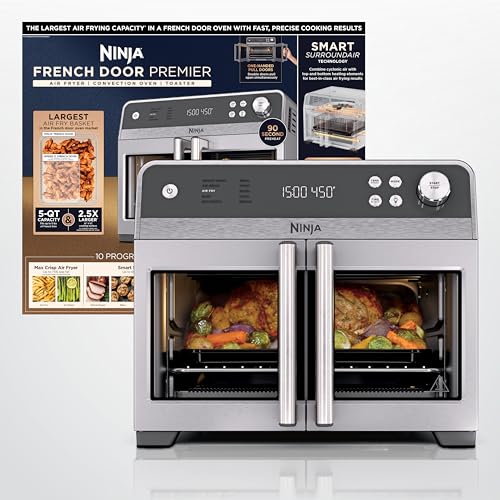
- Ninja French Door Premier Air Fry Oven FO101 — Best Modern French Door
- Gourmia 6-Slice Toaster Oven Air Fryer Combo — Best Preset Depth
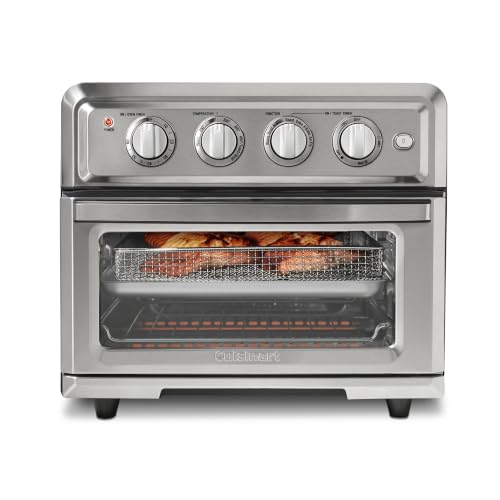
- Cuisinart Air Fryer Toaster Oven TOA-FD70 — Best Pizza Fit
- Emeril Lagasse Everyday 360 Air Fryer Oven — Best Rotisserie
- Chefman Air Fryer 6-in-1 XL 14-Quart Oven — Best XL Windowed
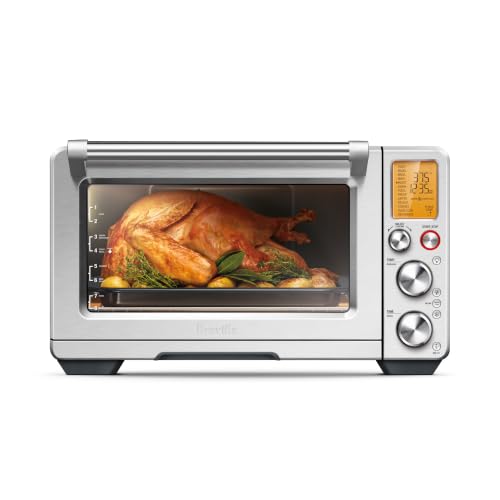
- Breville Smart Oven Air Fryer Pro BOV900 — Best Premium
Why do certain toaster ovens sell in volume while technically similar rivals gather dust? The answer, visible across these six picks, is that popularity in this category is earned at the intersection of three things: a format that fits how families already cook, a feature that photographs well and works daily, and a size that matches the standard foods of the culture — slices of bread, a 12-inch pizza, a tray of fries. The plain toaster oven of a generation ago did one job; the modern best-selling format does six to ten, because households learned that counter space is too precious for single-purpose appliances. Every pick in this guide is an air fryer toaster oven combo in some configuration, and that is not editorial bias — it is the market’s own verdict, written in the verified function lists of the models shoppers choose.
The six also map the category’s price architecture without printing a single figure. At the accessible end, preset-rich family ovens like the Gourmia compete on guided convenience. In the middle, brand-standard models like the Cuisinart FD70 compete on design and the pizza benchmark. At the top, the Ninja FO101 and the Breville compete on capacity, materials and signature technologies — a PFAS-free surface and sear function on one side, thirteen functions and convection pace on the other. Popularity exists at every tier, which is the first lesson: best selling describes a relationship between a product and its buyers, not a single winner, and your job is to find the tier where your own cooking makes a model popular in your kitchen.
Shoppers whose counters argue for the smaller end of these popular formats can compare the compact interpretations in Best Small Size Toaster Ovens, where the same market logic is applied at a reduced scale.
Key Takeaways
- Popularity in this category follows the air fryer combo format: every pick here fuses toaster oven and air fryer functions, because households refuse single-purpose counters.
- This guide verifies by specification, not sales rank, and prints no sales figures; it teaches the feature patterns that drive volume instead.
- French doors, deep preset libraries, windowed doors and rotisseries are the signature features around which popular models are built.
- Best selling exists at every tier — accessible, mainstream and premium — so match the tier to your cooking frequency, not to the crowd.
- Capacity claims anchored to standard foods — 6 slices, a 12-inch pizza, 20.3 quarts — are the sizes the market has standardised around.
- A promoted model and a popular model look similar in an advertisement; the verified specification tells them apart.
In this guide
Quick Picks
| Pick | Badge | Why it stands out | Check price |
|---|---|---|---|
| Ninja French Door Premier Air Fry Oven FO101 | Best Modern French Door | 20.3 Qt, ten functions, a PFAS-free surface and sear crisp behind French doors | Check on Amazon |
| Gourmia 6-Slice Toaster Oven Air Fryer Combo | Best Preset Depth | Seventeen presets, a digital display and dishwasher-safe trays in the family 6-slice class | Check on Amazon |
| Cuisinart Air Fryer Toaster Oven TOA-FD70 | Best Pizza Fit | Seven functions with a dedicated pizza mode and a 12-inch pizza fit in stainless steel | Check on Amazon |
| Emeril Lagasse Everyday 360 Air Fryer Oven | Best Rotisserie | Nine functions with 360-degree convection and a rotisserie for whole birds | Check on Amazon |
| Chefman Air Fryer 6-in-1 XL 14-Quart Oven | Best XL Windowed | Touchscreen controls, a windowed door and a rotisserie in an XL 14-quart cabinet | Check on Amazon |
| Breville Smart Oven Air Fryer Pro BOV900 | Best Premium | Thirteen functions in brushed stainless steel, with convection that speeds cooking | Check on Amazon |
How These Picks Were Chosen
This guide is research-led and claims no hands-on testing. The six picks were selected from a verified product pool confirmed against Amazon’s catalogue data through the Creators API on 2026-11-20, and each review states only what its pick’s confirmed title states: the FO101’s quart capacity, function count and PFAS-free surface; the Gourmia’s slice capacity, preset count, digital display and dishwasher-safe trays; the FD70’s function list and pizza fit; the Emeril’s rotisserie and convection system; the Chefman’s touchscreen, windowed door and quart capacity; the Breville’s thirteen functions and finish. Where a title is silent, the review is silent.
The selection logic for a popularity guide deserves its own transparency. Rather than asserting sales ranks this programme does not measure, the guide chose the pool’s clearest representatives of the formats and features that define the modern category: the French-door combo, the preset-led family oven, the pizza-benchmark brand standard, the rotisserie all-rounder, the windowed touchscreen XL and the premium multi-function benchmark. Together they form a field guide to what sells and why — each pick is a thesis about popularity with a specification for evidence. Readers can then test any model they meet elsewhere against those theses: does it fuse functions, fit standard foods, carry a signature feature, and clean up without a fight? Models that answer yes are the ones the market keeps choosing.
Prices, sales figures and review counts are all absent from this guide for the same reason: they are live retailer data that changes constantly, and printing them would manufacture false precision. Tier positioning — accessible, mainstream, premium — is stated qualitatively and stays true. The popularity of genuinely compact formats for travel is examined separately in Best Small Toaster Ovens For Rv, where the volume logic meets a much smaller room.
Best selling toaster ovens: the six format leaders in detail

Ninja French Door Premier Air Fry Oven FO101
Badge: Best Modern French Door
Strengths
- A 20.3-quart interior makes it a family oven, not a snack accessory — the scale modern buyers standardise on.
- Ten functions, including a sear crisp mode beyond standard air frying, give it the deepest modern repertoire here.
- The PFAS-free surface stated in its title answers the material question contemporary shoppers ask first.
Trade-offs
- French doors and family capacity claim serious counter width and depth.
- Its 450F cyclonic air is assertive; delicate bakes need a learning week.
- Premium positioning should be justified by weekly use, as with all top-tier picks.
Mini spec box
- Capacity: 20.3 Qt
- Functions: 10-in-1 — including air fry, sear crisp, bake, broil, toast, dehydrate
- Air system: 450F cyclonic air
- Surface: PFAS-free
- Format: French door, stainless
- Model: FO101
The FO101 is the current shape of popularity at the premium end: a big, handsome French-door oven that behaves like a second range. Its thesis is consolidation — one appliance that sears, crisps, bakes, broils, toasts and dehydrates at family scale, finished in stainless and surfaced, per its title, without PFAS. Buyers at this tier are not purchasing toast; they are purchasing the retirement of two or three other appliances and the counter coherence that follows. The sear crisp function is the signature that separates it from generic big ovens: a high-heat finishing move that gives roasted and reheated foods the edge that home cooks associate with restaurants.
Its limitations are the premium tier’s usual taxes: footprint, presence and a learning curve under powerful air. Households of one or two will heat a great deal of empty quart capacity, and small kitchens will feel its geography daily. Popular at the top of the market is still conditional at the level of your counter — which is why this guide reviews the format leaders side by side rather than crowning the largest.
Best for: families consolidating appliances and cooks who value the sear function and PFAS-free surface / Not suited for: small counters and solo households

Gourmia 6-Slice Toaster Oven Air Fryer Combo
Badge: Best Preset Depth
Strengths
- Seventeen cooking presets is the deepest guidance library in this guide — the family convenience thesis in one number.
- A digital display with adjustable time and temperature pairs guidance with precision.
- Dishwasher-safe trays remove the ownership chore that quietly kills air fryer enthusiasm.
Trade-offs
- French doors need width and front clearance on the counter.
- Preset abundance asks for a short learning period before it becomes effortless.
- The black finish shows crumbs readily, so its easy-clean trays will be used often.
Mini spec box
- Capacity: 6-slice
- Presets: 17 cooking presets
- Controls: digital display, adjustable time and temperature
- Air system: FryForce 360°
- Format: French door air fryer combo; dishwasher-safe trays
The Gourmia embodies the accessible tier’s winning formula: take the family’s standard size — six slices — and remove every friction between the shopper and dinner. Seventeen presets mean nobody has to know what temperature fries want; the digital display makes the setting legible to every cook in the house; FryForce 360° circulation promises even results; and when it is over, the trays go in the dishwasher. Popularity at this tier is a story about households with more appetite than time, and the Gourmia’s specification reads like it was written by interviewing them.
Its honest limitations are footprint and complexity theatre: French doors on a family oven are a real space commitment, and households that cook three things repeatedly will use a small corner of that preset library. Neither dents the thesis. If your kitchen runs on weeknight logistics, this is the format the market built for you, and its verified specification is the checklist to compare rivals against. Space-tight families can see how the same convenience logic compresses in Best Smaller Toaster Ovens.
Best for: busy families who want guided presets, digital clarity and easy-clean trays / Not suited for: minimalists and the smallest counters

Cuisinart Air Fryer Toaster Oven TOA-FD70
Badge: Best Pizza Fit
Strengths
- A dedicated pizza function and an honest 12-inch pizza fit — the family benchmark, claimed plainly.
- Seven functions cover the weekly repertoire: air fry, toast, bake, broil, roast, pizza and warm.
- Artisan French doors in stainless steel give it the design presence brand-standard buyers pay for.
Trade-offs
- No preset count or digital display is stated in its verified title; guidance is thinner than the Gourmia’s.
- French doors plus a family interior make a substantial countertop object.
- Dehydrate and rotisserie functions are absent from its confirmed list.
Mini spec box
- Capacity: fits a 12-inch pizza
- Functions: 7 — air fry, toast, bake, broil, roast, pizza, warm
- Format: artisan French-door design
- Finish: stainless steel
- Model: TOA-FD70
Cuisinart’s FD70 sells on a different axis from the Gourmia: not guidance, but identity. It is the oven for households that know what they cook — pizza on Fridays, roasts on Sundays, toast every morning — and want a beautiful, capable instrument for it, with French doors that make loading feel ceremonial and a stainless finish that belongs in a designed kitchen. The dedicated pizza function is its thesis statement: the single most scheduled meal in the family repertoire, given its own button. Brand-standard popularity is built from exactly this — a respected name, a benchmark capacity honestly stated, and design that owners are pleased to leave on display.
The limitations are the connoisseur’s trade: less hand-holding than preset-led rivals, and a function list that ends where it ends — no dehydrate, no rotisserie. Cooks who want those should look at the Emeril or the Ninja beside it. Cooks who want the pizza-night oven with the best manners in the category have found their pick, and its TOA-FD70 code is the identifier to match at any listing, since Cuisinart’s wider range contains several similar-looking ovens with different interiors.
Best for: pizza-night families and design-conscious cooks who know their repertoire / Not suited for: preset-dependent beginners and rotisserie or dehydrate seekers
Emeril Lagasse Everyday 360 Air Fryer Oven
Badge: Best Rotisserie
Strengths
- A rotisserie function stated in its title — the signature capability that separates it from every non-rotisserie rival.
- Nine functions with 360-degree convection give it all-rounder breadth.
- The Everyday positioning targets main-oven replacement, the ambition behind much of the category’s volume.
Trade-offs
- No slice or pizza capacity is stated in its verified title; confirm interior dimensions on the listing.
- Rotisserie parts add washing and storage that non-users will resent.
- Its breadth overlaps the premium tier, so compare its live price with that class.
Mini spec box
- Functions: 9-in-1 — including rotisserie and multiple everyday cooking functions
- Air system: 360° convection
- Format: countertop air fryer oven
- Line: Everyday 360
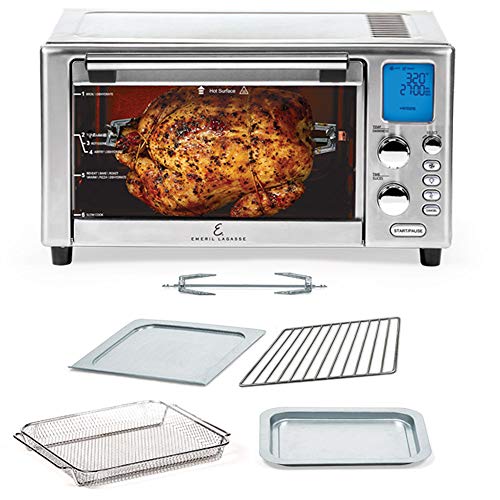
The Emeril 360’s popularity thesis is the celebrity-chef promise made mechanical: restaurant theatre, domesticated. The rotisserie is the emotional centre — a whole chicken turning slowly in your own kitchen is an experience no amount of preset depth can imitate — and around it, nine functions and all-around convection build the practical case for everyday use. Models with a signature experience sell differently from models with a signature specification: they are bought partly as equipment and partly as an invitation to cook a certain way, and the Everyday 360 has been inviting households to roast whole birds on the counter for years.
The honest cautions mirror the promise. Rotisserie ownership includes a spit to wash and a technique to learn; households that roast whole birds rarely are buying theatre tickets, not tools. And its unstated capacity means the listing check matters: confirm the interior fits your dishes before the theatre sells you. Households that will use the spit monthly have one of the category’s most satisfying appliances in view; households that will not should let the Gourmia’s presets or the Cuisinart’s pizza focus spend their money instead.
Best for: rotisserie fans and family cooks who want a main-oven alternative with theatre / Not suited for: shoppers needing a stated compact size and anyone who will never fit the spit

Chefman Air Fryer 6-in-1 XL 14-Quart Oven
Badge: Best XL Windowed
Strengths
- A windowed door — the visibility feature modern buyers increasingly demand — on an XL 14-quart cabinet.
- Touchscreen controls, stated in its title, deliver the precise, legible interface of the digital era.
- Six functions include both a rotisserie and a food dehydrator, breadth behind the glass.
Trade-offs
- XL capacity is a large footprint commitment for smaller kitchens.
- Touch controls prefer clean, dry fingers during cooking.
- The window invites door-opening impatience; its benefit depends on watching without opening.
Mini spec box
- Capacity: XL 14-quart
- Functions: 6-in-1 — including rotisserie, food dehydrator, convection oven, bake, broil, reheat
- Controls: touchscreen
- Door: windowed
- Finish: Black
The Chefman represents the visibility wave in this category’s evolution. Early air fryer ovens were black boxes that asked for faith; the windowed generation lets you watch, and watching turns out to be both a cooking tool — browning judged in real time, heat kept in — and a pleasure that owners did not know they were missing. Pair the window with touchscreen controls and a 14-quart capacity that swallows family loads, add a rotisserie and a dehydrator for breadth, and you have the specification of a model engineered around how people actually behave at the counter: they look, they adjust, they want room.
Its limitations are scale and the touchscreen’s clean-finger etiquette, both stated plainly in its trade-offs. For households whose cooking is voluminous and visual, it is the modern format in its purest form here. For compact kitchens, its XL badge is a warning label, and the smaller formats elsewhere in this programme deserve the counter instead. Popularity, once again, is fit at scale — this oven sells because many kitchens are exactly its size.
Best for: visual cooks, larger households and touchscreen fans who cook in volume / Not suited for: small counters and dial loyalists
Breville Smart Oven Air Fryer Pro BOV900
Badge: Best Premium
Strengths
- Thirteen functions is the deepest repertoire in this guide — the premium tier’s defining abundance.
- Convection credited in its title with reducing cook time by up to 30 percent.
- Brushed stainless steel construction built for permanent display in serious kitchens.
Trade-offs
- Premium positioning demands weekly repertoire use to justify itself.
- No capacity figure is stated in its verified title; confirm the interior on the listing.
- Its breadth can overwhelm cooks who wanted a simpler appliance.
Mini spec box
- Functions: 13 — including roast, bake, dehydrate
- Convection: stated to reduce cook time by up to 30%
- Finish: brushed stainless steel
- Model: BOV900BSS
The Breville closes the field as the premium pole of popularity: the model bought by cooks who research, who cook daily and ambitiously, and who treat the countertop oven as a primary instrument. Thirteen functions is not a number for its own sake at this tier; it is a repertoire — roast, bake, dehydrate and beyond — that lets one appliance absorb the work of a small fleet, finished in brushed stainless steel that signals permanence. Premium popularity is slower and steadier than the accessible tier’s: fewer impulse purchases, more considered ones, and owners who become the category’s most influential voices because they cook the most.
Its limitation is the mirror of its depth: repertoire unused is money idle, and households whose real menu is toast, pizza and reheats will find their oven in the Gourmia or the Cuisinart at a fraction of the commitment. The stainless question also deserves a word for finish-focused shoppers, who can compare material-led models in Best Stainless Toaster Ovens and the heat-management angle in Best Stainless Steel Toaster Ovens That Don T Overheat. Buy the Breville when the repertoire is real; admire it when it is not.
Best for: serious daily cooks who will use a thirteen-function repertoire / Not suited for: simple repertoires and occasional users
Comparison Table
| Pick | Popularity thesis | Capacity signal | Signature feature | Check price |
|---|---|---|---|---|
| Ninja FO101 | Premium consolidation | 20.3 Qt | Sear crisp; PFAS-free surface | Check on Amazon |
| Gourmia 6-Slice Combo | Guided family convenience | 6-slice | 17 presets; dishwasher-safe trays | Check on Amazon |
| Cuisinart TOA-FD70 | Brand-standard pizza oven | 12-inch pizza | Pizza function; artisan French doors | Check on Amazon |
| Emeril Lagasse Everyday 360 | Rotisserie theatre, everyday breadth | Family countertop format | Rotisserie; 360° convection | Check on Amazon |
| Chefman 6-in-1 XL | Visibility and touchscreen modernity | XL 14-quart | Windowed door; touchscreen | Check on Amazon |
| Breville BOV900 | Premium repertoire | Premium countertop class | 13 functions; convection pace | Check on Amazon |
How to Choose Among the Format Leaders
Choose by thesis, not by crown. If your household’s story is consolidation — many appliances, one counter — the FO101’s capacity and sear function are your thesis. If your story is weeknight logistics, the Gourmia’s presets and dishwasher-safe trays answer it. If your story is a repertoire you already know and a pizza night that anchors it, the Cuisinart FD70 is the instrument. If your story includes whole birds and a cook who loves theatre, the Emeril’s rotisserie is the point. If your story is visual, voluminous cooking under modern controls, the Chefman is built for you. And if your story is serious daily cooking across the widest repertoire, the Breville is the premium answer. Every thesis in that list is a legitimate reason a model sells; the only illegitimate purchase is someone else’s thesis.
The mechanics underneath the theses are the usual disciplines, and they matter more than popularity: capacity matched to headcount and pans, footprint matched to counter, cleaning matched to honesty, functions matched to the real week. A popular model in the wrong size is still the wrong size, and the market’s aggregate wisdom cannot measure your kitchen. Use popularity the way professionals use it — as a shortlist generator and a sanity check — then decide by geometry and habit. Shoppers working with the least room of all can watch the same logic operate at minimum scale in Best Space Saving Toaster Ovens.
How to Use and Care for a Countertop Oven
Set up any of these six the same way: clearance on every side for vents, a heat-safe surface, a direct wall outlet, and an empty first heat cycle per the manual. Test your pans for fit on day one. Cook with the category’s three governing habits — full preheats for baking, single layers with breathing room for air frying, and a halfway turn or shake for evenness — and learn your model’s personal pace during the first week, noting adjustments on the recipes themselves.
Care decides whether a popular oven stays satisfying. Empty crumb trays after toasting, wipe interiors while warm, wash trays promptly — or, in the Gourmia’s case, let the dishwasher take them — and keep vents unobstructed. French-door hinges want a monthly crumb wipe; windowed doors want a gentle glass cleaner and no abrasives; touchscreen panels want a soft damp cloth and clean fingers. None of this is onerous, and all of it is the difference between an oven that performs like its first month in its third year and one that quietly declines.
Troubleshooting: three common problems
Problem: air fried results are uneven across the tray → what to do: spread food in a single layer with gaps, turn or shake halfway, and avoid pans that block the fan’s circulation path; crowding is the cause in most kitchens.
Problem: the oven runs hotter or faster than recipes expect → what to do: reduce the temperature slightly or check earlier, especially on convection and air fry settings, and record the adjustment; countertop elements sit close to food, so full-size-oven timings are a starting point, not a promise.
Problem: smoke and lingering odours at high heat → what to do: cool the oven, clean the crumb tray and interior grease film, and cook fatty foods over the baking pan so drips land on a washable surface.
Why the Air Fryer Combo Won the Category
A short history explains the whole list. The toaster oven began as a breakfast appliance; the countertop convection oven added baking credibility; then the air fryer arrived as a separate, single-purpose box and households discovered both its magic and its insult — another appliance, another footprint, for one technique. The market’s answer was fusion: ovens that air fry absorbed the technique into the box families already owned, and the combo format has dominated ever since. Every pick in this guide is evidence. The lesson for shoppers is to be suspicious of any new single-purpose countertop box and generous toward fusion done well: capacity, circulation and a basket or tray system that respects airflow. Fusion is not a trend in this category; it is the settled architecture.
Popular Versus Promoted: Telling Them Apart
Promotion can manufacture a season of attention, but it cannot manufacture the markers of genuine popularity: a specification that answers a real household pattern, accessories and parts that remain available, a model code that persists across seasons while rivals churn, and owner discussion that matures from unboxing into recipes and routines. When you evaluate any model beyond this guide, run those four checks. A promoted model shows a launch spike and a fog of adjectives; a popular model shows a verified specification, a stable identity and a kitchen life. The six picks here were chosen as the pool’s clearest carriers of those markers, each in its own tier and thesis — which is the most honest meaning a best selling list can have.
The Anatomy of a Category Leader’s Specification
Read the six verified titles in this guide as documents and a grammar emerges. First comes the fusion claim — air fryer toaster oven combo, or a function count in the high single digits and beyond — because the modern buyer is purchasing consolidation. Then comes a capacity anchor in a standard unit: slices, pizza diameter, quarts. Then a signature: French doors, a rotisserie, a windowed door, a sear function, a PFAS-free surface, seventeen presets. Then, increasingly, a care claim — dishwasher-safe trays above all — because the category learned that ownership is longer than purchase day. A specification missing the first two elements is not playing the modern game at all; one missing the fourth is betting that buyers will not think about month three, a bet the market increasingly refuses.
This grammar is a practical shopping tool. When a model outside this guide catches your eye, parse its title in the same order and ask what each element is doing. Is the fusion real — a genuine function list with airflow to support it — or a label? Is the capacity anchor in a unit you can verify against your pans and your pizza? Is the signature a feature you will use weekly, or a photograph? And is there any evidence the manufacturer thought about cleaning? Models that parse cleanly in all four positions are the ones that tend to still be selling, in every sense, seasons later.
Year Two for a Best Seller: Support, Parts and Company
Popularity compounds in a way shoppers rarely price in: a widely bought model accumulates an ecosystem. Replacement trays and baskets stay in production. Third-party accessories appear, sized to the popular interiors. Recipes, settings and troubleshooting knowledge accumulate in owner communities, so a question that would be a research project for an obscure model is a thirty-second search for a popular one. When something wears or breaks, the popular model’s owners have usually already documented the fix. None of this appears in a specification table, and all of it is real ownership value — the quiet dividend of choosing a format leader over an orphan, however charming the orphan’s launch discount looks.
The dividend has a limit worth naming: ecosystems follow formats and brands more faithfully than individual model years, and manufacturers do revise models. Protect yourself with the verification habit this programme teaches — match the model code at purchase, register the product, keep the manual — and the ecosystem will be there when you need it. Buy the popular format, verify the exact model, and you receive both the appliance and the crowd’s accumulated knowledge as a bonus.
Seasonal and Regional Popularity: A Buyer’s Note
What sells also moves with the calendar and the map, and a thoughtful buyer reads both. Cooking seasons lift different theses — rotisserie and large formats surge when households gather and roast; compact and dehydrate-friendly models find their moment in harvest and small-space seasons; gifting periods reward the presentable mid-tier, the Cuisinart class of handsome, capable ovens. Regional habits matter too: pizza cultures standardise on the 12-inch fit, markets with small urban kitchens elevate compact and flip-up formats, and entertaining cultures sustain the extra-large class. None of this changes which oven fits your kitchen — but it explains why a model can be genuinely popular somewhere, or somewhen, without being your answer, and why this guide keeps returning you to the only popularity that counts: the verdict your own household will deliver, one breakfast at a time.
Using This Guide on a Listing Page: A Five-Minute Drill
Take any pick from this guide to its listing and run the drill. First, match the model code — FO101, TOA-FD70, BOV900 — because popularity attaches to exact models and names drift. Second, match the capacity anchor: the quarts, slices or pizza diameter in the listing must equal the figure in the review, or you are looking at a sibling. Third, match the signature: the sear function, the seventeen presets, the windowed door, the rotisserie — whichever defines the pick — must be present in the listing’s own description. Fourth, check the care claim: trays, crumb access, dishwasher safety where promised. Fifth, only then look at the live price and judge it against the tier this guide assigns the model. Five minutes, five matches, and the popularity you are buying is the verified kind — the same discipline, incidentally, that protects you in every appliance category you will ever shop.
The Quiet Role of Tier Architecture
Categories organise themselves into tiers because households organise themselves into budgets and ambitions, and the best-selling pattern respects that architecture rather than flattening it. The accessible tier sells guidance and ease — the Gourmia thesis. The mainstream sells identity and benchmarks — the Cuisinart thesis. The premium sells consolidation and repertoire — the Ninja and Breville theses. Trouble starts when shoppers cross tiers with the wrong expectations: judging an accessible oven by premium finish standards, or expecting a premium oven’s price to be justified by accessible-tier usage. Each tier’s leaders are excellent at their tier’s job. Read the tier label in each review here as part of the product, choose the tier that matches your frequency and ambition, and the leader within it will feel less like a compromise and more like a conclusion.
What These Six Teach About Every Future Model
New models will arrive with new signatures — quieter fans, smarter sensors, finishes not yet named — and most will fail the tests these six pass. The tests are worth memorising because they outlive any product cycle. Does it fuse the jobs a household actually does, or does it specialise in a job nobody has? Is its capacity stated in an anchor a shopper can verify against bread, pizza and pans? Is its signature a weekly feature or a launch photograph? Does its cleaning story survive a month of real cooking? And does its tier promise match its tier price in the qualitative judgement of the people who will live with it? A model that answers those five questions the way the picks in this guide do will sell, whatever its badge; a model that cannot will be discounted, whatever its launch. Learn the tests once and you will never need to chase the category again — you will recognise its leaders on sight, the way you now recognise these six.
Common Buying Mistakes
- Buying the crowd’s thesis instead of your own. Popularity is fit at scale; your kitchen’s fit is the only scale that matters at breakfast.
- Confusing promotion with popularity. Check for the durable markers — stable model identity, real specification, mature owner discussion.
- Ignoring the fusion basics. In a combo oven, capacity and airflow cook the food; signature features are the garnish, not the meal.
- Skipping the capacity anchors. Slices, pizza diameter and quarts are the market’s standard units for a reason — measure your household in them.
- Neglecting the cleaning system. Dishwasher-safe trays and accessible crumb trays are popularity features because they decide year-two satisfaction.
- Paying a premium tier for an accessible repertoire. Match the tier to your cooking frequency and depth, not to aspiration.
Final Recommendation
For the widest number of households, the format leader to buy first is the Gourmia 6-Slice Combo — the guided family convenience thesis, complete with dishwasher-safe trays. Buy the Ninja FO101 when consolidation and capacity rule your kitchen, the Cuisinart FD70 when pizza night and design lead, and the Breville BOV900 when your repertoire genuinely runs thirteen functions deep. The crowd is right about the formats; only you can be right about the fit.
Whichever leader you choose, run the five-minute drill from this guide at its listing — code, capacity, signature, care claim, then price against tier — and you will have bought the way the market’s most satisfied owners buy: a verified format, honestly matched to a real kitchen, at the moment its live price makes sense.
Frequently Asked Questions
What makes a toaster oven a best seller?
A specification that matches how households actually cook: fused air fryer and oven functions, capacity anchored to standard foods like six slices or a 12-inch pizza, controls the whole household can run, and a cleaning system that survives weeknight reality. Models carrying that combination — in any tier — are the ones the market keeps choosing, which is why this guide is organised around those theses rather than around figures that change daily.
Does this guide rank these ovens by units sold?
No. This programme verifies products by specification against catalogue data and does not measure or print sales figures, which are live retailer data. The six picks are the verified pool’s clearest representatives of the formats and features that define the modern category — French-door combos, preset-led family ovens, rotisserie all-rounders, windowed touchscreen models and the premium benchmark.
Are French-door toaster ovens really more popular?
The format dominates the modern family segment of this pool — three of the six picks here use it — because one-handed loading and wrist clearance are real ergonomic gains at family scale. Popularity is segment-specific, though: compact and drop-door formats remain the right answer in small kitchens, where French doors spend width the counter does not have.
Is a premium best seller worth it over an accessible one?
Only when your cooking employs the premium repertoire weekly. The Breville’s thirteen functions and the FO101’s sear-and-capacity package repay serious, frequent cooks; households with a toast-pizza-reheat repertoire receive the same satisfaction from the Gourmia class at a lower tier. Popularity exists at both levels because both levels have real buyers with real patterns.
Why do all these best-selling models include air frying?
Because the market fused the two appliances. Air frying began as a separate single-purpose box; households preferred the technique inside the oven they already owned, and the combo format became the category’s settled architecture. A modern toaster oven without air fry is now the specialist product, not the other way around.
How can I tell if a model is popular or just promoted?
Look for the durable markers: a stable model code across seasons, a specification that answers a real cooking pattern, available accessories, and owner discussion that has matured into recipes and routines. Promotion produces adjectives and a launch spike; popularity produces infrastructure and a kitchen life.
Should I wait for a newer model instead of buying a current best seller?
Only if a named, verified feature of the coming model answers a weekly need the current leaders miss. Category evolution in this field is incremental — a signature refined, a preset library deepened — while the fundamentals these six demonstrate (fusion, capacity anchors, care) are stable. A current format leader bought at a fair live price and verified by model code will serve through several cycles of launch excitement, and its ecosystem advantage grows as its installed base does. Buy the fit that exists; let the future compete for your next counter, years from now.
Do best-selling models hold their value in daily use?
The honest measure of value in this category is cost per satisfied year, and format leaders tend to win it quietly: they are used more, supported longer and understood better by the communities around them. An obscure bargain that frustrates weekly is expensive at any figure; a leader that disappears into your routine is cheap at its tier’s going rate.
Which best-selling format suits a small kitchen?
None of these six is a compact appliance — they are the family and premium format leaders. Small kitchens should apply the same theses at a reduced scale: fused functions, honest capacity anchors and easy cleaning, in a cabinet the counter can host. The compact guides linked from this page apply exactly that logic to smaller formats.