Disclosure: topratedkitchenware.com is reader-supported. When you buy through links on our site, we may earn an affiliate commission from Amazon and other retailers, at no extra cost to you.
Where to buy
Frozen pizza success starts before checkout: confirm the pizza diameter your household buys most, then match it against each oven below. One pick states its pizza fit explicitly in its verified listing; the others are large-format countertop ovens whose capacity cues are quoted exactly as verified, so you can check your pizza size against the listing before ordering.
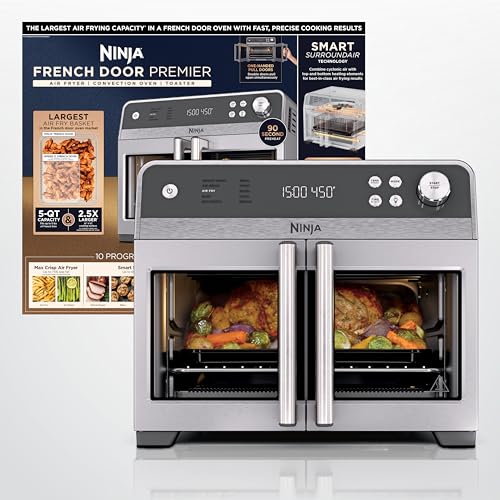
- Ninja French Door Premier Air Fry Oven FO101
- Gourmia Toaster Oven with French Door Design
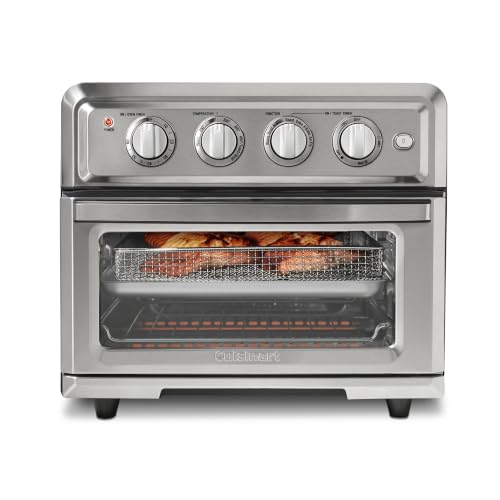
- Cuisinart Air Fryer Toaster Oven TOA-FD70
- Emeril Lagasse Everyday 360 Air Fryer Oven
- Chefman Air Fryer 6-in-1 XL 14-Quart
- Breville Smart Oven Air Fryer Pro BOV900
Read the full guide ↓ for the crust science, sizing rules, and the preheat habits that separate crisp pizza from soggy pizza.
Introduction: Finding the best toaster ovens for frozen pizza
The best toaster ovens for frozen pizza solve three problems at once. First, the cavity must physically fit the pizza — most standard frozen pizzas are around 12 inches across, and an oven that is even slightly too small turns pizza night into a cutting-and-rotating chore. Second, the oven must deliver strong, even heat from above and below, so the cheese melts and browns while the crust crisps instead of steaming. Third, it must preheat quickly, because the whole appeal of frozen pizza is a fast, low-effort dinner. The six ovens in this guide were chosen against those three tests, using verified listing data only.
One honesty note up front: among these six, the Cuisinart TOA-FD70 is the pick whose verified listing explicitly states that it fits a 12-inch pizza and includes a dedicated pizza function. The other five are large-format countertop ovens — a 20.3-quart Ninja, a 6-slice Gourmia, an XL 14-quart Chefman, and two premium all-rounders — whose listings express capacity in quarts, slices, or format rather than pizza inches. We describe them exactly that way below, and the buying guide explains how to verify your pizza’s diameter against any listing in under a minute. If you want the broader countertop picture first, our guide to Best Toaster Ovens For Pizza covers fresh and frozen together, while Best Toaster Ovens For Making Toast covers the breakfast end of the same appliances.
Key Takeaways
- Diameter is destiny: match your usual frozen pizza size to the oven’s verified fit or capacity cues before anything else.
- The Cuisinart TOA-FD70 is the only pick here whose listing explicitly confirms a 12-inch pizza fit, plus a dedicated pizza function.
- High maximum heat helps crust: the Ninja FO101’s cyclonic air reaches up to 450F per its verified listing.
- Preheating fully, using the middle rack, and keeping the pizza centred are worth more than any preset.
- Convection and air fry modes crisp edges faster — watch the final minutes so cheese does not overshoot from golden to dark.
- French doors make loading a hot, flexible pizza safer and easier than a drop-down door.
In this guide
Quick Picks
| Pick | Badge | Standout trait from verified listing | Link |
|---|---|---|---|
| Ninja French Door Premier FO101 | Best High-Heat Crisping | 10-in-1, 20.3 Qt, cyclonic air up to 450F, sear crisp | Check on Amazon |
| Gourmia Toaster Oven, French Door | Best Preset Convenience | 6-slice capacity, 17 presets, FryForce 360° | Check on Amazon |
| Cuisinart TOA-FD70 | Best Verified Pizza Fit | Fits a 12-inch pizza, dedicated pizza function, French doors | Check on Amazon |
| Emeril Lagasse Everyday 360 | Best All-Rounder | 9-in-1, 360° convection, rotisserie | Check on Amazon |
| Chefman Air Fryer 6-in-1 XL | Best Windowed Door | XL 14-quart, touchscreen, windowed door, convection oven functions | Check on Amazon |
| Breville Smart Oven Air Fryer Pro | Best Premium | 13 functions, convection reduces cook time by up to 30% per listing | Check on Amazon |
Small kitchens should cross-check footprints with Best Toaster Ovens For Small Spaces before falling for the largest cavity.
How These Picks Were Chosen
This guide is research-led, built from verified catalog data rather than claimed hands-on testing. Every pick was confirmed through Amazon’s Creators API on 2026-11-20 — brand, model, function list, capacity language, and image all come from that verified record, and only confirmed picks carry links. For a frozen pizza guide, the selection filter was strict in one specific way: each oven had to be a large-format countertop model whose verified capacity language plausibly accommodates family-size food, and each had to offer a genuine bake function, since frozen pizza is fundamentally a baking job with a crisping finish.
We also separated verified claims from reasonable inferences, and we keep them separated in the reviews. Where a listing states a pizza fit, we say so plainly. Where it states quarts, slices, or an XL format instead, we quote that and tell you how to verify diameter yourself. That distinction is the difference between a guide and a guess. Two standing rules also apply: no static prices appear anywhere, because appliance pricing changes constantly — check the current figure through the links — and no fixed ratings or review counts are printed, because those numbers shift daily and would mislead you within weeks.
Within the pool, we spread the six picks across cooking styles: a high-heat French-door Ninja for crust lovers, a preset-driven Gourmia for households that want one-touch convenience, the Cuisinart as the explicitly pizza-verified option, the Emeril as a convection all-rounder with rotisserie range, the Chefman as a windowed-door XL design you can watch without opening, and the Breville as the premium 13-function option for cooks who want one oven to do nearly everything.
The 6 Best Toaster Ovens for Frozen Pizza

Ninja French Door Premier Air Fry Oven, FO101
Badge: Best High-Heat Crisping
Strengths
- Cyclonic air up to 450F gives frozen crusts the aggressive heat they need
- 20.3 Qt French-door cavity loads wide, flat food easily
- Sear crisp mode finishes cheese and toppings with real browning
Trade-offs
- Listing expresses capacity in quarts, not pizza inches — verify your pizza diameter
- High heat demands attention in the final minutes to avoid over-browning
- Premium-tier positioning and a substantial counter footprint
Mini spec box: Functions: 10-in-1 including air fry, sear crisp, bake, broil, toast, dehydrate · Capacity: 20.3 Qt · Max temperature: 450F · Surface: PFAS-free · Finish: Stainless
Frozen pizza fails in weak ovens for a simple reason: the crust insulates the toppings while the base steams against the pan. The FO101 attacks that problem with heat and airflow. Cyclonic air at up to 450F drives hot air across the top so cheese melts and spots brown, while the wide French-door cavity lets a pizza sit flat and centred with room for air to circulate around it. The sear crisp function is useful for the last stretch, when you want the finish of a hotter oven without moving the pizza to a range. Technique still matters: preheat fully, use the middle position, and start checking a few minutes before the box time ends, because high-heat ovens finish faster than the conservative timings printed for full-size ranges. For households whose frozen pizza standard is a crisp base and leopard-spotted cheese, this is the most capable tool in the guide — just confirm your usual pizza’s diameter against the listing first, since Ninja states capacity in quarts.
Best for: crust-focused cooks with counter space / Not suited for: buyers who want a stated pizza-inch fit without checking

Gourmia Toaster Oven, French Door Air Fryer Combo
Badge: Best Preset Convenience
Strengths
- 17 cooking presets give frozen foods a sensible starting point in one touch
- 6-slice capacity signals a wide cavity suited to family-size flat food
- Dishwasher-safe trays make cheese-drip cleanup far less annoying
Trade-offs
- Capacity is stated in slices, not pizza inches — measure your pizza first
- Presets are starting points; thin and thick crusts still need different timing
- Digital panel has more steps than a simple dial for a single job
Mini spec box: Capacity: 6-slice · Presets: 17 · Controls: digital display, adjustable time and temperature · Technology: FryForce 360° · Trays: dishwasher-safe
The Gourmia suits households where frozen pizza is a weeknight system rather than an event. Seventeen presets mean the person cooking — parent, teenager, or roommate — starts from a reasonable time and temperature instead of guessing, and the French doors make sliding a pizza in and out a one-handed job while the other hand holds the board it will land on. FryForce 360° circulation helps the edges crisp, and the honest way to use any preset is as a first draft: run it once, note whether your usual brand’s crust finished pale or dark, and adjust by a couple of minutes from then on. Cheese drips are inevitable in pizza cooking, which is why the dishwasher-safe trays are a genuine quality-of-life feature rather than a footnote. Verify diameter before ordering, as with every pick here except the Cuisinart: Gourmia states 6-slice capacity, a wide-cavity cue, not a pizza measurement.
Best for: busy families wanting one-touch consistency / Not suited for: buyers who refuse to verify pizza diameter

Cuisinart Air Fryer Toaster Oven, TOA-FD70
Badge: Best Verified Pizza Fit
Strengths
- Verified listing explicitly states it fits a 12-inch pizza
- Dedicated pizza function alongside air fry, toast, bake, broil, roast, and warm
- French doors and stainless artisan design suit daily, visible use
Trade-offs
- No dehydrate or rotisserie modes
- French-door width needs a measured counter spot
- Stainless finish shows fingerprints
Mini spec box: Functions: air fry, toast, bake, broil, roast, pizza, warm (7) · Pizza fit: 12-inch (stated in listing) · Design: Artisan French-door · Finish: Stainless steel
If you buy one thing from this guide on certainty alone, this is it. The TOA-FD70’s verified listing does the two things a frozen pizza buyer most wants to read: it fits a 12-inch pizza, and it has a pizza function. That removes the diameter gamble entirely for standard frozen pizzas, and the dedicated function gives you a calibrated starting point for time and temperature. The French doors matter more for pizza than for almost any other food, because a cooked frozen pizza is wide, hot, and flexible; opening two side doors and sliding it out beats tilting it over a drop-down door. Beyond pizza, the seven-function set covers the daily round of toast, roasting, baking, and reheating, so this is not a one-trick appliance. Households comparing it against fresh-dough cooking should also read Best Toaster Ovens For Pizza, where crust-from-scratch technique gets its own treatment.
Best for: buyers who want the pizza fit stated, not inferred / Not suited for: dehydrate or rotisserie shoppers
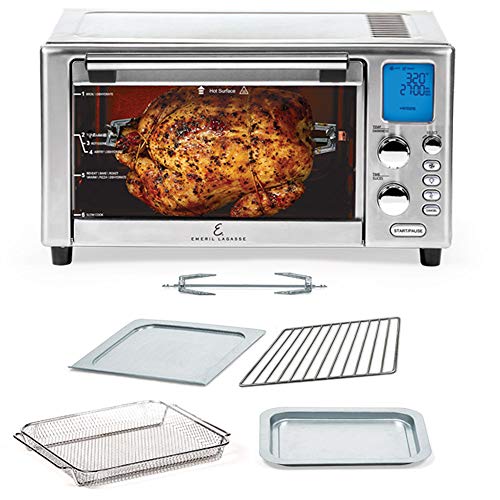
Emeril Lagasse Everyday 360 Air Fryer Oven
Badge: Best All-Rounder
Strengths
- 360° convection is designed for even cooking across a wide, flat load
- 9-in-1 set means pizza night sits inside a genuinely versatile oven
- Rotisserie extends the same appliance to weekend cooking
Trade-offs
- Listing does not state a pizza-inch fit — verify diameter before ordering
- Even convection still benefits from one mid-cook rotation for thick pizzas
- More accessories to store than simpler ovens
Mini spec box: Functions: 9-in-1 · Technology: 360° convection · Specialty: rotisserie · Format: Countertop oven
The Everyday 360 approaches frozen pizza as one job inside a broad repertoire. Its 360° convection positioning targets the classic frozen pizza flaw — a done centre with pale edges, or crisp edges with a gummy middle — by moving hot air around the food rather than relying on radiant heat alone. In practice, even the best convection benefits from a single rotation halfway through for thick-crust pizzas, and from resting the pizza for two minutes after cooking so the cheese sets and slices cut cleanly. Where this oven pulls ahead is the rest of the week: the same appliance that handles Friday’s pizza can rotisserie on Sunday and air fry on Tuesday. If your household wants one countertop oven to be the default for almost everything, and you are willing to verify pizza diameter yourself since the listing does not state it, the Emeril is a rational centrepiece.
Best for: households wanting one oven for pizza and much more / Not suited for: buyers needing a stated pizza fit

Chefman Air Fryer 6-in-1, XL 14-Quart
Badge: Best Windowed Door
Strengths
- Windowed door lets you watch cheese browning without opening and losing heat
- XL 14-quart multifunctional format with touchscreen controls
- Bake, broil, and reheat functions cover pizza and next-day slices
Trade-offs
- Capacity stated in quarts, not pizza inches — diameter check required
- Air-fryer-first format differs from a classic toaster oven layout
- Touchscreen controls are less tactile than dials
Mini spec box: Functions: 6-in-1 — bake, broil, reheat, rotisserie, dehydrator, convection oven · Capacity: XL 14-quart · Controls: touchscreen · Door: windowed · Finish: Black
The Chefman’s quiet advantage for pizza is visibility. Frozen pizza goes from perfect to overdone quickly at the end, and every door opening to check costs heat and time. A windowed door lets you watch the cheese bubble and spot-brown, then pull the pizza at the right moment. The XL 14-quart format and convection cooking suit flat, wide food, and the reheat function is genuinely useful for next-day slices, restoring some crispness that a microwave would destroy. Two cautions keep this review honest: Chefman states capacity in quarts, so measure your usual pizza and compare carefully with the listing’s interior information before ordering; and this is an air-fryer-oven format rather than a traditional toaster oven shape, which some buyers love and others find less familiar for toast-style jobs — see Best Toaster Ovens For Toast if toast is an equal priority.
Best for: watchful cooks who hate opening the door to check / Not suited for: traditionalists wanting a classic toaster oven format
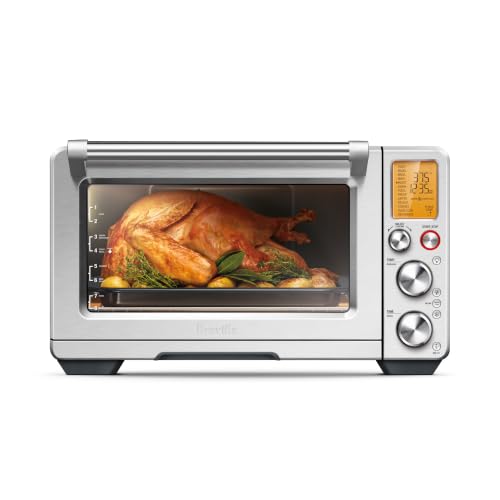
Breville BOV900 Smart Oven Air Fryer Pro
Badge: Best Premium
Strengths
- 13 functions, the broadest set in this guide
- Convection setting reduces cook time by up to 30% per the verified listing
- Premium brushed stainless build for a permanent counter position
Trade-offs
- Listing does not state a pizza-inch fit — verify diameter
- Premium-tier positioning in this class
- Function depth exceeds what pizza-only buyers need
Mini spec box: Functions: 13 including roast, bake, dehydrate, air fry · Technology: convection, reduces cook time by up to 30% per listing · Finish: Brushed stainless steel
The Breville is the connoisseur’s route to frozen pizza: a premium smart oven whose convection system, per its verified listing, can reduce cooking time by up to 30%, applied here to a food that rewards fast, even, enveloping heat. Frozen pizza in a strong convection oven tends to finish with a more uniformly crisped base and evenly melted top, provided you start checking early — reduced cook time is a promise to pay attention, not to wander off. The 13-function breadth means this purchase is really about everything beyond pizza as well: roasting, baking, dehydrating, and air frying in one brushed stainless appliance that anchors a serious counter. As with the Ninja, Gourmia, Emeril, and Chefman, the listing does not state a pizza diameter, so the one-minute verification in the buying guide below is part of the purchase. Buyers who also bake delicate non-food projects should keep a separate, dedicated oven for that work, as explained in Best Toaster Ovens For Polymer Clay.
Best for: premium buyers wanting one oven for everything / Not suited for: pizza-only shoppers on a tight brief
Comparison Table
| Model | Capacity cue (as listed) | Pizza-relevant trait | Functions | Link |
|---|---|---|---|---|
| Ninja FO101 | 20.3 Qt | Cyclonic air up to 450F, sear crisp | 10-in-1 | Check on Amazon |
| Gourmia French Door | 6-slice | 17 presets, FryForce 360° | Air fryer combo | Check on Amazon |
| Cuisinart TOA-FD70 | Fits 12-inch pizza (stated) | Dedicated pizza function | 7 functions | Check on Amazon |
| Emeril Everyday 360 | Countertop oven format | 360° convection | 9-in-1 | Check on Amazon |
| Chefman XL | XL 14-quart | Windowed door, convection | 6-in-1 | Check on Amazon |
| Breville BOV900 | Countertop oven format | Convection, up to 30% faster per listing | 13 functions | Check on Amazon |
How to Choose a Toaster Oven for Frozen Pizza
Begin with a measurement you can do tonight: take the frozen pizza your household buys most and measure its diameter, or read the size on the box. Standard pizzas cluster around 12 inches, rising crust and family sizes can run larger, and personal pizzas are far smaller. Then read listings like an editor. A stated pizza fit — “fits a 12-inch pizza” — is a direct claim you can rely on. Slice counts and quart figures are indirect cues: a 6-slice oven and a 14- or 20-quart cavity are wide formats, but width, depth, and door shape decide whether a round pizza actually sits flat. If a listing gives interior dimensions, compare diameter plus a small margin on all sides; a pizza that touches the walls cooks unevenly and is miserable to remove.
Next, weigh heat delivery. Frozen pizza wants a fully preheated oven, strong top heat for cheese, and enough bottom heat or airflow to crisp the base. High maximum temperatures, such as the Ninja FO101’s stated 450F cyclonic air, and convection systems like Breville’s and Emeril’s 360° design, both serve that goal in different ways. A dedicated pizza function, as on the Cuisinart, trades raw flexibility for a calibrated starting point. None of these approaches rescues a pizza cooked on the wrong rack position or in an unpreheated oven, which is why the how-to section below matters as much as the hardware.
Finally, consider the life around pizza night. French doors make loading and unloading wide, flexible food safer. Dishwasher-safe trays, as on the Gourmia, shorten the cleanup that cheese drips guarantee. A windowed door, as on the Chefman, removes the open-to-check habit that bleeds heat. And if bread is the other daily job, balance this choice with Best Toaster Ovens For Toasting Bread, because the widest pizza cavities are not always the most precise toasters.
How to Cook Frozen Pizza in a Toaster Oven: Step by Step
First, remove all packaging and cardboard from the pizza; frozen pizza cooks directly on the rack for the crispest base where the oven manual allows it, or on a preheated pan if you prefer easier removal and a slightly softer underside. Second, preheat the oven fully on bake, pizza, or convection bake — putting a frozen pizza into a warming oven steams the crust, which is the single most common cause of a soggy centre. Third, centre the pizza on the middle rack position with space around it for air to move. Fourth, set a timer for a few minutes less than the box suggests for a conventional oven, because compact cavities and convection both run more intense; check through the window or with one quick opening, looking for cheese that is melted across the centre with light spotting and edges turning golden. Fifth, rotate once halfway if your oven browns unevenly, and add time in short bursts rather than one long guess. Sixth, rest the pizza for two minutes before slicing so the cheese sets, and slide it onto a board rather than cutting on the rack or tray.
Cleaning after pizza is simple if it is prompt: once the oven is cool, lift out the crumb tray and shake off the inevitable debris, and wipe cheese drips from the interior floor before they bake on through the next three cycles. Troubleshooting follows the pattern. Problem: soggy centre → the oven was not fully preheated or the pizza sat on a cold solid pan; preheat longer and try cooking directly on the rack where allowed. Problem: burnt edges with raw middle → heat is too aggressive for a thick crust; lower the temperature slightly, extend the time, and rotate halfway. Problem: cheese browns before the base crisps → move the pizza one rack position lower for the first half, then finish higher for the final minutes.
The Science of a Crisp Frozen Crust
A frozen pizza is an engineering compromise: a par-baked crust, frozen sauce, cheese, and toppings that all thaw and cook at different rates. The crust’s enemy is trapped moisture. As the frozen base thaws, water migrates downward; if the pizza sits in still, humid air on a cold pan, that water steams the underside instead of leaving it. Moving hot air — convection, air fry, FryForce-style circulation — strips that moist layer away and lets the base fry lightly against the hot rack or pan. Meanwhile the top needs radiant and convected heat strong enough to drive moisture off the cheese so it can brown rather than merely melt into a pale sheet. This is why the same pizza can be floppy in one oven and shattering in another at the same dial temperature: airflow and preheat, not the number on the display, decide the result. It is also why thin-crust pizzas forgive almost any oven, while thick and rising crusts expose weak heat delivery immediately.
Thick Crust, Thin Crust, and Stuffed Crust: Adjusting Your Method
Thin-crust frozen pizzas cook fast and reward high heat and close watching; they are the best match for the Ninja FO101’s aggressive cyclonic air and for convection modes generally. Check early and often near the end, because the window between crisp and scorched is short. Thick and rising crusts need the opposite patience: a slightly lower temperature and a longer cook so heat can reach the centre before the cheese over-browns, with a halfway rotation to even out the edges. Stuffed-crust pizzas add a ring of cheese that insulates the rim; give them the full preheat and resist cutting immediately, since the crust filling stays molten longer than the centre suggests. Gluten-free frozen crusts, often rice- or cauliflower-based, crisp best directly on a preheated surface and can dry out if overcooked, so start checking several minutes early. Keeping a tiny log — brand, crust style, setting, minutes, result — turns these adjustments from guesswork into your household’s own calibrated chart within three or four pizza nights.
Common Buying Mistakes
The most expensive mistake is assuming any large oven fits any large pizza: quarts measure volume, not diameter, and a tall, narrow cavity can hold more quarts while fitting a smaller pizza than a wide, shallow one. Second is ignoring the preheat — blaming the oven for a soggy crust that was really caused by loading a frozen pizza into a cold cavity. Third is cooking every crust style on one setting; thin and rising crusts are different jobs. Fourth is forgetting removal: a pizza that fits on paper still needs a door opening and a landing board that work in your kitchen, which is where French doors quietly earn their keep. Fifth is skipping the diameter check on listings that state capacity in slices or quarts — a one-minute measurement prevents the most common return in this category.
Final Recommendation
Choose the Cuisinart TOA-FD70 if you want the decision made for you: its listing states the 12-inch fit and a pizza function outright. Choose the Ninja FO101 if crust quality is your obsession and you will verify diameter for its high-heat 20.3-quart cavity. Choose the Breville Smart Oven Air Fryer Pro if this oven will anchor your counter for far more than pizza. Whichever you pick, preheat fully and keep a small timing log — technique turns a good oven into great pizza.
Frozen Pizza Styles and Brands: Why One Setting Never Fits All
Walk down any freezer aisle and the variety explains why frozen pizza frustrates people who expect one setting to work universally. Self-rising crusts contain leavening that activates with heat and needs time — rush them at maximum temperature and the rim balloons and browns while the centre stays doughy. Thin and crispy styles are essentially crackers with toppings; they want fierce heat and brevity. Brick-oven and wood-fired style pizzas are formulated to mimic high-heat restaurant ovens, so the Ninja FO101’s 450F cyclonic air flatters them. Cauliflower and other vegetable-based crusts carry more moisture and less structure; they benefit from a preheated pan or direct rack cooking and punish overcrowding, because their steam has nowhere to go. Cheese-stuffed and deep-dish formats are the marathon runners: lower the temperature, lengthen the run, and let the resting time do real work, since the interior keeps cooking from residual heat after the oven switches off.
Toppings change the physics as well. Vegetable-heavy pizzas release water as they cook — peppers, mushrooms, and onions can weep enough moisture to pool on the cheese if the oven’s airflow is weak, which is where convection models like the Breville and the Emeril’s 360° circulation earn their advantage. Meat-topped pizzas render fat that can drip and smoke; a tray beneath, where the manual permits, and a prompt wipe-down afterwards keep the oven pleasant. Extra-cheese styles brown beautifully but insulate the crust, so an extra minute or two at the end, watched closely through a windowed door like the Chefman’s or with one disciplined door opening, is usually the right trade. The practical habit that ties all of this together is embarrassingly simple: the first time you cook a new brand, stand nearby, take notes, and treat the box directions as a draft written for somebody else’s oven. Your second pizza of that brand will be dramatically better than your first, and by the third you will have a household standard.
Storage matters before cooking even begins. Keep frozen pizzas flat in the freezer so toppings stay distributed and the crust does not warp; a warped crust cooks unevenly no matter how good the oven is. Do not thaw a standard frozen pizza before baking unless its box specifically instructs it — most are engineered to cook from frozen, and thawing turns the base limp and the timing unpredictable. If the pizza has frozen into a slight dome or the toppings have migrated to one side in transit, redistribute loose toppings with cold fingers before it goes in. Small acts of preparation, done while the oven preheats, are the difference between blaming the appliance and mastering it.
Reheating Leftover Pizza: The Second Job of a Pizza Oven
An oven bought for frozen pizza will spend a surprising share of its life reheating fresh pizza leftovers, and the method matters. The microwave is the enemy of crust: it heats water molecules, steams the base, and leaves cheese rubbery. A toaster oven reheats the way the pizza was cooked — dry, enveloping heat — so a slice returns with a crisp underside and properly melted cheese in a few minutes at a moderate bake setting. Place slices on the rack or a small tray with a little space between them, heat until the cheese glistens and the crust edges feel firm, and resist the urge to crank the temperature to rush it; scorching the rim while the centre warms is the usual failure. The Chefman’s stated reheat function exists for exactly this job, and keep-warm modes on models like the Cuisinart hold early finishers while the last slices catch up.
Air fry modes reheat aggressively and suit thick, sturdy slices, while gentle bake suits thin, delicate ones. A light mist of water on the crust edge — a trick borrowed from bakery practice — can refresh a dried-out rim without sogging the base, though it is optional and easy to overdo. Reheat only what you will eat: pizza reheated twice loses its texture no matter the appliance, so cold leftover slices for tomorrow’s lunch, reheated once, properly, beat a double-processed dinner tonight. Households that master both frozen cooking and reheating find their countertop oven quietly becomes the most-used appliance in the kitchen, because pizza in both its forms is a weekly constant rather than an occasional treat.
Setting Up a Pizza-Night Workflow That Actually Works
The smoothest pizza nights are choreographed, lightly. Start the preheat before you open the freezer; the oven should be waiting for the pizza, never the reverse. While it heats, clear the landing zone — a board or a large plate beside the oven, a cutter, and a trivet — because a finished pizza needs somewhere to go within seconds of the door opening, especially with French-door models where both hands are briefly occupied. Keep a dedicated pizza routine for the household: whoever cooks sets a timer for two minutes less than the expected finish and stays within earshot for the final stretch, since the difference between perfect and overdone concentrates at the end.
For families cooking two pizzas back to back, the second pizza benefits from the first one’s heat but also from a brief pause; the oven is fully hot, so shorten the second cook slightly and watch it sooner. Slice on the board, never in the oven tray, rest each pizza for two minutes, and wipe the crumb tray once the oven cools — cheese drips removed tonight do not smoke tomorrow. Store your timing log where the cook can see it: inside a cupboard door near the oven is the classic spot. None of this requires talent, only sequence, and it is the unglamorous reason some households swear by their countertop oven while others, with the same hardware, shrug. The appliance is half the system; the workflow is the other half.
Altitude, Humidity, and Other Honest Variables
Two households with the identical oven and the identical pizza can get different results, and the reasons are mundane rather than mysterious. At higher altitudes, water boils at a lower temperature and moisture leaves food faster, so frozen pizza can dry at the edges before the centre finishes; a slightly lower temperature and a watchful eye compensate. In humid climates and steamy kitchens, crusts crisp more reluctantly, and the last minute or two of convection or air fry makes a bigger difference than it does in a dry kitchen. Freezers vary too: a pizza stored in a frost-free freezer for months slowly dehydrates at the surface — freezer burn — and no oven can fully restore it, which is an argument for rotating your frozen stock rather than treating it as permanent storage. Even the pizza’s journey home matters; a pizza that half-thawed in a warm car and refroze will cook unevenly forever after.
None of this should discourage you — it should calibrate you. Frozen pizza is a forgiving food, and the adjustments above are small: a rack position here, two minutes there, a rotation at halfway. What separates consistently good results from random ones is simply noticing which variable changed when a pizza disappoints, instead of blaming the oven or the brand at random. Keep the log suggested earlier, change one thing at a time, and within a few weeks your kitchen will produce frozen pizza that reliably beats the delivery alternative on both speed and crust — which, for most households, was the point of buying the oven in the first place.
When a Dedicated Pizza Approach Beats a General Oven
Some households eventually ask whether a specialised pizza appliance would serve them better than a general countertop oven. The honest answer depends on frequency and variety. If pizza — fresh dough especially — is a several-times-a-week craft, a dedicated high-heat pizza oven reaches temperatures countertop ovens do not claim, and its stone surface treats crust differently. But it does one thing. The six ovens in this guide toast breakfast, roast vegetables, reheat leftovers, bake small batches, and air fry, in addition to cooking frozen pizza well. For the large majority of households, where frozen pizza is a weekly convenience inside a varied cooking life, that breadth wins. The countertop oven also asks less of your storage and your budget of attention: one appliance to learn, clean, and keep on the counter, rather than a specialist that emerges for one dish and competes for space the rest of the week. Choose specialisation only when the single dish genuinely dominates your cooking — and if it does, you will already know.
There is also a middle path many households discover: the countertop oven for frozen and reheating work, and the full-size range with a steel or stone for the occasional fresh-dough weekend project. That division plays to each appliance’s strengths and keeps pizza night fast on weekdays, which is precisely the scenario this guide optimised for.
A final note on expectations: frozen pizza has a quality ceiling set by the product itself, and a great oven reveals rather than removes it. Premium frozen brands with well-made crusts reward a capable oven noticeably; bargain pizzas improve too, mostly in texture, but they will not become pizzeria pies. Spend your attention where it pays — on preheat, placement, and timing — and judge your oven by the brands you actually buy. That grounded standard, applied over a few weeks of pizza nights, tells you more than any specification sheet, including the honest ones in this guide.
Do not overlook the humble detail of where the pizza lands when it comes out. A wide board or a rimless sheet lets you slide the pizza off the rack in one motion; a deep tray forces tilting, and tilting a fresh pizza sends toppings sliding toward the low side. Set the board at the same height as the open door if you can, keep the cutter ready, and let the resting time happen on the board while the oven begins to cool. Pizza night runs on these small logistics as much as on heat, and arranging them once, permanently, pays off every single week.
And if pizza night includes children, assign the safe jobs generously: choosing toppings to add, setting the timer, and announcing the two-minute warning all build the habit without putting small hands near a hot cavity. The cook who loads and unloads should be the adult, every time, with mitts on both hands. A relaxed ritual around a hot appliance is not caution theatre — it is how pizza night stays a pleasure for years instead of becoming a story about the one time it was not.
Keep this guide’s simplest rule taped inside a cupboard door if it helps: measure the pizza, preheat the oven, watch the finish. Three habits, applied every time, will do more for your results than any upgrade you could buy later.
One more small upgrade costs nothing: warm the plates. A hot pizza served on a cold plate loses its crisp base within minutes as steam condenses underneath the slice. Thirty seconds of thought — plates warmed in the cooling oven after the pizza comes out — keeps the last slice as good as the first, and it is the kind of detail that makes a home pizza night feel considered rather than merely convenient.
Frequently Asked Questions
Do I need to preheat a toaster oven for frozen pizza?
Yes. A full preheat is the difference between a crisp base and a steamed one. Frozen pizza loaded into a warming oven thaws into its own moisture before the heat can crisp it.
Should frozen pizza cook on the rack or a pan?
Directly on the rack gives the crispest base where the manual allows it. A preheated pan makes removal easier with a slightly softer underside. Never cook on the cardboard from the box.
How do I know a toaster oven fits my frozen pizza?
Look for a stated pizza fit first, like the Cuisinart’s 12-inch claim. Otherwise measure your pizza and compare it with the listing’s interior dimensions, leaving a small margin on all sides.
Why is my frozen pizza centre soggy but the edges done?
Usually the oven was under-preheated, the pizza was crowded against the walls, or the crust is thick and needs a slightly lower temperature for longer with a halfway rotation.
Is convection or air fry better for frozen pizza?
Both improve crisping by moving hot air over the surface. Use them with slightly shorter times and closer watching at the end, since they brown cheese faster than still-air baking.
Can I cook two frozen pizzas at once in a toaster oven?
Only if the oven has two suitable rack positions and airflow remains unobstructed — and expect to swap and rotate them halfway. In most countertop ovens, one pizza cooked well beats two cooked unevenly.