Disclosure: topratedkitchenware.com is reader-supported. When you buy through links on our site, we may earn an affiliate commission from Amazon and other retailers, at no extra cost to you.
Where to buy
Start with the short list. Picks with a link genuinely match what best organic coffee makers asks for; picks covered in prose are included so you can see the closest alternatives honestly, with the mismatch stated rather than hidden. Read the full guide ↓
- BLACK+DECKER 12 Cup Thermal Programmable Coffee Maker — 12-cup capacity. Check on Amazon for the current listing.
- Cuisinart PerfecTemp 12-Cup Thermal Drip Coffee Maker — 12-cup capacity. Check on Amazon for the current listing.
- BLACK+DECKER CaféCraft 12-Cup Thermal Coffee Maker — 12-cup capacity. Check on Amazon for the current listing.
- Cuisinart 12-Cup Programmable PerfecTemp Thermal Carafe Coffee Maker, White — 12-cup capacity. Check on Amazon for the current listing.
- BUNN Speed Brew Platinum Thermal Coffee Maker, 10-Cup — 10-cup capacity. Check on Amazon for the current listing.
- Hamilton Beach FlexBrew Advanced 5-in-1 Coffee Maker — 5-in-1 drip and single serve design. Check on Amazon for the current listing.
Searching for the best organic coffee makers raises an honest point first: no coffee maker is itself organic. What the search really means is a machine worthy of organic coffee — one that brews it cleanly, at a proper temperature, without stale oils or a scorching warming plate undoing the care that went into growing and roasting the beans. Judged that way, all six verified drip machines in this guide earn their links: every one brews into a thermal carafe or offers the temperature and strength control that delicate, lighter-roasted organic coffees reward. This guide ranks them on exactly those virtues.
Organic beans also tend to cost more per bag, which quietly changes the buying math: waste hurts more, small-batch competence matters more, and a machine that brews a half-pot badly is taxing your most expensive ingredient. The picks below are ordered with that economics in mind. Shoppers weighing nearby formats often compare Best High End Drip Coffee Makers before deciding.
Key Takeaways
- No machine is organic — the honest brief is brewing organic coffee well, and all six picks qualify.
- Every pick uses a thermal carafe or temperature-focused brewing, protecting delicate roasts.
- Small-batch settings matter more when the beans cost more.
- Cleanliness is flavor: rancid oils punish subtle organic coffees first.
- Brew strength control lets lighter roasts show their character instead of tasting thin.
In this guide
Quick Picks: best organic coffee makers
| Badge | Pick | Headline spec | Listing |
|---|---|---|---|
| Best Overall | BLACK+DECKER 12 Cup Thermal Programmable Coffee Maker | 12-cup capacity; Thermal carafe | Check on Amazon |
| Best Temperature Control | Cuisinart PerfecTemp 12-Cup Thermal Drip Coffee Maker | 12-cup capacity; Double-wall stainless steel thermal carafe | Check on Amazon |
| Best for Iced Coffee | BLACK+DECKER CaféCraft 12-Cup Thermal Coffee Maker | 12-cup capacity; Thermal carafe | Check on Amazon |
| Best Small-Batch Option | Cuisinart 12-Cup Programmable PerfecTemp Thermal Carafe Coffee Maker, White | 12-cup capacity; Thermal carafe | Check on Amazon |
| Best for Speed | BUNN Speed Brew Platinum Thermal Coffee Maker, 10-Cup | 10-cup capacity; Thermal carafe | Check on Amazon |
| Most Versatile | Hamilton Beach FlexBrew Advanced 5-in-1 Coffee Maker | 5-in-1 drip and single serve design; 12-cup thermal programmable drip side | Check on Amazon |
All six rows are linked because all six meet the real brief — clean, controlled, thermal brewing. The badges separate them by household pattern rather than by worthiness.
How These Picks Were Chosen
The screening question for this keyword was whether a machine protects what organic coffee offers: clean water paths that are easy to keep oil-free, brewing hot enough to extract lighter roasts fully, a thermal carafe instead of a cooking plate, and strength or small-batch control for expensive beans. All six verified pool machines passed that screen, so the ranking weighs temperature control and batch flexibility most heavily.
Every pick here comes from the verified pool for this category: the ASIN, title, brand, and image were confirmed against listing data on 2026-11-20, and only picks that genuinely match the keyword earn a purchase link and a photo. Picks that fall short of the keyword are kept in prose — named, reviewed, and honestly flagged — because shoppers will meet them in the same search results and deserve to know why they are not the answer. No prices or ratings are printed anywhere in this guide: both change constantly, and a guide that prints them is a guide that quietly goes wrong. Check the current listing for the number that applies today. Shoppers weighing nearby formats often compare Best High End Home Coffee Makers before deciding.
The 6 Best Options for organic coffee makers
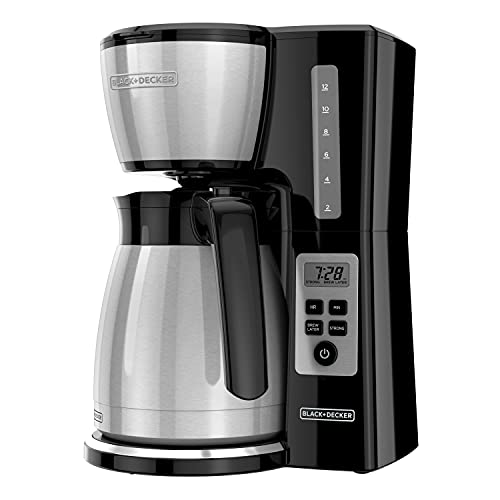
BLACK+DECKER 12 Cup Thermal Programmable Coffee Maker
Badge: Best Overall
The BLACK+DECKER 12 Cup Thermal Programmable Coffee Maker is built for households brewing a full morning pot who want it kept hot in a thermal carafe without a warming plate. In the context of best organic coffee makers, temperature control, clean extraction, and a carafe that never cooks the coffee are the traits that decide whether careful beans taste careful. Its confirmed headline specification — 12-cup capacity — is the fact to judge it by, because that single number decides more mornings than any styling detail. Read the strengths and trade-offs below as a fit test: if your routine matches the strengths and shrugs at the trade-offs, this is a serious candidate; if a trade-off lands on your daily habit, keep moving down the list.
Strengths Shoppers weighing nearby formats often compare Best High End Single Cup Coffee Makers before deciding.
- Thermal carafe keeps coffee hot without a scorching warming plate
- Programmable start for wake-up coffee
- VORTEX showerhead is designed for even saturation of the grounds bed
Trade-offs
- Full-pot format only
- Thermal carafes need prompt rinsing to avoid stale oils
- No single-serve side
Key specs (from verified listing data)
- 12-cup capacity
- Thermal carafe
- Programmable brewing
- Brew strength selection
- VORTEX showerhead technology
- Black/Steel finish, model CM2046S
Day to day, ownership is mostly rhythm: the small habits of filling, brewing or blending, rinsing, and resetting for tomorrow. The honest limitation is that a full-pot drip format, so it is the wrong tool for a single small cup. None of that makes the machine a bad buy — it makes it a specific buy, for the household described in the verdict line. Shoppers who try to force a specific machine into a general role are the ones who end up disappointed and leave the angry reviews; shoppers who match machine to routine almost never do. Shoppers weighing nearby formats often compare Best High Street Coffee Makers before deciding.
Best for: households brewing a full morning pot who want it kept hot in a thermal carafe without a warming plate / Not suited for: single-cup drinkers

Cuisinart PerfecTemp 12-Cup Thermal Drip Coffee Maker
Badge: Best Temperature Control Shoppers weighing nearby formats often compare Best Home Brew Coffee Makers Comparison before deciding.
The Cuisinart PerfecTemp 12-Cup Thermal Drip Coffee Maker is built for temperature-focused drip drinkers who want hotter brewing and a thermal carafe in one machine. In the context of best organic coffee makers, temperature control, clean extraction, and a carafe that never cooks the coffee are the traits that decide whether careful beans taste careful. Its confirmed headline specification — 12-cup capacity — is the fact to judge it by, because that single number decides more mornings than any styling detail. Read the strengths and trade-offs below as a fit test: if your routine matches the strengths and shrugs at the trade-offs, this is a serious candidate; if a trade-off lands on your daily habit, keep moving down the list.
Strengths
- PerfecTemp positioning is built around hotter brewing
- Double-wall stainless thermal carafe
- Brew Strength control for batch tuning
Trade-offs Shoppers weighing nearby formats often compare Best Home Brew Coffee Makers Comparison Chart before deciding.
- Premium tier of this drip pool
- Full 12-cup footprint
- Thermal carafe adds weight when full
Key specs (from verified listing data)
- 12-cup capacity
- Double-wall stainless steel thermal carafe
- PerfecTemp hotter brewing
- Brew Strength control
- Model DCC-3400NAS, silver
Day to day, ownership is mostly rhythm: the small habits of filling, brewing or blending, rinsing, and resetting for tomorrow. The honest limitation is that a premium-positioned full-pot machine, more than a one-mug household needs. None of that makes the machine a bad buy — it makes it a specific buy, for the household described in the verdict line. Shoppers who try to force a specific machine into a general role are the ones who end up disappointed and leave the angry reviews; shoppers who match machine to routine almost never do.
Best for: temperature-focused drip drinkers who want hotter brewing and a thermal carafe in one machine / Not suited for: tiny kitchens brewing one mug a day Shoppers weighing nearby formats often compare How To Choose The Best Thermal Carafe Coffee Makers 2026 Guide before deciding.

BLACK+DECKER CaféCraft 12-Cup Thermal Coffee Maker
Badge: Best for Iced Coffee
The BLACK+DECKER CaféCraft 12-Cup Thermal Coffee Maker is built for households that swing between hot pots in winter and iced coffee in summer. In the context of best organic coffee makers, temperature control, clean extraction, and a carafe that never cooks the coffee are the traits that decide whether careful beans taste careful. Its confirmed headline specification — 12-cup capacity — is the fact to judge it by, because that single number decides more mornings than any styling detail. Read the strengths and trade-offs below as a fit test: if your routine matches the strengths and shrugs at the trade-offs, this is a serious candidate; if a trade-off lands on your daily habit, keep moving down the list. Shoppers weighing nearby formats often compare Best Home Brewing Coffee Makers before deciding.
Strengths
- Hot and iced modes in a 12-cup thermal format
- Programmable convenience
- Thermal carafe suits slow weekend drinking
Trade-offs
- Iced mode is a carafe batch, not a glass on demand
- Two modes mean two routines to learn
- Full-size footprint
Key specs (from verified listing data)
- 12-cup capacity
- Thermal carafe
- Hot and iced coffee modes
- Programmable
Day to day, ownership is mostly rhythm: the small habits of filling, brewing or blending, rinsing, and resetting for tomorrow. The honest limitation is that the iced mode serves the carafe format, not single glasses on demand. None of that makes the machine a bad buy — it makes it a specific buy, for the household described in the verdict line. Shoppers who try to force a specific machine into a general role are the ones who end up disappointed and leave the angry reviews; shoppers who match machine to routine almost never do.
Best for: households that swing between hot pots in winter and iced coffee in summer / Not suited for: single-serve seekers

Cuisinart 12-Cup Programmable PerfecTemp Thermal Carafe Coffee Maker, White
Badge: Best Small-Batch Option
The Cuisinart 12-Cup Programmable PerfecTemp Thermal Carafe Coffee Maker, White is built for smaller households that still want a PerfecTemp machine, thanks to the dedicated 1-4 cup setting. In the context of best organic coffee makers, temperature control, clean extraction, and a carafe that never cooks the coffee are the traits that decide whether careful beans taste careful. Its confirmed headline specification — 12-cup capacity — is the fact to judge it by, because that single number decides more mornings than any styling detail. Read the strengths and trade-offs below as a fit test: if your routine matches the strengths and shrugs at the trade-offs, this is a serious candidate; if a trade-off lands on your daily habit, keep moving down the list.
Strengths
- 1-4 cup setting makes small batches a designed case, not an afterthought
- PerfecTemp brewing plus Brew Strength control
- Brew Pause for the impatient first cup
Trade-offs
- Still a full-size machine on the counter
- White finish shows coffee splashes
- Thermal carafe care as with all thermal pots
Key specs (from verified listing data)
- 12-cup capacity
- Thermal carafe
- PerfecTemp brewing
- 1-4 cup setting
- Brew Strength control
- Brew Pause
- Stainless steel with white finish
Day to day, ownership is mostly rhythm: the small habits of filling, brewing or blending, rinsing, and resetting for tomorrow. The honest limitation is that the full 12-cup footprint remains even when you mostly brew small batches. None of that makes the machine a bad buy — it makes it a specific buy, for the household described in the verdict line. Shoppers who try to force a specific machine into a general role are the ones who end up disappointed and leave the angry reviews; shoppers who match machine to routine almost never do.
Best for: smaller households that still want a PerfecTemp machine, thanks to the dedicated 1-4 cup setting / Not suited for: households that never brew small batches — its party trick goes unused

BUNN Speed Brew Platinum Thermal Coffee Maker, 10-Cup
Badge: Best for Speed
The BUNN Speed Brew Platinum Thermal Coffee Maker, 10-Cup is built for households that value a fast full pot above programmable extras. In the context of best organic coffee makers, temperature control, clean extraction, and a carafe that never cooks the coffee are the traits that decide whether careful beans taste careful. Its confirmed headline specification — 10-cup capacity — is the fact to judge it by, because that single number decides more mornings than any styling detail. Read the strengths and trade-offs below as a fit test: if your routine matches the strengths and shrugs at the trade-offs, this is a serious candidate; if a trade-off lands on your daily habit, keep moving down the list.
Strengths
- Speed-first format for households that hate waiting for a pot
- Thermal carafe keeps the fast pot hot
- Stainless build suits heavy daily use
Trade-offs
- 10-cup ceiling
- Fewer programmable frills than rivals
- Speed format rewards fresh water discipline
Key specs (from verified listing data)
- 10-cup capacity
- Thermal carafe
- Stainless steel, black
- Speed Brew format
- Model 55200 CSB3T
Day to day, ownership is mostly rhythm: the small habits of filling, brewing or blending, rinsing, and resetting for tomorrow. The honest limitation is that a 10-cup ceiling and a speed-first design, so programmability takes a back seat. None of that makes the machine a bad buy — it makes it a specific buy, for the household described in the verdict line. Shoppers who try to force a specific machine into a general role are the ones who end up disappointed and leave the angry reviews; shoppers who match machine to routine almost never do.
Best for: households that value a fast full pot above programmable extras / Not suited for: programmability fans who schedule every brew
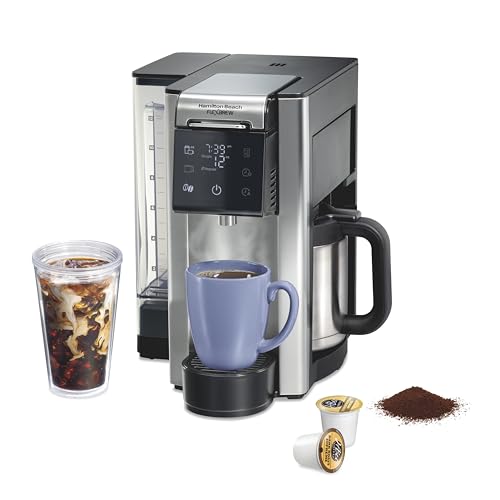
Hamilton Beach FlexBrew Advanced 5-in-1 Coffee Maker
Badge: Most Versatile
The Hamilton Beach FlexBrew Advanced 5-in-1 Coffee Maker is built for mixed households where one person wants a pot and another wants a single pod cup. In the context of best organic coffee makers, temperature control, clean extraction, and a carafe that never cooks the coffee are the traits that decide whether careful beans taste careful. Its confirmed headline specification — 5-in-1 drip and single serve design — is the fact to judge it by, because that single number decides more mornings than any styling detail. Read the strengths and trade-offs below as a fit test: if your routine matches the strengths and shrugs at the trade-offs, this is a serious candidate; if a trade-off lands on your daily habit, keep moving down the list.
Strengths
- Drip pot and single serve in one machine — the pool’s true hybrid
- 60 oz removable reservoir feeds the system
- Hot and iced, pods and grounds flexibility
Trade-offs
- Most complex cleaning and learning curve here
- Largest routine to manage
- Jack-of-all-trades positioning means specialists beat it at each single job
Key specs (from verified listing data)
- 5-in-1 drip and single serve design
- 12-cup thermal programmable drip side
- Pods and grounds on the single-serve side
- Hot and iced coffee
- Removable 60 oz reservoir
- Black finish
Day to day, ownership is mostly rhythm: the small habits of filling, brewing or blending, rinsing, and resetting for tomorrow. The honest limitation is that the most complex machine in this pool, with two brewing systems to clean and learn. None of that makes the machine a bad buy — it makes it a specific buy, for the household described in the verdict line. Shoppers who try to force a specific machine into a general role are the ones who end up disappointed and leave the angry reviews; shoppers who match machine to routine almost never do.
Best for: mixed households where one person wants a pot and another wants a single pod cup / Not suited for: minimalists who want exactly one simple function
Comparison Table
| Pick | Badge | Capacity / format | Second spec | Listing |
|---|---|---|---|---|
| BLACK+DECKER 12 Cup Thermal Programmable Coffee Maker | Best Overall | 12-cup capacity | Thermal carafe | Check on Amazon |
| Cuisinart PerfecTemp 12-Cup Thermal Drip Coffee Maker | Best Temperature Control | 12-cup capacity | Double-wall stainless steel thermal carafe | Check on Amazon |
| BLACK+DECKER CaféCraft 12-Cup Thermal Coffee Maker | Best for Iced Coffee | 12-cup capacity | Thermal carafe | Check on Amazon |
| Cuisinart 12-Cup Programmable PerfecTemp Thermal Carafe Coffee Maker, White | Best Small-Batch Option | 12-cup capacity | Thermal carafe | Check on Amazon |
| BUNN Speed Brew Platinum Thermal Coffee Maker, 10-Cup | Best for Speed | 10-cup capacity | Thermal carafe | Check on Amazon |
| Hamilton Beach FlexBrew Advanced 5-in-1 Coffee Maker | Most Versatile | 5-in-1 drip and single serve design | 12-cup thermal programmable drip side | Check on Amazon |
How to Choose the Right Coffee Maker for Your Routine
For organic coffee specifically, put temperature and cleanliness at the top of the list. Lighter and medium roasts — where much organic coffee lives — under-extract in lukewarm machines and taste sour for reasons drinkers misattribute to the beans. A machine that advertises hotter, controlled brewing, paired with a carafe that never cooks the result, is the combination this brief rewards.
Start with batch reality. Count the cups your household actually drinks on a normal weekday morning, not the holiday brunch maximum. Machines are happiest sized to the daily case: a single-serve brewer serving a four-coffee household one cup at a time becomes a queue, and a 12-cup drip machine brewing for one person wastes coffee and counter space in equal measure. The right size is the one that matches Tuesday, with a plan — a guest pot, a café run — for the exceptional Saturday.
Next, decide your input. Pod systems trade a higher per-cup cost and packaging waste for speed, consistency, and zero measuring. Grounds systems trade a minute of measuring and a filter routine for lower running cost, fresher coffee, and any bean you like. Hybrid machines try to split the difference and genuinely suit mixed households, but they ask you to learn and clean two systems. There is no morally correct answer here; there is only the answer your half-awake self will actually use at 6:40 in the morning.
Reservoir size is the quiet convenience spec. A removable reservoir in the 40 to 60 ounce range means filling every few days instead of every cup, and removable matters because a tank you can carry to the sink gets washed, while a fixed tank gets neglected. Strength controls — a Strong Brew button on pod machines, brew strength settings on drip machines — are the second quality lever after the coffee itself, and worth more than most cosmetic features. Thermal carafes keep coffee hot without the cooked flavor a warming plate builds over an hour; glass carafes on plates are fine for drink-it-now households.
Finally, measure your counter honestly, including the space above it. Machines need clearance to open lids, remove reservoirs, and lift carafes, and the cabinet above the counter is where good purchases go to feel cramped. Depth matters too: a machine that must be pulled forward every morning will be, and that daily shuffle is the kind of friction that quietly kills routines. Choose the machine that fits the counter you have, not the kitchen you are planning.
How to Use, Clean, and Troubleshoot Your Coffee Maker
Organic coffee rewards a slightly fussier routine, because its flavors are the first casualties of stale equipment. The steps below add two habits to the standard sequence: a quick basket rinse before brewing, and prompt carafe rinsing after, so yesterday’s oils never season today’s careful beans.
- Start with water. Fill with fresh, filtered water. Water is nearly all of what lands in the cup, and stale or heavily chlorinated water will flatten good coffee no matter what machine brews it.
- Match the dose to the machine. For pods, seat the pod firmly and close the handle fully. For grounds, use the maker’s scoop guidance and a level, even bed — channels in the grounds brew unevenly.
- Preheat the mug for small cups. A quick hot-water rinse of the mug keeps a small serving hot noticeably longer, because a cold ceramic mug is a heat sink.
- Brew, then taste before adjusting. Change one variable at a time — size, strength setting, or coffee — so you know what fixed what.
- Reset immediately. Eject the pod or dump the grounds, rinse what rinses easily, and leave the machine ready for tomorrow. Two minutes now beats a deep clean later.
Cleaning rhythm decides how long any of these machines tastes good. Wipe the brew area weekly, wash removable reservoirs and carafes with warm soapy water rather than letting coffee oils bake on, and descale on the rhythm your water hardness demands — monthly for hard water, quarterly for soft. Oils go rancid and scale insulates heating elements; most “my machine makes bad coffee now” stories are one of those two, not a broken brewer.
Problem: coffee tastes weak → what to do. Brew a smaller size or engage the strength setting before blaming the coffee; the same coffee at a smaller water volume is a bolder cup. Problem: coffee tastes bitter or stale → what to do. Clean first — old oils are the usual culprit — then check that your coffee itself is fresh and stored away from heat. Problem: brewing slows or sputters → what to do. Descale; mineral buildup narrows water paths and drops temperature, and it is the most fixable fault in home coffee.
What Organic Coffee Actually Asks of a Machine
Organic certification speaks to how coffee was grown, not how it should be brewed — but the market reality is that organic lines skew toward lighter roasts, single origins, and subtler flavor notes, and those are precisely the coffees that expose a weak brewer. Under-heated water leaves them thin and grassy; a warming plate erases their top notes within the hour; dirty equipment covers them in yesterday’s roast. The machines in this guide answer with heat, thermal carafes, and strength control. If your organic coffee is a dark, forgiving roast, any of the six will flatter it; if it is a delicate light roast, the temperature-focused picks earn their badges.
Water, Freshness, and the Rest of the Organic Chain
A machine is one link in a chain that starts with fresh beans. Buy organic coffee in quantities you will finish within a few weeks, store it sealed away from heat and light, and grind close to brewing if your routine allows — pre-ground organic coffee stales on the same clock as any other. Filtered water matters doubly: the chlorine note that merely dulls a dark roast can dominate a delicate one. None of this requires new equipment beyond the brewer; it requires treating the brewer as the final step of a chain you have already paid to keep clean.
Final Recommendation
For most organic coffee households, the Cuisinart PerfecTemp earns the first look: hotter, controlled brewing plus a double-wall thermal carafe is exactly the combination delicate beans ask for.
The shortlist, in order: the BLACK+DECKER 12 Cup Thermal Programmable Coffee Maker (best overall), the BLACK+DECKER CaféCraft 12-Cup Thermal Coffee Maker (best for iced coffee), the Hamilton Beach FlexBrew Advanced 5-in-1 Coffee Maker (most versatile). Start at the top of that list unless your space, batch size, or routine clearly points elsewhere in the six.
Choose the BLACK+DECKER VORTEX model for programmable value with even extraction, the CaféCraft if iced coffee joins the rotation, the white Cuisinart for small-batch discipline, the BUNN for speed across several pots, and the FlexBrew if your household also wants a single-serve side. The beans did their part in the field; these machines are how the kitchen does its part.
Common Buying Mistakes
The most common mistake is buying for the household you host twice a year instead of the one that drinks coffee every day, which is how single drinkers end up with 12-cup machines and families end up queuing at a mini brewer. The second is ignoring running cost and routine cost: pods are a subscription you drink, and grounds are a small daily ritual — pick the one you will not resent in month six. The organic-specific mistake is pairing premium beans with a neglected machine: a month of oil buildup will flatten a careful light roast more completely than any brewing variable you can adjust.
Third, shoppers chase feature lists and skip the fit checks: reservoir removability, mug clearance, lid-opening height under cabinets, and whether the carafe pours without dribbling down its own side. Fourth, they never descale, then blame the machine for coffee that tastes like the inside of a kettle. Fifth, they judge a machine on its first cup with unfamiliar coffee — dial in size and strength over a week before concluding anything. Every pick in this guide can make a good cup inside its format; the mistakes above are how good machines end up in the donation box.
Frequently Asked Questions
Is any coffee maker certified organic?
No — organic certification applies to the coffee and its supply chain, not to appliances. The meaningful question is whether a machine brews organic coffee cleanly and hot enough, which is how this guide screened its picks.
Do organic beans need a special machine?
They need a competent one: proper brew temperature, a thermal carafe, and equipment kept clean. Delicate light roasts punish weak machines more than forgiving dark roasts do.
Glass or thermal carafe for organic coffee?
Thermal, for any pot that will sit longer than twenty minutes. A warming plate steadily cooks away the subtle notes that are the point of the purchase.
Does the 1-4 cup setting matter here?
Yes — organic beans cost more, so small batches brewed properly instead of thinly are real money saved over a year of mornings.
How often should I clean for organic coffee?
Rinse the carafe and basket after every use and deep-clean weekly. Subtle coffees reveal stale oils immediately, so the rhythm that is optional for dark roasts is mandatory here.
Can these machines brew conventional coffee too?
Of course — the same virtues flatter any coffee. Nothing about a temperature-controlled thermal brewer is exclusive to organic beans.
Thermal Carafes Versus Warming Plates
A warming plate keeps coffee hot by cooking it slowly; a thermal carafe keeps coffee hot by insulating it. For the first twenty minutes the difference is small. By the second hour it is the whole story: plate coffee turns stewed and bitter while thermal coffee merely cools gracefully. Households that drink a pot within half an hour can honestly choose either. Households that brew at seven and sip until ten should treat the thermal carafe as the feature that decides the purchase, which is why every machine in this pool carries one — the remaining question is which thermal machine’s other traits fit your kitchen.
Bloom, Showerheads, and Even Extraction
Drip quality is mostly water distribution. A showerhead that wets the whole grounds bed evenly extracts evenly; a single stream drills a channel and leaves the edges under-brewed, producing a cup that is somehow both weak and bitter. Designs in this pool advertise their distribution systems — vortex showerheads, wide dispersion — because the physics is real. You can help any machine: use a level, even bed of grounds, the right grind for drip, and the small-batch setting when brewing small batches, so the water spends its time in the grounds rather than racing through a shallow bed.
The 1-4 Cup Setting Is Not a Gimmick
Small batches in big machines brew badly for a simple reason: the same showerhead spreads water over a much thinner bed, contact time collapses, and the cup tastes thin. A dedicated small-batch setting slows the flow and restores contact time, which is why the Cuisinart in this pool that carries a 1-4 cup setting matters for one and two person households that still want a carafe machine. If your household size is genuinely mixed — small on weekdays, full pots on weekends — that single setting may be worth more than any other line on the spec sheet.
Programming Honestly
A programmable timer is only as good as the coffee sitting in the basket overnight. Grounds left in a warm machine for eight hours lose their brightest notes before brewing starts, so the wake-up pot is a trade: convenience now, a small quality tax paid nightly. Many households land on a middle path — water and filter prepared at night, grounds added in the morning, button pressed while the kettle of morning routine unfolds around it. Decide which version of convenient you actually want before paying for the clock.
Speed and Its Price
Fast drip machines keep water hot and ready, which is how the BUNN format in this pool brews a full pot in minutes. The trade is energy: a reservoir held at temperature all day sips power continuously. For households brewing several pots daily, the exchange is obviously worth it. For one pot each morning, a standard machine’s slower brew costs a few minutes and nothing else. Speed is a genuine feature — price it against your actual pot count rather than the fantasy of a café rush in your kitchen.
Thermal Carafes Versus Warming Plates
A warming plate keeps coffee hot by cooking it slowly; a thermal carafe keeps coffee hot by insulating it. For the first twenty minutes the difference is small. By the second hour it is the whole story: plate coffee turns stewed and bitter while thermal coffee merely cools gracefully. Households that drink a pot within half an hour can honestly choose either. Households that brew at seven and sip until ten should treat the thermal carafe as the feature that decides the purchase, which is why every machine in this pool carries one — the remaining question is which thermal machine’s other traits fit your kitchen.
Bloom, Showerheads, and Even Extraction
Drip quality is mostly water distribution. A showerhead that wets the whole grounds bed evenly extracts evenly; a single stream drills a channel and leaves the edges under-brewed, producing a cup that is somehow both weak and bitter. Designs in this pool advertise their distribution systems — vortex showerheads, wide dispersion — because the physics is real. You can help any machine: use a level, even bed of grounds, the right grind for drip, and the small-batch setting when brewing small batches, so the water spends its time in the grounds rather than racing through a shallow bed.
Reading Any Listing Like an Editor
Every product listing mixes three kinds of sentence: verifiable specifications, comparative claims, and atmosphere. Specifications — capacities, wattage, dimensions, what is in the box — can be checked and should decide purchases. Comparative claims — quieter, faster, smoother — mean little without a stated comparison point, and this guide treats them as tier hints at most. Atmosphere is everything else. Shoppers who sort a listing into those three piles before reading reviews make calmer decisions, because the spec pile is short, checkable, and identical for every reader, while the other two piles are written to be felt rather than verified. When a pick in this guide states a number, it comes from the verified spec pile; when it offers a judgment, the judgment is labeled with its reasoning and its limits.
The Two-Year Test
Appliances are bought in a day and judged across years, so run the two-year test before choosing: picture this machine in its second year, seals slightly worn, novelty gone, routine established. What will you still value? Almost never the feature that closed the sale in the store. It will be the rinse that takes ten seconds, the cup that is always the right size, the control you can work half-asleep, the footprint that never started an argument with the counter. The picks in this guide were ranked with that picture in mind, which is why cleanup, capacity fit, and routine friction are weighted as heavily as headline performance throughout.
Accessories, Spares, and the Hidden Second Purchase
Small appliances live inside an ecosystem of seals, lids, cups, filters, and blades, and the second purchase — the replacement part in year two — is where ownership costs quietly live. Before committing, consider which parts of your chosen machine are wear items, whether they are standard enough to find easily, and whether your routine needs spares from day one: a second cup, an extra filter, a spare seal. Buying the spare with the machine, while the model is current and the part is findable, is one of the cheapest forms of insurance in the small-appliance world, and it converts a future breakdown from a crisis into a drawer opening.
Storage Is Part of the Specification
A machine’s working footprint is only half its spatial cost; the other half is where its cups, lids, carafes, and accessories sleep. Multi-part sets earn their convenience and bill it to a cupboard. Before choosing the generous set, walk the storage honestly: measure the shelf, count the parts, and decide which existing resident gets evicted. Kitchens forgive a large machine that stores compactly and resent a small one whose parts colonize a drawer. The right purchase is the one whose whole ecosystem — machine plus parts plus spares — fits the kitchen as it is, not as a weekend of organizing might make it.
When to Replace Rather Than Repair Your Routine
Every category in this guide eventually asks the replacement question, and the honest triggers are functional, not fashionable: seals that no longer seal after replacement, motors that stall on loads they once handled, carafes or cups damaged at their stress points, or a routine that has genuinely changed size — a household grown or shrunk past the machine’s format. Cosmetic wear is not a trigger; it is a patina. Shoppers who replace on functional triggers spend less across a decade than shoppers who replace on novelty, and they know their machines better, because each one was kept long enough to be understood.
A Note on Gifts in This Category
Small appliances are risky gifts and excellent ones, and the difference is homework. The safe gift in any of these categories is the format the recipient’s routine already asks for: the single-serve machine for the dorm-bound student whose desk you have seen, the personal blender for the gym devotee whose shake habit you have watched. The risky gift is the aspirational one — the machine for the person you hope they become. If you are buying from this guide as a gift, choose by the routine you have observed, keep the format forgiving, and remember that the mid-tier pick with the easiest cleanup outperforms the flagship in a recipient’s real kitchen almost every time.


