Disclosure: topratedkitchenware.com is reader-supported. When you buy through links on our site, we may earn an affiliate commission from Amazon and other retailers, at no extra cost to you.
Where to buy
The six blankets below are the verified picks for this guide to best chemo blankets. Each name links to its Amazon listing, where you can check the latest price on Amazon, confirm the current size and color, and read the newest owner feedback before you decide. Two of the six are smaller throws sized for a chair; the other four are full bed blankets, and the reviews below are explicit about which is which.
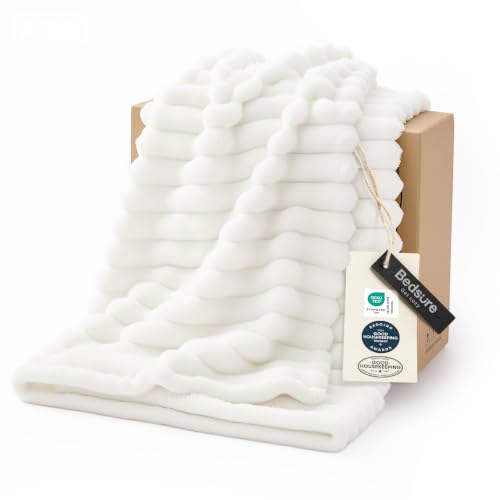
- Bedsure Fleece Blanket Queen Size Cream
- Utopia Bedding Fleece Bed Blanket Queen Size Navy
- BEDELITE Fleece Queen Comforter Set Cream White
- Richave Fleece Blanket Queen Size 350GSM Dark Gray
- Bedsure GentleSoft Sherpa Fleece Throw Navy 50×60
- Bedsure GentleSoft Sherpa Fleece Twin Blanket Grey 60×80
Read the full guide ↓ for the ranking logic, the honest limitations of every pick, and the buying checks that matter more than any headline claim.
The best chemo blankets are not a special medical product category — they are ordinary soft blankets judged by a stricter set of comfort rules. During treatment, many people spend long hours sitting in an infusion chair and then resting at home, and they often feel cold in air-conditioned clinics while their skin feels more sensitive than usual. A good blanket for those days has to feel gentle against skin, warm up fast without heavy weight, survive frequent washing, and be easy for a tired person — or a caregiver helping them — to fold, carry, and shake out without a struggle.
That is why this guide leans toward plush fleece and sherpa rather than scratchy wool, stiff quilts, or heavy weighted designs. Fleece traps warmth in its fibers while staying light, it does not itch, and it tolerates the repeated laundry cycles that matter when a blanket travels between home, car, and clinic. Every pick below is a fleece or sherpa design verified through the product pool for this guide, and each review states plainly who it suits, where it falls short, and whether its size works better on a bed or across a lap in a chair.
One boundary up front: a blanket is a comfort item, not a treatment. Nothing in this guide claims that any blanket improves medical outcomes, eases side effects, or replaces advice from an oncology care team. What a well-chosen blanket can honestly do is make long, cold, tiring hours feel a little more bearable — soft against sensitive skin, warm without bulk, and familiar in a setting that rarely feels familiar. If temperature sensitivity, circulation concerns, or skin reactions are part of your situation, ask your care team what they recommend before buying.
If the person you are shopping for tends to run hot rather than cold, the separate guide to Best Cooling Weighted Blankets For Adults explains the breathable end of the blanket spectrum, though most people in treatment prefer warmth they can add and remove in layers.
Key Takeaways
- Softness against skin is the first filter: plush fleece and sherpa feel gentle where wool and stiff cotton can irritate.
- Size decides the job — a 50×60 inch throw suits a chair or lap, while a 90×90 inch queen blanket is for the bed at home.
- Light warmth beats heavy warmth for most people; layers you can peel off are easier to manage than one thick cover.
- Frequent washing is part of the routine, so every pick here is a washable synthetic fleece rather than a delicate natural fiber.
- The Bedsure GentleSoft Sherpa Throw in the smaller size is the most portable pick; the queen fleece blankets are the stay-at-home options.
- A blanket is a comfort purchase only — it makes rest easier, and it is not a medical device or a treatment aid.
In this guide
Quick Picks
Six fleece and sherpa blankets, split between bed-size blankets for home and throws for the chair, each with a badge that matches its detailed review below.
| Pick | Badge | Standout trait | Where to check |
|---|---|---|---|
| Bedsure Fleece Blanket Queen Size Cream | Best Overall | Full queen coverage in a soft, light fleece | Check on Amazon |
| Utopia Bedding Fleece Bed Blanket Queen Size Navy | Best Practical Color | Same queen footprint in a forgiving dark navy | Check on Amazon |
| BEDELITE Fleece Queen Comforter Set Cream White | Best for the Bed at Home | Plush comforter plus two pillowcases for a full bed setup | Check on Amazon |
| Richave Fleece Blanket Queen Size 350GSM Dark Gray | Best Anti-Static Pick | Brushed 350GSM fleece with an anti-static finish | Check on Amazon |
| Bedsure GentleSoft Sherpa Fleece Throw Navy 50×60 | Best for the Treatment Chair | Compact sherpa throw sized for a lap and a tote bag | Check on Amazon |
| Bedsure GentleSoft Sherpa Fleece Twin Blanket Grey 60×80 | Best Couch Compromise | Twin-size sherpa that bridges chair and couch | Check on Amazon |
How These Picks Were Chosen
These picks were chosen by comparing the verified product pool for this topic on the attributes that matter during treatment and recovery at home: surface softness, warmth relative to weight, size, and how the blanket is built to be washed and reused. Only products whose listing details could be confirmed were linked; anything described in this guide carries only the specifications its own listing states, and nothing here is based on invented testing. This is a research-led guide — the blankets were assessed from verified product information, construction details, and the patterns in owner feedback, not from a laboratory or a hospital trial.
Softness was judged by fabric type first. Microfiber fleece and sherpa are the two surfaces that consistently feel gentle on sensitive skin, so the pool narrowed to those quickly. Wool, chunky knits, and canvas-like weaves were set aside: they can feel scratchy, they shed fibers, and several need special washing. Weighted blankets were also set aside for this use — the steady pressure some people enjoy at home is a poor match for a chair where a blanket gets moved, folded, and carried all day, and anyone considering one should raise it with their care team first.
Size was the second filter, and it split the list in two on purpose. Four picks are queen bed blankets around 90×90 inches for the bed or couch at home, where full coverage matters during long rest. Two picks are throws — 50×60 and 60×80 inches — sized for a lap, shoulders, and a tote bag. A guide that mixed these up would mislead people, so each review names the setting the size actually fits, and the comparison table keeps the dimensions side by side.
A final screen deserves naming: every pick in this guide is non-heated. That was a deliberate choice, not an omission. Heated products raise questions — about temperature sensation, about cords in clinical settings, about who supervises the settings — that a general buying guide should not wave through. If a heated option is ever considered for home use, it belongs in a conversation with the care team first. The blankets above ask no such questions, which is part of why they can be recommended without qualification.
The 6 Best Chemo Blankets, Reviewed in Detail

Bedsure Fleece Blanket Queen Size Cream
Badge: Best Overall
Strengths
- Plush microfiber fleece face that feels gentle on sensitive skin
- Full 90×90 inch queen coverage for bed or couch rest
- Light for its size, so it is easy to lift, fold, and reposition
Trade-offs
- Too large to be a practical take-along chair blanket
- Cream color shows spills and clinic grime quickly
- Single-layer fleece is warm but not the warmest option here
Mini spec box
- Size: Queen, 90×90 inches
- Material: fleece (microfiber)
- Color listed: Cream
- Construction: soft cozy winter bed blanket
This is the blanket to buy when the priority is one dependable, gentle cover for the bed and the couch at home. The fleece face is smooth and plush rather than nubby, which is exactly the surface you want when skin feels tender and even familiar fabrics start to bother you. Spread over a bed it covers a queen mattress edge to edge, and folded lengthwise on a couch it wraps shoulders and legs in one layer without the wrestling that a heavier quilt demands.
Its real advantage is the warmth-to-effort ratio. It warms up quickly because fleece traps body heat in its fibers, yet it stays light enough that someone feeling weak can pull it up or push it aside without help. The honest limitation is portability: at full queen size it is a stay-at-home blanket, and the cream color — while calm and giftable — will show every coffee splash and pen mark, so expect to wash it often. Fortunately fleece is the easiest fabric on this list to launder.
Best for: Best for: home rest on a bed or couch, and gift-givers who want a safe, gentle first choice. / Not suited for: carrying to appointments, or anyone who wants a dark, stain-hiding color.

Utopia Bedding Fleece Bed Blanket Queen Size Navy
Badge: Best Practical Color
Strengths
- Dark navy hides stains, spills, and everyday marks far better than pale colors
- Breathable microfiber fleece that warms without feeling stuffy
- Queen 90×90 inch size works as the main bed blanket or a couch layer
Trade-offs
- Navy shows lint and light-colored pet hair clearly
- Lightweight build may feel thin to people who like a heavy cover
- One solid color only in this listing — no pattern options
Mini spec box
- Size: Queen, 90×90 inches
- Material: breathable microfiber fleece
- Color listed: Navy
- Profile: lightweight plush bed blanket
Think of this as the pragmatic sibling of the cream Bedsure above: the same generous queen footprint and soft microfiber fleece, but in a deep navy that forgives the realities of daily use. When a blanket is in service every day — draped over a recliner, pulled up during naps, carried from room to room — a dark color simply looks decent for longer between washes, and that matters when laundry energy is in short supply.
The fleece is described as breathable, and that is the right character for someone whose temperature swings during the day: it takes the chill off an air-conditioned room without sealing in heat the way a dense sherpa can. The trade-off is that committed cold sleepers may find a single layer of it modest in a cold bedroom, in which case it works best layered over a sheet or under a second throw. As a gift, navy is also the least fussy choice — it suits almost any room and any recipient.
Best for: Best for: everyday home use where a dark, low-maintenance color matters. / Not suited for: people who want maximum single-layer warmth or a light, bright look.

BEDELITE Fleece Queen Comforter Set Cream White
Badge: Best for the Bed at Home
Strengths
- Thickest, plushest build on this list for cold bedrooms
- Includes two pillowcases, so the whole bed feels soft, not just the torso
- Fuzzy faux fur face feels especially gentle and cocooning
Trade-offs
- Heavy plush build is the hardest here to lift and launder
- Far too bulky for travel or a treatment chair
- Warm enough that hot sleepers may overheat under it
Mini spec box
- Set: queen comforter with 2 pillowcases
- Material: fluffy fleece with faux fur face
- Color listed: Cream White
- Profile: heavy plush winter bedding
This set is for the person whose recovery happens mostly in their own bed and who wants that bed to feel like a nest. The comforter is a thick, fluffy fleece with a faux fur face — noticeably more substantial than the flat fleece blankets above — and the matching pillowcases mean the softness reaches the face and neck, not just the body. On cold nights it is the warmest option in this guide by a clear margin.
The costs of that comfort are weight and upkeep. A heavy plush comforter is real work to shake out, carry to the laundry, and fit into a home washing machine, and it is nobody’s idea of a portable blanket. Buy it as bedroom infrastructure — ideally with a caregiver or family member around for laundry day — rather than as the one blanket that does everything. People who run warm should also note that this much plush insulation does not breathe as freely as the flat fleeces.
Best for: Best for: cold sleepers resting at home who want the plushest bed setup. / Not suited for: travel, chair use, or anyone who cannot manage a heavy comforter on laundry day.
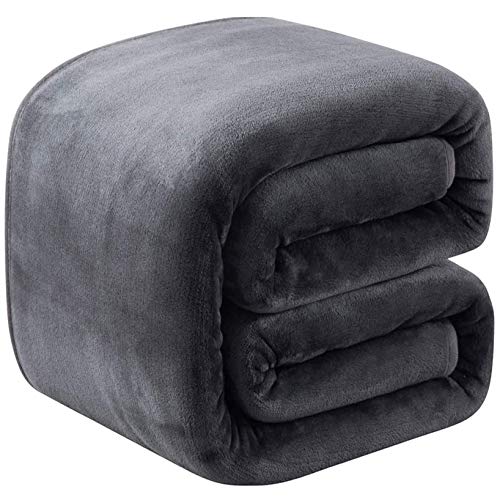
Richave Fleece Blanket Queen Size 350GSM Dark Gray
Badge: Best Anti-Static Pick
Strengths
- Anti-static finish reduces the crackle and cling that irritate sensitive skin
- Brushed fabric face feels smooth and even, with no nubby texture
- 350GSM weight balances real warmth with easy handling
Trade-offs
- Dark gray is practical but less cheerful as a gift color
- All-season weight may still be light for midwinter without layers
- Queen size only in this listing — no throw size for the chair
Mini spec box
- Size: Queen, 90×90 inches
- Material: brushed fleece, 350GSM
- Finish: anti-static
- Color listed: Dark Gray
A small detail earns this blanket its badge: the anti-static finish. Anyone who has pulled a fleece blanket over their head in a dry, heated room knows the crackle and the way synthetic fabric clings and sparks. When hair and skin are already sensitive, that static cling is more than a nuisance. A brushed, anti-static fleece behaves more calmly — it drapes instead of clinging, and it comes away from the body without the little shocks.
At 350GSM the fabric has enough body to feel like a real blanket rather than a sheet, while staying light enough for everyday handling, and the dark gray color splits the difference between the cream and navy picks for stain forgiveness. The limitation is the same as the other bed blankets: it is a home blanket, full stop. Pair it with one of the two throws below if you also need something sized for appointments, and expect to layer it in the coldest weeks.
Best for: Best for: people bothered by static cling, and anyone wanting a mid-weight bed blanket. / Not suited for: chair use, or gift-givers after a bright, cheerful color.
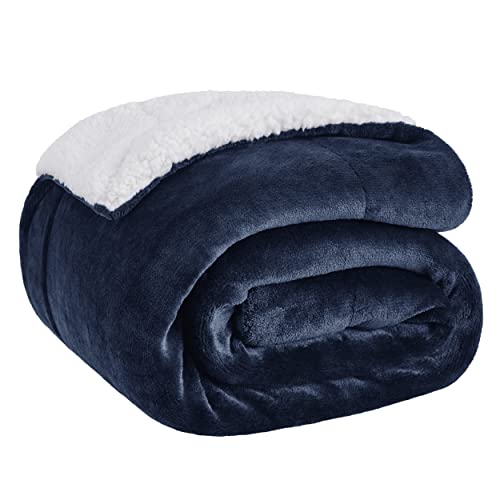
Bedsure GentleSoft Sherpa Fleece Throw Navy 50×60
Badge: Best for the Treatment Chair
Strengths
- 50×60 inch throw size folds small enough for a tote or clinic bag
- Sherpa side adds thick, warm loft without much weight
- Non-heated design — no cords, plugs, or batteries to manage
Trade-offs
- Covers a lap and torso, not a whole body
- Sherpa texture sheds more than flat fleece when new
- Too small to serve as the main bed blanket
Mini spec box
- Size: Throw, 50×60 inches
- Material: sherpa fleece
- Heating: none (non-heated)
- Color listed: Navy
This is the blanket most readers of this guide actually need first. Infusion chairs are cold, the hours are long, and a 50×60 inch throw is the size that works there: it covers legs and torso, tucks around shoulders, folds into a bag without a fight, and comes home again just as easily. The sherpa face gives it a thick, warm loft that flat fleece cannot match at this size, and because it is non-heated there are no cords to negotiate with clinic staff or outlets to hunt for.
The navy color is a quietly smart choice for a blanket that will see waiting rooms and car rides — it hides the evidence. Its limits are purely about size and texture: it will not cover a tall person’s feet and shoulders at once, and new sherpa can shed a little lint in the first washes. Wash it before first use, keep it in the bag by the door, and let the big bed blankets above handle the nights.
Best for: Best for: appointment days, travel, and anyone buying one portable blanket. / Not suited for: full-body bed coverage or people who dislike sherpa texture.

Bedsure GentleSoft Sherpa Fleece Twin Blanket Grey 60×80
Badge: Best Couch Compromise
Strengths
- 60×80 inch twin size covers a reclined adult far better than a small throw
- Sherpa warmth in a blanket still light enough to move room to room
- Neutral grey suits most rooms and hides everyday wear well
Trade-offs
- Bigger than a tote-friendly throw — less ideal for appointments
- Still short of a true queen bed blanket for couples
- Sherpa face needs a wash before use to settle loose fibers
Mini spec box
- Size: Twin, 60×80 inches
- Material: sherpa fleece
- Heating: none (non-heated)
- Color listed: Grey
The 60×80 inch twin is the compromise pick: large enough to cover a reclined adult on a couch or recliner — feet included for most people — yet still a single manageable blanket rather than a full bed setup. For recovery days spent on the couch rather than in bed, that footprint is honestly the sweet spot, and the sherpa build keeps it warm without the weight of the BEDELITE comforter set.
It also works as the second blanket in a two-blanket system: this one lives on the couch, the small navy throw lives in the clinic bag, and the bed keeps its own cover. Grey is the most forgiving color here for a blanket in constant service. The only real caveat is that it splits the difference in both directions — a bit bulky for travel, a bit small for a shared bed — so buy it for the couch role specifically and it will not disappoint.
Best for: Best for: couch and recliner recovery days, and taller people who find throws too short. / Not suited for: a shared queen bed, or a minimalist clinic bag.
Comparison Table
The table below lines the six picks up by the three things that decide this purchase: how much of you the blanket covers, what touches your skin, and where the blanket will actually live.
| Pick | Size | Fabric | Best setting | Link |
|---|---|---|---|---|
| Bedsure Fleece Blanket Queen Size Cream | Queen 90×90 in | Microfiber fleece | Bed / couch at home | Check on Amazon |
| Utopia Bedding Fleece Bed Blanket Queen Size Navy | Queen 90×90 in | Microfiber fleece | Bed / couch at home | Check on Amazon |
| BEDELITE Fleece Queen Comforter Set Cream White | Queen set + 2 pillowcases | Fleece / faux fur | Bed at home only | Check on Amazon |
| Richave Fleece Blanket Queen Size 350GSM Dark Gray | Queen 90×90 in | Brushed fleece 350GSM | Bed / couch at home | Check on Amazon |
| Bedsure GentleSoft Sherpa Fleece Throw Navy 50×60 | Throw 50×60 in | Sherpa fleece | Chair / travel | Check on Amazon |
| Bedsure GentleSoft Sherpa Fleece Twin Blanket Grey 60×80 | Twin 60×80 in | Sherpa fleece | Couch / recliner | Check on Amazon |
How to Choose the Best Chemo Blankets for Your Situation
Start with the setting, not the fabric. A blanket for appointment days has to fold into a bag, survive being carried, and cover a seated person — that means a throw around 50×60 inches. A blanket for home has the opposite job: maximum coverage and warmth for someone lying down, which means a twin at minimum and ideally a queen around 90×90 inches. Many households end up with one of each, and buying the wrong size for the setting is the single most common disappointment in this category.
Next, judge the surface the way your skin will. During treatment, skin can become dry and reactive, and textures that never bothered you before — nubby weaves, chunky knits, coarse wool — can suddenly feel like sandpaper. Smooth microfiber fleece and soft sherpa are the safest surfaces because their fibers are fine and even. Run a hand across any blanket before committing: if it feels anything but gentle on the inside of your wrist, it will feel worse after an hour against a neck or forearm.
Think about warmth as something adjustable. Feeling cold in a clinic and then overheating in a warm car is a normal swing, so a single mid-weight fleece you can layer over a sheet or under a second throw beats one extremely heavy blanket you either use fully or not at all. The exception is the bedroom in winter, where a thick plush comforter earns its place. Avoid heated blankets unless your care team is comfortable with it — temperature sensation can change during treatment, and a non-heated blanket carries no such questions.
Plan for laundry from day one. A blanket that goes to appointments should be washed often, and fleece is forgiving here: it washes in a normal machine cycle, dries fast, and does not need special handling. Pale colors will show every mark and push you toward washing even more often, which is one reason the navy and grey picks in this guide are so practical. If two people will share the blanket duties, two mid-priced blankets in rotation are usually a better buy than one premium blanket that is always in the wash.
Finally, buy for the person, not the diagnosis. If you are gift-shopping, the most appreciated blankets are soft, in a color the recipient would choose for their own couch, and accompanied by the offer to wash and carry it. Avoid novelty prints with medical slogans unless you are certain they will land well, and skip strong fragrances or scented laundry products on a new blanket — wash it once in a gentle, unscented detergent before giving it, so it arrives soft and neutral.
One more consideration belongs in every chemo blanket decision: who else will handle it. Caregivers lift, fold, wash, and carry these blankets constantly, and their convenience is part of the product. A blanket that one tired person can shake out, fold small, and fit in a standard washing machine will be cared for willingly; a magnificent but unwieldy comforter quietly becomes a burden. When two picks in this guide seem equal, choose the one that is easier for the second pair of hands — it is the tiebreaker that real households feel every single week.
Shoppers comparing materials across the whole bedroom often start with the guide to Best Cotton King Size Blankets for natural-fiber options, and with Best Goose Down Blankets for the lightest warm fill — both useful reference points before deciding that fleece is the right call here.
How to Use, Wash, and Care for a Comfort Blanket
A comfort blanket does its best work when it is ready before it is needed. Keep the appointment throw washed, folded, and stored in the bag it travels in, so leaving the house never involves a search. At home, keep the bed or couch blanket within arm’s reach of the spot where rest actually happens — a blanket across the room might as well be in another house on a low-energy day.
- Wash any new fleece or sherpa blanket before first use, on a gentle cycle with a mild, unscented detergent, to remove loose fibers and factory finishes.
- Fold the appointment throw to bag size and store it with a spare layer, such as a light scarf or warm socks, so one grab covers the whole outing.
- At the chair or couch, drape the blanket over legs first, then tuck the top edge around shoulders — trapping warmth at the torso makes a small throw feel bigger.
- Layer rather than upgrade: if one fleece is not warm enough, add a second light layer instead of replacing it with the heaviest blanket available.
- Wash the travel blanket after clinic trips and the home blanket weekly during heavy use; tumble dry on low to keep fleece fibers soft.
- Inspect seams and edges monthly — a blanket in daily service wears at the hems first, and a small repair early prevents a tear later.
Drying deserves one extra note: fleece and sherpa both prefer low heat. High dryer heat can roughen the fibers and shorten the blanket’s soft life, which defeats the entire purpose of buying for softness. Shake the blanket out when it comes out of the dryer and fold it loosely rather than compressing it into a tight cube — loft is warmth, and stored compression slowly flattens sherpa in particular.
Rotation extends everything. If you own two blankets for the same role, alternate them weekly; each gets a rest, washes even out, and you are never left without a clean blanket on a day when energy for laundry is zero. Keep one spare in the car during colder months — appointments run long, waiting rooms run cold, and a forgotten blanket is a miserable small problem that is entirely preventable.
Keep the blanket’s own comfort in repair, too. A fleece that has gone rough from hot drying can sometimes be rescued by a gentle rewash and a low, patient dry; a sherpa that has matted benefits from a soft brushing once fully dry. These small restorations matter because the blanket’s softness is not a luxury feature — in this context it is the entire specification, and maintaining it is maintaining the product itself.
Troubleshooting
Problem: the blanket feels warm enough at first but cold after an hour in a chair → the layer under you is the issue; sit on a folded edge or add a layer beneath your legs, because chairs draw heat from below as much as rooms do from above.
Problem: sherpa shedding lint onto clothes → wash the blanket alone twice with a gentle cycle and dry on low; new sherpa sheds loose surface fibers early and settles down after the first few washes.
Problem: static crackle every time the blanket moves → choose an anti-static fleece like the Richave pick, skip fabric softener sheets that coat fibers unevenly, and keep room air from becoming desert-dry where you can.
What to Pack in a Treatment-Day Bag
The blanket is the anchor item, but the bag around it decides how comfortable the day actually is. Pack the throw folded at the top so it comes out first, then a layer for temperature swings, warm socks, a water bottle, lip balm, a phone charger with a long cable, and something absorbing to do that does not require energy — a paperback, a downloaded podcast, a crossword book. Everything should be reachable with one hand and without standing up.
Keep the bag packed permanently rather than assembling it each time. Restock it the evening after an appointment, while you still remember what ran out, and leave it by the door or in the car. Caregivers: the kindest version of this gift is a bag that simply appears, packed, with the blanket already washed. Small logistics handled quietly are worth more than any single product in this guide.
Giving a Blanket as a Gift, Thoughtfully
A blanket is one of the safest gifts during treatment because it asks nothing of the recipient — no appointments, no effort, no response beyond using it. Choose soft over clever: a plush fleece in a color from their own living room beats a novelty print, and a mid-weight blanket they can use year-round beats a spectacularly warm one that spends summers in a closet. Wash it before wrapping if you can, so it arrives at its softest with no factory smell.
Pair it with something small and practical rather than something grand — warm socks, a gentle unscented hand cream if their care team has no objection, or a note offering rides and laundry help with specific dates. And respect the rotation: if they already have a beloved blanket, a second one for the wash cycle or the car is often more useful than a replacement. The goal is comfort that fits into a life, not another object to manage.
Setting Up a Rest Corner at Home
Where a person rests during treatment becomes a small piece of infrastructure, and it deserves ten deliberate minutes. Choose the spot by daylight and quiet rather than by furniture pride: a couch corner or recliner near a window, with a side table inside arm’s reach. The blanket lives there permanently — the sherpa twin or a queen fleece from this guide — folded over the arm so it can be pulled across without standing. Add a cushion for the lower back, a water bottle that seals, and a small basket for the remote, tissues, lip balm, and a phone charger with a long cable.
The point of the corner is that nothing in it requires energy to operate. On a good day it is simply a pleasant place to read; on a hard day it is a station that receives a person exactly as they are. Keep a second, lighter layer in the basket for temperature swings, and wash the corner’s blanket on the same weekly rhythm as the bedding so the spot always smells clean. Families often find the corner outlasts treatment by years — it becomes the house’s official nap territory, which is a fine legacy for a difficult season.
Blankets for the Car, the Waiting Room, and Everywhere Between
Treatment involves more transit than anyone warns you about: waiting rooms that run cold, cars that take ten minutes to warm up, pharmacy queues, and the passenger seat on the drive home when exhaustion arrives all at once. A dedicated car blanket — the navy sherpa throw from this guide is built for it — closes all those gaps. It lives in the back seat or trunk in a tote, it is dark enough to forgive the life it leads, and it never has to be remembered on the way out the door because it never comes inside.
Think of the blanket wardrobe as three posts: the bed, the chair bag, and the car. Each post has its own blanket, each blanket is washed on its own rhythm, and nobody ever has to choose between leaving the house cold or stripping the bed. The total cost of the third post is one mid-priced throw; the return is that no waiting room, however aggressively air-conditioned, ever gets the last word again.
When to Replace a Comfort Blanket
A blanket in daily treatment service works harder than any other textile in the house, and it will not last forever. The signs of retirement are tactile: fleece that has gone rough or thin in the middle, sherpa that stays matted after washing, hems that have torn and been repaired once already. Softness is the entire product here — a blanket that no longer feels gentle has stopped doing its one job, whatever its sentimental value.
Replace like for like, and do it before the old blanket fails completely, so the new one can be washed and broken in while the veteran still serves. Many people keep the retired blanket as the car spare, where its remaining softness is still a gift and its wear does not matter. And if the blanket carries meaning — the one that was there through the whole course — keeping it folded in a drawer is not clutter. It is a souvenir of endurance, and it has earned its place.
Colors, Moods, and the Blanket’s Second Job
A blanket in constant view does emotional work beyond warmth: it is the color a person looks at for hours, the texture their hands return to, the object that makes a clinical season feel domestic. That is why this guide’s palette — cream, navy, grey — is calm rather than cheerful-by-force. Cheerfulness imposed from outside can grate; calm chosen by the person themselves restores a small sense of control, and control is a scarce resource in a treatment year.
If you are choosing for someone else, let their home make the decision: photograph their couch in your mind and buy the blanket that belongs on it. The gift that integrates is the gift that stays in service, and a blanket in daily service delivers its comfort hundreds of times — long after a louder, novelty choice would have been folded into a closet and forgotten.
Common Buying Mistakes
Mistake one: buying the biggest blanket for every job. A queen blanket in an infusion chair is a wrestling match — it pools on the floor, tangles with chair arms, and comes home dirtier than it should. Match the size to the setting and buy two smaller solutions instead of one giant compromise.
Mistake two: choosing texture by photograph. Chunky knits and nubby weaves photograph beautifully and feel rough against sensitive skin. If you cannot touch the blanket before buying, stick to fleece and sherpa, whose softness is consistent from brand to brand in a way that decorative weaves are not.
Mistake three: assuming heavier means warmer and better. Weight is a burden when the person under the blanket is tired and when a caregiver is doing the lifting and laundry. Mid-weight fleece, layered, outperforms one very heavy blanket in almost every real routine.
Mistake four: forgetting the laundry plan. A delicate, dry-clean, or hand-wash blanket will quietly stop being used because nobody has the energy for its care routine. Every pick in this guide is a machine-washable synthetic for a reason — protect that advantage by actually checking care labels on anything you buy elsewhere.
Mistake five: buying exactly one of everything. One throw, one bed blanket, no spares — a system with no slack, in a season that punishes slacklessness. The second throw is not an indulgence; it is what makes the first one washable in practice. Build the pair, even if the second is the plainest pick in this guide, and the whole routine becomes forgiving.
Final Recommendation
If you buy one blanket from this guide, make it the Bedsure GentleSoft Sherpa Throw in navy. It fits the setting where warmth is hardest to find — the chair, the car, the waiting room — it is soft, warm, portable, and dark enough to stay presentable, and it asks nothing of the person using it. It is the pick we would hand to a friend the night before a first appointment.
Build around it by setting. For the bed, the Bedsure Fleece Queen in cream is the gentle all-rounder, the Utopia navy is its low-maintenance twin, and the BEDELITE set is the heavy plush upgrade for cold bedrooms. The Richave earns its place for anyone tormented by static, and the grey sherpa twin is the couch blanket for long recovery afternoons. None of these will change a treatment plan — but the right one will make a great many hours noticeably easier to get through.
Start your shortlist here: Bedsure Fleece Blanket Queen Size Cream, Utopia Bedding Fleece Bed Blanket Queen Size Navy, BEDELITE Fleece Queen Comforter Set Cream White — each listing is where you can check the latest price on Amazon and confirm the current size and color before ordering.
For a second blanket to rotate through the wash, the companion guide to Best Cozy Blankets For Chemo rounds up smaller couch throws in the same soft-first spirit.
Frequently Asked Questions
What size blanket is best for a treatment chair?
A throw around 50×60 inches is the practical size: it covers legs and torso, tucks around shoulders, and folds small enough for a tote bag. Bigger blankets pool on the floor and tangle with the chair. The 60×80 inch twin in this guide is the upper limit, and it suits a couch or recliner better than a clinic chair.
Is fleece or sherpa better when skin feels sensitive?
Both are safe bets because their fibers are fine and even. Flat microfiber fleece feels smoother and sheds less; sherpa feels thicker and warmer at the same size. People with very reactive skin usually prefer the smooth fleece face against them, with sherpa on the outside if the blanket has both.
Should I buy a heated blanket for treatment days?
This guide deliberately includes only non-heated blankets. Temperature sensation can change during treatment, and cords are a nuisance in a clinic setting. If a heated blanket appeals for home use, raise it with the care team first and choose one with an automatic shut-off.
How often should a comfort blanket be washed?
Wash the travel blanket after clinic trips and the home blanket about weekly during heavy use. Fleece handles frequent washing well — gentle cycle, mild unscented detergent, low dryer heat — and washing before first use removes loose fibers and any factory finish.
What color blanket makes the best gift?
A color from the recipient’s own home is the safest and most appreciated choice, and mid-to-dark tones like navy and grey stay presentable longest between washes. Pale cream looks beautiful and giftable but shows every spill. When in doubt, navy is the color least likely to clash or embarrass.
Can a blanket actually help with treatment side effects?
No — and be wary of any product that claims otherwise. A blanket is a comfort item: it keeps you warm, feels gentle, and makes rest easier. It does not treat side effects or improve outcomes. Questions about managing side effects belong with the oncology care team, not with bedding.
What is the best blanket setup for someone just starting treatment?
Start with two: a portable 50×60 inch sherpa or fleece throw for the bag and the car, and a full-size fleece blanket for the bed or couch at home. That pair covers every setting of a treatment week. Add a second throw later if laundry rotation becomes a struggle, and choose mid-to-dark colors for anything that travels.