A bar blender is a countertop blender built to turn out frozen drinks quickly: margaritas, daiquiris, pina coladas and smoothies for a crowd. The best bar blenders have a strong motor, a sturdy jar and blades that crush ice without stalling. Some are foodservice-grade units made for busy counters. Others are home blenders strong enough to handle a party.
The six blenders below cover both groups, from heavy-duty commercial jars to well-known home models. We have not used these products ourselves, so the descriptions come from general product knowledge. Please confirm size, power and what is included on the current listing before buying.
As an Amazon Associate we earn from qualifying purchases. Links below are affiliate links, and they do not change the product information we give.
What to Look For
| Feature | Why it matters |
|---|---|
| Motor strength | Frozen drinks and crushed ice need a motor that does not bog down |
| Jar material | Copolyester jars resist cracks; glass is heavier but does not scratch |
| Controls | Simple switches are quick on a busy night; preset programs add convenience |
| Capacity | A large jar suits a group; a smaller one is easier to store |
| Noise | Commercial motors are loud, so think about where it will sit |
In this guide
Specs at a Glance
| Blender | Type | Jar | Notes |
|---|---|---|---|
| Waring Commercial BB900 | Commercial bar blender | Large plastic jar | Simple switch controls |
| Hamilton Beach HBB908 | Commercial bar blender | Large plastic jar | Foodservice styling |
| Oster Pro 1200 | Home performance blender | Large jar plus to-go cup | Preset programs |
| Waring MX1000R Xtreme | Heavy-duty blender | Large plastic jar | Variable speed dial |
| Vitamix 5200 | High-performance blender | Tall plastic jar | Variable speed dial |
| Ninja Professional BL610 | Home blender | Large pitcher | Stacked blade assembly |
The 6 Best Bar Blenders
Top pickBest for busy home bars and small venues
1. Waring Commercial BB900 Bar Blender
A long-running foodservice blender from a name that supplies many bars. It uses simple switch controls and a large jar, which makes it a straightforward choice for steady cocktail service. Check the current listing for the exact jar size.
Suits: busy home bars and small venues. Strengths: a commercial build and easy controls. Weaknesses: loud and lacks fancy programs. Skip it if you want a quiet kitchen blender.
View Waring Commercial BB900 Bar Blender on Amazon
Best for party hosts who blend in batches
2. Hamilton Beach HBB908 Commercial Bar Blender
A commercial-style blender aimed at bars and restaurants, with a large jar and a focus on crushing ice for frozen drinks. It is a familiar name in the foodservice aisle.
Suits: party hosts who blend in batches. Strengths: a foodservice design from a known brand. Weaknesses: the jar is bulky to store. Skip it if counter space is tight.
View Hamilton Beach HBB908 on Amazon
Best for home bars that also make smoothies
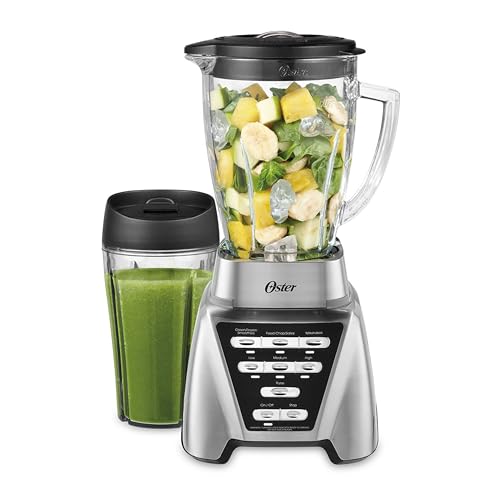
3. Oster Pro 1200 Blender
A home blender with a strong motor, a large glass or plastic jar depending on the version, and preset programs for smoothies and frozen drinks. A to-go cup is often part of the package.
Suits: home bars that also make smoothies. Strengths: presets and good value for a performance blender. Weaknesses: not built for all-night service. Skip it if you need commercial duty.
Best for frequent frozen drinks
4. Waring MX1000R Xtreme High-Power Blender
A heavy-duty blender with a variable speed dial and a large plastic jar. It is sold as a high-power model for tough jobs such as ice and frozen fruit.
Suits: frequent frozen drinks. Strengths: a tough motor and speed control. Weaknesses: loud and tall. Skip it if you want a compact look.
View Waring MX1000R Xtreme on Amazon

Best for a home bar that doubles as a kitchen workhorse
5. Vitamix 5200 Blender
A classic high-performance blender with a tall jar and a variable speed dial. It is a long-time favorite for smooth frozen drinks and purees, and the tall jar fits under most cabinets only if you check the height first.
Suits: a home bar that doubles as a kitchen workhorse. Strengths: smooth results and a strong reputation. Weaknesses: a premium purchase. Skip it if you only blend a few drinks a year.
Best for occasional party drinks
6. Ninja Professional BL610 Blender
A budget-friendly home blender with a large pitcher and a stacked blade assembly meant to crush ice. It is a common pick for casual cocktail nights.
Suits: occasional party drinks. Strengths: an easy price tier and simple use. Weaknesses: a plastic pitcher that can scratch over time. Skip it if you need commercial toughness.
View Ninja Professional BL610 on Amazon
Care and Setup
- Rinse the jar right after use so sugary mixes do not dry on the blades.
- Run warm water and a drop of dish soap through the jar for a quick clean.
- Add liquid first, then ice, to help the blades catch.
- Keep the base dry and wipe it with a damp cloth only.
Mistakes to Avoid
- Overfilling the jar with ice and little liquid.
- Running a home blender nonstop through a long party.
- Ignoring the lid when you blend hot or thick mixes.
- Buying without checking the height under your cabinets.
Motor Power and Ice-Crushing Ability
Frozen drinks are a stress test for a blender. Ice and frozen fruit are hard, dense and sticky, and a motor that lacks torque will stall, overheat or leave chunks. Wattage and horsepower are the usual figures on a listing, but they do not tell the whole story. Torque, blade design, jar shape and how the base handles heat all affect results. A blender with a solid motor and a good blade layout can crush ice more smoothly than one with a bigger number and a poor design.
Look at the manual’s guidance on duty cycles. Commercial blenders are built for repeated runs, while home models may need rest between batches. If you plan to make many drinks in a row, check whether the maker states how long the motor can run and how long it needs to cool. Overheating protection is useful, but a blender that trips often will interrupt your work.
Technique matters too. Add liquid first, then ice and frozen items, and use pulses or low speed to start the vortex before moving up. Keep the lid in place and use a tamper if the model includes one. Avoid overfilling, which strains the motor. If your blender struggles with ice, try smaller cubes or crushed ice. Think about how you will use it: for a few drinks at a time, a home blender can be enough, but for a party or a busy bar, a sturdier motor is worth considering.
Jar Material, Shape and Blade Design
The jar shapes the flow of the blend. A tall, narrow jar with an angled base pulls ingredients down toward the blades, which helps in thick mixtures. A wide jar holds more but may need more help from a tamper. Jar material also matters. Copolyester or similar plastics resist cracks and are lighter, glass resists scratches and odors but is heavy and can break, and stainless steel jars hide the contents but are durable.
Blades differ in shape and number. Some are sharp and aimed at slicing, others are blunt and rely on speed to pulverize ice. Stacked blade assemblies spread the contact over the height of the jar. A blade that is easy to remove makes cleaning simpler, but permanently attached blades can be more secure. Check whether replacement jars and blade assemblies are sold, since they wear.
Handle and lid design affect safe use. A secure lid with a vented cap lets you add ingredients while running and lets steam out. Pouring spouts should be clean and drip-free. Look at how the jar locks to the base, because a loose fit causes noise and wear. Also check how easily the jar comes apart for washing and whether the lid seal can be removed. Consider the volume you need. A larger jar is good for a group, while a smaller one is easier to store and clean. Remember to check the jar’s maximum fill line, since overfilling can cause leaks.
Controls, Presets and Speed Control
Controls shape how quickly you work. Simple switches, such as high, low and pulse, are quick and sturdy. Variable speed dials give more control for blending delicate drinks or starting slowly to avoid splashes. Preset programs for smoothies or frozen drinks can save time, but they run a set cycle that may not suit your recipe.
In a bar setting, easy-to-clean controls are valuable. Sealed switches or a smooth panel resist splashes. Touch panels are easy to wipe but can fail with wet hands. Check that the controls are labeled clearly and can be used with one hand. A pulse function lets you break up ice before blending.
Consider timers and auto shutoff. Ask who will use the blender most often and how patient they are with a learning curve, since a tool that feels awkward gets left in the cupboard. A built-in timer helps you maintain consistent results across batches, and an automatic shutoff protects the motor. If you make drinks to order, a blender that finishes quickly and stops cleanly speeds up service. Think about the learning curve for guests or staff: simple controls reduce mistakes. Some blenders include a tamper or a lid plug, which helps when making thick frozen drinks. Choose the control style that fits your pace and how many people will use the blender.
Noise, Counter Space and Placement
Strong blenders are loud, and commercial models are louder still. If you blend near guests, consider how the noise will affect conversation. A sound enclosure, a rubber mat or placing the blender on a solid counter away from the seating area can help. Some blenders come with covers that reduce sound; check the listing for details.
Measure the space. A tall jar may not fit beneath wall cabinets, and a heavy base needs a stable surface. Check the cord length and the outlet location, and avoid using an extension cord unless the maker allows it. Allow clearance around the base for ventilation, since the motor needs airflow.
Plan storage. Heavy blenders are awkward to move, so a permanent spot on the counter is often best. Check the total height with the lid on, the weight of the base and whether the cord wraps away neatly, because these details decide how often you will actually pull the blender out. If you must store it, think about a cabinet with enough height and a safe route. Place a mat under the base to reduce vibration. For a home bar, put the blender close to the ice, glasses and sink to cut down on carrying. A convenient location makes it more likely that you will use the blender and keep it clean.
Cleaning, Maintenance and Signs of Wear
Clean the blender right after use, before sugary residue hardens. Fill the jar partway with warm water and a drop of dish soap, run it for a short time, then rinse. Check the manual for what is dishwasher-safe, since heat can cloud or warp some jars. Dry the jar and lid, and clean the gasket and the base where liquid can collect.
Inspect the parts regularly. Look for cracks, cloudiness or deep scratches in the jar. Check the blade for dullness, chips or looseness, and see whether the seals leak. A worn drive coupling can slip or make a burning smell. Replace parts according to the maker’s guidance, and use genuine or compatible parts as recommended.
Signs it is time to replace the blender include a motor that smells of burning, frequent stalling, a jar that leaks, loud grinding that was not there before or controls that no longer respond. Compare the cost of repair with replacement, considering age and warranty. When you shop, check the warranty length, parts availability and service options. For commercial use, ask whether the model is designed for continuous duty. Careful cleaning and sensible loading will help any blender last longer.
Bar Blender FAQ
What makes a blender a bar blender?
It is built to crush ice and mix drinks fast, often with a sturdy jar and simple controls.
Is a commercial blender worth it at home?
If you host often and make frozen drinks in batches, it can be. For occasional use, a good home blender is enough.
Can I make cocktails and smoothies in the same blender?
Yes. Rinse well between uses so flavors do not carry over.
Can I crush ice in any blender?
Not all blenders handle it well. Check the maker's guidance, add liquid first and use pulses to avoid straining the motor.
Why does my blender smell hot?
It may be overloaded or running too long. Stop, let it cool and reduce the batch size or add more liquid.
Is glass or plastic better for a blender jar?
Glass resists scratches and odors but is heavy and can break, while plastic is lighter and tougher. Choose based on how you use the blender.
How much liquid do I need for frozen drinks?
It depends on the recipe and the blender. Start with liquid, add ice gradually and adjust until the blend turns smoothly.
Can I blend hot liquids?
Only if the maker says it is safe. Hot liquids can build pressure, so vent the lid and fill less than usual.
How often should I replace the blade assembly?
When it becomes dull, loose or damaged. The timing depends on use and the model, so follow the maker's advice.
Is a commercial blender too loud for a house?
It can be quite loud. Consider where it will sit and whether the noise suits your household, and look for any sound-reducing covers.
Bar-Blender Drinks and What They Demand
Different drinks stress a blender in different ways, and knowing the demands helps you judge whether a model fits your menu. Frozen margaritas and daiquiris rely on crushed ice, which is hard on blades and motors. Creamy drinks such as pina coladas add coconut cream and frozen fruit, which are thick and can make a blender cavitate, leaving an air pocket around the blades. Smoothies and shakes ask for steady speed and the ability to pull thick mixtures down into the blades.
Hot drinks are a different category. Some blenders can heat soup or sauces through friction, but cocktails rarely need that, and many jars carry warnings about blending hot liquids. For cocktails the essential job is a fine, consistent texture without leaving chunks of ice, and without turning the drink to watery slush.
The order of ingredients matters. Pour liquids in first, add soft ingredients and then ice on top, and start at a low speed before ramping up. This pulls the mixture down and helps the blades catch the ice. If the blender stalls, stop, stir with the tamper or a spoon if the lid design allows it, and restart rather than forcing the motor. Match drink volume to the jar, leaving headroom so the contents can circulate.
Serving a Crowd: Batch Size, Speed and Workflow
A blender that is fine for two drinks can become a bottleneck at a party. Think about the largest group you serve and how long each cycle takes. A full jar of a frozen drink might serve several glasses, but rinsing and refilling between batches adds minutes. If you host often, a second jar can keep the work moving, and many commercial-style units accept extra jars.
Workflow is more than the blender. Set up a station with ice, mixers, garnishes, glasses and a bar towel before guests arrive. Pre-measure ingredients for a batch into pitchers or bags, and keep them cold. Frozen fruit and pre-crushed ice shorten blending time and reduce the strain on blades. A simple rinse cycle, using warm water and a drop of dish soap, between flavors prevents mixed tastes and sticky residue.
Consider the noise and the space. The Waring and Hamilton Beach models in this guide are described as commercial in design, which usually means a more robust motor and a louder one. If you are serving in a living room or on a patio, you may need to plan blending bursts so conversation is not constantly interrupted. If you serve outdoors, check that the cord reaches a safe, dry outlet and that the unit sits on a stable table away from spills.
- Stage ingredients in labeled pitchers before guests arrive.
- Use frozen fruit and pre-crushed ice to ease the load.
- Rinse the jar between flavors with warm water and a little soap.
- Keep a spare jar or a second pitcher if you host often.
Safety Habits Around Blades, Lids and Alcohol
Blenders are simple, but their blades are sharp and their motors powerful. Always seat the jar fully on the base and lock the lid before turning it on, and keep hands and utensils out of the jar while the blades are turning. Unplug the unit before cleaning or removing the blade assembly, since a stray switch bump can start the motor. Handle the blade assembly by the base, not the edges, and check the sealing ring for wear.
Pressure builds in a blender when it contains warm or carbonated liquids. Avoid blending carbonated drinks or very hot liquids in any jar unless the manual explicitly allows it. For cold drinks, hold the lid down firmly with a towel over it, since a loose lid can pop during blending. If you add alcohol, remember that it lowers the freezing point of a mixture, which affects how icy a drink becomes, and that heavy pours make drinks stronger than they taste.
Keep the cord away from the edge of the counter and from water. Wipe up spills right away to avoid slips and electrical hazards. If a jar cracks or the blade assembly is damaged, stop using it until you replace the part, because a failed jar can spill ingredients and cause injuries. Store the blender with the lid off so the jar can air dry, which prevents odors and mold.
Budget and Value: What Separates the Price Tiers
The six blenders here span a range from heavy foodservice designs to home models such as the Vitamix 5200 and Ninja Professional BL610. Price differences usually reflect motor construction, jar material, warranty length and whether the unit is meant for continuous use. A cheaper home blender can handle a party if you give it breaks, while a commercial unit tolerates repeated cycles with little complaint.
Compare what you need against what you pay for. If you make frozen drinks twice a month, a mid-range home blender with a solid warranty is probably enough. If you run a home bar for large gatherings, or you blend almost every day, spending more on durability and a bigger jar pays back in fewer replacements. Check the warranty terms carefully, including whether the coverage is for home or commercial use, since using a home product commercially can void it.
Finally, factor in replacement parts. Jars, blade assemblies, gaskets and lids wear out. A blender that sells parts at a fair price and has a reputation for easy repair will serve you longer than a sealed unit that you discard when one part fails.
Related guides
- 6 Best Blenders for Cocktails: Frozen Drinks at Home
- 6 Best Commercial Kitchen Trash Cans for Heavy Use
- 6 Best Tumblers: Insulated, Straw-Lid and Classic Picks
- 6 Best Champagne Saucer Glasses for Cocktails: Coupes
Frequently Asked Questions
What order should I add ingredients to a bar blender?
Add liquids first, then soft ingredients and frozen fruit, and finish with ice on top. Start at low speed and ramp up. This helps the blades pull the mixture down, reduces stalling and gives a smoother texture.
Why does my blender spin without pulling ingredients down?
This is usually cavitation, where an air pocket forms around the blades in thick mixtures. Stop the blender, add a little liquid or stir the contents if the design allows, then restart at a lower speed. Avoid overfilling the jar.
Can I blend carbonated drinks or hot liquids in a bar blender?
Usually not. Carbonation and heat build pressure that can pop the lid. Check the manual, since some jars allow warm liquids with venting, and add fizzy ingredients after blending by stirring them in gently.
Does alcohol change how a frozen drink blends?
Yes. Alcohol lowers the freezing point, so drinks with a lot of spirits turn out slushier and may need more ice. Measure carefully, adjust ice to taste and remember that heavy pours make drinks stronger than they seem.
Choosing Bar Blenders: A Closer Look at What Actually Matters
A bar blender lives a harder life than a smoothie blender. It is asked to crush ice back to back, often with sticky syrups, citrus and frozen fruit in the jar, and it has to do it while guests are waiting and the counter is already crowded. That is why the differences between the six picks above matter more in a bar setting than raw power figures suggest: duty cycle, jar design and how quickly you can rinse and reload between rounds decide whether service flows or stalls.
Most buyers compare bar blenders on the obvious points first and only discover the details that matter after a few weeks of use. The sections below slow the decision down and look at the qualities that decide whether a bar blender still feels right once the novelty has worn off. None of them requires expert knowledge; they simply ask you to match the product to the way you actually live, serve and clean up.
Duty cycle and back-to-back blending
A blender that handles one frozen drink beautifully may fade on the fourth round in a row, as heat builds in the motor and the mixture warms. If you regularly serve groups, favour the picks described as commercial or heavy-duty and give any blender a short rest between large batches. Blending in two smaller loads is kinder to the motor than one overloaded jar, and the texture usually comes out smoother as well.
How the jar handles ice at the start
The first five seconds decide a frozen drink. Ice needs room to fall onto the blades, so a jar that is too full at the start just spins its contents in a ring. Load liquid first, add soft ingredients, then ice last, and leave headroom. Picks with wider jars suit big batches; narrower jars pull small amounts down more reliably, which matters when you blend single servings during the week.
Blade and base cleanability
Bar work leaves residue: sugar syrup, citrus oils and dairy all dry into a film around the blade assembly. A jar you can rinse, blend with warm water and a drop of washing-up liquid, and dry quickly will be cleaned properly every time. Designs with hard-to-reach seams get cleaned eventually rather than immediately, and that is how stale flavours creep into the next round of drinks.
Lid security under pressure
Frozen mixtures climb the jar walls and push at the lid, especially when you ramp the speed quickly. A lid that seats firmly and a jar you can hold comfortably with one hand make fast work safer. Start slow, let the mixture catch, then increase speed; a sudden jump to full power is what lifts lids and throws slush across the counter.
Sound and where the blender will sit
Every strong blender is loud, but placement changes how much that matters. A blender used in an open-plan kitchen during conversation needs a spot away from seating, while one used in a garden bar or utility space can be as industrial as it likes. Decide the home for the machine before choosing, because a blender that lives in a cupboard gets used half as often as one that lives on the counter.
How the Six Picks Differ in Everyday Use
Specifications only tell half the story with bar blenders. The other half is how each pick behaves on an ordinary evening: how it feels in the hand, how much attention it asks for, and how forgiving it is when you are busy, tired or serving guests. Read the six picks below as six answers to the same question, each tuned to a slightly different buyer.
Waring Commercial BB900 Bar Blender
Start with the job this pick does best, because that is where it separates itself from the rest of the list. In the summary table above it is described as: simple switch controls. With bar blenders, judge it by the second and third batch, not the first: consistent texture when the motor is warm and the jar is sticky is the real test of a bar machine. Think about how it will be used in your home specifically: who will handle it, how often it will come out, where it will live between uses, and what will annoy you first if you choose badly. If that description matches your routine, it deserves to be on your shortlist even if it is not the headline recommendation.
Hamilton Beach HBB908 Commercial Bar Blender
This is the pick to study if the first option does not quite fit your space, your habits or the way you like to work. In the summary table above it is described as: foodservice styling. With bar blenders, judge it by the second and third batch, not the first: consistent texture when the motor is warm and the jar is sticky is the real test of a bar machine. Think about how it will be used in your home specifically: who will handle it, how often it will come out, where it will live between uses, and what will annoy you first if you choose badly. Buyers whose priorities line up differently will be happier with one of the neighbouring picks, and there is no shame in that.
Oster Pro 1200 Blender
Treat this one as a deliberate alternative rather than a runner-up: it makes a different trade-off, and for some buyers that trade-off is the right one. In the summary table above it is described as: preset programs. With bar blenders, judge it by the second and third batch, not the first: consistent texture when the motor is warm and the jar is sticky is the real test of a bar machine. Think about how it will be used in your home specifically: who will handle it, how often it will come out, where it will live between uses, and what will annoy you first if you choose badly. The honest test is how often you will use it in the way it was designed to be used, not how impressive it looks on a shelf.
Waring MX1000R Xtreme High-Power Blender
This pick suits buyers who read the first options and found them either more or less than they need. In the summary table above it is described as: variable speed dial. With bar blenders, judge it by the second and third batch, not the first: consistent texture when the motor is warm and the jar is sticky is the real test of a bar machine. Think about how it will be used in your home specifically: who will handle it, how often it will come out, where it will live between uses, and what will annoy you first if you choose badly. Choose it for that strength, accept the compromise that comes with it, and it will feel like the right purchase for years.
Vitamix 5200 Blender
Look closely at this one if you value a particular strength over all-round balance, because that is the ground it competes on. In the summary table above it is described as: variable speed dial. With bar blenders, judge it by the second and third batch, not the first: consistent texture when the motor is warm and the jar is sticky is the real test of a bar machine. Think about how it will be used in your home specifically: who will handle it, how often it will come out, where it will live between uses, and what will annoy you first if you choose badly. If its weakness touches something you do every single time, look at the pick before or after it instead.
Ninja Professional BL610 Blender
The last pick on the list is not an afterthought; it covers a type of buyer the earlier options serve less well. In the summary table above it is described as: stacked blade assembly. With bar blenders, judge it by the second and third batch, not the first: consistent texture when the motor is warm and the jar is sticky is the real test of a bar machine. Think about how it will be used in your home specifically: who will handle it, how often it will come out, where it will live between uses, and what will annoy you first if you choose badly. Shortlist it, compare it directly with the pick ranked nearest to it, and let your own routine break the tie.
Bar Blender Workflows: From One Margarita to a Full Round
A bar blender earns its keep in moments, not in product photos. The situations below are the ones that separate a satisfying purchase from a cupboard ornament, and each one points back to a quality already covered in the reviews above.
The single weeknight frozen drink
For one or two servings, speed of setup matters more than capacity. A smaller load in a big jar can ride above the blades, so use the tamper if the design provides one, or stop and stir once. Rinse the jar straight away; dried margarita mix is far harder to shift than fresh residue, and a clean jar means the next use starts in seconds rather than with a soaking session.
A round of frozen drinks for guests
Batch in a planned sequence: blend the full recipe once, pour, rinse quickly with water, and blend the next round while guests drink the first. Pre-measuring spirits and syrups into a row of glasses before you start keeps the blender as the only bottleneck. Keep a bowl of fresh ice beside the machine so you are never carrying a dripping scoop across the kitchen mid-service.
Smoothies and non-alcoholic blends
The same machine that crushes ice for cocktails handles smoothies, frozen coffee and alcohol-free slushes, which is how a bar blender earns weekday value. Softer mixtures need less ice and more liquid, and they forgive a lighter motor. If the blender will mostly live this double life, the home-oriented picks above are usually the sensible buy; if frozen cocktails are the main event, stay with the stronger end of the list.
Outdoor and garden-bar service
Outside, noise carries less and spills matter less, but power access and stability matter more. Set the blender on a firm, level surface, keep the cable away from wet patches, and bring ingredients out in a tray so the machine is not carried back and forth full of liquid. A commercial-style pick comes into its own here, where nobody minds the sound and rounds are frequent.
Bar Blender Care and Problem-Solving in Practice
Heat is the main enemy. A hot smell during heavy use is the motor asking for a pause, not a challenge to push through. Stop, let the machine rest for a few minutes, and split the next batch in two. Blenders that are rested last for years; blenders that are forced through every stall accumulate wear in the drive socket and blade bearings that no cleaning routine can undo.
Keep the jar honest. Cloudy plastic usually means residue and fine scratching rather than damage, and a soak with warm water and bicarbonate of soda lifts most of it. Never use abrasive pads on the jar or the blade area, and check the gasket regularly: a perished seal leaks slowly at first, usually during the fastest, fullest blends, which is exactly when a leak is hardest to forgive.
Listen for changes. A new rattle, a grinding note or a jar that suddenly vibrates across the counter points to a worn drive coupling, a loose blade assembly or ice loads that have grown too ambitious. Catching these early is cheap; ignoring them turns a small part replacement into a dead machine. Keep the base vents clear of dust and dried splashes so cooling air can move.
Store it ready. A blender stored assembled, clean and dry, with the lid resting loosely rather than sealed, avoids musty smells and is ready the moment friends arrive. If counter space forces cupboard storage, keep the jar and base together in one spot; a machine in three different cupboards is, in practice, a machine you no longer own.
More Questions About Bar Blenders
How long should a frozen drink take to blend?
Once the mixture catches and starts folding over itself, most frozen drinks reach a smooth texture quickly; continuing far beyond that point only melts the ice and thins the drink. Blend until no ice chunks are visible in the vortex and the sound evens out, then stop. A few extra seconds of blending adds more dilution than most people expect, especially with crushed ice.
Should I use cubed or crushed ice?
Cubed ice gives a thicker, longer-lasting frozen texture and is kinder to weaker motors when added gradually. Crushed ice blends faster and suits lighter machines, but it melts sooner and can water a drink down. Many home bartenders compromise: start with a handful of cubes to build body, then finish with crushed ice to smooth the texture out.
Can I leave mixture sitting in the jar between rounds?
Briefly, yes, but texture suffers as ice melts and the mixture separates. It is better to pour each round fully, rinse, and blend fresh. If you must hold a batch, keep it in the fridge rather than the jar, give it a short re-blend before serving, and accept that the second pour will be slightly softer than the first.
Why do my frozen drinks taste watery?
Usually the ice ratio, not the recipe. Too little ice, ice that was already wet and melting, or over-blending all push a drink towards watery. Use cold, dry ice straight from the freezer, chill spirits and mixers beforehand where you can, and measure rather than free-pouring: a heavy hand with spirits also thins texture because alcohol resists freezing.
Is pre-crushing ice worth it?
For lighter home blenders, yes: giving the machine smaller pieces to start with reduces stalling and shortens blend time. For the commercial picks above it is unnecessary effort. A sealed bag and a rolling pin or mallet does the job in seconds; just avoid turning the ice to snow, which melts almost on contact with the liquid.
A Simple Way to Decide
Decide by your busiest realistic night, not your quietest. If the blender must produce round after round of frozen drinks for a group, start from the commercial end of the list and work down only if sound or storage rules it out. If it will mostly make one or two drinks plus weekday smoothies, start from the home picks and work up only if ice-stalling has frustrated you before. That single question — how many frozen drinks, back to back, on your busiest night — settles most of the choice.
Finally, buy for the routine you have, not the routine you imagine. A bar blender that suits your real habits will be used weekly and enjoyed for years, while a more impressive one that fights your space, your cleaning habits or your taste will quietly stop coming out of the cupboard. The right pick above is the one whose strengths match your most common situation and whose weaknesses land on things you rarely do.
Final Checks Before You Buy
One last habit separates happy buyers from disappointed ones with bar blenders: they check the unglamorous details before ordering. Measure the space where the bar blender will live, read what is actually included in the box, and confirm the care instructions suit the way you really clean up after a gathering. Those five quiet minutes prevent most returns, most breakages and most of the frustration described in the problem sections above. If a detail cannot be confirmed from the listing, choose the pick whose design depends least on that detail.
Check the listing photographs as carefully as the description. With bar blenders, the photographs reveal what marketing language smooths over: proportions against a human hand or a familiar object, the finish in ordinary light, the parts that will be handled daily. Zoom in on joins, rims, hinges, seams and controls — whatever your chosen pick asks your fingers to trust. A listing with many honest angles is usually a product with nothing to hide, and a listing with only glamour shots deserves a slower decision.
Think about the second year, not just the first week. In the first week every bar blender is exciting; in the second year it is either a habit or a storage problem. Ask whether replacement parts, matching additions or simple repairs will still be available, whether the style will still please you when it is familiar rather than new, and whether the care routine still sounds acceptable on an ordinary tired evening. Purchases that survive this thought experiment rarely disappoint.
Consider who else will use it. A bar blender chosen for one person’s hands and habits often serves a whole household in practice: partners, older children, guests who help themselves. If other people will handle it regularly, favour the pick that is intuitive without instruction and forgiving of slightly rough treatment. The most elegant option is not always the most democratic one, and household peace is a legitimate product feature that no specification table lists.
The Short Version
For a bar-style classic, the Waring BB900. For a commercial alternative, the Hamilton Beach HBB908. For presets at home, the Oster Pro 1200. For a tough speed-dial model, the Waring MX1000R. For a premium all-rounder, the Vitamix 5200. For a budget-friendly pick, the Ninja BL610.

