Disclosure: topratedkitchenware.com is reader-supported. When you buy through links on our site, we may earn an affiliate commission from Amazon and other retailers, at no extra cost to you.
Where to buy
A down alternative blanket gives you the warmth logic of down — trapped air doing the insulating — without feathers, fill leakage or delicate care, and the lightweight versions do it without the heavy, tucked-in feel of a winter duvet. The six picks below are synthetic fleece and sherpa blankets from the verified pool, chosen as practical down alternatives with an emphasis on light weight. Check the latest price on Amazon through the links before you decide.
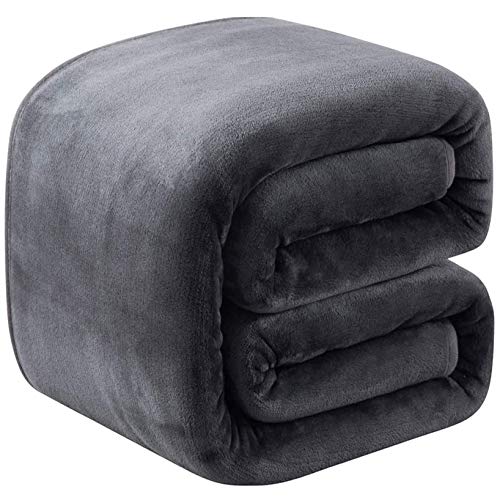
- Utopia Bedding Fleece Bed Blanket, Queen (Navy) — Best Overall — Check on Amazon
- Richave Fleece Blanket, Queen (Dark Gray) — Best Stated Lightweight Fleece
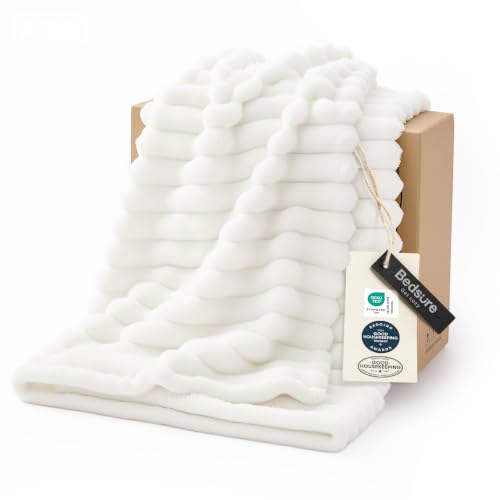
- BEDELITE Fleece Queen Comforter Set (Cream White) — Best Complete Bed Set
- Bedsure GentleSoft Sherpa Fleece Throw Blanket (Navy) — Best Throw-Size Alternative
- Bedsure GentleSoft Sherpa Fleece Blanket, Twin (Grey) — Best Twin-Size Alternative
- Bedsure Soft Throw Blanket (Beige) — Best for Layering
Read the full guide ↓
The search for the best down light weightalternative blankets usually comes from one of two frustrations: a down blanket that leaks feathers, wilts in the wash and cannot be used around anyone feather-sensitive — or a down blanket that is simply too warm and heavy for most of the year. A synthetic alternative answers both. Modern fleece traps air in its pile the way down traps it in clusters, washes without ceremony, and in its lighter forms gives you a blanket that warms without weighing you down.
This guide looks at six synthetic blankets from a verified pool through exactly that lens: how well each works as a lightweight stand-in for down. Two are queen-size fleece bed blankets with lightweight, breathable builds stated in their own listings; one is a fleece comforter set for buyers who want the full duvet replacement; and three are sherpa throws and twin blankets that trade a little of the light-weight brief for deeper warmth, with the trade stated honestly in each review.
Let us be precise about terms, because the category is full of fog. Nothing in this list contains down, and nothing here is a baffled, lofted duvet insert either. These are fleece and sherpa blankets that perform the down blanket’s everyday job — a warm, soft, washable layer — in a lighter, simpler form. If your priority is the closest possible imitation of a down duvet’s loft, our sibling guide to Best Down Lightweight Alternative Blankets approaches the same problem from the comforter side.
Who benefits most? Feather-sensitive sleepers, warm sleepers who find duvets stifling, households that wash bedding weekly, and anyone furnishing a guest bed that must work across seasons. For all of them, the lightweight synthetic blanket is not a compromise purchase; it is the correct tool, and this guide’s job is to match the right one to the right bed.
Everything in this guide is presented as comfort bedding, plainly specified and honestly weighed. Where a product’s own listing gives a number — a size, a fabric weight — we quote it; where it does not, we describe construction and behavior instead of inventing figures, and we flag the two picks whose warmth comes at the cost of the lightweight half of the brief.
Key Takeaways
- Down alternative means the warmth comes from synthetic pile trapping air — no feathers, no fill to leak, no delicate care.
- Lightweight fleece bed blankets are the truest match to this brief; sherpa picks trade some lightness for deeper warmth.
- Synthetic blankets wash weekly without losing loft, which down cannot do — a decisive advantage for real households.
- Feather-sensitive sleepers get a hypoallergenic-style bedding routine without managing a duvet and cover.
- Layer two light blankets rather than buying one heavy one, and the bed adjusts across the whole year.
- Judge alternatives by warmth-to-weight and wash behavior, not by how closely they imitate a duvet’s looks. The listings that state a fabric weight deserve your trust first.
In this guide
Quick Picks
Ranked against the keyword’s two promises — down-alternative function and light weight — with the comforter set included for buyers replacing a whole duvet setup. Where a pick is heavier than the brief, its review says so. Every badge below is repeated in the detailed reviews for easy cross-reference while you read.
| Pick | Badge | Size | Material / build |
|---|---|---|---|
| Utopia Bedding Fleece Bed Blanket, Queen (Navy) | Best Overall | 90″ x 90″ | Microfiber fleece, lightweight and breathable |
| Richave Fleece Blanket, Queen (Dark Gray) | Best Stated Lightweight Fleece | 90″ x 90″ | 350GSM fleece, anti-static, brushed fabric |
| BEDELITE Fleece Queen Comforter Set (Cream White) | Best Complete Bed Set | Queen set with 2 pillowcases | Fluffy faux fur fleece comforter set |
| Bedsure GentleSoft Sherpa Fleece Throw Blanket (Navy) | Best Throw-Size Alternative | 50″ x 60″ | Sherpa fleece, non-heated, thick and warm |
| Bedsure GentleSoft Sherpa Fleece Blanket, Twin (Grey) | Best Twin-Size Alternative | 60″ x 80″ | Sherpa fleece, non-heated, thick and warm |
| Bedsure Soft Throw Blanket (Beige) | Best for Layering | 50″ x 60″ | Soft fluffy fleece throw |
How These Picks Were Chosen
We built this list from a verified pool of synthetic fleece and sherpa blankets, confirming every product against Amazon’s catalogue data before linking it. The screening logic followed the keyword. First, the down-alternative test: the blanket must contain no down, must insulate by trapped air, and must be fully washable — the three properties that define the alternative category in practice. Second, the lightweight test: we favored blankets whose listings state a lightweight or breathable build, and ranked heavier sherpa options lower with their weight trade-off disclosed.
We also compared format honestly. A fleece bed blanket is not a duvet insert and does not pretend to be; it lies flatter, layers more easily and suits warm sleepers better. The one comforter set in the list is included because some buyers searching this keyword want to replace an entire down comforter arrangement, pillows and all, and it serves that reader — flagged clearly as the heaviest, warmest option rather than the lightest.
Warmth judgments come from construction — pile type, stated fabric weight where the listing provides it, size and layering behavior — not from invented temperature ratings, which this category does not standardize and this guide will not fabricate. This is research-led guidance from verified specifications, presented as such.
One more consideration ran through the selection: care burden as a lifetime cost. A down blanket’s dry-clean-or-careful-wash routine is the hidden price of down; every pick here goes through a normal machine cycle. For feather-sensitive households comparing wider options, our Best Eco Friendly Throw Blankets guide covers the living-room end of the synthetic blanket world.
The 6 Best Down Light Weightalternative Blankets

Utopia Bedding Fleece Bed Blanket, Queen (Navy)
Badge: Best Overall
Strengths
- Listing states a lightweight, breathable microfiber fleece build
- Queen 90 x 90 inch coverage drapes a bed like a down blanket would
- Navy color hides wear and suits most bedrooms
Trade-offs
- Flatter profile than a lofted duvet — no puffy look
- Single layer may need a partner layer in midwinter
- Microfiber feel differs from down’s softness; some sleepers notice
Mini spec box
- Brand: Utopia Bedding
- Size: 90″ x 90″
- Material / build: Microfiber fleece, lightweight and breathable
The Utopia navy fleece is the cleanest answer to this keyword in the pool. Its listing states the two properties the search is built on — lightweight and breathable — and its microfiber fleece traps air in a fine, even pile that warms the way a light down blanket does, without a single feather. Spread over a queen bed at 90 x 90 inches, it drapes and covers like the down blanket it replaces, and the bed keeps the calm, flat profile that warm sleepers prefer.
Breathability is its distinguishing virtue. Down’s weakness in shoulder seasons is that it cannot be half-used: a duvet is on and hot, or off and cold. This fleece sits in the livable middle — warm enough for spring and autumn nights on its own, and thin enough to stay on the bed as the base layer when winter demands a second blanket over it. That year-round usefulness is what a lightweight alternative is for.
Care completes the case. It washes in a normal cycle, dries quickly, and comes back with its pile — and therefore its warmth — intact, week after week, where a down blanket would be losing loft and collecting laundry anxiety. For feather-sensitive sleepers it removes the allergen question from the bed entirely. If you buy one blanket from this list, the evidence says buy this one. It is worth adding that navy is the low-regret color decision in this category: it hides the faint pilling and lint that any fleece eventually shows, pairs with white or grey sheets without argument, and looks deliberate on a made bed. A lightweight blanket lives on top of the bed where everyone sees it, and this one is dressed for the job.
Best for: Most beds, warm sleepers, feather-sensitive households / Not suited for: Sleepers who want a puffy, lofted duvet look
Richave Fleece Blanket, Queen (Dark Gray)
Badge: Best Stated Lightweight Fleece
Strengths
- 350GSM fleece weight is stated in the listing — a rare, checkable spec
- Anti-static finish, useful in dry heated bedrooms
- Brushed fabric face feels soft from the first night
Trade-offs
- Dark gray only in this configuration
- Queen/Full sizing runs generous for a double bed
- Anti-static finishes fade gradually with washing
Mini spec box
- Brand: Richave
- Size: 90″ x 90″
- Material / build: 350GSM fleece, anti-static, brushed fabric
- Fabric weight: 350GSM (as stated in the listing)
- Finish: anti-static, brushed fabric (as stated in the listing)
The Richave stands out in a category allergic to specifics because its listing actually states a fabric weight: 350GSM, with an anti-static, brushed finish, in a 90 x 90 inch queen format described as lightweight and all-season. That combination — a declared mid-light fabric weight and a full bed size — is precisely the down alternative profile: enough pile to trap warming air, not so much that the blanket drapes like a winter coat.
The anti-static point is more practical than it sounds. Synthetic blankets in dry, heated winter air can crackle and cling, which is the most common complaint about fleece bedding; a finish that suppresses it makes the blanket behave more like natural fill through the night. It will fade slowly across many washes, as all finishes do, but the underlying brushed fleece remains a sound, soft, mid-weight insulator after it goes.
Choose this one if you like your alternatives engineered rather than plush: a level, even warmth layer that behaves predictably in every season, in a dark gray that forgives everything a bedroom does to a blanket. It lacks the Utopia’s stated breathability emphasis, which is the only reason it sits second; on stated specifications alone, it is the most transparent product in this entire guide. In side-by-side home use, a stated GSM also helps you plan layers numerically: treat this 350GSM fleece as your mid layer, and you can predict the bed’s behavior across seasons instead of discovering it at midnight. Predictability is an underrated luxury in bedding, and this is the only pick in the guide that offers it on paper.
Best for: Specification-minded buyers, dry heated bedrooms / Not suited for: Buyers wanting a light colorway

BEDELITE Fleece Queen Comforter Set (Cream White)
Badge: Best Complete Bed Set
Strengths
- Comforter plus two pillowcases replaces a whole down setup at once
- Heavy plush faux fur fleece gives the closest to duvet cosiness here
- Coordinated cream white set presents a finished bed
Trade-offs
- Explicitly heavy plush — it breaks the lightweight brief on purpose
- Set format is more laundry than a single blanket
- Too warm for summer or warm sleepers
Mini spec box
- Brand: BEDELITE
- Size: Queen set with 2 pillowcases
- Material / build: Fluffy faux fur fleece comforter set
The BEDELITE set is in this guide for a specific reader: the one replacing an entire down comforter arrangement and wanting the bed finished in one purchase. It pairs a fluffy faux fur fleece comforter with two pillowcases in cream white, and of everything here it comes closest to the enveloping feel people miss when they give up down. Its warmth is real, deep and winter-grade.
Honesty about the brief: this set is described in its own listing as heavy plush, which is the opposite of lightweight, and we will not pretend otherwise. It earns its place because ‘down alternative’ is its core identity — synthetic fill and pile doing down’s job — and because some searchers for this keyword care about the alternative first and the weight second. If weight is your priority, the two picks above serve you better and this set is not your blanket.
As a guest-room or master-bed winter set it is genuinely impressive: the bed looks made, the warmth is duvet-class, and everything washes as ordinary laundry when the season turns. Buy it with open eyes as the heavyweight of the list, deploy it in the cold months, and let the lighter picks carry the rest of the year. Judged as a set rather than a blanket, it is the most complete purchase here. As a set, it also solves the pillowcase problem that piecemeal bedding creates — matching shams make the guest bed look intentional in photographs and in person. For hosts who care how the spare room presents, that completeness, at ordinary laundry effort, is the set’s real product.
Best for: Full down-comforter replacement, cold sleepers, winter / Not suited for: Lightweight purists and warm sleepers
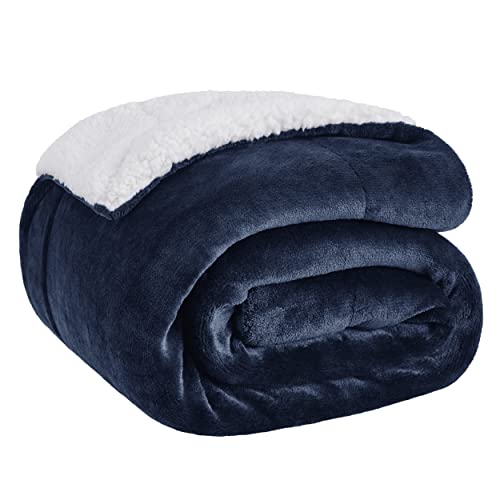
Bedsure GentleSoft Sherpa Fleece Throw Blanket (Navy)
Badge: Best Throw-Size Alternative
Strengths
- Sherpa warmth in a 50 x 60 inch throw that layers over any bedding
- Navy, non-heated, thick and warm as listed
- Lets you add down-free warmth exactly where a sleeper wants it
Trade-offs
- Sherpa pile is mid-weight, not the lightest here
- Throw size supplements a bed rather than covering it
- Dries more slowly than flat fleece
Mini spec box
- Brand: Bedsure
- Size: 50″ x 60″
- Material / build: Sherpa fleece, non-heated, thick and warm
Not every down problem is a whole-bed problem. Sometimes one sleeper is cold, one corner of the bed is drafty, or the sofa needs the warmth the duvet gives the bed. This navy sherpa throw is the modular answer: a 50 x 60 inch panel of dense, non-heated sherpa fleece that adds a down-free warmth layer exactly where it is wanted and moves to the sofa in the morning.
Its warmth per inch is the highest among the throw-format picks, because sherpa’s curled pile traps air more aggressively than flat fleece. That makes it the right tool for targeted warmth — across the foot of the bed, over one sleeper’s shoulders, around a reader in a chair — in a way a full-size lightweight blanket, spread thin, cannot match. Modularity is a genuine alternative strategy to the single perfect blanket.
The weight honesty: sherpa is not the lightest construction here, and this throw will not win a warmth-to-weight contest against the Utopia. It wins a warmth-where-you-want-it contest instead. Keep it as the household’s roaming warmth layer and it will be used daily in three rooms, which is more than most blankets in any category can claim. Keep this throw by the bed rather than on it through summer; its hour comes at the first cold snap and during every illness, when a feverish sleeper wants warmth that can be added and removed in seconds. A household’s most-used blanket is rarely the one on the bed — it is the one within arm’s reach of it.
Best for: Targeted extra warmth, sofas, single cold sleepers / Not suited for: Whole-bed coverage or ultralight packing

Bedsure GentleSoft Sherpa Fleece Blanket, Twin (Grey)
Badge: Best Twin-Size Alternative
Strengths
- 60 x 80 inch twin format suits single beds, dorms and daybeds
- Sherpa fleece warmth without any down or fill
- Grey colorway is the most forgiving here for daily use
Trade-offs
- Mid-weight sherpa, not a summer blanket
- Too narrow for couples or wide sleepers
- Slowest drying of the fleece-family picks
Mini spec box
- Brand: Bedsure
- Size: 60″ x 80″
- Material / build: Sherpa fleece, non-heated, thick and warm
Single beds are underserved by the down alternative market, which aims at queen and king sizes and leaves twin sleepers layering throws. This 60 x 80 inch GentleSoft sherpa is a true twin blanket: full coverage for a single bed, a daybed or a dorm, with sherpa warmth standing in for the down blanket a small room rarely has space to store. For a teenager’s room, a guest daybed or a first apartment, it is the right-sized answer.
The grey colorway suits the hard use single beds get — homework, snacks, shoes that should not be there — by hiding the evidence between washes. And because it is one synthetic piece with no fill, it survives the laundry rhythm of a young household, which tends to be frequent, hot and entirely without dry-cleaning. Down in a dorm room is a fantasy; this blanket is a plan.
Warmth is its strength and its boundary: in a heated room it can be the only blanket a single sleeper needs through winter, and in summer it will be folded at the foot of the bed waiting for autumn. That seasonal honesty is fine — a twin bed dressed with this plus a light sheet has the same two-layer system this guide recommends at every size, just executed at the scale a single bed allows. For a single sleeper who washes everything in one weekly load, this twin sherpa plus a sheet set is close to a complete bedding wardrobe: two layers, one load, no specialty care. Students and first-apartment renters have built far worse systems at far higher cost, usually involving a down duvet that never once got washed properly.
Best for: Twin beds, dorms, daybeds and guest singles / Not suited for: Queen beds or hot sleepers

Bedsure Soft Throw Blanket (Beige)
Badge: Best for Layering
Strengths
- Light fluffy throw layers over sheets or under a heavier blanket
- Listed as machine washable — built for the weekly rhythm
- Beige tone suits layered, neutral bedding schemes
Trade-offs
- Too light to be a bed’s only winter layer
- Pale color shows marks in hard service
- Throw size, not a full bed blanket
Mini spec box
- Brand: Bedsure
- Size: 50″ x 60″
- Material / build: Soft fluffy fleece throw
The Bedsure beige throw closes the list as the layering specialist. Lightweight alternatives earn their keep in systems, and this fluffy, machine-washable throw is the flexible middle layer of the system this guide recommends: over a sheet in summer, over the Utopia fleece in spring, under the sherpa in winter. Its softness is immediate, its weight is negligible, and it moves between bed, sofa and guest room without ceremony.
Layering is the deep answer to the down question, worth stating plainly. A single down blanket commits you to one warmth level; two or three light synthetics give you a dial. This throw is the dial’s middle setting, and because it washes and dries easily, it is also the layer that gets washed most — which is exactly right, since the layer against the sleeper should be the freshest one.
Its limits are the flip side of its virtues: alone on a cold night it is not enough, and in beige it shows its service. Neither matters in its role. Bought as part of a pair — with any pick above — it completes the most practical down-free bedding system in this guide, at the throw size that also happens to be the most useful format in the rest of the house. Finally, this throw is the giftable face of the category: a down-free, washable, neutrally colored blanket suits almost any household, which cannot be said of a full bedding set. If you are introducing a feather-keeping relative to the alternative idea, start here — one throw on one sofa has converted more households than any argument.
Best for: Layered bedding systems, guests, sofa-to-bed flexibility / Not suited for: Standalone winter coverage
Comparison Table
Formats divide this list — queen blankets, one comforter set, twin and throws — so read size first, then the standout trait that separates alternatives with similar coverage.
| Pick | Badge | Size | Standout trait | Shop |
|---|---|---|---|---|
| Utopia Bedding Fleece Bed Blanket, Queen (Navy) | Best Overall | 90″ x 90″ | Lightest stated build in queen size | Check on Amazon |
| Richave Fleece Blanket, Queen (Dark Gray) | Best Stated Lightweight Fleece | 90″ x 90″ | Only pick with a stated fabric weight | Check on Amazon |
| BEDELITE Fleece Queen Comforter Set (Cream White) | Best Complete Bed Set | Queen set with 2 pillowcases | Only full bedding set in the list | Check on Amazon |
| Bedsure GentleSoft Sherpa Fleece Throw Blanket (Navy) | Best Throw-Size Alternative | 50″ x 60″ | Warmest throw-size layer | Check on Amazon |
| Bedsure GentleSoft Sherpa Fleece Blanket, Twin (Grey) | Best Twin-Size Alternative | 60″ x 80″ | Only true twin-size option | Check on Amazon |
| Bedsure Soft Throw Blanket (Beige) | Best for Layering | 50″ x 60″ | Most flexible layering piece | Check on Amazon |
How to Choose the Best Down Light Weightalternative Blankets
Decide what ‘alternative’ must mean for you. If feathers are the problem — sensitivity, leakage, ethics or care — any synthetic here solves it. If weight is the problem, the stated-lightweight fleeces (Utopia, Richave) are your shortlist and the sherpa and comforter-set picks are not, whatever their other virtues. Most disappointed buyers in this category bought a fine blanket against the wrong half of the brief.
Match the format to the bed. A down blanket covers a bed, so its replacement should too: queen 90 x 90 inch panels for queen and full beds, the 60 x 80 inch twin for singles, throws only as supplements and layers. A throw bought to do a bed blanket’s job disappoints nightly, and the disappointment gets blamed on the material instead of the measurement.
Think in layers for the year. Down’s one genuine advantage is warmth in a single piece. Synthetics answer with systems: a light fleece for summer, the same fleece plus a throw for spring, plus sherpa for winter. The total cost rivals one good down blanket, the flexibility exceeds it, and every piece washes at home — which is also why synthetic layers are the practical choice for travel and camping beds, as our Best Electric Blankets For Camping research notes when weighing warmth systems against powered ones.
Value washability as a headline spec. The alternative you will actually enjoy is the one that survives your real laundry life. Check the care label, confirm machine washing, and prefer constructions — flat fleece first, sherpa second — that keep their pile through repeated cycles. Loft that dies in the wash takes the warmth with it.
Be skeptical of imitation loft. Some alternatives chase the duvet’s puffy look with thick, soft fills that sleep hot and wash badly. The blankets in this guide take the other road: flat, honest fleece that warms by pile and layering. Your sleep will not miss the silhouette.
Consider the sleeper, not just the bed. Two people can share a mattress and need different blankets; the lightweight system handles this better than any single duvet, because each side can carry its own layers — a throw across one half, nothing across the other. Couples with mismatched thermostats are this category’s happiest converts, and the throw-format picks in this guide exist largely for them.
How to Build a Down-Free Bed: Layering, Washing and Care
Layer in order. Sheet against the sleeper, light fleece as the first warmth layer, and a second layer — sherpa throw or twin — added across the whole bed or just its foot as the season demands. Air between layers is insulation, so lay blankets loosely rather than tucking them drum-tight; a hospital corner is the enemy of warmth in a synthetic system.
Adjust weekly, not nightly. Most households find three stable configurations — summer, shoulder, winter — and switch between them as the weather settles, rather than re-engineering the bed every evening. Keep the off-duty layers folded at the foot of the bed or in the linen cupboard so a cold snap is a two-minute fix.
Wash the against-skin layer most. The fleece touching the sleeper goes weekly; outer layers can go fortnightly or monthly depending on use. Shake each blanket out before washing, use a gentle warm cycle with room in the drum, and dry fully — synthetic pile that dries completely keeps its loft and its neutral smell for years.
Store clean and loose. Off-season blankets should be washed, fully dried and stored loosely folded, not compressed in vacuum bags, which crush pile and the air-trapping structure that makes it warm. A breathable cotton bag or an open shelf in the linen cupboard is all the storage technology fleece needs.
Troubleshooting.
Problem: the alternative feels colder than the down it replaced → you are missing a layer or the base is cold; add the sherpa layer and check the mattress is not conducting heat away — a mattress protector or pad under the sheet helps more than a third blanket.
Problem: the bed feels clammy on warm nights → drop to the single breathable fleece and a cotton sheet; synthetic systems need their summer configuration actually used, not just owned.
Problem: fleece pile has flattened after months → wash and tumble dry fully to re-loft the pile, and review whether vacuum storage or over-hot drying has been crushing it between uses.
Down vs Down Alternative: An Honest Comparison
Down’s real virtues are warmth-to-weight and compressibility, earned over centuries of use, and a good down blanket still wins a backpacking contest against everything in this guide. Its real costs are equally specific: it loses insulation when damp, demands careful washing, leaks feathers through any worn stitching, troubles feather-sensitive sleepers, and costs more per warm night than synthetics once care is counted. For a bed in a house — not a pack on a trail — the cost column is the one that matters.
Synthetic fleece inverts the profile. It is heavier per unit of warmth and does not compress, but it insulates when damp, washes like a towel, contains nothing to leak or react to, and costs little enough to own in layers. The lightweight versions in this guide close much of the warmth-to-weight gap for indoor purposes, which is why the alternative category keeps growing while down retreats to its technical niches.
The honest verdict is contextual, not tribal. Choose down for ultralight travel in dry cold. Choose synthetic alternatives for beds, families, allergies, weekly laundry and every guest room on earth — which is to say, for the life most blankets actually live.
Feather Sensitivity and the Synthetic Bed
Many households arrive at down alternatives through the bedroom door of a feather-sensitive sleeper, and the change of bedding is often where their search starts and ends. A synthetic blanket removes feathers from the bed entirely — no fill, no leakage, no quills working through a cover at 2 a.m. — and it does so while remaining washable at temperatures and frequencies that keep bedding genuinely fresh.
Worth knowing: sensitivity attributed to down is sometimes sensitivity to what lives in old, rarely washed bedding of any kind. The synthetic system’s advantage is therefore double — it removes the feather question and it makes the frequent-wash routine effortless, so the bed stays clean by system rather than by effort. Pair the blanket change with washable pillows and a weekly sheet rhythm and the bedroom’s whole textile ecosystem resets.
This guide makes no medical claims, and a sleeper with significant symptoms should take advice from a clinician rather than a blanket guide. But as pure bedding engineering, the synthetic lightweight blanket is the simplest, cheapest and most maintainable way to build a feather-free bed, and for many households that is the entire requirement.
Guest Beds, Rentals and Second Homes
The lightweight down alternative finds its easiest victory away from the master bedroom. Guest beds must serve unknown sleepers in unknown seasons, survive long storage, and wash fast between visitors; a two-layer synthetic system — light fleece plus sherpa throw — covers every guest from a cold-natured grandparent to a warm teenager, with no feathers to ask awkward questions about.
Rental properties sharpen the logic further. Bedding there is washed constantly, treated roughly and replaced on a budget, and down fails on all three counts while fleece shrugs. Standardizing a property on one queen fleece and one throw, in a forgiving color, turns bed-making into a system any cleaner can run, and the bed still photographs as soft, layered and welcoming.
Second homes and cabins add the storage test: months closed up, possibly damp, definitely unheated. Synthetics tolerate that life — wash on arrival, dry fast, no loft to mourn — where a down blanket stored damp is a write-off. It is the same reasoning that makes fleece the default in our Best Eco Friendly Throw Blankets living-room picks: durability and washability are the environmental virtues a household product actually delivers.
How Warm Is Warm Enough? Reading Lightweight Claims
Lightweight is the least standardized word in bedding. One maker’s lightweight is a summer sheet-blanket; another’s is a mid-weight fleece like the 350GSM Richave in this guide. Since no rating body governs the term, the shopper’s defense is to read for specifics: a stated fabric weight, a stated size, a material name. Listings that offer those — as the strongest picks here do — can be compared; listings that offer only adjectives cannot.
Translate claims into your own bed’s terms. A lightweight alternative over a cotton sheet in a 65-degree bedroom is a complete system for most sleepers; the same blanket in a 55-degree room is a layer, not a solution. Your room temperature, your sheet choice and your own warmth as a sleeper move the answer more than any label, which is why this guide keeps returning to layering: it converts an unanswerable product question into an adjustable household system.
When a blanket disappoints, adjust the system before replacing the product. Add or remove a layer, change the sheet, check for a draft at the bed’s head. Most ‘wrong blanket’ stories are actually right blankets in unfinished systems, and the fix is a five-minute rearrangement rather than another purchase.
Common Buying Mistakes
Buying a ‘down alternative’ comforter when you wanted a light blanket. Alternative describes the fill, not the weight. Read the format and the stated build before the category label.
Expecting one layer to cover four seasons. The synthetic answer to down is a system of layers. A single mid-weight blanket will be wrong half the year.
Judging warmth by puffiness. Flat fleece warms by pile and trapped air, not by silhouette. A puffy alternative often sleeps hotter and washes worse.
Skipping the care label. An alternative that cannot machine wash has given up the category’s main advantage over down. Check before buying.
Compressing fleece in storage. Vacuum bags crush the pile that does the insulating. Store clean, dry and loose.
Ignoring the feather-sensitive sleeper’s whole bed. Swapping the blanket while keeping feather pillows solves half the problem. Audit the full bed at once.
Buying by photograph. Loft in a product photo is styling, lighting and a second blanket underneath. Buy by stated size, material and fabric weight — the specs in this guide — and let photographs do no deciding at all.
Final Recommendation
For the lightweight half of this keyword, the stated-lightweight queen fleeces are the answer; for the alternative half, everything here qualifies. Read the stated specs, layer honestly, and the down can stay in the shop. Start with the Utopia Bedding Fleece Bed Blanket, Queen (Navy) if you want the safest all-round choice, and look at the Richave Fleece Blanket, Queen (Dark Gray) if the runner-up profile described in its review fits your home better.
Frequently Asked Questions
What is a down alternative blanket?
A blanket that does down’s job — trapping air to insulate — with synthetic material instead of feathers. In this guide the alternatives are fleece and sherpa blankets: their pile traps the air, they contain no down, and they machine wash freely. They lie flatter than a duvet but warm, layer and maintain far more easily.
Are down alternative blankets as warm as down?
Layered, yes, for indoor purposes. A single light fleece matches a light down blanket; deep winter warmth comes from adding the sherpa layer, which is the system’s design. Down keeps an edge in warmth-to-weight for outdoor and ultralight use, but across a bed in a house, a two-layer synthetic system matches the comfort at a fraction of the care burden.
Why choose a lightweight alternative over a standard one?
Warm sleepers, shoulder seasons and heated homes all punish heavy bedding. A lightweight alternative warms without the tucked-in, stifling feel of a winter duvet, and it layers gracefully when cold arrives. Most sleepers spend most nights needing less blanket than they own; lightweight is the honest default.
Are down alternative blankets good for feather sensitivity?
They remove feathers from the bed entirely, which is the bedding-side answer to feather sensitivity, and their easy frequent washing keeps the whole bed fresher. This is a bedding choice, not a medical treatment — persistent symptoms deserve a clinician’s advice — but as textile engineering, the synthetic bed is the simplest feather-free system available.
How do I wash a fleece down alternative blanket?
Like the hard-working laundry it is: shake it out, wash on a gentle warm cycle with room in the drum, and dry it completely. No special detergents, no dry cleaning, no loft anxiety. That routine, weekly for the layer against the skin, is the maintenance advantage that defines the category.
Can a fleece blanket really replace a duvet?
For most sleepers in most homes, yes — with the layering mindset. A fleece blanket plus a sherpa layer for cold weeks reproduces a duvet’s comfort range with better washability and no feathers. Sleepers devoted to a duvet’s lofty look and cocoon feel may prefer a synthetic-filled comforter set like the BEDELITE pick in this guide instead.
What size down alternative blanket should I buy?
Match the bed: 90 x 90 inches covers queen and full beds with drape, 60 x 80 inches suits twins and singles, and 50 x 60 inch throws are supplements and layers rather than primary bed blankets. Measure the mattress and allow overhang on both sides; an alternative that only just reaches the edges will spend the night migrating.
Do down alternative blankets sleep hotter than down?
They can if you choose heavy plush versions, which is why this guide ranks stated-lightweight, breathable fleeces first. A light fleece over a cotton sheet sleeps cooler than most down duvets. Heat complaints in this category usually trace to buying the warmest-looking product for a warm room — match the weight to the bedroom, not the showroom.
How long do fleece down alternative blankets last?
With weekly washing, expect several years of full loft and softness from the flat fleece picks, with sherpa close behind if it is dried properly. The usual end is gradual pile flattening rather than failure — the blanket retires to guest, sofa or car duty and is replaced in the primary role. That long, useful decline is part of the category’s value.
Can I use a lightweight alternative in winter?
Yes, as the base of the layered system this guide describes: light fleece over the sheet, sherpa layer over that, and the bed matches a winter duvet for warmth while keeping its washability. The mistake is expecting the light layer alone to do winter’s work; the system’s whole point is that no single layer has to.