Disclosure: topratedkitchenware.com is reader-supported. When you buy through links on our site, we may earn an affiliate commission from Amazon and other retailers, at no extra cost to you.
Where to buy
The six grills below are the verified picks for this guide to best grills for first time grillers. Each name links to its Amazon listing, where you can check the latest price on Amazon, confirm the current configuration, and read the newest owner feedback before you decide.
- Royal Gourmet CC1830V 30-Inch Barrel Charcoal Grill
- NATUREPON 17.5-Inch Charcoal Kettle Grill with Wheels
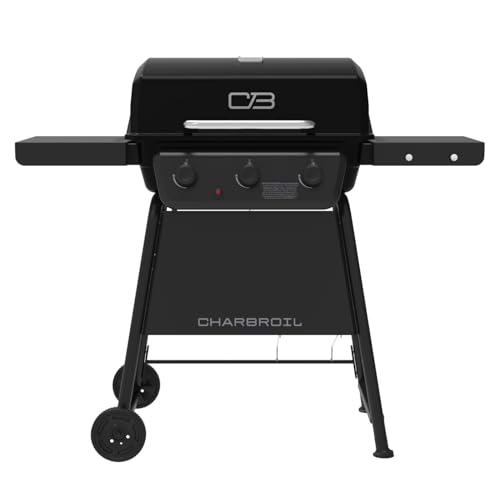
- Char-Broil Classic 3-Burner Propane Gas Grill
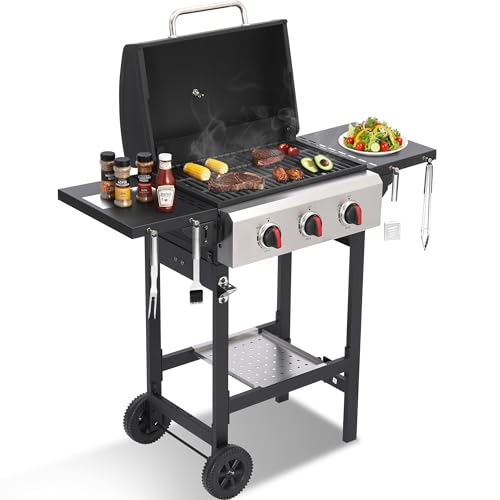
- Electactic Stainless Steel 4-Burner Gas Grill with Side Burner
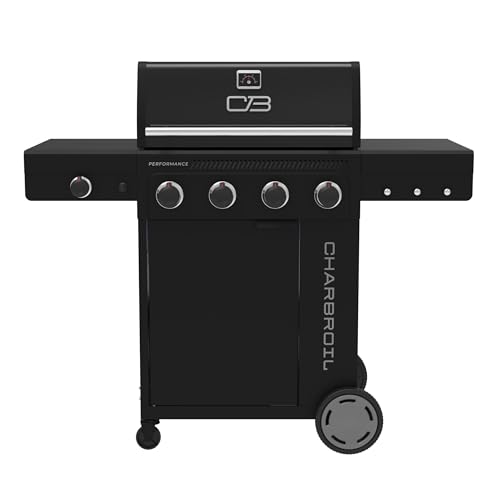
- Char-Broil Performance Series 4-Burner Gas Grill Cabinet
- Nexgrill 4-Burner Propane Gas Grill with Side Burner
Read the full guide ↓ for the ranking logic, the honest limitations of every pick, and the buying checks that matter more than any headline claim.
The best grills for first time grillers are not the biggest, hottest, or most feature-loaded grills on the market. They are the grills that forgive: the ones that light reliably, hold a readable temperature, clean up without a fight, and let a beginner learn fire management on food that still tastes good when the timing is imperfect. Your first grill should teach you grilling, not test you on it.
This guide ranks six verified grills for a first purchase, from a friendly charcoal barrel and a compact kettle to four gas models that trade a little flavour theatre for a lot of weeknight confidence. Every review is honest about the learning curve it carries. Charcoal teaches the deepest skills and demands the most patience; gas teaches heat control with a knob and gets dinner cooked while confidence builds. Neither path is wrong, and this guide will help you pick the one you will actually stick with.
A word of reassurance before the picks: every experienced griller you admire burned their first burgers. The difference between people who keep grilling and people whose grill becomes a garden ornament is almost never talent. It is whether the first grill made early cooks feel manageable. If you are buying for someone else as well as yourself, the gifting perspective in Best Grills For Fathers Day is worth a look once you know which fuel suits the household.
Beginners should also budget attention for three cheap teachers: an instant-read thermometer, which ends all guessing about doneness; a chimney starter if you choose charcoal, which ends all struggling with lighter fluid; and a notebook habit, jotting down what you cooked, how long, and what you would change. Ten cooks with notes teach more than fifty cooks from memory.
Key Takeaways
- Forgiveness beats features: reliable lighting, readable temperatures, and easy cleaning matter most in year one.
- Gas is the gentler start for most beginners; charcoal teaches deeper skills for those who enjoy the process.
- Start mid-sized: roughly 300 to 450 square inches feeds a household without overwhelming a new cook.
- A two-zone fire is the single most valuable beginner technique, on any fuel.
- An instant-read thermometer is not optional equipment for a beginner; it is the teacher.
- Buy the grill you will use twice a week, not the one sized for a once-a-year party.
In this guide
Quick Picks
Six beginner-suitable grills ranked by learning curve, forgiveness, and how quickly a new cook produces a good meal.
| Grill | Badge | Fuel | Standout feature |
|---|---|---|---|
| Royal Gourmet CC1830V 30-Inch Barrel Charcoal Grill | Best First Charcoal Grill | Charcoal | 627 square inches total cooking space |
| NATUREPON 17.5-Inch Charcoal Kettle Grill with Wheels | Best First Compact Grill | Charcoal | 302 sq. in. cooking grate |
| Char-Broil Classic 3-Burner Propane Gas Grill | Best First Gas Grill | Gas (propane) | 360 sq. in. cooking area |
| Electactic Stainless Steel 4-Burner Gas Grill with Side Burner | Best Step-Up Gas Grill | Gas (propane) | Stainless steel body |
| Char-Broil Performance Series 4-Burner Gas Grill Cabinet | Best Cabinet Pick for Beginners | Gas (propane) | Cabinet-style body |
| Nexgrill 4-Burner Propane Gas Grill with Side Burner | Best Big First Grill | Gas (propane) | 626 sq. in. cooking space |
How These Picks Were Chosen
This guide to best grills for first time grillers was built by research, not by press release. We compared the verified pick pool specification by specification: fuel type, burner count and heat output where the listing states it, cooking area in square inches, grate material, and the practical extras that change daily use, such as side burners, folding shelves, warming racks, and cabinet storage. For beginners we weighted lighting reliability, temperature readability, cleaning burden, and grate forgiveness above maximum heat or capacity, because early success is what turns a first grill into a hobby instead of a storage problem.
Every pick in this guide comes from a pool verified against Amazon’s catalogue data before writing began, which is why every linked model carries a confirmed listing, a confirmed image, and specifications taken from that listing rather than from memory or from a manufacturer’s brochure. Where a listing does not state a specification, this guide leaves it out instead of guessing: you will not find invented dimensions, invented outputs, or invented accessories anywhere below.
A note on honesty: this is a research-led guide. We did not cook on every grill in a test kitchen, and we will not pretend otherwise. What we did is the work a careful buyer would do at ten times the scale: cross-checking specifications, reading how each design behaves in the situations this keyword actually describes, and ranking by fit for that situation rather than by headline numbers. The badges below reflect that fit. A grill can be excellent and still carry a badge that is not Best Overall, because the best grill for one household is the wrong grill for another.
The 6 Best Options for Best Grills For First Time Grillers

Royal Gourmet CC1830V 30-Inch Barrel Charcoal Grill
Badge: Best First Charcoal Grill
Strengths
- 627 square inches handles big family cooks and parties
- Front table gives landing space for trays, tools, and seasoning
- Barrel shape suits long indirect cooks and rib racks
Trade-offs
- Charcoal barrel needs more fuel and attention than a kettle
- Large footprint demands real patio space
- Assembly is a bigger job than a kettle on legs
Key specs
- 30-inch barrel design
- 627 square inches total cooking space
- Wood-painted side front table
- Colour: Black
The CC1830V is a barrel-style charcoal grill built around space: 627 square inches of cooking area and a wood-painted front table that works as a staging shelf. For households that cook for a crowd, that combination of grate room and landing space is the whole argument.
Living with the Royal Gourmet CC1830V 30-Inch Barrel Charcoal Grill means building a small ritual: chimney lit, coals ashed over, dampers set, and a few unhurried minutes while the grate heats. That balance of effort and reward is exactly what this guide weighs in every pick. Owners of charcoal grills like this one tend to fall into two camps, those who find that ritual the best part of the evening and those who quietly stop grilling on busy days. Be honest about which camp you are in before choosing it over a gas alternative, because the flavour case for charcoal is real but so is the convenience case against it, and the grill that fits your habits is the one that earns its patio space.
For a first-time griller, the Royal Gourmet CC1830V 30-Inch Barrel Charcoal Grill sets the difficulty level of your first summer: judge it by how it behaves on your third cook, when the novelty has worn off and only the routine remains.
The Royal Gourmet barrel is a surprisingly friendly first charcoal grill because its size is forgiving: with 627 square inches you can build a two-zone fire with room to spare, park food that is cooking too fast, and learn charcoal management without everything crowding over the coals. The front table catches the tray, the tongs, and the seasoning you would otherwise balance on the ground. Its honest cost is commitment: charcoal takes time on every cook, and a barrel this size uses a fair amount of it. Choose it if you want to learn charcoal properly from day one.
Best for: beginners who want to learn charcoal with room to spare / Not suited for: anyone wanting push-button weeknight speed

NATUREPON 17.5-Inch Charcoal Kettle Grill with Wheels
Badge: Best First Compact Grill
Strengths
- Porcelain-coated bowl and lid resist rust and clean easily
- Wheels and bottom shelf make it easy to move and store
- 302 sq. in. is a sensible middle size for small households
Trade-offs
- Mid-size grate limits how much cooks at once
- No lid thermometer in the listed features
- Lesser-known brand means a thinner accessory ecosystem
Key specs
- 17.5-inch kettle
- 302 sq. in. cooking grate
- Porcelain-coated steel bowl, lid and grid
- Adjustable air dampers
- Rear wheels and bottom shelf
The NATUREPON kettle sits between the tiny portables and the full 22-inch kettles: 302 square inches of grate, a porcelain-coated bowl and lid, adjustable dampers, and wheels with a bottom shelf so it rolls into a garage corner when the cook is done.
Living with the NATUREPON 17.5-Inch Charcoal Kettle Grill with Wheels means building a small ritual: chimney lit, coals ashed over, dampers set, and a few unhurried minutes while the grate heats. That balance of effort and reward is exactly what this guide weighs in every pick. Owners of charcoal grills like this one tend to fall into two camps, those who find that ritual the best part of the evening and those who quietly stop grilling on busy days. Be honest about which camp you are in before choosing it over a gas alternative, because the flavour case for charcoal is real but so is the convenience case against it, and the grill that fits your habits is the one that earns its patio space.
For a first-time griller, the NATUREPON 17.5-Inch Charcoal Kettle Grill with Wheels sets the difficulty level of your first summer: judge it by how it behaves on your third cook, when the novelty has worn off and only the routine remains.
The NATUREPON kettle is the gentle charcoal start: 302 square inches is enough for a household meal, the porcelain-coated bowl cleans without drama, and the wheels mean it stores in a corner instead of colonising the patio. Beginners often do better on a mid-size kettle than a tiny portable, because there is room for a hot zone and a safe zone side by side. Its limitation is headroom for crowds, which most beginners do not need in their first season anyway.
Best for: new charcoal cooks in smaller homes / Not suited for: cooking for large groups

Char-Broil Classic 3-Burner Propane Gas Grill
Badge: Best First Gas Grill
Strengths
- Push-button gas convenience: lit and ready in minutes
- Three burners allow a simple two-zone setup
- Porcelain-coated grates are forgiving to clean
Trade-offs
- 360 sq. in. is compact for large gatherings
- No side burner for sauces or sides
- Gas flavour is cleaner and milder than charcoal smoke
Key specs
- 3 burners, 30,000 BTU total
- 360 sq. in. cooking area
- Porcelain-coated grates
- Side shelves
The Char-Broil Classic is the straightforward gas answer: three burners, 30,000 BTU, and 360 square inches under porcelain-coated grates, with side shelves for tools and trays. It trades charcoal ceremony for weeknight speed, which for many households is the trade that actually gets dinner cooked.
Living with the Char-Broil Classic 3-Burner Propane Gas Grill means grilling becomes a weeknight behaviour rather than a weekend project: uncover, ignite, preheat while you prep, and cook. That balance of effort and reward is exactly what this guide weighs in every pick. Gas grills ask for a different kind of attention instead: keeping the tank filled, the grease tray emptied, and the burners clear, small jobs that take minutes but decide whether the grill lights first time in February as reliably as it did in June. Build those minutes into your routine and a gas grill like this one stays effortless for years.
For a first-time griller, the Char-Broil Classic 3-Burner Propane Gas Grill sets the difficulty level of your first summer: judge it by how it behaves on your third cook, when the novelty has worn off and only the routine remains.
If the thought of lighting charcoal already feels like homework, the Char-Broil Classic is your grill. Three burners, a simple two-zone layout, and porcelain-coated grates that forgive a missed cleaning make it the lowest-friction start in this guide. You will learn heat management, resting, and timing without also learning fire building. The trade-off is flavour depth: gas gives clean, mild grill taste rather than charcoal smoke, which many beginners honestly prefer while they find their feet.
Best for: beginners who want the easiest possible start / Not suited for: chasing deep charcoal smoke flavour

Electactic Stainless Steel 4-Burner Gas Grill with Side Burner
Badge: Best Step-Up Gas Grill
Strengths
- Side burner handles sauces, corn, and side dishes outdoors
- Four burners make genuine multi-zone cooking possible
- Built-in thermometer helps hold steady temperatures
Trade-offs
- Bigger body needs a proper patio footprint
- More burners mean more parts to clean and maintain
- Stainless surfaces show grease marks and need wiping down
Key specs
- 4 burners plus side burner, 42,000 BTU total
- Stainless steel body
- Built-in thermometer
- Fuel: propane
The Electactic steps up to four main burners plus a side burner at 42,000 BTU total, wrapped in stainless steel with a built-in thermometer. It is aimed at cooks who run several dishes at once: mains over two zones, sauce simmering at the side, vegetables resting where the heat is gentle.
Living with the Electactic Stainless Steel 4-Burner Gas Grill with Side Burner means grilling becomes a weeknight behaviour rather than a weekend project: uncover, ignite, preheat while you prep, and cook. That balance of effort and reward is exactly what this guide weighs in every pick. Gas grills ask for a different kind of attention instead: keeping the tank filled, the grease tray emptied, and the burners clear, small jobs that take minutes but decide whether the grill lights first time in February as reliably as it did in June. Build those minutes into your routine and a gas grill like this one stays effortless for years.
For a first-time griller, the Electactic Stainless Steel 4-Burner Gas Grill with Side Burner sets the difficulty level of your first summer: judge it by how it behaves on your third cook, when the novelty has worn off and only the routine remains.
The Electactic is the beginner grill for people who cook several things at once and want the tools to manage it: four burners for real zones and a side burner so the sauce, corn water, or onions happen beside you instead of in the kitchen. The built-in thermometer teaches you what the lid temperature is doing while you learn. It is more grill than a cautious beginner needs, but for a confident cook who hosts, it removes the upgrade step a smaller grill would force within a year.
Best for: confident beginners who cook mixed menus / Not suited for: very small patios or minimal cleaning routines

Char-Broil Performance Series 4-Burner Gas Grill Cabinet
Badge: Best Cabinet Pick for Beginners
Strengths
- Cabinet base hides the propane tank and stores tools
- Side burner adds a second cooking station
- Four burners give flexible zone control for mixed menus
Trade-offs
- Cabinet design is heavier and less portable
- Black finish shows dust and pollen between cooks
- Assembly involves more panels and hardware than open-cart grills
Key specs
- 4 burners plus side burner
- Cabinet-style body
- Colour: Black
- Model 463253925
The Performance Series cabinet model encloses the tank and storage in a tidy black cabinet, which makes a patio look calmer and keeps tools out of the weather. Underneath, four burners and a side burner give it the zone flexibility that mixed family menus need.
Living with the Char-Broil Performance Series 4-Burner Gas Grill Cabinet means grilling becomes a weeknight behaviour rather than a weekend project: uncover, ignite, preheat while you prep, and cook. That balance of effort and reward is exactly what this guide weighs in every pick. Gas grills ask for a different kind of attention instead: keeping the tank filled, the grease tray emptied, and the burners clear, small jobs that take minutes but decide whether the grill lights first time in February as reliably as it did in June. Build those minutes into your routine and a gas grill like this one stays effortless for years.
For a first-time griller, the Char-Broil Performance Series 4-Burner Gas Grill Cabinet sets the difficulty level of your first summer: judge it by how it behaves on your third cook, when the novelty has worn off and only the routine remains.
The Char-Broil Performance cabinet model suits beginners who care how the patio looks and where everything lives: the tank and tools disappear into the cabinet, and four burners with a side burner give the same zone flexibility as the Electactic in a tidier package. Beginners benefit from that order more than they expect, because a grill that is pleasant to stand at gets used. Assembly is the main hurdle, so treat build day as a project with a friend and the manual, not a race.
Best for: beginners who want tidy storage and zones / Not suited for: portability or the lightest assembly job

Nexgrill 4-Burner Propane Gas Grill with Side Burner
Badge: Best Big First Grill
Strengths
- 60,000 BTU is the strongest heat output in this pool
- 626 sq. in. cooks for a crowd without batch juggling
- Electronic ignition and thermometer simplify every session
Trade-offs
- Large and heavy: pick its patio spot carefully
- High output can burn through propane faster at full blast
- Big grates take longer to brush and season
Key specs
- 4 burners plus side burner, 60,000 BTU total
- 626 sq. in. cooking space
- Stainless steel body
- Built-in thermometer
- Electronic ignition
- Double-door cabinet
The big Nexgrill brings 60,000 BTU across four burners and a side burner, 626 square inches of cooking space, and a double-door stainless cabinet. It is the high-capacity option: the grill you choose when the guest list, not the recipe, is the hard part.
Living with the Nexgrill 4-Burner Propane Gas Grill with Side Burner means grilling becomes a weeknight behaviour rather than a weekend project: uncover, ignite, preheat while you prep, and cook. That balance of effort and reward is exactly what this guide weighs in every pick. Gas grills ask for a different kind of attention instead: keeping the tank filled, the grease tray emptied, and the burners clear, small jobs that take minutes but decide whether the grill lights first time in February as reliably as it did in June. Build those minutes into your routine and a gas grill like this one stays effortless for years.
For a first-time griller, the Nexgrill 4-Burner Propane Gas Grill with Side Burner sets the difficulty level of your first summer: judge it by how it behaves on your third cook, when the novelty has worn off and only the routine remains.
The big Nexgrill is the boldest first grill here: 60,000 BTU, 626 square inches, electronic ignition, and a thermometer to keep you honest. For a beginner who cooks for a crowd from the start, or who simply wants to buy once, it replaces the usual small-first-grill stepping stone. The caution is real, though: more space tempts you to cook more food than you can manage at once. Learn it with small loads first, use the zones, and it becomes a grill you can grow into for years.
Best for: beginners who host and want to buy once / Not suited for: learners who would be overwhelmed by scale
Comparison Table
The beginner’s view: what each grill asks of you while you learn, and what it gives back.
| Grill | Badge | Fuel | Headline spec | Where it shines |
|---|---|---|---|---|
| Royal Gourmet CC1830V 30-Inch Barrel Charcoal Grill | Best First Charcoal Grill | Charcoal | 30-inch barrel design | Roomy charcoal classroom |
| NATUREPON 17.5-Inch Charcoal Kettle Grill with Wheels | Best First Compact Grill | Charcoal | 17.5-inch kettle | Gentle mid-size kettle |
| Char-Broil Classic 3-Burner Propane Gas Grill | Best First Gas Grill | Gas (propane) | 3 burners, 30,000 BTU total | Lowest-friction start |
| Electactic Stainless Steel 4-Burner Gas Grill with Side Burner | Best Step-Up Gas Grill | Gas (propane) | 4 burners plus side burner, 42,000 BTU total | Zones plus side burner |
| Char-Broil Performance Series 4-Burner Gas Grill Cabinet | Best Cabinet Pick for Beginners | Gas (propane) | 4 burners plus side burner | Tidy cabinet learning |
| Nexgrill 4-Burner Propane Gas Grill with Side Burner | Best Big First Grill | Gas (propane) | 4 burners plus side burner, 60,000 BTU total | Buy-once capacity |
How to Choose the Right Grill for First-Time Grillers
Your first decision is fuel, and the honest way to make it is to picture a rainy Tuesday, not a sunny Saturday. If you will still light charcoal when you are tired and hungry, charcoal’s flavour and ritual will reward you. If the realistic answer is that dinner needs to happen in twenty minutes, gas is the grill you will use, and a used grill teaches nothing. Most beginners who quit grilling quit because their grill fought their schedule, not because the food was bad.
Fuel is the first decision, and it is a lifestyle decision before it is a cooking one. Charcoal asks for fifteen to thirty minutes of lighting and a little fire management, and pays you back in smoke flavour, fierce searing heat, and the ritual many grillers genuinely enjoy. Propane lights in seconds, holds a set temperature with a knob, and cleans up faster, which is why gas wins weeknights. Neither is better in the abstract: the right answer is the one that matches how often you will actually cook, because the best grill is the one that gets used twice a week, not the one that impresses twice a year.
Cooking area is the second decision, and buyers consistently misjudge it in both directions. As a working rule, allow roughly seventy to one hundred square inches of primary grate per person for a mixed load of mains and sides, remembering that food needs elbow room to cook rather than steam. A couple cooking burgers needs far less than a household grilling for eight with corn and peppers on the same grate. Every pick in this guide states its cooking area where the listing provides it, so do the arithmetic for your real guest list, not your aspirational one.
Heat output needs interpreting, not just comparing. Total BTU figures rise with grill size, so a big number on a big grill may mean the same heat per square inch as a smaller number on a compact one. What matters for results is whether the grill can hold a fierce sear zone and a gentle zone at the same time: multiple burners on a gas grill, or a well-managed two-zone charcoal fire, both achieve it. Grate material then decides how that heat reaches the food: cast iron holds heat and marks deeply but wants seasoning and dry storage, porcelain-coated grates forgive more and clean easier, and chrome-plated grates on small portables are light and simple but need gentle treatment.
Size is the second decision, and beginners should aim for the middle. Very small grills force everything over direct heat, which is exactly the situation new cooks handle worst. Very large grills waste fuel and preheat time on two burgers. The middle band in this guide, roughly three hundred to four hundred and fifty square inches, holds a two-zone fire and a family meal while staying quick to heat and clean. The two big models here are justified only if your household genuinely cooks for groups.
Spend the savings from not over-buying on the tools that teach: the thermometer, long tongs, a wide spatula, heat-proof gloves, and for charcoal a chimney starter. Then give yourself a curriculum: week one, burgers and sausages; week two, chicken pieces over indirect heat; week three, a thick steak with a reverse sear. Each step adds one skill. Readers who want to see where the hobby leads can browse Best Grills For Flavor for the flavour-focused end of the spectrum, or Best Grills For Fish for the delicate end, both of which your first grill should eventually handle.
Finally, price the whole ownership, not the box. Charcoal grills consume fuel and ash handling on every cook; gas grills consume propane and eventually igniters, burners, and grates as wear parts. A cover, a decent instant-read thermometer, a stiff brush or scraper, and a chimney starter for charcoal are not accessories so much as the rest of the purchase. Every linked pick in this guide lets you check the latest price on Amazon before deciding, and the honest move is to cost the grill plus its first season of supplies together, then choose the combination you will still be happy with next summer.
How to Grill Your First Ten Meals Without the Usual Disasters
This section is the beginner’s operating manual: the sequence that turns a new grill into a reliable tool. Follow it literally for your first few cooks and improvise later, because the fundamentals below are what every grilling recipe silently assumes you know.
Setup comes first. Assemble on a flat surface, keep every bolt finger-tight until the frame is square, then tighten in sequence; a grill that rocks on its legs will annoy you for years. Before the first cook, wash the grates in warm soapy water, dry them fully, and run the grill hot and empty for twenty to thirty minutes to burn off manufacturing oils, then lightly oil the hot grates with a high-heat oil on a folded paper towel held in tongs. That first seasoning is the foundation every later cook builds on.
- Preheat longer than feels necessary: ten to fifteen minutes for gas, until coals are fully ashed for charcoal.
- Set up two zones every time, one hot for searing and one cooler for finishing and rescuing.
- Oil the food lightly rather than flooding the grate, and season before it goes on, not after.
- Leave food alone until it releases easily; forcing it early is how coatings and crusts tear away.
- Check doneness with the thermometer in the thickest part, then rest meat on a warm plate while you finish sides.
The two-zone habit deserves emphasis because it is the entire safety net of grilling. Anything flaring, darkening too fast, or cooking unevenly moves to the cool side and finishes gently with the lid down. With that one habit, a beginner can cook chicken, thick chops, and vegetables on the same grill without burning any of them. Learn your grill’s hot spots early with the bread test: toast slices across the whole grate and photograph the pattern, so you know where the fierce and gentle corners live.
Cleaning is where grills are won or lost over a season. Brush or scrape the grates while they are still warm after cooking, empty ash only when it is fully cold, and wipe grease from shelves and lids before it bakes on. On gas models, check the grease tray every few cooks and clear the burner ports if flames turn lazy and yellow. Problem: food sticks badly → the grate was not hot enough, not oiled, or the food was moved too early; let a proper crust form and it releases itself. Problem: flare-ups scorch everything → too much fat over too much direct heat; move food to the cooler zone, close the lid briefly, and never spray water on a grease fire. Problem: temperatures will not climb → on charcoal, open the dampers and check ash is not choking the fire; on gas, check the tank, the regulator connection, and whether a burner tube is blocked.
Charcoal or Gas: The Beginner’s Honest Answer
Beginners are often pushed toward charcoal by enthusiasts and toward gas by pragmatists, and both camps oversell. Charcoal’s real advantage is not mystical flavour, though the smoke is real; it is that charcoal forces you to learn fire, and fire is the whole craft. Its real cost is time and variability: no two chimneys burn identically, and learning happens through attention. Gas’s real advantage is repeatability: the same knob setting behaves the same way next week, which makes learning faster per cook even if each cook teaches slightly less.
A practical tiebreaker: count your likely cooks. If you will grill twice a month for pleasure, charcoal’s ritual is a feature. If you will grill three weeknights a week for dinner, gas’s speed is survival. Many households end up owning both within a few years, starting with whichever matches their schedule now. The picks above are ordered so either path starts well.
Your First Month: A Simple Practice Plan
Treat the first month as lessons, not performances. Cook for the household, not for guests, and repeat the same few foods until they bore you slightly: that repetition is where timing becomes instinct. Burgers teach direct heat and flare-up control. Chicken thighs, forgiving and flavourful, teach indirect cooking. Sausages teach rolling and gentle heat. Vegetables teach the grate’s geography, because a pepper strip finds every wide gap and hot corner you own.
By the fifth or sixth cook, add one flourish: a sauce on the side burner if your grill has one, or wood chips on the coals if it does not. By the tenth cook, invite people, but serve the menu you have already practised. That discipline is the difference between a stressful debut and a relaxed one, and it is exactly how confident grillers are made. When you are ready to stretch, Best Grills For Grilling And Smoking shows the low-and-slow direction, and Best Grills For Florida Weather covers cooking where summer storms roll in mid-cook.
Common Buying Mistakes
The most common mistake in shopping for best grills for first time grillers is buying for the biggest day of the year. A grill sized for a once-a-year party is oversized, slow to heat, and hungry for fuel on the ordinary Tuesday when two people want burgers. Size for your typical cook, and handle the rare crowd with batches, a warming rack, or a borrowed second grill.
The second mistake is treating headline heat as quality. Total output figures only mean something relative to cooking area, and they say nothing about evenness, lid fit, or grate material, which are what actually decide whether food cooks predictably. The comparison table in this guide exists so you can judge those things side by side instead of chasing the largest number on the box.
Beginners often buy the largest grill they can afford, then discover that preheating and cleaning a giant for two burgers is a chore that quietly ends the habit. Your first grill should match your ordinary dinner, and this guide’s mid-sized picks exist precisely for that reason.
The other classic error is cooking everything over maximum heat with the lid open, then blaming the grill for burnt outsides and raw middles. Heat is an ingredient with a dose. The two-zone setup and the thermometer fix this faster than any upgrade, which is why both appear throughout this guide.
The last mistake is skipping the unglamorous checks: measuring the patio or balcony before ordering, confirming the fuel you can actually store and source locally, and reading the assembly expectations honestly. A grill that arrives too big for its spot, or that needs a free Saturday you do not have, is a bad purchase no matter how well it cooks. Ten minutes with a tape measure and the specification list saves all of that.
Final Recommendation
For most first-time grillers, the Char-Broil Classic is the safest recommendation in this guide: it lights instantly, forgives generously, and produces a good dinner on the very first evening, which is the experience that creates a griller. Start with the Char-Broil Classic 3-Burner Propane Gas Grill, and compare it against the Royal Gourmet CC1830V 30-Inch Barrel Charcoal Grill and the Nexgrill 4-Burner Propane Gas Grill with Side Burner before you decide.
Choose the NATUREPON or the Royal Gourmet barrel instead if you know you want the charcoal craft, the Electactic or the Performance cabinet if you cook mixed menus and want zones and storage, and the big Nexgrill only if your household genuinely cooks for crowds from day one. Each is a good first grill for a different definition of beginner.
Whichever arrives at your home, run the practice plan, keep notes, and forgive the first burned burgers. By the end of the first month the grill will feel like yours, and that feeling, not the specification sheet, is what you were buying.
One Last Thing Before You Decide
One more consideration belongs in every grilling decision, whatever the keyword that brought you here: the cook who stands at the grill. Reach, lid weight, shelf height, and where the controls sit decide whether a grill feels like a tool or an obstacle course, and those things are personal in a way specifications are not. If you can stand in front of a similar model in a showroom, do it. If you cannot, read the dimensions twice and picture your own patio, your own hands, and your own habits honestly before ordering.
Ownership also has a rhythm worth planning for. Grills ask for small, regular kindnesses: a cover fitted, a grate brushed, a tank checked, a bag of fuel in reserve. Households that build those minutes into the week find their grill ready whenever the mood strikes, which is the real luxury in this category. The models in this guide were chosen partly because their upkeep is ordinary: no exotic parts, no unusual rituals, just the standard care that any of them repays with years of service.
Finally, give any new grill a honest trial period before judging it. The first cook teaches the hot spots, the second teaches the timing, and by the fifth the machine has usually become familiar enough to disappear, leaving only the food and the company. That disappearance is the true test of a good grill, and it is why this guide ranks fit for a specific purpose above raw specification every time. A grill that suits your life will vanish into it; a grill that does not will remind you of the mismatch at every meal.
Fuel storage deserves a short, serious paragraph in any grill guide. Propane tanks live outdoors or in a ventilated store, upright, away from heat sources, and never in a living space or an enclosed garage; a spare tank, stored the same way, is the difference between a cookout and a cancelled one. Charcoal lives in a sealed, dry container, because damp charcoal lights badly, burns cool, and frustrates exactly the cooks who can least diagnose why. Matches, lighters, and chimney paper belong in the same dry place, so the whole lighting routine is one trip rather than four.
Parts and support decide how a grill ages. Burners, igniters, grates, and heat tents are wear items on gas grills, and dampers, grates, and ash pans are the wear items on charcoal ones. Before buying, it is worth a minute to confirm that the maker sells those parts for your model and that they are ordinary rather than exotic. A grill whose wear parts are available is a grill you maintain; a grill whose parts have vanished is a grill you replace, and that difference dwarfs most specification gaps in this guide.
Seasonal timing is the last practical lever. Grill ranges turn over as seasons change, and the same model can be easier to find, easier to accessorise, and occasionally easier to buy well at the edges of the season than at its peak. None of that changes which grill fits your life, so decide the model on fit first and let timing be a tiebreaker rather than a driver. Check the latest price on Amazon for the picks that fit, confirm the configuration matches what this guide reviewed, and then buy with confidence.
A word about cooking for mixed groups, because most real grilling serves people who want different things at the same time. The practical pattern is sequencing rather than simultaneity: vegetables and delicate items first while the grate is cleanest and the heat is freshest, sturdy proteins through the middle of the cook, and quick-finishing items last so everything reaches the table together. Resting is part of the sequence, not dead time: rested meat holds happily under loose foil while the final items cook, and that buffer is what lets one cook feed a table without panic. Plan the sequence before lighting, and even a modest grill performs like a larger one.
Frequently Asked Questions
What is the easiest type of grill for a total beginner?
A propane gas grill with at least two or three burners. It lights instantly, holds temperature with knobs, and lets you learn cooking skills without also learning fire building. Charcoal becomes easy too, but it asks more of you in the first weeks.
How big should my first grill be?
For most households, three hundred to four hundred and fifty square inches of primary cooking area is the sweet spot: room for a two-zone fire and a family meal, without slow preheats or heavy cleaning.
Do I need a side burner as a beginner?
No, but it is genuinely useful if you cook sauces, beans, or corn alongside the main dish. Treat it as a convenience to grow into rather than a requirement for your first purchase.
What is a two-zone fire and why does everyone recommend it?
It is a hot side and a cooler side on the same grill. You sear over the hot side and finish or rescue food on the cool side. It prevents almost every beginner disaster, from flare-ups to burnt chicken skin.
What tools do I actually need on day one?
An instant-read thermometer, long tongs, a wide spatula, heat-proof gloves, and a grill brush or scraper. Charcoal owners should add a chimney starter. Everything else can wait until you know your habits.
How do I stop food sticking to the grate?
Preheat fully, clean the grate, oil the food lightly, and wait until a crust forms before moving it. Food releases itself when it is ready; forcing it early tears the surface and causes most sticking.