Disclosure: topratedkitchenware.com is reader-supported. When you buy through links on our site, we may earn an affiliate commission from Amazon and other retailers, at no extra cost to you.
Where to buy
This guide answers a brand question honestly: among the best le creuset dutch ovens braisers shoppers ask about, the verified pool for this guide contains exactly one Le Creuset pot, and it is the single linked recommendation below. The five other pots are capable enameled cast iron alternatives from other makers, reviewed in full as prose-only comparison points — with no purchase links — so you can judge what the brand premium buys and what it does not, without this page pretending an alternative is a Le Creuset.
- Le Creuset Enameled Cast Iron Round Dutch Oven, 5.5 qt., Cerise — The Le Creuset Pick. Best for cooks who want the benchmark name in its most versatile size.
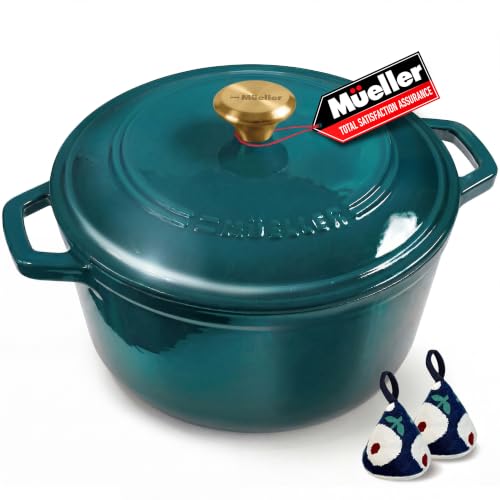
- Umite Chef 7QT Enameled Cast Iron Dutch Oven, Emerald — prose-only comparison point: more capacity, different maker.
- Umite Chef 5QT Enameled Cast Iron Dutch Oven, Cream White — prose-only comparison point: the everyday mid-size alternative.
- Umite Chef 5QT Enameled Cast Iron Dutch Oven, Red — prose-only comparison point: the same alternative in the classic finish.
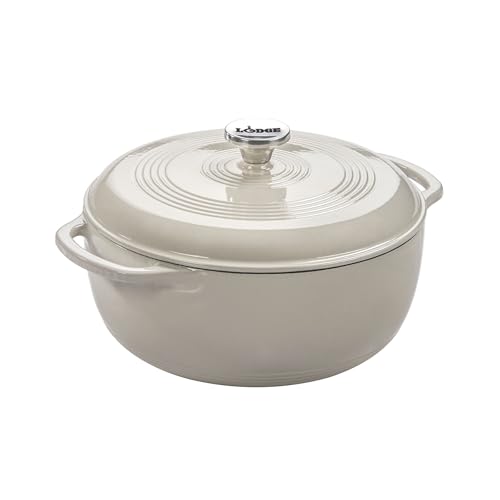
- Lodge Essential Enamel Cast Iron Dutch Oven, 6 Quart, Oyster White — prose-only comparison point: the established value name with a moisture-sealing lid.
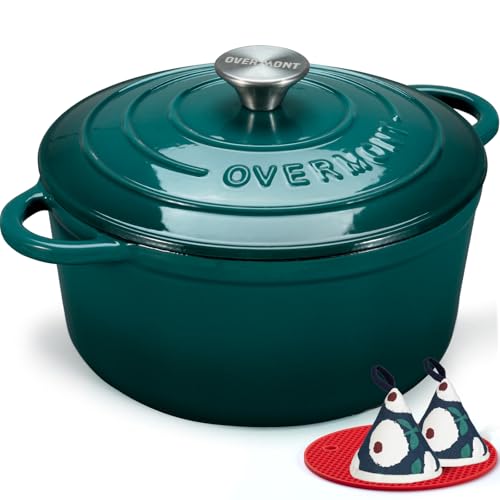
- Overmont Enameled Cast Iron Dutch Oven, 5.5QT, White — prose-only comparison point: the bundled alternative at the same size as the Le Creuset.
Read the full guide ↓ for the full Le Creuset assessment, an honest account of what a braiser is and is not in this pool, and side-by-side reasoning about the alternatives.
When shoppers search for the best le creuset dutch ovens braisers, they are usually mid-decision: they know the name, they are weighing the premium, and they want to know which Le Creuset vessel — Dutch oven or braiser — fits their cooking, and whether anything else delivers the same meals for less commitment. This guide serves that decision with unusual transparency. The one verified Le Creuset in the pool, the 5.5 qt. round Dutch oven in Cerise, receives the full linked review it deserves. The braiser question is answered in the buying guide in plain terms: a braiser is the shallow, wide sibling of the Dutch oven, none of the verified titles in this pool is a braiser, and we will not relabel a Dutch oven as one to fill the keyword. The five alternatives are then reviewed openly as what they are — other makers’ enameled cast iron Dutch ovens — so the premium can be judged against real substitutes rather than straw men.
That structure mirrors how the purchase actually goes. Most buyers who land on this search end up choosing between the Le Creuset and one strong alternative, and the honest variables are capacity, lid design, bundle and tier — not magic. Readers who decide the alternatives deserve their own full ranking will find them linked and recommended in the general guide at Best Dutch Ovens More Affordable Than Le Creuset, which exists precisely for the buyer who talks themselves out of the premium. This page keeps its promise narrower: the Le Creuset, assessed properly, with the field visible around it.
Key Takeaways
- Only one pick in this guide is a Le Creuset — the 5.5 qt. round Dutch oven in Cerise — and it is the only linked pick, because brand is the core of this keyword.
- No verified title in this pool describes a braiser; every pot here is a Dutch oven. The buying guide explains the braiser shape and who should shop for one separately.
- The five alternatives are reviewed prose-only: capable enameled cast iron pots from Umite Chef, Lodge and Overmont that cook the same repertoire at lower tiers.
- The Le Creuset premium buys the benchmark name, its track record and the Cerise presentation — not a different cooking method.
- At 5.5 quarts, the Le Creuset sits in the versatile middle: family braises, stews and standard loaves, but not batch capacity.
- Decide by household and habit: daily cooks amortise the premium over years of use; occasional cooks often find the alternatives entirely sufficient.
In this guide
Quick Picks
One linked Le Creuset recommendation and five prose-only alternatives, badges repeated in the detailed reviews.
| Pick | Badge | Who it suits |
|---|---|---|
| Le Creuset Enameled Cast Iron Round Dutch Oven, 5.5 qt., Cerise | The Le Creuset Pick | Cooks who want the benchmark name in the versatile size |
| Umite Chef 7QT Enameled Cast Iron Dutch Oven, Emerald | Capacity Alternative (Prose-Only) | Buyers who need seven quarts more than they need the name |
| Umite Chef 5QT Enameled Cast Iron Dutch Oven, Cream White | Everyday Alternative (Prose-Only) | Smaller households weighing a mid-size substitute |
| Umite Chef 5QT Enameled Cast Iron Dutch Oven, Red | Classic Alternative (Prose-Only) | Cooks who want the mid-size substitute in red |
| Lodge Essential Enamel Cast Iron Dutch Oven, 6 Quart, Oyster White | Value Alternative (Prose-Only) | Braisers who value the sealing lid and the value tier |
| Overmont Enameled Cast Iron Dutch Oven, 5.5QT, White | Bundled Alternative (Prose-Only) | New owners comparing bundle against brand at the same size |
How These Picks Were Chosen
The rule for a brand keyword is strict, and this guide states it rather than hiding it: a pick earns a purchase link only if its verified title confirms the brand in the keyword. One pot passes that test — the Le Creuset 5.5 qt. in Cerise. The remaining five pool pots were not discarded, because a brand decision made without the alternatives in view is a decision made blind; they are reviewed in full, with their real strengths, as prose-only comparison points with no links and no images. Likewise, the braiser half of the keyword is handled by explanation rather than invention: no pool title claims the braiser form, so the guide teaches the shape, its uses and its limits, and directs braiser-specific shoppers honestly instead of mislabelling deep pots.
All specifications come from the verified listing titles, and the Le Creuset’s own listing should be confirmed before purchase, as with every pick in this series. Readers who want the alternatives ranked on their own merits — with links — will find that treatment in the neighbouring guides, including Best Made Dutch Ovens, where several of these same pots are judged by construction rather than by badge.
The Le Creuset Pick and Its Alternatives in Detail

Le Creuset Enameled Cast Iron Round Dutch Oven, 5.5 qt., Cerise
Badge: The Le Creuset Pick
Strengths
- The benchmark name in enameled cast iron, in the 5.5-quart size that suits the widest range of households.
- Round format fits standard burners evenly and bakes round loaves as happily as it braises.
- Cerise is the signature finish — the pot is a serving piece as much as a cooking vessel.
Trade-offs
- It sits at the premium tier of this category; the alternatives below cook the same recipes for less commitment.
- It is a Dutch oven, not a braiser — buyers seeking the shallow braiser form should read the shape guide below.
- No bundled potholders are listed, and at 5.5 quarts it is not a batch-cooking vessel.
Mini spec box
- Material: enameled cast iron
- Capacity: 5.5 qt.
- Shape: round
- Colour: Cerise
- Brand: Le Creuset — the only Le Creuset in this guide’s verified pool
Begin with what the Le Creuset is, verified from its listing: an enameled cast iron round Dutch oven of 5.5 quarts in Cerise. Around that plain description orbits the strongest reputation in the category — the name generations of cooks have treated as the reference for how an enameled pot should sear, braise, simmer and bake. The size deserves as much attention as the badge. Five and a half quarts is the versatile centre of home cooking: a family stew without crowding, a chicken with vegetables, a standard loaf with headroom, a braise that serves four to six with the pot filled to its sensible working line. It is the capacity that gets used on Tuesdays, not just holidays, and a premium paid for a pot used weekly amortises very differently from the same premium on a pot used monthly.
The cooking it offers is the category’s cooking, executed by the name that defined it: gradual, even heat from a heavy iron core; an enamel surface that welcomes wine and tomatoes and washes clean with soap; a pot that travels from burner to oven to table and looks like the centrepiece when it arrives. Who does it suit? The cook who will use it for years, who values the assurance and the object itself, and whose household fits the middle size. The honest limitations are the tier, the absence of a bundle, and the shape fact this guide repeats deliberately: this is a Dutch oven. If your cooking is dominated by wide, shallow braising — chicken pieces in a single layer with lots of surface for sauce reduction — the braiser discussion below is written for you, and it may redirect your purchase entirely.
Best for: cooks who want the benchmark Le Creuset in its most versatile size / Not suited for: batch cooks, tight budgets, or buyers who actually need a braiser’s shallow form
Check on Amazon to see the current listing for the Le Creuset 5.5 qt. in Cerise — the only linked pick in this guide.
Umite Chef 7QT Enameled Cast Iron Dutch Oven, Emerald
Badge: Capacity Alternative (Prose-Only)
Strengths
- Seven quarts — a full size class above the Le Creuset — for whole birds, double batches and big loaves.
- Cotton potholders included in its listing, suited to the heaviest pot in this comparison.
- Emerald finish hides the marks of high-volume cooking.
Trade-offs
- It is not a Le Creuset, and this guide links it nowhere for exactly that reason.
- Heavy when full, with real storage demands.
- Buyers seeking the brand’s track record will not find it here.
Mini spec box
- Material: enameled cast iron
- Capacity: 7QT
- Includes: lid and cotton potholders (per listing title)
- Colour: Emerald
- Status in this guide: prose-only — not a Le Creuset product
The Umite Chef 7QT is the alternative that argues with capacity. Its listing describes heavy-duty enameled cast iron cookware for bread baking, braising, stews and marinating, in a seven-quart format with cotton potholders included. Against the Le Creuset it trades the name for a size class the premium pick does not offer in this pool: the double batch, the big bird, the gathering loaf. For a household whose cooking routinely overflows five and a half quarts, that trade is not a compromise — it is the correct specification, and no badge adds volume to a pot. We review it fully so the capacity-first buyer can weigh it, and we link it nowhere because this keyword promised a brand.
It suits hosts, batch cooks and large families who have already decided that size outranks signature. Buyers who want it linked and ranked on its own merits will find that treatment in the large-pot guide referenced in this article’s introduction.
Best for: capacity-first buyers comparing honestly against the brand / Not suited for: anyone whose purchase is specifically the Le Creuset name
Umite Chef 5QT Enameled Cast Iron Dutch Oven, Cream White
Badge: Everyday Alternative (Prose-Only)
Strengths
- A right-sized everyday pot for one to four people, with potholders included in its listing.
- Pale interior shows fond and sauce development clearly.
- Covers the bread, braise, stew and roast repertoire at household scale, per its listing.
Trade-offs
- Not a Le Creuset — prose-only here by the brand rule.
- Half a quart smaller than the Le Creuset, and a size class below it in presence.
- Cream enamel shows staining more than dark finishes.
Mini spec box
- Material: enameled cast iron
- Capacity: 5QT
- Includes: lid and cotton potholders (per listing title)
- Colour: Cream White
- Status in this guide: prose-only — not a Le Creuset product
The Cream White Umite Chef is the everyday alternative: five quarts of enameled cast iron aimed by its listing at bread baking, braising, stews and roasting, with the potholders included that the Le Creuset’s listing does not mention. For a smaller household, its slightly smaller capacity is a feature rather than a lack — easier lifts, easier washing, the same techniques. What it cannot offer is the name, the track record or the Cerise presence, and this guide’s structure forces that comparison into the open: the premium is buying those intangibles plus the benchmark’s assurance, and a buyer who does not value them should not pay for them. Reviewed here without a link, by the brand rule, and recommended in linked form in the general shortlists for readers who choose it.
Best for: smaller households testing whether the premium is necessary / Not suited for: buyers committed to the Le Creuset name
Umite Chef 5QT Enameled Cast Iron Dutch Oven, Red
Badge: Classic Alternative (Prose-Only)
Strengths
- The same five-quart everyday format as the Cream White alternative, in the classic red finish.
- Red enamel conceals the staining that pale finishes display.
- Potholders included in the listing.
Trade-offs
- Not a Le Creuset — prose-only here by the brand rule.
- A finish variant of the previous pick, not a different pot.
- Shares the mid-size capacity ceiling.
Mini spec box
- Material: enameled cast iron
- Capacity: 5QT
- Includes: lid and cotton potholders (per listing title)
- Colour: Red
- Status in this guide: prose-only — not a Le Creuset product
The red Umite Chef five-quart completes the alternative pair, and its review can be brief because honesty demands no embroidery: it is the Cream White pot in the finish that hides a cooking history. Its presence here serves one purpose — to show the brand-curious buyer the full shape of the substitute shelf, including the fact that the alternatives themselves come in colour variants that change nothing about the cooking. If the Le Creuset decision collapses to finish versus finish, Cerise against this red, then the decision was never really about cookware at all, and the cheaper pot wins on its own logic. If the decision is about the name’s assurance over years of daily use, the finish comparison is a distraction. Either way, you now have the comparison in plain sight, which is what a prose-only review is for.
Best for: finish-focused comparers weighing red against Cerise / Not suited for: anyone expecting a distinct product from the Cream White alternative
Lodge Essential Enamel Cast Iron Dutch Oven, 6 Quart, Oyster White
Badge: Value Alternative (Prose-Only)
Strengths
- Six quarts — more capacity than the Le Creuset — from the category’s other established cast iron name.
- A moisture-sealing lid and dual handles are named in its listing, features braising rewards directly.
- Value tier positioning, in a calm Oyster White finish.
Trade-offs
- Not a Le Creuset — prose-only here by the brand rule, despite its own heritage.
- No potholders listed as included; pale finish shows stains.
- Buyers set on the premium presentation will not be diverted by it.
Mini spec box
- Material: enamel cast iron (per listing title)
- Capacity: 6 Quart
- Features named in listing: moisture-sealing lid, dual handles
- Colour: Oyster White
- Status in this guide: prose-only — not a Le Creuset product
The Lodge is the strongest argument against the premium in this entire guide, and it deserves to be stated at full strength. It offers more capacity than the Le Creuset — six quarts against five and a half — from a maker whose cast iron heritage is itself long and genuine, with a moisture-sealing lid and dual handles named in the listing, at a value tier. A buyer whose decision is purely culinary could stop here and never regret it: the braises will braise, the loaves will bake, the lid will hold its moisture. What the Lodge does not offer is the specific thing the keyword’s searcher typed — the Le Creuset name, with its particular track record, finish and presence — and so, in this guide only, it stands prose-only while the general shortlists recommend and link it freely.
It suits the buyer who arrived brand-curious and leaves feature-convinced. If that is you, follow the link in this guide’s introduction to the affordable-alternatives ranking, where this pot competes on its merits. If the name still calls, you have at least priced what it costs you in capacity and tier to answer.
Best for: value-first braisers making the honest comparison / Not suited for: buyers whose decision is the Le Creuset name itself
Overmont Enameled Cast Iron Dutch Oven, 5.5QT, White
Badge: Bundled Alternative (Prose-Only)
Strengths
- The same 5.5QT capacity as the Le Creuset, isolating the brand variable perfectly.
- A cookbook and cotton potholders are included in its listing — extras the Le Creuset listing does not offer.
- Positioned for braising, stews, roasting and sourdough baking.
Trade-offs
- Not a Le Creuset — prose-only here by the brand rule.
- White enamel shows stains readily.
- The bundle’s value fades for experienced cooks.
Mini spec box
- Material: enameled cast iron
- Capacity: 5.5QT
- Includes: lid, cookbook and cotton potholders (per listing title)
- Colour: White
- Status in this guide: prose-only — not a Le Creuset product
The Overmont is the cleanest comparison in the guide because it controls the experiment: same material, same 5.5-quart class as the Le Creuset, different maker, lower tier, and a bundle — cookbook plus cotton potholders — that the premium listing does not match. Put the two side by side and the premium’s content becomes precise. It is not capacity, not the cooking repertoire, and not the accessories, where the alternative actually leads. It is the name: the track record, the finish, the assurance and the pleasure of the object. Some buyers will find that list worth every unit of the difference, and they are not wrong — a pot used daily for years is a reasonable place to buy the best version of a thing. Others will find the list empty for their purposes, and they are not wrong either. This review exists so that whichever buyer you are, you choose with the comparison itemised rather than implied.
Best for: buyers who want the same size with the bundle, minus the brand / Not suited for: buyers for whom the Le Creuset name is the purchase
Comparison Table
| Pick | Capacity | Brand | Named feature or extras | Link |
|---|---|---|---|---|
| Le Creuset Round Dutch Oven | 5.5 qt. | Le Creuset | Signature Cerise finish | Check on Amazon |
| Umite Chef Dutch Oven | 7QT | Umite Chef | Cotton potholders | Prose-only in this guide |
| Umite Chef Dutch Oven | 5QT | Umite Chef | Cotton potholders | Prose-only in this guide |
| Umite Chef Dutch Oven | 5QT | Umite Chef | Cotton potholders | Prose-only in this guide |
| Lodge Essential Dutch Oven | 6 Quart | Lodge | Moisture-sealing lid, dual handles | Prose-only in this guide |
| Overmont Dutch Oven | 5.5QT | Overmont | Cookbook, cotton potholders | Prose-only in this guide |
Dutch Oven vs Braiser: The Shape Half of This Keyword
The keyword pairs two vessels, and the distinction is real even though this pool contains only one of them. A Dutch oven is deep: tall walls, a lid, capacity measured for stews, soups, deep braises and enclosed loaves. A braiser is its shallow, wide sibling: a broad base with short sides and a domed lid, designed for dishes where pieces of meat cook in a single layer in a modest depth of liquid — chicken thighs, chops, short ribs portioned flat — and where the wide surface encourages the sauce to reduce as it cooks. Braisers sear more pieces at once without crowding and present beautifully at the table; Dutch ovens hold more, splash less, bake bread properly and handle soups a braiser cannot.
Choose by repertoire. If your cooking is stews, soups, deep braises, beans and bread, the Dutch oven — including the Le Creuset reviewed above — is your vessel, full stop. If your signature dishes are shallow braises of portioned meat and you rarely make soup or bread, a braiser deserves its own search and its own shortlist, and no Dutch oven in this guide should be relabelled to take its place. Many committed cooks eventually own both, using the braiser for weeknight chicken and the Dutch oven for everything deep. What this guide can verify is only the Dutch oven side of the family, and it says so rather than stretching a title to cover a shape it does not describe. Readers continuing the brand research will find the value-side ranking at Best Dutch Ovens Not Le Crueset — misspelling and all — a useful next step.
How to Choose: Brand, Size and Shape in the Right Order
Decide shape first, because it is the only choice that changes what you can cook. Deep repertoire — soups, stews, bread, big braises — means a Dutch oven; shallow, single-layer braising as a speciality means shopping for a braiser separately. Decide size second: the Le Creuset’s 5.5 quarts fits households of three to five and single-batch recipes; cooks who routinely exceed it should weigh the seven-quart alternative’s capacity honestly against the brand, because no premium enlarges a pot. Decide brand last, with clear eyes about what the premium contains — track record, finish, assurance, the object’s presence in your kitchen — and how often you will use the pot. Daily use over years makes the premium a small per-meal figure; monthly use makes it a luxury line item. Neither answer is wrong, but they are different answers, and this guide’s prose-only structure exists to keep the alternatives visible while you choose.
One further check belongs to every buyer in this category: confirm the current listing of the pot you choose, Le Creuset included, for its present finish options, included items and stated specifications. Listings evolve, colours rotate, and the listing is the contract. Then protect the purchase with the habits below, whichever badge is on the lid.
How to Cook and Care for Enameled Cast Iron, Whatever the Badge
The Le Creuset and its alternatives share a material, so they share a technique. Preheat gradually with oil or liquid in the pot; never blast an empty enameled pot on full power. Brown in uncrowded batches and deglaze to capture the fond — the premium pot’s fond is not more flavourful than the value pot’s, and both deserve rescuing into the sauce. Braise covered at a gentle oven heat or the barest simmer; bake bread in the fully preheated pot, covered for steam and uncovered for colour. Serve from the pot when the dish deserves it, on a trivet, with the handles treated as the hot iron they are.
Care is equally shared. Cool before washing, soak rather than scour, use a baking-soda simmer for stubborn residue, keep metal tools and steel wool away from the enamel, and dry before storing. A premium finish records stains and a value finish records stains; the difference is how much the record bothers you, and a cloth between nested pans prevents the storage chips that have nothing to do with cooking.
Troubleshooting, in brief. Problem: a braise’s sauce will not thicken → finish with the lid ajar so the wide surface can reduce it; this is the braiser’s natural trick, imitated in a Dutch oven by patience. Problem: meat sticks during the sear → the pot was not fully preheated or the surface was wet; dry the meat, wait for the crust, and it will release. Problem: bread loaf spreads rather than springs → the pot was undersized for the dough or under-preheated; match loaf to capacity and preheat pot and lid together.
What the Premium Actually Buys: An Itemised Answer
Because this keyword is a premium question, it deserves an itemised answer rather than a slogan. The premium buys a track record: a name that has made this exact object for a very long time, with the consistency that implies. It buys the finish — Cerise is not merely red paint but the signature presentation of the category, and the pot’s life as a table centrepiece is part of its function. It buys assurance: the confidence, rational or not, that lets a buyer stop researching and start cooking. And it buys resale and gift gravity, if those matter to you — a Le Creuset is understood by everyone who receives one. What it does not buy is a different dinner. The Lodge will braise the same cut to the same tenderness; the Umite Chef will hold more of it; the Overmont will hand you the potholders to carry it. Knowing which list — the first or the second — describes your values is the whole decision, and it is a values decision, not a cooking one. This guide’s final service is to refuse to make it for you while making sure you cannot make it uninformed. The outdoor extension of the category, for readers whose cooking leaves the kitchen, is treated with its caveats at Best Outdoor Dutch Ovens.
A Year of Cooking in the 5.5-Quart Size
It is worth tracing what the linked pick’s size actually does across a year, because the premium question is ultimately a usage question. In the cold months the pot is a braising engine: beef in wine, chicken in broth with root vegetables, beans that simmer all afternoon and become three different meals. Spring lightens the work — soups, steamed mussels in a shallow pool of broth and wine, the first braised greens. Summer moves it to the oven for slow roasts on days when the stove’s heat is unwelcome at the counter, and to the table for serving, where Cerise earns its keep as presentation. Autumn returns it to bread, batch after batch, as the baking season restarts. Across that year the pot is on the stove or in the oven several times a week, which is the pattern that makes a premium purchase read, in retrospect, like a modest one divided by hundreds of meals.
Contrast the honest counter-pattern: the household that braises monthly, bakes rarely and mostly reheats. For them the same pot is a beautiful object used twenty times a year, and the alternatives in this guide — the Lodge above all — would have delivered those twenty meals indistinguishably while leaving the difference in the bank. Neither household is foolish. They are simply different, and the most valuable sentence in this guide may be the one that asks you to count your own last month of pot-based cooking before you decide which household is yours. The brand will still be there when the counting is done.
The Cerise Question: Finish as Part of the Purchase
The linked pick’s finish deserves its own treatment because, for this brand, colour is not an afterthought but part of the object’s identity. Cerise — the deep, graduated red in the listing’s title — is the signature: the colour that announces the pot across a room and across a table. Practically, saturated red enamel is also forgiving, hiding the marks of tomato sauces, paprika and wine that pale finishes record. Symbolically, it is the finish most associated with the name’s history, which matters for gifts and for buyers who want the archetype rather than a variation. The alternatives in this guide make their own colour cases — Oyster White’s calm, Emerald’s depth, the Umite Chef red’s classicism — and a buyer who discovers, comparing them, that finish moves them more than badge has learned something worth the price of the lesson: buy the pot whose looks you will enjoy daily, from whichever maker, because a Dutch oven lives in sight like few other tools do.
Common Buying Mistakes
- Buying a Dutch oven when your cooking wants a braiser. Deep and shallow are different tools. Read the shape section before the brand section.
- Assuming every pot in a brand guide is the brand. Here, five of six are not Le Creuset — which is why they are prose-only. Always check the maker, not the headline.
- Paying the premium for a pot you will use monthly. Premium value scales with use. Occasional cooks are better served by the strong alternatives.
- Sacrificing needed capacity for the name. If your cooking fills seven quarts, a 5.5-quart pot of any badge will frustrate you weekly.
- Ignoring the bundle maths. Potholders and a cookbook included elsewhere are real value; the premium listing here includes neither.
- Treating finish as frivolous. A pot that lives on the stove and serves at the table is furniture as well as equipment. Cerise versus white is a legitimate deciding factor — just decide it last.
Secondhand, Heirloom and the Long View
Brand searches often come with a family story — a parent’s pot, a wedding-registry ambition, a plan to hand the thing down — and the long view is a legitimate part of this purchase. Enameled cast iron is one of the few kitchen categories where decades of service is a realistic expectation rather than a slogan, provided the enamel is treated with the basic respect this guide describes: no thermal shock, no metal-tool abuse, no scouring violence. That longevity cuts both ways in the brand decision. It strengthens the premium case for the daily cook, whose cost-per-year becomes trivial across a pot’s life. And it strengthens the alternatives’ case too, because a well-kept Lodge or Umite Chef is also a many-year object, not a disposable stand-in. The honest summary is that this category forgives either decision over time — what it does not forgive is the wrong size or the wrong shape, which is why this guide has spent more words on capacity and the braiser question than on the badge itself.
How to Verify a Le Creuset Listing Before You Buy
Brand purchases attract brand confusion, so a short verification ritual is worth the minute it takes. Read the listing’s title and confirm the maker name, the material — enameled cast iron — the capacity and the finish all appear and agree with each other; in the linked pick here, those are Le Creuset, enameled cast iron, 5.5 qt., round, Cerise. Check the seller and the listing’s own specification section rather than relying on photographs, which in this category are often shared across sizes and finishes. Confirm what is included — this listing does not bundle potholders, so a buyer who needs them should add them knowingly rather than discover their absence beside a hot oven. And confirm the current details at the moment of purchase even if you researched earlier, because finishes rotate and listings are revised. That ritual, applied to the one linked pick in this guide, is the difference between buying the archetype and buying a picture of it. The same discipline, turned on the alternatives, is what the companion value ranking at Best Dutch Ovens On Sale assumes of its readers.
Final Recommendation
If the Le Creuset is your decision, make it the one reviewed and linked in this guide: the 5.5 qt. round Dutch oven in Cerise, the versatile size in the signature finish, bought for years of weekly use. If the comparison reviews above have done their work and the alternatives look sufficient, follow that judgement without guilt — the Lodge for braising value, the Umite Chef 7QT for capacity, the Overmont for the same-size bundle — through the general shortlists where they are properly linked. And if the braiser half of your search turns out to be the true half, take the shape lesson with you and shop for a braiser by name. The only wrong purchase here is the uninformed one.
A parting note on confidence: whichever way the decision falls, make it once and cook. The cooks who love their Dutch ovens — of every badge reviewed here — are the ones who stopped comparing and started braising, and the pot rewards that commitment within the first few meals.
The linked recommendation of this guide is a single pot, by design: Le Creuset Enameled Cast Iron Round Dutch Oven, 5.5 qt., Cerise. Check its current listing, confirm the finish and details, and buy it as the long-term anchor it is meant to be.
Frequently Asked Questions
Why does this guide link only one pot?
Because the keyword names a brand, and only one pot in the verified pool is made by that brand. Linking the alternatives under a Le Creuset headline would mislead exactly the buyers this page serves. The alternatives are reviewed in full, without links, and are recommended with links in the general guides where brand is not the promise.
Is a braiser better than a Dutch oven?
Neither is better; they are shaped for different dishes. A braiser is shallow and wide, ideal for single-layer braises of portioned meat with sauces that reduce as they cook. A Dutch oven is deep, ideal for stews, soups, beans, deep braises and bread. No pot in this guide’s pool is a braiser, and we say so rather than relabelling one.
What size Le Creuset should most households buy?
The 5.5-quart round format reviewed here is the versatile centre: family stews, whole chickens with vegetables, standard loaves. Smaller households can step down a size; batch cooks and hosts should weigh capacity alternatives honestly, because the premium does not add volume.
Do the alternatives cook as well as the Le Creuset?
They cook the same repertoire by the same methods, in the same material. Differences live in capacity, named features like the Lodge’s moisture-sealing lid, bundles, finishes and tiers. The premium buys the name’s track record and presentation. For most dinners, the food will not reveal which badge was on the lid.
Is the Le Creuset worth it as a gift?
As a gift it carries a gravity few alternatives match: the recipient understands instantly what it is and what it cost in thought. If the recipient cooks weekly, it will be used for years. If they rarely cook, the bundled Overmont-style alternative — pot, potholders and recipes in one box — may serve them better in practice.
Should I buy the Dutch oven or save for a braiser as well?
Buy the vessel your repertoire uses most, first. For most households that is the Dutch oven, whose depth covers soups, stews, beans and bread as well as braises. Add a braiser later only if single-layer braising of portioned meats becomes a weekly signature — at that point its wide, shallow form stops being a luxury and becomes the right tool. Owning the wrong shape first is the expensive order.
What if I already own a Dutch oven from another brand?
Then the Le Creuset question is about addition, not replacement, and the honest test is whether your current pot leaves a real gap — size, shape, a second vessel for simultaneous dishes — or whether the wish is purely for the name. A gap justifies the purchase on cooking grounds. A name-shaped wish is also a legitimate reason to buy beautiful tools, provided you recognise it as such and budget for it as a pleasure rather than a necessity.
Does the Le Creuset hold its value?
Premium enameled cast iron is unusual among kitchen purchases for the demand it retains, and a well-kept pot is a gift-worthy, hand-down-worthy object in a way most cookware is not. Treat that as a secondary comfort rather than an investment thesis: buy the pot to cook in, care for the enamel, and let any residual value be a bonus on a purchase already justified by meals.
Can the alternatives be given as gifts instead?
Certainly, and sometimes more thoughtfully. A new cook may get more from the bundled alternative — pot, potholders and a cookbook in one box — than from a bare premium pot, however famous. Match the gift to the cook’s habits rather than to the badge’s reputation, and include the mitts if the chosen listing does not.
How should I care for the Cerise finish?
As for all enamel in this guide: gradual heating, no cold water on a hot pot, wood or silicone tools, soak-and-soft-sponge washing, and a baking-soda simmer for residue. Saturated finishes like Cerise hide cooking marks well; protect the rim and base in storage with a cloth if you nest other cookware nearby.