Disclosure: topratedkitchenware.com is reader-supported. When you buy through links on our site, we may earn an affiliate commission from Amazon and other retailers, at no extra cost to you.
Where to buy
The six picks below are the models assessed for best light weight hot water pots in this guide. One pick is linked, because its listing title states portable in plain words. The other five are reviewed in full as prose-only picks: their titles state no portable or lightweight claim and no numeric weight, and this guide will not manufacture one for them.
- HYTRIC 4.5L Electric Hot Pot (covered in full below; sold as a prose-only pick in this guide)
- Sonya 5L Dual-Sided Electric Hot Pot (covered in full below; sold as a prose-only pick in this guide)
- Aroma ASP-610 Dual-Sided Shabu Hot Pot (covered in full below; sold as a prose-only pick in this guide)
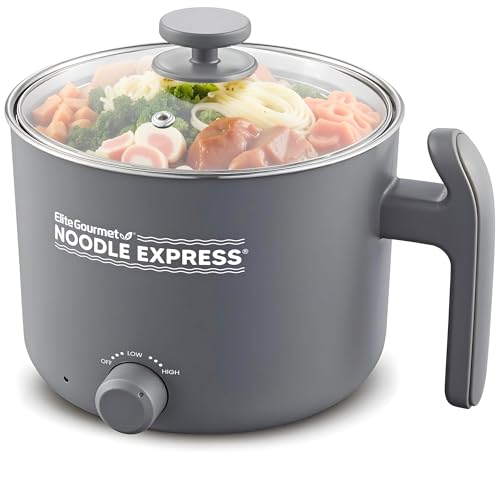
- Elite Gourmet 1.25Qt Noodle Express Hot Pot (EHP130) (covered in full below; sold as a prose-only pick in this guide)
- Olayks 3L Electric Hot Pot — Check on Amazon
- Food Party 6L Electric Hot Pot with Divider (covered in full below; sold as a prose-only pick in this guide)
Read the full guide ↓ for the ranking logic, the honest limitations of every pick, and the checks that matter more than any headline claim.
The search for best light weight hot water pots runs into a problem that this guide would rather show you than hide: in a verified pool of six electric hot pots, exactly one listing title claims portability, and not one states an actual weight. That is not a quirk of this pool; it is how this category is sold, with airy photography doing the work that specifications should. So this article applies the strict rule used across this site: link only what the title confirms, review everything honestly, and explain the difference between a pot that is genuinely easy to carry and a pot that is merely photographed kindly.
Light weight, properly understood, is a system property rather than a single number. It is the pot’s own bulk, plus the water you fill it with, plus the lid, cord and base you carry with it, judged against the journey it actually makes: counter to table, cupboard to counter, car boot to picnic bench. A 3L pot carried empty between rooms is a light appliance; the same pot carried full is a two-handed job. The reviews below keep returning to that distinction, because it is where buyers are most often misled. Readers who arrived via the misspelled version of this search will find the same rule applied in Best Lifght Hot Water Pots.
One pick, the Olayks 3L, earns the link: its title calls it a portable electric pot, and its mid-size format makes the claim credible in daily use. The other five, including two genuinely compact Elite Gourmet models and three large family machines, are prose-only. They are reviewed at full length because a reader whose priority shifts, from carrying to hosting, or from travel to a small home counter, should be able to judge them without leaving the page.
Key Takeaways
- Only the Olayks 3L is linked: its title states portable. Five picks make no such claim in their titles and are prose-only.
- No title in this pool states a weight, so be suspicious of any guide that quotes one for these models.
- Water is the real weight: each litre you boil adds about a kilogram to the lift, whatever the pot weighs empty.
- The most compact formats here are the 1.25-quart Elite Gourmet models, but compact and confirmed-portable are different claims.
- Judge the whole carried system: pot, lid, cord, base and contents, over the journey you actually make.
- Check the latest price on Amazon for the linked pick, and look for a stated weight on any listing before treating a light claim as fact.
In this guide
Quick Picks
The reason column in this table does double duty: it explains the badge and states, for every pick, whether its title supports the light weight brief.
| Badge | Pick | Why it earns its place |
|---|---|---|
| Best Family Capacity (Prose-Only) | HYTRIC 4.5L Electric Hot Pot | A 4.5L family and dorm pot with boil-dry protection; no portable claim in its title, so prose-only in a light weight guide. |
| Best Two-Broth Table Pot (Prose-Only) | Sonya 5L Dual-Sided Electric Hot Pot | A 5L dual-sided stainless pot for family dinners; a fixture, not a traveller, and prose-only here. |
| Best Divided Stainless (Prose-Only) | Aroma ASP-610 Dual-Sided Shabu Hot Pot | A 5Qt divided stainless shabu pot; built to stay centred on the table, with no portability claim in its title. |
| Most Compact Format (Prose-Only) | Elite Gourmet 1.25Qt Noodle Express Hot Pot (EHP130) | The joint-smallest format in the pool with a ceramic surface, but its title claims no portability, so prose-only. |
| Best Portable Pick | Olayks 3L Electric Hot Pot | The linked pick: a 3L portable electric pot with ceramic non-stick and dual power, credible for carrying between rooms and sites. |
| Best for a Crowd (Prose-Only) | Food Party 6L Electric Hot Pot with Divider | A 6L divided party pot; the largest and least portable idea in the pool, reviewed prose-only for completeness. |
How These Picks Were Chosen
Selection for this guide began with the six verified models in the assignment pool and then applied the light weight test to each listing title: does it state portable, lightweight, light, travel, or a numeric weight? One title passes, the Olayks, which describes itself as a portable electric pot. None states a numeric weight. The remaining five titles describe family dinners, dorm use, hot pot parties and shabu service, all stationary occasions, and on that evidence they are prose-only in this guide: full reviews, no link, no image.
This is the same evidentiary standard this site applies to fuel, material and configuration claims, and it matters most on a keyword like this one, where the temptation to infer is strongest. Two of the prose-only picks are small enough that many guides would simply call them lightweight and move on. This guide instead separates two questions that are often blurred: is the pot compact, and did its maker claim it travels? The first can be judged from capacity; the second only from the title. A neighbouring angle on the same pool, value rather than weight, is covered in Best Low Cost Electric Hot Pots.
The research limits deserve one clear sentence: this is a desk-based comparison of verified listing information, not a laboratory weigh-in, and if a listing publishes a true weight that this pool data does not include, that figure should outrank any inference made here. What this guide guarantees is the negative space: nothing in it invents a gram, a dimension or a portability claim that the titles do not contain.
The Best Light Weight Hot Water Pots, Reviewed in Detail
HYTRIC 4.5L Electric Hot Pot
Badge: Best Family Capacity (Prose-Only)
Strengths
- Large 4.5L capacity with family and dorm use named in the title
- 1200W with fast heating claimed for bigger loads
- Both overheat and boil-dry protection are named in the title
Trade-offs
- A family-size pot is overkill and slower for one-person meals
- Non-stick coating on a big pot means a big, careful hand wash
- No divider, so mixed-heat tables share one broth
Key specs from the listing
- Capacity: 4.5L
- Power: 1200W, dual power
- Coating: non-stick
- Safety: overheat and boil-dry protection
- Named uses in the listing title: pasta and steak; family and dorm use
HYTRIC builds the high-capacity all-rounder in this set: 4.5 litres, 1200W, and a non-stick interior, aimed by its own title at families and dorm groups. The specification that stands out is the safety pairing, overheat protection and boil-dry protection both named outright, which is reassuring in a pot that may simmer through a long shared meal or get switched on by a distracted student. Dual power settings and the fast-heating claim suit the cycle of hot pot cooking, where the broth must recover quickly after each round of ingredients. Pasta and steak are named alongside hot pot use, reflecting the wide, pan-like cooking surface.
Against a light weight brief, the HYTRIC is the pool’s honest heavyweight: four and a half litres of capacity, framed by its own title for family and dorm use, with no portable claim anywhere in it. It is prose-only here, and the review’s job is to mark the boundary clearly. A pot of this size earns its place by staying put and cooking for a group, with safety protections that suit long, unattended simmers. If your life needs that, buy it gladly and store it near its point of use; just do not buy it under a lightweight heading.
Best for: families and dorm groups cooking in one place, where its capacity is the point / Not suited for: anyone shopping on a light weight brief
Prose-only pick: no Amazon link or photo is shown for this model in this guide, for the reason explained in the sources file that accompanies this article.
Sonya 5L Dual-Sided Electric Hot Pot
Badge: Best Two-Broth Table Pot (Prose-Only)
Strengths
- Dual-sided format runs two broths at once for mixed tastes
- Stainless steel pot detaches and is dishwasher safe, per the title
- Five litres serves family dinners and hot pot parties, as the title frames it
Trade-offs
- Stainless steel needs stirring with starchy loads and a soak after broth service
- A 5L divided pot is a large item to store
- Two broths mean two sets of ingredients to buy and manage
Key specs from the listing
- Capacity: 5L
- Format: dual-sided (divided) pot
- Material: stainless steel
- Pot: detachable and dishwasher safe, per the listing title
- Temperature: adjustable
Sonya offers the stainless steel answer to the divided hot pot. The 5L dual-sided format is built for the classic two-broth table, and the construction details in the title are unusually practical: the stainless steel pot detaches from the base and is dishwasher safe, which removes the worst part of hot pot night, scrubbing a fixed pot around its electrical base. Adjustable temperature control keeps both sides at a simmer, and the title frames the size honestly around family dinners and hot pot parties rather than solo cooking. For buyers who want the divider format without a non-stick coating, this is the pool option that lines up.
Sonya’s 5L dual-sided pot is a table fixture by design and by its title’s own description, family dinners and hot pot parties. In a light weight guide it is prose-only, included so readers can weigh the trade explicitly: choosing this format means choosing two broths, a detachable dishwasher-safe pot and room for a crowd, and giving up any pretence of easy carrying. Its stainless construction is durable rather than light. For the shared-meal end of the category, the dedicated discussion in Best Shabu Shabu Hot Pot Pots treats it on its home ground.
Best for: hosts running two-broth dinners at home / Not suited for: anyone who will carry the pot further than a dining room
Prose-only pick: no Amazon link or photo is shown for this model in this guide, for the reason explained in the sources file that accompanies this article.
Aroma ASP-610 Dual-Sided Shabu Hot Pot
Badge: Best Divided Stainless (Prose-Only)
Strengths
- Dual-sided stainless steel pot built specifically for shabu shabu
- Five-quart capacity suits a family-size shared broth
- Aroma is an established countertop appliance brand with a long rice-cooker and hot pot history
Trade-offs
- The listing title is cluttered and mixes in rice-cooker wording, so check the configuration carefully on the listing
- No temperature-control detail is stated in the title
- Stainless steel requires more washing attention than a coated pot
Key specs from the listing
- Capacity: 5Qt
- Format: dual-sided shabu pot
- Material: stainless steel
- Model: ASP-610
The Aroma ASP-610 is a purpose-built shabu pot: dual-sided, stainless steel, and sized at five quarts for a shared table. The divided format is the heart of shabu service, letting diners swish thin-sliced meat and vegetables through two broths of different character without either side overwhelming the other. Stainless steel suits that job because it shrugs off long simmers, metal strainers and repeated dishwasher or sink cycles without a coating to protect. One honest caution: the listing title for this model is cluttered and includes wording that belongs to rice cookers, so confirm on the listing itself that the configuration offered is the dual-sided hot pot described here before ordering.
Aroma’s five-quart divided shabu pot is the third large prose-only model, and its presence in this guide makes the same point from the stainless angle: material toughness is not lightness. A divided steel pot is built to sit at the centre of a table absorbing heat, ladles and attention for hours. Nothing in its title suggests travel, and at a working fill of broth it is among the heaviest lifts in this comparison. Buy it for the ritual of shabu at home; leave it out of any bag.
Best for: shabu shabu households wanting a divided stainless centrepiece / Not suited for: light weight shoppers, for whom it is the wrong tool
Prose-only pick: no Amazon link or photo is shown for this model in this guide, for the reason explained in the sources file that accompanies this article.
Elite Gourmet 1.25Qt Noodle Express Hot Pot (EHP130)
Badge: Most Compact Format (Prose-Only)
Strengths
- PFAS-free ceramic non-stick claim is stated plainly in the title
- Two heat settings keep operation simple for noodles and soup
- Glass lid and compact quart-plus format suit single servings
Trade-offs
- Ceramic coatings need gentle utensils and hand washing to last
- Two settings offer less simmer finesse than a dial
- Small capacity is strictly a one-person format
Key specs from the listing
- Capacity: 1.25Qt
- Coating: Ceralast ceramic non-stick, PFAS-free per the listing title
- Lid: glass
- Heat: 2 heat settings
- Model: EHP130
The EHP130 is Elite Gourmet’s coated take on the same compact idea as its stainless sibling. The headline is the Ceralast ceramic non-stick surface, described in the title as PFAS-free, which will matter to buyers who want easy-release cooking without a conventional non-stick coating. Two heat settings keep the machine deliberately simple: bring the pot up, then hold it back for eating or gentle cooking. The glass lid lets you judge noodle doneness at a glance. At 1.25 quarts this is a personal pot for ramen, soup and small portions, and it should be bought with that honest scale in mind.
The Elite Gourmet EHP130 is the most interesting prose-only case, because its 1.25-quart format is the joint-smallest in the pool and its ceramic surface would suit a gentle, portable life. But its title claims a coating, a glass lid and two heat settings, not portability, and this guide links claims, not silhouettes. As a home appliance for one person it is easy to like; as a confirmed lightweight pick it does not qualify, and the distinction is the entire reason this guide exists in this form.
Best for: solo home cooks wanting a compact ceramic pot, bought as a countertop appliance / Not suited for: buyers who require a confirmed portable claim in the title
Prose-only pick: no Amazon link or photo is shown for this model in this guide, for the reason explained in the sources file that accompanies this article.

Olayks 3L Electric Hot Pot
Badge: Best Portable Pick
Strengths
- A mid-size 3L capacity that suits two to four diners without taking over the table
- Ceramic non-stick coating makes noodle and broth clean-up simpler than bare metal
- Dual power settings let you drop from a rolling boil to a gentle simmer
Trade-offs
- Ceramic coatings need non-metal utensils if they are to stay smooth
- No divider, so two different broths in one pot are not an option
- The listing title does not name a removable pot, so washing happens around the base
Key specs from the listing
- Capacity: 3L
- Coating: ceramic non-stick
- Power: dual power settings
- Safety: overheat protection
- Named uses in the listing title: steak, pasta, hot pot, ramen
The Olayks design sits in the middle of this pool on size, and that middle position is exactly its appeal. Three litres is enough broth and ingredients for a small family hot pot night, a generous pasta boil for two, or a shared ramen session, yet the pot still reads as a portable countertop appliance rather than a party centrepiece. The ceramic non-stick surface is the practical headline: starch-heavy foods such as noodles and dumpling wrappers release more willingly than they do from uncoated metal, and the dual power settings cover the two states hot pot cooking actually needs, a fast climb to the boil and a lower hold once everyone is eating. Overheat protection is named in the title, which matters in a category where pots are often left simmering at the table for an hour or more.
The Olayks is the linked pick, and the reasoning is refreshingly short: its title calls it a portable electric pot, and the rest of the specification makes that claim believable rather than decorative. Three litres is the largest capacity that still reads as carry-it-yourself equipment, enough for a small family meal at the destination without a second vessel. The ceramic non-stick surface wipes clean with minimal water, which matters when the pot travels to places with one sink or none, and dual power settings cover the boil-then-simmer rhythm of real cooking. If the light weight brief brought you here, this is the confirmed answer in this pool.
Best for: buyers who want the pool’s confirmed portable pot, for moving between rooms, sites and small kitchens / Not suited for: hosts needing a divider or party capacity
Food Party 6L Electric Hot Pot with Divider
Badge: Best for a Crowd (Prose-Only)
Strengths
- The largest capacity in this pool, built for a full table of diners
- A divider lets a spicy broth and a mild broth simmer side by side
- Five temperature levels give finer simmer control than a simple high-low switch
Trade-offs
- Six litres of broth is heavy to carry to the sink when full
- Too large for solo cooking; small meals rattle around in it
- The big footprint needs real storage space between uses
Key specs from the listing
- Capacity: 6L
- Divider: yes, for two broths
- Power: 1200W, 110V
- Temperature: 5-level control
- Coating: PFOA-free non-stick
Food Party builds the party-size option in this pool. Six litres with a divider is the classic shared hot pot format: one side can carry a fiery, oil-rich broth while the other stays mild for children or heat-shy guests, and thin-sliced meat, mushrooms and greens can move between them. The 1200W element and five-level temperature control suit that job, because a pot this size needs real power to return to a simmer after a plate of cold ingredients goes in, and it needs a low, steady setting once the table settles into eating rather than cooking. The PFOA-free non-stick claim is stated in the title, and the Chinese hot pot framing in the listing is honest about what this machine is for.
Food Party’s 6L divided pot closes the reviews as the pool’s maximum: the most capacity, the most broth, the most washing up, and a title aimed squarely at the shared Chinese hot pot occasion. It is prose-only in this guide for the simplest of reasons, that nothing about it is light and its title never pretends otherwise. Its inclusion is a service to the reader who arrived with a light brief and leaves with a party planned; priorities are allowed to change, and this is a fine pot to change them for. Just let the change be conscious.
Best for: hosts cooking two-broth hot pot for a full table at home / Not suited for: anyone whose first requirement is easy carrying
Prose-only pick: no Amazon link or photo is shown for this model in this guide, for the reason explained in the sources file that accompanies this article.
Comparison Table
Compare what the titles claim, not what the photos suggest. The portability column is the evidence behind every linking decision in this guide.
| Pick | Capacity | Surface / material | Standout trait | Listing |
|---|---|---|---|---|
| HYTRIC 4.5L Electric Hot Pot | 4.5L | Non-stick | No portable claim in title — prose-only | — |
| Sonya 5L Dual-Sided Electric Hot Pot | 5L | Stainless steel | No portable claim in title — prose-only | — |
| Aroma ASP-610 Dual-Sided Shabu Hot Pot | 5Qt | Stainless steel | No portable claim in title — prose-only | — |
| Elite Gourmet 1.25Qt Noodle Express Hot Pot (EHP130) | 1.25Qt | Ceramic non-stick | No portable claim in title — prose-only | — |
| Olayks 3L Electric Hot Pot | 3L | Ceramic non-stick | Portable stated in title — linked | Check on Amazon |
| Food Party 6L Electric Hot Pot with Divider | 6L | PFOA-free non-stick | No portable claim in title — prose-only | — |
How to Choose a Light Weight Hot Water Pot
Make the title do the work. Before anything else, find the portability claim or the stated weight on the listing itself. In this pool, one title in six makes the claim and none gives a number, and that ratio is typical of the wider market. A maker who has engineered a genuinely light pot advertises the fact in words and figures; a maker who has not, advertises a lifestyle photograph. Learning to hear that difference is the single most valuable skill this guide can pass on, and it transfers to every other category, from the fuel claims in Best Propane Shabu Shabu Hot Pots to the insulation claims in Best Stainless Steel Insulated Hot Pots.
Do the water maths next, because it dominates everything else. A litre of water weighs about a kilogram. A 6L pot at a sensible working fill carries roughly four kilograms of water; a 3L pot about two; a 1.25-quart pot a little over one. Add the pot itself and you have the real lift, and it explains why capacity discipline is the true lightweight strategy. Buy the smallest capacity that cooks your genuine meals, and you have done more for the weight of your setup than any material choice could.
Then think about where the pot’s weight is spent. A wide, low pot carries its water close to the handle and feels steadier than a tall one of the same volume. A secure lid saves a hand. A cord that detaches or stores neatly saves the snagging and dangling that make a light object feel clumsy. These handling qualities rarely appear in specifications, so mine the listing’s owner feedback for words like awkward, heavy when full and pour, which is where real carrying experience gets reported.
Finally, be honest about the journey. A pot that moves between a cupboard and a counter twice a day needs to be light at a working fill and kind to wrists. A pot that travels by car can be a size larger. A pot that never moves does not need this brief at all, and its owner should shop the family and shabu guides instead, where capacity and dividers rightly outrank grams. The light weight brief is a means to a comfortable routine, not a contest.
How to Live With a Light Pot: Filling, Carrying and Care
The routine that keeps a light pot light starts at the tap. Fill for the meal in front of you, using the serving bowls as the measure, and resist the top-up instinct that turns a solo boil into a family fill. Boil with the lid on, both to save time and because a shorter boil is energy not spent reheating a room. When the food is ready, serve from the pot at the table or the counter where it stands; every transfer to another vessel is weight carried twice and washing up doubled.
- Measure water by the bowl or cup you will serve, not by the pot’s maximum line.
- Keep the fill at or below three-quarters, and lower for a rolling boil with noodles.
- Carry the pot empty and the water separately whenever the two must move any distance.
- Use two hands and a level path for any pot above 2L at a working fill.
- Set the pot down before opening the lid, so steam rises away from the carrying hand.
- Wipe coated interiors warm; soak only when necessary, since soaking fills the pot with water you must lift again.
- Store the pot at waist height where possible, not on a high shelf or a low floor cupboard.
- Dry the base and connection fully before storing, especially after travel.
Care routines differ slightly by surface, and the light brief sharpens the difference. A ceramic or non-stick interior that wipes clean in seconds keeps both the pot and the routine light; a stainless interior that needs a long soak after noodles adds a heavy, water-filled interval to every wash. Neither is a defect, but a buyer choosing on weight should count the washing weight as well as the carrying weight, because it is lifted just as often.
Troubleshooting follows the physics. Problem: the pot feels far heavier than expected → it is the water, not the vessel; fill less and make two trips for drinks. Problem: the pot boils over on modest loads → small and mid pots have limited headroom; drop the setting the moment the boil arrives. Problem: the lid rattles and spills during a carry → the pot was moved full and hot; let it settle, carry it empty, and treat any full-pot carry as a short, two-handed, level move.
Light for Whom? Arthritis, Small Kitchens and Shared Houses
A large share of lightweight searches are not about travel at all. They come from cooks managing arthritis or a weak grip, from small kitchens where the pot is lifted out of a cupboard twice a day, and from shared houses where appliances migrate between rooms. For those readers, the confirmed portable pick in this guide is still the natural starting point, because portable design means a manageable format and simple handling, but the judgement should be made at a working fill, in the actual cupboard-to-counter journey of their own kitchen.
Two practical tests help. First, the shelf test: can the pot, empty, be lifted down and replaced one-handed without a stretch or a stoop? Second, the sink test: can it, at a normal fill, be carried the few steps to the sink and tipped safely? A pot that passes both in your kitchen is light for you, whatever any guide says, and a pot that fails either will be resented daily even if its specification sheet looks featherweight.
The Mid-Size Compromise: Why the Linked Pick Is 3L, Not 1.25Qt
It surprises some readers that the confirmed portable pick is a 3L pot while two 1.25-quart models sit prose-only below it. The reason is the difference between size and claim, again: the Olayks maker committed to the word portable, and the Elite Gourmet maker, for these models, did not. But there is also a practical argument for the mid-size. A 3L portable pot serves a couple or small family at the destination, which means one vessel travels instead of a small pot plus a saucepan, and the lightest system is often the one with the fewest pieces.
The honest counter-argument belongs to solo travellers, for whom 3L is water and bulk they will never use. Their best confirmed option in this pool is still the Olayks, used at half fill, or a deliberate decision to buy a compact home model, like the EHP130, with eyes open about its unconfirmed status. Guides should surface that tension rather than resolve it by fiat, because the right answer depends on the traveller’s table, not on the guide’s preference.
What Light Does Not Mean: Thin, Flimsy and Underpowered
Lightweight done badly means thin walls that dent, a base that flexes, and an element too weak for the volume, and buyers are right to be wary of the word for that reason. The defence is to separate the pot’s weight from its substance. A well-made compact pot feels solid in the hand, sits flat without rocking, and has a lid that fits like it was made for the pot, because it was. Its element is sized to its volume, so a small pot with modest wattage can still boil briskly, while a big pot with the same wattage would be a slow disappointment.
In this pool, the linked Olayks pairs its portable format with dual power and overheat protection, the specification of a pot designed to be used hard in small spaces rather than a novelty. That combination, a claim in the title plus a specification that supports it, is the pattern to look for in any lightweight purchase, and its absence is the pattern to walk away from.
Packing a Pot: The Travelling Kitchen in One Cavity
For readers who do travel with a pot, packing is where light design pays twice. The pot’s cavity is protected space: fill it with the soft and the light, a cloth, utensils, tea and coffee, seasoning, rather than leaving it empty or, worse, stuffing it with heavy tins that batter the coating. Wrap the lid separately if it is glass, keep the cord coiled and captive so it cannot work loose in a bag, and let the pot ride low and central in the vehicle, where a sudden stop moves it least.
At the destination, the same discipline runs in reverse: the pot comes out first, because it is the kitchen, and everything packed inside it becomes the setup. Campers and cabin travellers who work this way find that a single mid-size portable pot replaces a surprising amount of equipment, which is the deepest sense in which it is light: not the lightest object, but the fewest objects.
Two Pots or One? The Household System View
Many households end up owning two electric pots, and the light weight question is really about how the pair divides the work. The sensible division is a portable mid-size pot for daily cooking, drinks and travel, and a large divided pot that exists purely for occasions and lives in a deep cupboard the rest of the year. Bought in that order, the portable pot first, most households discover the big pot is needed less often than they feared, and some never buy it at all, borrowing the occasion from a friend’s table instead.
The wrong order is buying the party pot first and then trying to live with it daily: lifting it for a single bowl of noodles, washing it for one egg, and storing it where it blocks the cupboard. Resentment follows, and it attaches itself to hot pot cooking generally rather than to the sizing error that caused it. If this guide’s strict linking feels austere, that is the future it is trying to prevent: a reader matched to the pot their routine actually repeats, with the big joyful machines bought knowingly, for joy, afterwards.
Reading Owner Feedback for the Truth About Weight
When a specification sheet will not tell you a weight, owner feedback often will, in the unguarded language of daily use. Search the listing’s feedback for the words heavy, light, lift, carry and wrist, and read the critical comments first, because that is where a pot that photographs light and lives heavy gets found out. A pattern of owners praising a pot for drinks and solo meals while warning groups away is the signature of a genuinely manageable appliance; a pattern of surprise at the size is the signature of photography doing the selling. This guide’s title-based rule is the strict version of that same reading, done in advance, on the evidence every buyer can check.
One Last Check Before You Order
Before ordering any pot under a light weight brief, run the three-line audit this guide has used throughout: does the title state the claim, does the capacity match the meals, and does the carried system, pot, lid, cord and contents, fit the journey? A pot that passes all three is a safe purchase. A pot that passes only the photographs is a gamble, and gambles are heavy things to carry home.
Common Buying Mistakes
- Trusting a lifestyle photo over a title. If portable or a weight is not stated, the light claim is unproven, however small the hand in the photograph.
- Counting the pot and forgetting the water. At a working fill, water outweighs the vessel; capacity choice is weight choice.
- Buying the smallest pot for a family. Under-sizing means double batches and a second vessel, and the system ends up heavier than one mid-size pot.
- Carrying any pot full and hot over distance. Carry it empty, carry the water separately, and keep full-pot moves short and two-handed.
- Assuming light means flimsy, or flimsy means light. Judge substance by fit, flatness and whether the element matches the volume, as with the traditional formats discussed in Best Mongolian Hot Pots.
Final Recommendation
The recommendation for this search is the Olayks 3L: the one pick whose title states portable, in the largest format that still behaves like carry-it-yourself equipment, with a ceramic surface that keeps the washing light as well as the lifting. For a buyer who wants a confirmed answer to a light weight brief, it is the only name in this pool that qualifies, and it qualifies on evidence you can check in seconds, in the title itself, before any photograph or headline has a chance to persuade you otherwise.
If your needs pull elsewhere, let them pull honestly. Compact home cooking points to the Elite Gourmet EHP130 as a prose-only alternative; hosting points to the divided Sonya, Aroma or Food Party, bought as table fixtures. What this guide asks is only that the purchase be made under the right heading, so the pot that arrives matches the life it was bought for.
Start with the Olayks 3L Electric Hot Pot if you want the safest first choice for this search, and look closely at the Olayks 3L Electric Hot Pot if your priorities lean the other way. Check on Amazon to confirm the current configuration of either model before you order.
Frequently Asked Questions
Why is only one pick linked in a guide to light weight pots?
Because only one listing title in the pool, the Olayks 3L, states a portable claim, and no title states a numeric weight. The other five are reviewed in full as prose-only picks rather than linked under a claim their makers did not make.
What is the lightest hot pot in this pool?
No honest answer exists in grams, because no title states a weight. By format, the two 1.25-quart Elite Gourmet models are the most compact; by confirmed claim, the Olayks is the portable pick. Check the listing itself for a published weight before deciding.
How much does the water in a hot pot weigh?
About a kilogram per litre. A 3L pot at a working fill carries roughly two kilograms of water, and a 6L pot roughly four, which is why capacity discipline matters more to real-world lightness than small differences between pot bodies.
Is a 3L pot too big to count as light weight?
Not if it is the only vessel you carry. A mid-size portable pot that replaces a small pot plus a saucepan can be the lightest system overall, which is why the linked pick in this guide is a 3L model with an explicit portable claim.
Can I use a light pot for family hot pot night?
A 3L pot serves a small family a modest hot pot; a table of five or six needs a divided family pot, and those are heavy by nature. Many households own both: the portable pot for daily use and travel, the big pot for occasions.
What should I check on the listing before buying for lightness?
A stated weight, the exact capacity, whether the cord detaches, and owner feedback mentioning handling and pouring. If the weight is not stated anywhere, treat the light claim as unconfirmed and decide on format and evidence instead.
Does a ceramic coating help a light pot?
It helps the routine rather than the scales: food releases easily, washing needs little water and no long soak, and the pot is lifted full of soak water far less often. The linked Olayks and the prose-only EHP130 both use ceramic surfaces for that reason.