Disclosure: topratedkitchenware.com is reader-supported. When you buy through links on our site, we may earn an affiliate commission from Amazon and other retailers, at no extra cost to you.
Where to buy
The best mixers for black rum have to stand up to the darkest, richest rum style — molasses-deep, sweet and spiced — without turning the glass into syrup. These six bring citrus sparkle, herbal edge and quinine structure to a spirit that defeats lesser mixers.
- Fever-Tree Mediterranean Tonic Water — rosemary-herbaceous tonic that cuts black rum’s richness with a savory edge.
- Fever-Tree Light Tonic Water (8-Pack Cans) — light tonic cans for a longer, drier black rum highball.
- Fever-Tree Elderflower Tonic Water — elderflower tonic that softens dark rum into a floral long drink.
- Fever-Tree Sparkling Sicilian Lemonade — sparkling Sicilian lemonade — the bright citrus counterweight dark rum loves.
- Fever-Tree Refreshingly Light Tonic Water — a session-size light tonic bottle for several rum drinks in one evening.
- Schweppes Tonic Water — classic Schweppes tonic in bulk for regular dark-rum drinkers.
Read the full guide ↓ for the detailed reviews, the comparison table, and the serving advice that helps you pick the right bottle or can the first time.
Finding the best mixers for black rum means solving the opposite problem from most rum mixing. Black rum — the dark, molasses-rich style, heavy with caramel, spice and dried-fruit depth — does not need help tasting rich. It needs help tasting fresh. A sweet mixer poured over black rum produces a glass that is impressive for two sips and exhausting by the fifth. The mixers that work bring acidity, bitterness, herbs or sparkle: something with an edge the rum can lean against. Best Mixers For Blu Ray Movies On Pc
That is why this guide is built from tonics and a sparkling lemonade rather than the fruit mixes that suit white rum. Quinine’s bitterness slices through molasses sweetness the way it slices through gin’s botanicals; rosemary’s savory note plays against the rum’s spice; lemon’s acidity resets the palate between sips. Each review is honest about the tension too — tonic and dark rum is a more acquired partnership than rum and cola, and we will tell you who should skip it.
Key Takeaways
- Black rum needs edge, not sweetness: acidity, bitterness, herbs and carbonation.
- Sparkling lemonade is the most natural partner — citrus against molasses depth.
- Tonic and dark rum is a dry, adult serve; start with a light hand on the rum.
- Serve everything very cold and over plenty of ice to keep rich flavors refreshing.
- Buy formats for your pace — dark rum drinking is often an evening ritual, not a party volume.
In this guide
Quick Picks
| Pick | Badge | Format | Why it earns its place |
|---|---|---|---|
| Fever-Tree Mediterranean Tonic Water | Best Herbaceous Twist | Volume: 6.8 fl oz bottles | Savory rosemary edge for a grown-up dark rum highball. |
| Fever-Tree Light Tonic Water (8-Pack Cans) | Best Lighter Option | Volume: 5.07 fl oz cans | Small light cans for a drier, longer rum serve. |
| Fever-Tree Elderflower Tonic Water | Best Floral Pick | Volume: 5.1 fl oz cans | Floral softness that turns black rum into a garden drink. |
| Fever-Tree Sparkling Sicilian Lemonade | Best Citrus Sparkle | Volume: 6.8 fl oz per bottle/can as listed | The brightest citrus counterweight in the guide. |
| Fever-Tree Refreshingly Light Tonic Water | Best Session Bottle | Volume: 16.9 fl oz bottle | One bottle, several drinks, light and crisp throughout. |
| Schweppes Tonic Water | Best Classic Bulk Pick | Pack configuration: pack of 6 (10-count) | The familiar classic tonic, in entertainer quantity. |
How These Picks Were Chosen
We filtered the mixer shelf through black rum’s specific physics: high residual richness, strong spice, and a flavor weight that flattens delicate mixers into background sweetness. Survivors needed a structural element — quinine bitterness, rosemary’s herbal cut, elderflower’s aromatic lift, or lemon’s acid — plus carbonation sturdy enough to survive a tall glass of ice and a slow drinker. Sweet fruit mixes were excluded deliberately; with black rum they double the problem instead of solving it.
As ever, this is research-led: maker-stated ingredients, formats and flavor notes, checked against the recurring themes in buyer feedback for each product, with serves tested on paper against the dark rum styles people actually buy — the spiced black rums, the demerara-heavy bottles, the navy-style blends. We claim no lab work, and the reviews flag plainly where a pick asks something of the drinker — tonic with dark rum is a taste worth acquiring, but it is one that needs acquiring.
The Best mixers for black rum — All Six Picks Reviewed
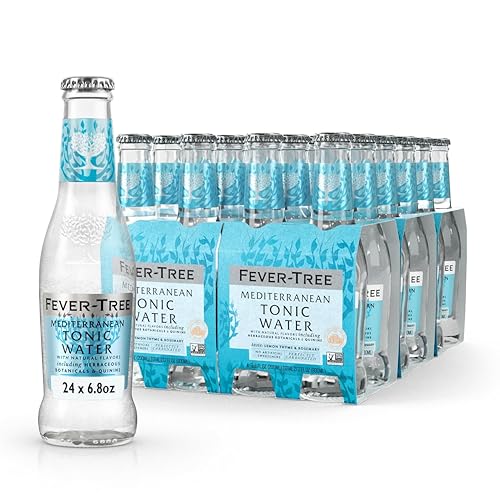
Fever-Tree Mediterranean Tonic Water
Badge: Best Herbaceous Twist
Strengths
- Rosemary-led herbaceous note adds a savory twist other tonics lack
- Works as a conversation piece for guests who think tonic is boring
- Bottled format pours and presents neatly
Trade-offs
- Herbaceous profile divides opinion — not a neutral mixer
- Can steer a drink away from the base spirit if over-poured
- Glass pack is heavy to bring home and store
At a glance:
- Format: bottled tonic water, 24-pack
- Volume: 6.8 fl oz bottles
- Maker flavor note: essential oils of rosemary with African quinine
- Profile: subtly herbaceous and refreshing per maker
The Mediterranean tonic is the connoisseur’s black rum mixer. Rosemary’s savory, piney edge — the maker’s stated essential-oil note, over African quinine — meets the rum’s baking spice halfway and turns a heavy spirit into something that tastes like it belongs before dinner. It is the least sweet direction in this guide and the one that most rewards a slow, thoughtful glass.
It is also the most demanding. Drinkers whose black rum habit is built on sweet cola serves may find the dry, herbal result austere at first, and the tonic’s own character is strong enough that a heavy rum pour turns the glass muddy. Keep the rum measure moderate and let the tension between herb and molasses do the work. Best Mixers For Blueberry Vodka
Best for: a dry, savory dark rum highball before dinner / Not suited for: drinkers who love sweet cola-style rum serves

Fever-Tree Light Tonic Water (8-Pack Cans)
Badge: Best Lighter Option
Strengths
- Smaller 8-pack is the low-commitment way to try light tonic
- Single-serve cans keep fizz consistent drink after drink
- Bitter orange lift suits citrus garnishes already on your board
Trade-offs
- Eight cans disappear fast when serving a group
- Lighter style is less forgiving of warm storage or old ice
- Botanical lean may not match every spirit
At a glance:
- Format: canned light tonic water, 8-pack
- Volume: 5.07 fl oz cans
- Maker note: 30 calories per serving
- Flavor note from maker: touch of Mexican bitter orange, balanced botanicals
The light 8-pack is the low-commitment way into tonic-and-dark-rum: small cans, a lighter calorie profile per the maker, and a bitter-orange lift that reads as brightness against the rum’s darkness. As a long highball — black rum, light tonic, plenty of ice, an orange twist if you have one — it is the most refreshing serve in this guide relative to the weight of the spirit involved.
Light is the operative word, with its limit attached: under a very rich, high-proof black rum the tonic can be outmuscled, and the drink collapses into sweet rum with bubbles. It performs best with standard-strength black rums and disciplined ratios, which is exactly how the verdict below frames it.
Best for: a light, dry long drink with standard-strength black rum / Not suited for: very rich, high-proof rums that need a stronger mixer

Fever-Tree Elderflower Tonic Water
Badge: Best Floral Pick
Strengths
- Elderflower softness flatters delicate spirits that bitter tonic can bully
- Floral note removes the need for extra syrups or liqueurs
- Cans keep the delicate aromatics fresher per serve
Trade-offs
- Floral profile is a deliberate flavor, not a neutral backdrop
- Sweetness perception is higher than classic tonic
- A 24-pack of a niche flavor is a real commitment
At a glance:
- Format: canned tonic water, 24-pack
- Volume: 5.1 fl oz cans
- Blended with African quinine per maker
- Maker flavor note: soft, sweet elderflower notes, delicate and balanced
Elderflower with black rum sounds unlikely and drinks beautifully. The floral softness the maker describes wraps the rum’s rougher molasses edges, quinine keeps the whole thing from going soft, and the result is a long drink that tastes like a garden party trick — dark spirit, light manner. It is the pick we would serve a guest who says dark rum is too heavy for them.
Floral plus molasses is a specific taste, not a universal one. Some drinkers will find the combination perfumed where they wanted punch, and the 24-can commitment assumes the household converts. Buy it after the lemonade or the classic tonic has proven the house likes its dark rum long and light.
Best for: converting dark-rum skeptics with a floral long drink / Not suited for: drinkers who want maximum rum punch

Fever-Tree Sparkling Sicilian Lemonade
Badge: Best Citrus Sparkle
Strengths
- Bright lemon sparkle is the easiest possible mixer — pour and go
- Small pack size suits trying it without stocking a case
- Citrus snap cuts through rich, sweet base spirits cleanly
Trade-offs
- Four-pack runs out quickly for a group
- Lemon dominates — subtle spirits disappear behind it
- Sparkling format must be served cold and fresh
At a glance:
- Format: sparkling lemonade, 4-pack
- Volume: 6.8 fl oz per bottle/can as listed
- Style: Sicilian lemonade, sparkling
This is the natural marriage of the list. Lemon’s acidity is the oldest answer to molasses richness in rum drinking — it is why the daiquiri works — and a sparkling Sicilian lemonade delivers it with carbonation and zero technique. Black rum over ice, topped with this, tastes bright, structured and far lighter than the spirit has any right to taste. For most households, this is the black rum mixer that will actually get finished.
The small pack is both virtue and limit: perfect freshness, quickly gone. And lemon leads — the rum’s subtler spice notes sit behind the citrus, so this is a refreshment serve, not a contemplative one. For contemplation, the Mediterranean pick above is waiting. Best Mixers For Bombay Sapphire
Best for: the easiest, brightest black rum serve of all / Not suited for: slow contemplative sipping

Fever-Tree Refreshingly Light Tonic Water
Badge: Best Session Bottle
Strengths
- One larger bottle covers several drinks in a single session
- Light style keeps the serve crisp rather than heavy
- Simple format for households that mix tonic drinks weekly
Trade-offs
- Opened bottle needs finishing within a short window for best fizz
- Less portion control than single-serve cans
- Light profile can underplay very bold spirits
At a glance:
- Format: bottled light tonic water
- Volume: 16.9 fl oz bottle
- Style: refreshingly light tonic
The session bottle: 16.9 fl oz of refreshingly light tonic that covers an evening of black rum highballs for one or two drinkers without opening can after can. Its light profile suits dark rum better than a full-sweetness tonic would, keeping the serve crisp where the spirit is heavy, and the single-bottle format is the tidy choice for a household with a weekly dark-rum ritual.
The format’s honesty note is the familiar one — an opened bottle is on a clock. If your ritual is monthly rather than weekly, the cans above protect your carbonation better. Match the bottle to the rhythm it was designed for and it performs exactly as intended.
Best for: a weekly dark-rum ritual for one or two / Not suited for: monthly drinkers worried about flat bottles

Schweppes Tonic Water
Badge: Best Classic Bulk Pick
Strengths
- The familiar, widely stocked tonic profile most drinkers grew up with
- Bulk pack configuration suits regular entertainers
- Neutral-classic taste that rarely clashes with a garnish plan
Trade-offs
- Bulk quantity needs storage space
- Classic profile is less distinctive than craft tonics
- Large total volume only makes sense with steady use
At a glance:
- Format: tonic water, 10-count packs
- Pack configuration: pack of 6 (10-count)
- Style: classic tonic water
Schweppes is the tonic most drinkers grew up with, and its classic profile — straightforward quinine, familiar sweetness balance — makes it the least surprising partner for black rum in the guide. The bulk configuration suits the regular entertainer: the household that serves dark rum highballs whenever people gather and does not want a specialty bottle for the job.
Bulk is the caveat, as always: this is a lot of tonic, bought on the assumption of steady use, and its classic profile is less distinctive than the craft expressions above it. For the committed dark-rum household that assumption is sound; for the curious, start with the 8-pack and graduate.
Best for: regular entertainers serving classic rum and tonic / Not suited for: first-time experimenters
Comparison Table
| Pick | Badge | Format | Flavor lean | Best use | Link |
|---|---|---|---|---|---|
| Fever-Tree Mediterranean Tonic Water | Best Herbaceous Twist | 6.8 fl oz bottles, 24-pack | Rosemary herbaceous | Aperitif highballs | Check on Amazon |
| Fever-Tree Light Tonic Water (8-Pack Cans) | Best Lighter Option | 5.07 fl oz cans, 8-pack | Light, bitter orange | Dry long drinks | Check on Amazon |
| Fever-Tree Elderflower Tonic Water | Best Floral Pick | 5.1 fl oz cans, 24-pack | Soft elderflower | Floral long drinks | Check on Amazon |
| Fever-Tree Sparkling Sicilian Lemonade | Best Citrus Sparkle | 6.8 fl oz, 4-pack | Sparkling lemon | Bright refreshment | Check on Amazon |
| Fever-Tree Refreshingly Light Tonic Water | Best Session Bottle | 16.9 fl oz bottle | Light classic tonic | Evening sessions | Check on Amazon |
| Schweppes Tonic Water | Best Classic Bulk Pick | 10-count packs, pack of 6 | Classic tonic | Regular entertaining | Check on Amazon |
Read the flavor-lean column as a spectrum of intervention. Lemonade intervenes with acid, the light tonics with gentle bitterness, the Mediterranean with herbs, the elderflower with perfume, and the classic Schweppes with familiarity. Black rum is strong enough that all five interventions work — the choice is which direction you want your evening to lean, and how much of the rum’s own voice you want left in the glass.
How to Choose the Right Mixer for Black Rum
Understand what black rum brings before choosing what to add. The style is defined by molasses depth — often from added caramel and long contact with the sweet end of distillation — plus, in spiced expressions, vanilla, cinnamon and clove. Every one of those traits is a richness trait. A mixer for black rum is therefore chosen the way you season a rich dish: with acid, salt, bitterness or herbs, never with more sugar. That single principle explains this entire list.
Acidity is the most universally liked intervention, which is why the lemonade is the safest first purchase. Bitterness is the most grown-up: a tonic serve tastes drier and more structured, and drinkers raised on cola-rum often need two or three glasses across a month before it clicks — then it often becomes the preference. Herbal and floral directions are palate-specific gifts: wonderful for the right drinker, wrong to buy in bulk for an untested one. Best Mixers For Blackheart
Ratio runs opposite to white-rum mixing. With a spirit this flavorful, the mixer should be the larger presence in a long drink, and the rum should be measured with respect — a heavy black rum pour over tonic produces a glass that is somehow both bitter and cloying. Start near one part rum to three parts mixer over a full glass of ice, taste, and add rum in small steps only if the drink reads thin.
Temperature does unusual work here. Black rum’s aromatics are heavy and can turn medicinal at warm temperatures; served properly cold, the same bottle reads as spice and dried fruit. Chill the mixer, use abundant fresh ice, and consider the glass as part of the recipe. A black rum drink served merely cool is the most common reason people conclude they do not like the style.
Format follows ritual. Black rum drinking tends to be deliberate — an evening glass rather than a party pitcher — which favors cans, small packs and the session bottle over bulk, unless your household genuinely entertains with it. The Schweppes bulk pick is in this guide for that entertaining minority, honestly labeled as such.
How to Serve Black Rum Long Without Losing Its Character
The method is a highball discipline adapted to a heavy spirit: cold components, a full glass of ice, a mixer-forward ratio, and one aromatic garnish that points at the rum’s spice.
STEP 1 — Chill the mixer thoroughly and prepare a tall glass full of fresh ice. Warmth is black rum’s enemy in a long drink.
STEP 2 — Add a measured pour of black rum — start modest. You are seasoning a long drink, not building a short one with mixer on top.
STEP 3 — Pour the mixer gently down the side of the tilted glass to keep its carbonation, filling to the top.
STEP 4 — Taste and steer. Too rich: more mixer or a lemon-led option. Too thin: a small additional rum pour. Too bitter: switch toward the lemonade or elderflower direction next glass.
STEP 5 — Garnish with intent: an orange twist for tonic serves, lemon for the lemonade, a mint sprig for the elderflower. One garnish, chosen, not a handful.
Troubleshooting black rum serves
Problem: The drink tastes syrupy and exhausting → the ratio favors rum or the mixer is too sweet for the style. Lengthen with mixer, add ice, and move toward the lemonade or light tonic picks.
Problem: The drink tastes bitter and medicinal → it is warm, or the tonic proportion overwhelmed a delicate balance. Rebuild colder with a full glass of fresh ice and a slightly shorter tonic pour.
Problem: The rum flavor vanished → the mixer is leading too hard, usually with the lemonade. Shorten the mixer, or choose the classic tonic whose profile leaves more room for the spirit.
Dark Rum and Tonic: The Serve Nobody Expects to Like
Rum and tonic carries a whiff of heresy for drinkers raised on rum and cola, and the first glass often lands strangely — drier, more bitter, more adult. The second glass is where it usually turns. Quinine gives the molasses something to push against, the drink stays refreshing instead of coating, and the rum’s spice reads more clearly than it ever did under cola’s sweetness. Several of the picks in this guide exist to serve that conversion.
The conversion has conditions. The rum should be a genuine black or dark style with real depth — a thin, caramel-colored white rum in disguise gives the tonic nothing to work with. The serve should be cold and mixer-forward. And the drinker should be told what is in the glass: expectation shapes taste, and a sip expected to be cola-sweet will always judge a dry drink unfairly. Serve it as its own thing, proudly, and it wins converts. Best Mixers For Bourbon Whiskey
Beyond the Highball: Other Honest Uses for These Mixers with Dark Rum
The lemonade pick doubles as a punch base: black rum, sparkling lemonade and plenty of ice in a jug is a complete party serve that needs nothing else, and it scales without technique. The Mediterranean tonic, used in a shorter pour, makes a rum aperitif that pairs genuinely well with salty food — olives, nuts, cured meats — where sweeter rum serves would clash.
The elderflower cans, finally, make a credible rum spritz for warm afternoons: dark rum, elderflower tonic, big ice, a longer glass than you think you need. None of these uses requires buying anything beyond this guide’s shelf, which is deliberate — a good mixer earns its storage space three ways, not one.
Common Buying Mistakes
Mistake one: adding sweetness to a sweet spirit. Fruit mixes and cola-style thinking are the reflex, and with black rum they produce the exhausting glass this guide opened with. Choose edge — acid, bitterness, herbs — and the rum becomes refreshing.
Mistake two: white-rum ratios. A heavy pour that works in a daiquiri overwhelms a long tonic or lemonade serve. Measure the rum modestly in long drinks; you can always add, and with a spirit this strong, small additions move the drink a lot.
Mistake three: serving dark rum drinks warm-ish. Molasses aromatics turn heavy and medicinal without proper cold. Chill the mixer, fill the glass with ice, and do not nurse the build — serve it at its coldest.
Mistake four: bulk-buying a direction you have not tested. Herbal and floral tonics are palate-specific. Prove the direction with a small pack before the case, especially in a category where one bottle lasts a household a month of evenings. Best Mixers For Boxed Hot Chocolate
Final Recommendation
Start with the sparkling Sicilian lemonade: it is the partnership black rum was born for, the serve most likely to be finished and repeated, and the bottle against which you can judge every drier, more adult option in this guide.
Start with the Fever-Tree Mediterranean Tonic Water if you want the safest first purchase. If its style does not match your palate, the Fever-Tree Light Tonic Water (8-Pack Cans) covers the next most common taste, and the Fever-Tree Elderflower Tonic Water is the pick to choose when your priority is the specific job described in its review above.
Give the rum edge, cold and room to breathe, and black rum stops being the heavy bottle at the back of the shelf. The mixers above each supply a different kind of edge — pick the one your palate is curious about and start there.
Practical Notes for Better Mixed Drinks
When a Mixer Disappoints: A Diagnostic Order
Before concluding a mixer is bad, run the diagnostic in order, because the mixer is the least common culprit. One: was everything cold? Two: was the ice fresh and plentiful? Three: was the ratio the one that worked before, or an eyeballed drift? Four: how long has the bottle been open? Five: has your palate simply moved — the beginner section of this series describes how sweetness preference drops with experience. Only after those five should the bottle take the blame, and by then you will usually know exactly which quality in it no longer suits you, which makes the next purchase a precise one.
Keeping a Small Bar Journal
The households that mix well keep, consciously or not, a record: which bottle, which ratio, which guest liked what. It does not need to be a notebook — a phone note or marker on caps does the job — but for Black Rum, where six good options compete, the record is what converts a shelf of bottles into knowledge. Note the failures with the same care as the successes; a line like ‘too sweet with the aged bottle, fine with the white’ is worth more at the next purchase than any review, including this one, because it is written in your own palate’s language.
Hosting Etiquette: The Second Drink Test
Judge a mixer for Black Rum the way a host must: not by the first glass, which is cold, fresh and full of promise, but by the second, when the ice has worked, the palate has settled and the evening has found its pace. Mixers built on real citrus, honest bitterness or genuine spice hold their shape across that second glass. Mixers built mainly on sweetness do not — they flatten, and the drinker quietly switches to water. When you trial a new bottle from this guide, plan the trial honestly: two drinks, same ratio, and a note afterwards about whether the second was as good as the first.
Why Freshness Beats Brand Loyalty
In this category, a fresh bottle of a good mixer beats a stale bottle of a great one, every time. Citrus dulls, carbonation escapes and aromatics fade, and no label prestige survives a month open in a warm cupboard. For Black Rum, the practical consequence is a buying rhythm: smaller formats bought more often, opened bottles kept cold and finished deliberately, and a household rule that a new bottle is not opened while an old one still has honest drinks in it. Brand loyalty is a fine thing; freshness discipline is the thing that makes the loyalty taste justified.
The Garnish Pantry: Five Items, Every Drink Covered
A working garnish pantry for Black Rum fits in one fridge door: lemons, limes, one orange, fresh mint, and a small jar of good salt. Citrus wedges for brightness, peels for aroma, mint for herbal and floral serves, salt for rims and for the pinch that wakes a flat drink up. Everything beyond those five is occasion-specific shopping, bought for a named drink on a named night. Stocked this way, any pick in this guide can be served at its best on any evening, without a special trip — which is precisely the point of a home bar built on bottled mixers in the first place.
Understanding Sweetness: Dry, Balanced and Sweet Serves
Sweetness in a mixed drink is not a quality ranking; it is a setting, and different drinkers set it differently. The useful skill for Black Rum is learning your own setting and how it shifts — most palates drift drier with experience, and almost everyone’s setting drops as a drink warms or as an evening progresses. That is why this guide repeatedly advises building the first drink a touch drier than you think you want: dilution and warmth will sweeten the glass as it sits, and a drink built at your exact preference at minute one is over-sweet by minute fifteen.
Ice, Compared: Cubes, Crushed and Big
The form of ice changes a Black Rum drink as surely as the mixer does. Standard cubes are the all-purpose choice — steady chill, moderate dilution. Crushed ice chills fastest and dilutes fastest, which is why frozen and slush serves taste right only when built strong. One large cube or sphere melts slowest and suits short, spirit-forward serves where the mixer is a seasoning rather than a partner. Home drinkers do not need all three; they need to know that swapping ice form without adjusting the build will move the drink, and that most ‘this tasted better at the bar’ mysteries are, at bottom, ice mysteries.
A Word on Glass Temperature
A cold glass is free quality. Ten minutes in the freezer — or two minutes filled with ice water while you build the drink — keeps a Black Rum serve at its intended temperature several minutes longer, which in a carbonated drink also means several minutes more carbonation. Warm glassware is a silent tax on every other good decision you made: the chilled mixer, the fresh ice, the careful ratio. It costs nothing to avoid, which is why the how-to sections in this guide mention temperature so often. In a three-ingredient drink, there is nowhere for a warm glass to hide.
Reading a Mixer Label Like a Buyer, Not a Fan
The front of a mixer package is advertising; the useful information sits in the ingredient order, the format and the maker’s own flavor notes. Ingredients are listed by weight, so a mix that names real lime juice, cane sugar or agave early is telling you something different from one built on generic flavoring. For Black Rum, that order predicts the glass: citrus and real sweeteners early means brightness, while a long tail of additives usually means a flatter, sweeter drink. Read the serving size too, because calorie and sugar figures are quoted per serving, and a serving is often smaller than the pour a home drinker actually makes.
The Ratio Habit: Measure Twice, Then Trust Your Palate
Every drink in this guide improves when the first build is measured and the rest are tasted. Use a jigger, a shot glass or even a marked measuring cup for the first round with a new mixer for Black Rum, note the ratio that worked, and write it on the cap or the fridge door. From then on you can pour by eye with confidence, because your eye has been calibrated. Drinkers who skip the measuring step entirely tend to blame bottles for what is actually ratio drift — the same mix tasting different every night because it is, measurably, a different drink every night.
Carbonation Is an Ingredient, Not a Texture
In any sparkling mixer, the bubbles do flavor work: they carry aroma to the nose, sharpen acidity on the tongue and keep a rich drink from feeling heavy. That is why the pour technique in the how-to section matters — a gentle pour down a tilted glass can keep noticeably more carbonation in a Black Rum serve than a hard splash into the middle. It is also why opened sparkling mixers are on a clock. Judge a sparkling mixer by its second glass, not its first: the first is factory-fresh for every brand, while the second reveals how well the carbonation was built.
Salt, the Smallest Lever in the Glass
A pinch of salt — in the drink, on a rim, or already present in a mix that uses it — suppresses bitterness perception and makes citrus taste more vivid. With Black Rum it is the cheapest experiment available: build two small glasses, salt one lightly, and taste the difference side by side. Many drinkers discover their mixer was never too tart or too flat; it was simply unsalted. Use a light hand, because salt is a lever that only moves one way — you can add a second pinch, but you cannot take the first one back out of the glass.
Fresh Citrus as a Mixer Upgrade
A bottled mix plus a squeeze of genuinely fresh citrus is the highest-value upgrade in home mixing. The bottled base provides consistency and body; the fresh squeeze provides the volatile aroma that no shelf-stable product fully keeps. For Black Rum, keep one lemon or lime in the house during mixing season specifically for this job. Add the fresh squeeze last, taste, and notice how often a drink you were about to adjust with more mixer actually only needed brightness. It is also the honest way to rescue a bottle that has been open a week too long.
Dilution Is a Recipe Step, Not an Accident
Ice does two jobs — chilling and diluting — and the second is as much a part of the recipe as the spirit itself. A Black Rum drink built strong and stirred or served over generous ice will land softer and more integrated than the same ingredients poured over two cubes. This is why frozen and batch serves in this guide are built slightly stronger than rocks serves: their dilution is larger and faster. When a drink tastes harsh, the fix is often thirty more seconds of chill and melt rather than more mixer, and when it tastes washed out, the cause is usually warm ingredients melting ice too fast at the start.
The Mocktail Version of Every Drink Here
Every serve in this guide has a credible alcohol-free twin, and a thoughtful host builds it from the same mixer rather than from a separate, lesser recipe. Drop the spirit, keep the mixer, ice and garnish, and lengthen with soda water if the balance turns sweet — without the spirit’s weight, most mixes read sweeter, so the soda adjustment matters. For Black Rum gatherings, serving the mocktail in the same glassware with the same garnish is not a nicety; it is the difference between a guest feeling included and feeling catered to as an afterthought.
Food Pairing Without Pretension
Mixed drinks pair with food the way wines do: match weight with weight and use acidity or bitterness to cut richness. A bright, citrus-led Black Rum serve belongs beside grilled, fried or smoky food, where its acid resets the palate between bites. A bitter, tonic-led serve suits salty snacks and cured flavors. A sweeter, fruit-led serve is a dessert-course drink and struggles beside a main course. You do not need a pairing chart — you need the one question this guide keeps asking in different forms: what is the mixer contributing that the rest of the glass, or the plate, does not already have?
A Simple Tasting Method for Comparing Two Mixers
When you own two candidate mixers for Black Rum, compare them properly once and you will never wonder again. Build two half-size drinks with identical spirit, ice and ratio, taste the brighter or lighter one first, and take a sip of water between them. Judge three things only: which drink you would finish, which one tastes more like its main ingredient, and which one still tastes good at the halfway point as dilution sets in. Write the winner’s name and ratio down. Palates forget; notes do not, and the whole exercise takes ten minutes.
Seasonal Drinking: The Same Bottle, Four Different Glasses
The mixer that is perfect in July is merely good in January, because temperature, appetite and dilution all shift with the season. Summer serves for Black Rum want more ice, longer pours of mixer and the brightest options in this guide. Winter serves want shorter, stronger builds, the spiced or herbal directions, and sometimes a drink served with less ice than instinct suggests. Rotating which pick in this guide you reach for, season by season, is not indecision — it is the correct use of a shelf that was deliberately built with range in it.
Glassware, Honestly Assessed
Glassware will not rescue a bad drink, but it shapes a good one more than most home drinkers expect. Tall, narrow glasses protect carbonation and keep a Black Rum highball cold; wide glasses give aroma room, which flatters herbal and floral mixers; heavy, large-format ice suits short serves where slow dilution matters. The practical rule is to own one tall glass you like and use it consistently — consistency of glass is consistency of dilution, and consistency is what turns a recipe into your recipe. Novelty glassware can come later, bought for a drink you already make well.
Batching for Guests Without Losing the Plot
The rules of batching are staging and restraint. Combine the spirit and mixer shortly before serving, keep the batch cold without ice in it, and let each glass be built over fresh ice at the moment of serving — a batch diluted in the jug is a batch dying in the jug. For carbonated Black Rum serves, the sparkling element never goes in the batch at all; it tops each glass individually. Build the batch a touch stronger and tarter than the single serve, because ice and time will soften it, and keep spare mixer and soda beside the station so the host can correct the jug rather than apologize for it.
Storage deserves a sentence of its own in any mixer guide, because carbonation and citrus both fade with time and warmth. Keep unopened bottles and cans somewhere cool and out of direct sun, chill what you plan to serve well ahead of time, and once a large bottle is open, treat it as a this-week ingredient rather than a next-month one. A mixer that has gone flat will make even an excellent base spirit taste tired, and no garnish fully rescues it.
Ice is the silent ingredient in every drink in this guide. Fresh, hard, cold ice chills without flooding the glass, while old freezer ice that has absorbed food odors will quietly season your drink with flavors nobody ordered. If your ice has been sitting for weeks, make a fresh tray or bag for guests. It costs almost nothing, and the difference shows up in the first sip of any highball or mixed drink built on the picks above.
Glassware matters less than freshness, but it is not nothing. A tall, narrow glass keeps carbonation lively longer than a wide, open one, and a heavy base feels better in the hand during a long conversation. Whatever you use, fill it properly with ice rather than dropping two cubes into a large glass and hoping for the best. Dilution from a full glass of hard ice is slower and more even, which keeps the balance you mixed actually tasting like the balance you mixed.
Garnish is seasoning, not decoration. A twist of citrus peel expressed over the surface adds aroma that the drinker notices before the first sip, a fresh herb sprig changes how a herbaceous mixer reads, and a simple wedge keeps things honest when the drink is meant to be unfussy. Match the garnish to the mixer rather than to habit: citrus with citrus-led mixers, herbs with herbaceous ones, and nothing at all when the base spirit is delicate and the mixer is already aromatic.
Related guides
Frequently Asked Questions
What is the best all-round mixer for black rum?
Sparkling lemonade, for most drinkers: its acidity cuts the rum’s molasses richness and the carbonation keeps the drink refreshing. Tonic is the drier, more grown-up alternative once that serve is familiar.
Does tonic really go with dark rum?
Yes — it makes a dry, structured highball rather than a sweet one. Expect the first glass to taste unusual if you are used to cola; properly cold and mixer-forward, it converts many drinkers by the second.
Why not use fruit mixes with black rum?
Black rum is already rich and sweet-leaning, and fruit mixes double that weight. The result coats the palate and tires quickly. Acidic, bitter or herbal mixers balance the rum instead of amplifying it.
What ratio should I use for black rum and tonic?
Start near one part rum to three parts tonic over a full glass of ice, then adjust. Black rum is intensely flavored, so long drinks want a mixer-forward balance — the opposite of a short daiquiri ratio.
Which pick suits spiced black rum best?
The lemonade and the Mediterranean tonic. Lemon cuts spiced rum’s vanilla sweetness; rosemary’s savory note plays directly against its baking spices. Both keep the spice audible without letting it dominate.
How should I store opened tonic for rum drinks?
Refrigerate and use promptly — carbonation fades first. If your dark-rum drinking is occasional, cans and small packs protect freshness far better than large opened bottles.


