Disclosure: topratedkitchenware.com is reader-supported. When you buy through links on our site, we may earn an affiliate commission from Amazon and other retailers, at no extra cost to you.
Where to buy
The best mixers for ciroc red berry answer a balance question, because Ciroc Red Berry is a flavored vodka built on red berry sweetness: do you lengthen it with something dry and bitter, brighten it with citrus sparkle, or lean into its fruit with a floral frame? The six verified Fever-Tree mixers below cover all three strategies, from elderflower tonic to Sicilian lemonade to the classic Indian tonic.
- Fever-Tree Elderflower Tonic Mixer, 24 Pack, 5.1 Fl Oz Cans — Best Overall
- Fever-Tree Sparkling Sicilian Lemonade, 4pk, 6.8 Fl Oz — Best Bright and Fruity
- Fever-Tree Premium Indian Tonic Water, 16.9 Fl Oz (Pack of 8) — Best Dry and Classic
- Fever-Tree Tonic Water Mixer, 24 Pack, 6.8 Fl Oz Bottles — Best for Hosting
- Fever-Tree Mediterranean Tonic Mixer, 24 Pack, 6.8 Fl Oz Bottles — Most Adventurous
- Fever-Tree Light Tonic Water Mixer, 8 Pack, 5.07 Fl Oz Cans — Best Light Option
Read the full guide ↓
Introduction: Finding the Best Mixers for Ciroc Red Berry
The best mixers for ciroc red berry all solve the same problem from different directions. A berry-flavored vodka arrives in the glass already sweet, already fruity, and already complete in one sense — which is precisely why careless mixing ruins it. Add a sugary juice or a sweet soda and the drink collapses into something that tastes like melted candy: all berry, no structure, and tiring by the third sip. The mixers that work are the ones that contribute what the vodka lacks. Bitter tonic contributes structure and a dry finish. Sparkling lemonade contributes acidity and lift. Elderflower tonic contributes a floral top note that makes the berry taste more like fruit and less like flavoring. This guide is organized around those three contributions, with two classic tonics and a light option rounding out the six, so you can choose by the glass you actually want to drink rather than by habit.
There is a second, practical dimension: berry vodka is a social spirit. It appears at birthdays, summer parties, and pre-dinner rounds where the host pours for people whose palates range from dry to dessert-loving. A single mixer rarely pleases that whole range, which is why this list deliberately spans from the driest tonic to the brightest lemonade. Stocking two picks from opposite ends of this list — say, the elderflower tonic and the Sicilian lemonade — covers nearly every guest with one vodka, and each mixer pulls double duty with other spirits on other nights. Readers building that kind of flexible bar will recognize the same span in our guide to Best Mixers For Citrus Vodka, where the flavored-vodka mixing logic is similar even though the flavor at the center changes from berry to citrus.
Everything here is built as a long drink over ice, because that is where flavored vodka shines: diluted just enough, chilled hard, carbonated, and aromatic. Short, strong serves have their place, but they concentrate the berry sweetness this guide is trying to balance. Keep the vodka and the mixers cold, use plenty of ice, and treat the ratios in the how-to section as your starting calibration rather than as commandments.
Key Takeaways
- Do not add sweetness to a sweet vodka: the winning mixers bring bitterness, acidity, or floral lift instead.
- Elderflower tonic is the most natural partner — its soft floral sweetness frames berry fruit without sugaring it further.
- Sparkling Sicilian lemonade makes the brightest, most crowd-pleasing serve for sweeter palates.
- Classic Indian tonic makes the driest, most adult version; Mediterranean tonic adds a savory, herbal twist.
- Light tonic cans keep the drink lean for regular drinkers, with a bitter orange note that lifts the berry.
- Build long over lots of ice, pour the mixer gently, and garnish with citrus or fresh berries to match the mixer you chose.
In this guide
Quick Picks
| Pick | Badge | Format from listing | What it adds | Link |
|---|---|---|---|---|
| Fever-Tree Elderflower Tonic | Best Overall | 24 pack, 5.1 Fl Oz cans | Soft, sweet elderflower notes over quinine | Check on Amazon |
| Fever-Tree Sparkling Sicilian Lemonade | Best Bright and Fruity | 4 pack, 6.8 Fl Oz | Sparkling citrus brightness | Check on Amazon |
| Fever-Tree Premium Indian Tonic | Best Dry and Classic | 16.9 Fl Oz, pack of 8 | Firm quinine frame, no artificial sweeteners per listing | Check on Amazon |
| Fever-Tree Tonic Water Bottles | Best for Hosting | 24 pack, 6.8 Fl Oz bottles | Balanced citrus and quinine in table-ready bottles | Check on Amazon |
| Fever-Tree Mediterranean Tonic | Most Adventurous | 24 pack, 6.8 Fl Oz bottles | Rosemary herbaceousness against the berry | Check on Amazon |
| Fever-Tree Light Tonic, 8 Cans | Best Light Option | 8 pack, 5.07 Fl Oz cans | Light recipe, bitter orange touch, 30 calories per serving per listing | Check on Amazon |
The quickest way to read this table is by palate. If you already know you love dry drinks, skip to the Indian tonic and never look back. If you are buying for a group with mixed tastes, the elderflower tonic is the diplomatic choice — almost nobody dislikes it, and it flatters the vodka in a way guests notice without being able to name. If the group leans sweet and summery, the lemonade is your bottle. The Mediterranean is the pick for the one adventurous drinker in the group, and the light cans are for the regular who wants this serve in their weekly rotation. Hosts who entertain across spirits will also find these same bottles working hard in Best Mixers For Cocktails generally, because tonic and sparkling lemonade are among the most transferable mixers a home bar can hold.
How These Picks Were Chosen
This guide is research-led, built from verified product listings rather than from claimed hands-on tasting sessions. We compared each listing’s stated flavor direction, format, and ingredient cues against the three things a berry vodka needs — bitterness, acidity, and aromatic lift — and against what it does not need, which is more sugar in mixer form. That test is why this list contains tonics and a sparkling lemonade and nothing syrupy: every pick contributes structure first and flavor second. Listings that named their character clearly — elderflower notes, rosemary oils, bitter orange, a no-artificial-sweeteners recipe — ranked highest, because a shopper should be able to predict the glass from the page.
Format was judged by social reality. Berry vodka is poured for groups, so hosted formats — bottles for the table, larger bottles for pairs — sit alongside single-serve cans for freshness and for the regular drinker’s weekly glass. We kept one light recipe because flavored vodka drinkers frequently ask for a leaner serve, and one deliberately adventurous recipe because a guide with no surprise in it serves experienced drinkers poorly. Where a listing was brief, we said only what it supports. No pick in this guide carries an invented specification, and every flavor claim below traces to words in the product’s own listing.
The 6 Best Mixers for Ciroc Red Berry

Fever-Tree Elderflower Tonic Mixer, 24 Pack, 5.1 Fl Oz Cans
Badge: Best Overall
Strengths
- The listing describes soft, sweet elderflower notes blended with African quinine — floral lift and bitter structure in one pour.
- Elderflower makes berry flavor taste more natural and layered, rather than louder.
- Single-serve cans keep every glass freshly carbonated across a whole party.
Trade-offs
- Floral notes are distinctive; drinkers who dislike floral flavors should choose the classic tonic.
- A 24-can pack is a commitment for occasional drinkers.
- Its softness can underwhelm drinkers seeking a very dry, bitter serve.
Mini spec box: Format: 24 pack, 5.1 Fl Oz cans (from listing). Flavor notes from listing: delicate, balanced flavor; soft, sweet elderflower notes. Key ingredient note: blended with African quinine.
Elderflower and berry is one of those pairings that tastes discovered rather than invented. The flower’s soft, honeyed aroma sits above the vodka’s red berry base and makes it smell like a garden rather than a candy shop, while the quinine underneath keeps the finish honest and dry enough to invite another sip. Built long over ice — one measure of vodka to roughly three of tonic — this is the serve most likely to please the widest range of guests at a gathering, and the one experienced hosts reach for when they do not know the crowd’s palate. It also photographs and presents beautifully with a few fresh berries or a twist of lemon, which matters more at real parties than guides usually admit.
The can format supports that hosting role quietly. Every guest’s glass gets the same fresh carbonation, the host never nurses a flattening bottle, and leftover cans simply return to the cupboard for the next occasion — or for gin and white-wine spritzes in between, since elderflower tonic is one of the most versatile cans a bar can hold. If you buy only one mixer from this guide, buy this one: it is the pick with the fewest ways to disappoint. Drinkers who enjoy its floral direction often extend the same instinct to Best Mixers For Clear Rum, where a light floral or citrus lengthener performs the same framing job for a white spirit.
The single caution is palate: a committed dry-tonic drinker may find the elderflower’s softness a step too gentle. That drinker is served, deliberately, by the Premium Indian pick below.
Best for: hosts and mixed crowds wanting the most flattering, versatile berry serve / Not suited for: drinkers who want maximum dryness and bitterness.

Fever-Tree Sparkling Sicilian Lemonade, 4 Pack, 6.8 Fl Oz
Badge: Best Bright and Fruity
Strengths
- Sparkling lemonade acidity cuts the vodka’s sweetness with citrus lift rather than bitterness.
- The berry-and-lemon combination is the most immediately crowd-pleasing flavor in this guide.
- The four-pack format is a low-commitment way to stock the sweet-leaning option.
Trade-offs
- It is the sweetest direction here; dry palates will prefer any of the tonics.
- A four-pack pours a small round, not a large party.
- Lemonade’s brightness can overshadow the berry if poured too generously.
Mini spec box: Format: 4 pack, 6.8 Fl Oz (from listing). Type: sparkling Sicilian lemonade. Flavor family: citrus lemonade.
Where tonic says structure, lemonade says sunshine. Berry and lemon is a combination every palate understands instantly — it is the logic of berry lemonade, given sparkle and a vodka backbone — and for summer parties, barbecues, and guests who openly prefer sweeter drinks, this is the serve that disappears fastest. The acidity does real work: it keeps the berry from cloying, glass after glass, in a way that a sweet soda never could, because lemon’s sharpness resets the palate the way quinine does, just in a friendlier accent. Pour it at roughly one part vodka to two or three parts lemonade over a full glass of ice, and finish with a lemon wheel or a few fresh berries dropped in.
The small four-pack deserves a defense, because in this guide it is a feature. Lemonade is the option a host wants available without dedicating a cupboard to it — a few bottles for the sweet-leaning guests, while the tonic drinkers work through their own supply. It also suits trial: if you have never mixed this vodka with lemonade, four bottles is exactly enough to learn whether the combination joins your regular rotation. Hosts who find it does will simply buy it more often; hosts who find their crowd leans dry have lost nothing. Either way, keep the bottles cold and pour promptly, because sparkling lemonade’s charm is its liveliness, and liveliness is perishable once the cap is off.
Its limit is range: this is a one-mood mixer, bright and fruity, and it will not stretch to an aperitif or a dry drinker’s glass. Buy it as the joyful option, not the only option.
Best for: summer parties and sweeter palates wanting a bright berry-lemon serve / Not suited for: dry drinkers or aperitif occasions.

Fever-Tree Premium Indian Tonic Water, 16.9 Fl Oz (Pack of 8)
Badge: Best Dry and Classic
Strengths
- The firmest quinine frame in the list turns a sweet flavored vodka into a genuinely dry long drink.
- The listing states no artificial sweeteners, flavourings or preservatives.
- The 16.9 Fl Oz bottle suits couples and small, deliberate sessions.
Trade-offs
- The driest serve here will taste austere to sweet-leaning guests.
- Opened large bottles should be finished in the session to keep their sparkle.
- Its classic profile offers structure, not novelty.
Mini spec box: Format: 16.9 Fl Oz, pack of 8 (from listing). Recipe note from listing: no artificial sweeteners, flavourings or preservatives. Type: Premium Indian tonic water.
Some drinkers love the idea of berry vodka and dislike the reality of its sweetness. This tonic is their answer. The classic Indian recipe’s quinine bitterness is strong enough to reframe the drink entirely: the berry becomes an aroma and a first impression, and the finish becomes dry, clean, and adult. It is the version to serve before dinner, the version for the gin-and-tonic loyalist at the table, and the version that pairs with food without fighting it. Built at one part vodka to three or even four parts tonic, with a twist of lemon or lime expressed over the top, it is a genuinely elegant long drink hiding inside a flavored vodka’s reputation.
The larger bottle format fits the deliberate way this serve is usually enjoyed — two glasses, poured together, drunk slowly — and the listing’s clean recipe statement suits drinkers who read labels. Keep the bottle refrigerator-cold, pour the tonic in a slow stream to protect its bubbles, and do not be tempted to sweeten the result for guests without asking: offer them the elderflower or the lemonade instead, and let each palate have the drink it actually wants. That two-bottle hospitality — one dry, one friendly — is the mark of a host who has thought about flavored vodka seriously.
Choose this pick when dryness is the point. Choose almost anything else in the guide when it is not.
Best for: dry palates and aperitif serves that need the vodka’s sweetness firmly framed / Not suited for: sweet-leaning guests or dessert-style drinks.

Fever-Tree Tonic Water Mixer, 24 Pack, 6.8 Fl Oz Bottles
Badge: Best for Hosting
Strengths
- Balanced citrus and fruit notes over quinine bitterness, per the listing — the middle path between dry and friendly.
- Glass bottles present properly at a table or bar cart during a party.
- The 6.8 Fl Oz size pours one long drink per bottle, simplifying hosting math.
Trade-offs
- Balance means it is neither the driest nor the most distinctive option here.
- Twenty-four glass bottles need real storage and chilling space.
- Opened bottles should be finished in the session.
Mini spec box: Format: 24 pack, 6.8 Fl Oz bottles (from listing). Key ingredient note: real quinine. Flavor notes from listing: subtle citrus and fruit notes balanced by quinine bitterness.
Hosting changes what best means. At a party, the best mixer is not the most extreme or the most interesting; it is the one that pours well for everyone, looks right on the table, and never needs explaining. This bottled tonic is that mixer. Its stated profile — citrus and fruit notes held in balance by quinine — sits exactly between the dry Indian and the soft elderflower, so a berry vodka and tonic built on it reads as refreshing to the dry drinker and as structured to the sweet drinker. The bottle size quietly solves the host’s arithmetic: one bottle, one long drink, one fresh opening per guest, with no flat remainder haunting the refrigerator the next morning.
Set the bottles out cold with the vodka, ice, and twists, and guests can build their own glasses to their own ratios, which is how flavored vodka is best served to a crowd anyway — the sweet-leaning guest pours shorter, the dry guest pours longer, and everyone ends up with the drink they wanted. The same bottle obviously serves the household’s gin and plain-vodka nights, and readers who stock for those broader occasions will find this pick recurring in guides like Best Mixers For Coconut Rum, because a balanced tonic is a bar-wide utility player rather than a single-spirit purchase.
Its compromise is character: if you want a signature serve, the elderflower or Mediterranean will give you more to talk about. If you want a party that simply works, this is the bottle.
Best for: parties and mixed crowds needing one balanced, presentable tonic / Not suited for: drinkers seeking a distinctive or very dry signature serve.
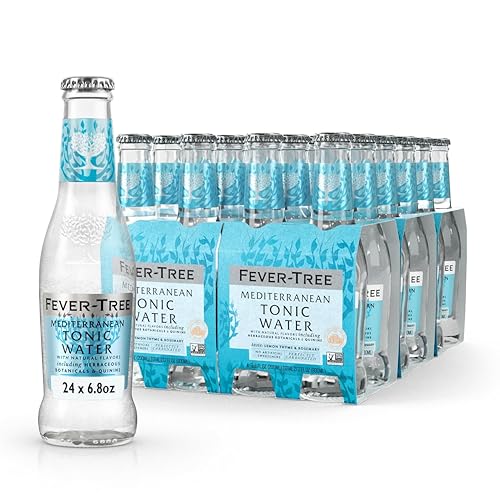
Fever-Tree Mediterranean Tonic Mixer, 24 Pack, 6.8 Fl Oz Bottles
Badge: Most Adventurous
Strengths
- Rosemary essential oils, per the listing, set a savory herbal contrast against sweet berry that tastes strikingly sophisticated.
- The herbaceous direction makes this the best food-pairing serve in the guide.
- Its distinctiveness gives a familiar vodka a genuinely new glass.
Trade-offs
- The most divisive pick here — some guests will love it, some will not finish it.
- A 24-pack of a divisive recipe is a risk without a prior tasting.
- Savory herbs suit meals and aperitifs, not sweet party rounds.
Mini spec box: Format: 24 pack, 6.8 Fl Oz bottles (from listing). Flavor notes from listing: essential oils of rosemary combined with African quinine; subtly herbaceous, refreshing flavor.
Every guide should contain one pick that exists to surprise, and this is it. Berry and rosemary sound like a dare until you taste them together: the herb’s piney savoriness pulls the vodka’s fruit toward the berry patch and away from the candy aisle, and the quinine dries the finish into something that belongs beside grilled food, olives, and cheese rather than beside cake. For the drinker who has had a hundred berry vodka and sodas and found them all forgettable, this bottle is the rebuttal. Serve it in a large wine glass over big ice with a small rosemary sprig or an orange twist, at a longer ratio, and let it open as you eat.
Because it is divisive, host with it intelligently: make it the offered adventure, not the only option. Pour a small taster for the curious before committing a full glass, and keep the elderflower or classic tonic flowing for everyone else. Committing to twenty-four bottles sight unseen is the one way to turn this pick from a delight into a regret, so taste it in any smaller way you can first — a single bottle from a local shelf, a friend’s bar — before the pack. Adventurous drinkers who do fall for it tend to fall completely, and for them this becomes the signature serve their friends request by description: the berry one with the herbs.
That polarization is not a flaw in the product; it is the definition of an adventurous pick. Buy it with your eyes open and it will reward you.
Best for: adventurous drinkers and food-pairing serves wanting a savory twist / Not suited for: crowds with conservative palates or sweet party rounds.

Fever-Tree Light Tonic Water Mixer, 8 Pack, 5.07 Fl Oz Cans
Badge: Best Light Option
Strengths
- The listing states only 30 calories per serving, lightening a serve whose vodka already brings sweetness.
- A touch of Mexican bitter orange, per the listing, lifts the berry with citrus contrast.
- The small eight-can pack is an easy trial and an easy guest option.
Trade-offs
- Leaner body than the classic tonics; over-icing can make the glass taste thin.
- Eight cans is a trial quantity, not a party quantity.
- Committed light drinkers will quickly graduate to larger packs of light tonic.
Mini spec box: Format: 8 pack, 5.07 Fl Oz cans (from listing). Calorie note from listing: only 30 calories per serving. Flavor notes from listing: touch of Mexican bitter orange; balanced botanicals create a smooth, crisp taste.
A flavored vodka plus a full-sugar mixer can make a heavier glass than many regular drinkers want, and this small pack of light tonic is the correction. The recipe trims the mixer’s own contribution while keeping real quinine structure, and its stated bitter orange touch does specific work here: citrus is berry’s oldest friend, sharpening it and keeping the finish lively. Built carefully — full glass of hard, cold ice, ratio near one part vodka to three parts tonic, an expressed citrus twist — the light version does not taste like a compromise. It tastes like the crisp edition of the drink, which for a weeknight glass or a long afternoon is often the better edition.
The eight-can size is deliberately modest. It lets a household test the light direction fairly — every can sealed, every glass consistent — and it doubles as the guest option beside a main supply of classic tonic. Drinkers who discover that light is their preference have an obvious upgrade path to larger light packs; drinkers who prefer the classic have spent little to learn it. That is exactly how a small pack should function, and it is why this pick closes the list rather than being dismissed as a miniature of something else. Readers managing a lighter bar across spirits will find the same recipe logic recurring in Best Mixers For Cognac discussions of lengthening rich spirits without adding weight.
Serve it promptly and cold, and resist stretching the ratio further to make it lighter still — dilution is not lightness, it is just weakness. Kept in its lane, this is a genuinely satisfying glass.
Best for: regular drinkers wanting a leaner berry serve and households testing the light style / Not suited for: large parties or drinkers who love a full, sweet tonic body.
Comparison Table
| Pick | Direction | Format | Best serve | Link |
|---|---|---|---|---|
| Elderflower Tonic | Floral, soft | 5.1 Fl Oz × 24 cans | All-round crowd serve | Check on Amazon |
| Sparkling Sicilian Lemonade | Bright, fruity | 6.8 Fl Oz × 4 | Summer sweet-leaning serve | Check on Amazon |
| Premium Indian Tonic | Dry, classic | 16.9 Fl Oz × 8 bottles | Aperitif for two | Check on Amazon |
| Tonic Water Bottles | Balanced | 6.8 Fl Oz × 24 bottles | Hosted parties | Check on Amazon |
| Mediterranean Tonic | Herbaceous, savory | 6.8 Fl Oz × 24 bottles | Food pairing, adventurous | Check on Amazon |
| Light Tonic 8 Cans | Light, citrus-lifted | 5.07 Fl Oz × 8 cans | Lean regular serve, trial | Check on Amazon |
How to Choose a Mixer for a Berry Vodka
Choose by the flaw you most want to correct. If your complaint about berry vodka drinks is that they are too sweet, your mixer must bring bitterness or acidity: the Indian tonic for maximum dryness, the light tonic for a gentler correction, the lemonade for a fruity correction. If your complaint is that they taste one-dimensional — berry, then more berry — your mixer must bring a second flavor family: elderflower for florals, Mediterranean rosemary for herbs, bitter orange in the light tonic for citrus. Naming the flaw first turns a shelf of similar-looking bottles into a short, logical list, and it prevents the classic error of buying a mixer that amplifies the very quality you were trying to escape.
Then choose by occasion and scale. Aperitif and dinner: dry or herbaceous. Party for a mixed crowd: elderflower or the balanced bottled tonic, ideally both. Summer afternoon with sweet-leaning friends: the lemonade. A regular personal habit: cans, classic or light, for freshness across weeks. Notice that occasion and palate usually point the same way, which is reassuring — the drink that suits the moment tends to suit the drinkers at it. Finally, consider the rest of your bar. Every pick here also serves gin, plain vodka, white rum, or non-alcoholic aperitifs, so even the adventurous Mediterranean will be finished eventually. A mixer with a second life is a safer purchase than a mixer with one perfect trick.
One last calibration: the vodka itself is flavored and sweetened, so your mixing ratio should start longer than you would pour for a plain vodka. Begin near one part vodka to three parts mixer, taste, and shorten only if the berry has genuinely disappeared. Most disappointing glasses in this category are poured too short and too sweet, then blamed on the vodka.
How to Build a Berry Vodka Long Drink That Stays Balanced
Technique is brief and worth following exactly. Chill the vodka and the mixer. Fill a highball or large wine glass completely with fresh, hard ice — the fuller the glass, the slower the dilution. Pour the vodka over the ice. Add the mixer in a slow stream down the side to preserve its carbonation. Lift the ice once to integrate; do not stir repeatedly. Garnish to match the mixer: fresh berries or a lemon twist with the elderflower tonic, a lemon wheel with the lemonade, a citrus twist with the classic and light tonics, a rosemary sprig with the Mediterranean. Serve immediately, while the carbonation is at its peak and the aromatics are fresh.
For a party pitcher, resist the urge to pre-mix vodka and carbonated mixer in bulk; the sparkle will die before the second round. Instead, set out a self-serve station — vodka, two mixer options, ice, garnishes, and a small card with the suggested ratio — and let guests build their own. The drinks stay lively, each palate gets its proportion, and the host is free to be a guest. Leftover opened bottles should be finished that day; unopened cans and bottles keep in a cool cupboard, chilled before serving.
Troubleshooting. Problem: the drink tastes like candy → the serve is too short or the mixer too sweet for your palate; lengthen the ratio and move toward tonic, finishing with a citrus twist. Problem: the berry flavor has vanished → the ratio is too long or the tonic too dominant; shorten slightly and choose the elderflower, which supports fruit instead of framing it away. Problem: the drink goes flat and watery → the ice was sparse or the mixer warm; rebuild with a full glass of hard ice and refrigerator-cold mixer, and pour the mixer last and gently.
Berry Vodka at Parties: A Two-Mixer Strategy That Covers Everyone
Experienced hosts rarely serve a flavored vodka with a single mixer, because a crowd’s palates span a wider range than any one bottle. The two-mixer strategy from this guide is simple: one friendly mixer and one dry mixer. The elderflower tonic plus the Premium Indian covers the widest span with the least fuss; the lemonade plus the classic bottled tonic covers a younger, sweeter crowd with a dry escape hatch. Add sparkling water as an unofficial third option for anyone who wants the lightest possible glass, label the station clearly, and the vodka becomes the easiest drink at the party to serve well. The strategy also protects the host’s budget: two well-chosen mixers, finished fully, beat five half-used bottles bought in a panic.
Variations Worth Trying Once You Know Your Base Serve
Once your household has a base serve it trusts — for most readers that will be the elderflower build — variations become a pleasure rather than a gamble, because each one changes a single variable. The berry spritz adds a splash of sparkling wine to the elderflower build for celebrations, keeping the same glass and garnish while adding ceremony. The berry and basil serve swaps the garnish for a lightly clapped basil leaf in the classic tonic build, pulling the drink toward the garden in a way that surprises guests pleasantly. The winter version leans on the Premium Indian tonic at a shorter ratio with an orange twist instead of lemon, making a berry drink that suits cold evenings and richer food. The frozen-slush variation blends the lemonade build with ice for exactly one kind of party — the loud, hot, outdoor kind — and should be treated as an event drink rather than a habit. Each variation respects the guide’s central rule: change one thing, keep the balance, and let the mixer you chose remain the structure of the drink.
There is also a low-alcohol variation worth knowing for long events: a half-measure of vodka under a full measure of any tonic in this guide, in the largest glass you own, with the full garnish ritual. The drink keeps its architecture and most of its pleasure at a fraction of the weight, and across a six-hour celebration that arithmetic matters more than any recipe refinement. Hosts can offer it by name — the long version — so guests can choose it without explanation or apology. Good bars have always quietly poured such drinks; good home hosts are learning to do the same.
Seasonal Drinking: Berry Vodka Across the Year
Berry vodka is marketed as a summer spirit, but its mixer wardrobe in this guide is genuinely four-season, and planning purchases by season prevents the stale-stock problem that plagues flavored-spirit households. Spring belongs to the elderflower tonic, whose floral notes match the season’s food and whose cans suit the first outdoor gatherings. Summer is lemonade season, with the classic bottled tonic as the dry alternative for the hottest evenings when even elderflower feels soft. Autumn turns toward the Premium Indian’s firmness and the first Mediterranean experiments beside roast dinners. Winter, surprisingly, may be the berry vodka’s most interesting season: the dry tonic builds with orange twists taste like a deliberate aperitif rather than a summer leftover, and a household that keeps one tonic in stock through winter will use its berry vodka year-round instead of rediscovering it each June. Buy in the pack sizes each season’s rhythm justifies, and the shelf never becomes a museum.
What to Serve Beside the Drinks: Food That Loves a Berry Highball
Berry vodka serves are usually poured before or between food, and the right snacks make the mixers in this guide taste even better. The elderflower build belongs beside light, fresh plates — goat cheese, smoked fish, cucumber and herb salads — where its florals echo the food rather than competing with it. The classic and Indian tonic builds are the aperitif pours for saltier company: olives, cured meats, salted nuts, and fried starters, where quinine bitterness cuts richness and resets the palate between bites. The lemonade build is the barbecue and picnic serve, happiest beside grilled chicken, corn, and fruit salads, where its brightness matches the mood and its sweetness is balanced by smoke and salt. The Mediterranean build, the guide’s savory outlier, is the one to pour when the food itself leans Mediterranean — grilled vegetables, herb-heavy salads, and seafood — because its rosemary note bridges glass and plate. Planning the snack table and the mixer shelf together, rather than as two separate shopping trips, is the small habit that separates a gathering that feels composed from one that merely has drinks at it. It also disciplines buying: a host who knows the menu knows which two mixers the evening actually needs, and the rest of the shelf can stay unopened and fresh for its own occasion.
Storing the Vodka and the Mixers: Small Habits, Better Drinks
Flavored vodka and carbonated mixers age differently, and storing each correctly is the cheapest quality upgrade available. The vodka itself is hardy: keep it upright, sealed, and away from sunlight and heat, and it will hold its berry character for a long time after opening, though the aroma is always brightest in the first months — one more reason to buy the bottle size your household actually finishes. The mixers are the perishable partners. Unopened cans and bottles belong in a cool, dark cupboard; the week’s supply belongs in the refrigerator, because a mixer poured at room temperature can never be rescued by ice alone — the ice will melt doing the chilling, and the drink pays for it in dilution. Opened bottles are same-day products, full stop, and households that routinely pour one glass at a time should simply live on cans, where every serve is a first serve. Finally, rotate stock: new packs behind old ones, so the shelf is always pouring its oldest sealed units first. None of this is glamorous, and all of it is audible in the glass, because carbonation and temperature — the two qualities storage controls — are the two qualities that decide whether a berry highball tastes vivid or tired.
One last storage-adjacent habit deserves mention: buy for the next occasion, not the last one. A household that restocks the mixer it just finished, without asking whether the next gathering is a dry-tonic dinner or a sweet lemonade afternoon, slowly fills its cupboard with yesterday’s answers. A ten-second pause — what are we actually pouring next, and for whom — keeps the shelf aligned with the calendar, and it is the difference between a bar that feels curated and one that merely feels full.
Common Buying Mistakes
The first mistake is pairing a sweet vodka with a sweet soda or juice and concluding that flavored vodka makes bad drinks; the pairing was the problem. The second is buying only for the sweetest palate in the group, leaving dry drinkers with nothing they enjoy. The third is pouring short, strong glasses that concentrate the berry until it tastes artificial. The fourth is serving warm mixer or tired ice, which flattens carbonation and aroma at once. The fifth is committing to a large pack of the divisive Mediterranean recipe without a prior taste. Each mistake is a planning mistake, and each has a free fix already described in this guide.
Final Recommendation
Buy the Fever-Tree Elderflower Tonic Mixer first: it is the most flattering, versatile partner for this vodka and the safest single bottle for a mixed crowd. Add the Fever-Tree Sparkling Sicilian Lemonade when your gatherings lean sweet and summery, and choose the Fever-Tree Premium Indian Tonic Water instead if your own palate leans dry. Hosts pouring for many should stock the balanced bottled tonic, the adventurous should try the Mediterranean beside food, and regular drinkers watching the mixer’s weight should keep the light cans in the door of the refrigerator. Build long, pour cold, and garnish to match the mixer.
Frequently Asked Questions
What is the single best mixer for Ciroc Red Berry?
For most drinkers, elderflower tonic: its soft floral sweetness frames the berry while its quinine keeps the finish from cloying, and its can format keeps every glass fresh. Dry palates will prefer the Premium Indian tonic, and sweet palates the sparkling lemonade. Best here means best for your palate and occasion, and this guide’s six picks map those combinations deliberately.
Can I mix berry vodka with regular soda or juice?
You can, but sweet sodas and juices usually double the vodka’s sweetness and produce a tiring, candy-like drink. Sparkling water works as a light lengthener, though it adds no structure. The mixers in this guide were chosen because they contribute bitterness, acidity, or aromatics — the qualities that turn a sweet flavored vodka into a balanced long drink.
What ratio should I pour?
Start at one part vodka to three parts mixer over a full glass of ice. Shorten toward one-to-two if the berry disappears, lengthen toward one-to-four for a lighter or drier glass. Flavored vodka is concentrated, so adjust in small steps. At parties, print the starting ratio on a small card and let guests tune their own glasses from there.
Which mixer is best for a party?
The elderflower tonic cans or the balanced bottled tonic, because both please mixed palates and keep their carbonation across many glasses. Ideally, offer one friendly and one dry option side by side with ice and garnishes, and let guests self-serve. That two-mixer station covers nearly every palate with a single bottle of vodka.
Does light tonic work with flavored vodka?
Yes — arguably better than with plain vodka, because the flavored vodka supplies the sweetness and body the light recipe trims from the mixer. The light tonic in this guide adds a bitter orange note that lifts berry fruit. Use plenty of hard ice and do not over-lengthen the ratio, or the glass will taste thin rather than crisp.
What garnish should I use?
Match the mixer: fresh berries or lemon with elderflower tonic, a lemon wheel with lemonade, a citrus twist with classic or light tonic, and a rosemary sprig with the Mediterranean tonic. An expressed citrus twist is the universal upgrade — five seconds of work that adds aroma without sweetness or dilution.


