Disclosure: topratedkitchenware.com is reader-supported. When you buy through links on our site, we may earn an affiliate commission from Amazon and other retailers, at no extra cost to you.
Where to buy
This shortlist of the best mixers for grey goose vodka is tonic-led, because the vodka tonic is the serve most Grey Goose drinkers actually repeat — four of the six picks are Fever-Tree tonics in different formats and styles, and the remaining two are citrus mixes for the days you want a longer, fruitier drink. Buy the cans for everyday freshness, the bottles for a stocked bar look and larger pours, and one citrus bottle for variety.
- Zing Zang Strawberry Margarita-Daiquiri Mix, 32 Fl Oz — Check on Amazon
- Master of Mixes Margarita Mix, 1 Liter Bottle
- Fever-Tree Tonic Water Mixer, 24 Pack, 5.1 Fl Oz Cans
- Fever-Tree Light Tonic Water Mixer, 24 Pack, 5.1 Fl Oz Cans
- Fever-Tree Tonic Water Mixer, 24 Pack, 6.8 Fl Oz Bottles
- Fever-Tree Premium Indian Tonic Water, 16.9 Fl Oz (Pack of 8)
Read the full guide ↓ for the can-versus-bottle verdict and the ratios that make each format taste its best.
The best mixers for grey goose vodka are, for most drinkers, a study in one drink done well. Grey Goose is a smooth, soft-textured wheat vodka with a clean finish, and the vodka tonic is the serve that respects that profile instead of decorating over it: quinine bitterness for structure, carbonation for lift, citrus for aroma, and nothing sweet enough to turn the glass into a soft drink. That is why this guide gives four of its six slots to tonic — not four identical products, but four genuinely different answers to the same question, split by format (single-serve cans against glass bottles) and by style (classic, light, and Premium Indian). The two remaining slots go to citrus mixes, because a household that only ever drinks one serve eventually gets bored, and a vodka margarita or a strawberry long drink is the natural second act for the same bottle. If you arrived here from the broader survey of Best Mixers For Hard Alcohol, this page is the specialist follow-up: narrower, deeper, and entirely about what pairs with this one vodka.
One principle runs through everything below: with a mixer list this short, technique carries more weight than selection. The difference between a mediocre vodka tonic and a memorable one is rarely the brand on the can; it is whether the tonic was cold, whether the ice was fresh, whether the pour was measured, and whether the drink was built in the glass instead of stirred into flatness. Keep that in mind as you read the reviews — each pick includes the serve it suits and the habit that makes it taste like it should. Read them in order and you will notice the guide is really two guides woven together: a tonic buyer’s guide for the reference drink, and a small citrus detour for the evenings when the reference drink is not what anyone at the table actually wants.
Key Takeaways
- Four Fever-Tree tonics anchor this list because tonic is the definitive Grey Goose serve, and format — cans versus bottles — changes freshness more than flavour does.
- Cans win for households drinking one or two highballs at a time: every 5.1 fl oz can opens at full carbonation in a near-perfect single-serve portion.
- Bottles win for entertaining and for drinkers who like a longer pour: the 6.8 fl oz bottles and the 16.9 fl oz Premium Indian bottles suit shared, unhurried rounds.
- The Light tonic, at 30 calories per can with a hint of Mexican bitter orange, is the leaner everyday option; the Premium Indian is the fullest, most classic expression.
- Two citrus mixes — a strawberry margarita-daiquiri mix and a classic margarita mix — cover the fruity, batched side of the same vodka.
- Cold ingredients, fresh ice, and a one-to-three starting ratio matter more than any single brand decision on this page.
- Build the shelf in drinking order — cans first, one citrus bottle second, occasion bottles last — so nothing you buy expires before it is enjoyed.
In this guide
Quick Picks
| Pick | Badge | Format | Best use | Link |
|---|---|---|---|---|
| Zing Zang Strawberry Margarita-Daiquiri Mix | Best Fruity Change of Pace | 32 fl oz bottle | Berry-led long and frozen drinks | Check on Amazon |
| Master of Mixes Margarita Mix | Best for Vodka Margaritas | 1 liter bottle | Batched citrus serves | Check on Amazon |
| Fever-Tree Tonic Water Cans | Best Overall | 24 pack, 5.1 fl oz cans | The everyday vodka tonic | Check on Amazon |
| Fever-Tree Light Tonic Water Cans | Best Light Serve | 24 pack, 5.1 fl oz cans | A leaner nightly highball | Check on Amazon |
| Fever-Tree Tonic Water Bottles | Best for Entertaining | 24 pack, 6.8 fl oz bottles | Longer pours, table-ready bottles | Check on Amazon |
| Fever-Tree Premium Indian Tonic Water | Best Premium Classic | 16.9 fl oz bottles, pack of 8 | The fullest classic tonic serve | Check on Amazon |
Read the table as a decision tree. Drink tonic weekly, mostly for yourself: buy the cans. Drink it with guests, at a table, over long evenings: buy the bottles. Want the fullest classic flavour regardless of format: the Premium Indian. Want the same ritual with a lighter footprint: the Light cans. And when the mood turns fruity, the two citrus bottles at the top of the table are waiting. Shoppers building a shelf beyond vodka will find the neighbouring cognac pairings in Best Mixers For Hennessy surprisingly relevant, since tonic crosses over between the two spirits more gracefully than most mixers do.
How These Picks Were Chosen
The method here was deliberately narrow. Every candidate had to answer one question convincingly: does this product make a Grey Goose drink that a thoughtful home drinker would happily repeat? Verified listing details — format, pack size, and the flavour claims in each product title — are the only specifications used in this article, and no prices or scores are printed because both move too often to be honest in a static guide. Within the tonic family, the selection was built to isolate real differences: the same tonic in cans and in bottles, so readers can judge format on its merits; a light expression against the classic, so the calorie and body trade-off is explicit; and the Premium Indian as the fullest reference point. The citrus mixes were chosen for contrast rather than similarity — one berry-led and playful, one classic and batch-friendly — because a second serve should change the mood of the bottle, not merely its label. What was excluded matters too: heavy, caramel-led mixers and cream-based options were left out because they erase the vodka’s character, and obscure novelty flavours were left out because a guide for a staple spirit should recommend products a household can re-order without thinking. The result is a short, honest shelf: four ways to make the reference drink, and two ways to leave it behind for an evening.
The 6 Best Mixers for Grey Goose Vodka

Zing Zang Strawberry Margarita-Daiquiri Mix, 32 Fl Oz
Badge: Best Fruity Change of Pace
Strengths
- Strawberry-led flavour gives the vodka a completely different, crowd-friendly register.
- Dual margarita-daiquiri design covers shaken, iced, and blended serves from one bottle.
- Made with real fruit juices and made in USA, per the listing.
Trade-offs
- The sweetest pick here — the vodka’s own character steps well back.
- Needs plenty of ice or blending to keep the sweetness in balance.
- Not a substitute for tonic if the dry highball is your house drink.
Mini spec box: Brand: Zing Zang. Style: Strawberry margarita-daiquiri mix. Format: 32 fl oz bottle, pack of 1. Notes: non-alcoholic cocktail mixer; made with real fruit juices; made in USA.
Placing a strawberry mix at the top of a vodka-tonic-led guide is a deliberate statement: even the most devoted highball drinker benefits from one bottle that changes the evening. With Grey Goose, this mix makes a drink that is generous and easy — berry first, lime underneath, vodka providing a smooth backbone that never announces itself. It is the bottle to open when guests include people who do not drink spirits for the flavour of spirits, when the weather is hot, or when the occasion is brunch rather than dinner. The blended serve is its best trick: a cup of ice, a measure of vodka, a generous pour of mix, and thirty seconds in the blender produce a frozen drink that tastes like a treat rather than a compromise. Served simply over ice it is pleasant; blended, it is the version people ask about. The limitation is the mirror image of its charm. Nothing about this drink showcases why Grey Goose costs what it costs — any smooth vodka would do — so treat it as the variety bottle, not the reference bottle. Refrigerate after opening, finish it while it is fresh, and let the tonics below carry the serious drinking. Households that enjoy this style often keep a similar fruit-forward option for other spirits too, a pattern explored in Best Mixers For Hennesy Blac.
Best for: fruity variety, frozen serves, and mixed company / Not suited for: showcasing the vodka itself
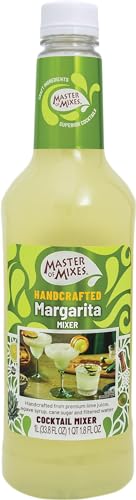
Master of Mixes Margarita Mix, 1 Liter Bottle
Badge: Best for Vodka Margaritas
Strengths
- Classic margarita profile that turns Grey Goose into a bright, citrus-led serve.
- The 1 liter format batches neatly and divides into easy measured rounds.
- Predictable flavour from bottle to bottle — a genuine virtue for a house drink.
Trade-offs
- The listing competes on classic consistency rather than ingredient claims.
- Sweetened mixes need ice and dilution discipline to stay balanced.
- One litre is a lot for a household that makes this drink only occasionally.
Mini spec box: Brand: Master of Mixes. Style: Margarita mix. Format: 1 liter bottle.
The vodka margarita deserves more respect than it gets, and this bottle is the straightforward way to make one at home. Tequila’s defenders call the vodka version a compromise, but taste it blind and the picture changes: the drink becomes purer citrus, the lime leads without competition, and Grey Goose’s smoothness gives the serve a clean, rounded body. Master of Mixes supplies the classic version of that idea — a sweet-tart margarita base in a litre bottle that suits a small pitcher as comfortably as a single shaken glass. Work at three parts mix to one part vodka, shake or stir with ice, and taste before serving; a small pinch of salt in the drink, not just on the rim, sharpens the citrus in a way that surprises people the first time they try it. The litre format rewards households with a rhythm: two drinks on Friday, two on Saturday, the bottle finished while it still tastes like itself. Where it cannot compete is on the label — drinkers who shop by ingredient claims will find the real-juice arguments elsewhere in this guide more persuasive. Where it wins is reliability. A house drink should taste the same in March as it did in January, and classic, widely-made mixes deliver exactly that boring, valuable consistency.
Best for: a dependable vodka margarita, singly or batched / Not suited for: label-driven shoppers seeking real-juice claims

Fever-Tree Tonic Water Mixer, 24 Pack, 5.1 Fl Oz Cans
Badge: Best Overall
Strengths
- Real quinine with subtle citrus and fruit notes balanced by bitterness — a composed, adult profile.
- The listing names vodka and tonic directly; this pairing is the product’s purpose.
- Single-serve cans guarantee full carbonation and a natural portion for one highball.
Trade-offs
- A 24 pack asks for storage space before it saves you anything.
- Cans are a one-drink format — not designed for pitchers or sharing rounds.
- The dry, bitter-leaning profile will not convert committed sweet-drink drinkers.
Mini spec box: Brand: Fever-Tree. Style: Tonic water mixer with real quinine. Format: 24 pack, 5.1 fl oz cans. Serve note: for gin and tonic or vodka and tonic.
This is the reference serve of the entire guide, and the can is the format that makes it foolproof. A vodka tonic has only two ingredients, which means it has nowhere to hide: flat tonic, warm ingredients, or tired ice will produce a dull drink from excellent vodka, and no garnish will rescue it. The 5.1 fl oz can removes the most common failure — carbonation loss — by sealing each serve individually, and its size lands close to the ideal partner for a single measure of vodka over a full glass of ice. The flavour is the other half of the argument. The listing describes subtle citrus and fruit notes balanced by quinine bitterness, and that balance is precisely what a smooth vodka needs: enough bitterness to give the drink a spine, enough restraint to let the spirit stay present. Build it properly — cold can, cold vodka, highball filled with fresh ice, tonic poured gently, one twist or wedge — and you have the drink against which every other pick in this guide is a variation. Buy this pack first if you are building the shelf from zero. It is the highest-frequency purchase most Grey Goose households will make, and the one whose absence is noticed soonest.
Best for: the everyday vodka tonic, made with zero fuss / Not suited for: batching or sweet-drink palates

Fever-Tree Light Tonic Water Mixer, 24 Pack, 5.1 Fl Oz Cans
Badge: Best Light Serve
Strengths
- 30 calories per can, per the listing, with real quinine still at the centre.
- A hint of Mexican bitter orange gives a bright, citrus-lifted profile.
- Identical can convenience and portioning to the classic version.
Trade-offs
- Slightly less body, so poor technique — warm cans, old ice — shows more.
- Devotees of the classic may find it a touch lean on first tasting.
- Same 24 pack storage commitment as the regular tonic.
Mini spec box: Brand: Fever-Tree. Style: Light tonic water mixer with real quinine. Format: 24 pack, 5.1 fl oz cans. Notes: 30 calories per can; hint of Mexican bitter orange; balanced botanicals for a smooth, crisp taste.
The Light tonic is the pick that frequent drinkers migrate to, usually after a month of the classic. Its appeal is not really about a number on the can, though the listing’s 30 calories per can is the headline; it is about how the drink feels across an evening and across a week. A leaner, crisper tonic with a lift of bitter orange keeps the highball refreshing at the third serve in a way a fuller tonic does not, and it pairs with Grey Goose’s own lightness in a way that feels coherent — nothing in the glass is heavy, sweet, or tiring. The botanical balance the listing describes keeps it from tasting thin, provided you meet it halfway with cold ingredients and a measured pour. Where the classic tonic forgives, the light tonic reports: it will tell you if your ice is stale or your ratio is generous, because there is less body to hide behind. That honesty is a feature for drinkers who make this serve often and make it well. Newcomers should still start with the classic to learn the reference flavour; regulars who already know it will find this the more sustainable daily drink, and many end up keeping both — classic for guests and weekends, light for the quiet weekday glass.
Best for: frequent vodka-tonic drinkers who want a leaner ritual / Not suited for: first-time tonic buyers

Fever-Tree Tonic Water Mixer, 24 Pack, 6.8 Fl Oz Bottles
Badge: Best for Entertaining
Strengths
- Same real-quinine tonic, in glass bottles that suit the table and the bar cart.
- The 6.8 fl oz size pours a longer highball or splits across two shorter serves.
- The listing confirms the vodka and tonic pairing explicitly.
Trade-offs
- An opened bottle loses carbonation — plan to finish it in the sitting.
- Glass is heavier and less fridge-efficient than cans.
- A 24 bottle pack is the bulkiest purchase in this guide.
Mini spec box: Brand: Fever-Tree. Style: Tonic water mixer with real quinine. Format: 24 pack, 6.8 fl oz bottles. Flavour notes: subtle citrus and fruit notes balanced by quinine bitterness.
Everything the cans do for the solo drinker, the bottles do for the host. There is a small ceremony to setting a cold glass bottle of tonic on the table beside the vodka — it signals that the drink is an occasion, and it lets guests top up their own glasses at their own pace, which changes the rhythm of an evening for the better. The 6.8 fl oz bottle pours one long, generous highball or two shorter ones, and the same balanced profile — real quinine, subtle citrus and fruit, bitterness in check — carries the serve exactly as the canned version does. The discipline is carbonation: a bottle is a commitment to the sitting. Open it when the drinks are actually being poured, keep it cold between rounds, and do not expect tomorrow’s pour from today’s opened bottle to sparkle. Households that entertain monthly will use a pack happily across a season of dinners; households that drink alone most nights should honestly choose the cans and leave the bottles to people whose drinking is social by default. It is the same tonic wearing its formal clothes, and choosing between them is choosing a lifestyle, not a flavour.
Best for: hosts, dinner parties, and bar-cart presentation / Not suited for: solo drinkers who open tonic rarely

Fever-Tree Premium Indian Tonic Water, 16.9 Fl Oz (Pack of 8)
Badge: Best Premium Classic
Strengths
- The fullest classic tonic expression in the line-up, with no artificial sweeteners, flavourings, or preservatives.
- The 16.9 fl oz bottle pours a full round of highballs for a small group.
- A reference flavour for drinkers who want to learn what tonic should taste like.
Trade-offs
- The big bottle must be finished across a sitting or the sparkle fades.
- A pack of 8 large bottles is a considered purchase, not a casual top-up.
- Its fuller body can overshadow delicate garnishes.
Mini spec box: Brand: Fever-Tree. Style: Premium Indian tonic water. Format: 16.9 fl oz bottles, pack of 8. Notes: no artificial sweeteners, flavourings, or preservatives.
The Premium Indian is the connoisseur’s answer within this list: the classic tonic style at its fullest, in a bottle sized for a round rather than a glass. The listing’s promise — no artificial sweeteners, flavourings, or preservatives — describes a tonic that trusts quinine and balance to do the work, and with Grey Goose it produces the most complete version of the drink: bitter and bright in equal measure, with enough body to stand beside the vodka as an equal partner rather than a mixer in the background. This is the bottle to open when tonic itself is the topic — a tasting with friends, a first bottle for someone learning the serve, or the evening you simply want the reference version. Its constraint is arithmetic: 16.9 fl oz is roughly three highballs, so it suits a couple or a small group drinking together, and it punishes the solo drinker who opens it for one glass and returns to a flat bottle. Buy it for occasions, keep the cans for Tuesdays, and the two formats stop competing and start complementing each other. If your shelf also serves gin drinkers, this bottle does double duty gracefully — one more reason it earns the premium badge here rather than merely the biggest-bottle badge.
Best for: tonic enthusiasts and small-group rounds / Not suited for: one-glass occasions
Comparison Table
| Pick | Style | Format | Character | Link |
|---|---|---|---|---|
| Zing Zang Strawberry Mix | Strawberry margarita-daiquiri | 32 fl oz bottle | Sweet, fruity, playful | Check on Amazon |
| Master of Mixes Margarita Mix | Margarita mix | 1 liter bottle | Classic sweet-tart citrus | Check on Amazon |
| Fever-Tree Tonic Cans | Tonic, real quinine | 24 × 5.1 fl oz cans | Dry, balanced, everyday | Check on Amazon |
| Fever-Tree Light Tonic Cans | Light tonic, real quinine | 24 × 5.1 fl oz cans | Leanest, citrus-lifted | Check on Amazon |
| Fever-Tree Tonic Bottles | Tonic, real quinine | 24 × 6.8 fl oz bottles | Dry, table-ready | Check on Amazon |
| Fever-Tree Premium Indian | Premium Indian tonic | 8 × 16.9 fl oz bottles | Fullest classic body | Check on Amazon |
How to Choose the Right Tonic Format for Your Drinking Pattern
The most useful question in this whole guide is not which tonic tastes best — the four Fever-Tree picks are close cousins — but how you actually drink. Count honestly. If your household pours a vodka tonic most evenings, one or two at a time, cans are the rational format: zero waste, zero flat pours, and a cupboard stock that does not colonise the fridge. If your tonic drinking happens in bursts — dinner parties, family weekends, a bar cart rolled out for guests — bottles earn their place through presentation and pour size, and their carbonation deadline stops mattering because the bottle is finished the night it opens. If you drink tonic rarely but seriously, the Premium Indian pack is the connoisseur’s compromise: fewer, larger bottles, opened for occasions when the drink itself is the point.
The citrus decision is simpler. One bottle is enough. Choose the classic margarita mix if your second serve is a shared, batched drink; choose the strawberry if your second serve is a treat — frozen, fruity, and aimed at guests who prefer their spirits gentle. Buying both citrus bottles plus two tonic formats is how shelves become cluttered; the discipline of a short shelf is that everything on it gets finished while it is fresh. Readers assembling a complete cabinet rather than a vodka shelf can cross-check the staples in Best Mixers For Home Bar, which covers the bottles that serve several spirits at once.
One more consideration separates thoughtful buyers from impulse buyers: the order in which you stock the shelf. Resist the urge to buy all six picks at once. The shelf should be built in the order you will drink it — tonic cans first, because they anchor the reference serve; one citrus bottle second, because variety matters once the ritual is established; bottles and the Premium Indian last, because they serve occasions that announce themselves in advance. Built this way, nothing expires, nothing duplicates, and every purchase answers a drink you already know you make. Built the other way — everything at once, in a burst of enthusiasm — the shelf becomes a museum of good intentions with flat tonic at the back. The same patience applies to the vodka itself: a staple spirit and a staple mixer reward households that buy steadily and drink deliberately, and punish households that shop in festivals and forget in between.
How to Build the Perfect Grey Goose Tonic, Step by Step
Chill everything first: the tonic, the vodka, and ideally the glass. Fill a highball completely with fresh ice — a full glass, not a polite handful, because more ice melts slower and keeps the drink colder and less diluted. Pour one measured shot of Grey Goose over the ice. Add the tonic slowly, pouring down the inside of the glass or over the back of a spoon, so the carbonation survives the pour. Add your garnish — a lime wedge squeezed lightly, a strip of lemon peel twisted over the surface, or nothing at all — and serve immediately, without stirring. For the margarita-style serves, shake one part vodka with three parts mix and plenty of ice, strain over fresh ice, and taste before adding any extra sweetness; for the frozen strawberry serve, blend one part vodka, three parts mix, and a full cup of ice until just smooth.
Care habits are brief but decisive. Refrigerate opened citrus mixes with clean, sealed caps and mark the opening date on the bottle. Store tonic packs somewhere cool; heat is carbonation’s quiet enemy. Replace freezer ice regularly — ice absorbs odours, and a premium highball built on old ice tastes of the freezer it came from. Rinse jiggers and shakers promptly after citrus mixes, which dry into a stubborn film.
Troubleshooting. Problem: the tonic tastes flat → it was warm, old, or poured hard; rebuild with a cold can and a gentle pour. Problem: the drink tastes harsh → the vodka ratio crept up or the ice was scant; return to one-to-three with a full glass of ice. Problem: the drink tastes sweet and dull → switch to the Light tonic, or add a squeeze of fresh citrus and a pinch of salt to restore definition.
Cans Versus Bottles: The Honest Verdict
Because four of these six picks are the same tonic family in different clothes, the format debate deserves its own verdict. Cans win on freshness per serve, portion discipline, storage flexibility, and waste — for most households, most of the time, they are simply the better engineering. Bottles win on ritual, pour size, and the social theatre of the table, and the larger Premium Indian bottle wins on flavour completeness when a round is being poured. Neither victory is total, which is why so many experienced home drinkers end up owning both: cans as the infrastructure of the everyday drink, bottles as the wardrobe of the occasion. What you should not do is buy bottles for everyday solo drinking out of a vague sense that glass is more premium — the second-day pour from an opened bottle is the least premium drink in this entire guide. Match the format to the pattern, and the tonic will taste the way its makers intended, whichever you choose.
Why a Smooth Vodka Needs a Structured Mixer
To understand why tonic dominates this guide, it helps to understand what Grey Goose is not. It is not a fiery, peppery vodka that needs taming, and it is not a flavoured vodka carrying its own fruit or spice. It is a deliberately smooth, soft spirit, and smooth spirits create a specific mixing problem: pair them with a sweet, unstructured mixer and the drink collapses into flavoured sweetness, because neither partner brings bitterness, acidity, or texture. Tonic solves the problem completely. Quinine supplies the bitterness the vodka lacks, carbonation supplies the texture, and a wedge or peel of citrus supplies aroma — the finished drink has a beginning, a middle, and a dry finish, which is more than most two-ingredient drinks can claim. The margarita-style mixes solve the same problem from the other direction: lime acidity supplies the structure, and the fruit supplies the middle. That is the real selection principle behind all six picks, and it is a useful test for any mixer you meet later, including the broader shelf surveyed in Best Mixers For Hard Alcohol: ask what structure it brings — bitterness, acidity, spice, or sparkle — and be suspicious of any mixer whose only answer is sweetness.
This also explains the guide’s restraint about garnishes and extras. When a drink’s structure comes from quinine and citrus, a modest garnish completes it. When drinkers start adding syrups, multiple juices, and sweet liqueurs to a vodka tonic, they are usually compensating for a flat or warm serve — fixing with ingredients what should have been fixed with ice and temperature. Learn the structured version first. It is cheaper, faster, and it is the version that still tastes like a decision on the fiftieth repetition, long after novelty drinks have rotated off the shelf.
Hosting a Tonic Bar: Letting Guests Build Their Own
One of the pleasures of a tonic-led shelf is that it hosts itself. Set out the vodka, two tonic formats — say the classic cans and the Light — a bowl of fresh ice, and a small board of garnishes: lime wedges, lemon peel, cucumber ribbons, and a herb sprig or two. Guests build their own highballs to their own ratios, discover whether they prefer the classic or the light balance, and the host’s only jobs are keeping the ice bowl filled and the cans cold. It is a format that flatters Grey Goose, because the spirit’s smoothness makes it the rare vodka that tonic drinkers and tonic sceptics can share without argument, and it scales from two guests to twelve without a single shaker being washed. Keep one citrus bottle in reserve — the margarita mix — for the guest who wants something fruitier, and the table is complete. The same hosting logic, translated to a cognac shelf, appears in Best Mixers For Hennessy, where tonic again does quiet double duty for a spirit people rarely think to lengthen with it.
Practical hosting notes matter as much as the concept. Chill more tonic than you think you need; a tonic bar dies the moment the cans run warm. Put the ice in the largest bowl you own, with tongs, because hands in the ice bowl is the fastest way to make a premium drink feel careless. And place a small bin or bowl for spent garnish — the detail nobody photographs and everybody appreciates. None of this requires buying anything beyond the six picks and fresh citrus, which is rather the point: a good mixer shelf is infrastructure for evenings, not a collection to be admired.
Fridge Logic: Storing a Tonic-Led Shelf
Storage is where tonic households quietly win or lose money. Cans are the forgiving format: they stack, they wait, and they ask only for a cool cupboard until the day they move to the fridge to chill. Keep a working stock of four to six cans cold at all times and replenish from the cupboard as you drink, and you will never serve a warm highball or open a pack in a panic. Bottles demand more honesty — they belong to occasions, so buy them closer to the event and chill them the day before. The Premium Indian bottles, being the largest, deserve the clearest plan: know which evening they are for before they enter the house.
The citrus bottles live by fridge rules instead. Once opened, they are refrigerated residents with a freshness window, so their place is the door shelf where they are seen — an opened mix hidden behind leftovers is a mix that will be thrown away. Write the opening date on the label, keep the cap threads wiped clean so the seal stays true, and plan the second occasion for the bottle at the moment you open it. These are humble habits, but across a year they are the entire difference between a household that finishes what it buys and one that periodically empties its fridge of good intentions. A mixer shelf is small; keeping it honest is easy, and the drinks taste like it.
A Short Tasting: Comparing the Four Tonics Side by Side
If you want to settle the format question for your own palate rather than taking this guide’s word for it, run the smallest useful tasting. Pour the same measured vodka over the same fresh ice in four identical glasses, top each with a different tonic — classic can, light can, classic bottle, Premium Indian — and taste them in order from lightest to fullest. What you are listening for is not a winner so much as a set of differences: the light tonic’s leaner, orange-lifted entry; the classic’s balanced middle; the Premium Indian’s fuller quinine presence and longer finish. Notice, too, how little the format itself changes flavour when both are fresh — the can-versus-bottle gap is mostly about the second day, not the first pour — which confirms that format should be chosen by drinking pattern, exactly as the buying guide above argues.
Two or three people tasting together will rarely agree on a single favourite, and that disagreement is the useful result: it tells the household which two formats to stock. A couple split between classic and light should simply keep both cans and stop debating. A household that unites behind the Premium Indian should buy it for weekends and keep a small can stock for weekdays. The tasting costs one evening and four drinks, and it converts every later purchase from a guess into a preference — which, for a staple drink, is the best return on attention available anywhere in home bartending.
Common Buying Mistakes
- Buying bottles for solo drinking. Opened tonic goes flat; cans exist to solve exactly this problem.
- Assuming light means lesser. The Light tonic is a different balance — leaner and crisper — not a diluted classic.
- Stocking every format at once. Four tonics and two citrus mixes is a tasting flight, not a shelf; pick the format your pattern needs.
- Skimping on ice. A half-filled glass of ice melts fast, over-dilutes, and makes good tonic taste watery.
- Stirring the fizz out. Build the drink, garnish it, and serve it — carbonation is an ingredient, not a garnish.
Final Recommendation
Start with the Fever-Tree Tonic Water cans — the best overall expression of the best Grey Goose serve, in the format that never lets you down. Graduate to the Fever-Tree Light Tonic cans if the drink becomes a weekly ritual, keep the bottles for guests and the Premium Indian for occasions, and hold one citrus bottle — classic or strawberry — for the evenings the highball does not fit the mood. That is a complete Grey Goose shelf in two purchases, and everything else is refinement. Keep the ritual cold, measured, and unhurried, restock the cans before the cupboard runs dry rather than after, and this short shelf will serve more good drinks in a year than a crowded cabinet of novelties ever manages — because every bottle on it was bought for a drink you actually make, in a format matched to how you actually drink it.
Frequently Asked Questions
Why does this guide feature so much tonic?
Because the vodka tonic is the serve Grey Goose drinkers repeat most, and the honest differences within it — format, body, and style — matter more to real drinking than a longer list of exotic one-off mixers would.
Do cans and bottles of the same tonic taste different?
The flavour profile is the same family recipe; what differs is carbonation reliability and portion. A fresh can is always fully sparkling, while a bottle is at its best the sitting it is opened.
What is Premium Indian tonic, in plain terms?
It is the classic, fullest-bodied tonic style in this line-up, made here without artificial sweeteners, flavourings, or preservatives. Expect the most complete quinine-and-citrus balance of the four tonics.
Can I make a vodka margarita taste less sweet?
Yes: serve it shorter over more ice, add fresh lime juice to restore acidity, and consider a pinch of salt in the drink. If sweetness is a recurring complaint, shift your default serve toward the tonics.
How should I garnish a Grey Goose tonic?
Lime for the classic serve, lemon peel for aroma without acidity, and bitter-orange-friendly garnishes suit the Light version well. One garnish, applied deliberately, beats a fruit salad every time.
How long will a 24 pack of tonic cans last a typical household?
That depends entirely on rhythm, which is why the format suits regular drinkers: a couple pouring two highballs each across a weekend will work through a pack in about six weekends, well within the cans’ patient shelf life. A household drinking tonic monthly should still choose cans over bottles — the pack simply waits in the cupboard, and every serve stays fresh, which no opened bottle can promise.
Is Grey Goose wasted in a fruity mix?
Not wasted, but not showcased either. In a strawberry or margarita-style serve, the vodka contributes smoothness and clean strength rather than flavour, so the premium shows up as an absence of harshness. If that is the drink you love, enjoy it without apology — and know that the tonics are where the bottle’s character genuinely performs, which is why this guide gives them four of its six slots.
Which single purchase suits a couple who drink tonic twice a week?
The 24 pack of cans. Each drink opens fresh, the portion is built in, and the pack’s rhythm matches a twice-weekly habit without waste or flat leftovers.


