Disclosure: topratedkitchenware.com is reader-supported. When you buy through links on our site, we may earn an affiliate commission from Amazon and other retailers, at no extra cost to you.
Where to buy
These six verified sparkling mixers are the picks in this guide to the best mixers for kahlua. Kahlua is the world’s defining coffee liqueur: rum-based, sweet, and saturated with coffee flavour, with vanilla and caramel underneath. Most drinkers know it in creamy, dessert-register drinks, and those drinks are fine — but they are only half the bottle. The other half is sparkling. Coffee and tonic is an established pairing in the coffee world, where the espresso tonic has become a café standard, and a coffee liqueur over tonic with ice is its spirited home version: the quinine’s bitterness meets the coffee’s own bitterness, the carbonation lifts the liqueur’s syrupy weight, and the result is a dry, refreshing, unmistakably adult drink that tastes like coffee rather than like coffee candy. Five of the six picks below are tonic waters in different weights, flavours and formats, including a rosemary Mediterranean and an elderflower expression. The sixth is a sparkling Sicilian lemonade, recommended honestly as the bright twist — coffee and citrus is a real, if bolder, pairing. Each name links to its Amazon listing, where you can check the latest price on Amazon and confirm the current format before ordering.
- Fever-Tree Mediterranean Tonic Mixer, 24 Pack Bottles — Check on Amazon
- Fever-Tree Light Tonic Water Mixer, 8 Pack Cans
- Fever-Tree Elderflower Tonic Mixer, 24 Pack Cans
- Fever-Tree Sparkling Sicilian Lemonade, 4 Pack
- Fever-Tree Tonic Water Refreshingly Light, 16.9 Fl Oz
- Schweppes Tonic Water, 10 Count (Pack of 6)
Read the full guide ↓ for the coffee tonic method in full — pour order matters with this liqueur — the differences among five tonics, and how to serve Kahlua to people who think it only belongs in dessert drinks.
The best mixers for kahlua have a harder job than most in this programme, because they must first rescue the liqueur from its own reputation. Kahlua is sweet, and its famous serves are sweeter, so a generation of drinkers filed it as a dessert ingredient and stopped thinking. But the base flavour is coffee, and coffee is a bitter, complex, adult flavour that pairs with bitterness, with citrus, with herbs and with bubbles in the café world every day. A mixer for Kahlua should therefore do what a good café does to coffee: give it a frame. Tonic gives it the espresso-tonic frame — bitter against bitter, sparkling against syrupy. Lemonade gives it the coffee-lemonade frame, bright and startling. Elderflower gives it the floral frame that speciality coffee, with its own floral notes, understands instinctively. Cream, by contrast, gives it no frame at all, which is why the creamy serves, pleasant as they are, taste simpler than the liqueur deserves.
The five tonics here are not five copies. The Mediterranean, built per its listing on rosemary essential oils with African quinine, is the savoury, most composed frame — coffee and herbs are a serious combination. The light tonic in its trial-size 8 pack is the crispest frame and the cheapest education. The elderflower, blended with African quinine per its listing, is the soft, floral frame. The Refreshingly Light in its large 16.9 fl oz bottle is the light frame at sharing scale. And the Schweppes, in its multi-pack format, is the classic household staple — the tonic most homes already trust, here in the quantity a new habit consumes. The lemonade stands apart as the one non-tonic pick, and its review is explicit about its bolder, brighter job.
The craft sections are written for this liqueur’s particular physics: Kahlua is denser than tonic and behaves differently in a glass, so pour order, ice fill and the first-sip effect all get their own treatment, along with the fixes for the standard failures — too sweet, layered instead of mixed, and flat. The flavoured-spirit shelf continues in Best Mixers For Kraken for the spiced rum drinker, and the budget bourbon contrast sits in Best Mixers For Kentucky Gentleman.
Key Takeaways
- Kahlua’s sparkling half is the coffee tonic: quinine bitterness meets coffee bitterness, and carbonation lifts the liqueur’s syrup.
- Five tonics offer five frames — Mediterranean savoury, light crisp, elderflower floral, large-bottle light, and the Schweppes household staple.
- The sparkling lemonade is the bright twist: coffee and citrus, bold and refreshing, poured with restraint.
- Pour order matters with a dense liqueur: tonic over ice first, liqueur floated and then integrated, or the drink layers instead of mixing.
- Serve everything colder and longer than the creamy serves; cold and length are what turn coffee candy into coffee.
In this guide
Quick Picks
| Pick | Badge | Format from listing | Best serve with Kahlua | Link |
|---|---|---|---|---|
| Fever-Tree Mediterranean Tonic Mixer | Best Overall | 24 pack, 6.8 fl oz bottles | The composed, herbal coffee tonic | Check on Amazon |
| Fever-Tree Light Tonic Water Mixer, 8 Pack | Best Trial Size | 8 pack, 5.07 fl oz cans | Learning the coffee tonic, crisply | Check on Amazon |
| Fever-Tree Elderflower Tonic Mixer | Best Floral Twist | 24 pack, 5.1 fl oz cans | A blossom-soft coffee tonic | Check on Amazon |
| Fever-Tree Sparkling Sicilian Lemonade | Best Bright Twist | 4 pack, 6.8 fl oz | A coffee lemonade, bold and cold | Check on Amazon |
| Fever-Tree Tonic Water Refreshingly Light | Best Light Bottle | 16.9 fl oz bottle | Light coffee tonics for a small round | Check on Amazon |
| Schweppes Tonic Water | Best Classic Staple | 10 count, pack of 6 | The household coffee tonic, in quantity | Check on Amazon |
How These Picks Were Chosen
This guide is research-led, not a claim of hands-on laboratory testing. Every pick comes from the verified beverage-mixer pool for this site, with brand, exact listing title, pack format and product image confirmed against catalogue data; only confirmed products are linked and pictured. Reviews use only the attributes the listings state — pack counts, volumes, and the flavour or ingredient notes in the listing text — and nothing beyond them.
The editorial filter was pairing logic from the coffee world, applied to a coffee liqueur. A candidate had to frame coffee the way cafés demonstrably do: with tonic bitterness, with citrus brightness, or with a floral or herbal note that coffee’s own complexity welcomes. All six picks pass that test in distinct registers. The tonics’ listings position them for gin and vodka serves; this guide recommends them for the coffee tonic openly, on the strength of the established espresso-tonic pairing, and says so rather than implying the brands intended a liqueur. What was excluded matters too: no creamy, chocolate or second-dessert direction appears in the linked picks, because the guide’s whole argument is that Kahlua’s missing dimension is not more dessert — it is structure.
Format coverage runs from the trial 8 pack through single-serve cans and table bottles to a large light bottle and a multi-pack staple, matching how a rediscovered bottle is actually consumed: a curious trial, a converts’ habit, a round for friends who have never had the drink and will ask how it is made.
The 6 Best Mixers for Kahlua
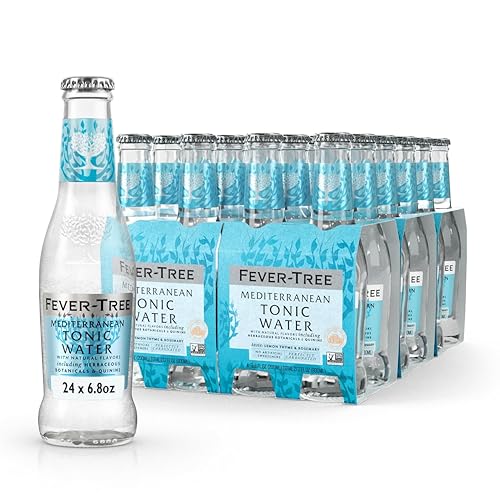
Fever-Tree Mediterranean Tonic Mixer, 24 Pack Bottles
Badge: Best Overall
Strengths
- Essential oils of rosemary with African quinine, per the listing — the most composed frame in the set.
- Rosemary and coffee are a serious pairing; the herb pulls the liqueur toward savoury and away from candy.
- The 6.8 fl oz bottle format pours one generous coffee tonic and suits a settled habit, in a 24 pack.
Trade-offs
- A case of the most distinctive frame is a commitment; meet it after the trial pack if you can.
- Herbaceous depth will not please a drinker who wants Kahlua to stay a dessert.
- Its subtlety demands the full method — cold, well-iced, properly integrated — to show itself.
Mini spec box
- Brand: Fever-Tree
- Format: 24 pack, 6.8 fl oz bottles
- Listing notes: essential oils of rosemary combined with African quinine; subtly herbaceous, refreshing flavour
The definitive coffee tonic in this guide is the herbal one. Coffee’s own flavour world is full of savoury depth — roasts, bitters, dark aromatics — and rosemary tonic meets it on that ground, producing a drink that tastes composed rather than flavoured: coffee first, quinine bitterness as the structure, a herbal breath over the top that makes the whole glass smell like a kitchen garden beside a café. It is the serve to make for the coffee drinker at your table, the one who takes espresso seriously, because it speaks their language with a liqueur they had dismissed. Build it with the tonic over ice first and the liqueur integrated through it, as the method section describes, and garnish with an orange twist or a small rosemary sprig if the garden allows.
Who it suits: coffee people, savoury palates, and households ready to make the coffee tonic a standing drink. The honest limitation is commitment and audience: a case is a devotee’s purchase, and a dessert-first guest will find this frame austere. Both are served elsewhere in the list — the trial pack for the uncommitted, the lemonade for the dessert-first.
Best for: the definitive, composed coffee tonic / Not suited for: dessert-first drinkers or first trials

Fever-Tree Light Tonic Water Mixer, 8 Pack Cans
Badge: Best Trial Size
Strengths
- Only 30 calories per serving with a touch of Mexican bitter orange, per the listing — the crispest frame available.
- Eight single-serve cans is the exact size of an education: ratios, a comparison, a converted friend.
- A light tonic adds the least around the frame, so the trial verdict is about coffee and quinine themselves.
Trade-offs
- It trials the light weight; the fuller and herbal frames remain separate discoveries.
- Lean tonic plus a sweet liqueur is a contrast some first-timers find stark — that starkness is the lesson, but know it is coming.
- Eight cans are not a supply, by design.
Mini spec box
- Brand: Fever-Tree
- Format: 8 pack, 5.07 fl oz cans
- Listing notes: only 30 calories per serving; touch of Mexican bitter orange; balanced botanicals, smooth crisp taste
Every rediscovery should start with a cheap ticket, and this is the coffee tonic’s. Eight cans of the crispest tonic in the set will settle the only question that matters — is coffee and tonic your drink? — with enough serves left over to find your ratio once the answer is yes. The bitter orange note is a quiet asset with coffee, whose own flavour often carries citrus in its lighter roasts, and the light frame keeps the glass refreshing where a fuller tonic under a syrupy liqueur can feel like two desserts negotiating. Run the ladder: tonic at two, three and four parts to one part liqueur, all cold, all fully iced, and write the winner down.
Who it suits: the curious, the crisp-palate drinker, and anyone building lighter serves, in the spirit of Best Mixers For Keto Alcohol. The honest limitation is that a trial of the light frame cannot acquit or convict the herbal and flagship frames — if the light version nearly pleases you, the Mediterranean is the follow-up purchase, not a verdict on the whole idea.
Best for: learning the coffee tonic at its crispest / Not suited for: stocking a settled habit

Fever-Tree Elderflower Tonic Mixer, 24 Pack Cans
Badge: Best Floral Twist
Strengths
- Blended with African quinine for a delicate, balanced flavour with soft, sweet elderflower notes, per the listing.
- Speciality coffee itself carries floral notes; this frame meets the liqueur on its most delicate ground.
- Single-serve cans in a 24 pack — the twist, at a settled household scale.
Trade-offs
- The softest frame in the set; a drinker who wants the tonic to scold the sweetness should choose the light or Mediterranean.
- Floral divides tables, and a case is a committed quantity of a dividing flavour.
- Delicacy needs cold and ice discipline to stay defined against a strong liqueur.
Mini spec box
- Brand: Fever-Tree
- Format: 24 pack, 5.1 fl oz cans
- Listing notes: blended with African quinine; delicate, balanced flavour; soft, sweet elderflower notes
The elderflower coffee tonic is the surprise of the set, and it works for a reason coffee drinkers will recognise: good coffee is often described in floral terms, and a blossom frame does not sweeten the liqueur so much as perfume it, lifting the coffee aroma into a register that reads as elegance rather than dessert. The drink that results is the prettiest in the guide — soft quinine structure, coffee depth, elderflower over the top — and the one most suited to spring and summer afternoons, when the Mediterranean’s savoury depth feels like winter food. Serve it very cold, at a ratio that keeps the coffee clearly in charge, with no garnish louder than a lemon twist.
Who it suits: floral palates, warm-season hosts, and coffee drinkers who love the aromatic end of the coffee spectrum. The honest limitation is softness under pressure: this frame will not rescue an over-sweet, under-iced pour, and a household whose complaint about Kahlua is sweetness itself should be drinking the light tonic. Twists are for the converted, and this one rewards them.
Best for: a delicate, aromatic coffee tonic for warm seasons / Not suited for: sweetness sceptics or careless serves

Fever-Tree Sparkling Sicilian Lemonade, 4 Pack
Badge: Best Bright Twist
Strengths
- Coffee and citrus is a real café pairing; the lemon’s brightness cuts the liqueur’s syrup like nothing else here.
- Sparkling format lifts while it sharpens — both of this liqueur’s needs in one bottle.
- A 4 pack of 6.8 fl oz is a low-commitment way to test the boldest idea in the guide.
Trade-offs
- This is the boldest serve in the set, and it divides drinkers more sharply than any tonic here.
- Lemonade’s own sweetness means the ratio must stay long and the ice plentiful, or the glass piles sugar on sugar.
- Four bottles is a tasting quantity, not a habit’s supply.
Mini spec box
- Brand: Fever-Tree
- Format: 4 pack, 6.8 fl oz
- Product type: sparkling Sicilian lemonade
Coffee lemonade sounds like a dare and tastes like a discovery. The pairing lives in cafés for the same reason it works here: lemon’s acidity does to coffee what it does to tea and to apple — it separates the flavour from the sweetness, so the coffee reads as coffee, bright and defined, with the citrus as a top note rather than a competitor. With Kahlua the effect is dramatic because the liqueur is so sweet to begin with: the first sip startles, the second makes sense, and the third is usually a request for the recipe. Build it long, very cold, over a full glass of ice, with the liqueur at a shorter measure than your tonic ratio, and let the bubbles keep the peace between the two strong flavours.
Who it suits: the adventurous, the bright-palate drinker, and any host who enjoys one serve that starts a conversation. The honest limitation is division: this is the pick most likely to produce a table split between converts and refusers, and a wise host keeps a tonic station running beside it. Boldness is its job; universality is not.
Best for: a bright, startling coffee lemonade for the adventurous / Not suited for: traditional palates or as a table’s only serve

Fever-Tree Tonic Water Refreshingly Light, 16.9 Fl Oz
Badge: Best Light Bottle
Strengths
- The light, refreshing frame in the large 16.9 fl oz bottle — a small round of coffee tonics from one opening.
- A single-bottle listing format: buy one, serve a few friends, finish it in its prime.
- Leanness suits a syrupy liqueur — the frame adds the least around the quinine.
Trade-offs
- An opened large bottle is a one-session drink; plan the round before the cap comes off.
- The listing is for the single bottle format, so heavy habits will reorder often.
- Its lightness under a long pour can thin the coffee; keep the ratio honest.
Mini spec box
- Brand: Fever-Tree
- Format: 16.9 fl oz bottle
- Product type: tonic water, refreshingly light
This bottle solves a specific social equation: you want to serve coffee tonics to three or four people, once, well, without opening a case or stranding half a dozen cans. The large light bottle is a round in a single container — tonic over ice in each glass, liqueur integrated, the bottle finished while its carbonation is still honest. The light frame is well chosen for the job, because a first-time table usually prefers the coffee tonic at its crispest and most refreshing, and a host can always shorten the ratio for the guest who wants more coffee presence. It is also the format for a couple who have adopted the drink as a weekend ritual for two.
Who it suits: small-round hosts and ritual couples. The honest limitation is the opened bottle’s clock, as with every large format in this programme, plus a leanness that punishes greedy pouring: measure the liqueur, keep the tonic’s share generous but not endless, and the round will taste like the first glass to the last.
Best for: a small round of light coffee tonics / Not suited for: solo drinkers or unplanned openings

Schweppes Tonic Water, 10 Count (Pack of 6)
Badge: Best Classic Staple
Strengths
- The classic household tonic name, in a multi-pack format built for a standing habit.
- A familiar, no-ceremony frame: the coffee tonic as an everyday drink rather than an occasion.
- Quantity suits households where the drink caught on and the trial formats keep running out.
Trade-offs
- The listing offers no flavour story beyond the classic product itself; story-led buyers have more to read in the Fever-Tree picks.
- A multi-pack is a devotee’s quantity — buy it after the verdict, not before.
- Its classic profile is the plainest frame here, which purists will call honest and tasters will call plain.
Mini spec box
- Brand: Schweppes
- Format: 10 count, pack of 6
- Product type: tonic water
Every repertoire that survives becomes ordinary, and ordinariness needs a staple. Schweppes is the tonic name most households grew up with, and in this multi-pack format it is the coffee tonic’s everyday supply: no flagship ceremony, no flavour thesis, just the bitter sparkling frame, in the fridge, in quantity, at the qualitative staple tier of the list. There is a real pleasure in a drink that has reached this stage — the stage where it is simply what the house pours — and a household whose coffee tonic has reached it will recognise this pick as the one that keeps the ritual alive between occasions.
Who it suits: settled coffee-tonic households and hosts who serve the drink often. The honest limitation is plainness, openly worn, and scale: this is the last purchase in the guide’s logic, not the first, and the trial pack above exists to make sure the habit is real before the staple arrives to feed it.
Best for: the everyday coffee tonic habit, stocked properly / Not suited for: first trials or flavour-story shoppers
Comparison Table
| Pick | Type | Format | Key listing note | Link |
|---|---|---|---|---|
| Fever-Tree Mediterranean Tonic | Tonic water | 24 × 6.8 fl oz bottles | Rosemary essential oils with African quinine | Check on Amazon |
| Fever-Tree Light Tonic, 8 Pack | Tonic water | 8 × 5.07 fl oz cans | 30 calories per serving; Mexican bitter orange | Check on Amazon |
| Fever-Tree Elderflower Tonic | Tonic water | 24 × 5.1 fl oz cans | African quinine; soft, sweet elderflower notes | Check on Amazon |
| Fever-Tree Sparkling Sicilian Lemonade | Sparkling lemonade | 4 × 6.8 fl oz | Sicilian lemonade, sparkling format | Check on Amazon |
| Fever-Tree Refreshingly Light Tonic | Tonic water | 16.9 fl oz bottle | Light tonic in a sharing bottle | Check on Amazon |
| Schweppes Tonic Water | Tonic water | 10 count, pack of 6 | Classic household tonic, multi-pack | Check on Amazon |
How to Choose the Best Mixers for Kahlua
Choose by frame, because frame is what every pick here is selling. The Mediterranean frame is savoury and composed — the choice of the coffee drinker and the food table. The light frame, in its trial cans and its sharing bottle, is crisp and minimal — the choice of the regular and the refreshing serve. The elderflower frame is aromatic and soft — the choice of the warm season and the delicate palate. The Schweppes frame is classic and plain — the choice of the settled habit. And the lemonade is not a frame but a contrast, the boldest choice, for the drinker who wants the coffee startled into brightness. A household needs one frame well stocked and, at most, one alternative; the rest of the list is how you audition, and auditions should be bought in trial sizes, always.
Sweetness arithmetic is the second lens, and with this liqueur it is unforgiving. Kahlua arrives with more sugar than any other base in this programme, so the mixer’s contribution around the frame matters as much as the frame itself: light tonics earn their prominence in this guide honestly, and the lemonade — the one pick that brings its own sweetness — earns its ratio warnings honestly too. If your first sparkling Kahlua drink tastes too sweet, the answer is almost never a different liqueur; it is a leaner frame, a longer pour, a colder glass, in that order.
Format, finally, follows the rediscovery curve. A bottle being rediscovered is drunk experimentally, then socially, then habitually, and the formats here map to those stages in order: 8 pack, sharing bottle, cases and multi-packs. Buying a stage ahead of your curve is the standard waste of this category — the case ageing while enthusiasm is still a hypothesis — and buying a stage behind it is merely an inconvenience. Err behind: the trial can be repeated, the case cannot be un-bought.
How to Build a Coffee Tonic: The Method That Matters
Kahlua is denser than tonic, and that single physical fact dictates the method. If you pour tonic over liqueur in a glass, the liqueur sinks and the first half of the drink is tonic and the second half is syrup. Build it the café way instead: glass filled to the rim with ice, tonic poured cold over the ice first, then the liqueur poured slowly over the top, where it will sink in a dark gradient through the tonic — beautiful, and not yet a drink. Give it one gentle, deliberate lift with a long spoon to integrate the gradient into a uniform glass, and serve it immediately, while the carbonation that the whole method exists to protect is still alive. The ratio to start from is three parts tonic to one part liqueur; coffee-first drinkers will settle at two-to-one, refreshing-drink drinkers at four.
Garnish with the coffee world’s instincts: an orange twist is the classic, its oils bridging coffee and citrus; a lemon twist suits the elderflower and light frames; a rosemary sprig suits only the Mediterranean, where it completes the listing’s own idea. Serve the lemonade build by the same physics — lemonade over ice, liqueur over it, one lift — at a slightly shorter liqueur measure, because the lemonade brings sweetness the tonic does not. For a group, the coffee tonic station is a genuine pleasure to run: it is made in front of the guests, the gradient pour is a small performance, and the drink converts sceptics in real time. Troubleshoot in the pattern that covers this liqueur’s standard problems:
- Problem: the drink is layered, sweet at the bottom and thin at the top → it was never integrated. Fix: build tonic-first, float the liqueur, and lift once with a spoon before serving; never serve the gradient as the finished drink.
- Problem: the drink tastes like coffee candy with bubbles → too short, too warm, too sweet a frame. Fix: lengthen the ratio, chill everything, fill the glass with ice, and move from elderflower toward light or Mediterranean frames.
- Problem: the drink tastes bitter and harsh → too much tonic for the liqueur, or judged on the first sip. Fix: shorten toward two-to-one, add the orange twist, and reassess at the third sip, when the palate has calibrated to the bitterness.
Coffee and Tonic: A Short Account of a Café Pairing
The espresso tonic emerged from speciality coffee culture as a summer serve: a shot of espresso poured over tonic and ice, bitter on bitter, sparkling and cold. Its logic is the logic of this whole guide. Coffee’s flavour is not one note but a chord — bitterness, acidity, aromatics, sweetness in the lighter roasts — and tonic answers the chord the way a frame answers a picture, giving the bitterness a structure and the aromatics a lift, while the carbonation scrubs the palate between sips so the coffee stays vivid instead of coating. A coffee liqueur is that chord with rum and sugar added and the whole bottled; the home coffee tonic simply returns it to the café serve that inspired it, with the liqueur’s sweetness standing in for the syrup a café might add. Nothing about the pairing is a novelty act, which is why it converts drinkers so reliably: it tastes, immediately, like something that was always supposed to exist.
That pedigree also explains the guide’s garnish and ratio instincts, which are café instincts — citrus oils over the glass, restraint with the sweet component, temperature treated as an ingredient — and its confidence about the lemonade, which is the same café logic at its brightest: coffee and lemon have been served together, in various cultures’ coffee traditions, for far longer than either has been bottled. The liqueur is the new element in these old pairings, not the pairings themselves.
Kahlua Beyond Dessert: Placing the Sparkling Serves
None of this argues against the creamy serves, which are this liqueur’s classics and which this guide is not attempting to replace — it has no creamy picks to replace them with, and says so. The argument is for range. A bottle that can be a dessert at nine and an aperitif at six is a bottle that earns its shelf space twice, and the sparkling serves are what give Kahlua its six o’clock life: dry enough to precede food, bitter enough to sit beside it, refreshing enough to outlast a long evening in a way the creamy glasses cannot. Hosts discover this first, because hosts are the ones who need a liqueur to work before dinner; coffee drinkers discover it second, because the coffee tonic is the first Kahlua drink that tastes like their drink. Between the two audiences, the bottle’s reputation quietly changes — and the mixers in this guide are the instruments of the change. The same reputation work, for a spiced rum with a similar one-note filing problem, is the subject of Best Mixers For Kraken Rum.
The Coffee Tonic at the Table: Aperitif Logic
One placement deserves emphasis because it reorganises how a household uses the bottle: the coffee tonic is an aperitif, and aperitifs have a job — to wake a palate up before food, with bitterness and bubbles and cold. Set beside that job description, the sparkling serves in this guide are not a variation on Kahlua’s life but an entirely different shift for it to work. The Mediterranean frame before a dinner with any herb or char in it, the light frame before a rich meal, the elderflower before a summer lunch: each does the palate-cleansing, appetite-opening work that the creamy serves, by their nature, do after food or instead of it. A household that grasps this stops asking which serve is “better” and starts scheduling the bottle twice in the same evening — tonic before, classic after — which is the surest sign that a liqueur has been fully understood by the people who own it.
There is a pacing virtue in the arrangement too, worth stating for hosts: a long, bitter, sparkling aperitif is a slow drink, sipped across a conversation rather than finished across a course, and an evening that begins with slow drinks tends to stay paced. The coffee tonic’s moderate, lengthened build is part of its hospitality, and the same is true of the parallel zero-proof glass — tonic over ice with citrus, in the same glassware — which gives the non-drinking guest the aperitif experience, bitterness and all, rather than a sweet substitute for it.
Storing the Sparkling Shelf
The last discipline is storage, and it is the same discipline this programme applies to every sparkling shelf, stated here for this liqueur’s formats. Cans wait patiently in a cool cupboard and should be chilled a few at a time; single-serve bottles want the same rotation with a cap habit for the one that is opened; the large light bottle should be bought against a named round, not against a hope; and the multi-pack staple should be rotated new behind old so the household’s everyday tonic is never the tired one. Opened still mixes are not this guide’s problem — it has none — but the liqueur itself has one storage preference worth honouring: a cool, dark cupboard, away from the heat above a stove, because coffee flavour is aromatic and aromatics fade in warmth. Keep the bottle like coffee, the tonics like soda, and every drink in this guide will taste like the first time you made it.
An Evening Menu Built on One Bottle
To make the guide’s argument concrete, here is the shape of an evening in which this single liqueur works three shifts, because hosts plan in evenings rather than in principles. Before dinner, the coffee tonic — light or Mediterranean, built tonic-first in front of the guests, garnished with orange — does the aperitif’s work of bitterness and anticipation. With a rich main course, the bottle rests; its sparkling serves have done their part, and water and the meal carry the middle. After dinner, the liqueur returns in its classic identity, a small pour over ice or in its creamy tradition for those who want it, while the elderflower tonic covers the guest who prefers to stay sparkling. Nothing in the evening required a second liqueur, a cocktail cabinet or a bartender’s skill set — only the recognition that one bottle, framed three ways, is a menu. That recognition, more than any single pick, is what this guide exists to leave behind.
For the Coffee Drinker Reading This With Suspicion
A direct word to the reader this guide most wants and most expects to doubt it: the one who grinds beans, weighs water, and regards a coffee liqueur as a souvenir rather than an ingredient. Your suspicion is understandable and, in the creamy context, largely justified. But judge the coffee tonic by coffee’s own standards, because it was built by coffee’s own culture: bitterness structured rather than sweetened away, aromatics lifted by citrus oil, temperature treated as sacred, dilution as a tool. Poured tonic-first, integrated with one lift, and garnished with orange, it is the first drink made from this bottle that a speciality coffee drinker can meet on home ground. Many have, and the bottle’s place in their houses changed accordingly — not to the centre of the shelf, but to a respected corner of it, which is all this guide has ever claimed for it.
The Thirty-Second Version
For the reader who wants the short answer before the long one: tonic over a full glass of ice, liqueur floated over it, one lift with a spoon, an orange twist, three parts tonic to one part liqueur. That glass, made with any tonic in this guide, is the argument entire — the rest of these pages are for deciding which tonic, which format, and which evening. Make the glass first and read the refinements second; this is a drink that persuades faster than prose can.
And the Glassware, Briefly
Use a tall glass and let the gradient show before you lift it — this is one of the few drinks whose making is part of its serving, and a clear, tall glass is the stage it deserves. The performance costs nothing and, at a table of sceptics, it is worth a paragraph of persuasion.
Common Buying Mistakes
The first mistake is buying a case of any frame before the coffee tonic itself has been tried; the idea, not the brand, is the first purchase, and the 8 pack exists to sell it cheaply. The second is building the drink liqueur-first and serving the gradient, then judging the pairing by a glass that was never actually mixed. The third is serving it warm or short — the two conditions under which this liqueur’s sweetness is at its most aggressive and its coffee at its least visible.
Fourth, opening the large light bottle without a round planned and judging the light frame by tomorrow’s flat glass. Fifth, treating the lemonade as the safe option because it is the familiar flavour: it is the boldest serve in the set, and the safe first serve is the light tonic. Sixth, forgetting the table’s range — a Kahlua station with only the sparkling serves abandons the dessert-first guest, and a wise host keeps the bottle’s classic identity available alongside its new one, even if the classic is only a small pour over ice.
Final Recommendation
Try the idea first with the Fever-Tree Light Tonic 8 pack: eight cans, a ratio ladder, tonic-first builds, and an honest verdict on the coffee tonic. If the verdict is yes — and coffee drinkers, in this guide’s experience of the pairing, usually deliver it quickly — graduate to the Mediterranean Tonic as the definitive frame, keep the Refreshingly Light bottle for small rounds and the Schweppes for the everyday habit, and let the elderflower and the lemonade take the warm-season and adventurous evenings respectively. That sequence gives the world’s most famous coffee liqueur its second life, sparkling.
Frequently Asked Questions
Does tonic water really go with Kahlua?
Yes — it is the home version of the café’s espresso tonic. Quinine bitterness meets coffee bitterness, carbonation lifts the liqueur’s syrupy weight, and the result is a dry, refreshing drink that tastes like coffee rather than coffee candy. Build it tonic-first over ice, float the liqueur, lift once with a spoon, and start at three parts tonic to one part liqueur.
Why does my coffee tonic taste layered and uneven?
Because Kahlua is denser than tonic and sinks. The gradient in the glass is a stage, not the drink: pour the tonic over ice first, add the liqueur over the top, then integrate with one gentle lift of a long spoon and serve immediately, while the carbonation lasts.
What does Kahlua and lemonade taste like?
Bright and startling: lemon acidity separates the coffee flavour from the liqueur’s sweetness, the way citrus works in coffee traditions generally. It is the boldest serve in this guide and divides drinkers — build it long, very cold, with the liqueur at a shorter measure than your tonic ratio.
Which tonic should a coffee drinker try first?
The light tonic, in the trial 8 pack: its crisp frame is the purest test of the coffee-and-quinine idea. If it nearly pleases you, the Mediterranean — with its rosemary depth — is the follow-up; if it delights you, it may simply be your frame, in which case the large light bottle and the Schweppes staple are your formats.
Can I serve coffee tonics to a group?
Yes, and it is one of the better drinks to serve interactively: the tonic-first build and the sinking gradient are a small performance, and guests can choose their ratio as they watch. Use the 16.9 fl oz light bottle for a small round, or cans and bottles from the cases for a larger station.
What garnish suits a coffee tonic?
An orange twist is the classic — its oils bridge coffee and citrus. A lemon twist suits the light and elderflower frames, and a rosemary sprig belongs only to the Mediterranean serve, where it completes the tonic’s own herbal idea.


