Disclosure: topratedkitchenware.com is reader-supported. When you buy through links on our site, we may earn an affiliate commission from Amazon and other retailers, at no extra cost to you.
Where to buy
The fastest way to stock up on the best mixers for kirsch is to order the bottles and cans below online, where pack sizes and formats are easiest to compare side by side. All six picks are Fever-Tree mixers chosen because their bitterness, botanicals, or citrus can stand next to a dry cherry eau-de-vie without burying it. Start with the first pick if you want one case that covers most serves, then add a floral or citrus option for variety.
- Fever-Tree Tonic Water Mixer, 24 Pack, 6.8 Fl Oz Bottles — Check on Amazon
- Fever-Tree Premium Indian Tonic Water, 16.9 Fl Oz (Pack of 8)
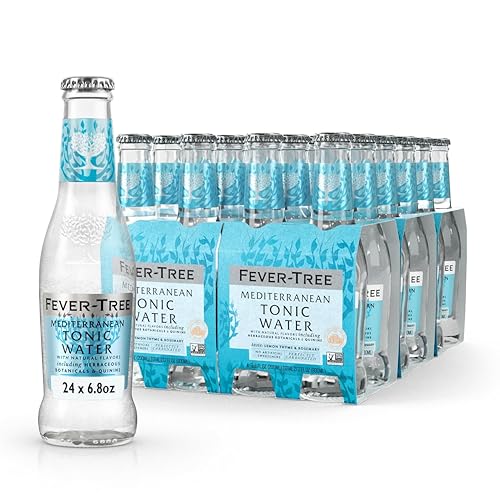
- Fever-Tree Mediterranean Tonic Mixer, 24 Pack, 6.8 Fl Oz Bottles
- Fever-Tree Light Tonic Water Mixer, 8 Pack, 5.07 Fl Oz Cans
- Fever-Tree Elderflower Tonic Mixer, 24 Pack, 5.1 Fl Oz Cans
- Fever-Tree Sparkling Sicilian Lemonade, 4 Pack, 6.8 Fl Oz
Read the full guide ↓ for serving ratios, glassware notes, and the mistakes that flatten a good kirsch highball.
Introduction
Finding the best mixers for kirsch starts with respecting what kirsch actually is: a clear, dry cherry eau-de-vie distilled from fermented cherries, stones and all, which is why it carries that distinctive mix of bright cherry fruit and a faint bitter-almond edge. Unlike a sweet cherry liqueur, kirsch brings almost no sugar of its own to the glass, so the mixer you choose supplies nearly all of the sweetness, acidity, and aroma in the finished drink. That is a very different brief from mixing a juniper-heavy gin or a spiced rum. A mixer that is perfect for a gin and tonic can easily bulldoze kirsch, while a mixer with real bitterness and restrained sweetness lets the cherry character stay in front.
This guide compares six Fever-Tree mixers that work with kirsch in distinct ways: classic quinine tonics for a dry, structured highball, a Mediterranean tonic with rosemary notes for a savory-leaning serve, an elderflower tonic that echoes the orchard fruit in the spirit, a light tonic for drinkers who want the driest possible glass, and a sparkling Sicilian lemonade for a brighter, more casual serve. If you are also building out a small home bar, the same shortlist logic applies when you move on to Best Mixers For Liquor more generally, because kirsch rewards the same discipline: match the mixer to the spirit, not the other way around.
Kirsch shows up in classic baking and in cocktails from the Black Forest tradition, and it is increasingly poured long with tonic in the style of an eau-de-vie highball. However you plan to serve it — a pre-dinner aperitif, a long drink with food, or a base for a cherry-forward spritz — the six options below cover the realistic range, and the buying guide further down explains how to choose between them by sweetness, carbonation, and format.
Key Takeaways
- Kirsch is dry and unsweetened, so your mixer sets the sweetness of the drink; bitter, quinine-led tonics keep the cherry and almond notes in focus.
- Single-serve bottles and cans in the 5 to 7 fl oz range match a long kirsch serve almost exactly, which means less flat, leftover mixer.
- Elderflower tonic is the natural flavor bridge: its soft floral sweetness echoes orchard fruit without adding cherry-on-cherry heaviness.
- Sparkling lemonade makes the most approachable kirsch serve for guests who find tonic bitterness challenging.
- Serve everything cold, pour the mixer gently down the side of the glass, and keep the ratio near one part kirsch to three or four parts mixer.
- Chill the spirit too. Kirsch served fridge-cold keeps its aromatics tight and reduces the amount of ice dilution you need.
In this guide
Quick Picks
| Pick | Badge | Format from listing | Best paired serve | Link |
|---|---|---|---|---|
| Fever-Tree Tonic Water Mixer | Best Overall | 24 pack, 6.8 fl oz bottles | Classic kirsch and tonic | Check on Amazon |
| Fever-Tree Premium Indian Tonic Water | Best for Slow Sipping | 16.9 fl oz, pack of 8 | Shared bottles at the table | Check on Amazon |
| Fever-Tree Mediterranean Tonic Mixer | Best Herbaceous | 24 pack, 6.8 fl oz bottles | Savory, rosemary-leaning serve | Check on Amazon |
| Fever-Tree Light Tonic Water Mixer | Best Light Option | 8 pack, 5.07 fl oz cans | Driest, lowest-sugar style serve | Check on Amazon |
| Fever-Tree Elderflower Tonic Mixer | Best Floral | 24 pack, 5.1 fl oz cans | Orchard-fruit aperitif | Check on Amazon |
| Fever-Tree Sparkling Sicilian Lemonade | Best Citrus Twist | 4 pack, 6.8 fl oz | Bright kirsch lemonade highball | Check on Amazon |
Badges reflect the role each mixer plays with kirsch specifically, not a general ranking of the products. A tonic that earns Best Floral here, for example, is the one whose aroma most naturally extends the fruit in the spirit, while the Best Overall pick is the bottle we would hand to someone who only wants to buy one case. Readers comparing across spirits will find the same elderflower and lemonade styles discussed from a rum angle in our notes on Best Mixers For Kraken Rum, where the pairing logic is almost the opposite — there, the mixer has to tame spice and sweetness rather than protect delicate fruit.
How These Picks Were Chosen
This shortlist was built by research rather than by opening a fixed number of bottles at a test bar, and it is worth being plain about that. We started from the flavor structure of kirsch itself — dry, cherry-led, with a bitter-almond undertone from the stones — and then screened widely available premium mixers against four criteria. First, bitterness balance: the mixer needed enough quinine or citrus bite to frame the spirit without turning the drink medicinal. Second, sweetness level: because kirsch contributes no sugar, cloying mixers were ruled out quickly, and every pick here sits on the drier half of the mixer spectrum. Third, aromatic fit: botanicals that echo orchard fruit, herbs, or citrus were favored over heavy cola-style or tropical flavors that would erase the cherry note entirely. Fourth, format practicality: pack sizes and single-serve containers that suit how people actually pour long drinks at home.
Only mixers with a verified product listing, a confirmed format, and a flavor profile we could document from the listing itself made the final six. Where a well-known style is missing — ginger beer, for instance — it is missing deliberately: ginger’s heat tends to swamp kirsch’s subtle stone-fruit character, and we would rather give you six picks that genuinely suit the spirit than pad the list. The same screening approach, applied to a citrus-led spirit, is what shapes our companion shortlist of Best Mixers For Lime Gin, and you will notice the overlap in brands but not in the order or the reasoning.
One more note on method: serving suggestions and ratios in this guide follow standard highball practice and the flavor descriptions in each product listing. If your bottle of kirsch is a particularly delicate, small-batch eau-de-vie, treat the ratios as a starting point and pull the mixer back a little; the guidance in the how-to section explains how to adjust by taste in small steps.
The 6 Best Mixers for Kirsch

Fever-Tree Tonic Water Mixer
Badge: Best Overall
Strengths
- Real quinine bitterness that frames kirsch’s cherry note instead of masking it
- Subtle citrus and fruit notes in the listing that sit naturally beside stone fruit
- Single-serve 6.8 fl oz bottles sized almost exactly for one long drink
Trade-offs
- Glass bottles are heavier to store and ship than cans
- The dry profile will taste austere to anyone who prefers a sweeter serve
- A 24-bottle case is a commitment if you are still deciding whether you like kirsch and tonic
Mini spec box: Format: 24 pack of 6.8 fl oz bottles. Key character from listing: real quinine, subtle citrus and fruit notes balanced by quinine bitterness. Intended serves named in listing: gin and tonic, vodka and tonic — applied here to an eau-de-vie highball.
This is the bottle to buy first. Kirsch and tonic works for the same reason gin and tonic works: quinine bitterness gives a dry spirit structure, carbonation lifts the aromatics, and a whisper of citrus keeps the finish clean. With kirsch, the effect is striking — the cherry reads brighter, the almond edge from the stones shows up as a pleasant dryness on the finish, and nothing in the glass tastes candied. Pour it over plenty of ice in a highball, use a ratio near one part kirsch to three parts tonic, and garnish with a single fresh cherry or a thin lemon twist rather than a wedge, so the aroma stays focused.
The honest limitation is that this is an aperitif-style drink, not a crowd-pleasing sweet serve. Guests who find tonic bitter will find this bitter too, which is why the lemonade pick further down exists. But for anyone who already enjoys dry highballs, this is the most faithful expression of the spirit in mixed form, and the bottle size means the last glass from the case fizzes exactly like the first.
Best for: drinkers who want the classic, driest kirsch serve / Not suited for: anyone who dislikes quinine bitterness

Fever-Tree Premium Indian Tonic Water
Badge: Best for Slow Sipping
Strengths
- No artificial sweeteners, flavourings, or preservatives, per the listing
- Larger 16.9 fl oz bottles suit pouring for two or three people at once
- Clean, classic tonic profile that never competes with a delicate eau-de-vie
Trade-offs
- An opened large bottle loses carbonation faster than single-serve formats
- Less convenient for solo drinkers who open a bottle for one glass
- The neutral profile adds structure but no extra aromatic twist
Mini spec box: Format: 16.9 fl oz bottles, pack of 8. Key character from listing: premium Indian tonic water with no artificial sweeteners, flavourings, or preservatives.
Where the first pick is built for the single glass, this one is built for the table. The 16.9 fl oz bottle is the format you open when kirsch and tonic is being poured for a small group — a pre-dinner round, a tasting of two or three different eaux-de-vie side by side, or a long lunch where the bottle sits in an ice bucket. The flavor is the classic Fever-Tree tonic profile: quinine-forward, cleanly bitter, and free of the artificial sweetness that can make a delicate spirit taste like candy.
For kirsch specifically, that neutrality is a virtue when the bottle you are pouring is special. A small-producer kirsch with real finesse deserves a mixer that adds fizz and bitterness and then gets out of the way, and this is the most transparent option on the list. The trade-off is purely practical: once opened, a large bottle is on a clock, so plan to finish it the same day and keep it cold and capped between pours.
Best for: serving kirsch and tonic to a group, or showcasing a fine bottle / Not suited for: single-glass drinkers who hate waste
Fever-Tree Mediterranean Tonic Mixer
Badge: Best Herbaceous
Strengths
- Rosemary essential oils add a savory, herbal layer that flatters kirsch’s almond edge
- Subtly herbaceous rather than sweet, keeping the drink firmly in aperitif territory
- Same practical 6.8 fl oz single-serve bottles as the Best Overall pick
Trade-offs
- The herbal note divides opinion; it is not the neutral choice
- Pairs less well with sweet desserts than the floral or citrus picks
- Can pull the drink toward a gin-like profile if you over-garnish with more herbs
Mini spec box: Format: 24 pack of 6.8 fl oz bottles. Key character from listing: essential oils of rosemary combined with African quinine; subtly herbaceous, refreshing flavor.
This is the most interesting bottle on the list. Rosemary and cherry might sound like an odd couple, but in the glass the herb does something clever: it connects with the bitter-almond undertone that the cherry stones give kirsch, and the result tastes composed and savory rather than fruity. It is the serve to choose alongside food — a plate of cured meats, a hard cheese, olives — where a purely fruity drink would fall flat.
Keep the garnish disciplined. A small sprig of rosemary is plenty; adding citrus as well pushes the drink in two directions at once. The honest limitation is that this is a mood-specific pick: on a hot afternoon when you want something bright and simple, the classic tonic or the lemonade will serve you better. As the bottle you reach for when kirsch is part of a meal, though, nothing else here does the job as well. It is also a useful bottle to know if you are comparing notes with our guide to Best Mixers For Kraken, since spiced rum drinkers often land on the same question of whether herbal or sweet mixers suit a strongly flavored spirit.
Best for: aperitifs with food and drinkers who like savory serves / Not suited for: anyone who wants a purely fruity cherry drink

Fever-Tree Light Tonic Water Mixer
Badge: Best Light Option
Strengths
- Listed at 30 calories per serving, the lightest style on this shortlist
- Mexican bitter orange note adds a dry citrus lift that suits kirsch
- Cans chill fast and travel well for picnics and garden serving
Trade-offs
- The leaner body can make the drink taste thin next to richer tonics
- Smaller 5.07 fl oz cans mean a shorter drink unless you open a second
- Less forgiving if your kirsch is a particularly austere bottling
Mini spec box: Format: 8 pack of 5.07 fl oz cans. Key character from listing: real quinine, 30 calories per serving, a touch of Mexican bitter orange, balanced botanicals, smooth crisp taste.
Some kirsch drinkers are counting sugar carefully, and others simply prefer the driest possible glass. This light tonic answers both. The calorie figure in the listing tells the story: this is a mixer built to contribute bitterness, fizz, and a dry orange note while adding as little sweetness as a tonic reasonably can. With an unsweetened spirit like kirsch, the combination is about as dry as a long drink gets, and the bitter orange plays the same role a twist of orange peel would — it brightens without sweetening.
The format deserves a mention too. Cans go from fridge to glass-cold faster than bottles, they stack neatly, and there is no bottle opener involved when you are serving outside. The limitation is body: light tonics taste leaner, and if your kirsch is a very dry, high-proof style, the drink can tip from crisp to severe. A slightly more generous pour of spirit and a proper orange twist garnish restore the balance.
Best for: sugar-conscious drinkers and the driest possible serve / Not suited for: anyone who finds light tonics taste thin

Fever-Tree Elderflower Tonic Mixer
Badge: Best Floral
Strengths
- Soft, sweet elderflower notes echo the orchard fruit in kirsch beautifully
- Still a true tonic, so the drink keeps its dry, bitter backbone
- Small 5.1 fl oz cans are ideal for tasting pours and spritz-length drinks
Trade-offs
- The floral sweetness, while gentle, is the sweetest direction among the tonics here
- Elderflower can dominate if you pour a heavy ratio
- Less versatile with food than the Mediterranean pick
Mini spec box: Format: 24 pack of 5.1 fl oz cans. Key character from listing: blended with African quinine for a delicate, balanced flavor; soft, sweet elderflower notes.
If the classic tonic is the purist’s choice, this is the romantic’s. Elderflower and cherry come from the same early-summer hedgerow palette, and in the glass the flower rounds the edges of the spirit, softens the almond bitterness, and makes the cherry taste riper without adding any actual cherry flavoring. It is the kirsch serve most likely to win over someone who has only ever had the spirit neat and found it austere.
Because the cans are small, this is also the natural pick for a spritz build: kirsch, elderflower tonic, and a splash of sparkling wine over ice makes a genuinely elegant low-effort aperitif. Watch the ratio, though. Elderflower is persuasive, and at four-to-one or beyond it starts to lead the drink. Stay near three-to-one, garnish with something simple like a lemon twist or a few fresh cherries when they are in season, and let the spirit keep its voice.
Best for: aperitif drinkers and spritz-style serves / Not suited for: purists who want zero floral sweetness

Fever-Tree Sparkling Sicilian Lemonade
Badge: Best Citrus Twist
Strengths
- Bright lemon acidity makes the most refreshing, warm-weather kirsch serve
- No quinine, so it suits guests who dislike tonic bitterness entirely
- The lemon-cherry pairing is a classic Black Forest flavor combination
Trade-offs
- Sweeter direction than any tonic here; the drink reads as a lemonade first
- Small 4 pack format runs out quickly when serving a group
- The spirit’s subtler almond note gets covered by the citrus
Mini spec box: Format: 4 pack of 6.8 fl oz. Key character from listing: sparkling Sicilian lemonade.
Every shortlist needs the bottle that converts skeptics, and this is it. Lemon and cherry are partners in countless desserts for a reason, and a kirsch lemonade — spirit, sparkling lemonade, plenty of ice, a cherry or lemon wheel to garnish — is bright, cold, and immediately likeable in a way a quinine drink sometimes is not. It is the serve to make for a mixed group where half the guests have never heard of kirsch.
Be clear-eyed about what it does to the spirit, though. The lemonade leads, the kirsch supports, and the delicate stone-fruit detail that justifies buying a good eau-de-vie in the first place is mostly hidden. Treat this as the gateway serve and the hot-day serve, keep a tonic in the fridge for the bottle’s second act, and everyone gets the version of kirsch they will actually enjoy.
Best for: warm days, mixed groups, and tonic skeptics / Not suited for: showcasing an expensive, delicate kirsch
Comparison Table
| Mixer | Format | Flavor direction | Sweetness direction | Link |
|---|---|---|---|---|
| Fever-Tree Tonic Water Mixer | 24 × 6.8 fl oz bottles | Quinine, subtle citrus and fruit | Dry | Check on Amazon |
| Fever-Tree Premium Indian Tonic Water | 8 × 16.9 fl oz bottles | Classic, clean quinine | Dry | Check on Amazon |
| Fever-Tree Mediterranean Tonic Mixer | 24 × 6.8 fl oz bottles | Rosemary, herbaceous | Dry, savory | Check on Amazon |
| Fever-Tree Light Tonic Water Mixer | 8 × 5.07 fl oz cans | Bitter orange, crisp botanicals | Driest | Check on Amazon |
| Fever-Tree Elderflower Tonic Mixer | 24 × 5.1 fl oz cans | Soft floral, delicate quinine | Gently sweet | Check on Amazon |
| Fever-Tree Sparkling Sicilian Lemonade | 4 × 6.8 fl oz | Bright lemon, no quinine | Sweetest here | Check on Amazon |
How to Choose the Right Mixer for Kirsch
Start with the question of sweetness, because kirsch itself brings none. If you drink your coffee black and your wine dry, begin with the classic or light tonic and you will likely never look back. If you are introducing the spirit to friends, or you know your palate leans sweeter, the elderflower tonic and the lemonade exist precisely to meet you halfway — and there is no virtue in a purist serve that nobody finishes. The middle path, and the one we recommend for a first case, is the Best Overall tonic: dry enough to be faithful, friendly enough to be repeatable.
Next, think about aroma direction. Kirsch has three flavor threads — cherry fruit, bitter almond, and a clean spirit heat — and each mixer on this list pulls a different thread forward. Quinine tonics emphasize structure and let all three threads show. Rosemary pulls the almond thread, which is why the Mediterranean tonic tastes savory. Elderflower pulls the fruit thread and makes it taste riper. Lemon pulls the whole drink toward refreshment and away from detail. None of these is wrong; they are simply different drinks wearing the same spirit, and owning two bottles — one classic tonic and one flavored option — covers nearly every occasion.
Format matters more than most buyers expect. A long kirsch serve uses roughly one single-serve bottle or can per drink, so the 5 to 7 fl oz formats on this list are not a coincidence; they are the size that keeps carbonation honest. Large bottles are economical and elegant for groups but punish the solo drinker with flat leftovers. Cans chill fastest and are the practical choice for outdoor serving, while glass bottles feel right at the table and keep their fizz well when stored cool and dark. Finally, consider the rest of your bar: every tonic here also works with gin and vodka, and the lemonade is a standalone soft drink, so nothing you buy for kirsch will sit orphaned. If you entertain often, the same stock-up logic we use for Best Mixers For Live Music events — plan formats around guest count, not around the bottle that looks nicest — applies just as well to drinks as it does to everything else on the table.
How to Mix Kirsch: Ratios, Technique, and Care
The core serve takes under a minute once everything is cold. Chill the kirsch and the mixer in advance — both should be fridge-cold before they meet. Fill a highball glass to the top with fresh, hard ice; warm or wet ice is the fastest route to a diluted, disappointing drink. Pour one part kirsch over the ice, then add three parts mixer slowly down the inside of the glass to preserve carbonation. Give the drink a single gentle stir, express a lemon twist over the surface if you are using one, and serve immediately. Taste, then adjust: a quarter part more mixer softens an austere spirit, while a small extra splash of kirsch restores fruit if the tonic is dominating.
For a spritz variation, build kirsch and elderflower tonic over ice in a wine glass and top with a short pour of sparkling wine. For the lemonade serve, keep the same one-to-three structure but add the garnish — a fresh cherry or a lemon wheel — because the drink’s aroma needs the help that quinine would otherwise provide. Whatever the build, three technique points hold: never shake a carbonated serve, never use mixer that has been open and warm, and never let the finished drink sit; a highball is at its best in its first minutes.
Storage and care for the mixers themselves are simple. Keep unopened bottles and cans in a cool, dark place, refrigerate after opening, and treat an opened large bottle as a same-day product. Glassware care matters more than people think: detergent residue and warm glasses both kill carbonation, so rinse glasses in plain water and chill them when you can.
Troubleshooting. Problem: the drink tastes flat and sweet → the mixer was warm or the ice was wet; rebuild with fridge-cold mixer and fresh ice from the freezer. Problem: the kirsch has vanished from the flavor → the ratio is too long or the mixer is too assertive; pull back to one-to-two-and-a-half and switch from lemonade to a classic tonic. Problem: the drink tastes harsh and medicinal → the spirit is too warm or the tonic is dominating a delicate bottling; chill the kirsch itself and try the elderflower tonic, whose softness rounds the edges.
Kirsch in the Kitchen and at the Table
Kirsch leads a double life, and understanding the second half explains why its mixed drinks taste the way they do. In baking, it is the traditional spirit in Black Forest gateau, the splash that wakes up a cherry compote, and the classic partner to fondue in Swiss cooking, where a little is stirred into the cheese and a small glass is sometimes served alongside. Those uses all exploit the same qualities that matter in a highball: kirsch intensifies cherry flavor without adding sweetness, and its dryness cuts richness. When you drink it long with tonic before a meal, you are using it the way cooks do — as a brightener, not a sweetener.
At the table, that profile makes kirsch drinks unusually food-friendly for a spirit serve. The classic tonic version stands up to charcuterie and hard cheeses, the Mediterranean version is the natural partner for anything herbal or grilled, and the elderflower serve is the one to pour with lighter starters and salads. If you are planning a full evening, it also helps to think about what else is being poured; our shortlist thinking for Best Mixers For Live Performance gatherings makes the same point in a different context — the best hosts plan the whole table, not just one glass.
Reading a Bottle of Kirsch Before You Mix It
Not all kirsch is equally suited to mixing, and a minute with the label saves a disappointing drink. Traditional kirschwasser is distilled from fermented cherries including the stones, which is where the almond note comes from; bottlings that lean into that heritage tend to have the structure that stands up to tonic. Cheaper, neutral-spirit-based cherry products can taste thin or artificially fruity, and no mixer on this list will give them a backbone they do not have — if a bottle tastes mostly of sweet cherry candy neat, it is a liqueur in spirit if not in name, and it belongs in a different mixing conversation altogether, closer to the one we have about Best Mixers For Liquor that already carry their own sweetness.
Proof matters too. A higher-proof kirsch keeps its voice at a one-to-three ratio, while a gentler bottling may need one-to-two-and-a-half. Origin offers a softer clue: Black Forest kirsch from Germany and Swiss kirsch both have long traditions, and French kirsch from Alsace is equally at home in a highball. The practical test is simple — taste the spirit neat, cold, before you mix it. If you can find cherry, almond, and a clean finish, any pick on this list will work; choose by the occasion using the guide above.
A Short History of Kirsch, and Why It Mixes the Way It Does
Kirschwasser — literally cherry water — comes from the Black Forest region of Germany and the cherry-growing districts of Switzerland and eastern France, where fermenting and distilling cherries was originally a way to preserve a glut of fruit that could never be eaten fresh. The crucial detail, and the one that still defines the spirit, is that traditional kirsch is made from the whole fermented fruit, stones included. The stones contribute the bitter-almond note that separates real kirsch from a simple cherry brandy, and the complete absence of sweetening after distillation is what makes it an eau-de-vie rather than a liqueur. When you understand that kirsch was designed by its process to be dry, the mixing rules in this guide stop looking like preferences and start looking like consequences.
That history also explains kirsch’s place in classic drinking. It appeared in early cocktail books as a modifier — a spoonful here and there to dry out sweeter drinks and add a haunting fruit note — long before anyone thought to lengthen it with tonic. The modern eau-de-vie highball, popularized by bars that treat fruit brandies with the same respect as gin, is really just the latest chapter: a spirit that was always about aroma and dryness finally being served in the format that shows aroma and dryness best. The tonics on this list suit it because quinine bitterness and almond bitterness are natural allies, and because carbonation does for kirsch what it does for any aromatic spirit — it carries the scent to your nose with every sip.
There is a practical lesson in the history too. Because kirsch was a farmhouse product made from whatever cherries the season delivered, bottlings vary more than heavily standardized spirits do. Some are lean and intensely almond-led, others rounder and more fruit-forward, and the same mixer will not flatter both equally. This is why the guide gives you a dry anchor pick and a softening pick rather than a single winner: the lean bottle wants elderflower’s gentleness, the round bottle wants classic tonic’s structure, and knowing which kind of kirsch you own is worth more than any single recommendation.
Planning a Kirsch Tasting at Home
A small tasting is the fastest way to learn your own preferences, and kirsch rewards the format because the differences between mixers are so clear against a dry spirit. Set it up simply: one bottle of kirsch, three mixers from this list — the classic tonic, the elderflower tonic, and the lemonade cover the widest range — plenty of ice, and small glasses so each serve can be built at a modest scale. Pour the same ratio in each glass, taste in order from driest to sweetest, and keep plain water and something neutral to eat nearby, because quinine bitterness lingers and will distort whatever follows it.
Two habits separate a useful tasting from a pleasant muddle. The first is changing one variable at a time: same spirit, same ratio, same ice, only the mixer changes, so any difference you notice is the mixer’s doing. The second is writing down two or three words per glass while you taste. It feels unnecessary in the moment and proves invaluable a month later when you are standing in front of a shelf trying to remember whether the Mediterranean tonic was the one you liked with food. Note the garnish separately too, since a lemon twist can quietly rescue a serve that seemed unbalanced without it.
For guests, turn the tasting into the entertainment rather than a prelude to it. Let people build their own second round from the mixer they preferred, keep a pitcher of the lemonade serve as the low-effort option for anyone who opts out of the experiment, and serve the food after the first round rather than before it, so the pairings can be judged honestly. By the end of the evening you will know exactly which case to reorder — and you will have taught a table of friends more about a misunderstood spirit than a shelf of cocktail books could.
Glassware, Ice, and the Small Details That Decide a Highball
A kirsch highball is a simple drink, which means there is nowhere for sloppy details to hide. Glassware comes first: a tall, narrow highball glass keeps carbonation lively longer than a wide tumbler, because the bubbles have a smaller surface to escape from, and it keeps the drink colder by exposing less of it to the air. A wine glass is the right call for the elderflower spritz serve, where aroma matters more than fizz retention, and a small stemmed glass suits a short, strong kirsch serve if you ever pour one at two-to-one. Whatever you choose, chill the glass when you can — a room-temperature glass starts melting your ice before the mixer is even open.
Ice is the second detail, and the one home drinkers most often underestimate. Use the largest, hardest, freshest cubes you have, fill the glass completely rather than dropping in two or three pieces, and keep the ice in the freezer until the moment of building, not in a bowl on the counter where it sweats and dilutes. Ice that has lived uncovered in a freezer for weeks absorbs odors that a delicate spirit will faithfully deliver to your nose, so rotate it and store it in a sealed bag or box. Finally, water quality quietly matters in a drink this transparent: if your tap water is heavily chlorinated, it is worth making ice from filtered water for kirsch serves, because there is no strong flavor anywhere in the glass to hide behind.
One last consideration is seasonality, because kirsch drinking has a natural calendar. The tonic serves are at their best in spring and summer, when a cold, bitter, cherry-scented glass suits the weather and fresh cherries are available for garnish. The Mediterranean serve carries the drink into autumn meals without missing a step, and the lemonade version is the one that disappears fastest at any warm-weather gathering regardless of the month. Buying with that calendar in mind — a case of classic tonic as the permanent stock, one seasonal flavored option rotating beside it — keeps the bar simple, the mixers fresh, and every bottle opened while its fizz is still worth pouring.
Common Buying Mistakes
- Reaching for the sweetest mixer by default. Kirsch is dry on purpose; drowning it in a sweet mixer erases the quality you paid for in the spirit.
- Buying the biggest bottle for solo drinking. Large formats go flat after opening, and a flat tonic makes even excellent kirsch taste dull.
- Confusing kirsch with cherry liqueur. They are different products; mixing advice for sweet liqueurs does not transfer, and ratios built for liqueurs will unbalance a dry eau-de-vie.
- Skipping the chill. Warm spirit and warm mixer over melting ice is the most common reason a kirsch highball disappoints at home.
- Over-garnishing. A fruit salad in the glass competes with a delicate spirit; one garnish, chosen to match the mixer, is enough.
- Judging the spirit by the first neat sip. Kirsch is famously austere neat; its quality shows in a mixed serve, which is exactly why the mixer choice matters.
Final Recommendation
Buy the Fever-Tree Tonic Water Mixer first. It is the most faithful partner for kirsch, the format is perfectly sized for long drinks, and it will teach you what the spirit actually tastes like in mixed form. Add the Fever-Tree Elderflower Tonic Mixer as your second case if you entertain, because between the classic and the floral bottle you can serve both the purist and the newcomer from the same bottle of kirsch. Choose the Mediterranean tonic instead if your kirsch usually appears next to food, the light tonic if dryness is your priority, the large-format Premium Indian for group pours, and the Sicilian lemonade for hot days and tonic skeptics. Whichever you start with, keep everything cold, pour gently, and let the cherry speak.
Frequently Asked Questions
What does kirsch taste like in a mixed drink?
Dry, bright, and distinctly of cherries without tasting sweet. A good kirsch brings cherry fruit and a faint bitter-almond note from the stones, and a bitter mixer like tonic keeps both in focus. If your mixed drink tastes like cherry candy, the mixer is too sweet or the bottle is a liqueur rather than a true eau-de-vie.
What is the best ratio of kirsch to mixer?
Start at one part kirsch to three parts mixer over plenty of ice, then adjust. Delicate or lower-proof bottlings often taste better at one to two-and-a-half, while a robust kirsch in a lemonade serve can stretch to one to four. Adjust in small steps and taste as you go.
Can I use kirsch in place of cherry liqueur in cocktails?
Not as a straight swap. Kirsch is unsweetened, so replacing a liqueur with it removes sugar the recipe was balanced around. Either add a small amount of sweetener to compensate or choose recipes built for dry spirits, like the highball serves in this guide.
Should kirsch be chilled before mixing?
Yes. Fridge-cold kirsch keeps its aromatics tight, reduces how much ice dilution you need, and makes the finished drink taste cleaner. Chill the mixer too; temperature is the cheapest quality upgrade in any highball.
Which mixer works best for guests who dislike tonic?
The sparkling Sicilian lemonade. It has no quinine, so there is no bitterness to object to, and the lemon-cherry pairing is familiar and refreshing. The elderflower tonic is the middle option for guests who find classic tonic too bitter but still want a tonic-style drink.
How long does an opened bottle of tonic keep its fizz?
A large bottle is best finished the same day it is opened; keep it cold and tightly capped between pours. Single-serve bottles and cans avoid the problem entirely, which is why most picks on this list use those formats.
What garnish suits a kirsch and tonic?
Keep it to one: a lemon twist for the classic and light tonics, a small rosemary sprig for the Mediterranean serve, or a fresh cherry when they are in season for the elderflower version. The garnish should echo the mixer, not compete with the spirit.


