Disclosure: topratedkitchenware.com is reader-supported. When you buy through links on our site, we may earn an affiliate commission from Amazon and other retailers, at no extra cost to you.
Where to buy
The six picks below are the verified mixers for this guide to the best mixers for margaritas, and the framing is honest from the first line: none of these bottles is a classic lime margarita mix, and a classic margarita will always be built on fresh lime and an orange liqueur. What these bottles are is the sparkling shelf that modern margarita drinking actually uses — five Fever-Tree tonics and a sparkling Sicilian lemonade — serving as toppers that lengthen a margarita into a spritz, as the bitter frame in a drier serve, and as the structure in zero-proof margaritas. Each review judges its bottle in those roles, including where a classic serve is better left alone. Each name links to its Amazon listing, where you can check the latest price on Amazon and confirm the current pack before you order.
- Fever-Tree Tonic Water Mixer, 24 Pack, 6.8 Fl Oz Bottles
- Fever-Tree Premium Indian Tonic Water, 16.9 Fl Oz, Pack of 8
- Fever-Tree Mediterranean Tonic Mixer, 24 Pack, 6.8 Fl Oz Bottles
- Fever-Tree Light Tonic Water Mixer, 8 Pack, 5.07 Fl Oz Cans
- Fever-Tree Elderflower Tonic Mixer, 24 Pack, 5.1 Fl Oz Cans
- Fever-Tree Sparkling Sicilian Lemonade, 4 Pack, 6.8 Fl Oz
Read the full guide ↓ for how each bottle behaves in a margarita spritz, a tonic-framed serve, and a zero-proof build — and for the classic serve’s non-negotiables, which no bottle in this guide replaces.
Searching for the best mixers for margaritas usually means hunting a lime mix, so this pool deserves a direct explanation. The verified picks for this keyword are sparkling mixers, and the guide treats them the way thoughtful home bartenders actually use them: a classic margarita is a short, strong, lime-led drink, but the way margaritas are served at home has widened. Hosts lengthen them into spritzes for long afternoons. Drinkers ask for drier serves where quinine bitterness replaces some of the sweetness. And every gathering now includes guests who want the margarita’s architecture — citrus, salt, bitterness, sparkle — without the tequila. In all three cases, the missing ingredient is a quality sparkling mixer, and that is the shelf this guide reviews.
Judged in that role, the six bottles separate cleanly. The classic and Premium Indian tonics bring the firmest bitter frames. The Mediterranean brings an herbal, aperitif register. The Light tonic brings the gentlest lift. The Elderflower brings a floral variation. And the Sparkling Sicilian Lemonade brings citrus sparkle — the closest any bottle here comes to the margarita’s own flavour family, and a natural bridge ingredient. Readers whose margarita drinking is exclusively classic should read this guide as a variations manual and keep their limes; readers who host, spritz, or serve mixed company will find it is the shelf they were missing, much as Best Mixers For Mezcal serves that spirit’s longer drinks.
Key Takeaways
- No pick here is a classic margarita mix; the classic serve still needs fresh lime and orange liqueur, and this guide says so plainly.
- These six sparkling mixers work as margarita toppers and frames: spritz-lengthening, bitterness, and zero-proof structure.
- The classic and Premium Indian tonics give the firmest dry frame; the Light tonic gives the gentlest lift.
- The Mediterranean tonic suits herbal, aperitif-style serves; the Elderflower suits floral variations.
- The Sparkling Sicilian Lemonade is the citrus bridge — the most margarita-adjacent bottle in the pool.
- Format follows occasion: single-serve cans for spritzes at home, bottles for sessions and shared serves.
In this guide
Quick Picks
Badges separate the six picks by the margarita-adjacent job each does best, and the same badges appear in the detailed reviews.
| Pick | Badge | Best for | Link |
|---|---|---|---|
| Fever-Tree Tonic Water Bottles, 24 Pack | Best Overall Topper | Classic-profile spritzes and framed serves | Check on Amazon |
| Fever-Tree Premium Indian Tonic, 8 Pack | Best Premium | The firmest bitter frame, shared serves | Check on Amazon |
| Fever-Tree Mediterranean Tonic, 24 Pack | Most Distinctive | Herbal, aperitif-style margarita variations | Check on Amazon |
| Fever-Tree Light Tonic Cans, 8 Pack | Best Light Lift | Gentle spritzes and first experiments | Check on Amazon |
| Fever-Tree Elderflower Tonic Cans, 24 Pack | Best Floral Variation | Soft, floral margarita spritzes | Check on Amazon |
| Fever-Tree Sparkling Sicilian Lemonade, 4 Pack | Best Citrus Bridge | Citrus-sparkling serves and zero-proof builds | Check on Amazon |
How These Picks Were Chosen
This is a research-led guide and claims no hands-on tasting panel that did not happen. The six picks come from the verified beverage-mixer pool for this keyword, with each product’s identity, format, and stated characteristics confirmed against its listing data before inclusion. Claims trace to that data: real quinine across the tonic range, the Mediterranean’s stated rosemary oils and African quinine, the Elderflower’s stated African quinine and soft, sweet elderflower notes, the Light tonic’s stated 30-calorie serving and Mexican bitter orange, the Premium Indian’s stated absence of artificial sweeteners, flavourings, or preservatives. Prices and ratings are never asserted.
Selection within a sparkling-only pool meant judging fitness for the three jobs sparkling mixers genuinely do around a margarita: topping and lengthening, framing with bitterness, and structuring zero-proof serves. Bottles were also separated by format, because a 24 pack of 5.1 fl oz cans, a 24 pack of 6.8 fl oz bottles, an 8 pack of large bottles, and a 4 pack of lemonade are four different ownership propositions. The guide does not pretend a lime mix was reviewed and found wanting; it reviews the sparkling shelf on its real merits and tells classic-only drinkers, directly, that their bottle is a lime.
The 6 Best Mixers for Margaritas
Each review states what the bottle is, how it behaves around a margarita, where it honestly does not belong, and who should buy it.

Fever-Tree Tonic Water Mixer, 24 Pack, 6.8 Fl Oz Bottles
Badge: Best Overall Topper
Strengths
- The classic profile — subtle citrus and fruit notes balanced by quinine bitterness, as listed — tops a margarita without fighting its lime.
- The 6.8 fl oz bottle pours one generous spritz topper or shares across two shorter serves.
- A 24 pack suits the hosting rhythm margarita variations are usually poured in.
Trade-offs
- It is a topper and frame, not a margarita base; it contains none of the classic drink’s lime-and-orange core.
- Opened bottles lose sparkle, so the format rewards sessions over solitary drinks.
- Its bitterness will divide classic-only drinkers, for whom this whole shelf is optional.
Mini spec box: Format: 24 pack, 6.8 fl oz bottles · Style: tonic water with real quinine · Stated profile: subtle citrus and fruit notes balanced by quinine bitterness
The reference serve is the margarita spritz: build a classic margarita slightly strong and slightly short, pour it over fresh ice in a tall glass, and top with a measured pour of this tonic. The quinine dries the finish, the carbonation lengthens the drink from a short cocktail into a long refresher, and the tonic’s own citrus undertones sit inside the margarita’s register instead of beside it. For hosts, the bottle format is the point — a table of spritzes poured across an afternoon finishes bottles while they are bright, and the 24 pack removes any mid-party arithmetic.
Its boundary deserves the same clarity: poured into a classic margarita at full measure, tonic makes a different drink, and drinkers who ordered the classic should be served the classic. This bottle’s home is the variation menu, where it is the most versatile citizen in the pool — firm enough to frame, neutral enough to top, and formatted for company. Keep it for the spritz and the zero-proof build described later, and it will never feel like a bottle bought for the wrong job.
Best for: margarita spritzes and hosted variation menus / Not suited for: classic-only drinkers seeking a lime mix

Fever-Tree Premium Indian Tonic Water, 16.9 Fl Oz, Pack of 8
Badge: Best Premium
Strengths
- The flagship Indian profile pours the firmest bitter frame in the pool for a genuinely dry margarita variation.
- The listing states no artificial sweeteners, flavourings, or preservatives.
- Large 16.9 fl oz bottles suit shared spritzes poured across a table or an evening.
Trade-offs
- Its firmness can dominate a delicately balanced margarita; top with a lighter hand.
- The big bottles carry the sharpest opened-bottle clock here.
- It is the pool’s most committed purchase in storage terms.
Mini spec box: Format: 16.9 fl oz bottles, pack of 8 · Style: Premium Indian tonic water · Stated: no artificial sweeteners, flavourings, or preservatives
Where the classic tonic tops a margarita, the Premium Indian reframes it. A shorter pour of this bottling in a spritz produces the driest drink in the guide — quinine-forward, sparkling, and adult — the variation for drinkers who find standard margaritas too sweet and want the agave and lime held in a firm structure. It is also the zero-proof builder’s strongest tool, because a zero-proof margarita lives or dies on bitterness, and this bottle supplies the most.
Pour it with restraint and serve it socially. A heavy hand turns the variation into a tonic drink with margarita notes, which may be someone’s favourite glass but should be a choice, not an accident. The large bottles belong at a table, opened and finished within the occasion. For the dry-drink enthusiast, this plus the Sicilian Lemonade — bitterness and citrus sparkle — is the complete variation kit in two bottles, a pairing logic echoed in Best Mixers For Masking Vodka Taste.
Best for: dry-serve enthusiasts and shared spritzes / Not suited for: delicate classics or solo, slow drinking
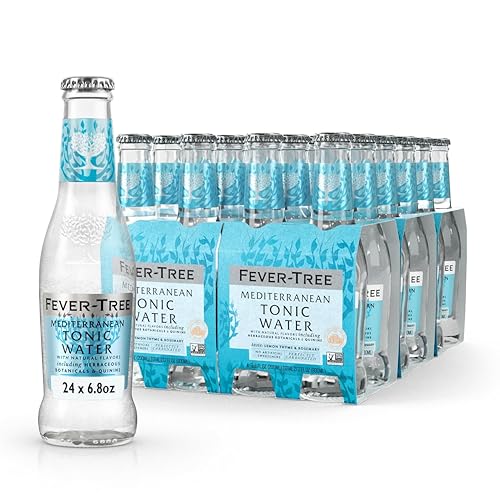
Fever-Tree Mediterranean Tonic Mixer, 24 Pack, 6.8 Fl Oz Bottles
Badge: Most Distinctive
Strengths
- The listing describes essential oils of rosemary with African quinine for a subtly herbaceous, refreshing flavour.
- That herbal register makes an aperitif-style margarita variation no other bottle here can.
- The 6.8 fl oz bottle format matches session pouring.
Trade-offs
- Rosemary steers the drink savoury-ward; it is the pool’s most opinionated topper.
- It clashes with sweet garnishes and fruit-led variations.
- Bottles carry the usual opened-bottle carbonation clock.
Mini spec box: Format: 24 pack, 6.8 fl oz bottles · Style: Mediterranean tonic · Stated profile: essential oils of rosemary with African quinine, subtly herbaceous and refreshing
The Mediterranean margarita spritz is the variation that surprises people at dinner parties: tequila, lime, a herbal tonic topper, a citrus twist instead of a sweet garnish, served before food rather than after. The rosemary register reads culinary, and against agave’s own vegetal notes it feels less like a twist than like a discovery. It is the bottle to open when the menu is grilled, herbed, or Mediterranean itself, and the drink is part of the meal rather than a prelude to it.
It is not the household default and does not try to be. Buy it as the second tonic, after a classic or light anchor is established, and pour it when the occasion calls for its register. Drinkers who want their margarita variations fruity or floral should look to the Elderflower and the Lemonade instead; this bottle’s admirers are the savoury palates, and it serves them better than any other pick in the pool.
Best for: aperitif-style, food-paired margarita variations / Not suited for: sweet or fruit-led variation drinkers

Fever-Tree Light Tonic Water Mixer, 8 Pack, 5.07 Fl Oz Cans
Badge: Best Light Lift
Strengths
- The listing states only 30 calories per serving, with a touch of Mexican bitter orange and balanced botanicals for a smooth, crisp taste.
- The gentlest frame in the pool: it lengthens a margarita without steering it.
- Single-serve cans in a small 8 pack make it the pool’s cheapest experiment.
Trade-offs
- Its gentleness means minimal bitter correction for drinkers seeking a dry serve.
- Eight cans are a trial quantity; converted households will size up.
- It is still a tonic — classic-only drinkers will find it beside the point.
Mini spec box: Format: 8 pack, 5.07 fl oz cans · Style: light tonic water with real quinine · Stated: only 30 calories per serving, touch of Mexican bitter orange, balanced botanicals
Most margarita drinkers who try the spritz idea want length and lift, not a new drink — and that is exactly this can’s brief. A light tonic topper over a classic build adds sparkle and a whisper of bitterness while leaving the margarita recognisably itself, which makes the 8 pack the ideal first experiment for the sceptical: eight single-serve cans, eight low-stakes trials, no large pack ageing if the household votes no. The stated bitter-orange touch is well aimed here, echoing the margarita’s own orange-liqueur note in a lighter key.
If the experiment converts the household, the light recipe’s role is the weeknight spritz — the longer, easier drink for evenings when a full-strength short margarita is more than the occasion wants. Buy it small, learn from it, and let the verdict, not the marketing, decide whether a larger light purchase follows. That discipline — trial formats before commitment — is this cluster’s standing advice from brunch drinks in Best Mixers For Mimosas to this shelf.
Best for: first spritz experiments and gentle weeknight lengthening / Not suited for: dry-serve seekers or heavy session pouring

Fever-Tree Elderflower Tonic Mixer, 24 Pack, 5.1 Fl Oz Cans
Badge: Best Floral Variation
Strengths
- The listing describes African quinine blended for a delicate, balanced flavour with soft, sweet elderflower notes.
- Floral is the variation direction no other bottle in the pool offers.
- The 24 pack of 5.1 fl oz cans keeps every serve fresh and single-serve simple.
Trade-offs
- Elderflower’s soft sweetness softens the dry frame; it is a variation, not a correction.
- Floral notes polarise drinkers more than any other direction here.
- Cans suit home spritzes; a party of floral drinkers works through them fast.
Mini spec box: Format: 24 pack, 5.1 fl oz cans · Style: elderflower tonic · Stated profile: finest African quinine, delicate balanced flavour, soft sweet elderflower notes
The elderflower spritz is the margarita’s spring variation: the same lime-and-agave core, lengthened with a tonic whose floral softness rounds the drink’s edges and perfumes its first sip. It suits blanco tequila’s brighter expressions and daytime serves, and it is the variation most likely to win over a guest who finds classic margaritas severe. The quinine is still present — this is a tonic, with a tonic’s structure — but it arrives cushioned, which is precisely the bottle’s charm and its limit.
Buy it when floral is a direction your household already loves in other drinks; do not buy a 24 pack to discover whether it might be. The can format at least guarantees that if the household converts slowly, every can waits patiently and pours fresh — the practical mercy that makes a large pack of a polarising flavour a smaller risk than it first appears.
Best for: floral variation fans and daytime spritzes / Not suited for: dry-frame seekers or floral sceptics

Fever-Tree Sparkling Sicilian Lemonade, 4 Pack, 6.8 Fl Oz
Badge: Best Citrus Bridge
Strengths
- A sparkling lemonade is the closest bottle in the pool to the margarita’s citrus family.
- It lengthens a margarita with citrus sparkle instead of bitterness — the gentlest variation of all.
- It anchors zero-proof margarita builds, supplying the citrus body tonics cannot.
Trade-offs
- Lemon is not lime: it bridges toward the margarita, it does not reproduce it.
- The 4 pack is the pool’s smallest format — a trial or a garnish-scale purchase, not a party supply.
- It brings sparkle and citrus but no bitterness, so dry-serve drinkers still need a tonic.
Mini spec box: Format: 4 pack, 6.8 fl oz · Style: sparkling Sicilian lemonade
Every pool has a bottle that quietly does the most jobs, and here it is the lemonade. As a topper, it turns a margarita into a citrus spritz without any bitterness — the variation for drinkers who love the classic’s flavour and only want it longer and sparkling. As a zero-proof base, it supplies the citrus body that a non-alcoholic margarita build needs, ready to be framed by a tonic and finished with salt. As a household bottle, it serves lemonade drinkers, younger guests, and anyone mixing down — a small pack with an outsized résumé.
Respect its two honest limits. Lemon and lime are cousins, not twins, and a drink built on this bottle should be described as a citrus spritz, not a margarita, when precision matters. And the 4 pack is small: buy it as the bridge and the trial it is, and let a proven household habit justify any larger commitment. Within those limits, it is the bottle this guide would rescue first if the shelf had to shrink, because it connects the classic drink, the variations, and the zero-proof table in a way no tonic can — the same bridging role citrus plays in Best Mixers For Minibar planning.
Best for: citrus spritzes, zero-proof builds, and mixed-company shelves / Not suited for: drinkers seeking lime authenticity or bitter frames
Comparison Table
| Pick | Format | Role around a margarita | Badge | Link |
|---|---|---|---|---|
| Fever-Tree Tonic Bottles, 24 Pack | 24 × 6.8 fl oz bottles | Classic topper and frame | Best Overall Topper | Check on Amazon |
| Fever-Tree Premium Indian Tonic | 8 × 16.9 fl oz bottles | Firmest dry frame | Best Premium | Check on Amazon |
| Fever-Tree Mediterranean Tonic | 24 × 6.8 fl oz bottles | Herbal aperitif variation | Most Distinctive | Check on Amazon |
| Fever-Tree Light Tonic Cans, 8 Pack | 8 × 5.07 fl oz cans | Gentle lift, trial size | Best Light Lift | Check on Amazon |
| Fever-Tree Elderflower Tonic Cans | 24 × 5.1 fl oz cans | Floral variation | Best Floral Variation | Check on Amazon |
| Fever-Tree Sparkling Sicilian Lemonade | 4 × 6.8 fl oz | Citrus bridge, zero-proof base | Best Citrus Bridge | Check on Amazon |
How to Choose a Sparkling Mixer for Margarita Variations
Choose by the variation you actually drink. If your margaritas already satisfy you and you only want them longer for slow afternoons, the Light tonic cans or the Lemonade are your bottles — lift without redirection. If your complaint is sweetness, the frame must firm up: classic tonic bottles for the centre, Premium Indian for the driest serve. If your complaint is boredom, the variation bottles — Mediterranean for savoury palates, Elderflower for floral ones — are the honest purchases. And if your table includes non-drinkers, the Lemonade plus any tonic is a system, not a bottle: citrus body plus bitter frame equals a zero-proof margarita with real architecture.
Format then follows occasion, as it does across this cluster. Cans for home experiments and irregular drinking, since each serve is fresh. Bottles for the sessions margarita variations are usually poured in. The 4 pack lemonade is a garnish-scale commitment that suits its bridging role. Buy the smallest format that tests your hypothesis, prove it across a few evenings, and size up only on evidence — the shelf that results will be small, fresh, and actually used.
How to Build a Margarita Spritz and a Zero-Proof Margarita
For the spritz, start from a proper classic: tequila, fresh lime, orange liqueur, shaken with ice and strained — then make two adjustments. Build it very slightly strong, because the topper will lengthen it, and serve it over fresh ice in a tall glass rather than up. Top with a measured pour of tonic — light for lift, classic for frame, Premium Indian for the driest version — stir once gently, and garnish with a citrus twist or a herb sprig for the Mediterranean version. Salt, if you use it, belongs on the classic build’s rim before the topper is added, and a half-rim lets the drinker choose sip by sip.
For the zero-proof margarita, build the architecture in the glass: the Sparkling Sicilian Lemonade as the citrus body over ice, a firm pour of classic or Premium Indian tonic as the bitter frame, a pinch of salt or a salted half-rim, and a lime wedge squeezed and dropped in. The result will not impersonate tequila, and it should not try; it delivers the margarita’s real pleasures — citrus, salt, bitterness, sparkle, cold — in a glass a non-drinker can hold with pride at the same table.
Troubleshooting, in the pattern worth remembering:
- Problem: the spritz tastes watery → the classic build was not strong enough to carry lengthening, or the ice was wet; build slightly stronger, use fresh hard ice, and top with a measured rather than generous pour.
- Problem: the tonic takes over → the frame is too firm for your margarita; step down the range from Premium Indian to classic to light, or shorten the pour.
- Problem: the zero-proof version tastes like lemonade → it needs its frame; add the tonic and the salt, which are the ingredients that move it from soft drink to margarita architecture.
The Classic Margarita, Stated Plainly
Because this guide sells sparkling mixers around a classic, it owes the classic a clear statement. A margarita is tequila, fresh lime juice, and orange liqueur, shaken with ice, served up or on the rocks, with salt on the rim for those who want it. Its quality lives in three places no bottle in this guide can reach: the tequila’s character, the lime’s freshness — juice squeezed the same day, ideally the same hour — and the balance struck between them. Bottled lime mixes exist elsewhere in the wider market; they are not in this verified pool, and this guide does not review what it was not given.
Everything in this guide is therefore an addition to a sound classic, never a substitute for one. Learn the classic first, even if your household’s drinking ends at the variations: a spritz built on a weak classic is a long weak drink, while a spritz built on a strong one is the best argument the variation menu has. The cluster’s other guides treat their bases with the same respect, whether the spirit is agave or the rum of Best Mixers For Mint Rum — the base is sacred, the mixer is architecture.
Salt, Glassware, and Ice for Margarita Serves
Salt is a seasoning with an off switch, and the half-rim is the setting that respects the drinker: salt the half of the rim, and every sip becomes a choice. Use coarse salt, applied to a lime-wetted rim, and keep sweet or flavoured salts for the variations where they have a stated job rather than as a default costume. Glassware follows the serve — a stemmed glass or a rocks glass for the classic, a tall glass for every spritz in this guide, because height protects the carbonation the topper was bought for.
Ice is the third ingredient in every serve here. Shake the classic with fresh, hard ice and strain it over fresh ice again if it is served on the rocks; never let the shaking ice, already half-melted and diluted, become the serving ice. For spritzes, fill the tall glass completely before the topper is poured. These are small disciplines, and they are the difference between a variation that tastes designed and one that tastes like a classic that went wrong — a distinction your guests will notice even when they cannot name it.
Hosting a Margarita Variation Bar
The variation shelf earns its keep most visibly at a hosted bar, where one classic build becomes four drinks without four times the work. Set the station in order: the classic components first — tequila, lime, orange liqueur, shaker, salt — then the sparkling shelf in a row from gentlest to firmest, Light cans through classic bottles to the Premium Indian, with the Mediterranean, Elderflower, and Lemonade as the labelled variations. Add tall glasses, a deep ice bucket, and a small card that names the serves in plain language: Classic, Spritz, Dry Spritz, Zero-Proof. Guests who would never order a variation from a verbal description will happily build one from a card, and the host is freed from shaking every glass personally.
Quantities follow the format logic used throughout this cluster. Count spritz drinkers in cans and short bottles, count shared and dry serves in the large bottles, and keep one unopened backup format in reserve rather than three open ones in decline. Chill every sparkling bottle before guests arrive — a warm topper poured over ice spends its sparkle melting ice instead of lifting the drink — and replenish the ice bucket before it looks necessary, because it always is. The variation bar’s quiet triumph is inclusivity: the zero-proof build sits on the same card, in the same glassware, with the same salt rim, and nobody at the party is drinking a lesser category of evening.
Tequila Choices Under a Topper
A topper changes what the tequila underneath needs to be. In a classic serve, the tequila carries the drink and its quality is exposed; in a spritz, the drink is longer, colder, and more diluted, and the tequila shares the stage with quinine, citrus, or flowers. Bright, agave-forward blancos hold their identity best under carbonation and remain the variation shelf’s natural partner across all six bottles. Rested expressions bring a rounder, oak-kissed profile that suits the classic tonic and Premium Indian frames, where bitterness meets their sweetness halfway, and can feel crowded under the Elderflower’s perfume.
The practical rule is to match weight to weight. Delicate topper, delicate serve: Light tonic or Lemonade over a bright blanco. Firm frame, firmer base: Premium Indian over a tequila with the body to stand inside it. When a serve disappoints, adjust the pairing before the ratio — a surprising share of variation failures are a light spirit lost under a firm tonic, or a bold spirit flattened by a gentle one, and no amount of stirring repairs a mismatch of weight.
Storing the Sparkling Shelf
Unopened cans and bottles ask for a cool, dark, upright life and a first-in, first-out habit; write purchase months on cases if your shelf holds more than one occasion’s worth. Chill on a plan rather than on impulse: the night before a gathering, move the session’s bottles and cans into the fridge so every serve starts cold, and keep a small permanent reserve of cans chilled for the unplanned spritz, since a warm can is the one ingredient this entire guide cannot work around. Opened bottles should be recapped, refrigerated, and honestly reassigned — tomorrow’s cooking, soda, or zero-proof builds — rather than saved for a flagship serve they can no longer carry.
Keep the shelf visible to the shopping list. A one-line inventory — what is open, what is sealed, what the next occasion needs — prevents the two classic failures: the duplicate case bought while a full one sat in the garage, and the party that discovers its tonic shortage at the moment the first spritz is ordered. Small shelves, kept fresh and counted, are the whole secret; the rest is limes.
A Brief Field Guide to Reading Sparkling-Mixer Labels
The label facts this guide relies on form a checklist worth keeping for any sparkling mixer, in this pool or beyond it. Format first: count, volume per container, and cans versus bottles decide the ownership experience before flavour enters the discussion. Recipe signals second: quinine is the shared foundation here, but the modifiers tell the story — a stated calorie count and bitter orange mark the light direction, rosemary oils mark the herbal one, elderflower notes mark the floral one, and a stated absence of artificial sweeteners, flavourings, or preservatives marks the flagship’s positioning. Intended serve third: several of these listings describe themselves for gin or vodka serves, and this guide has treated those descriptions honestly — as the maker’s home territory, with the margarita uses argued on pairing logic rather than borrowed authority.
What no label can settle is the only verdict that counts: how the bottle behaves in your glass, with your tequila, for your palate. That is why the guide’s method — small formats, identical builds, written notes — matters more than any single review within it. A buyer who runs one honest comparison evening will choose better than a buyer who reads ten guides and guesses, and the bottles in this pool are forgiving subjects for that experiment precisely because their differences are real, stated, and pourable side by side.
Seasonal Margarita Variations
The variation shelf has a calendar. Spring belongs to the Elderflower spritz — floral, bright, and matched to the season’s lighter food and longer evenings. Summer is the classic spritz’s home ground, poured at volume in the bottle formats built for sessions, with the Lemonade carrying the hottest afternoons and the zero-proof table. Autumn invites the Mediterranean, whose rosemary register turns toward the kitchen and the roasted, herbed dishes of the cooler months. Winter, surprisingly, is the Premium Indian’s season: a firm, dry, sparkling drink is the right counterweight to rich food and indoor evenings, and its shared-bottle format suits the table-centred drinking of the holidays.
Reading the shelf seasonally also disciplines buying. A household does not need all six bottles open at once; it needs the season’s two, bought in the season’s formats, finished while they are bright. The off-season bottles wait sealed and patient, and the shelf stays small enough to know by heart — which, across every guide in this cluster, is the working definition of a home bar that actually works.
What This Shelf Cannot Do — and What to Buy Elsewhere Instead
Honesty about a pool’s edges is part of a guide’s job, so they are stated in one place. This shelf cannot make a frozen margarita: blending requires a lime-led mix or fresh build, and carbonation does not survive a blender. It cannot make a fruit margarita — strawberry, mango, or otherwise — because no fruit mix is in the pool. It cannot replace the classic’s fresh lime for a purist, and it does not try. Shoppers whose margarita life is frozen, fruity, or exclusively classic should take those needs to the wider market’s lime and fruit mixes with this guide’s label checklist in hand, and treat the six bottles here as what they are: the sparkling shelf that surrounds the classic, superb at its three jobs and silent on the rest.
That restraint is deliberate, and it is why the recommendations above can be trusted where they do speak. A guide that claims its pool does everything teaches its readers nothing; a guide that maps its pool’s real territory — spritz, frame, zero-proof structure — and marks the borders plainly gives them a shelf that works every time it is used.
Common Buying Mistakes
- Expecting a tonic to be a margarita mix. Read this guide’s framing: these bottles top, frame, and structure; the classic’s lime core is still yours to squeeze.
- Topping a weak classic. Lengthening dilutes; build the classic slightly strong before any spritz is attempted.
- Buying the firmest frame first. The Premium Indian is a destination for dry palates, not a starting point; most households should begin with the light or classic centre.
- Ignoring the zero-proof opportunity. A lemonade-plus-tonic system costs one extra bottle and gives every guest a real drink.
- Serving spritzes in short glasses. Carbonation needs height and ice; the glass is part of the recipe.
Final Recommendation
For most households, the margarita variation shelf starts with the Fever-Tree Tonic Water bottles as the all-purpose topper, plus the Fever-Tree Sparkling Sicilian Lemonade as the citrus bridge for gentle spritzes and zero-proof builds. Dry-serve drinkers should step up to the Premium Indian Tonic, and experimenters should begin with the Light tonic 8 pack before committing to the Mediterranean or Elderflower variations. Keep squeezing limes for the classic underneath it all — these bottles earn their place beside it, not instead of it. Build the shelf slowly, in the order your occasions demand, and let each bottle prove itself across a few real evenings before the next one joins it; a margarita shelf assembled that way will still be working, fresh and understood, long after a grander one bought in a weekend has faded into fridge-door archaeology. Start tonight, if you like, with the smallest experiment this guide offers — one 8 pack of Light cans over one properly built classic — and let a single honest spritz tell you whether the variation shelf belongs in your kitchen at all, before a single larger pack is bought on nothing more than passing warm summer weekend enthusiasm alone today, however tempting it feels in the shop.
Frequently Asked Questions
What is the best mixer for a classic margarita?
Fresh lime juice and an orange liqueur — no bottle in this guide’s verified pool is a classic lime margarita mix, and the guide says so rather than pretending otherwise. The six picks here are sparkling mixers for the serves around the classic: spritzes, dry framed variations, and zero-proof builds. If your drinking is exclusively classic, your shopping list is limes, not bottles.
Can you top a margarita with tonic water?
Yes — the margarita spritz is a well-established variation. Build the classic slightly strong, serve it over fresh ice in a tall glass, and top with a measured pour of tonic. The Light tonic adds gentle lift, the classic adds a balanced frame, and the Premium Indian makes the driest version. Stir once, gently, to keep the sparkle.
How do I make a margarita less sweet without a mix?
Use the firm end of this pool: a Premium Indian or classic tonic topper dries the finish with quinine bitterness, and a shorter, stronger classic build underneath keeps the drink’s centre intact. Fresh lime, added acid, and a salted half-rim also pull perceived sweetness back without any new bottle.
What is a good zero-proof margarita build?
Combine the Sparkling Sicilian Lemonade as the citrus body with a firm tonic — classic or Premium Indian — as the bitter frame, over a full glass of ice, with a salted half-rim and a squeezed lime wedge. The architecture — citrus, salt, bitterness, sparkle — delivers the margarita’s pleasures without impersonating tequila.
Should I buy tonic cans or bottles for margarita spritzes?
Cans for home experiments and irregular drinking, since each can is a fresh single serve — the Light 8 pack and Elderflower 24 pack in this pool. Bottles for sessions and hosting, where an opened bottle is finished while its carbonation is bright — the classic and Mediterranean 24 packs and the Premium Indian 8 pack.
What should I buy first if I am new to margarita variations?
Buy the smallest test of the gentlest idea: the Light tonic 8 pack, poured over one properly built classic margarita. If the household enjoys the lift, the shelf can grow toward the classic bottles for hosting or the firmer and flavoured variations for range. If it does not, eight cans were a cheap and honest answer, and the classic — which needed no bottle at all — remains exactly as good as it always was.
Can I batch margarita spritzes for a party?
Batch the classic base, not the finished spritz. A pitcher of the classic build — tequila, lime, orange liqueur, kept cold — can be poured over ice glass by glass and topped with tonic to order, which keeps every serve sparkling. A pitcher of finished spritz, by contrast, begins losing its carbonation the moment it is mixed and pours noticeably flatter within the hour. The station method in this guide — base ready, toppers chilled and in a row, glasses and ice beside them — is the batching that actually works for carbonated variations.
Does elderflower or Mediterranean tonic really suit a margarita?
As variations, yes. Elderflower softens the drink into a floral, daytime spritz that suits brighter tequilas. The Mediterranean’s rosemary register makes a savoury, aperitif-style serve that pairs with food. Neither replaces the classic for purists; both are deliberate variations to choose when their register is what the occasion wants.


