Disclosure: topratedkitchenware.com is reader-supported. When you buy through links on our site, we may earn an affiliate commission from Amazon and other retailers, at no extra cost to you.
Where to buy
The fastest way to stock up on the best mixers for raspberry vodka is to order the tonic in the pack format that matches how often you actually pour. Every pick in this guide is a Fever-Tree tonic, because tonic’s quinine bitterness and citrus lift are the most reliable partners for a berry-flavoured vodka, and Fever-Tree’s range covers full-strength, light, bottled and herbaceous styles in sensible pack sizes. Use the links below to check the latest price on Amazon for each one, then read the full guide ↓ for ratios, serving ideas and the mistakes that flatten a raspberry vodka and tonic.
- Fever-Tree Tonic Water Mixer, 24 Pack, 5.1 Fl Oz Cans
- Fever-Tree Light Tonic Water Mixer, 24 Pack, 5.1 Fl Oz Cans
- Fever-Tree Tonic Water Mixer, 24 Pack, 6.8 Fl Oz Bottles
- Fever-Tree Premium Indian Tonic Water, 16.9 Fl Oz (Pack of 8)
- Fever-Tree Mediterranean Tonic Mixer, 24 Pack, 6.8 Fl Oz Bottles
- Fever-Tree Light Tonic Water Mixer, 8 Pack, 5.07 Fl Oz Cans
Raspberry vodka is a forgiving spirit in some ways and a fussy one in others. It arrives in the glass already sweet, already perfumed, already coloured by the berry flavouring the distiller chose, which means the mixer you add does not need to bring more sweetness — it needs to bring structure. When people search for the best mixers for raspberry vodka, they are usually trying to solve one of three problems: the drink tastes like candy and needs something dry to lean against, the drink tastes thin and needs carbonation and length, or the drink tastes one-note and needs a second flavour — citrus, herbs, a gentle bitterness — to make the raspberry read as fruit rather than as syrup. Tonic water answers all three problems at once, which is why this guide is built around it. Quinine supplies the dry, faintly bitter backbone. The bubbles supply length and lift. The citrus and botanical notes that good tonic carries supply the contrast that keeps raspberry tasting like raspberry.
That said, “tonic” is not one product. A full-strength tonic and a light tonic pour very differently against the same vodka. A small can and a large bottle suit different glasses and different households. A Mediterranean-style tonic, built with rosemary and other herbaceous oils, pushes the drink toward a garden-party profile, while a classic Indian tonic keeps the focus squarely on citrus and quinine. The six picks below are all Fever-Tree tonics verified against the maker’s own listings, and the differences between them — pack format, serving size, calorie positioning, flavour direction — are exactly the differences that matter when the spirit in the glass is raspberry vodka. If you are also building out a small home bar for other spirits, the same choosing logic applies across our wider guides, from Best Mixers For Rum Chata for cream-liqueur serves to Best Mixers For Rye Whiskey for spicier highballs.
Key Takeaways
- Tonic is the most dependable mixer for raspberry vodka because quinine bitterness balances the vodka’s built-in sweetness instead of adding to it.
- Small 5.1 fl oz cans are sized for a single highball serve, which keeps carbonation high and waste low; larger bottles suit batching and slower, shared pouring.
- Light tonic keeps the same quinine structure with fewer calories per can, and it lets the raspberry flavour sit slightly more forward in the glass.
- Mediterranean tonic adds a herbaceous, rosemary-led twist that turns a simple vodka tonic into a more aromatic, food-friendly serve.
- Serve cold, pour the tonic gently down the side of a glass full of ice, and start at roughly one part raspberry vodka to three parts tonic before adjusting.
- Skip cola, cream soda and other dark, heavy mixers with raspberry vodka — they bury the berry under caramel and vanilla weight.
In this guide
Quick Picks
| Pick | Badge | Format | Link |
|---|---|---|---|
| Fever-Tree Tonic Water Mixer (24 cans) | Best Overall | 24 pack, 5.1 fl oz cans | Check on Amazon |
| Fever-Tree Light Tonic Water Mixer (24 cans) | Best Light Option | 24 pack, 5.1 fl oz cans | Check on Amazon |
| Fever-Tree Tonic Water Mixer (24 bottles) | Best in Bottles | 24 pack, 6.8 fl oz bottles | Check on Amazon |
| Fever-Tree Premium Indian Tonic Water | Best Classic Indian Tonic | 16.9 fl oz, pack of 8 | Check on Amazon |
| Fever-Tree Mediterranean Tonic Mixer | Best Herbaceous Twist | 24 pack, 6.8 fl oz bottles | Check on Amazon |
| Fever-Tree Light Tonic Water Mixer (8 cans) | Best Small Pack | 8 pack, 5.07 fl oz cans | Check on Amazon |
Read the badges as a shortcut, not a ranking of quality. All six are real-quinine tonics from the same maker; the badge simply names the job each format does best in a raspberry vodka serve. Best Overall is the can most households will reach for most often. Best Light Option keeps the structure and trims the calories. Best in Bottles is for people who prefer glass and a slightly larger pour. Best Classic Indian Tonic is the traditional profile in a shareable bottle. Best Herbaceous Twist is the flavour adventure. Best Small Pack is the low-commitment way to find out whether light tonic suits your palate before you buy a case.
How These Picks Were Chosen
This guide is research-led. We compared the tonic listings sold for the American market by flavour direction, pack format, serving size and ingredient positioning, and we verified every product name, pack count and size against the maker’s Amazon listing data before including it. We did not invent specifications: where a detail such as calories per can appears below, it comes from the product’s own listing title. We also weighted the shortlist toward mixers that solve raspberry vodka’s specific problems — excess sweetness, thin body, one-note berry flavour — rather than mixers that merely taste pleasant on their own. That is why you will not find cola, lemonade from concentrate or energy drinks here, even though all of them get poured with flavoured vodka in the real world. Lemonade has a genuine place with raspberry vodka and we discuss it in the pairing section, but for a stocked, repeatable, always-works mixer, tonic’s shelf life, carbonation and dryness win.
One honesty note: we are not claiming side-by-side laboratory taste tests or hands-on sessions with every pack. What we can stand behind is the verification work — the products are real, the pack sizes are as listed, the flavour descriptions match the maker’s own — and the pairing logic, which follows how bartenders have balanced sweet flavoured vodkas for years: add bitterness, add bubbles, add citrus, keep the added sugar low. If a listing changes its pack size or formulation, the guidance on ratios and serving still holds, because it is built on the style of tonic rather than on one production run.
The 6 Best Mixers for Raspberry Vodka

Fever-Tree Tonic Water Mixer, 24 Pack, 5.1 Fl Oz Cans
Badge: Best Overall
Strengths
- Real quinine gives the dry, bitter backbone that raspberry vodka needs most.
- The maker’s own description — subtle citrus and fruit notes balanced by quinine bitterness — reads like a pairing note written for berry vodka.
- Single-serve 5.1 fl oz cans mean every pour is fully carbonated and nothing goes flat in the fridge.
Trade-offs
- A 24-can case is a commitment of cupboard space if you only pour occasionally.
- Full-strength tonic is the sweetest of the tonic styles here, so very sweet raspberry vodkas may still want a squeeze of lime on top.
- Cans cannot be resealed mid-serve the way a bottle can, though the size is chosen so one can equals one drink.
Mini spec box
- Brand: Fever-Tree
- Style: Tonic water mixer with real quinine
- Format: 24 pack of 5.1 fl oz cans
- Flavour notes (from the listing): subtle citrus and fruit notes, quinine bitterness
This is the default recommendation because it gets the fundamental job done with the least fuss. Pour a measure of raspberry vodka over a glass packed with ice, open a can, and add the whole can slowly. The size is the quiet genius of the product: a 5.1 fl oz can against a standard measure of vodka lands you close to the classic one-to-three highball ratio without measuring, and because you finish the can, the last sip is as lively as the first. The citrus-and-fruit positioning matters too. Some tonics lean hard into lemon and read almost like a soft drink; this one’s balance keeps the raspberry in charge while the quinine trims the finish, so the drink ends dry enough that you want another sip rather than sweet enough that you put the glass down.
Who it suits: anyone who makes raspberry vodka and tonic a regular serve and wants a case in the cupboard that simply works, week after week. It is also the safest bottle-free option for parties, picnics and boats, where glass is a nuisance and a can per guest keeps service simple. The honest limitation is sweetness stacking: if your raspberry vodka is one of the more confectionery styles and you drink your tonic neat-sweet, even this well-balanced tonic can leave the finish a touch sugary. The fix costs nothing — a lime wedge squeezed and dropped in — but it is worth knowing before you blame the mixer.
Best for: the regular raspberry vodka and tonic drinker who wants a reliable case buy / Not suited for: drinkers who want the driest, lowest-calorie pour possible

Fever-Tree Light Tonic Water Mixer, 24 Pack, 5.1 Fl Oz Cans
Badge: Best Light Option
Strengths
- Listed at 30 calories per can, so the mixer stops competing with the vodka for sweetness.
- A hint of Mexican bitter orange adds a citrus edge that sharpens the raspberry rather than sweetening it.
- Same single-serve can format as the Best Overall pick, so ratios and service stay identical.
Trade-offs
- A lighter body means very sweet vodkas have less to hide behind; balance depends more on your ratio.
- Drinkers who love a full, rounded tonic mouthfeel may find the light style brisk rather than plush.
- As with the full-strength case, a 24 pack asks for storage room.
Mini spec box
- Brand: Fever-Tree
- Style: Light tonic water mixer with real quinine
- Format: 24 pack of 5.1 fl oz cans
- Calories: 30 per can (from the listing)
- Flavour notes (from the listing): Mexican bitter orange, balanced botanicals, smooth and crisp
Light tonic is the connoisseur’s answer to flavoured vodka, and raspberry vodka is where it proves itself. A flavoured vodka already carries sugar and aroma; what it lacks is definition. By trimming the tonic’s own sweetness, the light style throws the raspberry flavour into higher relief — the berry reads brighter and more like fresh fruit, and the bitter orange note in this recipe acts almost like the citrus twist a bartender would add over the top of the glass. The finish is crisper and drier, which makes this the version most likely to please people who say they find flavoured vodka drinks “too sweet” — often the mixer, not the vodka, was the problem all along.
Who it suits: anyone watching calories without wanting to give up a proper long drink, and anyone whose raspberry vodka sits at the sweeter end of the shelf. It also shines in a lower-alcohol serve — a half measure of vodka topped with a full can — because the tonic’s structure holds the drink together even when the spirit steps back. The honest limitation is that light tonic is less forgiving of sloppy ratios: pour too much vodka and there is not enough sweetness in the glass to round it out. Measure the first one properly, learn your ratio, and it becomes effortless.
Best for: calorie-conscious drinkers and sweeter raspberry vodkas that need a drier frame / Not suited for: drinkers who prefer a full, sweet, soft-drink style highball

Fever-Tree Tonic Water Mixer, 24 Pack, 6.8 Fl Oz Bottles
Badge: Best in Bottles
Strengths
- Glass bottles feel right for a sit-down serve and a garnished glass at the table.
- The 6.8 fl oz size pours a taller, longer drink — good for big highball glasses and lots of ice.
- The same citrus-and-quinine balance as the canned original, positioned by the maker for vodka and tonic serves.
Trade-offs
- Glass is heavier to buy in bulk, store and recycle than cans.
- A taller pour dilutes a single measure of vodka more, so you may want a slightly more generous measure.
- Bottles are a poor fit for the beach, the boat or the festival cooler.
Mini spec box
- Brand: Fever-Tree
- Style: Tonic water mixer with real quinine
- Format: 24 pack of 6.8 fl oz bottles
- Flavour notes (from the listing): subtle citrus and fruit notes, quinine bitterness
Some drinks are cans drinks and some are bottle drinks, and a raspberry vodka tonic dressed with fresh raspberries and a twist of lemon belongs to the second camp. This bottled version of the classic tonic pours a longer drink: at 6.8 fl oz it fills a tall glass over plenty of ice and leaves room for garnish, which makes it the natural choice for a dinner-party serve or a slow evening drink rather than a quick cooler pull. The flavour brief is the same balanced one as the cans — citrus and fruit notes against quinine — so nothing about the pairing changes; only the ritual does, and ritual is a real part of why a drink tastes good.
Who it suits: hosts, garnish people, and anyone who drinks their highballs tall and slow. It is also the format to choose if your household splits serves — a bottle opened for two shorter pours in quick succession loses little, as long as the second glass follows the first promptly. The honest limitation is logistics. Twenty-four glass bottles are heavy, they clink, they need the fridge space of a small shelf, and they are simply the wrong tool for outdoor casual drinking. Buy them for the table, not the tailgate.
Best for: dinner-party serves, tall garnished highballs and drinkers who prefer glass / Not suited for: travel, outdoor events or small fridges

Fever-Tree Premium Indian Tonic Water, 16.9 Fl Oz (Pack of 8)
Badge: Best Classic Indian Tonic
Strengths
- The traditional Indian tonic profile — quinine-forward and citrus-led — is the benchmark style for vodka tonic serves.
- Listed with no artificial sweeteners, flavourings or preservatives, which suits drinkers who read labels.
- The larger 16.9 fl oz bottle is a batching format: one bottle builds several drinks for a group.
Trade-offs
- An opened large bottle loses carbonation over days, so it rewards gatherings over solo sipping.
- The classic profile is less playful than the Mediterranean style if you want an aromatic twist.
- Eight large bottles still need real shelf space, even if the count sounds small.
Mini spec box
- Brand: Fever-Tree
- Style: Premium Indian tonic water
- Format: 16.9 fl oz bottles, pack of 8
- Listing notes: no artificial sweeteners, flavourings or preservatives
If the canned and small-bottle tonics are built around the single serve, this one is built around the pitcher moment — friends arriving, a bowl of ice on the counter, glasses coming out of the cupboard in a row. A 16.9 fl oz bottle pours roughly three generous highballs, and the classic Indian profile is the flavour most drinkers picture when they hear the words “vodka tonic”: clean quinine bitterness, bright citrus, nothing exotic getting between the spirit and the mixer. Against raspberry vodka that restraint is a virtue. The berry is the flavour event; the tonic is the frame, and this frame is the most traditional one in the guide.
Who it suits: hosts who batch, traditionalists who want the benchmark tonic taste, and label-readers who value the no-artificial-sweeteners positioning. It is also a sensible pick for a household that drinks tonic with several different spirits, because the classic profile is the most versatile across a home bar — the same logic that makes ginger ale a staple in our guide to Best Mixers For Rye Whiskey applies here. The honest limitation is fizz management: once opened, a large bottle is on a clock. Plan to use it the day you open it, keep it cold and capped between pours, and do not expect Friday’s opened bottle to sparkle on Sunday.
Best for: gatherings, batching and drinkers who want the classic tonic profile in a bigger bottle / Not suited for: solo drinkers who open a bottle and return to it days later
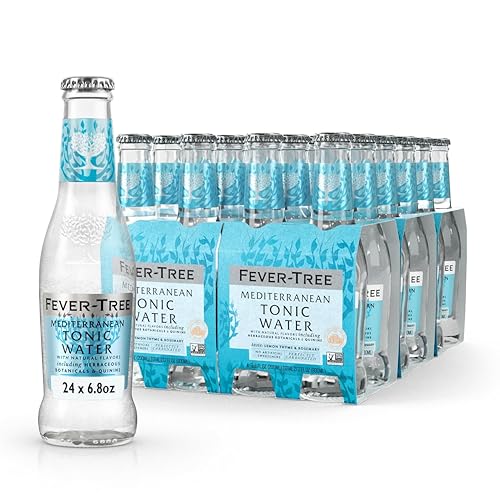
Fever-Tree Mediterranean Tonic Mixer, 24 Pack, 6.8 Fl Oz Bottles
Badge: Best Herbaceous Twist
Strengths
- Essential oils of rosemary, per the listing, give a subtly herbaceous flavour that turns raspberry into a garden-style serve.
- The herb note gives food pairing a boost — this is the tonic to pour next to grilled food, salads and cheese boards.
- Bottled format suits the slower, garnished presentation this flavour deserves.
Trade-offs
- Rosemary is a statement; drinkers who want a plain, neutral tonic will find it distracting.
- The aromatic profile can crowd a delicately flavoured raspberry vodka if the pour is heavy-handed.
- Glass bottles carry the usual weight and storage trade-offs.
Mini spec box
- Brand: Fever-Tree
- Style: Mediterranean tonic mixer
- Format: 24 pack of 6.8 fl oz bottles
- Flavour notes (from the listing): essential oils of rosemary, African quinine, subtly herbaceous and refreshing
This is the pick for the drinker who has already mastered the standard raspberry vodka tonic and wants the second act. Rosemary and raspberry are natural companions — the herb’s piney, savoury edge makes the berry taste more like something picked than something manufactured — and the maker’s Mediterranean recipe builds that pairing directly into the mixer, combining rosemary oils with quinine for a tonic that is refreshing first and aromatic second. Serve it in a large glass with plenty of ice, a small sprig of rosemary or a few fresh raspberries if you have them, and the drink moves from “flavoured vodka and tonic” to something a guest will ask about.
Who it suits: adventurous home bartenders, summer hosts, and anyone serving food alongside drinks, since the herbaceous profile bridges the glass and the plate better than any other pick here. It is also a clever choice for drinkers who find raspberry vodka a little one-dimensional — the herb gives the palate a second thing to notice. The honest limitation is that it is a flavour commitment. If your household includes a purist who wants tonic to taste like tonic, keep a classic option in the cupboard too; the Mediterranean bottle will not convert them, and it is not trying to.
Best for: aromatic, food-friendly serves and drinkers who enjoy a herbal twist / Not suited for: purists who want a neutral, quinine-and-citrus-only tonic

Fever-Tree Light Tonic Water Mixer, 8 Pack, 5.07 Fl Oz Cans
Badge: Best Small Pack
Strengths
- The same light recipe as the 24-can case — 30 calories per serving per the listing — in a trial-friendly quantity.
- Small cans suit occasional drinkers: less stock, fresher rotation, no half-used cases lingering.
- The Mexican bitter orange note keeps the crisp, citrus-edged profile that flatters raspberry.
Trade-offs
- Per-can, small packs are the less economical way to buy if you end up drinking tonic weekly.
- Eight cans disappear quickly at even a small gathering.
- The listed can size, 5.07 fl oz, is a fraction smaller than the 5.1 fl oz case cans — noticeable only to the truly ratio-obsessed.
Mini spec box
- Brand: Fever-Tree
- Style: Light tonic water mixer with real quinine
- Format: 8 pack of 5.07 fl oz cans
- Calories: 30 per serving (from the listing)
- Flavour notes (from the listing): Mexican bitter orange, balanced botanicals, smooth and crisp
Not every good buying decision is a case buy. This eight pack exists for the reader who is tonic-curious: you have a bottle of raspberry vodka, you have heard that light tonic is the smart pairing, but you do not yet know whether the drier style suits your palate. Eight cans is four evenings of two drinks, or one small dinner party, and that is exactly enough to learn your preference without a case of the wrong thing taking up the cupboard. The recipe mirrors the larger light pack — real quinine, bitter orange, a crisp and smooth profile at a listed 30 calories per serving — so what you learn from the small pack transfers directly if you upgrade to the case later.
Who it suits: first-time tonic buyers, occasional drinkers, small households and anyone restocking a holiday home or a camper where storage is tight and drinks are a sometimes thing. The honest limitation is arithmetic: if this becomes your weekly drink, the small pack is the expensive habit, and the 24-can light case above is the same product in the format your usage will reward. Think of this pack as the audition, not the residency.
Best for: trying light tonic for the first time and for occasional, small-household drinking / Not suited for: weekly drinkers, who should buy the 24-can light case instead
Comparison Table
| Pick | Style | Format | Flavour direction | Link |
|---|---|---|---|---|
| Fever-Tree Tonic Water (24 cans) | Classic tonic | 24 × 5.1 fl oz cans | Citrus and fruit notes, quinine bitterness | Check on Amazon |
| Fever-Tree Light Tonic (24 cans) | Light tonic | 24 × 5.1 fl oz cans | Mexican bitter orange, crisp, 30 cal per can | Check on Amazon |
| Fever-Tree Tonic Water (24 bottles) | Classic tonic | 24 × 6.8 fl oz bottles | Citrus and fruit notes, quinine bitterness | Check on Amazon |
| Fever-Tree Premium Indian Tonic | Indian tonic | 8 × 16.9 fl oz bottles | Classic quinine-forward profile | Check on Amazon |
| Fever-Tree Mediterranean Tonic | Mediterranean tonic | 24 × 6.8 fl oz bottles | Rosemary oils, herbaceous | Check on Amazon |
| Fever-Tree Light Tonic (8 cans) | Light tonic | 8 × 5.07 fl oz cans | Bitter orange, crisp, 30 cal per serving | Check on Amazon |
Read the table by format first and flavour second. Format decides how the drink fits your life — cans for convenience and single serves, small bottles for the table, the big Indian tonic bottle for a crowd. Flavour then decides the mood of the glass: classic for the benchmark serve, light for the driest and brightest, Mediterranean when you want the drink to lean savoury and aromatic. Every row is the same maker and the same real-quinine foundation, which is deliberate: with the spirit already flavoured, consistency in the mixer is what lets you taste the differences you are actually choosing between.
How to Choose the Right Mixer for Raspberry Vodka
Start with the sweetness audit. Raspberry vodkas vary widely: some are barely sweetened and taste like infused spirit, others are closer to a liqueur in a vodka bottle. The sweeter your vodka, the drier your mixer should be. That single rule explains most of this guide’s ordering — light tonic for sweet vodkas, classic tonic for drier ones — and it generalises to every flavoured spirit in your cabinet. If you are shopping mixers for a dessert-style pour such as Best Mixers For Salted Caramel Crown, the same audit applies in the opposite direction: rich spirits often want either a very dry mixer or a deliberately indulgent one, and the muddle in the middle is where drinks go to die.
Next, think about carbonation as an ingredient, not a garnish. Bubbles do three jobs in a raspberry vodka drink: they lift aroma to the nose, they create the perception of freshness that makes a sweet drink feel balanced, and they lengthen a short spirit measure into a long, sessionable serve. This is why format matters so much. A freshly opened can delivers full carbonation every time. A large bottle delivers it only while the bottle is young. Choose the format that matches your drinking pattern and the bubbles will take care of themselves.
Then consider the second flavour. A great mixer brings one supporting note that the spirit lacks. For raspberry vodka the classic supporting notes are citrus, which sharpens; bitterness, which dries; and herbs, which add savoury depth. The picks above map neatly onto those three jobs. What you should avoid is a mixer whose supporting note duplicates the spirit’s weakness — more berry syrup, more sugar, more candy flavour. Duplication is how a drink becomes cloying by the third sip.
Finally, buy for the serve you actually make. If your raspberry vodka mostly becomes a quick weeknight highball, cans win. If it appears at dinner parties, bottles win. If it comes out twice a year when a particular friend visits, the small pack wins and the money you save can go on fresh garnishes, which do more for that occasional drink than a case of anything. There is no prestige in overbuying mixers; tonic is a fresh product with a best life, and the right quantity is the one you finish while it still sparkles.
How to Mix, Serve and Store Raspberry Vodka Drinks
The core serve takes under a minute once everything is cold, and the order of operations matters more than any piece of equipment. Follow these steps for the standard raspberry vodka and tonic:
- Chill everything first: the vodka, the tonic and, if you can, the glass. Warm tonic over cold vodka is the most common cause of a dull first sip.
- Fill a highball glass completely with ice — to the rim, not halfway. More ice means slower dilution and a colder drink from first sip to last.
- Add one measure of raspberry vodka over the ice.
- Open the tonic at the last moment and pour it slowly down the inside of the glass or over the back of a spoon. A gentle pour keeps the carbonation in the drink instead of in the air.
- Stir once, briefly, just to marry the two. Long stirring is bubble destruction.
- Garnish with intent: a lime wedge for brightness, fresh raspberries for aroma, or a small rosemary sprig when the Mediterranean tonic is in play. Squeeze citrus over the glass before dropping it in.
- Taste, then tune. Too sweet: more tonic or a bigger squeeze of lime. Too sharp: a fraction more vodka or a classic rather than light tonic next round.
Storage is simple but unforgiving. Unopened cans and bottles keep in a cool cupboard away from sunlight. Once a bottle is opened, refrigerate it, cap it tightly, and treat the rest of that day as its window for full sparkle; the large Indian tonic bottle especially should be planned around a gathering rather than opened on a whim. Cans, once opened, are finished — which is precisely their design. Do not freeze tonic cans or bottles; expansion can split containers and the thawed result pours flat. And keep a small stock rotation habit: new packs at the back, older packs at the front, so nothing in the cupboard ages past its best.
Troubleshooting the serve:
- Problem: the drink tastes like sweets and you stop enjoying it halfway down → the mixer is too sweet for the vodka, or the ratio is too spirit-heavy. Switch to a light tonic, lengthen the pour, and add citrus.
- Problem: the drink tastes watery by the halfway point → not enough ice at the start. A half-filled glass of ice melts into dilution; a full glass of ice stays cold and melts slowly.
- Problem: the first sip is lively and the rest is flat → the tonic was poured hard from a height or stirred too long. Pour gently down the glass wall and stir once.
Beyond Tonic: Other Pairings Worth Knowing
Tonic earned this guide’s focus, but it is not the only respectable partner for raspberry vodka, and a good home bartender should know the bench. Lemonade is the crowd-pleasing alternative: its sweet-tart profile turns raspberry vodka into something close to a raspberry lemonade, which is dangerously easy drinking and a genuine hit with guests who find quinine bitter. The trade-off is control — most lemonades are sweet enough that the drink’s balance depends entirely on the brand in the jug. Soda water is the minimalist option: all lift, no flavour, no sugar. It suits the best raspberry vodkas, the ones that taste like real fruit, and it disappoints with candy-style vodkas, which it exposes rather than supports. Cranberry juice brings tartness and a deep red colour that makes the drink look as berry-led as it tastes, though it pushes the serve toward a Cape Cod style rather than a highball.
Ginger ale deserves a mention because it sits in so many of our neighbouring guides — it is the hero mixer in Best Mixers For Rum Chata discussions of spiced, creamy serves and a classic with whiskey — and it works with raspberry vodka in a mule-adjacent way, especially with a squeeze of lime. But ginger’s warmth competes with raspberry’s brightness, and in our judgement it belongs a tier below tonic for this particular spirit. The through-line of all these alternatives is the same as the tonic logic: balance the sweetness, keep the bubbles or the tartness up, and let the raspberry stay the headline. If you keep that principle, you can improvise confidently with whatever is in the fridge — and the same principle travels well, whether the bottle on the counter is a flavoured bourbon covered in Best Mixers For Red Stag or a rested tequila covered in Best Mixers For Reposado.
Raspberry Vodka Styles and How They Change the Mixer Choice
Not all raspberry vodkas are built the same, and the label rarely tells you the whole story, so it helps to sort them by taste before you sort them by brand. The first style is the fresh-fruit style: pale, aromatic, closer to a spirit that has met real raspberries. These vodkas are the easiest to mix well because they need the least correction. A classic tonic at a standard ratio, or even soda water when you want the fruit completely unaccompanied, lets them taste like themselves. The second style is the confectionery style: deeper colour, jammy sweetness, a flavour that leans toward raspberry sweets. These are the vodkas that generate most of the complaints about flavoured drinks being sickly, and they are exactly where light tonic earns its keep — the drier frame, the bitter orange edge and a firm squeeze of lime can pull a candy-leaning vodka back into balance. The third style is the tart, dry style, sometimes made with natural flavouring and little or no added sugar. With these, the danger flips: pair them with the driest mixer and the hardest citrus hand and the drink can turn thin and sharp. A classic full-strength tonic, which brings a little more sweetness and body, is usually the kinder match.
A quick home test sorts any bottle in ten seconds. Pour a small measure neat, at room temperature, and taste it without ice or mixer. Ask three questions. How sweet is the finish — dry, fruity or syrupy? How natural is the berry — fresh fruit, jam or candy? And how strong is the alcohol heat underneath the flavour? Sweet and candy-like points you toward light tonic and citrus. Fresh and balanced points you toward the classic tonics in either can or bottle. Tart and dry points you toward the fuller classic or Indian profiles and a gentler garnish hand. Aromatic and complex, with a vodka that already has herbal or floral notes, is the one case where the Mediterranean tonic should be poured carefully and tasted before committing to a full glass, because two aromatic systems can either harmonise or collide. This tiny ritual — taste the spirit before you choose its partner — is the single habit that separates consistently good home mixing from guesswork, and it costs you nothing but one small pour.
Common Buying Mistakes
- Buying the biggest case of an untried style. Light tonic and Mediterranean tonic are both love-or-leave flavours. Try the small pack or a single bottle format first, then commit.
- Matching a sweet vodka with a sweet mixer. This is the number one cause of cloying raspberry drinks. Audit the vodka’s sweetness and choose the mixer’s dryness against it.
- Ignoring serving size. A 16.9 fl oz bottle is a batching tool, not a personal one. Buying it for solo drinks guarantees flat pours and wasted tonic.
- Serving warm tonic. No mixer choice survives being poured at room temperature. Chill the mixer as seriously as you chill the spirit.
- Skimping on ice. Half a glass of ice does not make a lighter drink; it makes a wetter one. Fill the glass.
- Treating all tonic as identical. Classic, light, Indian and Mediterranean tonics are different recipes with different jobs. The label words are the recipe, so read them.
Final Recommendation
For most readers, the answer is the classic case: the Fever-Tree Tonic Water Mixer in the 24 pack of 5.1 fl oz cans is the best overall mixer for raspberry vodka because it balances quinine structure, citrus lift and single-serve carbonation with zero measuring and zero waste. If your raspberry vodka is sweet, or you simply prefer a drier and lighter glass, step straight to the Fever-Tree Light Tonic Water Mixer in the same can format and let the bitter orange edge do the balancing work. And when the occasion calls for something a little more composed — a garnished bottle serve at the table — the Fever-Tree Tonic Water in 6.8 fl oz bottles pours the taller, slower drink. Hosts batching for a group should add the big Premium Indian bottle; experimenters should keep the Mediterranean tonic for the nights when the garden flavour is the point; and anyone still deciding should start with the eight-can light pack and let their own palate cast the deciding vote.
Frequently Asked Questions
What is the best ratio of raspberry vodka to tonic?
Start at one part raspberry vodka to three parts tonic, which is roughly what a single measure of vodka plus a 5.1 fl oz can gives you in a glass full of ice. Taste and adjust: sweeter vodkas often want a longer pour of tonic, closer to one to four, while drier, more spirit-forward vodkas can sit happily at one to two and a half. The ratio is a dial, not a law — but always adjust the tonic first, since adding vodka to fix a weak drink also adds sweetness.
Is tonic or lemonade better with raspberry vodka?
They do different jobs. Tonic gives a drier, more grown-up drink in which bitterness balances the berry; lemonade gives a sweeter, softer drink that tastes like raspberry lemonade. If your guests include people who find flavoured vodka drinks too sweet, tonic wins. If you are serving a crowd that prefers soft-drink sweetness, lemonade wins. Owning both costs little and covers both audiences.
Can I use light tonic with raspberry vodka without losing flavour?
Yes — in fact the raspberry flavour usually reads clearer with light tonic, because there is less mixer sweetness competing with it. What you lose is some body and roundness, which is why light tonic rewards a correct ratio and a citrus garnish. The listed 30 calories per can is a bonus, not the main event; the main event is the drier, crisper finish.
What garnish works best in a raspberry vodka and tonic?
A lime wedge is the workhorse: its acid brightens the berry and trims sweetness at the same time. Fresh raspberries add aroma and look beautiful but contribute little flavour unless lightly crushed. A twist of lemon peel suits the classic and Indian tonics, and a small sprig of rosemary is the natural partner for the Mediterranean tonic. Choose one garnish and let it speak; a glass crowded with three garnishes tastes of none of them.
How long does tonic keep once opened?
An opened bottle should be refrigerated, capped tightly and used the same day for full carbonation; it remains drinkable for a short while after but pours noticeably flatter. Cans are single-serve by design and should be finished once opened. Unopened cans and bottles keep well in a cool, dark cupboard — rotate stock so older packs are used first.
Does raspberry vodka work in a low-alcohol or longer serve?
Very well. A half measure of raspberry vodka topped with a full can of light tonic, plenty of ice and a lime wedge gives you the full aroma and structure of the drink at a gentler strength, and tonic’s quinine backbone stops the longer serve from tasting diluted. It is one of the easiest flavoured-vodka serves to lengthen because the mixer, not the spirit, carries the flavour architecture.
Why does my raspberry vodka drink taste flat even with a good tonic?
Almost always temperature or technique: warm tonic, too little ice, or a hard pour followed by enthusiastic stirring, which knocks the carbonation out before the first sip. Chill the mixer, fill the glass with ice, pour gently down the side, stir once, and the same two ingredients will taste like a different — and much better — drink.


