Disclosure: topratedkitchenware.com is reader-supported. When you buy through links on our site, we may earn an affiliate commission from Amazon and other retailers, at no extra cost to you.
Where to buy
If you are shopping for the best mixers for vodka and rum mix, the six picks below are the shortlist this guide is built on. Linked picks can be checked on Amazon in one click; any pick described as prose-only is covered in full for reference, with the reason stated plainly, but carries no purchase link. Read the full guide below before you decide, because the right pick depends on how you actually drink.
- Daily’s Margarita Mix — Check on Amazon
- Zing Zang Original Margarita Mix
- Zing Zang Strawberry Margarita-Daiquiri Mix
- Master of Mixes Margarita Mix
- Fever-Tree Tonic Water Cans
- Fever-Tree Tonic Water Bottles
Read the full guide ↓
Finding the best mixers for vodka and rum mix is really a question about balance. Mixing vodka and rum in the same glass sounds like a dare, but it is a real party tradition, from punch bowls to long tropical serves, and it changes what a mixer has to do. The mixer is no longer supporting one spirit; it is refereeing two, giving the drink a clear flavor direction so the vodka’s neutrality and the rum’s sweetness read as one drink instead of two competing ones. Bold, structured mixers win here: lime-led margarita mixes that can anchor the glass, strawberry fruit profiles that give the drink a single obvious identity, and tonics that add bitterness and sparkle to keep a double-spirit pour from turning heavy. This guide judges every pick on that refereeing job first, and the how-to section walks through building a combined serve that tastes deliberate rather than accidental.
This guide works from a verified pool of six products for a vodka and rum mix, the combined-spirit serve where both bottles land in the same glass. Every linked pick below was checked against its listing, and the guide is research-led rather than hands-on: it compares ingredients, formats and stated profiles, and it is honest about that basis in the methodology section. You will also find practical help woven through, from ratios and ice discipline to troubleshooting, plus pointers to related guides such as Best Mixers For Vodka And Rum and Best Mixers For Svedka Vodka where your shelf overlaps with neighboring questions.
Key Takeaways
- Balance beats brand: for a vodka and rum mix, the right mixer is the one that supplies what the spirit lacks, acid, bitterness, spice or sparkle.
- Cold and dilution decide more than product choice; fill the glass with ice and chill everything.
- Formats are strategy: cans portion and stay fizzy, big bottles batch and save effort for groups.
- The six picks divide into clear jobs; the badges in Quick Picks tell you which job each one does best.
- Start mixer-heavy, taste, and tune one variable at a time until the ratio is yours.
- Keep a spirit-free version of your best serve available; the same mixers make credible mocktails.
In this guide
Quick Picks
These are the six picks for best mixers for vodka and rum mix at a glance. Badges are used consistently through the detailed reviews, so the pick you shortlist here is easy to find again below.
| Pick | Badge | Style | Best use | Check |
|---|---|---|---|---|
| Daily’s Margarita Mix | Best Overall | margarita mix | a vodka and rum mix serves | Check on Amazon |
| Zing Zang Original Margarita Mix | Best for Beginners | margarita mix | a vodka and rum mix serves | Check on Amazon |
| Zing Zang Strawberry Margarita-Daiquiri Mix | Most Versatile | fruit margarita mix | a vodka and rum mix serves | Check on Amazon |
| Master of Mixes Margarita Mix | Best Premium Pick | margarita mix | a vodka and rum mix serves | Check on Amazon |
| Fever-Tree Tonic Water Cans | Best for a Crowd | tonic water | a vodka and rum mix serves | Check on Amazon |
| Fever-Tree Tonic Water Bottles | Best Budget-Friendly Pick | tonic water | a vodka and rum mix serves | Check on Amazon |
How These Picks Were Chosen
The pool for this guide was verified product by product against current listings: names, brands, formats and stated ingredients or profile notes were checked, and only products that genuinely exist in the form described were allowed to carry links. Each pick was then assessed for a vodka and rum mix on the same criteria: flavor identity and how it interacts with the spirit, sweetness and acidity balance, format practicality for home use, and versatility across more than one serve. Research-led means exactly that: this guide synthesizes listing data, ingredient and profile information and established mixing practice. It does not claim laboratory testing or hands-on sessions that did not happen, and where a product’s fit is genuinely poor, the guide says so and removes the purchase link rather than writing around the problem.
Two filters did most of the work. The first was honesty of identity: a mixer whose stated profile matches its category, real quinine in a tonic, real juice where juice is claimed, agave where agave is claimed. The second was home-bar reality: whether the format survives a shared fridge, a small kitchen or a party, and whether the flavor stays consistent from the first glass poured from a bottle to the last. Picks that failed the fit test for this particular spirit were not quietly dropped from the page; they are reviewed in full below as prose-only entries, so you can see the reasoning. Readers comparing neighboring shelves will find the same method applied in Best Mixers For Titos Vodka.
The 6 Best Options: best mixers for vodka and rum mix in Full

Daily’s Margarita Mix
Badge: Best Overall
Strengths
- Large 64 oz format suits batches and parties
- Familiar, easy-drinking lime profile that rarely offends a crowd
- Simple to portion for pitchers
Trade-offs
- Big bottle needs fridge space once opened
- Profile leans sweet for drinkers who prefer tart, scratch-style drinks
- One flavor only, so variety requires extra bottles
Key details from the listing
- Format: 64 oz bottle
- Style: classic lime margarita mix
The Daily’s Margarita Mix brings a straightforward, crowd-pleasing lime margarita profile in a big, party-friendly bottle to a a vodka and rum mix serve. In a category crowded with interchangeable bottles, its identity is clear from the first pour: this is a margarita mix that knows what it is for, and it behaves predictably across the ratios a home drinker actually uses. That predictability matters more than novelty. A mixer you can read is a mixer you can correct, lengthening it when a drink runs hot, shortening it when a glass tastes thin, and pairing it with garnishes that stay inside its flavor family.
With a vodka and rum mix specifically, the balance lands where it should. The spirit’s character stays present rather than being painted over, while the mixer supplies the structure, the acid, the spice or the bitterness, that the spirit cannot supply itself. Served very cold over a full glass of ice, it holds its line from the first sip to the last, which is where lesser mixes fade into sweetness or water. It also forgives the two most common home mistakes, a slightly generous spirit pour and ice that has been sitting out, better than most of the pool, because its core flavor is concentrated enough to survive real-world conditions.
Where it earns its badge is consistency of use case. This is the pick to reach for when best overall is the honest description of the job: it does that job without demanding special equipment, fresh ingredients you do not have, or a ratio so precise that a guest cannot reproduce it. If you are comparing it with the pick above or below it in this guide, the difference is rarely quality in the abstract; it is the shape of the drink you want, drier or richer, quieter or bolder, single serve or built for a group.
The honest limitation is the mirror of its strength. A margarita mix with a clear identity cannot be all things: push it outside its flavor family, serve it warm, or stretch it across a very long evening in an opened bottle, and it will show the seams. None of that disqualifies it. It simply means the pick rewards being used as intended, cold, fresh and at a sensible ratio, and it is priced in effort rather than money: a few seconds of attention at the pour.
Best for: drinkers who want a reliable margarita mix for a vodka and rum mix / Not suited for: drinkers whose tastes run entirely outside the margarita mix family, or who need a format this pick does not offer.

Zing Zang Original Margarita Mix
Badge: Best for Beginners
Strengths
- Real fruit juice and no high fructose corn syrup
- Plastic bottle is light, portable and party-safe
- Balanced lime profile that works across several spirits
Trade-offs
- 32 fl oz disappears quickly with a group
- Real-juice style tastes best fresh and refrigerated
- Lime focus means less range than a variety pack
Key details from the listing
- Format: 32 fl oz plastic bottle
- Made with real fruit juice
- No high fructose corn syrup
- Made in USA
The Zing Zang Original Margarita Mix brings a bright lime margarita profile made with real fruit juice and no high fructose corn syrup to a a vodka and rum mix serve. In a category crowded with interchangeable bottles, its identity is clear from the first pour: this is a margarita mix that knows what it is for, and it behaves predictably across the ratios a home drinker actually uses. That predictability matters more than novelty. A mixer you can read is a mixer you can correct, lengthening it when a drink runs hot, shortening it when a glass tastes thin, and pairing it with garnishes that stay inside its flavor family.
With a vodka and rum mix specifically, the balance lands where it should. The spirit’s character stays present rather than being painted over, while the mixer supplies the structure, the acid, the spice or the bitterness, that the spirit cannot supply itself. Served very cold over a full glass of ice, it holds its line from the first sip to the last, which is where lesser mixes fade into sweetness or water. It also forgives the two most common home mistakes, a slightly generous spirit pour and ice that has been sitting out, better than most of the pool, because its core flavor is concentrated enough to survive real-world conditions.
Where it earns its badge is consistency of use case. This is the pick to reach for when best for beginners is the honest description of the job: it does that job without demanding special equipment, fresh ingredients you do not have, or a ratio so precise that a guest cannot reproduce it. If you are comparing it with the pick above or below it in this guide, the difference is rarely quality in the abstract; it is the shape of the drink you want, drier or richer, quieter or bolder, single serve or built for a group.
The honest limitation is the mirror of its strength. A margarita mix with a clear identity cannot be all things: push it outside its flavor family, serve it warm, or stretch it across a very long evening in an opened bottle, and it will show the seams. None of that disqualifies it. It simply means the pick rewards being used as intended, cold, fresh and at a sensible ratio, and it is priced in effort rather than money: a few seconds of attention at the pour.
Best for: drinkers who want a reliable margarita mix for a vodka and rum mix / Not suited for: drinkers whose tastes run entirely outside the margarita mix family, or who need a format this pick does not offer.

Zing Zang Strawberry Margarita-Daiquiri Mix
Badge: Most Versatile
Strengths
- Strawberry profile adds genuine variety beyond lime
- Real fruit juices rather than a purely candy-like style
- Works as a margarita or a daiquiri base
Trade-offs
- Fruit-sweet profile will not suit purists who want dry drinks
- Strawberry direction is a narrower use case than classic lime
- Needs chilling and shaking to show its best texture
Key details from the listing
- Format: 32 fl oz bottle
- Style: strawberry margarita / daiquiri
- Made with real fruit juices
- Non-alcoholic mixer
- Made in USA
The Zing Zang Strawberry Margarita-Daiquiri Mix brings a strawberry-led fruit profile made with real fruit juices, built for margaritas and daiquiris to a a vodka and rum mix serve. In a category crowded with interchangeable bottles, its identity is clear from the first pour: this is a fruit margarita mix that knows what it is for, and it behaves predictably across the ratios a home drinker actually uses. That predictability matters more than novelty. A mixer you can read is a mixer you can correct, lengthening it when a drink runs hot, shortening it when a glass tastes thin, and pairing it with garnishes that stay inside its flavor family.
With a vodka and rum mix specifically, the balance lands where it should. The spirit’s character stays present rather than being painted over, while the mixer supplies the structure, the acid, the spice or the bitterness, that the spirit cannot supply itself. Served very cold over a full glass of ice, it holds its line from the first sip to the last, which is where lesser mixes fade into sweetness or water. It also forgives the two most common home mistakes, a slightly generous spirit pour and ice that has been sitting out, better than most of the pool, because its core flavor is concentrated enough to survive real-world conditions.
Where it earns its badge is consistency of use case. This is the pick to reach for when most versatile is the honest description of the job: it does that job without demanding special equipment, fresh ingredients you do not have, or a ratio so precise that a guest cannot reproduce it. If you are comparing it with the pick above or below it in this guide, the difference is rarely quality in the abstract; it is the shape of the drink you want, drier or richer, quieter or bolder, single serve or built for a group.
The honest limitation is the mirror of its strength. A fruit margarita mix with a clear identity cannot be all things: push it outside its flavor family, serve it warm, or stretch it across a very long evening in an opened bottle, and it will show the seams. None of that disqualifies it. It simply means the pick rewards being used as intended, cold, fresh and at a sensible ratio, and it is priced in effort rather than money: a few seconds of attention at the pour.
Best for: drinkers who want a reliable fruit margarita mix for a vodka and rum mix / Not suited for: drinkers whose tastes run entirely outside the fruit margarita mix family, or who need a format this pick does not offer.
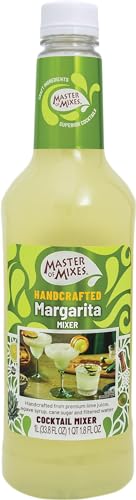
Master of Mixes Margarita Mix
Badge: Best Premium Pick
Strengths
- Full liter format is practical for regular home use
- Classic profile that behaves predictably in standard ratios
- Easy to find a consistent baseline for house drinks
Trade-offs
- Classic profile is less distinctive than craft-style mixes
- A liter is a commitment if you only mix occasionally
- Leans to the familiar sweet-tart middle of the category
Key details from the listing
- Format: 1 liter bottle
- Style: classic margarita mix
The Master of Mixes Margarita Mix brings a dependable, classic margarita profile in a full 1 liter bottle to a a vodka and rum mix serve. In a category crowded with interchangeable bottles, its identity is clear from the first pour: this is a margarita mix that knows what it is for, and it behaves predictably across the ratios a home drinker actually uses. That predictability matters more than novelty. A mixer you can read is a mixer you can correct, lengthening it when a drink runs hot, shortening it when a glass tastes thin, and pairing it with garnishes that stay inside its flavor family.
With a vodka and rum mix specifically, the balance lands where it should. The spirit’s character stays present rather than being painted over, while the mixer supplies the structure, the acid, the spice or the bitterness, that the spirit cannot supply itself. Served very cold over a full glass of ice, it holds its line from the first sip to the last, which is where lesser mixes fade into sweetness or water. It also forgives the two most common home mistakes, a slightly generous spirit pour and ice that has been sitting out, better than most of the pool, because its core flavor is concentrated enough to survive real-world conditions.
Where it earns its badge is consistency of use case. This is the pick to reach for when best premium pick is the honest description of the job: it does that job without demanding special equipment, fresh ingredients you do not have, or a ratio so precise that a guest cannot reproduce it. If you are comparing it with the pick above or below it in this guide, the difference is rarely quality in the abstract; it is the shape of the drink you want, drier or richer, quieter or bolder, single serve or built for a group.
The honest limitation is the mirror of its strength. A margarita mix with a clear identity cannot be all things: push it outside its flavor family, serve it warm, or stretch it across a very long evening in an opened bottle, and it will show the seams. None of that disqualifies it. It simply means the pick rewards being used as intended, cold, fresh and at a sensible ratio, and it is priced in effort rather than money: a few seconds of attention at the pour.
Best for: drinkers who want a reliable margarita mix for a vodka and rum mix / Not suited for: drinkers whose tastes run entirely outside the margarita mix family, or who need a format this pick does not offer.

Fever-Tree Tonic Water Cans
Badge: Best for a Crowd
Strengths
- Real quinine gives an authentic bitter backbone
- Single-serve cans stay fizzy and portion cleanly
- Citrus lift brightens delicate spirits without covering them
Trade-offs
- Cans are single-serve, so heavy use creates more packaging
- Quinine bitterness is an acquired taste for some drinkers
- Premium positioning within the tonic category
Key details from the listing
- Format: 24 pack of 5.1 fl oz cans
- Made with real quinine
- Profile notes: subtle citrus and fruit, balanced by quinine bitterness
The Fever-Tree Tonic Water Cans brings a crisp tonic built on real quinine, with subtle citrus and fruit notes over a clean bitter finish to a a vodka and rum mix serve. In a category crowded with interchangeable bottles, its identity is clear from the first pour: this is a tonic water that knows what it is for, and it behaves predictably across the ratios a home drinker actually uses. That predictability matters more than novelty. A mixer you can read is a mixer you can correct, lengthening it when a drink runs hot, shortening it when a glass tastes thin, and pairing it with garnishes that stay inside its flavor family.
With a vodka and rum mix specifically, the balance lands where it should. The spirit’s character stays present rather than being painted over, while the mixer supplies the structure, the acid, the spice or the bitterness, that the spirit cannot supply itself. Served very cold over a full glass of ice, it holds its line from the first sip to the last, which is where lesser mixes fade into sweetness or water. It also forgives the two most common home mistakes, a slightly generous spirit pour and ice that has been sitting out, better than most of the pool, because its core flavor is concentrated enough to survive real-world conditions.
Where it earns its badge is consistency of use case. This is the pick to reach for when best for a crowd is the honest description of the job: it does that job without demanding special equipment, fresh ingredients you do not have, or a ratio so precise that a guest cannot reproduce it. If you are comparing it with the pick above or below it in this guide, the difference is rarely quality in the abstract; it is the shape of the drink you want, drier or richer, quieter or bolder, single serve or built for a group.
The honest limitation is the mirror of its strength. A tonic water with a clear identity cannot be all things: push it outside its flavor family, serve it warm, or stretch it across a very long evening in an opened bottle, and it will show the seams. None of that disqualifies it. It simply means the pick rewards being used as intended, cold, fresh and at a sensible ratio, and it is priced in effort rather than money: a few seconds of attention at the pour.
Best for: drinkers who want a reliable tonic water for a vodka and rum mix / Not suited for: drinkers whose tastes run entirely outside the tonic water family, or who need a format this pick does not offer.

Fever-Tree Tonic Water Bottles
Badge: Best Budget-Friendly Pick
Strengths
- Real quinine and a dry, balanced profile
- Bottle format pours well for measured highballs
- Lets a delicate spirit stay in front instead of masking it
Trade-offs
- Glass bottles are heavier to store and carry
- Dry, bitter style may feel austere to sweet-drink fans
- Premium positioning within the tonic category
Key details from the listing
- Format: 24 pack of 6.8 fl oz bottles
- Made with real quinine
- Profile notes: subtle citrus and fruit, balanced by quinine bitterness
The Fever-Tree Tonic Water Bottles brings a refined tonic built on real quinine, with gentle citrus and fruit notes and a dry, bitter balance to a a vodka and rum mix serve. In a category crowded with interchangeable bottles, its identity is clear from the first pour: this is a tonic water that knows what it is for, and it behaves predictably across the ratios a home drinker actually uses. That predictability matters more than novelty. A mixer you can read is a mixer you can correct, lengthening it when a drink runs hot, shortening it when a glass tastes thin, and pairing it with garnishes that stay inside its flavor family.
With a vodka and rum mix specifically, the balance lands where it should. The spirit’s character stays present rather than being painted over, while the mixer supplies the structure, the acid, the spice or the bitterness, that the spirit cannot supply itself. Served very cold over a full glass of ice, it holds its line from the first sip to the last, which is where lesser mixes fade into sweetness or water. It also forgives the two most common home mistakes, a slightly generous spirit pour and ice that has been sitting out, better than most of the pool, because its core flavor is concentrated enough to survive real-world conditions.
Where it earns its badge is consistency of use case. This is the pick to reach for when best budget-friendly pick is the honest description of the job: it does that job without demanding special equipment, fresh ingredients you do not have, or a ratio so precise that a guest cannot reproduce it. If you are comparing it with the pick above or below it in this guide, the difference is rarely quality in the abstract; it is the shape of the drink you want, drier or richer, quieter or bolder, single serve or built for a group.
The honest limitation is the mirror of its strength. A tonic water with a clear identity cannot be all things: push it outside its flavor family, serve it warm, or stretch it across a very long evening in an opened bottle, and it will show the seams. None of that disqualifies it. It simply means the pick rewards being used as intended, cold, fresh and at a sensible ratio, and it is priced in effort rather than money: a few seconds of attention at the pour.
Best for: drinkers who want a reliable tonic water for a vodka and rum mix / Not suited for: drinkers whose tastes run entirely outside the tonic water family, or who need a format this pick does not offer.
Comparison Table
| Pick | Style | Sweetness direction | Format | Check |
|---|---|---|---|---|
| Daily’s Margarita Mix | margarita mix | Sweet-tart, lime-led | 64 oz bottle | Check on Amazon |
| Zing Zang Original Margarita Mix | margarita mix | Sweet-tart, lime-led | 32 fl oz plastic bottle | Check on Amazon |
| Zing Zang Strawberry Margarita-Daiquiri Mix | fruit margarita mix | Fruit-sweet, tart finish | 32 fl oz bottle | Check on Amazon |
| Master of Mixes Margarita Mix | margarita mix | Sweet-tart, lime-led | 1 liter bottle | Check on Amazon |
| Fever-Tree Tonic Water Cans | tonic water | Dry, bitter-led | 24 pack of 5.1 fl oz cans | Check on Amazon |
| Fever-Tree Tonic Water Bottles | tonic water | Dry, bitter-led | 24 pack of 6.8 fl oz bottles | Check on Amazon |
Read the table by direction rather than by rank. A dry, bitter-led pick and a sweet-tart pick are not better or worse than each other; they build different drinks, and the right column for you is the one that matches the glass you actually want to hold. Format deserves the same honest look: the best-tasting option in the wrong format for your household will be wasted, while a slightly simpler flavor in the right format gets used, enjoyed and bought again.
How to Choose the Right Mixer: best mixers for vodka and rum mix as a Buying Decision
Choosing well starts with the spirit, not the shelf. A vodka and rum mix, the combined-spirit serve where both bottles land in the same glass defines what a mixer must supply, and every factor below is a version of that single question. Work through them in order: flavor direction first, because it decides whether you like the drink at all; then sweetness management, because it decides whether you like the third drink as much as the first; then format, because it decides whether the bottle gets finished; then versatility, because a home shelf is small and every bottle should earn its place twice.
Flavor direction. Decide the headline of your drink before you shop. Citrus-led mixes give brightness and a familiar cocktail shape. Ginger gives warmth and spice with a savory edge. Tonic gives bitterness and dryness, the most adult register and the one that flatters delicate spirits. Fruit flavors give generosity and approachability, at the cost of sweetness that must be managed. None of these is the correct answer for everyone, but each pick in this guide has a clear direction, and matching direction to taste is the single highest-value decision in the whole purchase.
Sweetness management. Sweetness is where home mixing most often goes wrong, because it accumulates: a sweet spirit, a sweet mix and a sweet garnish in one glass is a dessert whether you meant it or not. Audit your whole serve, not just the mixer. If your spirit is sweet, lean tart, skinny or bitter with the mixer. If your spirit is dry or neutral, you have room for a richer mix. Remember dilution’s role too: a properly iced, properly diluted drink tastes less sweet than the same ingredients warm and short, which is why this guide repeats its ice advice without apology.
Format and freshness. Buy the format your household will actually finish while it tastes its best. Single-serve cans protect carbonation and portion control, and they suit one-or-two-drink households. Liter and large bottles suit regular mixers and groups, and they batch beautifully. Multi-packs suit households that entertain in bursts. The false economy is the giant bottle bought for a crowd that comes twice a year, fading in the fridge between visits. Match format to your real calendar, not your aspirational one, and the quality of every drink you pour goes up without spending anything extra on ingredients.
Versatility and the small shelf. A home bar shelf is finite, so prefer mixers that work in at least two serves: a spirit serve and a mocktail, or two different spirits. The guides around this one, including Best Mixers For Vanilla Vodka and Best Mixers For Vodka College, map the neighboring shelves, and the overlap is deliberate: ginger ale, tonic and lime mixes recur across them because they are the hardest-working bottles in home mixing. Buy depth in those three families and novelty in small quantities, and your shelf stays both compact and capable.
How to Build a Vodka and Rum Mix That Tastes Deliberate
Technique is the cheapest upgrade in mixing. The steps below assume no special equipment beyond a measure, ice and a glass, and they are written for the serves this guide recommends. Follow them in order the first few times; after that they become habit, and habit is what separates a reliably good home drink from an occasionally lucky one.
- Choose one headline mixer, lime or fruit, and chill it along with both spirits and your glasses.
- Fill a highball or punch glass completely with ice to protect the drink from fast dilution.
- Pour half a measure of vodka and half a measure of rum over the ice.
- Top with the mixer at your usual long-drink ratio, adding tonic or soda last if you are using one.
- Stir briefly, garnish to match the mixer’s flavor, and taste before serving anyone else.
- Adjust the second glass: more mixer if the spirits read separately, less if the mixer is shouting.
Troubleshooting.
Problem: The two spirits taste separate → what to do: the mixer lacks a headline flavor; move to a bolder lime or fruit mix and stir over full ice.
Problem: Drink tastes heavy and sweet → what to do: the rum style plus a sweet mix is too much; add tonic or switch to a tart, skinny lime mix.
Problem: Punch bowl goes flat → what to do: fizzy elements were batched too early; keep them out and top each glass at serving time.
Cleaning and care are part of the craft too. Rinse measures and shakers promptly, because dried citrus and sugar films taint the next drink; wash glassware in hot water and let it air-dry or polish it, since detergent residue kills carbonation; and wipe bottle threads and caps before resealing, so opened mixes stay fresh and pour cleanly. None of this is glamorous, and all of it is visible in the glass.
Why Combined-Spirit Drinks Need a Strong Mixer Identity
A vodka and rum mix has no single base flavor to build on, so the mixer has to supply the drink’s identity almost entirely. That is why fruit-forward and lime-forward mixes dominate this guide: they give the glass a headline flavor, and the two spirits fill in body and warmth behind it. Delicate mixers get lost, and very dry mixers can leave the drink tasting thin in the middle despite the double pour. Carbonation helps more than most people expect, because sparkle lifts a heavier serve and keeps a punch-style drink refreshing across a full glass. If you usually keep the spirits separate, our guide to Best Mixers For Vodka And Rum covers the one-shelf-two-bottles approach instead.
Ratios for Two Spirits in One Glass
The safest starting point is to split the spirit measure rather than doubling it: half vodka and half rum in place of a single full pour, with the mixer at your usual long-drink ratio. From there, tune by rum style. White rum keeps the drink clean and lets fruit mixes shine; gold rum adds caramel weight that suits strawberry and tropical profiles; spiced rum pushes sweetness up, so lean toward lime and tonic. Combined serves dilute faster in a punch bowl, so build them slightly stronger in flavor, keep them very cold, and add the fizzy element at serving time rather than in the batch. Taste the first glass critically: if you can pick out two separate spirits, the mixer is too quiet; if all you taste is mixer, shorten it.
Going Deeper: Technique and Judgment for Better Mixed Drinks
Reading a Mixer Label Like a Buyer, Not a Fan
Labels reward a skeptical read. The useful information is the ingredient order, the sweetener named, the presence of real juice or real quinine, and the format and volume, because those determine how the mixer will actually behave in your glass. Marketing words such as premium, craft and natural carry no standard meaning in this category, so let them count for nothing until the ingredient list backs them up. Check whether a product is a concentrate or ready to pour, since that changes both ratios and value. Note the serving size the nutrition panel uses before drawing conclusions from it. A buyer who reads labels this way will predict most of what this guide found, pick by pick, and will rarely be surprised by a bottle twice.
Serving Guests With Different Tastes From One Shelf
The secret to hosting from a small mixer shelf is range at the extremes rather than depth in the middle. Keep one genuinely dry option, one genuinely sweet option and one flexible middle option, and most palates in a room can be served well. Pour the first round to order, learn who leans which way, and batch the second round toward the room’s center of gravity. Always keep a spirit-free version of at least one serve available and labeled; the same mixes make credible mocktails, and guests who are not drinking still want a drink that tastes considered. Finally, put the garnishes out and let people finish their own glasses. Small acts of customization make a three-mixer shelf feel like a full bar.
Sweetness, Acidity and Bitterness: The Triangle Every Mixer Sits In
Every mixer in this guide can be located on a triangle of sweetness, acidity and bitterness, and every good serve balances the three against the spirit. Sweetness without acid cloys; acid without sweetness turns harsh; bitterness gives both a frame and keeps a drink tasting adult and refreshing. When a serve disappoints, diagnose it on the triangle before changing products: too sweet usually needs acid or dilution, too sharp needs a touch more mixer or a richer pick, too flat often needs bitterness or salt. This is also why a small, varied shelf beats a large, similar one. One sweet pick, one tart pick and one bitter pick can correct almost any drink, while six sweet picks can only make one kind of drink louder.
Common Buying Mistakes
- Doubling the spirit pour instead of splitting it, which makes a harsh, unbalanced glass.
- Choosing a delicate mixer that disappears and leaves two spirits tasting separate and confused.
- Adding fizzy mixers to a batch hours early so the whole bowl goes flat.
- Using spiced rum with a sweet fruit mix and overshooting into a cloying drink.
- Skipping ice discipline; combined serves need to stay very cold to taste integrated.
Most of these mistakes share a root: buying for an imagined bar instead of the real one. The fix is equally shared. Be honest about how often you mix, how many people you serve, and which direction your palate actually leans, then let the picks and formats in this guide map onto that reality. A small shelf bought honestly outperforms a large shelf bought aspirationally every single weekend.
Final Recommendation
Start with the Daily’s Margarita Mix. It earned the Best Overall badge because it does the central job for a vodka and rum mix with the fewest conditions attached: clear flavor identity, honest ingredients as listed, and a format that suits ordinary home use. Check on Amazon to see it in its current listing. If your taste runs in a different direction, the guide’s structure is your shortcut: choose the Zing Zang Original Margarita Mix (Check on Amazon) when its badge matches your drinking, and work outward from there. What matters is not owning the most mixers but owning the right two or three, kept fresh, served cold and poured at ratios you have tuned to your own palate.
Frequently Asked Questions
Do vodka and rum actually taste good together?
Yes, when a flavorful mixer gives the drink one clear direction. The vodka adds clean body and the rum adds warmth and sweetness, while the mixer supplies the headline flavor.
What ratio of vodka to rum should I use?
Start with equal parts, splitting your normal spirit measure between the two. Adjust toward rum for a richer drink or toward vodka for a cleaner one.
Which mixer style suits a combined pour best?
Bold lime and fruit mixes anchor the glass most reliably, and tonic adds useful bitterness and sparkle. Very delicate mixers tend to disappear.
Can I batch a vodka and rum mix for a party?
Yes. Batch the spirits and still mixers cold, keep the bowl over ice, and add anything fizzy glass by glass so the sparkle survives the evening.
Does the type of rum matter in a mixed-spirit drink?
It does. White rum keeps things clean, gold rum adds caramel depth, and spiced rum raises sweetness, which calls for a tarter mixer to balance.
Is a vodka and rum mix stronger than a normal drink?
Only if you double the spirit instead of splitting it. Splitting the measure keeps the drink in normal long-drink territory while changing its flavor.
Still deciding between neighboring shelves? The closest companion reads are Best Mixers For Vodka Freddit and Best Mixers For Vodka Reddit, which apply the same verified-pool method to the mixers on either side of this one.


