Disclosure: topratedkitchenware.com is reader-supported. When you buy through links on our site, we may earn an affiliate commission from Amazon and other retailers, at no extra cost to you.
Where to buy
If you want the short version of the best mixers to have on hand shortlist, these are the six options this guide covers for a general home bar, with the linked picks ready to check on Amazon and any prose-only pick clearly marked so you know exactly what you are choosing between. Read the full guide ↓ for the reasoning, the ratios and the honest limits of each bottle.
- Agalima Organic Margarita Drink Mix — Check on Amazon
- Daily’s Margarita Mix — Check on Amazon
- Zing Zang Original Margarita Cocktail Mix — Check on Amazon
- Zing Zang Strawberry Margarita-Daiquiri Mix — Check on Amazon
- Master of Mixes Margarita Mix — Check on Amazon
- Fever-Tree Tonic Water Cans — Check on Amazon
Finding the best mixers to have on hand is really a question about balance, because whatever the evening brings, because a staple mixer must cover vodka, gin, tequila, whiskey and the guest who wants no alcohol at all. The wrong bottle buries that character under sugar or clashes with it outright, while the right one makes the drink taste like a decision instead of an accident. This guide compares six verified options on flavour, format and the specific job each one does in the glass, so you can buy one bottle with confidence instead of three with regrets.
A mixer earns staple status by solving evenings you did not plan. Somebody brings tequila, somebody else wants a gin and tonic, a third guest is not drinking and still wants a proper glass of something. The shelf that handles all three is small: a real lime mix, a tonic, one fruit option, and formats that keep between uses. This guide judges every pick as a staple, which means shelf life once open, versatility across spirits, and how gracefully it handles both a Tuesday solo drink and a Saturday group, matter as much as peak flavour.
Three serves anchor everything that follows: a margarita for the tequila drinker, a tonic highball for the gin drinker, and a lime or fruit serve for everyone else. If a mix cannot handle at least one of those jobs well, it does not matter how famous its label is. Readers comparing neighbouring shelves may also find Best Mixers For Svedka useful once this guide has given them the basic framework.
Key Takeaways
- Balance beats brand: for a general home bar, contrast — fizz, acid or bitterness — matters more than sweetness.
- Start with the top pick, Agalima Organic Margarita Drink Mix (Best Overall), unless your serve points elsewhere.
- Format is flavour: cans and small bottles protect fizz and portioning, big bottles suit crowds.
- Serve everything cold over fresh ice; temperature fixes more drinks than any garnish.
- Every pick here is linked, because every bottle genuinely does at least one job for this spirit.
- Taste the first drink and adjust the ratio before scaling anything up for guests.
In this guide
Quick Picks
Six options, six different strengths. The badge beside each pick is used consistently through the detailed reviews, so you can jump straight to the bottle that matches your serve.
| Pick | Badge | Best job | Check |
|---|---|---|---|
| Agalima Organic Margarita Drink Mix | Best Overall | an organic, all-natural margarita drink mix in an individually boxed glass bottle | Check on Amazon |
| Daily’s Margarita Mix | Best for Classic Serves | a big-format classic margarita mix built for batches | Check on Amazon |
| Zing Zang Original Margarita Cocktail Mix | Best Fruity Option | an original lime margarita mix made with real fruit juice and no high fructose corn syrup | Check on Amazon |
| Zing Zang Strawberry Margarita-Daiquiri Mix | Best Lighter Option | a strawberry margarita and daiquiri mix made with real fruit juices | Check on Amazon |
| Master of Mixes Margarita Mix | Best for a Crowd | a straightforward single-bottle classic margarita mix | Check on Amazon |
| Fever-Tree Tonic Water Cans | Best Simple Staple | a canned tonic water with real quinine and a citrus-fruit balance | Check on Amazon |
How These Picks Were Chosen
This is a research-led guide, not a laboratory test, and it does not pretend otherwise. Each option was verified against the maker’s own listing information, its format, ingredients positioning and stated use, and then judged against the serves that matter for a general home bar. Picks were compared on five things: how their flavour profile interacts with the spirit, how much sweetness they bring, whether the format suits the way the drink is actually served, how versatile they are beyond a single recipe, and how honestly they can be recommended, including where each one falls short.
That last test is why this guide marks prose-only picks instead of linking everything in reach. A bottle can be a good product and a wrong recommendation for a specific keyword at the same time, and pretending otherwise helps nobody. Where a pick is prose-only, its review still covers it fully, because the information is useful, it simply does not earn a buying link for this particular job. Readers who want the neighbouring comparison can start with Best Mixers For Svedka Vodka after this one.
One more note on method: ratios in this guide are starting points, not commandments. Bottled mixes vary in concentration between brands and sometimes between batches, spirits vary in proof and style, and ice varies in size and dilution. The first drink from any new bottle is a calibration drink. Pour it, taste it, adjust it, and only then commit to a pitcher or a party plan.
The 6 Best Options Behind best mixers to have on hand

Agalima Organic Margarita Drink Mix
Badge: Best Overall
Agalima Organic Margarita Drink Mix is an organic, all-natural margarita drink mix in an individually boxed glass bottle. In a line-up built for a general home bar, its role is easy to state: The premium sour staple, a clean organic lime mix for the household that makes margaritas and lime serves regularly.
What defines it in the glass is restraint or generosity, depending on the bottle, and this one leans on its stated profile rather than novelty. The premium sour staple, a clean organic lime mix for the household that makes margaritas and lime serves regularly. Poured at a sensible ratio, it gives a margarita for the tequila drinker a clear identity, and it holds that identity as the ice melts, which is where weaker mixes fall apart into sweetness and water. The finish matters too: a good mixer leaves the spirit’s own character as the last thing you taste, and this one manages that better than most of its shelf-mates when it is served cold and measured rather than free-poured.
Strengths
- Organic, all-natural positioning for label-conscious buyers
- Clean lime profile that reads close to a scratch mix
- Boxed glass bottle presents well as a gift
Trade-offs
- Glass is fragile for travel, boats and crowded parties
- Single bottle, single flavour
- Premium positioning within this line-up
At a glance: 1 liter glass bottle (18 fl oz noted in the listing); Organic and all natural positioning; Individually boxed.
Who should buy it: the drinker whose default serve matches its badge, Best Overall, and who wants a bottle that does one job properly rather than five jobs vaguely. Who should skip it: anyone whose serve is the opposite of that job, or who already owns a bottle filling the same role, because mixer shelves fill up with near-duplicates faster than any other kind. One honest limitation, stated plainly: no bottled mix gives you the brightness of ingredients prepared fresh to order, and this one is no exception, what it gives you instead is consistency, speed and a flavour you can reproduce exactly on a Friday three weeks from now.
Best for: drinkers who want best overall performance for a general home bar / Not suited for: drinkers whose serve needs the opposite profile, or who will not finish the format before it fades

Daily’s Margarita Mix
Badge: Best for Classic Serves
Daily’s Margarita Mix is a big-format classic margarita mix built for batches. In a line-up built for a general home bar, its role is easy to state: The party staple: when the guest list grows, this is the bottle that means you do not run out mid-evening.
What defines it in the glass is restraint or generosity, depending on the bottle, and this one leans on its stated profile rather than novelty. The party staple: when the guest list grows, this is the bottle that means you do not run out mid-evening. Poured at a sensible ratio, it gives a margarita for the tequila drinker a clear identity, and it holds that identity as the ice melts, which is where weaker mixes fall apart into sweetness and water. The finish matters too: a good mixer leaves the spirit’s own character as the last thing you taste, and this one manages that better than most of its shelf-mates when it is served cold and measured rather than free-poured.
Strengths
- Largest format here, made for pitchers and parties
- Simple classic lime profile that crowds recognise
- One bottle covers many serves
Trade-offs
- A big opened bottle needs fridge space and steady use
- Profile is classic rather than craft-led
- Too much volume for a quiet two-drink evening
At a glance: 64 oz bottle.
Who should buy it: the drinker whose default serve matches its badge, Best for Classic Serves, and who wants a bottle that does one job properly rather than five jobs vaguely. Who should skip it: anyone whose serve is the opposite of that job, or who already owns a bottle filling the same role, because mixer shelves fill up with near-duplicates faster than any other kind. One honest limitation, stated plainly: no bottled mix gives you the brightness of ingredients prepared fresh to order, and this one is no exception, what it gives you instead is consistency, speed and a flavour you can reproduce exactly on a Friday three weeks from now.
Best for: drinkers who want best for classic serves performance for a general home bar / Not suited for: drinkers whose serve needs the opposite profile, or who will not finish the format before it fades

Zing Zang Original Margarita Cocktail Mix
Badge: Best Fruity Option
Zing Zang Original Margarita Cocktail Mix is an original lime margarita mix made with real fruit juice and no high fructose corn syrup. In a line-up built for a general home bar, its role is easy to state: A fuller-bodied lime staple with real fruit juice, for households that like their house margarita generous in flavour.
What defines it in the glass is restraint or generosity, depending on the bottle, and this one leans on its stated profile rather than novelty. A fuller-bodied lime staple with real fruit juice, for households that like their house margarita generous in flavour. Poured at a sensible ratio, it gives a margarita for the tequila drinker a clear identity, and it holds that identity as the ice melts, which is where weaker mixes fall apart into sweetness and water. The finish matters too: a good mixer leaves the spirit’s own character as the last thing you taste, and this one manages that better than most of its shelf-mates when it is served cold and measured rather than free-poured.
Strengths
- Real fruit juice gives a fuller lime body
- No high fructose corn syrup for label readers
- Plastic bottle travels and stores easily
Trade-offs
- Fuller body reads sweeter than the skinny options
- One flavour in the bottle
- 32 ounces disappears fast with a group
At a glance: 32 fl oz plastic bottle; Real fruit juice; No high fructose corn syrup; Made in USA.
Who should buy it: the drinker whose default serve matches its badge, Best Fruity Option, and who wants a bottle that does one job properly rather than five jobs vaguely. Who should skip it: anyone whose serve is the opposite of that job, or who already owns a bottle filling the same role, because mixer shelves fill up with near-duplicates faster than any other kind. One honest limitation, stated plainly: no bottled mix gives you the brightness of ingredients prepared fresh to order, and this one is no exception, what it gives you instead is consistency, speed and a flavour you can reproduce exactly on a Friday three weeks from now.
Best for: drinkers who want best fruity option performance for a general home bar / Not suited for: drinkers whose serve needs the opposite profile, or who will not finish the format before it fades

Zing Zang Strawberry Margarita-Daiquiri Mix
Badge: Best Lighter Option
Zing Zang Strawberry Margarita-Daiquiri Mix is a strawberry margarita and daiquiri mix made with real fruit juices. In a line-up built for a general home bar, its role is easy to state: The fruit role in the staple shelf, covering strawberry serves, daiquiri styles and the easiest mocktails.
What defines it in the glass is restraint or generosity, depending on the bottle, and this one leans on its stated profile rather than novelty. The fruit role in the staple shelf, covering strawberry serves, daiquiri styles and the easiest mocktails. Poured at a sensible ratio, it gives a margarita for the tequila drinker a clear identity, and it holds that identity as the ice melts, which is where weaker mixes fall apart into sweetness and water. The finish matters too: a good mixer leaves the spirit’s own character as the last thing you taste, and this one manages that better than most of its shelf-mates when it is served cold and measured rather than free-poured.
Strengths
- Strawberry fruit profile is an instant crowd pleaser
- Works across margarita and daiquiri style serves
- Real fruit juices rather than a purely synthetic flavour
Trade-offs
- Berry sweetness dominates delicate spirits
- Single flavour commitment
- Not a fit for drinkers who want a dry, lime-only profile
At a glance: 32 fl oz; Pack of 1; Real fruit juices; Made in USA; Non-alcoholic cocktail mixer.
Who should buy it: the drinker whose default serve matches its badge, Best Lighter Option, and who wants a bottle that does one job properly rather than five jobs vaguely. Who should skip it: anyone whose serve is the opposite of that job, or who already owns a bottle filling the same role, because mixer shelves fill up with near-duplicates faster than any other kind. One honest limitation, stated plainly: no bottled mix gives you the brightness of ingredients prepared fresh to order, and this one is no exception, what it gives you instead is consistency, speed and a flavour you can reproduce exactly on a Friday three weeks from now.
Best for: drinkers who want best lighter option performance for a general home bar / Not suited for: drinkers whose serve needs the opposite profile, or who will not finish the format before it fades
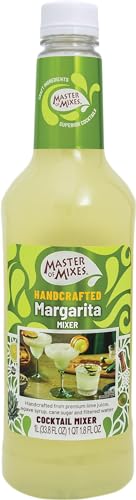
Master of Mixes Margarita Mix
Badge: Best for a Crowd
Master of Mixes Margarita Mix is a straightforward single-bottle classic margarita mix. In a line-up built for a general home bar, its role is easy to state: The simple classic: one liter of familiar lime mix that quietly covers the sour role without fuss.
What defines it in the glass is restraint or generosity, depending on the bottle, and this one leans on its stated profile rather than novelty. The simple classic: one liter of familiar lime mix that quietly covers the sour role without fuss. Poured at a sensible ratio, it gives a margarita for the tequila drinker a clear identity, and it holds that identity as the ice melts, which is where weaker mixes fall apart into sweetness and water. The finish matters too: a good mixer leaves the spirit’s own character as the last thing you taste, and this one manages that better than most of its shelf-mates when it is served cold and measured rather than free-poured.
Strengths
- Simple, familiar classic lime profile
- One liter is a manageable household size
- Pour-ready convenience
Trade-offs
- Least distinctive option in this line-up
- Single flavour only
- Profile leans crowd-pleasing rather than nuanced
At a glance: 1 liter bottle.
Who should buy it: the drinker whose default serve matches its badge, Best for a Crowd, and who wants a bottle that does one job properly rather than five jobs vaguely. Who should skip it: anyone whose serve is the opposite of that job, or who already owns a bottle filling the same role, because mixer shelves fill up with near-duplicates faster than any other kind. One honest limitation, stated plainly: no bottled mix gives you the brightness of ingredients prepared fresh to order, and this one is no exception, what it gives you instead is consistency, speed and a flavour you can reproduce exactly on a Friday three weeks from now.
Best for: drinkers who want best for a crowd performance for a general home bar / Not suited for: drinkers whose serve needs the opposite profile, or who will not finish the format before it fades

Fever-Tree Tonic Water Cans
Badge: Best Simple Staple
Fever-Tree Tonic Water Cans is a canned tonic water with real quinine and a citrus-fruit balance. In a line-up built for a general home bar, its role is easy to state: The bitter-fizz staple in cans, portioned for gin and vodka tonics and immune to the half-open bottle problem.
What defines it in the glass is restraint or generosity, depending on the bottle, and this one leans on its stated profile rather than novelty. The bitter-fizz staple in cans, portioned for gin and vodka tonics and immune to the half-open bottle problem. Poured at a sensible ratio, it gives a margarita for the tequila drinker a clear identity, and it holds that identity as the ice melts, which is where weaker mixes fall apart into sweetness and water. The finish matters too: a good mixer leaves the spirit’s own character as the last thing you taste, and this one manages that better than most of its shelf-mates when it is served cold and measured rather than free-poured.
Strengths
- Cans chill fast and travel well
- Single-serve size matches one highball neatly
- Quinine bitterness is clean rather than medicinal
Trade-offs
- Small cans can feel short for a tall glass
- Case quantity is a lot for occasional drinkers
- Cans cannot be resealed once opened
At a glance: 5.1 fl oz cans; 24 pack; Made with real quinine.
Who should buy it: the drinker whose default serve matches its badge, Best Simple Staple, and who wants a bottle that does one job properly rather than five jobs vaguely. Who should skip it: anyone whose serve is the opposite of that job, or who already owns a bottle filling the same role, because mixer shelves fill up with near-duplicates faster than any other kind. One honest limitation, stated plainly: no bottled mix gives you the brightness of ingredients prepared fresh to order, and this one is no exception, what it gives you instead is consistency, speed and a flavour you can reproduce exactly on a Friday three weeks from now.
Best for: drinkers who want best simple staple performance for a general home bar / Not suited for: drinkers whose serve needs the opposite profile, or who will not finish the format before it fades
Comparison Table
| Pick | Badge | Profile | Format from the listing |
|---|---|---|---|
| Agalima Organic Margarita Drink Mix | Best Overall | an organic, all-natural margarita drink mix in an individually boxed glass bottle | 1 liter glass bottle (18 fl oz noted in the listing); Organic and all natural positioning; Individually boxed |
| Daily’s Margarita Mix | Best for Classic Serves | a big-format classic margarita mix built for batches | 64 oz bottle |
| Zing Zang Original Margarita Cocktail Mix | Best Fruity Option | an original lime margarita mix made with real fruit juice and no high fructose corn syrup | 32 fl oz plastic bottle; Real fruit juice; No high fructose corn syrup; Made in USA |
| Zing Zang Strawberry Margarita-Daiquiri Mix | Best Lighter Option | a strawberry margarita and daiquiri mix made with real fruit juices | 32 fl oz; Pack of 1; Real fruit juices; Made in USA; Non-alcoholic cocktail mixer |
| Master of Mixes Margarita Mix | Best for a Crowd | a straightforward single-bottle classic margarita mix | 1 liter bottle |
| Fever-Tree Tonic Water Cans | Best Simple Staple | a canned tonic water with real quinine and a citrus-fruit balance | 5.1 fl oz cans; 24 pack; Made with real quinine |
Read the table as a map, not a ranking. The right column for you is the one whose format matches your household: a case of cans and a single liter bottle can contain equally good mixing and serve completely different lives. If two rows look interchangeable, they usually are for your serve, and the tie-breaker is simply which format you will actually finish. Shoppers cross-shopping the wider shelf will find Best Mixers For Tennessee Honey a useful companion read.
How to Choose a Mixer for a general home bar
Start with the serve, not the shelf. Write down the one drink you will actually make most often, then buy the mixer that does that job best, because a bottle bought for an imaginary repertoire gets opened twice and forgotten. For a general home bar, the decision usually turns on four factors. The first is sweetness: the sweeter the spirit already is, the leaner the mixer should be, and the quickest way to ruin a balanced drink is to stack a sweet mix on a sweet base. The second is acidity or bitterness, the contrast that keeps a long drink interesting to the last sip. The third is carbonation, where it applies: fizz lifts heavy flavours and punishes warm, flat pouring, so format and chilling are part of the recipe. The fourth is flavour identity: a neutral mixer frames the spirit, a flavoured one becomes a co-author, and you should choose consciously which book you are writing.
Format maths comes next. Count your realistic serves per week and buy the size you will finish while it is still bright. Single-serve cans cost more effort in storage and less in waste; big bottles reverse that trade. Households that entertain should own one crowd format and one quality format rather than two of either, because Tuesday and Saturday are different drinks wearing the same name. Finally, read labels for the few things that genuinely matter: the base ingredient the maker leads with, whether real juice or agave is claimed, the sweetening style, and any functional additions, then ignore the adjectives. A label that tells you what is inside beats a label that tells you how to feel, every time. The neighbouring guide at Best Mixers For Tequile On A Cruise applies the same framework to a closely related shelf.
Tier positioning, in plain terms: the premium end of this category buys you ingredient quality and restraint, cleaner lime, real quinine, organic positioning, less aggressive sweetness. The middle buys reliability and recognisable flavour at family sizes. The value end buys volume and simplicity for crowds. None of those tiers is a moral category. A premium bottle wasted on a drinker who wanted a big sweet party serve is a worse purchase than a humble bottle that nails the actual job, which is why this guide badges picks by job rather than by prestige.
How to Mix, Serve, and Store These Drinks Well
Good mixing with bottled mixes is mostly discipline. Work through it in order. First, chill everything you can: spirit, mix, and glassware if there is room. Second, fill whatever clean glassware fits the serve, because staples are about readiness, not ceremony with fresh ice to the top, because a half-filled glass is a warm drink waiting to happen. Third, pour the spirit, then the mixer, at the ratio your calibration drink settled on, pouring fizzy mixers gently to keep their carbonation. Fourth, stir once or twice, no more, add lime, the single most useful garnish a home bar can stock, and taste before you hand the glass to anyone. Fifth, adjust the second drink, not the first: every bottled mix reveals its real concentration only in the glass.
Storage decides how long a bottle stays worth pouring. Keep unopened mixes cool and out of direct light, refrigerate opened bottles promptly, and keep caps clean and tight, because dried sugar on a bottle neck is both a leak and an invitation to off flavours. Cans should be stored cool and used in rotation, oldest first. If a mix smells flat, looks separated in a way a shake does not fix, or has been open far beyond the maker’s guidance, retire it: a fresh bottle costs less than a ruined evening. Three problems cover most disappointments. Problem: the drink tastes too sweet → lengthen it with ice and a fizzy or sharper mixer, or shorten the mix pour next round. Problem: the drink tastes flat → everything was not cold enough, or the fizz died in an open bottle; chill harder and open fresh. Problem: the spirit vanishes entirely → the ratio has drifted; measure the spirit pour for two rounds and the balance will return. More troubleshooting in a related context lives at Best Mixers For Titos Vodka.
The Three-Bottle Logic of a Ready Home Bar
Think in roles, not brands. Role one is the sour: a lime mix that covers margaritas, vodka lime serves and whiskey sour styles. Role two is the bitter fizz: a tonic that covers gin, vodka tonics and a long list of European-style highballs. Role three is the crowd fruit: one sweeter, fruit-forward option for guests who like an easy drink and for mocktails. Every pick in this guide maps to a role, and most households only need one strong bottle per role. Doubling a role is how shelves fill with half-used bottles that all do the same job.
Rotation keeps staples honest. Date a bottle when you open it, keep opened mixes refrigerated, and plan the next gathering around what is already open rather than buying new. A staple you actually finish and replace beats a museum of special bottles, and the formats here, from single liter bottles to a big party size, let you match the bottle to your real rate of use.
Staples for the Non-Drinking Guest
A ready bar includes the guest who is not drinking, and several mixes here are explicitly mocktail friendly. The test of a staple doubles: does it make a complete drink with sparkling water, ice and a garnish, no spirit involved? Lime mixes pass easily, tonic passes with citrus, and the fruit options pass with the least effort of all. Stock one sparkling water alongside the mixers and the non-drinking guest gets a built drink, not an apology.
Presentation closes the gap. Serve the mocktail in the same glassware, with the same ice and garnish, and nobody at the table is drinking a lesser evening. That small discipline is most of what separates a genuinely stocked home bar from a cupboard of bottles.
A final practical note on glassware and ice, because it changes these drinks more than another bottle would. Ice is dilution on a timer: big, fresh cubes melt slowly and keep a drink composed, while tired freezer ice melts fast and washes flavour out. When a serve in this guide disappoints, change the ice before you change the bottle, and change the temperature before you change the recipe. Most home mixing problems are physics problems wearing a flavour costume.
Ratios deserve one more paragraph, because they are where bottled mixes are most often misjudged. A mix is a concentrate of flavour, acid and sweetness, and its maker balanced it for a stated style of serve, not for every glass in your cupboard. When you pour it longer, you are not diluting a finished drink, you are rebalancing one, and the honest way to find your ratio is a small ladder: pour one drink at the maker’s suggestion, one slightly shorter, one slightly longer, and taste them side by side while they are equally cold. Ten minutes of that experiment teaches more than a shelf of reviews, and it only ever has to be done once per bottle.
There is also a real difference between a drink built for yourself and a drink built for guests, and a good host plans for both. Your own pour can be calibrated to the edge of your taste, drier, sharper, stronger in the spirit. A guest pour should sit one step inside that edge, a little more forgiving, because you know your palate and you do not know theirs. Every pick in this guide was judged partly on that forgiveness: how a bottle behaves in the hands of someone making the drink for the second time, at a busy table, with the ice running low.
Leftovers are part of real life with bottled mixes, so plan for them instead of apologising for them. An opened lime mix becomes tomorrow’s marinade-adjacent experiment only in the loosest sense, but it reliably becomes a mocktail base, a soda-lengthened refresher, or the start of the next small gathering if you date it and keep it cold. The households that waste the least are not the ones that buy the least; they are the ones that treat an open bottle as a short project with a deadline, and invite people accordingly.
A word on water, the forgotten ingredient in every one of these serves. The water in your ice, the water in a lengthened drink, and the water you serve alongside all shape how a mixer tastes. Heavily chlorinated tap ice can flatten a delicate mix, while clean, fresh ice lets the maker’s balance show. It sounds fussy until you taste the same drink built both ways, after which it simply becomes part of how you stock a freezer.
Finally, keep notes the way you would for any recipe that matters. One line per bottle, what you poured it with, the ratio that worked, and who liked it, turns a cupboard of half-remembered experiments into a small, reliable house repertoire. That notebook, paper or phone, is worth more than a second variety pack, because it captures the only data that cannot be bought: what your household actually enjoyed, at your table, with your ice.
Presentation is the last five percent, and it is worth having. A drink served in a clean, appropriate glass, filled properly with ice and finished with a single deliberate garnish, tastes better to most people than the identical drink in a mug, because expectation is a flavour. None of that requires equipment beyond what a normal kitchen holds. It requires thirty seconds of care at the end of a process that took minutes, which is the best return on effort in this entire guide.
Budget, discussed qualitatively as it should be in a guide with no printed prices, is really a question of cost per good drink rather than cost per bottle. A bottle that produces ten drinks you love is cheaper in every way that matters than a bottle that produces twenty you tolerate. Judge the picks here by the serves you will actually finish and enjoy, and let the per-drink maths, not the shelf ticket, carry the decision.
For readers building confidence, there is a simple order of operations across your first three bottles. Start with the top pick and learn it properly, one spirit, two ratios, three occasions. Add the second bottle only when you can name the job it does that the first cannot. Add the third when guests, seasons or curiosity create a real gap. A bar built in that order stays small, current and genuinely used, which is the whole point of stocking mixers at home.
Safety and comfort belong in a mixing guide too, stated once and plainly. Measure pours when a drink is designed to taste gentle, keep water and food within reach of any gathering, and make the alcohol-free version with the same care as the alcoholic one. Hospitality is the skill underneath all the technique in this guide, and it is measured by how the table feels at the end of the evening, not by how strong the second round was.
One more habit separates good home bartenders from lucky ones: they taste before they serve, every time, even the drink they have made fifty times. Bottles change, ice changes, citrus changes, and a two-second taste is the only quality control that catches all of it. If the drink is off, the fix is almost always in this guide: colder, longer, shorter, sharper. Adjust once, taste again, and serve with confidence.
Seasonality deserves a sentence too. Citrus-led serves taste brightest in warm weather and ginger-led serves earn their keep in cold months, but a home bar built on the roles in this guide, a sour, a fizz, a fruit option, rotates across the year without new purchases. Buy for roles, pour by season, and the same shelf stays interesting in January and July alike.
On garnish, restraint is the whole skill. One garnish that echoes the mixer, citrus with lime serves, a cherry where cherry or fruit leads, an herb where a botanical tonic leads, makes a drink look finished. Three garnishes make it look decorated, which is a different and lesser thing, and they crowd the aroma the first sip depends on.
Common Buying Mistakes
The first mistake is buying for the drink you wish you made instead of the one you actually make, which fills shelves with variety packs owned by margarita-only households and single bottles owned by entertainers. The second is ignoring format: the best-tasting option in the wrong size is the wrong option, because a faded giant bottle loses to a fresh small one every single time. The third is stacking sweetness, choosing the sweetest mix for an already sweet spirit and then blaming the spirit. The fourth is serving warm and blaming the recipe; temperature is the cheapest quality upgrade in this entire category and the most commonly skipped. The fifth is treating the first pour as the verdict: every bottled mix needs one calibration drink before it is judged, and most rejected bottles were simply poured at the wrong ratio once. The sixth is forgetting the non-drinking and low-drinking guests, who are part of almost every real gathering and are served by exactly the same shelf when you plan for them, a point explored further at Best Mixers For Titos.
Final Recommendation
Buy Agalima Organic Margarita Drink Mix first. It earns the top badge, Best Overall, because it does the most common job for a general home bar with the fewest conditions attached, and it is the bottle a new buyer is least likely to regret. Check it here: Check on Amazon
Choose Daily’s Margarita Mix instead if your serve leans the other way, toward its badge job, Best for Classic Serves: Check on Amazon. And keep Zing Zang Original Margarita Cocktail Mix in mind as the third direction, Best Fruity Option, when the occasion changes: Check on Amazon.
Everything else in this guide is refinement. Get the first bottle right, serve it cold, calibrate the ratio once, and you will understand your own taste well enough that the second bottle chooses itself.
Related guides
Frequently Asked Questions
If I can only stock two mixers, which roles matter most?
A lime mix and a tonic. Together they cover margaritas, vodka and gin highballs, sour style whiskey serves and most mocktails. Add a fruit option third when you entertain guests who prefer sweeter drinks.
How long does an opened bottled mix keep?
Follow the label first. In general, opened mixes keep best refrigerated and used within the maker’s guidance, and quality fades gradually rather than all at once. Cans avoid the question entirely, which is one reason they make strong staples.
Is a variety pack a good staple or a novelty?
Both, depending on the household. For frequent entertainers it is a genuine staple, because guests choose their own flavour. For a solo drinker, six open flavors is waste waiting to happen, and a single bottle suits better.
What non-mixer items complete a staple shelf?
Ice, always more than you think, plus limes, salt for rims, and sparkling water for lengthening drinks and building mocktails. Those four items multiply the value of every bottle in this guide.
Should staples be plastic, glass or cans?
Match format to use. Cans for fizz and portion control, plastic for parties and storage, glass when the mix is a premium, scratch-style bottle you will use at home at a steady pace.
How do I stop staples expiring unused?
Buy the size your household actually finishes, date bottles when opened, and plan gatherings around open stock. A smaller bottle replaced often is a better staple than a giant bottle that ages in the fridge door.


