Disclosure: topratedkitchenware.com is reader-supported. When you buy through links on our site, we may earn an affiliate commission from Amazon and other retailers, at no extra cost to you.
Where to buy
For the best mixers with carribean rum, lime is the headline. Caribbean rum and lime were made for each other — the daiquiri is proof that has been standing for over a century. The six verified bottles below are the bottled route to that tradition: lime mixes for daiquiris and rum sours, a strawberry mix for the frozen serve, and a tonic for the long drink. Each was cross-checked against the Amazon catalog data we work from before earning its link.
- Agalima Organic Margarita Drink Mix (1 Liter Glass Bottle) — an organic, all-natural lime mix — the cleanest daiquiri base in a bottle. Check on Amazon
- Daily’s Margarita Mix (64 oz Bottle) — the half-gallon bottle for pitchers of rum sours and party daiquiris.
- Zing Zang Original Margarita Cocktail Mix (32 fl oz) — a real-juice, no-HFCS lime mix with the bite that funky rums deserve.
- Zing Zang Strawberry Margarita-Daiquiri Mix (32 fl oz) — the strawberry daiquiri, bottled — just add rum, ice, and a blender.
- Master of Mixes Margarita Mix (1 Liter Bottle) — the dependable liter workhorse for the regular daiquiri rotation.
- Fever-Tree Tonic Water Mixer (24 × 5.1 fl oz Cans) — real-quinine tonic in single-serve cans for the long, dry rum serve.
Read the full guide ↓ for the ratios, the serving styles, and the honest trade-offs behind each bottle.
The best mixers with carribean rum — spelled the way the search was typed, and meaning the rums of the Caribbean islands, from light Spanish-style blancos to funky Jamaican pots — begin with the oldest fact in rum: lime is its native partner. Rum is distilled from sugarcane, and the cane fields and the lime trees grew in the same islands; the daiquiri, the rum sour, and a dozen planter’s traditions all rest on that single pairing of cane sweetness against citrus acid. A bottled mixer that brings honest lime is therefore not a shortcut away from the tradition — it is the tradition in a convenient form, provided the lime is real and the balance is right.
This guide ranks six verified bottles for Caribbean rum specifically. Five are lime-based mixes — margarita-labeled, but a margarita mix is structurally a daiquiri mix wearing another spirit’s name: citrus, sweetener, salt’s whisper — and one is a tonic water for the long, dry direction. The ranking rewards natural lime and balance, because rum’s cane character shows artificial flavors quickly. The bolder and bigger bottles sit further down, assigned to crowds and frozen serves where their volume is the point.
One distinction runs through everything below: Caribbean rum is a family, not a flavor. A light Puerto Rican rum, a golden Barbados rum, and a high-ester Jamaican rum will each take the same mix differently, and the reviews note which style each bottle flatters. Readers working through the rum shelf systematically will find the companion guides useful — Best Mixers For White Rum for the lightest styles, Best Mixers Jamaican Rum for the funky end, and Best Mixers With Dark Rum for the aged pours.
Key Takeaways
- Lime is rum’s native partner: a margarita mix is structurally a daiquiri mix, and the best ones here are built on real, natural lime.
- Agalima’s organic mix takes the top spot — its clean, direct lime flatters every Caribbean style from blanco to golden.
- Match the mix to the rum’s weight: light rums want the balanced bottles, funky Jamaican rums can meet the tangiest mix as an equal.
- The strawberry mix plus rum plus a blender is the frozen daiquiri, the Caribbean’s other classic serve.
- Tonic builds the long, dry rum drink — underrated, and the best option here for aged rums on a hot day.
- Serve rum drinks very cold; cane sweetness turns heavy as a drink warms.
In this guide
Quick Picks
| Pick | Badge | Why it earns its place | Link |
|---|---|---|---|
| Agalima Organic Margarita Drink Mix (1 Liter Glass Bottle) | Best Overall | Organic, all-natural lime in a glass liter — the daiquiri and rum sour with nothing artificial in the frame. | Check on Amazon |
| Daily’s Margarita Mix (64 oz Bottle) | Best for a Crowd | Sixty-four ounces of classic, friendly mix — the batch bottle for a table full of rum drinkers. | Check on Amazon |
| Zing Zang Original Margarita Cocktail Mix (32 fl oz) | Best Tangy Finish | Real fruit juice, no high fructose corn syrup, assertive tang — the partner for bold Jamaican-style rums. | Check on Amazon |
| Zing Zang Strawberry Margarita-Daiquiri Mix (32 fl oz) | Best for Frozen Daiquiris | Real-fruit strawberry in a daiquiri build: the frozen serve that is half the Caribbean’s drinking heritage. | Check on Amazon |
| Master of Mixes Margarita Mix (1 Liter Bottle) | Best Everyday Value Format | Classic, predictable margarita-mix profile in the practical liter — the house daiquiri bottle. | Check on Amazon |
| Fever-Tree Tonic Water Mixer (24 × 5.1 fl oz Cans) | Best for Long Drinks | Real quinine and subtle citrus in 5.1-ounce cans — rum and tonic, the dry direction most drinkers never try. | Check on Amazon |
How These Picks Were Chosen
This is a research-led guide rather than a lab exercise: no island-hopping tasting tour is claimed. We compared verified catalog data across the mixer category — ingredient direction, sweetener system, format, and stated claims — against rum’s documented pairing structure, which is unusually well established: the daiquiri family (rum, lime, sweetener) and the long-drink family (rum lengthened with something sparkling) cover nearly all of it. Every product below was cross-checked against the Amazon Creators API catalog on 2026-11-20, and only listings whose data confirmed the profile described earned links.
Three filters set the ranking. Lime honesty came first — natural and real-juice profiles ranked above candy-citrus ones, because rum exposes the difference. Second was style range: the top bottles had to flatter more than one Caribbean style, since most rum shelves hold at least two. Third was format fit — a glass liter, a half-gallon, and a case of tonic cans are different instruments, each scored for its real job rather than a generic one.
A scope note: fresh lime will always build the more vivid daiquiri, and the how-to section shows how to correct a bottled mix toward that freshness. What the bottles offer is the daiquiri on demand — consistent, fast, and close enough that the difference becomes a weekend project rather than a weeknight obstacle.
The 6 Best Mixers with Carribean Rum, Reviewed in Detail
Each review is written for the rum drinker: which island styles the mix flatters, what it adds, and where it gets in the way. Specs come only from verified listing data.

Agalima Organic Margarita Drink Mix (1 Liter Glass Bottle)
Badge: Best Overall
Strengths
- Direct, natural lime is exactly what cane spirit asks for — the daiquiri tastes composed, not manufactured
- Moderate sweetness flatters light and golden rums without burying their cane character
- Glass bottle and liter format suit a considered rum shelf and a regular rotation
Trade-offs
- Natural recipe rewards prompt use once opened; refrigerate and finish within a few weeks
- Clean-label positioning typically sits at the category’s premium end (check the current listing)
- Classic lime only — the frozen-fruit direction needs another bottle
At a glance:
- Format: 1 liter glass bottle, individually boxed
- Headline claims: Organic, all natural (per listing)
- Sweetener direction: Natural recipe direction
- Style: Classic margarita profile — daiquiri structure
The daiquiri is the purest test of a lime mix, because there is nowhere to hide: rum, lime, sweetener, ice. Agalima passes that test better than any bottle in this roundup. Its organic, all-natural build gives a lime flavor that tastes like an ingredient, and its moderate sweetness lets the rum’s cane character — grassy in a blanco, rounded in a golden rum — stay in the foreground where it belongs. Build it at two parts rum to one part mix with a hard shake, strain it up or over fresh ice, and the drink reads as a daiquiri that happens to have come from a bottle, not as a bottled drink impersonating one.
It is also the most style-versatile pick here. Light rums get structure without weight; golden rums get a frame that shows their oak; even a moderately funky Jamaican rum behaves in it, the clean lime tidying the esters into something approachable. The constraints are the clean-label constants: refrigerate after opening, finish the liter within a few weeks, and do not expect it to do the frozen-strawberry trick. As the standing lime bottle on a Caribbean rum shelf, though, nothing else in this guide displaces it.
Best for: daiquiris and rum sours across light and golden Caribbean styles / Not suited for: frozen fruit serves or long opened storage

Daily’s Margarita Mix (64 oz Bottle)
Badge: Best for a Crowd
Strengths
- Event format: one bottle anchors a full pitcher program of rum sours
- Broad, approachable sweetness suits mixed company and stands up to pitcher dilution
- The category’s party staple — easy to find, easy to replace
Trade-offs
- Assertive sweetness will cover a light rum entirely if poured long — keep the rum pour generous
- Demands fridge space and a finishing plan once opened
- Built for friendliness at volume, not for showcasing an aged rum
At a glance:
- Format: 64 oz bottle
- Style: Classic margarita profile
- Sweetener direction: Full sweetness
- Best format use: Pitchers and batching
Rum’s social format is the pitcher, and this is the pitcher bottle: sixty-four ounces of classic mix that turns a bottle of golden rum into an evening’s worth of rum sours for a full table. At that scale the mix’s broad sweetness is correct engineering — it has to please many palates and survive an hour of melting ice, and it does both without complaint. The drink it makes is the friendly, uncomplicated rum sour of a thousand beach bars, which is a legitimate and honorable thing for a drink to be.
Batch it with the standard correction: two parts rum, one and a half parts mix, a half part of cold water to pre-pay the dilution, chilled hard and served over fresh ice. Choose a golden rum with some body for the batch — a light blanco will be sanded down to a whisper by a full-sweetness pitcher, while a Barbados or Jamaican gold holds its line. Save the aged and precious rums for the top pick’s cleaner frame. Judged on its actual job — volume, friendliness, reliability — this bottle is exactly right, which is why it recurs in the party slots of the vodka guides too, including Best Mixers For Vodka And Rum.
Best for: pitchers of rum sours for gatherings / Not suited for: framing an aged or delicate rum

Zing Zang Original Margarita Cocktail Mix (32 fl oz)
Badge: Best Tangy Finish
Strengths
- Real-juice acidity has the roundness to stand beside rum’s cane sweetness without tasting synthetic
- No high fructose corn syrup — a deliberate sweetener choice many households shop for
- Bright bite is the perfect counterweight to high-ester Jamaican funk
Trade-offs
- Assertive tang will overrun a light blanco rum; pair it with golden or funky styles
- 32 ounces is a mid-size format — neither craft-personal nor party scale
- Drinkers who like gentle sours should start with a short pour
At a glance:
- Format: 32 fl oz plastic bottle
- Headline ingredients: Real fruit juice
- Sweetener direction: No high fructose corn syrup (per listing)
- Origin note: Made in USA (per listing)
Some rums need a mixer with a spine, and this is the bottle with one. Zing Zang’s house style is bold and tangy — the brand’s reputation was built on a punchy Bloody Mary mix — and against a high-ester Jamaican rum, whose funk can flatten gentler mixes into background noise, that assertiveness becomes a genuine pairing: ester against acid, tropical ripeness against citrus bite, a drink with real argument in it. The real-juice base keeps the argument honest, tasting of fruit rather than formula, and the no-HFCS recipe direction suits households that read sweetener labels.
Match it to the right rum and pour it with respect. Golden and Jamaican styles are its partners; a light Spanish-style blanco will be spoken over, and is better served by the top two bottles. Start at two parts rum to one part mix even with a bold rum, and lengthen only if the funk is still clearly present — the goal is a drink where rum and lime are both audible, in productive disagreement. For the drinker whose rum shelf leans Jamaican, this may quietly become the first bottle they reach for, whatever its ranking here.
Best for: Jamaican and golden rums, and drinkers who like their sours bright / Not suited for: light blanco rums or gentle palates

Zing Zang Strawberry Margarita-Daiquiri Mix (32 fl oz)
Badge: Best for Frozen Daiquiris
Strengths
- The frozen strawberry daiquiri is a canonical rum serve, and this bottle is purpose-built for it
- Real fruit juices keep the berry flavor honest rather than candy-like
- Non-alcoholic base doubles as the mocktail version for the table
Trade-offs
- A flavored serve — the strawberry leads and the rum supports, so do not spend an aged rum here
- Full sweetness; serve it frozen or very cold to keep it refreshing
- One flavor, and a summery one — a seasonal bottle for most households
At a glance:
- Format: 32 fl oz bottle
- Headline ingredients: Real fruit juices, strawberry
- Sweetener direction: Full, fruit-led
- Positioning: Non-alcoholic cocktail mixer (per listing)
Half the world met rum through a frozen strawberry daiquiri, and there is no point pretending otherwise — the drink is a classic of the blender era and, made well, genuinely delicious. This bottle is the shortcut to making it well: real fruit juices rather than candy strawberry, a daiquiri structure underneath, and a balance that survives the blender’s dilution. Two ounces of a golden or light rum, two ounces of mix, a cup of ice, thirty seconds of noise — the result is the summer drink in its most reliable form, consistent in a way that fresh-fruit blending rarely is on the first attempt.
Choose the rum for the job: a light rum keeps the drink pink, bright, and fruit-forward; a golden rum adds a cane depth underneath the berry that many drinkers prefer. Either way, this is not where the aged bottle goes — the strawberry is the headline and the rum is the band, and that is the correct casting for this serve. The mix’s non-alcoholic nature is a quiet bonus: the same blender batch, minus rum, serves the whole table’s non-drinkers with the identical ritual. Every rum shelf deserves one bottle of pure summer, and this is the one.
Best for: frozen strawberry daiquiris and summer gatherings / Not suited for: showcasing an aged rum, or drinkers who dislike flavored serves
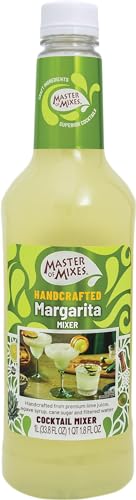
Master of Mixes Margarita Mix (1 Liter Bottle)
Badge: Best Everyday Value Format
Strengths
- Predictable classic profile — tonight’s daiquiri tastes like last Friday’s
- Liter format is the right size for a weekly rotation
- A fixture brand with steady availability and a bar-trade pedigree
Trade-offs
- Mainstream profile rather than a distinctive one; it will not flatter a special rum the way the top pick does
- Full sweetness means light rums should be poured generously against it
- Plastic liter is practical rather than handsome
At a glance:
- Format: 1 liter bottle
- Style: Classic margarita profile
- Sweetener direction: Full sweetness
- Best format use: Regular home rotation
The case for this bottle is the case for the house wine: not the most interesting drink you own, but the one that is always there, always consistent, and always good enough that the evening works. Its classic profile builds a perfectly respectable daiquiri or rum sour at the standard ratio, the liter size matches a weekly habit, and the brand’s long bar-trade presence means the bottle you replace it with next season will taste like this one. For a household that drinks rum sours the way other households drink tea, that reliability is the entire argument.
Handle it with two small disciplines. Keep the rum pour at a full two parts — this is a full-sweetness mix, and a light rum poured short will vanish into it — and add a pinch of salt to the shaker, which pulls the rum’s cane and fruit forward against the sweetness in a way that consistently surprises people. Use it as the experimentation base, too: test your rims, your frozen ratios, and your garnish ideas against the dependable bottle before spending the organic one on the trials.
Best for: the regular daiquiri and rum-sour rotation / Not suited for: occasions built around a special bottle of rum

Fever-Tree Tonic Water Mixer (24 × 5.1 fl oz Cans)
Badge: Best for Long Drinks
Strengths
- Quinine bitterness dries out rum’s cane sweetness beautifully — the longest, most refreshing serve here
- Single-serve cans guarantee full carbonation in every glass
- Aged and golden rums gain a new register in this serve: oak and spice over a bitter, sparkling base
Trade-offs
- Tonic builds only the long drink; it cannot make a daiquiri
- Quinine bitterness divides drinkers — a grown-up profile, not a universal one
- The listing pitches gin and vodka serves; the rum application is the drinker’s own well-founded move
At a glance:
- Format: 5.1 fl oz cans, 24-pack
- Headline ingredient: Real quinine
- Flavor direction: Subtle citrus and fruit notes, quinine bitterness (per listing)
- Best format use: Single long drinks
Rum and tonic is the serve this guide most wants you to try, because it reframes what rum is. Lengthened with a real-quinine tonic, a golden or aged Caribbean rum loses its dessert reputation entirely: the cane sweetness is dried by the bitterness, the oak and spice come forward, and the carbonation keeps the whole glass alert. It drinks closer to a great highball than to anything in the tiki canon, and on a hot evening it may be the best rum drink there is. Fever-Tree’s tonic — real quinine, subtle citrus, serious carbonation — is the category benchmark, and the 5.1-ounce can is sized for exactly one long drink over two ounces of rum.
Build it like a highball: tall glass, ice to the top, rum first, tonic poured slowly, one gentle stir, a lime wedge squeezed and dropped in. Aged rums are the revelation here, but an honest golden rum makes the point nearly as well. The caveat is the standing one for quinine: bitterness is a taste, and drinkers who find tonic medicinal will not be converted by rum. For everyone else, a case of these cans converts the rum shelf’s range overnight — every bottle you own gains a second, drier personality. Gin-drinking guests, as the listing notes, are covered by the same case.
Best for: long, dry serves — especially with golden and aged rums / Not suited for: daiquiris, or drinkers who dislike quinine
Comparison Table
| Pick | Style | Format | Sweetness direction | Link |
|---|---|---|---|---|
| Agalima Organic Margarita Drink Mix (1 Liter Glass Bottle) | Organic classic lime | 1 liter glass bottle | Natural, moderate | Check on Amazon |
| Daily’s Margarita Mix (64 oz Bottle) | Classic, crowd-pleasing | 64 oz bottle | Full, assertive | Check on Amazon |
| Zing Zang Original Margarita Cocktail Mix (32 fl oz) | Tangy real-juice lime | 32 fl oz bottle | Bright, no HFCS | Check on Amazon |
| Zing Zang Strawberry Margarita-Daiquiri Mix (32 fl oz) | Strawberry fruit daiquiri | 32 fl oz bottle | Full, fruit-led | Check on Amazon |
| Master of Mixes Margarita Mix (1 Liter Bottle) | Classic mainstream lime | 1 liter bottle | Full sweetness | Check on Amazon |
| Fever-Tree Tonic Water Mixer (24 × 5.1 fl oz Cans) | Tonic, sparkling | 5.1 fl oz cans × 24 | Dry, bitter-led | Check on Amazon |
How to Choose the Right Mix for Caribbean Rum
Match the mix to the island style
Caribbean rum is a map, not a flavor, and the map should drive the mixer choice. Light Spanish-style rums (Puerto Rico, Cuba’s tradition, the Dominican Republic) are clean and delicate: they want the balanced, natural bottles and a generous pour, and they are buried by assertive mixes. Golden and Barbados rums bring oak and roundness: they are the all-rounders, happy in every bottle in this guide. Jamaican rums bring the funk — high-ester, tropical, almost overripe fruit — and they are the ones that can meet a tangy mix as an equal and make a tonic highball taste profound. Agricole-style rums, grassy and vegetal, are the connoisseur’s case: the cleanest lime at the shortest pour, or nothing.
If your shelf holds one rum, buy the mix for that rum. If it holds the usual two or three, the organic liter at the top of this guide is the bottle that flatters all of them adequately and most of them very well — which is precisely why it is at the top. Specialization comes second: the tangy bottle when the Jamaican arrives, the strawberry when summer does.
Sweetness accounting for cane spirits
Rum’s sweetness is intrinsic — it is distilled sugar, and even a dry blanco carries a cane roundness that vodka and gin do not. Bottled mixes add their sugar on top of that base, so the combined drink runs sweeter than the same mix produces with tequila or vodka. The practical consequences: pour rum sours at the shorter end of the standard ratios, treat full-sweetness mixes as batch and frozen tools where dilution helps, and reach for salt — a pinch in the shaker is the rum drinker’s oldest correction, sharpening cane flavor while suppressing perceived sweetness.
Temperature is the other lever, and with rum it is not optional. Cane sweetness reads heavier as a drink warms, faster than any other spirit family’s. The daiquiri tradition of serving the drink almost painfully cold — shaken hard, strained into a cold glass, or blended to a slush — is not theater; it is sweetness management by physics. Any rum drink in this guide that disappoints should be rebuilt colder before it is rebuilt differently.
Format math for a rum shelf
A daiquiri or rum sour uses about one to one and a half ounces of mix, so the liter bottles cover roughly twenty to twenty-five drinks and the half-gallon covers a party outright. The tonic case is twenty-four single long drinks. Buy in the rhythm you drink: the liter for the rotation, the half-gallon against a date, the strawberry bottle against the season, the cans whenever, since unopened cans are patient. Opened lime mixes live in the fridge and are at their best within a few weeks — natural recipes soonest — so a two-drinks-a-month household should honestly buy smaller and more often.
One more consideration specific to rum households: rum shelves tend to grow. A mixer chosen for range — the balanced, natural profile — keeps serving each new bottle that arrives, while a narrow, aggressive mix serves one style brilliantly and the rest poorly. Buy range first, specialists second, and the shelf stays coherent as it expands.
How to Build the Daiquiri Three Ways (and Fix Each)
The shaken daiquiri, step by step
That is the reference drink of the entire rum tradition, and the bottled mix’s job is simply to make it a ninety-second weeknight event instead of a juicing project. Judge every bottle in this guide against this build first.
- Chill a coupe or rocks glass — the daiquiri’s cold is structural, not decorative.
- Add two ounces of Caribbean rum and one ounce of lime mix (one and a half for the balanced bottles if you like a longer sour) to a shaker filled with ice.
- Add a pinch of salt. This is the step that separates the memorable version from the fine one.
- Shake hard for ten seconds — longer than feels necessary; the dilution and chill are the recipe.
- Strain into the cold glass, up or over one large fresh cube.
- Taste: tart gets a bar spoon of syrup, sweet gets a squeeze of fresh lime, flat gets a colder rebuild.
The frozen and the long builds
Each build manages sweetness differently — the frozen by dilution, the long by bitterness, the batch by pre-added water — which is why the same bottle can taste cloying in one format and perfect in another. Format is a flavor decision.
- Frozen: blend two ounces of rum, two ounces of mix (the strawberry bottle for the classic serve), and a cup of ice until it pours like a slush. Serve immediately, with a straw.
- Long: fill a tall glass with ice, add two ounces of rum, top with a full can of tonic, stir once gently, and finish with a squeezed lime wedge.
- Batch sour: two parts rum, one and a half parts mix, a half part of cold water, chilled hard, served over fresh ice within the day.
Troubleshooting common problems
- Problem: the daiquiri tastes sweet and heavy → it is warm or over-mixed. Rebuild colder with a shorter mix pour and the pinch of salt.
- Problem: the rum has vanished → the mix is too assertive for that style. Move light rums to the balanced bottles and save the tangy mix for Jamaican pours.
- Problem: the frozen drink is watery → the ice was wet or the blend ran long. Use dry ice straight from the freezer and blend in short bursts.
The Daiquiri Test: Why Lime Mixes Are Really Rum Mixes
There is a labeling accident at the heart of this guide worth naming: most of these bottles say ‘margarita’ because tequila’s century was louder, but the formula inside — lime, sweetener, a saline whisper — is the daiquiri’s formula, and rum is the spirit it was born with. The margarita itself is widely understood as a tequila-side descendant of the same sour family tree. So when this guide ranks margarita mixes for rum, it is not performing a hack; it is returning the bottles to their original employment. The practical consequence is liberating: the entire margarita-mix shelf is a rum-mix shelf, and the rum drinker shopping it should read past the agave imagery to the only things that matter — lime honesty, sweetener quality, and balance.
It also explains the ranking’s shape. The bottles that win here are the ones whose lime tastes most like lime, because the daiquiri is the most exposed drink in the canon — three ingredients, no garnish theatrics, nothing to hide behind. A mix that passes the daiquiri test will build a fine rum sour, a fine rum-rita, and a fine batch; a mix that fails it will fail everywhere more slowly. When in doubt about any new bottle, the test takes ninety seconds and one honest sip.
Rum and Tonic: The Dry Direction
Rum’s public image is sweet — tiki, cola, frozen fruit — and the image is a trap for drinkers who would love the spirit in its dry register. Rum and tonic is that register’s front door. The tonic’s quinine strips the cane sweetness back to a frame, the carbonation lightens the body, and what remains is the rum’s actual character: oak, spice, tropical fruit, stated dryly. Aged Caribbean rums in particular gain a second life in this serve, tasting less like dessert and more like a whiskey highball’s tropical cousin. It is the serve to offer the drinker who says rum is ‘too sweet for me’ — a claim that is usually about the mixers they have met, not the spirit.
Keep the build austere: tall glass, much ice, two ounces of rum, the full small can of tonic, lime squeezed and dropped in. Resist sweetening it. The dryness is the point, and it is also what makes the drink so food-friendly — where a sweet rum sour fights a meal, rum and tonic sits beside one the way a highball does. The same dry logic governs the coconut rum serves in Best Mixers With Coconut Rum, where tonic and lime do the same rescue work on an even sweeter base.
- Daiquiri default: 2 oz rum, 1 oz balanced lime mix, pinch of salt, hard shake
- Rum sour default: 2 oz rum, 1.5 oz mix, over fresh ice
- Frozen: 2 oz rum, 2 oz mix, 1 cup ice
- Rum and tonic: 2 oz rum, one 5.1 oz tonic can, lime wedge
- Batch: 2 / 1.5 / 0.5 rum, mix, cold water
Reading a Rum Label Before You Choose the Mix
A practical skill underlies every recommendation in this guide, and it deserves to be taught directly: how to predict a rum’s mixing behavior from its label before the bottle is open. Start with origin, because the Caribbean’s styles are regional habits with centuries behind them. Barbados on the label suggests balance — pot and column stills blended, oak present but polite — and predicts a rum that will behave in every bottle here. Jamaica predicts funk and intensity: high-ester pot-still character that wants the tangy mix or the tonic and will overwhelm nothing. Puerto Rico and the Dominican Republic predict the Spanish style — light, clean, column-distilled — which wants the balanced bottles and a generous pour. Guyana’s Demerara rums bring a dark, almost smoky richness that behaves more like the aged category than their age statements suggest.
Then read the age and the color with appropriate suspicion. Color is a hint, not a fact — it can come from the barrel or from the bottle’s design — but in honest bottlings, deeper color tracks longer oak contact, and longer oak contact tracks the weight that lets a rum stand up to assertive mixes and shine in tonic. Age statements, where the island’s rules enforce them, are the more reliable signal. Finally, proof: most Caribbean rum is bottled at approachable proofs, but the overproof and cask-strength end of the shelf changes mixing math entirely — those rums want dilution management first and flavor pairing second, and a bottled mix at standard ratios will read thin against them until the water is accounted for.
None of this requires expertise, only attention: origin for style, age for weight, proof for dilution. A drinker who reads those three lines can walk up to an unfamiliar bottle in a shop and know which of this guide’s six mixers it wants — which is, in the end, the whole skill this article exists to transfer. The rum shelf will keep growing; the reading skill is what makes the growth pleasurable rather than random.
Glassware and Garnish: Small Choices, Real Effects
Two finishing disciplines separate a correct rum drink from a memorable one, and both are nearly free. The first is glassware temperature: the daiquiri tradition of the chilled coupe exists because a cold glass buys the drink five extra minutes at its best temperature, and with cane sweetness turning heavy as drinks warm, those minutes are flavor. A freezer shelf with two coupes in it is the cheapest upgrade a rum household can make. The second is the garnish’s honesty: a lime wheel or wedge on a rum drink is not decoration but information — it tells the drinker the drink has acid in it and invites a corrective squeeze if their palate wants more. Salt rims, citrus twists, and mint each carry the same double duty across this guide’s serves. Treat the garnish as the drink’s final ingredient rather than its photograph, and the whole shelf’s output rises a level without a single new bottle being bought.
Common Buying Mistakes
Rum is generous, but these errors reliably make it taste smaller than it is.
- Treating all Caribbean rum as one flavor. A blanco and a Jamaican pot-still are different spirits wearing one name. Match the mix to the style, or the delicate one loses.
- Serving rum drinks merely cool. Cane sweetness turns heavy with warmth faster than any other family’s. The daiquiri tradition of aggressive cold is engineering, not style.
- Skipping the pinch of salt. In lime-and-rum drinks, salt is the difference between good and memorable. It costs nothing and changes everything.
- Spending an aged rum in a fruit mix. The strawberry bottle is a fine servant and a poor showcase. Aged rum goes in the daiquiri or the tonic.
- Pouring light rum at full ratio against a full-sweetness mix. The rum will vanish. Generous rum pour, shorter mix, or a balanced bottle.
- Judging a mix by its label’s home spirit. ‘Margarita’ on the bottle describes marketing, not chemistry. The daiquiri test decides.
Final Recommendation
Buy the Agalima organic mix first. It builds the daiquiri — rum’s defining drink — with a lime clean enough to let the cane speak, and it flatters every Caribbean style on a normal shelf from blanco to gold — Check on Amazon. Two parts rum, one part mix, a pinch of salt, a hard shake: that is the reference glass for this whole guide.
Make the strawberry bottle your second purchase if summer is anywhere on the horizon — the frozen daiquiri it builds is half of rum’s heritage in a blender — Check on Amazon. Around those two: Zing Zang’s original for the Jamaican bottles, the Master of Mixes liter for the rotation, Daily’s for the pitcher, and the tonic case for the dry direction. Lime, cold, and a pinch of salt — rum asks for little and repays it generously.
One last encouragement: none of the ratios in this guide are commandments. They are starting frames earned from the structure of the drinks themselves, and your palate — its sweetness tolerance, its love or suspicion of funk, its island loyalties — is the final authority. Adjust in small steps, change one variable at a time, and trust the last sip of the glass more than the first.
Frequently Asked Questions
What is the best mixer for Caribbean rum?
Lime — it is rum’s native partner and the base of the daiquiri, rum’s defining drink. A natural, balanced lime mix like the organic top pick here builds the best bottled daiquiri, flattering light and golden rums alike. Beyond lime, a real-quinine tonic builds the best long, dry rum drink, and a strawberry mix builds the classic frozen daiquiri.
Can you use margarita mix for a daiquiri?
Yes — a margarita mix and a daiquiri mix are the same structure (citrus, sweetener, a hint of salt) wearing different spirits’ names. Use about one ounce of a balanced mix to two ounces of rum, add a pinch of salt, and shake hard with ice. Natural and real-juice mixes taste most like the fresh-lime original; full-sweetness mixes should be poured a little shorter.
Which rum style works with which mixer?
Light Spanish-style rums pair with balanced, natural mixes poured generously. Golden and Barbados rums are all-rounders that work in every bottle here. Jamaican high-ester rums can meet the tangiest mix as an equal and shine in tonic. Aged rums belong in the cleanest daiquiri build or the tonic highball — never under a fruit mix, where their subtlety is spent.
Why does my rum drink taste too sweet?
Rum starts sweet — it is distilled sugarcane — and bottled mixes add more, while warmth amplifies the effect. Serve the drink colder, shorten the mix pour, add a pinch of salt or a squeeze of fresh lime, and consider a balanced or natural mix for your next bottle. The frozen and tonic formats also manage sweetness structurally, through dilution and bitterness.
Does rum go with tonic water?
Very well — rum and tonic is the dry direction of rum drinking. Quinine bitterness offsets the cane sweetness, carbonation lightens the body, and golden or aged rums show their oak and spice in a completely new register. Build it tall over ice at two ounces of rum to a 5.1-ounce can of tonic, with a squeezed lime wedge.
How long do these mixes keep once opened?
Refrigerate opened lime mixes and finish them within a few weeks for best flavor; natural recipes fade fastest. Tonic cans keep until opened, which makes them the low-maintenance shelf option. The rum itself keeps for years — in every drink in this guide, the mix is the perishable half, so buy it in the rhythm you actually drink.


