Disclosure: topratedkitchenware.com is reader-supported. When you buy through links on our site, we may earn an affiliate commission from Amazon and other retailers, at no extra cost to you.
Where to buy
Short on time? These are our verified picks for best mixers with hennessy.
An honesty note first: cognac’s textbook partners, ginger ale in a tall highball and lemon in a sidecar, are only partly represented in this verified pool, and no cola or ginger beer appears here at all. What the pool does offer for the best mixers with hennessy is the citrus-and-fruit family, and that family has a real claim: a cognac sidecar is, structurally, cognac with a citrus-sour base, and fruit-forward mixes make the long, refreshing cognac serves that dominate summer drinking. Every name below links to its Amazon listing, where you can check the latest price on Amazon before ordering.
- Master of Mixes Margarita/Daiquiri Variety Pack
- Agalima Organic Margarita Mix
- Daily’s Margarita Mix
- Zing Zang Original Margarita Mix
- Zing Zang Strawberry Margarita-Daiquiri Mix
- Master of Mixes Margarita Mix
Read the full guide ↓ for how each pick behaves in the glass, the honest limits of every bottle, and the ratios that make these serves work.
Choosing the best mixers with hennessy means deciding which side of cognac you want to meet. Hennessy, the world’s best-known cognac house, builds its blends on eaux-de-vie that bring dried fruit, warm spice, vanilla and a rounded grape richness. Drunk neat, that richness is the whole experience. Mixed, the art is to refresh it without stripping it, and that is a job for acidity and fruit rather than for sweetness or fizz alone.
Citrus is cognac’s oldest mixing partner. The sidecar, one of the canonical cognac cocktails, is nothing more than cognac balanced by lemon and orange, and a quality margarita mix supplies the same architecture in a single pour: citrus brightness, measured sweetness, and often a saline lift. Fruit flavours extend the idea. Mango, passion fruit and strawberry all echo the fruit register already inside the cognac, so the finished drink tastes amplified rather than disguised. Readers comparing across spirits may also find our guide to Best Mixers For Svedka Vodka useful.
The six verified picks below are therefore citrus and fruit mixes reviewed specifically against cognac: how their acidity handles Hennessy’s richness, which flavours genuinely complement it, what ratios keep the cognac present, and where each bottle’s honest limits lie. If your instinct says cognac should never meet a mixer, this guide asks for one shaken, well-diluted glass before you decide.
Key Takeaways
- Think sidecar logic: citrus acidity is what refreshes cognac’s richness without stripping its character.
- Keep cognac present at roughly one part cognac to two or three parts mix, shaken hard for dilution.
- Fruit flavours that echo cognac’s own dried-fruit register, mango, passion fruit and strawberry, pair most naturally.
- Serve these drinks cold and promptly; cognac citrus serves lose their lift as they warm.
- Save your finest cognac expressions for the glass alone and mix with confidence using standard bottlings.
Everything in this guide follows from those points: six verified bottles, each chosen for a distinct job, reviewed for how it actually behaves in the glass, and compared without invented prices or ratings, because neither decides whether a drink tastes right in your kitchen on a Friday night.
In this guide
Quick Picks
| Pick | Badge | Why it is here |
|---|---|---|
| Master of Mixes Margarita/Daiquiri Variety Pack | Best for Fruity Serves | Six flavors in one pack lets a group pick different drinks from a single purchase |
| Agalima Organic Margarita Mix | Best Premium Pick | Organic, all-natural recipe appeals to ingredient-conscious drinkers |
| Daily’s Margarita Mix | Best for Big Batches | Largest single bottle in this guide, built for batches and big groups |
| Zing Zang Original Margarita Mix | Best Classic Citrus | Real fruit juice gives a fuller, less artificial lime character |
| Zing Zang Strawberry Margarita-Daiquiri Mix | Best for Berry Serves | Strawberry fruit flavor is one of the strongest alcohol-masking profiles in this guide |
| Master of Mixes Margarita Mix | Best All-Rounder | Straightforward classic margarita flavor in a practical liter format |
How These Picks Were Chosen
Every bottle here was verified against the Creators API data held for this programme before it could be selected, with brand, format and listing-stated ingredients confirmed and the check date recorded in this article’s sources file. Only verified products carry Amazon links and images in this guide.
Selection concentrated on the citrus and fruit family because that is where the verified pool and cognac’s genuine mixing affinities overlap. Within the family, the six places were divided deliberately: a variety pack for exploration, an organic premium bottle for refined serves, a large format for batching, a real-juice mix for body, a strawberry mix for fruit-led serves, and a classic liter as the all-rounder. Sweetness and acidity differences between them are real and are called out in each review. If your bar also stocks other bottles, see our guide to Best Mixers For Tennessee Honey for the matching serves.
This is a research-led guide and claims no hands-on testing. Judgements rest on verified product information and on established cognac mixing practice, above all the sidecar principle that citrus refreshes cognac best.
The Shortlist: best mixers with hennessy

Master of Mixes Margarita/Daiquiri Variety Pack
Badge: Best for Fruity Serves
Strengths
- Six flavors in one pack lets a group pick different drinks from a single purchase
- Fruit-forward options soften strong spirits more than a plain lime mix does
- Includes salt for rimmed glasses, which saves a separate purchase
Trade-offs
- A six-pack is a commitment if you only ever drink one flavor
- Fruit flavors vary in how well they suit each spirit, so expect some misses
- Sweetness runs higher in the fruit flavors than in a classic lime mix
Key details
- Format: 1 liter bottles, 6 pack with salt
- Flavors: Blood Orange, Mango, Margarita, Passion Fruit, Watermelon, White Peach
- Pour-ready cocktail and mocktail mixes
This pack is the Hennessy explorer’s best friend. Mango and passion fruit lean into cognac’s tropical-fruit side, blood orange sharpens it, watermelon cools it into a long summer serve, and the classic margarita flavour supplies the sidecar-style control sample. Because one cognac bottle seasons all six flavours, this is the most efficient way to learn which fruit register your palate prefers with cognac, and the included salt lets you rim the classic serve properly.
Run the pack as a structured tasting once: identical cognac measures, identical ice, six flavours. Take two sips of each and note which flavour you reach for again. That small experiment teaches more about your cognac preferences than any amount of reading, including this guide.
A practical routine for this bottle: chill it before the first pour, measure the first round precisely, and write your preferred hennessy ratio on a note kept with the bar tools. Its 1 liter bottles, 6 pack with salt format makes that routine easy to repeat, and repetition is what turns the guidance in this review into your own settled taste. When the bottle is finished, replace it like for like if the serves pleased you; consistency compounds.
Best for: drinkers who want the best for fruity serves option in this line-up / Not suited for: anyone looking for a mixer outside this verified pool’s flavour families.

Agalima Organic Margarita Mix
Badge: Best Premium Pick
Strengths
- Organic, all-natural recipe appeals to ingredient-conscious drinkers
- Glass bottle presents well on a bar cart and is easy to gift
- Individually boxed, so it arrives protected and stores neatly
Trade-offs
- Premium organic positioning means it sits in a higher tier than big-format mixes
- Single classic flavor, so variety seekers need other bottles alongside
- Glass needs more care in transit and at crowded parties than plastic
Key details
- Format: 1 liter glass bottle (18 fl oz stated on listing), individually boxed
- Organic, all-natural positioning
- Glass bottle
Agalima makes the most refined cognac serve in this guide. Its organic, all-natural lime profile gives a clean sidecar-style structure, so the Hennessy’s dried fruit and spice stay legible instead of drowning in sweetness. This is the bottle for two careful drinks at the end of a meal, built with fresh ice, a proper shake, and an orange twist. The glass bottle belongs on the same shelf as the cognac, aesthetically and philosophically.
Refrigerate the opened bottle and treat it as a fresh ingredient. Its advantage over sweeter mixes is brightness, and brightness is perishable; a tired bottle quietly demotes an elegant cognac serve into an ordinary one.
Serving notes for the hennessy context: pour this one according to its format, 1 liter glass bottle (18 fl oz stated on listing), individually boxed, and let the format dictate the occasion rather than forcing the bottle into every role. Its defining strength in this line-up, organic, all-natural recipe appeals to ingredient-conscious drinkers, shows best when the drink is built cold and tasted before any adjustment. Start from the ratio given above, hold it for the first glass, and only then personalise it; most drinkers find their setting within two rounds and keep it for the life of the bottle.
Best for: drinkers who want the best premium pick option in this line-up / Not suited for: anyone looking for a mixer outside this verified pool’s flavour families.

Daily’s Margarita Mix
Badge: Best for Big Batches
Strengths
- Largest single bottle in this guide, built for batches and big groups
- Simple, familiar margarita flavor that most casual drinkers recognize
- One bottle covers a full evening without mid-party restocking
Trade-offs
- Once opened, a 64 oz bottle needs fridge space and timely use
- Classic sweet profile gives less room to fine-tune tartness
- Too much bottle for a quiet two-drink evening at home
Key details
- Format: 64 oz bottle
- Classic margarita mix profile
Daily’s is the volume answer for cognac punch-style serving. Its big 64 oz format and familiar sweeter profile batch a crowd-sized cognac citrus cooler that casual drinkers immediately understand. Batch it with the cognac, chill the whole mixture, and pour over ice with citrus wheels. The honest role of this bottle is hospitality at scale; nobody is analysing nuance at a party of twenty, and this format keeps the glasses full and balanced.
For batch serving, add the cognac to the mix in the pitcher rather than glass by glass. The flavours marry as the batch chills, the strength stays consistent from first pour to last, and the host stops being the bartender.
In day-to-day use with hennessy, this bottle earns its keep through consistency. The detail that matters most is simple, familiar margarita flavor that most casual drinkers recognize; protect that quality with cold storage, fresh ice and honest measuring. If a serve disappoints, change one variable at a time, ratio, dilution or garnish, so you learn which lever your palate actually responds to. That small discipline turns a good bottle into a reliable house option instead of a one-evening experiment.
Best for: drinkers who want the best for big batches option in this line-up / Not suited for: anyone looking for a mixer outside this verified pool’s flavour families.

Zing Zang Original Margarita Mix
Badge: Best Classic Citrus
Strengths
- Real fruit juice gives a fuller, less artificial lime character
- No high fructose corn syrup, which many label-readers actively look for
- Mid-size bottle suits regular home use without the bulk of a 64 oz format
Trade-offs
- Real-juice profile tastes different from the sweet mixes some drinkers expect
- Plastic bottle is functional rather than decorative
- Margarita-led flavor still needs adapting for non-margarita serves
Key details
- Format: 32 fl oz plastic bottle
- Made with real fruit juice
- No high fructose corn syrup; made in USA
Zing Zang’s real-juice body gives cognac drinks a weight and savoury depth that thinner mixes cannot. The lime character is assertive enough to stand beside Hennessy’s richness, and the absence of high fructose corn syrup suits drinkers who read labels. Build it slightly cognac-forward compared with the other picks, because the mix has the structure to meet the spirit halfway, and finish with a pinch of salt to pull the fruit forward.
If a serve tastes heavy, the correction is almost always temperature and dilution rather than recipe. Shake longer, serve over fresher ice, and the real-juice body that felt weighty becomes the drink’s best feature.
Treat this pick as the best classic citrus choice it is badged as, and judge it on that job rather than against every other bottle here. With hennessy it performs best when its character is allowed to lead the glass: mid-size bottle suits regular home use without the bulk of a 64 oz format. Serve it to the drinker whose taste it matches instead of pouring it universally, and keep the opened bottle moving, because freshness is the quiet ingredient that separates a memorable serve from an ordinary one in this whole category.
Best for: drinkers who want the best classic citrus option in this line-up / Not suited for: anyone looking for a mixer outside this verified pool’s flavour families.

Zing Zang Strawberry Margarita-Daiquiri Mix
Badge: Best for Berry Serves
Strengths
- Strawberry fruit flavor is one of the strongest alcohol-masking profiles in this guide
- Works across margarita and daiquiri styles, so one bottle covers two drink families
- Real fruit juices keep the berry flavor grounded rather than candy-like
Trade-offs
- Berry sweetness will dominate delicate spirits if poured heavy
- Strawberry is a love-it-or-leave-it flavor for mixed groups
- Single-flavor bottle, so it complements rather than replaces a classic lime mix
Key details
- Format: 32 fl oz, pack of 1
- Made with real fruit juices
- Non-alcoholic cocktail mixer; made in USA
Strawberry and cognac are natural allies: the berry amplifies the fruit heart of the spirit while the mix’s daiquiri side keeps the serve bright. This is the pick for drinkers who find straight citrus serves too sharp and want their cognac drink rounded and approachable. It also makes the most crowd-pleasing serve in the list for guests who claim not to like cognac, because the strawberry leads and the cognac warms the finish.
A strawberry cognac serve benefits from a fresh strawberry or an orange coin as garnish, chosen by mood: strawberry doubles down on fruit, orange pulls the drink back toward classic cognac territory. Small garnish decisions steer the same bottle in genuinely different directions.
A practical routine for this bottle: chill it before the first pour, measure the first round precisely, and write your preferred hennessy ratio on a note kept with the bar tools. Its 32 fl oz, pack of 1 format makes that routine easy to repeat, and repetition is what turns the guidance in this review into your own settled taste. When the bottle is finished, replace it like for like if the serves pleased you; consistency compounds.
Best for: drinkers who want the best for berry serves option in this line-up / Not suited for: anyone looking for a mixer outside this verified pool’s flavour families.
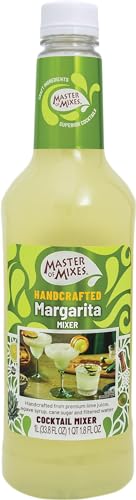
Master of Mixes Margarita Mix
Badge: Best All-Rounder
Strengths
- Straightforward classic margarita flavor in a practical liter format
- Pour-ready, so drinks come together with no extra prep
- Liter size balances party capacity against fridge space
Trade-offs
- Classic profile is sweeter than the craft-style mixes here
- Single flavor only, unlike the same brand’s variety pack
- Plastic liter format is a workhorse, not a showpiece bottle
Key details
- Format: 1 liter bottle
- Classic margarita mix profile
The single-flavour liter bottle is the dependable all-rounder: classic margarita structure, practical size, pour-ready convenience. With Hennessy it produces a clean, recognisable cognac sour-style drink that any home bartender can repeat identically week after week. If you want one bottle that covers weeknight serves without the commitment of a variety pack or a 64 oz format, this is the sensible centre of the guide.
Keep this bottle’s serve consistent and it becomes your house cognac drink, the one friends request by description. Consistency is an underrated virtue in home bartending, and a single-flavour liter format is built for exactly that role.
Serving notes for the hennessy context: pour this one according to its format, 1 liter bottle, and let the format dictate the occasion rather than forcing the bottle into every role. Its defining strength in this line-up, straightforward classic margarita flavor in a practical liter format, shows best when the drink is built cold and tasted before any adjustment. Start from the ratio given above, hold it for the first glass, and only then personalise it; most drinkers find their setting within two rounds and keep it for the life of the bottle.
Best for: drinkers who want the best all-rounder option in this line-up / Not suited for: anyone looking for a mixer outside this verified pool’s flavour families.
Comparison Table
| Pick | Format | Character | Amazon |
|---|---|---|---|
| Master of Mixes Margarita/Daiquiri Variety Pack | 1 liter bottles, 6 pack with salt | Best for Fruity Serves | Check on Amazon |
| Agalima Organic Margarita Mix | 1 liter glass bottle (18 fl oz stated on listing), individually boxed | Best Premium Pick | Check on Amazon |
| Daily’s Margarita Mix | 64 oz bottle | Best for Big Batches | Check on Amazon |
| Zing Zang Original Margarita Mix | 32 fl oz plastic bottle | Best Classic Citrus | Check on Amazon |
| Zing Zang Strawberry Margarita-Daiquiri Mix | 32 fl oz, pack of 1 | Best for Berry Serves | Check on Amazon |
| Master of Mixes Margarita Mix | 1 liter bottle | Best All-Rounder | Check on Amazon |
Read the table by columns rather than by rows. The format column tells you how a bottle fits your household logistics, the character column tells you the job it was chosen to do, and the two together predict satisfaction better than any single ranking can. A bottle that wins on character but fails on format, a giant container for a two-drink household, a delicate premium pour bought for a party tray, will disappoint despite its quality. Matching both columns to your real life is the quiet skill behind every good purchase in this category, and it is why this guide gives badges for jobs rather than a single crowned winner.
How to Choose the Right Mixer for This Job
Begin with the cognac’s dignity. Mixing does not require your rarest bottle, and this guide is written for standard, widely available Hennessy expressions that are blended to be versatile. What the mixer must do is refresh: acidity first, sweetness second. When comparing bottles, read them in that order and you will rarely buy badly for cognac. The same balancing logic applies elsewhere on the bar, as our guide to Best Mixers For Titos Vodka shows.
Then match format to ritual. Cognac serves are usually occasion drinks, made in twos and fours, which favours the premium and mid-size bottles here. The exceptions are deliberate: a party punch justifies the big format, and a household still learning its preferences justifies the variety pack. Buying the giant bottle for occasional refined serves is the classic false economy of this category, because the mix fades long before the cognac does.
Finally, consider flavour direction as a real choice. Classic lime gives the sidecar register, dignified and recognisable. Fruit flavours give the contemporary register, generous and relaxed. Neither betrays the spirit; they simply present different facets of it, and a good home bar eventually keeps one bottle of each direction.
How to Shake a Cognac Citrus Serve That Respects the Spirit
Technique protects cognac in a mixed drink. The spirit’s aromatics are volatile and its richness needs chill and dilution, both of which a proper shake delivers.
- Measure one part Hennessy to two or three parts mixer, depending on the bottle’s sweetness, into a shaker filled with ice.
- Add a small pinch of salt unless your mix already contains it; salt lifts cognac’s fruit noticeably.
- Shake hard for twelve to fifteen seconds. Cognac serves need full dilution to open up in a mixed drink.
- Strain over fresh ice in a rocks glass, or serve straight up in a chilled coupe for the sidecar-style presentation.
- Express an orange twist over the surface and drop it in. Orange is cognac’s home citrus and bridges spirit and mix.
- Serve at once. These drinks peak cold; a cognac citrus serve left standing for twenty minutes is a different, lesser drink.
Troubleshooting
Problem: the cognac has disappeared from the drink — the ratio is mix-heavy or the flavour is too sweet. Move toward one part cognac to two parts mix, choose a drier bottle, and shake fully so dilution, not mixer volume, does the softening.
Problem: the drink tastes harsh and spirity — it is under-diluted or too warm. Shake longer with more ice, serve over fresh ice, and check that the mix itself was fridge-cold before it met the spirit.
Problem: the serve tastes sweet and flat — add fresh citrus. A squeeze of lime or lemon rebalances every bottle in this guide, and a pinch of salt restores the fruit definition that sweetness blurs.
From Sidecar to Sour: Cognac’s Citrus Lineage
Cognac and citrus have been partners for over a century, and the sidecar is the proof that has outlived every fashion cycle. Its formula, cognac with lemon and orange liqueur in balance, demonstrates the principle this whole guide applies: citrus does not mask cognac, it frames it, the way acidity frames richness in cooking. A margarita mix is essentially that frame pre-built, with lime standing in the lemon role and salt adding the lift modern palates expect. For another spirit handled with the same method, read our guide to Best Mixers For Tropical Drinks.
Understanding the lineage also tells you how to adjust. If a serve tastes like a lemonade with cognac somewhere behind it, the frame has swallowed the picture; pull the mix back. If it tastes like warm cognac with a citrus rumour, the frame is too weak; add mix or fresh lime. Balanced, the drink tastes like cognac in high definition, which is the standard to mix toward.
Cognac Serves for Warm Weather and Long Evenings
Neat cognac belongs to cool evenings and short pours, but the spirit has a summer life that fruit and citrus mixes unlock. Lengthened, iced and fruit-led, Hennessy becomes the base of drinks that refresh first and warm second, closer in spirit to a punch than to a digestif. The strawberry and tropical flavours in this guide exist for exactly that register, and they serve well in gardens, at barbecues and across long afternoons where a neat pour would be heavy weather.
Serve these long versions in generous glasses with more ice than feels necessary, and keep the cognac measure honest. The pleasure of the format is duration: a drink that stays balanced from the first cold sip to the last diluted one, carrying the cognac’s character at conversational volume rather than a shout.
Ratios, Glassware and Ice: The Details That Decide These Drinks
Ratios in this guide are starting points, not commandments, and understanding why they work lets you adjust them intelligently for hennessy. A ratio is really a statement about which flavour leads: shorten the mixer and the base ingredient speaks first; lengthen it and the mixer frames the experience. Keep a simple record as you experiment, because palates forget, and the difference between a good home bartender and a frustrated one is usually a notebook rather than a talent.
Glassware steers the same drink in different directions. A rocks glass concentrates aroma and suits short, considered serves, while a tall glass with generous ice stretches a drink into refreshment and slows its warming. For hennessy serves, choose the glass by the occasion: concentration for tasting and small evening drinks, length for gatherings, gardens and long afternoons. Neither is more correct; they are different promises, and keeping the promise you made when you chose the glass is most of serving well.
Ice deserves the same respect as the bottles. Fresh, hard, cold ice chills with controlled dilution; old, soft, freezer-flavoured ice chills poorly and seasons the drink with everything it has absorbed. Use more ice than habit suggests, fill glasses properly, and replace ice rather than reusing it between rounds. In hennessy drinks, where balance is the whole craft, ice quality is not a garnish-level detail. It is one of the main ingredients, and it is the cheapest one to get right.
Stocking and Storage: Keeping a hennessy Shelf in Good Order
Unopened mixers and sodas keep best in a cool, dark cupboard, away from the heat cycles of ovens and sunny windowsills. Once opened, citrus mixes belong in the fridge and on a clock: their brightness is perishable, and the honest way to manage that is to buy formats matched to your drinking pace and to plan a second use, a batch serve, a round of alcohol-free coolers, within the following week or two. A sticky note with the opening date on the cap is a tiny system that prevents most waste in this category.
Carbonated bottles and cans should be chilled before serving rather than stored in the fridge door long-term, where temperature swings and vibration work against them. Rotate stock so the oldest sealed items are used first, keep glass bottles upright and out of direct light, and resist heroic bulk buying unless your household genuinely drinks at that pace. A small, fresh, well-chosen shelf will outperform a large, tired one in every hennessy serve in this guide, every single time.
Common Buying Mistakes
Mixing your finest bottle first. Learn your ratios with a standard expression. Once the serve is dialled in, a finer cognac genuinely improves it; before that, you are seasoning mistakes with expensive spirit.
Treating cognac like vodka in a mix. Cognac brings its own sweetness and body, so vodka ratios drown it in mixer. Cognac serves run spirit-forward compared with neutral-spirit drinks.
Serving cognac mixes warm or under-iced. Richness without chill tastes flabby. Cold is not a preference in these serves; it is a structural ingredient.
Ignoring the orange garnish. Orange is cognac’s native citrus. A lime-only garnish pushes the drink toward tequila territory and confuses the palate about what it is drinking.
Batching without tasting. A punch base tastes different after chilling and dilution. Taste the batch cold before guests arrive and correct it then, not glass by glass during the party.
Three Evenings, Three Pours: Matching the Bottle to the Moment
Picture a quiet evening for two, where the drink is part of the conversation rather than background to it. This is the moment for the most considered bottle on your shelf and the most careful build in this guide: full measures, fresh ice, the right garnish, and no shortcuts, because with only two glasses to make, attention is the ingredient you can most afford. Drinkers consistently report that a hennessy serve made this way tastes like a different, better drink than the same bottles poured casually, and the difference is entirely in the care, not the shopping.
Now picture the opposite: a house full of people, music on, and a host who also wants to be a guest. This is the batch moment, where the big formats and variety choices in this guide earn their place. Build the base in advance, chill it thoroughly, taste it cold, and set it out with ice, glasses and garnishes so guests can serve themselves. The hennessy drinks will be slightly less precise than the two-person versions and considerably more joyful, which is the correct trade for the occasion, and nobody at a good party has ever mourned the absence of a shaker.
Finally, picture the exploratory evening: one bottle of the base ingredient, two or three mixers from this guide, small glasses and a deliberate tasting. Pour the same measure against each mixer, taste in sequence, and note what changes. This is how households find their house serve, and it converts buying guides, including this one, from instructions into starting points. An hour of structured tasting teaches a palate more than a month of random pouring, and the notes you keep become the most useful pages in your home bar.
What unites the three evenings is that none of them requires more bottles, only better matching. The skill this guide is really teaching is not purchasing; it is the habit of asking what an occasion needs before reaching for a bottle. Hosts who build that habit find their shelves getting smaller and their drinks getting better at the same time, which is the surest sign the habit has taken hold.
Final Recommendation
For the most cognac-respecting serve in this guide, choose the Agalima Organic Margarita Mix and build the shaken sidecar-style drink from the how-to section. Its clean lime structure lets Hennessy stay recognisably itself, refreshed rather than hidden, and it is the bottle most likely to convert a neat-cognac sceptic of mixing. Check the latest price on Amazon through the review link and make the first serve carefully.
Choose the variety pack if you are still learning your cognac palate, the Daily’s big bottle if a party is the occasion, Zing Zang if you want body and real juice, the strawberry mix if fruit-led refreshment is the goal, and the classic Master of Mixes liter for a dependable house serve. Cognac mixes best when it is balanced, not buried, and every pick here can hold that line. You can compare this approach with our guide to Best Mixers For Tullamore Dew when you are ready to branch out.
Quick links to three finalists on Amazon: Master of Mixes Margarita/Daiquiri Variety Pack, Daily’s Margarita Mix, Zing Zang Strawberry Margarita-Daiquiri Mix.
Frequently Asked Questions
Is it acceptable to mix Hennessy with a cocktail mixer?
Yes. Cognac has a long, respectable mixing history, from the sidecar to modern punch culture, and Hennessy’s blends are made to be versatile. Mixing a standard expression with a quality citrus or fruit mix is not a waste of the spirit; it is one of its traditional uses. Reserve rare, aged expressions for neat pours if you own them, and mix with confidence otherwise.
What ratio of Hennessy to mixer works best?
Start at one part cognac to two parts mixer for drier, balanced bottles, and one to three for sweeter or fruit-led mixes. Shake with plenty of ice, because dilution is part of the formula. Then adjust by taste: cognac should remain clearly present, with the mix refreshing it rather than covering it.
Which flavour in the variety pack suits cognac best?
Mango and passion fruit are the most natural fits because they echo the tropical and dried-fruit notes in the spirit, while blood orange gives the most classic, sidecar-adjacent result. Watermelon makes the lightest, most refreshing serve. The pack’s value is that you can run the comparison yourself with one bottle of cognac.
Can I make a Hennessy drink without citrus?
Within this verified pool, citrus and fruit are the available families, and cognac genuinely prefers them. If you want a non-citrus serve, the classic answer is a tall ginger highball, but no ginger product is in this guide’s verified pool, so it is mentioned here as context rather than recommended as a pick.
How do I stop a cognac mix tasting too sweet?
Choose a drier mix, add fresh lime or lemon, shake for full dilution and add a pinch of salt. Serving colder also reduces perceived sweetness. If the drink still reads sweet, your ratio is the problem: increase the cognac share rather than adding more mixer.
What glass and garnish suit these serves?
A rocks glass over fresh ice suits the fruit and batch serves; a chilled coupe suits the sidecar-style Agalima serve. Garnish with orange wherever possible, since orange is cognac’s home citrus, and use lime wheels for the classic margarita-style serves where lime is the declared flavour.
How many bottles from this guide should I buy first?
Start with two: the pick that matches your main serve and one contrasting bottle, so you can taste the difference the guide describes rather than taking it on faith. Two bottles teach more than six bought at once, because comparison is how palates learn. Add a third only when a specific occasion, a party, a tasting, a new hennessy serve you want to try, actually calls for it.
Are these mixers suitable for alcohol-free serves as well?
Yes. Every pick in this guide is a non-alcoholic mixer, so the same bottles build alcohol-free versions of the serves described, with the same garnishes, glassware and care. That dual use is a practical reason to favour quality here: a bottle that serves drinkers and non-drinkers alike earns its shelf space twice, and at gatherings built around hennessy, nobody has to feel like an afterthought.
One More Round: Extra Serving Notes
A host’s trick for cognac punch: chill the mixed base overnight. The flavours integrate in a way that thirty minutes in a shaker cannot reproduce, the fruit notes settle into the spirit, and party-day work shrinks to ice, glasses and garnish.
If you enjoy these serves, keep a small notebook of ratios by bottle. Cognac is consistent, mixes vary, and two lines of notes per bottle will save you from re-learning the same balance every time a new bottle enters the house.
A note on tasting order when you compare bottles at home: begin with the driest serve and move toward the sweetest, rinsing the glass and resetting your palate with water and a plain cracker between rounds. Sweetness lingers and distorts judgement, so tasting sweet-to-dry makes everything after the first glass seem sharper than it is. The order costs nothing and quietly improves every comparison you will ever run in a home bar.
Temperature deserves one more mention because it is the variable home drinkers control worst. A drink served two degrees warmer than intended tastes noticeably sweeter and less defined, and carbonated serves lose their sparkle twice as fast. Chill bottles longer than feels necessary, keep glasses out of warm dishwashers until the moment of use, and treat the freezer as part of the bar rather than as storage that happens to be cold.
If you entertain often, standardise one thing: the house pour. Decide the measure for your most common serve, write it down, and let anyone helping you follow it exactly. Consistency is what guests actually remember as quality, far more than exotic ingredients, and a host who can reproduce a good drink on demand will always outperform a host with a bigger shelf and no system.
Leftovers are a planning problem, not a character flaw. When a bottle is opened for an occasion, decide its second use before the occasion ends: tomorrow’s cooler, the weekend’s batch, a neighbour’s tasting. Mixers reward households that think one step ahead, and the small habit of planning the second use eliminates nearly all the waste this category is known for.
Garnish supplies are the highest-value small purchase in home bartending. Fresh citrus, kept in the house as a matter of routine, improves every serve in this guide more reliably than upgrading any single bottle, because aroma is the first thing a drinker perceives and the last thing they forget. Budget for the fruit before you budget for a second premium bottle.
Finally, trust your own palate over any guide, including this one. Guides organise options and explain trade-offs; they cannot taste your drinks. When your experience disagrees with a review here, your experience is the data that matters for your next purchase, and noting where it disagreed is exactly how a household’s small shelf becomes precisely tuned to the people who drink from it.
Seasonality is worth planning around in this category. Citrus-led serves peak in warm months when cold, bright drinks are what people crave, while spiced and richer serves come into their own in autumn and winter. A household that rotates its emphasis with the seasons gets more pleasure from the same shelf than one that drinks identically all year, and the bottles in this guide were chosen partly because they cover both halves of the calendar.
Water is the invisible ingredient in every serve here. It arrives as dilution from ice, as the splash that lengthens a drink, and as the glass served alongside for pacing. Good water, clean ice and deliberate dilution are not refinements for perfectionists; they are the medium the flavours travel in, and neglecting them undermines bottles far more expensive than the water itself.
When a serve fails, diagnose it in a fixed order: temperature first, then dilution, then ratio, then ingredients. Most failed home drinks are temperature or dilution failures wearing an ingredient costume, and replacing bottles before checking the first two variables is how households accumulate shelves of perfectly good mixers they have wrongly blamed.
Presentation is the final lever, and it is not vanity. A drink served in the right glass, at the right temperature, with an intentional garnish signals care before the first sip, and drinkers genuinely perceive cared-for drinks as tasting better. The effect is robust enough that hosts should treat it as part of the recipe rather than as decoration applied afterwards.


