Disclosure: topratedkitchenware.com is reader-supported. When you buy through links on our site, we may earn an affiliate commission from Amazon and other retailers, at no extra cost to you.
Where to buy
This guide to the best steel electric hot pots starts with an honest finding: most electric hot pots sold today are not steel at all. Five of the six verified models in our pool cook on ceramic or non-stick coatings, and only one pairs an electric base with a stainless steel pot. That one model is linked below. The other five are covered in full as prose-only entries, because they are good electric hot pots that simply do not meet the steel requirement in their verified listings, and presenting a coated pot as a steel pot would mislead you.
- Olayks Electric Hot Pot, 3L — versatile coated all-rounder, covered prose-only below
- Food Party Electric Hot Pot 6L with Divider — group shabu shabu pick, covered prose-only below
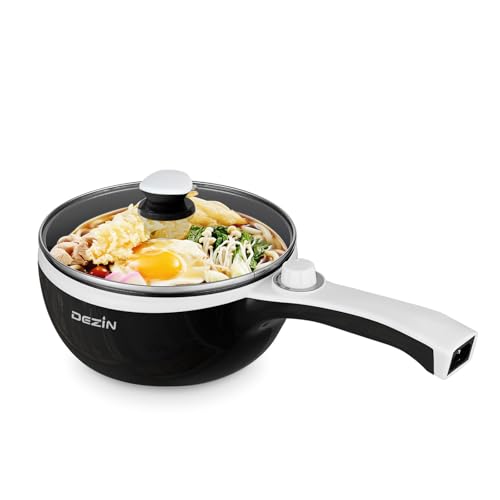
- Dezin Hot Pot Electric, 1.5L — dorm and solo-meal pick, covered prose-only below
- Dezin 2L Hot Pot Electric — mid-size portable pick, covered prose-only below
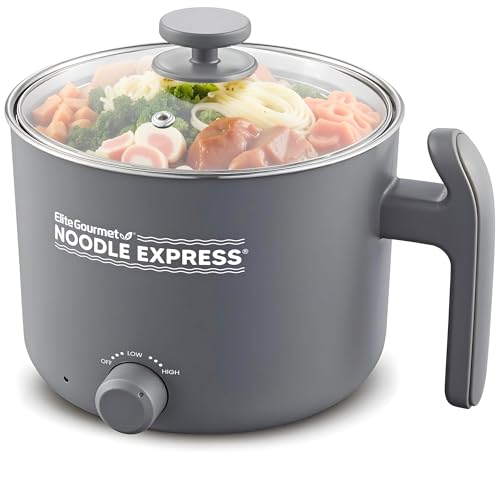
- Elite Gourmet 1.25Qt Noodle Express Electric Hot Pot, Stainless Steel — the steel electric pick in this guide; check the latest price on Amazon
- Bear 2L Electric Hot Pot — gentle everyday pick, covered prose-only below
Read the full guide ↓
Shoppers hunting for the best steel electric hot pots usually want two things at once: the durability and easy-care surface of stainless steel, and the plug-in convenience of an electric pot that simmers ramen, soup, and hot pot broth anywhere there is an outlet. The surprise is how rarely those two wishes meet in one product. The electric hot pot category is dominated by non-stick coatings, because coatings release starchy noodles easily and photograph well in listings. Steel models exist, but they are the minority, and some listings use the word steel loosely for an outer housing while the cooking surface itself is coated. This guide reads the verified listing titles carefully, links only the model whose title actually states stainless steel construction, and explains what you gain and give up with each surface. If your search is really about hot water rather than cooking, our companion notes on Best Hot Water Pots cover the kettle side of the category, while this page stays with pots that cook.
Why does the cooking surface matter enough to build a whole guide around it? Because the surface decides how you clean the pot, whether you can use metal utensils, how the pot ages after a year of weekly use, and how it handles high-heat searing before the broth goes in. A stainless steel interior can be scrubbed, deglazed, and scraped with a steel wool pad when fond sticks. A non-stick interior releases food beautifully for the first seasons, then slowly loses its slickness, and it asks you to baby it with soft utensils and gentle sponges for its whole life. Neither surface is wrong. They suit different cooks. The sections below sort out which cook you are, review all six verified models honestly, and show you how to get the most from whichever surface you choose.
Key Takeaways
- Only one of the six verified models, the Elite Gourmet Noodle Express, states stainless steel construction in its listing title, so it is the only linked pick in this steel-focused guide.
- Stainless steel trades easy food release for durability: it tolerates metal utensils, scrubbing, and high-heat searing that would damage a coating.
- Capacity splits the pool cleanly: 1.25-quart to 2-litre pots suit one or two people, the 3-litre Olayks suits small families, and the 6-litre Food Party with a divider is built for group shabu shabu.
- Dual power settings, where a listing states them, matter for dorms, offices, and RVs where you want a gentler draw and a slower simmer.
- Coated pots are not bad pots — they are simply not steel pots, and this guide covers them prose-only rather than pretending otherwise.
- Whatever surface you choose, dry the pot and its electrical base connection thoroughly after washing; water in the connector is the most common avoidable failure.
In this guide
Quick Picks
| Pick | Badge | Capacity and surface | Best for |
|---|---|---|---|
| Olayks Electric Hot Pot | Best Versatile Coated All-Rounder | 3L, ceramic non-stick coating | Everyday one-pot meals for two to four |
| Food Party Electric Hot Pot with Divider | Best for Shabu Shabu Groups | 6L, non-stick, divided pot | Two-broth hot pot parties |
| Dezin Hot Pot Electric 1.5L | Best for Dorms and Solo Meals | 1.5L, non-stick, 700W dual power | Single servings in small spaces |
| Dezin 2L Hot Pot Electric | Best Mid-Size Portable | 2L, non-stick, 700W adjustable power | Couples, RVs, and travel cooking |
| Elite Gourmet Noodle Express Electric Hot Pot | Best Stainless Steel Pick | 1.25Qt, stainless steel, glass lid | Steel-surface cooking for one or two |
| Bear 2L Electric Hot Pot | Best Gentle Everyday Pick | 2L, nonstick, 1000W dual power | Simple daily noodles and soups |
How These Picks Were Chosen
Every model in this guide comes from a verified product pool checked against Amazon listing data on 2026-11-20. For a steel-specific keyword, the deciding test was strict and simple: the listing title itself had to state stainless steel. That is the only honest way to run a steel guide, because housing material, marketing adjectives, and product photos cannot prove what the cooking surface is made of. One model passed that test. Five did not, and rather than dropping them silently, we kept them as prose-only entries with full reviews, because a reader comparing electric hot pots deserves to see the whole verified field — including the coated models that most buyers will cross-shop against the steel pick. Prose-only picks carry no purchase link and no product image in this guide, so there is never any confusion about which model the steel recommendation actually is.
Beyond the material test, we compared the attributes the listings do state: capacity, wattage where given, power settings, divider and lid details, and stated use cases such as dorm, travel, camping, and RV cooking. We did not invent specifications the listings omit, and we make no hands-on testing claims. This is research-led guidance: we read the verified data closely, apply cooking knowledge about how these surfaces and sizes behave, and flag the honest limitation of every pick. Prices are never printed, because they change constantly; the linked pick says check the latest price on Amazon, and the prose-only picks are positioned by tier in words instead.
One more note on method, because it shapes the whole guide. When a keyword names a core attribute — here, steel — a model that lacks that attribute is not a bad product, it is simply not an answer to the question the reader asked. Keeping that line clear is why the divider-equipped Food Party, which is a genuinely appealing group pot, still sits prose-only: its listing states a non-stick surface, full stop. Readers who relax the steel requirement will find it reviewed fairly below, and readers comparing formats may also want our notes on Best Hot Pots With Grill Plate for a different tabletop style.
It is also worth saying what this guide is not. It is not a claim that coated pots are unsafe or that steel is the only respectable surface; coatings in this pool are stated to be PFOA-free where the listing says so, and millions of good meals come out of coated pots every day. The guide is a sorting exercise for one specific shopper — the one who typed steel into the search box on purpose, usually because a previous coated pot wore out. If that is you, the reviews below are arranged so the steel answer is unmistakable, and the alternatives are present for honesty’s sake rather than as a distraction.
The 6 Best Steel Electric Hot Pots and Their Closest Alternatives
A word before the reviews: the heading above is deliberate. One of these six is a steel electric hot pot. Five are the closest verified alternatives, included so you can see exactly what the wider market offers and decide whether steel is truly a deal-breaker for you. Each review follows the same pattern — strengths, trade-offs, the specifications the listing actually states, who it suits, and an honest limitation.
Olayks Electric Hot Pot, 3L
Badge: Best Versatile Coated All-Rounder
Strengths
- A 3-litre capacity that covers two to four servings without crowding the pot.
- Dual power settings let you choose between a fast boil and a gentler simmer.
- The listing states overheat protection, a reassuring safety layer for a plug-in pot.
Trade-offs
- The cooking surface is a ceramic non-stick coating, not steel, so it is prose-only in this guide.
- Coated surfaces ask for soft utensils and non-abrasive cleaning for their whole life.
- At 3 litres it is more pot than a solo dorm cook needs to store and wash.
Mini spec box: Capacity 3L; surface: ceramic non-stick coating; dual power; stated uses include steak, pasta, hot pot, and ramen; overheat protection stated.
The Olayks is the kind of electric pot that quietly replaces three other appliances. The listing pitches it at steak, pasta, hot pot, and ramen, and that breadth is believable for a 3-litre dual-power design: sear on the higher setting, drop to a simmer, add noodles and vegetables, and dinner is done in the same vessel. For a small household that cooks one-pot meals several nights a week, that versatility is the whole appeal. The ceramic-style coating releases eggs and starchy noodles with minimal scrubbing, which is exactly why coated pots dominate this category.
Its honest limitation, for this guide, is the surface itself. Ceramic non-stick coatings are durable enough for daily use, but they are still coatings: they dislike metal tongs, harsh scouring pads, and the kind of aggressive deglazing a steel pot shrugs off. If your cooking style is gentle and your cleaning style is patient, none of that matters much. If you came here specifically because you are tired of replacing coated cookware, the Olayks does not answer your question, and no amount of versatility changes that.
Best for: small households wanting one versatile coated pot for weeknight one-pot meals / Not suited for: buyers who specifically want a stainless steel cooking surface
Food Party Electric Hot Pot 6L with Divider
Badge: Best for Shabu Shabu Groups
Strengths
- A divided 6-litre pot runs two broths at once — spicy on one side, mild on the other.
- Five-level temperature control gives finer simmer management than simple high-low switches.
- The listing states 1200W of power, the strongest figure in this pool, for a large pot.
Trade-offs
- The surface is non-stick, not steel, so it appears prose-only in a steel guide.
- Six litres is a party size; it is oversized and slow to store for everyday solo cooking.
- A divided pot means two smaller cooking zones, which limits very large single-batch soups.
Mini spec box: Capacity 6L with divider; power 1200W, 110V; five-level temperature control; surface stated as PFOA-free non-stick; style: shabu shabu.
Hot pot is a social meal, and the Food Party is built for the social version of it. The divider is the feature that matters: one side can carry a fiery broth while the other stays gentle for children, spice-shy guests, or delicate seafood that would be overwhelmed by chilli oil. Five temperature levels help too, because a good shabu shabu broth should tremble at a simmer rather than roll at a violent boil that toughens thin-sliced meat. At 1200W, the pot has the muscle to bring six litres to temperature and recover heat as cold ingredients go in — the moment where underpowered group pots disappoint.
The limitation is the same material story, plus scale. The non-stick surface will spend its life being fished in with strainers and chopsticks, and while the listing states the coating is PFOA-free, it remains a coating that wants gentle handling. And practically, a 6-litre divided pot is an occasional-use appliance for most homes: wonderful four times a year, in the way of everything the other forty-eight weeks. Buy it for the parties, not as your only pot.
Best for: hosts who run two-broth hot pot nights for a table of people / Not suited for: steel seekers, or solo cooks with limited storage
Dezin Hot Pot Electric, 1.5L
Badge: Best for Dorms and Solo Meals
Strengths
- A compact 1.5-litre size matched to single servings of ramen, soup, eggs, and oatmeal.
- Dual power at 700W gives a gentler option for shared circuits and slow simmers.
- The listing frames it for dorm, travel, camping, and RV use — genuine small-space territory.
Trade-offs
- Non-stick surface, so prose-only in this steel guide.
- One and a half litres cooks for one, or two very modest appetites, and no more.
- Small pots boil over more readily with starchy noodles if filled to the brim.
Mini spec box: Capacity 1.5L; power 700W, dual power; surface: non-stick; colour: black pan; stated uses include steak, egg, oatmeal, soup, and ramen.
The smallest Dezin is a study in matching the pot to the life. A dorm room, a studio kitchenette, an office corner, a camper van — in all of these, a 1.5-litre electric pot that cooks a real meal beats a full-size appliance that never leaves its box. Dual power is the quietly important detail: the lower setting is kinder to older wiring and shared dorm circuits, and it holds oatmeal and congee at a murmur instead of a splattering boil. The listing’s menu of steak, eggs, oatmeal, soup, and ramen is exactly the solo cook’s rotation.
Its limitation is capacity physics. One packet of ramen with vegetables and an egg is a comfortable fit; two packets plus toppings is a boil-over negotiation. And because the surface is non-stick, the steel question is unanswered here too. Treat this as the convenience pick for one person, not as a small steel pot — for a small steel pot, the linked Elite Gourmet below is the model in this guide that fits, and readers stretching a tiny kitchen further may like our notes on Best Hot Pots To Make Coffee for another dual-duty dorm idea.
Best for: students and solo cooks who want real meals from one small plug-in pot / Not suited for: couples, families, or anyone set on a steel surface
Dezin 2L Hot Pot Electric
Badge: Best Mid-Size Portable
Strengths
- Two litres is the sweet spot for two servings without dorm-pot cramping.
- Adjustable 700W power adapts the pot to delicate eggs or a rolling noodle boil.
- The listing includes a spatula, a small but genuinely useful touch for a pan-style pot.
Trade-offs
- Non-stick electric pan surface — prose-only in a steel guide.
- At 700W it heats more patiently than the larger, higher-powered pots in this pool.
- Two litres still will not serve a family hot pot night on its own.
Mini spec box: Capacity 2L; power 700W adjustable; surface: non-stick electric pan; includes spatula; stated uses include steak, egg, fried rice, ramen, and soup.
If the 1.5-litre Dezin is the solo pot, this 2-litre sibling is the couples-and-roommates pot. The extra half litre is the difference between cooking ramen in two anxious batches and cooking it once, together. The listing adds fried rice to its repertoire, which tells you the pan-style shape and adjustable power are meant for more than boiling: a moderate sear, a scramble, a quick fry, then liquid in for soup. For RV and travel cooking, where every item must earn its cupboard space, that range matters.
The honest limitation is power and material. Seven hundred watts is adequate, not fast; a full 2 litres of cold water takes its time, and cooks used to a stovetop kettle will notice. And again, the surface is a non-stick coating with a coating’s care rules. This is a well-judged portable pot that happens not to be steel — which is precisely why it is reviewed fully and linked never.
Best for: couples, RV travellers, and small-space cooks who fry as well as boil / Not suited for: impatient cooks, family-size batches, or steel-only shoppers

Elite Gourmet 1.25Qt Noodle Express Electric Hot Pot, Stainless Steel
Badge: Best Stainless Steel Pick
Strengths
- The only model in the verified pool whose title states stainless steel construction.
- A glass lid lets you watch noodles and soups without lifting the lid and dumping heat.
- A 1.25-quart size is honestly matched to ramen, rice, soups, and stews for one or two.
Trade-offs
- It is the smallest pot in this guide; family batches are out of the question.
- Steel surfaces stick more than coatings, so noodles and eggs need a stir and a little oil.
- A single-purpose noodle-pot format offers less frying breadth than the pan-style models.
Mini spec box: Capacity 1.25Qt; material: stainless steel (as stated in the listing title); glass lid; model EHP120; stated uses: ramen, rice, soups, and stews.
Here is the pot this guide exists to find. The Elite Gourmet Noodle Express states stainless steel in its title, plugs in like every other model here, and sizes itself at 1.25 quarts for the meals people actually cook in a personal electric pot: a generous ramen for one, soup for two, a small pot of rice, a stew that does not leave four servings of leftovers. The glass lid is worth more than it sounds — with steel, where food can catch on the base, being able to see the simmer without opening the pot helps you intervene at the right moment.
Living with steel is a technique, and it is not hard. Warm the pot, add a little oil before eggs or anything starchy, keep noodles moving in the first minute, and deglaze with a splash of broth when fond forms — that fond is flavour, and steel gives it back to the dish instead of trapping it in a coating you cannot scrape. Cleaning is where steel repays you: a soak, a scrub, steel wool if you must, and the pot looks the same in year three as in week one. No coating to baby, no slickness to mourn. Its honest limitation is size and stickiness: it will not host a hot pot night, and a cook who wants to walk away from a frying egg should choose a coated pot instead. Within its lane — small, steel, electric, durable — it stands alone in this pool, and you can Check on Amazon for the current listing details.
Best for: one or two people who want a durable stainless steel electric pot for noodles, rice, and soups / Not suited for: group cooking, or cooks who prioritise non-stick release above all
Bear 2L Electric Hot Pot
Badge: Best Gentle Everyday Pick
Strengths
- Dual power with rapid heating stated, at 1000W — a useful step up in pace.
- Two litres covers the everyday noodle, egg, ramen, and oatmeal rotation for one or two.
- The listing emphasises multifunctional portable cooking, from steak to oatmeal.
Trade-offs
- Nonstick surface, so prose-only in this steel-focused guide.
- White finish shows broth and turmeric stains more readily than dark interiors.
- It splits the difference on size, which means it is neither the smallest nor a family pot.
Mini spec box: Capacity 2L; power 1000W, dual power with adjustable settings; surface: nonstick; colour: white; stated uses include steak, egg, ramen, and oatmeal.
The Bear is the quiet middle of this pool: 2 litres, a full 1000W, dual power, and a listing that talks about the daily rotation rather than parties or extremes. That is a sensible brief. Most electric hot pot cooking is not shabu shabu theatre; it is Tuesday noodles, Wednesday soup, a soft egg on a tired morning. A pot that heats reasonably quickly, simmers gently on its lower setting, and wipes clean will be used constantly, and constant use is the real test of any small appliance.
Its limitation is, once more, the coating, together with the white finish’s honesty about every turmeric and tomato it meets. Neither flaw is fatal, and for many cooks the Bear’s balance of pace and simplicity will beat the steel pick’s durability argument. But this guide’s question was steel, and the Bear does not claim to be steel, so it closes the reviews as a respected prose-only alternative.
Best for: everyday cooks who want a balanced 2-litre coated pot with a bit more power / Not suited for: steel seekers, or anyone cooking for more than two
Comparison Table
| Pick | Surface | Capacity | Power stated | Standout trait | Listing |
|---|---|---|---|---|---|
| Olayks Electric Hot Pot | Ceramic non-stick coating | 3L | Dual power | Versatility across steak, pasta, hot pot, ramen | Prose-only in this guide |
| Food Party with Divider | Non-stick | 6L, divided | 1200W | Two broths at once, five temperature levels | Prose-only in this guide |
| Dezin 1.5L | Non-stick | 1.5L | 700W dual power | Dorm-scale solo cooking | Prose-only in this guide |
| Dezin 2L | Non-stick | 2L | 700W adjustable | Pan-style frying plus boiling | Prose-only in this guide |
| Elite Gourmet Noodle Express | Stainless steel | 1.25Qt | Not stated in title | The verified steel electric pot, glass lid | Check on Amazon |
| Bear 2L | Nonstick | 2L | 1000W dual power | Balanced everyday pace and size | Prose-only in this guide |
How to Choose the Right Steel Electric Hot Pot
Start with the surface, because it is the decision you live with longest. Stainless steel suits cooks who sear, scrape, and scrub: it tolerates metal utensils, rewards deglazing, and never wears out its welcome because there is no coating to wear. Its cost is technique — food, especially eggs and starchy noodles, will catch if the pot is dry, cold, and unattended. Non-stick suits cooks who value release and a thirty-second rinse, and who are willing to use soft utensils and replace the pot when the coating eventually tires. There is no moral high ground here; there is only the match between a surface and a temperament. This guide exists for the steel temperament, and the wider buying-guide conversation in Best Hot Pots With Fry Function explores the coated, frying-first side of the category.
Size second. A useful rule: one litre of working capacity feeds one hungry person a noodle soup with toppings, or two people a modest side. The 1.25-quart steel pick therefore covers one generous serving or two light ones; the 2-litre pots cover two servings; the 3-litre Olayks covers a small family; and the 6-litre divided Food Party is a party appliance, not a daily one. Buy for your ordinary Tuesday, not your most ambitious Saturday, unless the pot is explicitly a party purchase.
Power third. Wattage, where listings state it, predicts pace: 700W pots are patient, 1000W pots are brisk, and the 1200W group pot needs its muscle to move six litres. Dual power settings are worth more than raw watts for most people, because the lower setting is what holds a broth at a trembling simmer, keeps congee from erupting, and plays nicely with dorm and RV circuits. Finally, lids and shape: a glass lid suits watchful cooks, and a pan-style pot fries more convincingly than a deep noodle pot. Match the shape to the meal you cook most.
How to Use, Clean, and Troubleshoot an Electric Hot Pot
Setup is simple but worth doing deliberately. Place the pot on a dry, heat-safe surface away from the counter edge, keep the cord clear of the pot’s hot wall, and never plug in with wet hands or a damp connector. Add liquid before switching on — an empty electric pot heats fast and stresses both coatings and heating elements. For steel, the working routine is: heat the pot briefly, add oil, let it shimmer, then add food. For noodles, bring the water to a boil first, add the noodles, and stir through the first minute; that early stir is the difference between a clean pot and a starch-welded one.
During cooking, manage the simmer rather than the clock. A broth that boils violently toughens thin meats and clouds stock; drop to the lower power setting once you reach temperature and let the pot hold a gentle bubble. Keep the liquid level below the rim by a comfortable margin, especially with starchy ingredients that foam. When you finish, unplug first and let the pot cool before washing. Steel can go straight to hot soapy water and a scrub pad; coated pots want a soft sponge. In both cases, dry the base connector area with a towel and let it air before storing — moisture in the electrical interface is the enemy of every model in this category.
Troubleshooting, in the pattern that covers most home problems. Problem: noodles or eggs stick to the steel base → the pot was too dry or too cold when food went in; next time preheat, oil, and stir early, and deglaze today’s fond with broth rather than force. Problem: the pot boils over with foamy starch water → the pot was overfilled or left on high; reduce the fill, drop the power setting, and lift the lid briefly to break the foam. Problem: the pot stops heating or never starts → check the connector is fully seated and completely dry, confirm the outlet works with another appliance, and let an overheated pot cool fully, since protection circuits need time to reset.
Stainless Steel vs Non-Stick: Living With Each Surface
A year of ownership separates these surfaces more than a week does. Steel changes slowly: it may pick up faint rainbow heat tints and a patina of tiny scratches, none of which affect cooking, and a paste of baking soda restores most of its looks in minutes. Its performance in month twelve is its performance in week one. Coatings move the other way: the first months are effortless, then release gradually declines, first with eggs, then with everything, until one morning the pot that wiped clean needs a soak. Neither trajectory is a scandal. The question is whether you prefer a pot that asks for technique forever, or a pot that asks for gentleness until it retires.
Utensils follow the surface. Steel welcomes metal tongs, steel wool, and the dishwasher’s roughest cycle in spirit if not always in the manual. Coatings want silicone, nylon, or wood, hand washing, and no stacked storage without a cloth between pans. If your household includes enthusiastic helpers who grab the nearest utensil, steel is the forgiving choice. If your household cooks a lot of eggs and delicate fish and hates scrubbing, the coating earns its keep. Our notes on Best Hot Water Pots For Camping add the travel angle, where surface durability on the road matters even more.
Capacity and Power: Matching the Pot to Your Table
It is worth doing the serving maths once, slowly, because capacity is where most electric pot purchases go wrong. A ramen serving with broth, noodles, an egg, and greens occupies roughly three quarters of a litre to a litre of working space, and the pot should never be filled to the brim, so a nominal 1.25-quart pot is a one-person ramen pot with headroom, not a two-person one. Two-litre pots serve two. Three litres serve three to four for soup-based meals. Six litres, divided, serves a table — but remember the divider halves each broth’s volume, so each side behaves like a 3-litre pot for ingredient space.
Power interacts with capacity in a way listings rarely explain. Bringing water to a boil is mostly a function of watts per litre: the 700W pots move one to two litres at a civilised pace, while the 1200W Food Party exists because six litres on a weaker element would try everyone’s patience. Recovery matters too — every handful of cold dumplings drops the broth temperature, and higher wattage restores the simmer before the next handful. For solo and couples’ cooking, recovery is a minor concern; for a table of people cooking their own ingredients, it is the difference between a flowing meal and a series of waits.
Cooking the Steel Way: Three Meals That Show the Difference
Abstract surface comparisons become concrete the moment you cook real food, so here are three ordinary meals traced through a small steel electric pot, with the technique each one teaches. None of this requires chef skills; it requires the two habits steel always rewards — preheat briefly, and stir early — and it shows why owners of steel pots tend to stay owners of steel pots.
First, the weeknight ramen upgrade. Fill the pot two-thirds with water, bring it to a boil, and cook the noodles a minute shy of the packet time, stirring in the first thirty seconds so the strands separate instead of fusing to the base. Lift the noodles out, keep the water, and drop in greens, corn, or mushrooms for a minute. Then the steel moment: empty the pot, let it heat dry for a few seconds, add a little oil, and fry a beaten egg or a few slices of pork until the edges brown and the base carries a light fond. Pour the hot noodle water back in and watch that fond dissolve into the broth, taking the flavour with it. A coated pot can boil noodles perfectly well, but the deglaze step — scraping browned flavour off the base with liquid — is steel’s home ground, because you can use a firm utensil without a second thought. The broth tastes cooked rather than assembled, and the pot rinses clean because everything that stuck was invited back into the soup.
Second, a small stew or curry for two. Steel’s tolerance for heat lets you bloom spices in oil and brown onion properly at the start, building the base layer that makes a stew taste like it simmered all afternoon. Add your liquid, protein, and vegetables, bring it to a bubble, then drop to the gentlest setting the pot offers and let it murmur. The honest caution lives here too: a thick stew in a small electric pot can catch on the base if it is left unstirred at high power, because the heating element concentrates heat in one zone. Stir every few minutes, keep the power modest once it is simmering, and the same pot that seared confidently will simmer patiently. Serve from the pot at the table if you like — a steel pot looks at home there in a way that scorched plastic never quite manages.
Third, the humble boiled egg and oatmeal morning, which is where coated pots traditionally win and steel needs its one trick. For oatmeal in steel, bring the liquid to a simmer before the oats go in, stir as they thicken, and take the pot off the heat a minute early; residual warmth finishes the job while you get dressed, and a short soak makes washing up trivial. For eggs, oil the warm pot lightly and keep them moving. Master those two habits and the release gap between steel and non-stick shrinks to almost nothing for everyday food, while the durability gap stays exactly where it was — in steel’s favour, widening a little more with every scrub a coating could not have taken.
Common Buying Mistakes
The first mistake is believing the word steel wherever it appears. A steel-coloured housing, a steel rim, or a steel-look finish is not a stainless steel cooking surface; read the title and description for the surface itself, exactly as this guide did, and be suspicious of any listing that never quite says what touches the food. The second mistake is buying capacity for the party you host twice a year and storing the regret for the other fifty weeks. The third is ignoring the circuit: a high-wattage pot on a shared dorm or RV circuit, alongside a kettle or microwave, will teach you about breakers at the worst moment — dual power settings exist partly for this reason.
Fourth, treating an electric pot like a stovetop pot: dragging it, immersing the base, or washing the connector end under a tap invites the most common failure in the category. Fifth, expecting non-stick performance from steel on day one, sticking an egg, and blaming the pot — steel asks for preheat and oil, and repays the small effort for years. Sixth, overlooking the lid: a glass lid genuinely changes how watchfully you can cook, and if two otherwise equal pots differ only there, take the glass.
Final Recommendation
If you came here for steel, the answer is singular and clear: the Elite Gourmet Noodle Express is the verified stainless steel electric pot in this pool, sized for one or two, with a glass lid and a surface you can scrub for years. It is the first choice for the reader this keyword describes. If, having read the reviews, you decide steel matters less than the alternatives offer, choose by your real constraint instead: the Dezin 1.5L for a dorm or solo kitchen, the Dezin 2L or Bear 2L for couples, the Olayks 3L for a small family’s one-pot dinners, and the Food Party 6L with divider when two-broth hot pot nights are the actual goal. Each is a good pot. Only one is a steel pot, and now you know exactly which, and why.
Frequently Asked Questions
Is stainless steel better than non-stick in an electric hot pot?
Neither is universally better. Steel wins on durability, utensil freedom, searing, and scrubbing; non-stick wins on food release and effortless cleaning in its early life. Choose steel if you keep cookware for years and cook with a little technique, and choose a coating if easy release matters more than longevity.
Why is only one pick linked in this guide?
Because only one verified listing states stainless steel construction, and this guide links only picks that meet the keyword’s core attribute. The other five models are reviewed in full as prose-only alternatives so you can compare them honestly, without any of them being presented as something they are not.
What size electric hot pot does one person need?
Between 1.25 quarts and 1.5 litres covers one generous noodle soup or a small rice or stew portion with headroom. Go to 2 litres if you regularly cook for two or like leftovers, and treat anything above 3 litres as a family or party purchase.
Can you sear meat in an electric hot pot?
Yes, in pan-style models and in steel pots especially, provided you preheat, oil the surface, and avoid crowding the meat. Listings for several models here name steak among their uses. Work in small batches so the surface stays hot enough to brown rather than steam.
How do you clean a stainless steel electric pot?
Unplug, let it cool, then wash the cooking surface with hot soapy water and a scrub pad; steel tolerates real scrubbing. For stubborn fond, simmer a little water in the pot to loosen it, or use a baking soda paste for discolouration. Keep the electrical connector dry throughout, and dry the pot fully before storing.
Are dual power settings worth having?
For most people, yes. The high setting boils; the low setting simmers gently, protects delicate ingredients, suits slow oatmeal and congee, and draws less from shared dorm, office, or RV circuits. Several models in this pool state dual or adjustable power, and it is one of the most used features in daily cooking.
Does a steel electric pot use more electricity than a coated one?
The surface material makes no meaningful difference to energy use; wattage and cooking time decide that. A pot that brings a litre to the boil and then holds a simmer on a low setting uses modest energy regardless of whether its interior is steel or coated. What does change consumption is behaviour: cooking with the lid on, matching the pot size to the meal so you are not heating empty space, and dropping to the lower power setting once you reach temperature. If efficiency matters to you, choose the smallest pot that honestly fits your meals and use its low setting as your default simmer — the surface question and the energy question simply live in different parts of the decision.
What should I check before buying any electric hot pot?
Confirm the cooking surface material in the listing’s own words, match the capacity to your ordinary servings, check the wattage against where you will plug it in, and decide whether you want a glass lid and power settings. If a detail is not stated, treat it as absent rather than assumed — that habit is what separates a good purchase from a hopeful one.