A wok is a deep, wide pan built for stir-frying, steaming and quick high-heat cooking. The main choices are carbon steel for classic wok hei, nonstick for easy care, and electric for plug-in convenience. Whether you searched for the best carbon steel woks, the best nonstick woks or the best electric woks, the picks below cover each style.
The six woks below range from hand-hammered carbon steel to a plug-in cooker. We have not used these products ourselves. Sizes, handles and bottoms change between versions, so confirm the diameter, whether the base is flat or round, and the handle style on the current listing before buying. Many of the best 14 inch woks and the best flat bottom woks are sold in more than one size.
As an Amazon Associate we earn from qualifying purchases. Links below are affiliate links, and they do not change the product information we give.
What to Look For
| Feature | Why it matters |
|---|---|
| Material | Carbon steel heats fast and seasons over time; nonstick is easier to clean |
| Bottom | A flat bottom sits steadily on electric and glass stoves; a round bottom needs a ring |
| Size | A 14 inch wok is a common size; check the listing for the exact diameter |
| Handle | Long handle or two-handle design affects how you toss food |
In this guide
Specs at a Glance
| Wok | Material | Size | Notes |
|---|---|---|---|
| Joyce Chen Classic | Carbon steel | About 14 in class | Flat bottom; wood handle |
| Babish Carbon Steel Wok | Carbon steel | 14 in | Flat bottom; wooden handle with helper handle; induction per the title |
| Craft Wok Hand Hammered | Carbon steel | Several sizes sold | Round or flat bottom versions |
| Made In Carbon Steel | Carbon steel | Check the listing for size | Premium build |
| T-fal Nonstick | Nonstick-coated aluminum | Check the listing for size | Nonstick interior |
| Presto Electric | Aluminum body, nonstick | Check the listing for size | Plug-in with heat control |
The 6 Best Woks

Top pickBest for beginners to carbon steel
1. Joyce Chen Classic Series Carbon Steel Wok
A well-known carbon steel wok with a flat bottom and a wood handle. It needs seasoning before first use. Its flat bottom makes it a friendly choice for home stoves.
Suits: beginners to carbon steel. Strengths: a flat bottom and a simple build. Weaknesses: needs seasoning and care. Skip it if you want nonstick.

Best for cooks on flat or induction cooktops
2. Babish 14 Inch Carbon Steel Flat Bottom Wok
A 14 inch carbon steel wok from Babish with a flat bottom, a wooden handle and a helper handle. The title lists it as induction compatible.
Suits: cooks on flat or induction cooktops. Strengths: a flat base and a helper handle for lifting. Weaknesses: carbon steel needs seasoning and care; check the current listing for details. Skip it if you want an electric or nonstick model.
View Babish Carbon Steel Wok on Amazon

Best for stir-fry purists
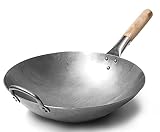
3. Craft Wok Traditional Hand Hammered Carbon Steel Wok
A traditional hand-hammered carbon steel wok in a classic style, sold in a few sizes. It is a close match for the woks used in many restaurants and street stalls.
Suits: stir-fry purists. Strengths: a classic wok shape. Weaknesses: needs a ring on some stoves. Skip it if you want a quick start.
View Craft Wok Traditional Hand Hammered Carbon Steel Wok on Amazon
Best for serious home cooks
4. Made In Carbon Steel Wok
A modern carbon steel wok from a direct-to-consumer cookware maker. It is aimed at cooks who want a well-finished pan for daily stir-fries.
Suits: serious home cooks. Strengths: a quality build. Weaknesses: a higher cost tier. Skip it if you want the cheapest wok.
View Made In Carbon Steel Wok on Amazon
Best for easy cleanup
5. T-fal Specialty Nonstick Wok
A nonstick wok for everyday stir-fries with easy cleanup. It suits busy weeknight meals and cooks who do not want to season a pan.
Suits: easy cleanup. Strengths: a nonstick interior. Weaknesses: coatings wear over time. Skip it if you want a seasoned patina.
View T-fal Specialty Nonstick Wok on Amazon

Best for dorm and small kitchens
6. Presto Electric Wok
A plug-in wok with its own heat control, handy for cooking without a stove. The heat control lets you hold a steady temperature for stir-frying and simmering.
Suits: dorm and small kitchens. Strengths: plug-in convenience. Weaknesses: lower heat than a hot gas flame. Skip it if you want carbon steel.

Care and Setup
- Season carbon steel after each wash with a thin film of oil.
- Use wood or silicone tools on nonstick models.
- Dry carbon steel right away to avoid rust.
- Keep electric woks unplugged and dry when not in use.
Mistakes to Avoid
- Soaking carbon steel in the sink.
- Using metal tools on nonstick.
- Overcrowding the pan.
- Buying a round-bottom wok for a flat electric stove.
Wok Shapes and Stove Types
The shape of a wok decides how well it works on the stove you own. A round-bottom wok has a curved base that sits in a ring over a gas flame, where heat gathers at the bottom and the sides stay cooler for pushing food aside. It suits tossing and stir-frying but is unstable on a flat surface without a ring, and a ring may not fit every burner.
A flat-bottom wok has a small flat base that sits on the stove directly. That makes it the usual pick for electric coil, glass-top and induction ranges, since the base has to touch the heating surface. The flat area is smaller than a skillet, so the hot zone is narrower, but it is a practical trade-off for most home kitchens.
- Gas stove: round or flat bottom both work, with a ring for round.
- Electric coil or glass top: choose a flat bottom.
- Induction: choose a flat-bottom wok listed as induction compatible and check the listing.
Check the stove’s grate too. Some grates are too widely spaced for a small flat base, and some glass tops have weight or size limits in the manual. The listing may say which cooktops a wok suits, but the stove’s manual has the final word. Measure the burner and compare it with the wok’s base diameter, not only the top width, since the base is what touches the heat.
Size, Depth and Capacity Planning
Wok size is usually listed as the diameter across the top. A common size for a household of two to four is around 12 to 14 inches, which leaves room to toss food without spilling. Check the listing for the exact measurement, since sizes vary and the same model may be sold in several diameters.
Smaller woks are easier to handle and heat quickly, which suits one or two servings. Larger woks hold more food and suit group cooking, but they are heavy and may overhang a small burner, leaving the edges cool. A wok that is too big for your stove cooks unevenly.
- One or two people: a smaller diameter is easy to lift.
- Family meals: a mid-size wok gives space without too much weight.
- Entertaining: larger sizes need a strong burner and a sturdy hand.
Depth matters as well. Deep sides keep food contained and suit steaming, soups and deep frying, while shallower sides give more surface area for stir-frying. Check the listing for depth or capacity if given. Remember that a wok should be filled only partway for stir-frying, since crowding the pan lowers the temperature and steams the food. Cook in batches if you need to.
Handle Styles and Weight
Handles change how a wok feels in the hand. A single long handle lets you toss food with a flick of the wrist and keeps your hand away from the heat. It suits lighter woks and cooks who like the tossing technique. Two small loop handles, one on each side, are easier for lifting a heavy pan and for carrying it to the table, but they make tossing harder.
Many woks combine a long handle with a small helper handle on the opposite side. That is a handy middle path for lifting while keeping some control. Check the handle material, too. Wooden handles stay cooler but can burn or loosen if held over a flame, while metal handles get hot and need a mitt. Plastic or heat-resistant handles are lighter but have temperature limits stated by the maker.
- Check that the handle attachment is solid, with rivets or screws.
- Look for the oven-safe or temperature notes if you want to finish dishes in the oven.
- Consider weight, since a full wok is heavier than an empty one.
If you have limited hand strength, favor a lighter wok with a helper handle. If you plan to toss food, practice with a small amount first to find a comfortable grip.
First Use, Seasoning and Rust Prevention
Carbon steel woks usually arrive with a protective coating from the factory, and the maker’s instructions say how to remove it. Follow them, since methods vary. After washing and drying, many cooks heat the wok and wipe on a thin film of oil, repeating until the surface darkens. This builds a patina that makes food release more easily over time.
Seasoning is not a one-time job. Each use adds to the layer, and acidic foods or long simmering can wear it down. If food starts to stick or the surface looks dull, wipe on oil and heat it again. Keep the film thin, because thick oil turns sticky.
- Wash with warm water and a soft brush, skipping harsh soaps if the maker advises.
- Dry right away, over low heat if needed.
- Wipe on a thin film of oil before storing.
- Do not leave it soaking or air drying.
Rust is the main risk for carbon steel. If spots appear, scrub them off with a mild abrasive, rinse, dry and re-season. Nonstick woks do not need seasoning, but they should not be heated empty or scrubbed with abrasives. Electric woks need the base unplugged and dry before cleaning, and the controller should never be submerged.
Choosing by Cooking Style and Budget
Your cooking habits should drive the choice. If you stir-fry often on a strong flame and enjoy learning to care for a pan, carbon steel rewards the effort. If you want a low-maintenance pan for quick weeknight meals, a nonstick model keeps cleanup simple, though it is not meant for very high heat. An electric wok suits dorms, offices and kitchens without a stove, but it generally runs at lower heat than a gas flame.
Budget tiers, described in general terms: entry-level woks are light and simple and may be thinner, which can heat quickly but cool fast. Mid-range ones often have heavier gauge steel or better handles. Premium options tend to focus on finish, weight and long-term durability.
Questions to ask before buying:
- Is the wok compatible with my stove type?
- Is the diameter stated clearly in the listing?
- Does it include a lid or a ring, or are these sold separately?
- What are the care requirements, and will I keep up with them?
Signs that it is time to replace a wok include a warped base that rocks on the stove, a loose handle, flaking nonstick coating, or deep pitting from rust that will not season over.
Carbon Steel, Cast Iron, Stainless or Non-Stick: Which Material Fits You
Woks come in several materials, and each one asks something different of the cook. Carbon steel is the classic choice in many Chinese kitchens. It is light, heats quickly and responds fast to changes in heat, but it needs seasoning and gentle care to build a natural non-stick surface. Cast iron holds heat for a long time and gives a steady sear, although it is heavy and slower to react. Stainless steel resists rust and is easy to maintain, but food tends to stick more unless you use enough oil and heat control. Non-stick woks are forgiving for beginners and low-fat cooking, but the coating limits very high heat, and the maker will state a temperature limit.
Think about how you will actually cook. High-heat stir-frying benefits from a thin, responsive wok, while braising and deep frying are fine with a heavier pan. Your stove also plays a part. Gas burners with a ring that supports a round base suit traditional round-bottom woks, while electric or induction cooktops need flat-bottom or specially shaped designs. Check your cooktop manual and the wok listing for compatibility.
Round Bottom Versus Flat Bottom
| Shape | Works well on | Notes |
|---|---|---|
| Round bottom | Gas stoves with a wok ring | Traditional tossing, concentrates heat at the center |
| Flat bottom | Gas, electric and some induction hobs | Stable, but heat zones differ |
| Induction-ready design | Induction cooktops | Check the maker’s compatibility statement |
A flat base makes the wok easier to use on many home stoves, even if traditional cooks prefer the round form.
Size, Handles and Lids
Diameter affects how much you can cook and how well you can toss. A mid-size wok suits most households. Very large woks can overwhelm a home burner, with cold spots at the edges. Deep sides help contain splashes and make stirring easier. A long handle gives leverage for tossing, and a helper handle on the opposite side helps with lifting. Wooden or heat-resistant handles stay cooler, but check whether they are oven safe if you plan to finish dishes in the oven.
- Check weight, because a heavy pan is tiring to toss.
- Make sure the handle is firmly attached with rivets or strong welds.
- Choose a dome lid if you want to steam or braise.
- Think about storage and whether a hook or rack is useful.
Seasoning and Care Basics
Carbon steel and cast iron woks need seasoning, a baked-on layer of oil that develops into a natural coating. Follow the maker’s steps, which usually involve cleaning off the factory coating, heating, and thinly oiling. After cooking, wash gently, dry thoroughly and rub with a very thin layer of oil. Avoid soaking and harsh scrubbing that strips the coating.
Cooking Habits That Help
Prepare all ingredients before heating, since stir-frying moves quickly. Heat the wok before adding oil, cook in small batches and keep food moving. Let the wok cool before washing to avoid warping.
Mistakes That Ruin Stir-Fries and Damage Woks
Most disappointing stir-fries come from a handful of habits, and most of them have simple fixes. Knowing them in advance saves both food and cookware.
- Overcrowding the pan. Too much food drops the temperature and causes steaming instead of searing. Cook in small batches and combine at the end.
- Adding oil to a cold wok. Heat the pan first, then add oil, so food meets a hot surface and sticks less.
- Using wet ingredients. Water on vegetables or meat spits and cools the pan. Pat ingredients dry before they go in.
- Cutting pieces of mixed sizes. Uneven pieces cook at different speeds. Slice evenly so everything finishes together.
- Using the wrong tools. Metal utensils can scratch non-stick coatings. Choose a spatula or ladle that suits the material, as the maker advises.
- Scrubbing a seasoned wok with harsh soap. Follow the care instructions, because aggressive cleaning may strip the layer you built.
- Storing it damp. Moisture rusts carbon steel and cast iron. Dry on the burner for a moment and add a trace of oil.
The best way to improve is to cook small, simple dishes often. Fried rice, a vegetable stir-fry and noodles let you learn heat control and timing. Take notes on the burner setting that suits each dish. Over time you will develop a feel for how long to wait before adding ingredients and when to lift the wok off the heat.
Keep a heat-resistant mat or trivet nearby so you can set the hot wok down safely, and use dry mitts when handling metal handles.
Wok FAQ
Is a carbon steel wok better than nonstick?
Carbon steel handles high heat and builds a patina, while nonstick is easier to clean. The choice depends on how you cook.
What size wok should I get?
A 14 inch wok suits most households, but check the listing for the exact diameter.
Do I need a flat bottom wok?
On electric and glass stoves, a flat bottom sits steadily. On gas, a round bottom with a ring also works.
Are electric woks worth it?
They are handy where you have no stove, but they usually run cooler than a flame.
Do I need a lid for a wok?
A lid helps with steaming, braising and simmering. For quick stir-frying you can go without one, and a flat pan lid that fits the diameter may work.
Can I use metal utensils on a carbon steel wok?
Metal spatulas are commonly used on carbon steel, but they can scratch nonstick. Follow the maker's guidance for your wok.
Why does food stick to my carbon steel wok?
Common causes are a thin seasoning layer, cooking before the pan is hot enough, or too little oil. Re-season and preheat before adding food.
Can a wok go in the oven?
It depends on the handle and materials. Check the listing or manual for oven-safe limits before trying it.
Is a wok good for deep frying?
Its shape holds oil well, but the wok must be stable and the oil kept at a safe level. Use caution, never leave hot oil unattended and follow the maker's guidance.
How do I fit a wok ring?
Set the ring on the burner with the wok resting inside, check that it sits steadily, and make sure it is suited to your stove. Some stoves are not suited to rings, so check the manual.
Is nonstick or carbon steel better for beginners?
Nonstick is simpler to clean and forgiving. Carbon steel takes some care but lasts with proper upkeep, so choose by how much effort you want to spend.
Can I use a wok on an induction cooktop?
Only if the wok has a flat bottom made of magnetic material and is listed as compatible. Check the listing and your cooktop manual.
The Short Version
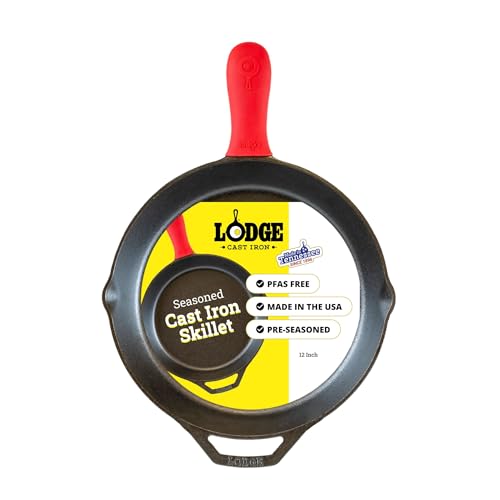
For a first carbon steel wok, the Joyce Chen. For a pre-seasoned pick, the Lodge. For a hand-hammered classic, the Craft Wok. For a premium build, the Made In. For easy cleanup, the T-fal. For plug-in use, the Presto.
A Stir-Fry Method That Works in Any Wok
Good stir-frying is mostly preparation. The cooking itself takes minutes, so everything must be ready before the wok gets hot: proteins sliced and seasoned, vegetables cut to sizes that cook at similar speeds, aromatics minced, and sauce mixed in a small bowl within reach. Cooks call this arranging your station, and skipping it is the single most common reason home stir-fries disappoint. Once the heat is on there is no time to hunt for soy sauce or chop a forgotten pepper, and food left waiting in a hot wok while you prep the next ingredient overcooks where it sits.
Sequence matters inside the wok. Dense vegetables such as carrots and broccoli need a head start, sometimes with a splash of water and a lid for a minute to steam them tender. Proteins cook next or first, depending on the dish, and are often removed while the vegetables finish so they do not toughen. Aromatics like garlic, ginger, and chilli go in briefly at a stage where their flavour blooms without burning, and sauce comes last, tossed through everything just long enough to coat and gloss. Leafy greens need only the residual heat and the steam from the sauce. Following that order with any wok in this guide produces the layered result that makes a stir-fry taste deliberate rather than accidental.
Heat management is the third pillar. The wok should be properly hot before oil goes in, and the oil should shimmer before food follows. Add food in batches that the wok can handle; a home burner cannot recover heat fast enough for a mountain of cold chicken, and the result is steaming rather than searing. Cook in two smaller batches and combine them at the end with the sauce, and the difference in browning and texture will convince you the extra two minutes were well spent.
Beyond Stir-Frying: Steaming, Braising and Smoking
A wok is a versatile vessel that happens to be famous for one technique. Its depth makes it an excellent steamer with a rack and lid, holding a plate of fish or a bamboo basket of dumplings over boiling water. The sloping sides suit braising, where ingredients can be pushed up the cooler walls while the base simmers. Deep frying is safer in a wok than in a shallow pan because the oil sits deep and the walls contain bubbling, while the wide top makes turning food easy. Some cooks even use a wok for a gentle indoor smoking setup with foil and a rack for tea-smoked dishes. Buying a wok for stir-fries alone undersells it; the more of these jobs it absorbs, the more it earns its place in a small kitchen.
Seasoning in Real Life: Building the Surface Over Time
Seasoning a carbon steel wok is not a single ceremony but a process that continues for the life of the pan. The initial rounds of heating and oiling, described earlier in this guide, create a base layer. After that, ordinary cooking does the rest: frying, searing, and tossing with oil gradually deepen the surface and improve its release. The wok will not look uniformly black for a long time, and patches of lighter colour are normal, especially where acidic sauces have simmered or where a vigorous scrub was needed. Judge the seasoning by how food behaves, not by how the wok photographs.
Certain habits protect the surface you are building. Avoid long simmering of acidic dishes in a young wok, since tomato and vinegar-based sauces can strip a new seasoning; an older, well-coated wok tolerates them better, and a different pan can take those jobs in the early months. Dry the wok on the heat after washing and finish with the thinnest possible film of oil while it is warm. Store it somewhere dry, and if you stack other pans inside it, a cloth between them prevents scratches that invite rust.
Rust, when it appears, is a setback rather than a disaster. Scrub the spot back to clean metal, dry the wok thoroughly on the burner, and repeat a light seasoning round over the affected area. The repair blends in with use. What carbon steel cannot survive is neglect in a damp cupboard, so the dry-and-oil habit matters more than any particular brand of oil or any ritual performed on day one.
Utensils That Suit the Wok
A wok spatula, with its curved edge shaped to the pan’s wall, is the natural partner for tossing and scraping. A pair of long cooking chopsticks handles noodles, individual pieces, and tasting with precision. A spider strainer lifts fried and blanched food out cleanly, and a ladle serves sauces and soups the wok doubles as a pot for. Wooden and bamboo tools are kind to young seasoning and to nonstick surfaces, while metal tools are traditional on seasoned carbon steel and help maintain the surface. Whatever you choose, length is safety: your hand should stay well clear of the heat rising off the walls.
Comparing the Picks by Cook and Cooktop
The carbon steel models in this guide divide by construction and intent. The classic lightweight option suits cooks who value easy tossing and quick heat response. The flat-bottom family-size model is aimed at home burners and induction, with a shape that sits stable and heats evenly across its base. The hand-hammered traditional wok appeals to enthusiasts who cook over strong gas heat and want the authentic round-bottom experience with a wok ring. The premium carbon steel pick adds refined finishing and oven-friendly design for cooks who will use it daily for years. The nonstick model removes seasoning from the equation entirely for beginners and low-fuss weeknight cooking, and the electric wok solves a different problem: no suitable burner, a dorm or rental kitchen, or cooking at the table.
Match the wok to your strongest heat source honestly. A round-bottom wok on a weak electric hob will frustrate you no matter how fine the wok is, while a flat-bottom model on the same hob can perform beautifully. Gas burners with a wok ring reward traditional shapes. Induction demands a flat, magnetic base and rewards it with fast, controllable heat. Portability matters too: an electric wok goes where the outlet is, including a balcony or a holiday rental, which for some households is the deciding feature.
Weight and handling complete the decision. Tossing is part of wok technique, and a wok you cannot lift and shake comfortably with one hand while holding a spatula in the other will change how you cook. If you cook mostly by stirring rather than tossing, a slightly heavier, more stable wok is fine. Try to judge handle comfort from the listing details and your own hand size; a helper handle opposite the main handle is a real benefit on larger, heavier models when the wok is full.
Setting Up a Wok Station That Keeps You Safe
High heat, oil, and a round-bottomed pan deserve a tidy setup. Keep the area around the burner clear of towels, packaging, and oil bottles before you start. Stabilise a round-bottom wok on its ring and check the fit before the pan is hot, not after. Keep a lid within reach: it smothers flare-ups, traps steam for vegetables, and shields you from splatter when water meets hot oil. Have a dry towel or mitt ready, because a wet cloth on a hot handle conducts heat straight to your hand.
Ventilation is part of the station too. Stir-frying produces smoke and vapour quickly, so switch the extractor on before the wok heats, not when the kitchen is already hazy. If your extractor is weak, a brief pause between batches lets it catch up and keeps the room comfortable. After cooking, let the wok cool enough to handle safely before washing, but do not leave it sitting in water; carbon steel and standing water are poor companions, as the care sections above explain.
Finally, plan where the wok lives. It is a bulky shape that nests badly with flat pans. Many owners hang it from a hook, which keeps it dry, visible, and easy to grab, and turns an attractive hammered wok into part of the kitchen’s character. If it must live in a cupboard, store it dry with its lid separate and nothing heavy stacked on top that could dent the walls or scratch the seasoning.
More Wok Questions Answered
Why does my stir-fry sauce turn watery?
Vegetables release liquid as they cook, and an overloaded wok drops in temperature so that liquid pools instead of evaporating. Cook in batches, keep the heat high, and add sauce at the end in modest quantity; a small amount of cornflour slurry in the sauce helps it cling rather than puddle.
Can I use a wok to make popcorn?
Yes, and it works well. The deep shape holds a generous batch, the lid contains the popping, and the sloping sides let unpopped kernels settle to the hot base. Use an oil with a high smoke point and keep the wok moving gently.
How hot should a wok be before I add oil?
Hot enough that a flick of water dances and evaporates almost instantly. Add oil, swirl it to coat the walls, and begin cooking as soon as it shimmers. If the oil smokes heavily before food goes in, the wok is too hot; lift it off the heat briefly and continue.
Is a wok with a lid better for noodles?
A lid helps when you add a splash of water to loosen noodles or finish vegetables with steam. For dry-fried noodles you want the lid off so moisture escapes and the noodles catch a little char. Owning a lid gives you both options.
What oil should I use for wok cooking?
Choose a neutral oil that tolerates high heat, such as groundnut, grapeseed, or a refined vegetable oil. Delicate oils and unrefined olive oil smoke early and flavour the dish in ways you may not want. Add flavourful oils like sesame at the end, off the fiercest heat.
Wok Cooking Week: Five Dinners, One Pan
A wok justifies its awkward shape when it cooks most of the week, and a simple rotation shows how naturally it does. One night is a classic stir-fry of chicken and peppers over rice. The next, the wok steams fish or dumplings over water with a rack and lid, then the same pan, rinsed and dried, fries rice from yesterday’s leftovers with egg and spring onions. Midweek it deep-fries a batch of something crisp, using less oil than a wide pan for the same depth, and at the weekend it braises a generous curry or a pot of noodles in broth, its depth keeping everything contained. Five different techniques, one vessel, and a washing-up load that stays small because the pan moves from job to job with a rinse and a wipe between them.
That rhythm also builds the cook. Repeating the heat, toss, and timing of wok cooking several times a week develops the instincts that no single recipe teaches: judging heat by sound and smell, knowing when a batch is too large by the way the sizzle dies, and seasoning in layers rather than all at once. If you are choosing your first wok, choose the one that fits this weekly pattern on your stove, because frequency of use, not occasional spectacle, is where a wok repays its owner.
Noodles: The Wok’s Second Language
Noodle dishes reward everything a wok does well. The wide top gives room to toss without spillage, the hot base chars edges for flavour, and the depth holds sauce and ingredients together while they combine. The recurring lessons are simple. Cook noodles slightly shy of done before they meet the wok, because they finish in the sauce. Keep them moving so they do not clump or catch, adding a splash of their cooking water to loosen them as needed. Add delicate greens and herbs at the very end so they wilt rather than stew. Whether the noodles are wheat, rice, or egg, the wok handles them the same way, and a cook who masters one noodle dish in a wok can improvise a dozen more from whatever the fridge offers.
A Worked Decision: Your Stove Chooses First
Let the stove speak first. On a powerful gas burner, a round-bottom carbon steel wok on a ring gives the classic experience and the fullest range of technique, and the traditional hammered pick in this guide is built for exactly that home. On ordinary gas, ceramic, or electric hobs, a flat-bottom wok is the practical champion, stable and in full contact with the heat, and the flat-bottom family models in this list will outperform a round-bottom wok that wobbles and heats at one point. On induction, the base must be flat and magnetic, which narrows the field honestly and makes checking compatibility before purchase essential rather than optional. With no usable hob at all, or a need to cook away from the kitchen, the electric wok stops being a compromise and becomes the correct answer.
Then let your cooking speak. If you season happily and cook with high heat often, carbon steel rewards you for years. If you want to stir-fry tonight with no learning curve and easy washing up, the nonstick pick is the truthful choice, accepting its lower heat ceiling. If you cook for a crowd, size and a helper handle matter more than tradition. Buyers who run these two filters, stove first, cooking second, rarely regret a wok purchase, while buyers who start from appearance or price alone often end up with a beautiful pan that fights their kitchen.
The First Fortnight With a New Wok
Plan the first two weeks of ownership deliberately. Begin with forgiving dishes: fried rice, stir-fried vegetables, and noodle dishes that build seasoning and confidence without demanding perfection. Save acidic, tomato-heavy, and long-simmered dishes for later, when the surface has matured, and avoid boiling large volumes of plain water in a young carbon steel wok, which strips seasoning. Wash gently, dry on the heat, and oil lightly every time in this period, even when it feels excessive; the habit is forming the surface and the cook at once. By the end of the fortnight the wok will release food noticeably better, and you will have a personal sense of its hot spots and heat response that no review can give you.
Troubleshooting Wok Cooking Problems
If food sticks badly in a seasoned wok, the usual causes are food added before the wok was properly hot, a wet ingredient hitting the surface, or a protein moved too soon before its crust formed and released naturally. Heat first, dry ingredients, and patience solve most cases. If vegetables emerge limp and grey, the batch was too large or the heat too low, and their own water steamed them; cook smaller batches and keep the heat brave. If garlic and spices burn, they went in too early or the wok was dry and fierce; aromatics need oil and often a slightly later entry, with the sauce close behind to cool the pan.
If the wok wobbles or spins on its ring, the fit between ring and burner is wrong or the ring is upside down, since many rings have a wider and a narrower side for different burners. If a flat-bottom wok rocks on a glass hob, check for a warped base by spinning it on a flat surface when cold; a slight rock may settle with use, while a pronounced one is a reason to contact the seller early. If rust blooms after washing, the wok was left wet or stored damp; scrub, dry on the heat, oil, and adjust the routine, because the routine, not the pan, is at fault.
Smoke deserves a word of calm. A properly hot wok with oil will often smoke lightly just before food goes in, and that is a normal stage of the technique rather than a malfunction. What is not normal is heavy, acrid smoke from old oil residue, which signals that the wok needs a thorough clean and fresh oil, or smoke from a nonstick wok at high heat, which signals that the temperature has exceeded what that surface is for. Knowing which smoke you are looking at keeps you both safe and confident at the stove.
Final Checks Before You Click Buy
Start with your hob, measured rather than assumed. Note the type of heat, the size of your largest burner, and, for induction, confirm that any wok you consider has a flat, magnetic base, because no other feature can compensate for a wok the hob cannot heat. Decide between round and flat bottom by where the wok will cook, not by which looks more traditional in a photograph. Then consider size against your household’s real portions and your own strength: a wok must be lifted, shaken, and carried when full, and a size you handle confidently will produce better food than a larger size you wrestle. Check what arrives in the box, since some woks include a lid, a ring, or utensils and others are the bare pan, and factor any seasoning or first-use preparation into your expectations for the first evening.
Read the care commitment honestly before you buy. Carbon steel asks for drying on the heat and a film of oil, every time, and rewards that small discipline with a surface that improves for years. Nonstick asks for moderate heat and gentle tools and asks nothing else. An electric wok asks for an outlet and ordinary washing. Choose the commitment you will actually keep, because a wok whose care you resent becomes a wok you avoid, and the finest pan in this guide is worth nothing in a cupboard. The right question is never which wok is best in the abstract; it is which wok will be on your hob, hot and working, three nights a week.
Your First Three Dishes, Chosen Well
Choose the first dishes to flatter a new wok and a learning cook. Fried rice is forgiving, builds seasoning, and teaches heat and timing with low stakes. A simple vegetable stir-fry with a prepared sauce teaches batch discipline and the order of ingredients. A noodle dish teaches tossing and the use of a splash of liquid to bring everything together. Cook those three in the first week and you will understand your wok’s heat, your hob’s response, and your own preferences better than any amount of reading can teach. Only then move to the dishes that demand more: delicate fish, heavy deep frying, or long braises in a young carbon steel pan.
Keep the early lessons somewhere you will see them: the heat setting that gave a good sear, the batch size your hob handled happily, the moment in each dish where the sauce should go in. A wok rewards a cook who pays attention a few times and then cooks on instinct for years, and those first notes are how the instinct gets built. Buy the wok that fits your stove and your habits, season it with real cooking rather than ceremony, and it will become the pan your hand reaches for first.
One last encouragement for the new wok owner: judge your progress by dishes, not by days. The first stir-fry that comes out properly browned, the first fried rice that does not clump, the first noodle dish tossed without losing half of it to the hob, those are the milestones, and they arrive quickly when the wok is used often. Keep the pan in service through the awkward early weeks rather than resting it while its seasoning is young, because use is the seasoning process, and every ordinary dinner moves the surface and the cook forward together. A wok is not finished when you buy it; it is finished, gradually and deliciously, by cooking.