Yeti set the look for the modern insulated tumbler: double-wall stainless steel, a thick body and a lid that keeps most splashes in. Plenty of other brands now make cups in the same spirit, some with a more familiar cup-holder shape, a handle or a straw lid. The right substitute depends on which part of a Yeti you actually liked.
The six tumblers below are real competitors from established brands, picked to differ from one another. We have not used these products ourselves, and insulation claims are the makers’ own, so confirm sizes, lid types and cup-holder fit on the current listing before you order.
As an Amazon Associate we earn from qualifying purchases. Links below are affiliate links, and they do not change the product information we give.
Why does my alternative tumbler keep a smell even after washing?
The smell almost always lives in the lid’s gasket and in any straw or valve parts, not in the steel body. Strip the lid down as far as the design allows, soak the parts in warm water with a little bicarbonate of soda if the maker permits, scrub the gasket’s groove, and dry everything openly before reassembly. If a gasket keeps its smell after that treatment, replace the gasket rather than the tumbler. Prevention is simpler: rinse the tumbler the day it is used, and never store it sealed and damp, because a closed, wet tumbler is a smell being manufactured on schedule.
Can these tumblers keep soup or hot food drinks warm for a workday?
They are designed for drinks, and a hot drink is the right test of them. Thick liquids cool differently, coat the lid’s parts and challenge the cleaning routine, so a tumbler that spends its life on coffee and water will stay fresher than one regularly filled with soup. If a hot meal drink is a daily habit, dedicate one tumbler to it, wash it immediately after use, and accept the deeper cleaning as part of that habit. The models here with simpler lids will forgive the arrangement more readily than those with intricate straw mechanisms.
How do I stop my tumbler from denting my car’s cupholder or desk?
Most tumblers are innocent; the damage comes from grit trapped under the base acting as sandpaper. Wipe the base before setting it down in the car, consider a silicone boot or coaster where the model offers one, and avoid sliding a full tumbler across surfaces. On desks, a simple mat under the tumbler’s station protects finishes from both dents and the condensation ring that even a well-insulated cup can leave on a humid day. Small protections, applied by habit, keep both the tumbler and the furniture out of the repair economy.
Is a larger tumbler always more practical?
No. A larger tumbler carries more drink and more weight, fits fewer cupholders, and tempts its owner to let a drink sit for hours until it is neither fresh nor finished. The practical size is the one matched to the interval between your refills: a desk with a tap nearby needs less capacity than a worksite without one. Several owners in this category end up happiest with a mid-size tumbler filled twice, because fresh and cold beats vast and tired at four in the afternoon, every working day of the year.
What should I check when my new tumbler arrives?
Fill it with water, seal it, and invert it over the sink to test the lid’s honesty before the first commute. Check the base against your car’s cupholder and the body against your bag’s pocket, run it through one full wash so you know how the lid disassembles, and drink from it at a desk to learn its balance. A tumbler that fails any of these on day one will fail them daily, and the time to exchange it is while the lesson is cheap, not after a bag full of coffee has taught it at full price.
How long should a good alternative tumbler last?
The steel body should last for years, and the honest lifespan of the purchase is set by its consumables: gaskets, straws and lids, which wear, stain and occasionally vanish. Choose a model whose replacement parts you can actually obtain, keep one spare gasket if the design uses one, and the tumbler becomes a long-term tool rather than a season’s fashion. When a lid finally cracks or a gasket will no longer seal, replacing the part is the sustainable and economical move, and the brands in this guide differ in how gracefully they let you make it.
Why do people end up owning so many tumblers?
Because each one was bought to solve the previous one’s single most annoying trait, and the collection is the fossil record of those annoyances: the leaker, the one that would not fit the car, the one whose lid smelled. The cure is to name the routine first and buy once for it, accepting the trade-offs that remain as the price of the routine rather than as new provocations. A household that can say what its tumbler is for will stop accumulating tumblers, and the cupboard space that returns is worth more than any single model in this guide.
Does the finish on a tumbler actually matter?
Yes, in the unglamorous currencies of grip and cleaning. A smooth gloss finish can be slippery with wet or sunscreened hands, a matte or coated finish grips better and shows scratches differently, and bare stainless shows every fingerprint while asking the least maintenance of all. Choose the finish for the hands and the life it will meet: the worksite, the gym bag, the office photograph. Finishes are not decoration on a daily tool; they are the surface your hand negotiates with several times a day, and a negotiation that annoys will end the relationship before the insulation ever gets a chance to impress.
What is the fairest way to compare two tumblers at home?
Use them on alternate days across one ordinary week, same drinks, same routines, and note three things nightly: the temperature at the moment you most cared, any spill or struggle the day produced, and how the washing went. At the week’s end the notes will name a winner for your life with a confidence no specification can offer, and the loser will usually have lost on a lid, a fit or a cleaning detail rather than on insulation. That is the recurring lesson of this whole category: the steel is rarely the story, and the day is always the judge.
When should I replace a tumbler instead of its lid?
Replace the tumbler when the body itself is compromised: a dent that has broken the vacuum’s performance, which announces itself as a tumbler that suddenly sweats and warms like an ordinary cup, or damage that makes it unstable or unhygienic. Everything short of that, lids, gaskets, straws, finishes worn honest, is maintenance. A tumbler whose insulation still works has not failed, however tired it looks, and the owner who replaces parts rather than products will spend less and waste less across a decade of daily drinks.
What is the one question that settles most tumbler arguments?
Where will it spend its day? Answer that honestly, in the car, in the bag, on the desk, on the site, and the field in this guide narrows itself: the cupholder shapes rise for the driver, the sealed lids for the bag, the unfussy finishes for the site, the handsome ones for the desk. Arguments about tumblers persist when the question stays abstract, because every model is the best at something. Anchor the choice to a place and a routine, and the best alternative stops being a matter of opinion and becomes a matter of fit, which is the only verdict a daily object should ever have to earn, repeated quietly across a thousand ordinary mornings, in traffic and in meetings, at desks and on doorsteps, wherever the day happens to ask for a drink that is still the temperature it was when the day began, which is a small promise, easily overlooked, that a well-chosen tumbler keeps without ever once asking to be thanked for it, in the manner of all the best tools a household owns and only notices on the rare day they are missing, left in another car, another bag, another life entirely, while a lesser cup does its disappointing best and reminds you why you chose as carefully as you did in the very first place, dear friend, truly.
What to Look For
| Feature | Why it matters |
|---|---|
| Insulation | Double-wall vacuum construction slows heat and cold transfer |
| Lid | Sliding, flip or straw lids change how spill-resistant the cup is |
| Shape | A tapered base fits cup holders, while straight sides hold more |
| Handle | Easier to carry, but it can limit storage in a bag |
| Cleaning | Check which parts are dishwasher friendly and which need a brush |
In this guide
Specs at a Glance
| Tumbler | Material | Lid style | Notes |
|---|---|---|---|
| RTIC Tumbler | Stainless steel | Slider lid | Closest in look to a Yeti |
| Simple Modern Classic | Stainless steel | Slider lid | Many color choices |
| Hydro Flask All Around | Stainless steel | Press-in lid | Powder coat finish |
| Stanley Quencher | Stainless steel | Straw lid | Handle and tapered base |
| Corkcicle Tumbler | Stainless steel | Slider lid | Stylish patterns and colors |
| Klean Kanteen Insulated Tumbler | Stainless steel | Spill-resistant lid | Brand focused on materials |
The 6 Best Yeti Tumbler Alternatives

Top pickBest for anyone who wants the Yeti look
1. RTIC Insulated Tumbler
RTIC built its reputation by making cups and coolers that look and feel like Yeti’s. The tumblers are double-wall stainless with a sliding lid, and they are one of the most direct swaps.
Suits: anyone who wants the Yeti look. Strengths: a familiar shape and lid style. Weaknesses: few unique features. Skip it if you want something different from the original.
View RTIC Insulated Tumbler on Amazon
Best for color lovers and gift buyers
2. Simple Modern Classic Insulated Tumbler
A wide range of colors and a slider lid make this a popular and friendly pick. The stainless steel body is double-walled and intended for both hot coffee and iced drinks.
Suits: color lovers and gift buyers. Strengths: broad choice of finishes. Weaknesses: the lid is not leakproof in a bag. Skip it if you carry drinks upside down.
View Simple Modern Classic Tumbler on Amazon
Best for commuters who like a soft-touch feel
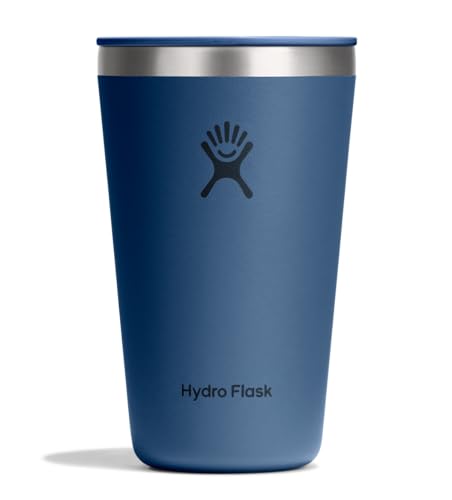
3. Hydro Flask All Around Tumbler
From the brand that helped popularize colorful insulated bottles, this tumbler has a powder coat finish for grip and a lid made for sipping on the go. It comes in a few size options.
Suits: commuters who like a soft-touch feel. Strengths: a trusted name in insulation. Weaknesses: the coating can show wear. Skip it if you want a rugged, bare steel look.
View Hydro Flask All Around Tumbler on Amazon
Best for long drinking sessions
4. Stanley Quencher H2.0 Tumbler
The well-known large tumbler with a handle, a tapered base and a lid with a straw. It is a very different style from a Yeti, aimed at people who sip all day from a large cup.
Suits: long drinking sessions. Strengths: a handle and cup-holder shape. Weaknesses: large sizes are bulky. Skip it if you prefer a compact cup.
View Stanley Quencher Tumbler on Amazon

Best for patterns and gifts
5. Corkcicle Insulated Tumbler
A brand known for wine and cocktail accessories, with insulated cups in lively patterns. It leans toward style, and it suits happy hour as well as the commute.
Suits: patterns and gifts. Strengths: a fashionable look. Weaknesses: fewer rugged options. Skip it if you want a work-site mug.
View Corkcicle Tumbler on Amazon

Best for eco-minded drinkers
6. Klean Kanteen Insulated Tumbler
A long-standing stainless steel drinkware company with an emphasis on plastic-free materials. Its tumblers are simple and sturdy, and they suit people who care about sustainability.
Suits: eco-minded drinkers. Strengths: a straightforward, durable design. Weaknesses: fewer trendy colors. Skip it if you want a fashion statement.
View Klean Kanteen Insulated Tumbler on Amazon
Care and Setup
- Hand-wash painted or coated tumblers to protect the finish.
- Take lids apart to clean the gaskets and sliders.
- Pre-chill or pre-warm the cup with water for better results.
- Dry the inside fully before storing with the lid off.
Mistakes to Avoid
- Assuming a slider lid is leakproof.
- Ignoring cup-holder fit in your car.
- Putting a dented tumbler in the dishwasher.
- Filling the cup with carbonated drinks and sealing it tight.
What to Keep From a Yeti and What to Drop
Before comparing alternatives, decide what you actually liked about the original. Some people want the rugged look and straight sides. Others only wanted a cup that keeps drinks hot or cold. Naming your priorities makes the six options easier to sort.
Make a short list of must-haves. Typical items include a lid that resists splashes, a body that fits your cup holder, a size that lasts through a work shift and a finish that survives a bag. Then make a second list of nice-to-haves, such as a handle, a particular color or a straw.
It is also worth being honest about what you will give up. Branded accessories made for one maker’s sizes, such as lids, straws and carrying handles, may not fit another brand. If you already own accessories, check that they will fit the replacement.
On the other side, you may gain things. Some alternatives offer more color choices, different handle designs or lids with straws built in. If the original felt heavy, a lighter cup may suit you better. If the original was too tall for your car, a tapered base can solve the problem.
Treat marketing comparisons with caution. Claims that one brand matches another are the makers’ own, and real-world results depend on the size, lid and how you use the cup. Use the listing details and your own priorities to decide, not slogans alone.
Lid Designs and Spill Risk
The lid is often the biggest difference between tumblers, and it affects spills more than the cup body does. Most tumblers use one of a few lid styles, and each fits different habits.
Slider lids have a sliding panel that opens and closes the drinking hole. They resist splashes and keep dust out, but the slider is not designed to seal against leaks if the cup tips over. They suit desks, cars and cup holders where the cup stays upright.
Press-in lids push into the cup opening and may have a small drinking hole or a flip cap. Fit and seal vary, so check how the lid attaches and whether it is described as spill resistant or leakproof. Only a lid described as leakproof by the maker should be considered for a bag, and even then it is wise to test it with water first.
Straw lids let you sip without tilting the cup. They are convenient for iced drinks and long sipping sessions. Check the straw size, how it is cleaned and whether the opening can be closed.
To reduce risk, test any new lid with plain water over a sink before you trust it with coffee or in a bag. Inspect the gasket, which is the small ring that helps form a seal, and make sure it sits properly after cleaning. Replace lids or gaskets that look cracked, warped or stretched.
Size, Shape and Fit Checks
A tumbler that does not fit where you use it will end up in a cupboard. Size and shape deserve as much thought as insulation.
Start with the cup holder. Measure the opening in your car, desk or bike if you can. Straight-sided cups vary in base width, and larger tumblers may not fit narrow holders. Tapered bases are designed to fit more holders, but a wide upper body can still hit nearby controls.
Then think about capacity. A larger cup means fewer refills, but also more weight when full and more bulk in a bag. A smaller cup is easier to carry and fits more spaces, but may run out sooner. Match capacity to your day: a commute, a work shift or a long drive.
Handles change the picture. A handle makes a heavy cup easier to carry, but it can stop the cup from fitting in a bag side pocket or a snug holder. If you prefer to clip or hold the cup, check how the handle is attached.
Finally, consider height under cabinets and in refrigerator doors. Tall tumblers may not fit on a shelf or in a dishwasher rack. Check the product dimensions on the listing, and compare them with the spaces where the cup will live.
Finish, Durability and Everyday Care
Most tumblers in this guide are stainless steel with a coating, and the finish affects both grip and how the cup ages. A powder coat can feel soft and secure, but it may show scuffs over time. Bare steel is easier to keep looking tidy but can feel slippery, especially when wet. A vivid or patterned finish can look great, though some people find scratches more obvious.
Look for the maker’s care guidance on the listing or in the box. Some cups are stated as dishwasher safe and others advise hand washing, particularly for coated or decorated finishes. Lids often have different instructions from the body, so check both. If you hand wash, a bottle brush and mild soap help reach the base, and a small brush helps clean sliders and gaskets.
Dents can affect appearance and, in some cases, the insulation, so avoid dropping the cup on hard surfaces and consider a silicone boot if one is available for your model. Check that any accessory is made for your exact size before ordering.
Odors and stains can build up if a cup stays closed while damp. Dry the inside fully, store it with the lid off, and clean after coffee, tea or sweet drinks. Replace lids and gaskets that stay stained or smelly after cleaning, and stop using a cup with a visible crack or a loose base.
Matching an Alternative to Your Routine
With priorities clear, a few common routines point to different choices among the six listed brands.
- Commuter: favor a cup that fits your car holder and has a lid you trust. A tapered base and a flip or slider lid are common choices.
- Desk worker: capacity and easy cleaning matter most. A larger cup with a simple lid cuts down on refills.
- Gym or outdoor user: a durable finish and a straw lid or easy-sip lid may help. A handle is useful if you carry the cup by hand.
- Gift buyer: color range and finish matter, but check size and lid style so the recipient can use it where they want.
- Hot drink fan: look at how the lid handles heat and how far the cup can tilt before liquid escapes. Follow the maker’s guidance on hot liquids.
Budget tiers are easier to think about in qualitative terms. More affordable options often cover the basics well, while pricier ones may add finishes, accessories or larger families of sizes. Higher cost does not automatically mean better insulation, so compare the features you will actually use.
Finally, look at the return policy and the warranty on the listing. A tumbler is a daily-use item, and a clear policy gives you room to try it, check the fit and send it back if the lid or size is wrong.
A Week With Each Alternative: Matching the Tumbler to the Life
The alternatives in this guide are often reviewed as specifications, but they are lived as routines, and the routines differ more than the insulation does. The RTIC is the value workhorse that asks to be treated roughly and replaced without tears. The Simple Modern Classic is the neat, design-conscious commuter. The Hydro Flask All Around carries a brand’s outdoor heritage into a daily cup. The Stanley Quencher H2.0, with its handle and cupholder-friendly base, is built around the car-and-desk circuit. The Corkcicle is the style-led option that wants to be seen, and the Klean Kanteen is the minimalist’s stainless answer for those who want the fewest materials and the least fuss. A week of your actual life, your commute, your desk, your car, your washing-up habits, will sort these six more honestly than any ice-retention contest, because the best alternative is the one whose shape, lid and care demands disappear into your day.
The commuter’s week
For the train-and-desk life, the questions are spill and silhouette. A tumbler that rides in a bag must seal with conviction, which pushes straw lids down the ranking and secure, closed lids up it, whatever the fashion says. At the desk, the tumbler should be stable, quiet to set down and easy to drink from without breaking concentration or eye contact in a meeting. The Simple Modern style of tumbler suits this life particularly well because it looks like it belongs in an office and behaves like it was designed there. The commuter should also count washing: a tumbler used twice daily must be a tumbler that can be cleaned in the time a real evening allows, lid parts included, or it will quietly become the bottle that smells of last week’s coffee.
The car-and-errands week
The Quencher pattern exists because a large share of modern drinking happens in a driver’s seat. A handle that allows a one-handed lift, a base that fits the cupholder, a straw that permits drinking without tipping the head back: these are not gimmicks but answers to the specific ergonomics of traffic. If your day is a circuit of school runs, sites and shops, judge every alternative in this guide against the cupholder test and the one-hand test before you judge its insulation. The RTIC and Hydro Flask shapes suit drivers who prefer a classic tumbler form; the Stanley suits those who want the handle’s security. What none of them should do is demand two hands and a glance downward at the exact moment the road wants your eyes.
The outdoor and worksite week
For the person whose tumbler lives in a van, on a site or at the end of a garden, durability and forgiveness lead. Finishes will be scratched, lids will be dropped, and the tumbler will be filled from whatever tap is nearest. The RTIC’s replaceable-without-grief character and the Klean Kanteen’s unfussy stainless both serve this life, in different dialects: one says the tool is cheap enough to be a tool, the other says the tool is simple enough to survive being one. Insulation still matters, a cold drink at four in the afternoon is a morale issue, but it matters after the question of whether the tumbler will be intact, clean and present at four in the afternoon at all.
Lids: The Part That Actually Decides Satisfaction
Straw lids, sip lids and sealed lids are different tools
Most disappointment with insulated tumblers is lid disappointment wearing the tumbler’s name. A straw lid is a pleasure for cold drinks at a desk or in a car and a liability in a bag, because straws vent and splash by design. A sip lid balances access and containment for coffee and commuting on foot. A fully sealed lid is the only honest choice for a bag, a bike or a tumbler that will be knocked over by a dog before lunch. Judge the alternatives in this guide lid-first: which lid does the model come with, which lids can it accept, and how does that lid come apart for washing? A tumbler with a superb body and a lid that traps old milk in a gasket you cannot remove will be retired within the season, and the retirement will be misreported, even by its owner, as the tumbler being no good.
Gaskets, smells and the weekly deep clean
Every lid in this category depends on a silicone gasket, and every gasket is a diary of what the tumbler has carried. Remove it weekly if the design allows, wash it separately, dry it fully, and replace it when it keeps a smell after honest washing. Coffee and sweet drinks write the strongest entries in that diary. The habit takes two minutes and is the difference between a tumbler that tastes of today’s drink and one that tastes of its own history. When comparing models, favour the lid whose parts you can count on one hand and reassemble without instructions; complexity in a lid is paid for nightly, in the sink, by you.
Ice Tests and Other Honest Measurements
Household ice tests, fill it, time it, declare a winner, are entertaining and nearly useless, because they measure a sealed tumbler standing still, which is not how any of these six will live. A more honest home evaluation runs across a week: does the drink reach the end of your longest routine at a temperature you enjoy, does the outside stay dry in your bag and on your desk, does the lid survive your washing, and do you reach for it without thinking by Friday? A tumbler that passes those four tests is, for your life, the best insulated tumbler in this guide regardless of what a freezer and a stopwatch say. Keep the receipt until the week is done, and let one genuine Monday, with its commute, its meeting and its forgotten-in-the-car afternoon, cast the deciding vote that no laboratory ever will.
Two Tumblers, One Owner: The Rotation That Ends Dissatisfaction
Many people who cannot find the perfect tumbler are actually looking for two. One lives at home and at the desk, chosen for comfort and looks; the other lives in the car or the work bag, chosen for sealing and survival. A Corkcicle for the table and a Klean Kanteen for the road, a Quencher for the car and a Simple Modern for the office: the pairings vary, but the principle resolves the contradictions that make single-tumbler reviews so quarrelsome. A straw lid is not a flaw in the tumbler that never enters a bag, and a plain sealed lid is not a deprivation in the one that never sits on a desk. If your budget allows one purchase now, buy for the routine that has caused the most spills, smells or lukewarm disappointments, and let the second routine wait its turn. Judged as a rotation rather than as a duel, the alternatives in this guide stop competing and start specialising, which is what their designers, each in their own dialect, intended all along.
The gift test: giving an alternative without giving a duplicate
Tumblers are gifted constantly and duplicated almost as often, so give against the recipient’s routine rather than for your own. The driver gets the cupholder shape, the new parent gets the one-handed drink, the outdoor worker gets the finish that forgives, and the person who has everything gets the lid or accessory their current tumbler lacks, which is the rare gift that improves an object they already love. Include the receipt without embarrassment. A tumbler’s fit to a life is personal in the way shoes are personal, and a gift that can be exchanged for the right size of daily happiness is a gift given in the right spirit.
Yeti Alternative FAQ
Are alternatives as well insulated as a Yeti?
Most use the same double-wall vacuum idea. Real results vary by brand and size, so rely on the maker’s own claims with care.
Which alternative looks most like a Yeti?
RTIC is the closest match in shape and lid style.
Which is best for car use?
A tapered base such as the Stanley Quencher tends to fit cup holders better than straight-sided cups.
Do I lose anything by skipping the original?
Mostly brand recognition and some accessories made for Yeti sizes. For daily coffee or water, the substitutes here do the same basic job, so pick on lid, shape and color rather than the name alone.
Do Yeti lids fit other brands' tumblers?
Not reliably. Lids are made for specific sizes and models, so match the lid to the cup by brand and size. Check the listing before buying a replacement.
Are slider lids leakproof?
Slider lids resist splashes but are generally not designed to seal against leaks if the cup tips over. If you want to carry a drink in a bag, look for a lid the maker describes as leakproof and test it with water first.
Can I put hot coffee in an insulated tumbler?
Many are designed for hot and cold drinks, but follow the maker's guidance on your specific cup and lid. Check the listing or the care card for any limits.
Are dishwashers safe for these tumblers?
It varies by brand, finish and lid. Some makers state dishwasher-safe parts and others advise hand washing, so check the instructions for both the body and the lid.
How do I get odors out of a tumbler?
Wash with warm water and mild soap, use a brush for the base and lid parts, and dry fully before storing. Replace gaskets or lids that stay smelly after cleaning.
What size tumbler should I pick?
Match the size to your day and to the places the cup must fit, such as a car holder or bag pocket. Check the product dimensions on the listing.
When should I replace my tumbler?
Consider replacing it if the lid no longer seals well, the gasket is damaged, the body has a crack or a loose base, or the interior has stains that do not wash out.
How Insulated Tumblers Are Built
Nearly every tumbler in this guide, including those from RTIC, Simple Modern, Hydro Flask, Stanley, Corkcicle and Klean Kanteen, relies on the same basic principle: two layers of stainless steel with the air removed from the space between them. Heat moves poorly through a vacuum, so the outer wall stays close to room temperature while the inner wall holds the drink. That is why a good tumbler does not sweat or burn your hand.
Some makers add a copper lining to the inside of the wall. Copper conducts heat well and is used to reflect radiant heat, so brands that use it often mention it in their marketing. The real effect is hard to judge from a listing, and what matters is the finished cup, not the material list. Treat these details as design choices, not guarantees, and remember that the performance numbers on a listing are the maker’s own claims.
The wall is only one part of the story. The lid is often the weakest point for heat loss, because a lid has a thinner structure and a gap where a straw or drinking opening sits. A tumbler with a tightly fitting lid and a small opening keeps temperatures more stable than one with a wide open top. If you care about insulation, look at how the lid seals and how large the opening is.
- Double-wall vacuum construction: standard for this category and the reason these cups stay cool outside.
- Copper lining: a marketing detail on some models; judge the finished product, not the claim.
- Lid design: a big factor in real-world temperature retention.
Hot Drinks Versus Cold Drinks: What to Expect
Insulated tumblers are often described by ice retention, but you may use yours for coffee, tea or water as well. Cold drinks in a large, lidded cup tend to stay cold for hours, especially if you start with ice and fill the cup completely, since empty air space warms faster. Hot drinks behave differently: a tumbler with an open slider or a straw lid releases heat quickly, so for coffee you will want a lid that closes more fully.
Preheating or pre-chilling helps in both cases. Filling the cup with hot or cold water for a few minutes before you use it takes the edge off the steel and gives the drink a better start. Remember that the time a drink stays hot or cold depends on the starting temperature, the amount of liquid, the ice, the lid and how often you open it. A listing that claims a number of hours is giving a best-case figure from the maker’s own conditions.
If you take hot drinks, check the lid instructions. Some lids are designed for cold beverages and are not recommended for very hot liquids, because heat can warp a straw lid or build up pressure. A lid marked for hot drinks is the safer choice for coffee.
Warranty, Replacement Parts and Cost Per Use
A tumbler is usually a long-term purchase, so the value is in how long it lasts, not the cost of one cup. Look at what the maker offers if the cup fails, such as a limited warranty. Warranties vary by brand and often cover defects in materials and workmanship, not dents, lost lids or damage from misuse, so read the terms on the listing.
Replacement lids and straws are a practical detail. Lids wear faster than the steel body, because gaskets stretch and straws crack. If a brand sells replacement lids separately, a tumbler can last for years with a new lid every so often. If a lid is not sold on its own, the cup may be less useful once the seal fails. Check for compatibility if you want to swap lid styles, as lids are generally not interchangeable across brands.
To compare cost, think in terms of cost per use. A cup you use daily for several years has a very low cost per drink, while one that is lost or abandoned in a cupboard costs more than its price tag suggests. Choosing a size and lid you will actually carry matters more than saving a few dollars.
Gifting and Personalizing a Tumbler
Tumblers are popular gifts, and a few considerations make them more thoughtful. First, think about the recipient’s daily routine. Someone with a car cup holder needs a tapered base, while a desk worker may prefer a wider cup that holds more. Colors and finishes matter, since powder-coated finishes can chip over time, while plain steel resists scratches but shows fingerprints.
Many sellers offer engraving or custom printing, but this is usually done by third parties and may affect the return policy. Ask whether an engraved cup can be returned if the recipient wants a different size. A plain, unpersonalized cup is the safest option if you are unsure.
Finally, include a spare lid or a cleaning brush as part of the gift. A small bottle brush makes it easier to clean the bottom of a narrow cup, and a spare gasket extends the life of the lid. These small additions show care and help the cup last longer.
Related guides
Frequently Asked Questions
Why does a vacuum insulated tumbler stay cool on the outside?
The space between the inner and outer steel walls has most of the air removed, and heat travels poorly through a vacuum. The outer wall therefore stays near room temperature, so the cup does not sweat or feel hot. A dent that breaks the seal can reduce this effect.
Does a dent ruin an insulated tumbler?
A cosmetic dent usually does not matter, but a severe dent can damage the inner wall or the vacuum seal, reducing insulation. If the cup feels warm or sweats on the outside after being dropped, its vacuum may be compromised. Check the warranty terms for what is covered.
Can I put an insulated tumbler in the freezer?
Check the maker’s guidance. Some brands advise against freezing liquids in stainless cups because expanding ice can stress the walls or lid. A short chill before use is generally safer than leaving a full cup in the freezer overnight.
Do copper-lined tumblers keep drinks colder?
Copper lining is a design feature used by some makers to help reflect heat, but real-world performance depends mostly on the vacuum wall and the lid. Treat it as a minor detail and compare lids, sizes and warranty instead.
The Short Version
For the closest look, the RTIC. For colors, the Simple Modern. For a soft-touch coat, the Hydro Flask. For a handle and straw, the Stanley Quencher. For patterns, the Corkcicle. For plain durability, the Klean Kanteen. Confirm the size, lid and cup-holder fit on the current listing first.

