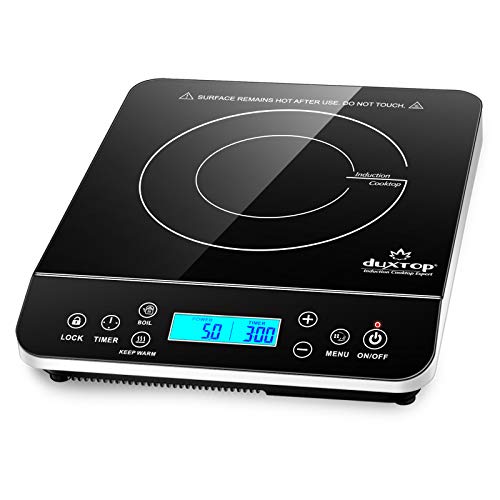
Induction compatibility requires a suitable base and a match with the hob’s sensing and size requirements. A broad compatibility label is only the start. The pan and the cooktop both have a say, so it pays to check them together.
What to do
Check cookware and hob instructions, compare base diameter with supported zones and confirm that the pan sits as intended. Use approved cookware rather than improvised adapters.
Look for the maker’s statement that the cookware is suitable for induction, and read the hob manual for the minimum and maximum pan size per zone. These two documents together answer most fit questions.
In this guide
What the hob looks for
- A magnetic base: induction heats the pan itself, so the base needs to respond to the magnetic field.
- Enough base diameter: most zones sense the pan and will not heat if it is too small or badly centered.
- Contact with the glass: a flat base transfers heat evenly and lets the sensors read the pan correctly.
- Sensible placement: the pan should sit within the marked ring for the best response.
Some pans have a flat spot or a thin magnetic layer only on part of the base, which can reduce performance on a small zone.
A mistake to avoid
Do not assume a magnet test alone settles every performance question. The hob’s minimum size and the pan’s construction also matter.
A magnet that sticks tells you the material is magnetic, not that the base is big enough, flat enough, or well placed for your particular zone.
A detail worth checking
Check the cookware’s flat resting position when cool. A pan that rocks or sits incorrectly should be evaluated according to the maker’s guidance, rather than held in place by surrounding cookware.
Lay a straight edge across the base to see if it is warped, and spin the empty pan on a flat counter to see if it wobbles. A pan that rattles on the cooktop may be noisy and may heat unevenly.
Try this practical check
Write down the hob model and each proposed pan’s base dimensions. Confirm the pairing before replacing an entire cookware set.
Measure the bottom of the pan, not the rim, and compare with the ring sizes printed on the cooktop. If the pan is much smaller than the ring, expect it to be sensed poorly.
How Induction Heating Works in Plain Terms
An induction hob creates a changing magnetic field under the glass. When a suitable pan sits on top, that field causes heat to form in the pan itself rather than in the glass. This is why the surface can stay cooler than a traditional element and why the pan reacts quickly when you change the setting. It also explains the compatibility rules: the pan must respond to a magnetic field, and the hob must be able to sense it.
Because the heat forms in the base, the thickness, shape and material of that base all affect how the pan behaves. A flat, even base touches the glass fully and allows even heating. A warped or very thin base can heat unevenly or make noise.
These points are general. Your hob’s manual has the specifics for your model, so treat it as the final word on sizes, power levels and care.
Checking Compatibility at Home
You have a few simple ways to judge whether a pan will work before you buy or use it. None is perfect, so combine them.
- Look for a symbol: many compatible pans carry a coil symbol on the base or packaging.
- Use a magnet: a small fridge magnet that sticks firmly to the base is a good sign. A weak pull may mean the layer is thin or only partly magnetic.
- Read the listing: look for a statement of induction compatibility and the base diameter.
- Check the hob manual: it will list minimum pan sizes and any restrictions.
- Try a small trial: place the pan on the hob with a little water and see whether the hob detects it and heats it.
If the hob gives an error message or the pan does not heat, stop and consult the manual. Do not force it by changing settings repeatedly.
Common Cookware Materials and How They Tend to Behave
The table gives general tendencies. Individual products differ, so use the listing and the maker’s notes to confirm.
| Material | Typical induction behaviour | Things to check |
|---|---|---|
| Cast iron | Usually works well | Rough bases can scratch glass; lift rather than slide |
| Magnetic stainless steel | Usually works | Not all stainless is magnetic |
| Aluminium alone | Typically does not work | Needs a magnetic layer on the base |
| Copper alone | Typically does not work | Look for a bonded magnetic base |
| Glass or ceramic | Typically does not work | Only if a magnetic disc is included |
| Enamelled steel | Often works | Check base smoothness and the listing |
The word typically matters here. Some multi-layer pans include a magnetic plate that makes them suitable even though the main body is a different metal.
Matching Pan Size to the Cooking Zone
Hobs often mark each cooking zone with a ring. The pan base should sit roughly within that ring and be centred. A pan that is much smaller than the zone may not be detected, or it may heat inefficiently. A pan that overhangs a lot can leave parts of the glass unheated while the pan edges stay cooler.
Practical sizing tips
- Measure the flat part of the pan base, not the rim.
- Compare it with the zone ring and with the minimum size in the manual.
- Choose the zone that best matches the pan.
- Centre the pan, because off-centre placement can cause detection problems or uneven heating.
Some hobs have flexible zones that merge to hold larger or oblong pans. Follow the instructions for how to use them.
Noise, Vibration and Other Quirks
Buzzing, humming or clicking sounds are not unusual with induction cooking. They often come from the pan’s construction, since layers of metal may vibrate slightly in the field. Higher power settings can make the sounds stronger. Quiet operation is usually a sign of a well-bonded base, but a noisy pan is not always faulty.
If the noise bothers you, try a different pan, lower the power slightly or check that the base sits flat. If the sound seems different from normal or there is an unusual smell, switch the hob off and refer to the manual or contact the maker. Do not attempt electrical repairs yourself; consult a licensed professional if you suspect a problem with the appliance.
Caring for the Glass Surface
Glass tops resist many things, but they can still be scratched by rough bases and marked by sugary spills left to bake on. Lift pans instead of dragging them. Wipe the surface once it is safe to touch, following the cleaner recommendations in the manual. Avoid using abrasive pads unless the maker says they are fine.
Keep the base of each pan clean too. Residue on the bottom can burn onto the glass and become hard to remove.
Short Glossary and Checklist
- Cooking zone: the marked area on the hob where a pan should sit.
- Ferromagnetic: a material that responds to a magnet, such as iron.
- Flexible zone: an area that can act as one large or two small zones.
- Pan detection: the hob’s way of sensing whether a pan is present.
- Check the base for the induction symbol or a firm magnet hold.
- Confirm the base diameter against the manual.
- Centre the pan on the matching zone.
- Lift rather than slide the pan.
- Keep the base and the glass clean.
Shopping Notes for Induction Cookware
If you are adding pans to an induction kitchen, a few habits make the search easier. Begin by listing what you cook most and which sizes you use daily. Most households rely on a small pan, a medium skillet and a larger pot, so cover those before looking at specialist pieces.
What to look for on the product page
- A clear statement that the item suits induction hobs.
- The base diameter, not only the top width.
- A description of the base construction, such as a bonded magnetic layer.
- Weight and handle details, since heavy pans paired with weak handles are tiring.
- Care instructions, including oven and dishwasher guidance.
Questions for the seller
If the listing is vague, ask directly whether the base is magnetic and what the flat base diameter is. A clear answer is a good sign. Hesitation or a mismatch with the listing suggests caution.
Using what you already own
Before replacing a whole set, try the magnet test on each piece. You may find that many pans already work, and you only need to replace a few. Keep any non-compatible pans for a secondary use, such as oven cooking where the maker allows, or pass them to someone with a different type of cooktop.
Some people use an interface disc to adapt non-magnetic pans. If you consider this, read the hob manual and the disc maker’s instructions closely, since heat distribution and safety limits may differ from using a compatible pan directly.
Quick Answers
Can I use an adapter plate?
Check both the hob and adapter instructions. The text above recommends approved cookware rather than improvised options, since adapters can heat unevenly and may not be permitted.
Why does my induction pan buzz?
Some noise is common with induction, especially at high power or with layered bases. If it is loud or new, check that the pan is flat and centered, and consult the maker.
Does a bigger pan work better?
Only if the zone supports it. Overhanging a lot can leave the edge cool. Follow the maximum size in the hob manual.
Pan Materials and How They Respond
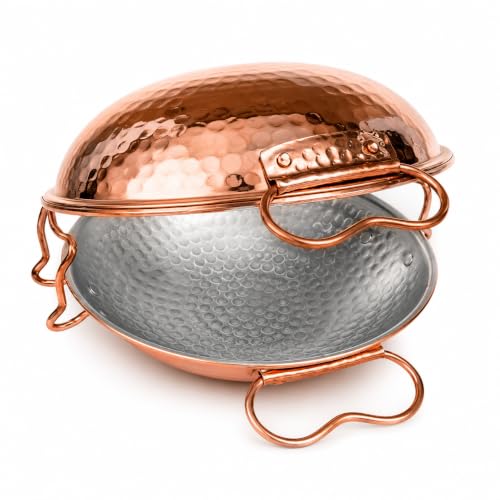
Induction cooking depends on the pan itself reacting to the magnetic field, so the material of the base is the starting point. Cast iron and many steel-based pans respond well, and many stainless pans include a magnetic layer in the base to make them suitable. Pure aluminum and pure copper pans do not respond on their own, so they work only if the maker adds a magnetic layer or plate to the base. The listing or the base markings usually say whether a pan is designed for induction.
Not every stainless steel is magnetic, and the grade used in the base affects the result. A pan labeled as induction ready will typically have a layer chosen for that purpose, but you should rely on the maker’s statement rather than guessing from appearance. Enameled cast iron is usually compatible, though a rough or uneven bottom may scratch glass, so check the guide for any handling advice.
Layered or clad bases bring other considerations. A magnetic layer on the outside can heat quickly and pass heat into the aluminum core, which spreads it across the base and up the sides in fully clad designs. Disc-bottom pans concentrate heat in the base, so the sides may heat less. Neither is better in every case; the choice depends on how you cook, and on whether the diameter of the magnetic part is large enough for your zone. Read the product description for the size of the magnetic area where it is listed.
Reading the Hob Manual for Pan Requirements
The hob manual is the best source for the rules your cooktop follows. Look for sections on cookware, suitable pans and zone sizes. Many manuals specify a minimum base diameter for each zone, and some also describe how the hob responds when a pan is too small, such as flashing an indicator or refusing to heat. Note whether the manual gives a maximum size, since a very large pan can overhang the zone and leave the edge cooler.
Check the language used about pan material and base design. Some manuals mention flat, smooth bases and warn against rough or uneven surfaces that can scratch glass. Others describe the way features like bridge zones or flex zones work, which let you combine zones for larger pans such as griddles. If the manual describes a pan detection feature, understand how it reacts when you lift the pan briefly, since some hobs pause heating and others turn off the zone.
- Find the minimum and maximum pan size for each zone.
- Read any note about pan position within the marked ring.
- Check cleaning and care advice for the glass surface.
- Look for guidance on power levels, boost modes and timers that affect cookware choice.
If you no longer have the paper manual, search for the hob model on the maker’s support page. Do not guess the details from a different model, since layout and sensing can differ.
Size, Centering and Overhang
Even a magnetic pan can perform poorly if its size does not suit the zone. A pan much smaller than the marked ring may not be sensed, or may heat only a small area. A pan much larger than the zone may leave the outer part of the base relatively cool, which shows up as uneven browning or slow boiling at the edge. A close match between the pan base and the ring works best.
Measure the flat part of the base, not the rim, because pans with flared sides can have a rim far wider than the base. Many manufacturers state the base diameter, but if not, measure it yourself with a ruler across the flat bottom. Place the pan on the zone so it sits centered in the ring, and avoid dragging it, which can scratch glass.
Small pans, such as butter warmers or espresso pots, are a common case. They may need a smaller zone or an induction-ready design with a base that meets the minimum. If your hob has a small zone, use it for small pans rather than a large zone, which might not detect them. For a large griddle or oval roaster that spans two zones, check the hob manual to see whether bridging is supported, and whether the maker recommends particular pans. Some hobs will heat only where the pan covers the zone.
Noise, Heat Behavior and Surface Care
Induction hobs can make sounds that are surprising at first. A low hum, buzz or faint click is common, particularly at high power settings or with pans that have layered bases. These noises are often a result of vibration in the pan layers rather than a fault. If a sound is loud, new or changes suddenly, check that the pan is flat and centered, try a different pan and consult the maker if it persists.
Heat behavior also differs from gas or electric coil. Induction responds quickly, so a pan can heat in moments and cool just as fast when you lower the power. That makes preheating an empty pan a point to watch: a thin pan can overheat quickly, and coatings may be damaged by high heat. Add oil or food soon after the pan warms, and use medium settings until you learn how your hob behaves.
- Lift pans rather than sliding them, to protect the glass.
- Wipe spills promptly, as sugary residue can mark glass when it burns on.
- Keep pan bottoms clean and dry before placing them on the hob.
- Do not put hot pans on a cold zone while the hob is off without checking the heat indicator.
Use the residual heat indicator as a reminder that the glass can stay hot after you remove the pan.
Replacing or Supplementing Your Cookware Set
If you are moving to induction, you may not need to replace everything. Start by testing the pans you already own, using the maker’s statements and the checks described above. Keep those that are clearly suitable, and note which sizes are missing. Rather than buying a full new set, fill gaps with a few well-chosen pieces, such as a skillet, a saucepan and a larger pot that match your zone sizes.
When you shop, look at how the product is described. Check that the listing states induction compatibility, gives the base diameter and describes the base construction. Ask yourself whether the pan weight is something you can lift comfortably, since induction-ready pans with thick bases can be heavy. Check the handle and lid heat limits if you use the oven, as discussed in the maker’s guide.
Think about the way you cook. Someone who sears often might value a heavy base that holds heat. Someone who simmers sauces might prefer a clad pan with even side heating. Consider storage, too, because stacking pans can scratch bases and make them uneven over time. Use pan protectors or soft liners if the maker suggests them. If a pan has warped, loses contact with the glass or no longer responds as it did, treat that as a sign it is time to retire it rather than fight with it.
Common Questions
How can I tell if a pan is induction compatible without a magnet?
Look for an induction symbol on the base or packaging, or read the maker's listing. If neither is available, a magnet test is a rough hint only, so confirm with the maker's information.
Will induction damage my pans?
It should not if the pan is designed for it and you follow the maker's guidance. Overheating an empty pan is the main risk, so avoid leaving a pan unattended at high power.
Why does my hob not detect a small pan?
Most hobs have a minimum pan size for sensing. Try a smaller zone, a pan with a larger magnetic base, or check the manual for the minimum size.
Can I use a glass or ceramic pan on induction?
Not on their own, because they are not magnetic. Some are made with a magnetic base plate, so rely on the listing and the hob manual.
Do I need special utensils for induction?
No. Utensils do not interact with the magnetic field the way pans do. Choose them for heat resistance and for the pan surface, as with any cooktop.
What should I do if my pan scratches the glass?
Lift rather than slide pans, keep bases clean and avoid rough surfaces. If a scratch appears, check the maker's care guidance and avoid harsh abrasive cleaners.
Related reading
6 Best Cookware for Induction Cooktops: Pans That Work (2026)
Reference and further practice
Lodge cast iron use and care guidance

Ready to Buy? Start Here
If this guide helped you decide what to look for, these products are a place to start.
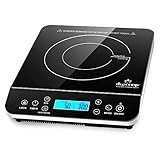

View Cuisinart Multiclad Pro 12 Piece Cookware Set on Amazon
As an Amazon Associate we earn from qualifying purchases. Prices and availability are shown on Amazon.
A Deeper Fit Check: Diameter, Flatness and Contact
The magnet test described earlier in this guide tells you whether a pan’s base contains enough magnetic material to respond to an induction hob, but fit is a three-part question, and material is only the first part. The second part is diameter: every induction zone has a minimum pan size it can detect and a maximum size it heats efficiently, both of which your hob manual states. A pan much smaller than the zone’s minimum may not be detected at all, which is the issue behind the question above about small pans, while a pan much larger than the zone wastes its overhang and heats unevenly at the edges. Match the pan’s flat base diameter, not its top rim diameter, to the zone.
The third part is flatness and contact. Induction transfers energy across the small gap between hob surface and pan base, so a base that is warped, heavily domed or deeply ridged reduces contact and performance even when the material is ideal. Test an existing pan by spinning it gently on a flat surface and by checking whether it rocks; a pan that rocks on the counter will rock on the hob and heat unevenly. New pans should state a flat, machined or otherwise induction-suited base. This is why some pans that pass a magnet test still disappoint: the magnet answers the material question, not the geometry question.
Construction explains many borderline cases. A pan with a magnetic plate bonded to its base can work well if the plate is thick, flat and firmly attached, while a pan with only a thin magnetic layer may heat slowly or trigger the hob’s detection inconsistently. Fully clad pans with a magnetic exterior layer tend to be the most predictable performers. None of this requires laboratory knowledge; it requires reading the product page for base construction, checking the manual for zone sizes, and testing the pans you own with a magnet and a flat surface before blaming the hob.
Keep notes as you test. A simple list of each pan, its base diameter, the magnet result and which zone it suits turns a confusing drawer of cookware into a known system. When you shop later, those notes tell you exactly which size gaps to fill. Households that do this once rarely struggle with induction again, because every future purchase is checked against written facts rather than hope.
Reading the Hob Manual Like an Owner, Not a Lawyer
The hob manual is the authority this guide keeps pointing to, and a few sections matter more than the rest. Find the pan-size table or zone diagram first, because it defines the diameters each zone detects and heats. Find the cookware guidance next, because makers state which base materials and constructions they recommend and which they warn against. Then find the error or indicator meanings, because the symbol your hob shows when it refuses a pan is explained there in plain terms, and knowing whether it means undetected pan, wrong size or overheating turns a mystery into a diagnosis.
Note the power and booster guidance as well. Boost functions draw heavily and may be limited to certain zones or to one zone at a time, which explains behavior that otherwise looks like a fault. Note any guidance about small loads, empty-pan heating and simmer settings, because induction’s speed makes empty or nearly empty pans heat far faster than on other hobs. A careful read of those pages, highlighter in hand, is the cheapest performance upgrade available to any induction owner.
If the paper manual is lost, the maker’s website almost always hosts the same document by model number, which is printed on the hob’s rating plate or in its installation paperwork. Download it to your phone so it is available in the kitchen, not in a filing cabinet. When you call support about a pan problem, the first questions will be about model, zone and pan size; having those answers ready gets you to a useful response in one call instead of three.
Finally, keep the manual’s guidance ahead of generic internet advice, including general guides like this one. Zone sizes, detection thresholds and symbols vary by model in ways no general article can fully capture. Use this guide to understand what to look for, then let your specific manual settle the exact numbers for your hob. That division of labor is deliberate and is the surest route to a kitchen where every pan simply works.
Troubleshooting Common Fit Problems
When a hob does not detect a pan, work through the causes in order of likelihood. Confirm the pan is centered on the zone and that the zone size matches the base diameter. Confirm the base is magnetic across its surface, not only at a small central spot, because some bases have limited magnetic coverage that detection circuits miss. Confirm the base is clean and dry, since a layer of burnt residue or a wet, gritty surface can affect contact and cause noise. Try the pan on a different zone of the right size; a pan that works elsewhere points to a zone question, while a pan that works nowhere points to the pan.
Buzzing and clicking, raised in the questions above, often come from layered bases vibrating or from the hob’s power regulation at certain settings. Try a different power level, ensure the pan sits flat, and test whether the sound changes with a heavier, fully clad pan. Some sound at high power can be normal for a given pan-and-hob pairing, but a new, loud or worsening sound deserves attention and, if needed, a support call with your notes in hand. Never ignore a sound accompanied by uneven heating or error symbols; together they are asking for diagnosis.
Uneven heating usually traces back to size or base construction. A base larger than the zone leaves a cool outer ring, a warped base leaves cool spots where contact is poor, and a very thin base can develop hot spots because it cannot spread the zone’s energy. The fixes are matching size, choosing flat and substantial bases, and giving the pan a moment to distribute heat before judging it. Induction responds instantly at the surface, which can mislead; the pan still needs a short time to become an even cooking surface.
If a pan worked on a previous hob but not on a new one, suspect detection thresholds and zone sizes before suspecting the pan. Different makers set different minimums, and a small favorite pan can fall below a new hob’s minimum on every zone. The manual comparison, old against new if available, usually explains it in minutes. That is also why this guide advises checking fit before a hob purchase when a beloved cookware collection is at stake: bring the measurements, and ideally test with the smallest pan you care about.
Buying New Cookware That Will Fit First Time
Shop with three numbers in your pocket: each zone’s minimum and ideal diameter from your manual, and the base diameters of the pans you already love. On a product page, look for the base diameter specifically, for an explicit induction statement, and for base construction details, as the earlier section on product pages advises. Treat a generic compatible-with-all-hobs claim as a starting point and look for the induction-specific wording and base description behind it. When a seller cannot state the base size, that silence is itself information about how seriously the listing takes fit.
In store, bring a small magnet and use it with permission; it settles the material question in seconds. At home on delivery, test the pan on the intended zone before removing every label and before the return window becomes a worry: detection, a boil test with a modest amount of water, and a flatness check on the counter. A pan that passes those three tests in your kitchen is a known quantity, and keeping the receipt until it passes them is simple prudence.
Build the collection zone by zone. Most cooking uses one or two favorite zones, so ensure those zones have perfectly matched pans before worrying about the rarely used smallest or largest zone. A small pan that only works on the small zone is fine if that is where you will use it; problems arise when pans and zones are paired by habit rather than by size. Labeling is unnecessary once the system is learned, but the first month benefits from deliberate pairing.
Questions for the seller, covered earlier, become sharper with your manual in hand. Ask for base diameter, base construction and induction confirmation for your hob type, and keep the answers with your receipt. A seller who can answer those questions is selling cookware as equipment; a seller who cannot is selling it as decoration. Induction rewards buyers who treat pans as equipment, and the reward is a hob that feels fast, calm and predictable every single day.
More Questions, Answered
Does cookware weight affect induction performance?
Weight itself is not the mechanism, but heavier pans often have thicker, flatter bases that keep full contact and spread heat evenly, which is why they frequently perform calmly and quietly. A light pan with a well-made flat magnetic base can still perform well. Judge the base’s flatness, diameter and construction rather than weight alone, and use weight as a secondary clue about base substance when other details are equal.
Can I use my favorite non-magnetic pan with an interface disc?
Interface discs, also called adapter plates and discussed above, sit between hob and pan and heat the pan by conduction. They sacrifice much of induction’s speed and efficiency and are restricted or discouraged by some hob makers, so check your manual before considering one. For a single sentimental pan used occasionally, a disc may be a compromise; for daily cooking, replacing the pan with a properly suited one is almost always the better experience.
Why does the hob fan run and is that normal?
Induction hobs cool their electronics with a fan, and hearing it during and briefly after cooking, especially at high power, is normal for most models. The manual describes the expected behavior for your hob. A fan that runs constantly at low power, sounds strained, or accompanies error symbols is worth a support call. Keep the hob’s vents and installation clearances as the installation instructions require, since cooling depends on them.
Should I replace all my pans when I switch to induction?
Usually not. Test the collection you own first with a magnet, a flat surface and your new manual’s zone sizes; many households find their best pans already qualify and only a few pieces need replacing. Replace strategically, starting with the pans you use daily in sizes your zones serve best. A phased replacement guided by tests costs less and wastes less than a reflexive full-set purchase, and it keeps familiar favorites in service where they earn it.
Worked Examples: Testing a Real Drawer of Pans
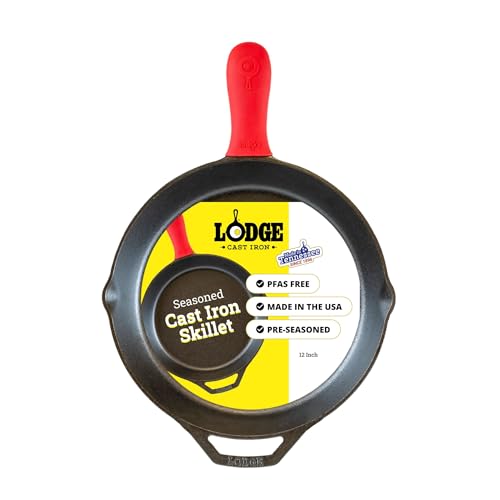
Imagine a typical inherited drawer: a large stainless stockpot, two frying pans of different constructions, a small milk pan, a cast iron skillet and one elderly warped saucepan. Tested in order, the stockpot’s base proves magnetic and flat, and its diameter suits the largest zone, so it graduates immediately. The cast iron skillet is magnetic by nature and heats superbly, though its weight and roughness argue for lifting rather than sliding it on the glass. One frying pan passes the magnet test across its whole base and becomes the daily driver; its sibling attracts the magnet only weakly at the center and heats slowly, revealing a thin bonded base that will always be a compromise.
The milk pan fails detection on the smallest zone, not because it lacks magnetic material but because its base diameter falls below that zone’s minimum in the manual, a finding that takes two minutes to confirm and ends weeks of vague frustration. The warped saucepan rocks on the counter, and its owner now understands its hot spot at last. Of six pans, four are fully serviceable, one is limited, and one is a replacement candidate. That outcome is typical, and it is why this guide insists on testing before shopping: the drawer usually contains more induction cookware than its owner feared, once each piece is matched to its proper zone.
Replacement buying then becomes surgical. The household needs one small pan that the small zone can detect and one flat saucepan, and it knows the exact base diameters to seek. Two informed purchases complete the set, at a fraction of the cost of a boxed collection, half of which would have duplicated what already worked. Keep the test notes with the manual, and the next pan bought for any reason gets the same three checks on arrival as a matter of routine.
The deeper reward is confidence. A cook who has tested every pan knows which zone each belongs on, why the hob behaves as it does, and how to diagnose the rare surprise. Induction stops feeling temperamental and starts feeling precise, which was the promise that sold the hob in the first place. The magnet, the flat counter and the manual deliver that promise together; no single one of them manages it alone.
Keeping a simple cookware record
One page is enough: pan name, base diameter, magnet result, best zone, and any notes about noise or heating character. Update it when a pan arrives or leaves, and photograph it to your phone alongside the manual. When a retailer, a support line or a helpful friend asks what you are working with, the page answers instantly. Small records like this are the difference between a kitchen that accumulates mysteries and a kitchen that accumulates knowledge.
Final Checks: A One-Sitting Audit of Hob and Pans
Set aside half an hour, once, and run the complete audit this guide has assembled in pieces. Put the manual, paper or phone, on the counter. Take every pan you cook with to the same counter, with a magnet, and work through them in order: magnet across the base, flatness check by eye and by rocking, base diameter measured across the flat contact surface rather than the rim. Write each result beside the pan’s name. Then read the manual’s zone table and assign each passing pan to the zones that suit its diameter. Half an hour is genuinely enough, and it converts induction from folklore into a chart you own.
Act on the audit in the order it suggests. Pans that pass everything go back into service with their zones known. Pans limited by size get used only on their correct zone, which often rehabilitates a piece you had blamed unfairly. Pans that fail on material or flatness become honest candidates for replacement, non-induction duty elsewhere, or departure, and the audit tells you the exact base diameters to shop for when you replace them. Nothing in the kitchen remains mysterious, and no money is spent until the chart says precisely what is missing.
Test any new arrival against the same chart before its return window closes: detection on the intended zone, a modest boil, a flatness check, and a listen for unusual noise at the power levels you actually use. Add its line to the record whether it stays or goes, because the note about why a pan left is as useful as the notes about the pans that stayed. Over a year, that record becomes a small, exact history of your cookware that no memory could match.
Close the audit by storing its products together: the manual where your phone can reach it, the pan record photographed and filed, and the magnet on the refrigerator where it belongs in an induction kitchen. The next cookware question that arises, a gift pan, a sale, a borrowed piece, gets answered in two minutes by the system instead of an evening of guessing. That is the real destination of this guide: not a single fit check, but a household that checks fit as a habit, calmly and correctly, every time.
One last question: what is the single most common fit mistake?
Judging a pan by its top diameter and its material claim instead of by its flat base diameter and its actual base. The rim measurement flatters wide, flared pans whose contact surface is far smaller, and a generic induction-ready label can hide a thin or partial magnetic layer. Measure the base, test the base, and match the base to the zone in your manual. Nearly every disappointment described in this guide dissolves when those three steps replace assumptions, which is why they have been its refrain from the first section onward.
What should I do in the first week with a new induction hob?
Cook your ordinary meals and pay attention to pairings: which pan you reach for on which zone, where detection hesitates, where a base sings or buzzes at a favorite setting. Keep the magnet and the pan record handy and update the record with what real cooking teaches, because a boil test qualifies a pan but a week of dinners certifies it. Note the hob’s own habits too, its simmer behavior, its boost limits, the fan’s normal sound, so that normal becomes familiar and anything abnormal stands out immediately.
Resist reorganizing the whole kitchen around the hob in that first week. Live with the pans that passed, cook the food you actually cook, and let the genuine gaps reveal themselves in use rather than in anticipation. The replacement list written after a week of dinners is shorter, cheaper and more accurate than the one written in the showroom’s afterglow. Induction rewards measured owners, and the first week, observed carefully, is the cheapest education the hob will ever offer.
How do I explain my fit system to someone else cooking in my kitchen?
Show them the pan record and the zone logic once, with pans in hand: this pan lives on this zone because its base fits it, that small pan only works on the small zone, and the magnet on the refrigerator settles any argument about a visiting pan. A two-minute demonstration prevents the classic guest error, a small pan centered hopefully on the largest zone, and the equally classic frustration that follows. Systems that can be taught in two minutes get followed; systems that need a lecture get improvised around, and improvisation is what fit checks exist to prevent.
A closing word on knowing your own kitchen
The households that struggle with induction are rarely missing equipment; they are missing information about the equipment they already own. A magnet, a flat counter, a manual and half an hour close that gap completely, and the closure lasts, because pans and hobs change slowly and records change with them. That is the modest but genuine promise of the fit check this guide describes: not better cooking by magic, but the removal of a whole category of small frustrations, the undetected pan, the uneven base, the mysterious symbol, each explained and each preventable. Run the audit once, keep the record alive, and let your hob be what it was designed to be: fast, precise and entirely predictable.
Related Guides
- 6 Best Induction Cookware Sets: Stainless and Nonstick (2026)
- 6 Best Cookware for Induction Cooktops: Pans That Work (2026)
- Induction Compatible Cookware Made Simple: What Works and Why
- 6 Best Stainless Steel Cookware Sets for Induction
- How to Cook on Induction Cookware: Heat, Pans and Habits