Disclosure: topratedkitchenware.com is reader-supported. When you buy through links on our site, we may earn an affiliate commission from Amazon and other retailers, at no extra cost to you.
Where to buy
The six bottles below are the verified picks for this guide to best malibu mixers. Malibu is a coconut-flavoured rum liqueur, sweet and tropical by design, so its best partners in this verified pool fall into two honest families: fruity daiquiri and margarita mixes that lean into the tropical profile for blended and shaken serves, and tonic waters that cut the sweetness for a long, light highball. No pick below is a pineapple juice or a cola, because those are not in the pool; what is here genuinely works, each in the serve its review describes. Each name links to its Amazon listing, where you can check the latest price on Amazon and confirm the current pack before ordering.
- Zing Zang Strawberry Margarita-Daiquiri Mix
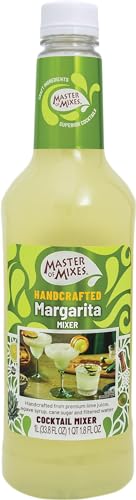
- Master of Mixes Margarita Mix
- Fever-Tree Tonic Water Mixer Cans
- Fever-Tree Light Tonic Water Mixer Cans
- Fever-Tree Tonic Water Mixer Bottles
- Fever-Tree Premium Indian Tonic Water
Read the full guide ↓ for the full breakdown of how each mixer behaves with this spirit, the honest limits of every pick, and the mixing checks that matter more than the label.
Choosing the best malibu mixers starts with respecting what Malibu already is. It is not a neutral white rum waiting for flavour; it arrives with coconut in the headline and a gentle sweetness underneath, which means a good mixer has one of two jobs. It can lean in, adding fruit and citrus so the drink becomes a full tropical serve, or it can lean back, adding bitterness, bubbles, and dilution so the coconut stays pleasant instead of cloying across a whole glass. Mixers that do neither, that simply add more sweetness in the same register, produce the flat, sugary drink that gives coconut rum an unfair reputation.
The six picks below split across those two jobs, and the split is the most useful thing this guide can tell you. The strawberry daiquiri mix and the classic margarita mix are the lean-in bottles: shaken with Malibu and ice they make the fruity, holiday-register drinks most people picture when they buy the rum. The four Fever-Tree tonics are the lean-back bottles: poured long over ice they turn Malibu into a coconut highball that stays drinkable to the last sip, with quinine bitterness doing quiet, essential work. Neither family is better; they are answers to different evenings, and most Malibu households eventually keep one bottle from each.
Alongside the reviews you will find the working layer: ratios for both families, blending and shaking notes, how to store opened fruit mixes before their flavour fades, and fixes for the two classic Malibu failures, the drink that is too sweet and the drink that tastes thin. If mango is your household’s flavour, the companion guide to Best Malibu Rum Mango Mixers takes the tonic family deeper, and the classic tiki framing for the same style of lime bases lives in Best Mai Tai Mixers.
Key Takeaways
- Malibu already brings coconut and sweetness, so a mixer must add fruit and citrus or add bitterness and bubbles; more sweetness alone fails.
- Fruit mixes here are for shaken and blended tropical serves; tonics are for a long coconut highball. Buy for the serve you actually make.
- Tonic is the corrective bottle: its quinine bitterness is what makes a full glass of coconut rum stay refreshing.
- Shaken fruit serves need generous ice and a hard shake to dilute Malibu’s sweetness into balance.
- Refrigerate opened fruit mixes and finish them promptly; their flavour fades faster than tonic’s.
- Check the latest price on Amazon for each pick, since this list mixes single bottles, cans, and multipacks.
In this guide
Quick Picks
| Pick | Badge | Why it earns its place | Listing |
|---|---|---|---|
| Zing Zang Strawberry Margarita-Daiquiri Mix | Best Overall | Real fruit juices and a strawberry lead that pairs naturally with coconut. | Check on Amazon |
| Master of Mixes Margarita Mix | Best Classic Citrus | Firm lime structure that turns Malibu into a crisp, food-friendly serve. | Check on Amazon |
| Fever-Tree Tonic Water Mixer Cans | Best Light Highball | Real quinine in single-serve cans for a coconut highball that stays lively. | Check on Amazon |
| Fever-Tree Light Tonic Water Mixer Cans | Best Lighter Option | A lighter tonic style with Mexican bitter orange notes for the driest coconut highball here. | Check on Amazon |
| Fever-Tree Tonic Water Mixer Bottles | Best for Entertaining | Classic tonic in 6.8 fl oz glass bottles that present beautifully for guests. | Check on Amazon |
| Fever-Tree Premium Indian Tonic Water | Best Premium | The flagship tonic style, with no artificial sweeteners, flavourings, or preservatives per the listing. | Check on Amazon |
How These Picks Were Chosen
This guide was assembled by research rather than by a tasting panel, stated plainly so you can weigh it properly. All six picks come from the site’s verified beverage pool, with each product’s identity, format, and listing claims confirmed against current listing data. Candidates were then sorted by a single Malibu-specific question: what does this bottle contribute that the rum does not already supply? Bottles whose only contribution was sweetness were excluded from the guide entirely, however pleasant they might be with a neutral spirit.
Two contribution types survived. Fruit and citrus mixes contribute acidity and a second fruit register, strawberry or lime, that plays against coconut the way fruit plays against coconut in desserts: the pairing is natural, and the acid keeps it lively. Tonic waters contribute bitterness, carbonation, and dilution, the three things a sweet liqueur-style rum most lacks in a long drink. Within the tonic family, the picks were separated by sweetness level and flavour direction, from the light canned option through the classic and premium Indian styles, so that a drinker who knows their bitterness preference can choose without guessing.
What this method cannot do is decide your sweetness tolerance, which varies more with coconut rum than with almost any other spirit in this programme. Some drinkers want Malibu to taste like a holiday in a glass and reach happily for the strawberry serve; others take one sip of that and reach for tonic. The reviews therefore describe each serve’s sweetness honestly, name the drinker it suits, and name the drinker who should skip it. The badges mark roles, with Best Overall going to the bottle that covers the most Malibu occasions for the most households, not to the bottle with the loudest flavour.
The 6 Best Options for Best Malibu Mixers

Zing Zang Strawberry Margarita-Daiquiri Mix
Badge: Best Overall
Strengths
- Made with real fruit juices per the listing, keeping the strawberry rounded rather than candy-like
- Dual margarita-daiquiri identity suits both shaken and blended coconut serves
- The flavour pairing is the category’s most reliable crowd-pleaser
Trade-offs
- Sweet by design, so tonic drinkers and dry palates should look below
- Strawberry leads firmly; the coconut supports rather than headlines
- One bottle size only, so very occasional drinkers must plan to finish it
| Detail | From the product listing |
|---|---|
| Format | 32 fl oz bottle, pack of 1 |
| Named attributes | Made with real fruit juices; non-alcoholic cocktail mixer; made in USA |
| Flavour | Strawberry margarita-daiquiri |
This is the bottle most Malibu buyers are imagining, whether they know it or not. A strawberry daiquiri mix built, per its listing, on real fruit juices gives coconut rum its most natural partner: strawberry up front with genuine fruit roundness, coconut underneath as the creamy base, and enough citrus structure in the mix to keep the pair tasting like a cocktail. Shaken hard at two parts Malibu to one and a half parts mix and strained over fresh ice, it is the serve in this guide most likely to be requested again by name at a party.
Its honesty note is sweetness. This is a dessert-register drink and it does not pretend otherwise; drinkers who want Malibu dry should not buy this bottle and complain, they should buy the tonic below. Within its register, though, it is well built: the real juice base keeps the strawberry from tasting like boiled sweets, and a blended version with a full cup of ice stretches it into a slushy party serve that dilutes its way back toward balance. Store it refrigerated once opened and work through the 32 ounces while the fruit is bright. For the mango rum household, the same brand logic extends in Best Malibu Rum Mango Mixers, where the tonic family takes over.
Best for: households that want the classic fruity Malibu serve / Not suited for: drinkers who find fruit mixes too sweet generally
Master of Mixes Margarita Mix
Badge: Best Classic Citrus
Strengths
- Lime-forward profile gives coconut a crisp counterpoint instead of more softness
- One-litre format suits regular weekend mixing for a household
- Predictable classic flavour makes ratios easy to learn and repeat
Trade-offs
- Lime purists may still add fresh lime for the brightest top note
- Less overtly tropical than the strawberry pick, which some buyers specifically want
- Mid-pack sweetness means the hard shake and full dilution genuinely matter
| Detail | From the product listing |
|---|---|
| Format | 1 litre bottle |
| Product | Margarita mix |
Where the strawberry pick leans into Malibu’s softness, this bottle corrects it. A classic lime margarita mix gives coconut rum the firm citrus frame it lacks, and the resulting serve, two parts Malibu to one and a half parts mix over plenty of ice, tastes like the crisp end of the tropical family: coconut present but disciplined, lime leading, finish clean. It is the Malibu serve to put next to food, particularly grilled dishes and anything with chilli heat, where a sweet drink would fight the plate and this one refreshes between bites.
The one-litre Master of Mixes format is the household standard for a reason: enough for several weekends of two-at-a-time serves, predictable enough that your ratio, once learned, never needs relearning. Its limits are equally clear. It will not give you the holiday-dessert register at all, and its lime, while firm, benefits from a fresh lime wedge garnish to supply the aromatic top note a bottled base cannot. Buy it as the crisp bottle in a two-bottle Malibu shelf, strawberry or tonic as the other, and you have covered the spirit’s whole honest range. Households watching sweetness across both bottles can cross-check the approach in Best Low Calorie Mixers.
Best for: drinkers who want Malibu crisp and food-friendly / Not suited for: those seeking the full dessert-register tropical serve

Fever-Tree Tonic Water Mixer Cans
Badge: Best Light Highball
Strengths
- Single-serve cans guarantee full carbonation in every glass
- Real quinine bitterness is the precise corrective Malibu needs in a long drink
- Subtle citrus and fruit notes per the listing complement coconut without competing
Trade-offs
- Bitter profile will not convert drinkers who dislike tonic in any form
- A 24 can pack is a commitment if the highball turns out not to be your serve
- Cannot make a shaken fruit serve; it does one job only
| Detail | From the product listing |
|---|---|
| Format | 5.1 fl oz cans, pack of 24 |
| Key ingredient named | Real quinine |
| Flavour notes | Subtle citrus and fruit notes balanced by quinine bitterness |
If the fruit mixes are Malibu’s party face, this is its weeknight face, and for many households it becomes the more important one. Fever-Tree’s tonic, built on real quinine, poured three-to-one over a full glass of ice, turns coconut rum into a highball with genuine structure: bitter edge first, coconut arriving as a rounded finish, bubbles keeping the whole glass awake. The 5.1 ounce can format is functionally perfect for the serve, because each can is one drink’s tonic at full fizz, with no flat remainder haunting the fridge.
The serve’s discipline is temperature and ice. Chill the cans, fill the glass completely, pour gently, stir once. Break any of those and the drink drifts toward the sweetness it was designed to escape. Garnish with lime or orange peel and it presents as a considered highball that happens to contain coconut rum, which is exactly the framing that wins over sceptical guests. The bourbon household down the hall uses this same tonic logic for its highball, covered in Best Makers Mark Mixers, and the principle is identical: bitterness and bubbles supply what a soft, sweet spirit cannot supply itself.
Best for: drinkers who want Malibu long, cold, and refreshing / Not suited for: anyone shopping for a fruit serve base

Fever-Tree Light Tonic Water Mixer Cans
Badge: Best Lighter Option
Strengths
- Lighter tonic style adds the least extra sweetness to an already sweet rum
- Hint of Mexican bitter orange per the listing frames the coconut elegantly
- Same single-serve can convenience as the classic tonic pick
Trade-offs
- Gentler bitterness means less corrective force for very sweet palates in the other direction
- Two similar tonic picks in one guide demand a deliberate choice, not both by default
- Light positioning will not satisfy drinkers who love a heavy, sweet highball
| Detail | From the product listing |
|---|---|
| Format | 5.1 fl oz cans, pack of 24 |
| Key ingredient named | Real quinine |
| Flavour notes | Hint of Mexican bitter orange; balanced botanicals; smooth, crisp taste |
With a spirit as sweet as Malibu, the lighter version of a mixer is often the correct version, and this is the clearest example in the guide. Fever-Tree’s light tonic keeps the real quinine structure of the classic can while trimming the tonic’s own sweetness back, and adds a hint of Mexican bitter orange that turns out to be a small gift to coconut rum: the orange aroma sits on top of the glass and makes the coconut read as part of a composed drink rather than a flavouring. At one part Malibu to three parts tonic, this is the driest long serve in the line-up.
Choose it over the classic cans if your household’s complaint about Malibu has always been sweetness; choose the classic if your complaint about light products has always been thinness, because the light style’s gentler bitterness corrects less aggressively. The two picks are close cousins and buying both by default is shelf clutter; run the household’s preference once and commit. Like its sibling, it lives or dies on cold cans and a full glass of ice. Mango rum households will meet this same bottle again as a lead pick in Best Malibu Rum Mango Mixers, where its restraint matters even more.
Best for: drinkers who want the driest, lightest Malibu highball / Not suited for: those who want tonic to taste rich and sweet

Fever-Tree Tonic Water Mixer Bottles
Badge: Best for Entertaining
Strengths
- Glass bottle format presents as a considered serve when entertaining
- Slightly larger single serve suits a generously iced tall glass
- Classic quinine profile is the reference flavour of the tonic family
Trade-offs
- Glass is heavier and breakable, a real consideration for outdoor serving
- Bottle carbonation still fades if a bottle is opened and left, so serve whole bottles
- Premium presentation is wasted on a household that drinks highballs alone nightly
| Detail | From the product listing |
|---|---|
| Format | 6.8 fl oz bottles, pack of 24 |
| Key ingredient named | Real quinine |
| Flavour notes | Subtle citrus and fruit notes balanced by quinine bitterness |
Same classic tonic, different occasion. The 6.8 ounce glass bottle format turns the coconut highball into a serve you hand to a guest with a little ceremony: cold bottle, tall glass of ice, the tonic poured at the table. The slightly larger measure suits a properly tall, generously iced glass without leaving the drink short, and the classic profile, real quinine with subtle citrus and fruit notes, is the reference flavour against which the light and premium variants in this guide define themselves.
Practical notes follow the format. Glass chills beautifully and presents well, but it is heavier to stock and unforgiving when dropped on patio stone, so outdoor households may prefer the cans and should not feel they are trading down in flavour. Serve each bottle whole and fresh; a half-used bottle recapped in the fridge pours noticeably softer the next day, which matters in a drink whose entire job is liveliness. For a dinner party where Malibu is the aperitif experiment, this is the format that makes the experiment look intentional, and presentation, honestly, is part of what a host is buying.
Best for: hosts who serve coconut highballs to guests / Not suited for: high-volume solo drinkers better served by cans

Fever-Tree Premium Indian Tonic Water
Badge: Best Premium
Strengths
- No artificial sweeteners, flavourings, or preservatives per the listing
- Fullest quinine character in the tonic family for committed bitterness fans
- Larger bottles suit an evening of unhurried top-ups for two
Trade-offs
- A 16.9 oz bottle opened for one drink will lose fizz before a second evening
- Fullest bitterness can overpower the coconut for delicate palates
- Premium positioning makes it the bottle to save for drinkers who notice
| Detail | From the product listing |
|---|---|
| Format | 16.9 fl oz (pack of 8) |
| Named attributes | No artificial sweeteners, flavourings or preservatives |
| Style | Premium Indian tonic water |
The premium Indian tonic is the connoisseur’s end of this family: the fullest quinine character Fever-Tree offers in this pool, with a listing that specifies no artificial sweeteners, flavourings, or preservatives. Against Malibu it produces the most adult version of the coconut highball, bitter-led and long, where the coconut reads as a tropical finish on a properly dry drink. Drinkers who order their gin and tonics extra bitter will recognise and love the register immediately.
The format demands the right household. At 16.9 ounces, a bottle is an evening’s tonic for two drinkers topping up, not a single serve; opened for one glass on Monday, it will pour flat by Wednesday, and a flat premium tonic is a sadder waste than a flat standard one. Buy it when highballs are a shared ritual, keep pours at the one-to-three ratio, and recap and refrigerate the bottle between rounds the same evening. If your household drinks its coconut highballs solo and nightly, the cans above deliver this flavour family with zero waste, and choosing them over this bottle is good judgement, not economising.
Best for: tonic enthusiasts who want maximum quinine character / Not suited for: single-drink households that will waste the large bottle’s fizz
Comparison Table
| Pick | Badge | Format | Best serve in this guide | Listing |
|---|---|---|---|---|
| Zing Zang Strawberry Margarita-Daiquiri Mix | Best Overall | 32 fl oz bottle | Shaken strawberry coconut serve | Check on Amazon |
| Master of Mixes Margarita Mix | Best Classic Citrus | 1 litre bottle | Lime-led coconut serve on the rocks | Check on Amazon |
| Fever-Tree Tonic Water Mixer Cans | Best Light Highball | 5.1 fl oz cans, pack of 24 | Coconut tonic highball | Check on Amazon |
| Fever-Tree Light Tonic Water Mixer Cans | Best Lighter Option | 5.1 fl oz cans, pack of 24 | Light coconut tonic highball | Check on Amazon |
| Fever-Tree Tonic Water Mixer Bottles | Best for Entertaining | 6.8 fl oz bottles, pack of 24 | Coconut tonic highball for guests | Check on Amazon |
| Fever-Tree Premium Indian Tonic Water | Best Premium | 16.9 fl oz bottles, pack of 8 | Premium coconut tonic for slow evenings | Check on Amazon |
How to Choose a Mixer for Coconut Rum
Decide the register first: dessert-adjacent or refreshing. Malibu can honestly be either, but a single bottle rarely does both. If your household drinks it at parties, blended or shaken with fruit, the daiquiri and margarita mixes are your shelf, and the choice between them is strawberry-led versus lime-led. If your household drinks it on weeknights, long and cold after dinner, the tonics are your shelf, and the choice is about bitterness and sweetness calibration. Households unsure which they are should buy one fruit mix and one small tonic format, run both serves on the same weekend, and let the household’s second-glass requests arbitrate; the serve people ask to have again is your register.
Within the fruit family, think about acid. Coconut is rich and soft, and a mixer with real citrus structure keeps a shaken serve tasting like a cocktail rather than a milkshake’s cousin. The margarita mix brings the firmer acid; the strawberry mix brings fruit first with citrus behind it. Blended serves, where ice dilutes heavily, forgive sweeter mixes; shaken serves served up expose them. Match the mix to the method: sweeter bottle for the blender, brighter bottle for the shaker.
Within the tonic family, think about sweetness in reverse. Malibu is already sweet, so the lighter tonic styles earn their keep here more than they would with a dry gin, because every gram of sweetness the tonic does not add is balance the drink keeps. Drinkers who love bitterness can step to the premium Indian style and let quinine lead. Drinkers who find tonic harsh should start with the light cans, where the bitterness is gentler and the serve reads as coconut and citrus first. Readers managing sweetness across their whole bar will find the same logic extended in Best Low Sugar Mixers.
Format, finally, follows the calendar. Fruit mixes are perishable once opened, so buy the size your next two or three serving occasions will finish. Tonics in single-serve cans and small bottles effectively never waste, which is why this guide’s tonic picks lean on those formats. A household that entertains monthly and drinks solo weekly usually lands on one mid-size fruit bottle plus a case of tonic cans, and that pairing covers nearly every Malibu occasion this guide describes.
How to Mix, Serve, and Store Coconut Rum Drinks
The shaken fruit serve. Combine two parts Malibu with one and a half parts fruit or lime mix and shake hard with plenty of ice for a full twelve seconds. The hard shake is not theatre: it chills, aerates, and dilutes, and dilution is the ingredient that turns Malibu’s sweetness from coating to pleasant. Strain over fresh ice for a rocks serve, or strain into a chilled coupe for a daiquiri style presentation. For a blended serve, use the same ratio with a full cup of ice and blend until the texture is uniformly slushy, then taste before pouring, because blended drinks hide their sweetness until they warm slightly in the glass.
The coconut tonic serve. Fill a tall glass to the top with ice, pour one part Malibu to three parts well-chilled tonic, and stir once, gently. Garnish with a lime wedge or a strip of orange peel; the citrus aroma frames the coconut and signals a highball rather than a soft drink. If the serve tastes sweet on the first sip, do not add more rum, which only adds more coconut sweetness; add tonic or a squeeze of lime instead. This is the serve to hand to guests who claim Malibu is too sweet for them, because the tonic frame changes the drink’s whole character while keeping the coconut unmistakably present.
Storing the bottles. Opened fruit mixes belong in the refrigerator from the first pour, with the opening date written on the label and a plan to finish them within a few weeks while the fruit flavour is still bright. Keep caps and necks clean, since dried fruit mix glues caps and dulls the next pour. Tonic cans and bottles store unopened in a cool cupboard and chill before serving; a warm tonic poured over ice spends its fizz on melting instead of on the drink. Malibu itself keeps in a cool, dark place, upright, and needs no refrigeration.
Troubleshooting. Problem: the shaken serve tastes like candy and the coconut has disappeared → the mix out-measured the rum and the shake was short; rebuild at two to one and a half, shake the full twelve seconds, and add a small lime squeeze. Problem: the drink tastes thin and watery → too much dilution for the format; for rocks serves use larger, colder ice and a shorter shake, and never shake with the serving ice and then pour both into the glass. Problem: the tonic serve is flat and sweet → the tonic was warm or the glass under-iced; chill the cans, fill the glass completely with ice, and pour gently. Problem: the blended serve separates in minutes → it was under-blended; blend longer to a uniform slush and serve immediately in a cold glass.
Coconut and Fruit: Why the Classic Pairings Work
Coconut’s partners in the kitchen are a reliable map for the bar. Strawberry and coconut share the dessert register, which is why the daiquiri mix below produces the most crowd-pleasing serve in this guide: the strawberry reads as the headline fruit, the coconut as the creamy base note, and a little lime structure keeps the pair from becoming jammy. Lime and coconut run the opposite direction, toward freshness; a lime-led serve tastes like the tropical drink’s crisp version, and it is the one that pairs with food, especially grilled and spicy dishes where a sweet drink would clash. Pineapple, the partner most buyers expect to see here, is not in this verified pool, and this guide will not invent a listing for it; the honest news is that between strawberry, lime, and the tonic family, the pool covers the pairings most households actually repeat.
There is also a texture point worth knowing. Coconut rum has a soft, almost creamy palate impression, and shaken drinks preserve a little of that softness as a light froth when shaken hard with a fruit mix. That is a reason to shake longer than feels necessary and to serve promptly, while the texture lasts. Blended serves trade that delicacy for slushy refreshment. Neither is better; they are different drinks wearing the same ingredients, and choosing between them by weather and occasion is most of what Malibu expertise actually consists of.
Making Malibu Work for Guests Who Find It Too Sweet
Almost every Malibu household has one sceptic, the guest who had a syrupy coconut drink years ago and wrote the spirit off. The tonic serves in this guide are the diplomatic answer, but presentation helps too: serve the highball in a tall, fully iced glass with a citrus garnish, at a one-to-three ratio or even leaner, and the drink presents as a bitter-edged refresher with coconut in the finish rather than a sweet drink with bubbles. A small pinch of salt, stirred in, is a bartender’s quiet trick that suppresses perceived sweetness and lifts the coconut; try it in the sceptic’s glass before adjusting anything else. And keep the fruit serves unapologetically sweet for the guests who love them. A home bar that insists one register is correct for everyone ends up serving nobody particularly well.
Batching Malibu Serves for a Party Without Losing the Balance
Malibu is a party spirit by temperament, and sooner or later every household that owns it faces the pitcher question. The good news is that both families in this guide batch well, provided the batching respects what each serve needs. For the fruit family, scale the two-to-one-and-a-half ratio by the number of serves, build the pitcher without ice, and refrigerate it until the moment of serving. Ice belongs in the glasses, not the batch, because a pitcher standing on ice dilutes continuously and the last glass poured is a weaker, sweeter shadow of the first. Stir before every pour, since fruit mixes settle, and taste the first glass yourself and correct the whole pitcher at once with lime if it reads sweet, rather than adjusting glass by glass while a queue forms.
For a larger gathering, the two-pitcher strategy works best: one pitcher of the strawberry serve for the fruit drinkers and one of the lime serve for the crisp drinkers, with a crate of tonic cans and a bottle of Malibu beside them for the highball guests. That arrangement looks generous, costs little more than a single oversized batch, and quietly solves the sweetness divide that runs through every Malibu crowd. Label the pitchers if the table is crowded; strawberry and lime serves look similar at a glance and guests deserve to pour the drink they intended.
Malibu in the Wider Home Bar: What Else It Does Well
A bottle bought for one serve tends to justify itself better when the household knows its other honest uses, and Malibu has several that stay within this guide’s verified shelf. The tonic highball, covered throughout, is the main second act. Beyond it, small measures of Malibu lengthen and soften the fruit serves built on the mixes here: a strawberry serve with a measure of the lime mix stirred through gains structure, and a lime serve with a splash of the strawberry mix gains colour and fruit without a new bottle being opened. These cross-uses are worth knowing because they consume opened bottles inside their bright window, which is the central storage problem of the fruit family.
What Malibu does not do well is impersonate other spirits. It will not make a convincing classic daiquiri in the dry, rum-forward style, because its coconut and sweetness are the drink rather than an accent in it, and it will not carry spirit-forward stirred drinks that depend on a dry base. Accepting that boundary is what separates a household that enjoys this bottle for years from one that forces it into the wrong glasses twice and abandons it. Keep it in its tropical and highball registers, keep its partners fresh, and it remains what it was bought to be: the easiest route in the house to a drink that tastes like a holiday, on the evenings when that is exactly what is wanted.
Reading the Room: Matching the Serve to the Occasion
Experienced hosts think about Malibu less as a bottle than as a set of occasions, and matching the serve to the occasion is most of what separates a good coconut rum evening from a forgettable one. The afternoon garden occasion, hot, unhurried, guests drifting between chairs, belongs to the blended fruit serve and the tonic cans: drinks that are cold, generous, and forgiving of being set down and picked up again. The dinner occasion belongs to the lime serve and the bottled tonic, drinks with enough structure to sit beside food without embarrassing either. The celebration occasion, birthdays and holidays where the register is openly indulgent, belongs to the strawberry serve in its full dessert glory, garnished and unapologetic.
The mistake is serving one register at every occasion and concluding the spirit is limited. A strawberry serve at a grilled dinner tastes wrong in a way that has nothing to do with its quality, and a lean tonic at a birthday tastes like restraint nobody ordered. Households that keep one fruit bottle and one tonic format, as this guide keeps recommending, are not being indecisive; they are stocking for occasions, which is the correct unit of planning. When you restock, ask which occasions are actually coming in the next month, a barbecue, a dinner, a quiet fortnight of weeknights, and buy the register those occasions call for. The bottle that matches the calendar is always the right bottle, and the Malibu shelf run on that rule stays small, fresh, and fully used.
Common Buying Mistakes
The commonest mistake is doubling the sweetness: choosing the sweetest fruit mix, building at equal parts, and shaking gently, which stacks sugar on sugar and produces the cloying glass that confirms every prejudice about coconut rum. Ratio and a hard shake fix most of it before a different bottle is needed.
The second mistake is under-icing the tonic serve. A tall glass half full of ice warms quickly, the tonic’s bitterness softens as it warms, and the drink drifts sweet; a full glass of ice is a structural ingredient, not a garnish. The third mistake is buying the largest fruit mix for a household that shakes this serve twice a month, then blaming the brand when the month-old opened bottle tastes dull. The fourth is stirring a highball hard and wondering where the fizz went. The fifth is judging all six bottles by the first serve you build with them: Malibu mixers reveal themselves at the second glass, when you learn whether the sweetness tires or the bitterness refreshes, so let a full evening, not a first sip, make the decision.
One Last Check Before You Order
Before ordering any bottle in this guide, run the three checks that prevent nearly every disappointment in this category. First, confirm the format on the current listing, because pack counts and bottle sizes change between listings and seasons, and a party plan built around a large bottle collapses politely if a small one arrives. Second, confirm the register you are actually buying for: fruit for the shaken and blended occasions, tonic for the long and light ones, and be honest about which occasions fill your next month, because the calendar, not the catalogue, should decide. Third, confirm the supporting basics are in the house, ice in real quantity, a lime or two in the fridge, and glasses tall enough for a proper highball if tonic is the choice. A Malibu serve fails far more often from a missing bag of ice than from a wrong bottle, and that is the easiest failure in this entire guide to prevent. Checks complete, order the register your occasions call for, and let the second glass at the first serving be the review that matters.
Final Recommendation
If you buy one bottle from this guide, buy the Zing Zang Strawberry Margarita-Daiquiri Mix. It makes the serve most Malibu drinkers are actually picturing when they buy the rum, a bright, fruity, shaken tropical drink, and its real fruit juice base keeps that serve livelier than the category usually manages.
Start with the Zing Zang Strawberry Margarita-Daiquiri Mix if you want the safest first bottle. Choose the Master of Mixes Margarita Mix when its particular strength matches how you actually drink. Keep the Fever-Tree Tonic Water Mixer Cans in mind as the change-of-pace option once you know your preferred ratio.
Pair it, when budget allows, with any one of the tonic picks, and your Malibu shelf covers both of the spirit’s honest registers: the holiday drink and the weeknight highball. Keep ratios measured, ice generous, fruit mixes refrigerated and dated, and tonic cold, and coconut rum becomes one of the most reliable bottles in the house. Bourbon drinkers in the same household will find their own version of this two-register logic in Best Makers Mark Mixers.
Related guides
Frequently Asked Questions
What mixes best with Malibu for most people?
The strawberry daiquiri style mix makes the most immediately popular serve, a shaken tropical drink where strawberry leads and coconut rounds it out. It leads this guide for that reason. Drinkers who prefer lighter drinks should start with the tonic highball instead, which is the better everyday serve.
Does tonic water go with coconut rum?
Yes, and it is the serve that converts Malibu sceptics. Quinine bitterness and carbonation cut the rum’s sweetness, ice keeps it cold, and the coconut arrives as a finish rather than a coating. Build one part Malibu to three parts cold tonic over a full glass of ice.
Why is there no pineapple mixer in this guide?
Pineapple is the classic partner, but no pineapple mixer appears in this site’s verified beverage pool for this assignment, and the guide only recommends verified products. The strawberry, lime, and tonic serves covered here are genuine, repeatable alternatives rather than placeholders.
Should I shake or blend Malibu fruit serves?
Both work and they produce different drinks. Shaking gives a lighter, slightly frothy serve best for couples and small rounds; blending gives a slushy, heavily diluted serve best for hot days and parties. Sweeter mixes suit the blender, brighter mixes suit the shaker.
How do I make a Malibu drink less sweet?
Lengthen it with tonic, add a squeeze of fresh lime, increase the ice and shake or stir for full dilution, or add a tiny pinch of salt, which suppresses perceived sweetness. Adding more rum does not help, because the rum itself is a source of the sweetness.
How long does an opened fruit mix keep?
Refrigerated, capped, and dated, an opened fruit mix holds its best flavour for a few weeks. The fruit notes fade first, leaving a flatter, sweeter pour. Buy the size your next few serving occasions will finish, and let aroma be the judge of an older bottle.


