Disclosure: As an Amazon Associate, Reviews Took earns from qualifying purchases. Links to Amazon on this page are affiliate links; they cost you nothing extra.
Check max temperature and counter space.
This guide is built from Amazon product listings and maker specs, not our own testing, so confirm size, contents and current price on each product page.
Check the current price on Amazon for each pick.
Last updated: November 2, 2026.
In this guide
Quick Picks
| Product | Type | Best for |
|---|---|---|
| PIEZANO 12″ Electric Pizza Oven Indoor Countertop Pizza Maker | Electric pizza oven | indoor pizza |
| Giantex Electric Pizza Oven Indoor | Electric pizza oven | indoor pizza |
| Frigidaire Indoor Pizza Oven | Electric pizza oven | indoor pizza |
| PIEZANO XL 14″ Electric Pizza Oven Indoor Countertop Pizza Maker | Electric pizza oven | indoor pizza |
| BIG HORN 14-Inch Indoor Pizza Oven | Electric pizza oven | indoor pizza |
| CHEFMAN Indoor Pizza Oven – Makes 12 Inch Pizzas in Minutes | Electric pizza oven | indoor pizza |
Our Picks

Top pickBest for indoor pizza
1. PIEZANO 12″ Electric Pizza Oven Indoor Countertop Pizza Maker
A PIEZANO 12″ Electric Pizza Oven Indoor Countertop Pizza Maker (electric pizza oven), per the listing. Check price on Amazon.
Good for: indoor pizza. Watch out: Check pizza size.
Best for indoor pizza
2. Giantex Electric Pizza Oven Indoor
A Giantex Electric Pizza Oven Indoor (electric pizza oven), per the listing. Check price on Amazon.
Good for: indoor pizza. Watch out: Check pizza size.
Best for indoor pizza
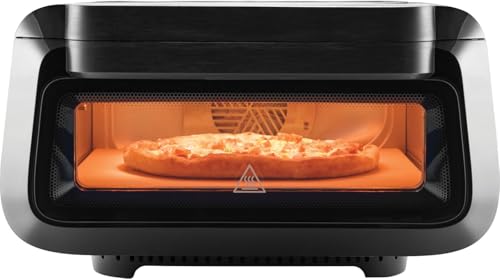
3. Frigidaire Indoor Pizza Oven
A Frigidaire Indoor Pizza Oven (electric pizza oven), per the listing. Check price on Amazon.
Good for: indoor pizza. Watch out: Check pizza size.

Best for indoor pizza
4. PIEZANO XL 14″ Electric Pizza Oven Indoor Countertop Pizza Maker
A PIEZANO XL 14″ Electric Pizza Oven Indoor Countertop Pizza Maker (electric pizza oven), per the listing. Check price on Amazon.
Good for: indoor pizza. Watch out: Check pizza size.

Best for indoor pizza
5. BIG HORN 14-Inch Indoor Pizza Oven
A BIG HORN 14-Inch Indoor Pizza Oven (electric pizza oven), per the listing. Check price on Amazon.
Good for: indoor pizza. Watch out: Check pizza size.

Best for indoor pizza
6. CHEFMAN Indoor Pizza Oven – Makes 12 Inch Pizzas in Minutes
A CHEFMAN Indoor Pizza Oven – Makes 12 Inch Pizzas in Minutes (electric pizza oven), per the listing. Check price on Amazon.
Good for: indoor pizza. Watch out: Check pizza size.
Best Picks by Category
These labels are based on listing information. They summarize listing data and are not hands-on test results.
- Top rated: BIG HORN 14-Inch Indoor Pizza Oven.
- Most reviewed: PIEZANO 12″ Electric Pizza Oven Indoor Countertop Pizza Maker.
- Best value: BIG HORN 14-Inch Indoor Pizza Oven.
- Lowest price: Giantex Electric Pizza Oven Indoor.
- Premium option: Frigidaire Indoor Pizza Oven.
Price, Rating and Review Comparison
The table compares the picks by price tier. Prices change often, so confirm the current price on Amazon.
| Product | Price | Rating | Ratings | Price tier |
|---|---|---|---|---|
| Giantex Electric Pizza Oven Indoor | Check price on Amazon | — | — | Budget |
| PIEZANO 12″ Electric Pizza Oven Indoor Countertop Pizza Maker | Check price on Amazon | — | — | Budget |
| PIEZANO XL 14″ Electric Pizza Oven Indoor Countertop Pizza Maker | Check price on Amazon | — | — | Budget |
| CHEFMAN Indoor Pizza Oven – Makes 12 Inch Pizzas in Minutes | Check price on Amazon | — | — | Mid-range |
| BIG HORN 14-Inch Indoor Pizza Oven | Check price on Amazon | — | — | Mid-range |
| Frigidaire Indoor Pizza Oven | Check price on Amazon | — | — | Mid-range |
How Much Feedback Backs Each Rating
Feedback based on more buyers is stronger evidence than feedback based on only a few. Here is how the sample size looks for each pick.
- PIEZANO 12″ Electric Pizza Oven Indoor Countertop Pizza Maker: a large sample of buyer feedback.
- Giantex Electric Pizza Oven Indoor: a moderate sample of buyer feedback.
- Frigidaire Indoor Pizza Oven: a small sample of buyer feedback, so treat feedback cautiously.
- PIEZANO XL 14″ Electric Pizza Oven Indoor Countertop Pizza Maker: a large sample of buyer feedback.
- BIG HORN 14-Inch Indoor Pizza Oven: a moderate sample of buyer feedback.
- CHEFMAN Indoor Pizza Oven – Makes 12 Inch Pizzas in Minutes: a moderate sample of buyer feedback.
How to Choose
Size
Check the max pizza or capacity size.
Fuel and power
Match fuel or power to where you cook.
Cleaning
Removable parts make cleanup easier.
What an Indoor Electric Pizza Oven Can and Cannot Do
An indoor electric pizza oven is a countertop appliance with heating elements and a stone or metal baking surface, designed to cook a round pizza faster than a standard oven preheats. Its appeal is convenience: it plugs in, heats up and finishes a pizza in a short time, without outdoor space, fuel or a pizza peel and a lot of practice. It is a good fit for apartments, small kitchens and anyone who wants pizza without heating a full oven.
It helps to be realistic. Wood-fired and gas outdoor ovens reach much higher temperatures than most indoor electric units, and that difference shapes crust and char. Indoor electric models can make a good, crisp pizza, but results differ from a traditional pizzeria oven. Maximum temperature varies by model, and the post’s quick note says to check it on the listing. Not every unit gets equally hot, and the listings should state their range, so compare rather than assume.
- Choose an indoor electric oven for convenience, small spaces and predictable results.
- Look for stated maximum temperature and heating time on the listing.
- Consider an outdoor oven only if you want a different style of pizza and have space and fuel for it.
Also think about what else you want it to do. Some units are pizza-only, while others can cook flatbreads, frozen pizza or other small items. Check the product page for what the maker says the oven is suited to, and confirm the included accessories before you order.
Pizza Size and Counter Footprint
The size in the product name, such as 12 inch or 14 inch, refers to the pizza the oven can take, not the oven’s outer dimensions. The outer footprint is larger, because the heating elements, insulation and handles all add bulk. Measure your counter, check the clearance needed above and behind the oven for ventilation, and look at the listing for dimensions and weight. The post advises checking counter space, and this is especially important for appliances that get hot on the outside.
Choose size according to who you cook for. A 12-inch pizza is a comfortable single or shared meal, and a smaller footprint is easier to store. A 14-inch model suits couples with big appetites or families who do not want to cook several rounds. A larger size increases weight and the space needed, and it may not fit in a cabinet when not in use. If you make pizza for guests, remember that each pizza cooks one at a time, so a larger size may reduce the number of rounds.
Check that your pizza peels, trays and pans fit through the opening and the interior height. Thick-crust or deep-dish pizzas may not fit in units designed for thin crust, so read the listing. Some ovens come with a peel or a stone, and others do not, so see what is included. Also check the power cord length and plug rating, and think about where the cord will go on your counter.
Heat-Up, Technique and Dough Handling
Preheating matters, and an electric oven needs to be fully hot before the pizza goes in. Follow the maker’s guidance for how long to preheat, and do not rush this step. A stone or baking surface needs time to reach temperature so that the base crisps. Dust the peel with flour or use parchment as the manual suggests, and assemble the pizza on the peel quickly so that wet dough does not stick.
Keep toppings light. Too much sauce, cheese or wet ingredients can cause a soggy center and a long cooking time. Pre-cook or drain watery vegetables, and use a thin layer of sauce. Stretch dough evenly, since thick edges and thin centers cook unevenly. If your dough is cold from the refrigerator, let it come to room temperature as your recipe advises, and shape it gently.
- Rotate the pizza partway through if the oven heats unevenly, and if the manual says it is safe to open.
- Use a long-handled peel or tool to avoid burns.
- Let the stone cool fully before moving or cleaning it.
Cooking times are short, so stay near the oven and watch the pizza. Opening the door lets heat escape, which can lengthen cooking time. Over time you will learn how your oven behaves, and you can adjust the dough thickness, hydration and toppings to suit it. Frozen pizza can be a good test of how evenly the oven cooks, but check the instructions on the package for temperature.
Cleaning, Safety and Care
Let the oven cool completely before cleaning. Wipe the interior with a damp cloth, and remove crumbs and burnt-on bits with a soft brush. Do not submerge the oven or pour water into it, and follow the manual for the stone, which may be damaged by soap or thermal shock. Some stones should only be brushed clean and never soaked, since they absorb liquids. If cheese or sauce drips onto the heating elements, clean it as the manual instructs, and unplug the oven first.
Because these ovens run hot, safety deserves attention. Place the oven on a heat-resistant, level surface with room around it, away from walls, cabinets and anything flammable. Keep the cord away from hot surfaces and out of reach of children. The exterior can get hot, so use oven mitts for handles and trays. Do not leave the oven unattended while cooking. If you smell burning, see smoke or notice damage to the cord, unplug it and stop using it.
For long-term care, check that the door, handle and hinge work smoothly, and that the heating elements are intact. Store the oven in a dry place. Look at the listing for what is covered by the warranty and for whether replacement stones or parts are available. If the oven no longer heats evenly, takes much longer than before, or has damaged elements, it may be time to replace it. Budget tiers vary in maximum temperature, build and extras, so read the details.
Reading Ratings and Picking a Price Tier
Ratings and written feedback are useful if you read them with care. A rating averages many different experiences, and a high average from a small number of ratings is less reliable than a slightly lower average from a large number. Feedback based on only a few reviews deserves extra caution. Use buyer feedback as one input, and read recent written feedback for patterns such as uneven heating, temperature accuracy or durability.
When you compare price tiers, think about what each level seems to buy. Lower-priced units focus on the basics: a round heating surface, a timer and a thermostat. Mid-priced ones tend to offer larger size, more precise controls or better build. Higher-priced models may add features, preset programs or a more premium finish. Whether you need them depends on how often you will make pizza and how much control you want. Be cautious about paying for features you will not use.
Before you buy, ask yourself a few questions. How often will I use it? Is the size right for the people I cook for? Do I have space and a heat-safe place to put it? Can I get replacement parts? What does the warranty cover and how do I contact support? Check the current listing for any updates to the product or the price, since details can change after a guide is published.
Pizza Styles and Which Ones Suit an Electric Oven
Indoor electric pizza ovens vary in how hot they get, and that sets limits on the style of pizza you can make well. Understanding this helps you pick a style you will enjoy rather than comparing your result to a wood-fired oven that runs far hotter.
- Thin-crust and cracker-style: These bake quickly and crisp up easily in a countertop oven, making them a strong match.
- Neapolitan-style: Traditional versions use very high heat for a short bake. Electric countertop ovens can approximate the look, but typically with a slightly different crust, and the result depends on the unit’s top temperature.
- Thick or pan pizza: These need more bake time and often more depth than a compact oven allows, so check clearance and heat distribution.
- Frozen pizza: A countertop oven often crisps a frozen pie quickly and is a popular use that needs no dough skill.
- Flatbreads and calzones: Many ovens handle these well, though filling and moisture require attention.
If your goal is quick weeknight pizza with ready-made or simple homemade dough, a small oven fits nicely. If you are chasing blistered, leopard-spotted crust, set your expectations based on the maximum temperature in the specifications.
Heating Elements, Stones and Temperature Control
How an electric oven heats shapes how evenly the pizza cooks. Many models use upper and lower heating elements, sometimes controlled separately, and a baking stone or plate on the bottom. The stone stores heat and crisps the base. The upper element browns the cheese and toppings. When the two are out of balance, you get a burnt top over a pale base, or the reverse.
Points to look for when comparing:
- Separate top and bottom controls: They let you fine-tune the bake rather than accepting a fixed profile.
- Stone material: Cordierite and ceramic stones hold heat well but can crack under thermal shock, so avoid placing cold water or very cold dough on a very hot stone.
- Maximum temperature: Higher temperatures generally allow shorter bake times and better crust, but only if the elements and insulation can sustain them.
- Viewing window or light: Watching the bake saves burnt pies, since timing is tight.
- Thermostat accuracy: Some units run hotter or cooler than the dial suggests, so an oven thermometer is a cheap check.
Be wary of listings that quote a maximum temperature with no detail. The real test is how quickly the unit reaches temperature and how well it holds it between pizzas.
Everyday Practicality: Storage, Power Draw and Ventilation
Countertop pizza ovens look compact in photos, but they take real space. Measure the footprint and height of the oven, then check the clearance you need around it for ventilation. Many manufacturers recommend several inches of free space on all sides, and an oven pushed against a wall or under a cabinet can overheat or discolor surfaces.
Power matters too. Many models draw a high wattage, so plugging into a circuit shared with a microwave or toaster may trip a breaker. Use a dedicated outlet where possible and avoid extension cords, which are not designed for sustained high loads.
There is also some smoke and smell to anticipate. The first uses of a new oven often produce odors as manufacturing residues burn off, and cheese or oil drips on a hot element create smoke. Run the first heat cycle in a ventilated kitchen, and keep a fan or open window handy. If you live in an apartment with sensitive smoke detectors, plan for that.
Finally, think about storage. An oven that you must lift from a cupboard every time you want pizza will get used less than one that can stay on the counter. If you have limited space, consider a lighter or foldable-handle design.
Questions to Ask Before You Order
Run through these before you commit.
- What pizza size does it handle, and does that match the dough balls I plan to use?
- What is the maximum temperature and how long does it take to preheat?
- Does it include a stone, peel and other accessories, or do I need to buy them?
- Are the stone and accessories removable for cleaning?
- What wattage does it draw, and can my kitchen outlet handle it?
- Does the seller offer a clear warranty and replacement parts?
Pay attention to customer comments about how evenly the oven bakes and how well the base holds up after repeated use. A few reviews that mention the same uneven heating or short element lifespan are more informative than a long list of praise. If a pizza oven is going to be a regular cooking tool in your home, durability and even heat are worth more than extra settings.
One last consideration is how often you will really cook pizza. An oven used weekly earns its counter space, while one used a few times a year may be better replaced by a pizza stone or steel in a regular kitchen oven, which costs less and stores flat.
Building a Weeknight Pizza Routine Around a Countertop Oven
An indoor electric pizza oven earns its place by being used on ordinary evenings, so the routine around it matters as much as the appliance. The pattern that works for most households is simple: dough made or bought in advance and portioned in the fridge, toppings prepared while the oven heats, and one pizza baked while the next is assembled. Because these ovens heat quickly compared with a conventional oven, the bottleneck is rarely the cooking; it is the preparation, and organising that is what turns pizza night from a project into a habit.
Keep a small standing kit near the oven: the peel that fits it, a cutter, a brush for crumbs, and the flours you use for dusting. Hunting for tools while a pizza waits on the peel is how bases stick and toppings slide. The size and footprint guidance earlier in this guide helps you choose a model your counter can actually host permanently or semi-permanently, and a oven that lives out gets used several times as often as one that must be fetched from a cupboard and plugged in elsewhere.
Clean as you finish rather than the next morning. Once the oven has cooled, brush out the stone, wipe the exterior and empty any crumb tray the design provides. Cheese baked onto a stone overnight becomes tomorrow’s smoke, and a clean oven heats and smells better on its next use. Two minutes of closing routine, repeated every time, is the main difference between owners who still love these appliances after a year and owners who quietly stop using them.
Dough and Topping Adjustments for Electric Heat
Electric countertop ovens heat from elements rather than flame, and that changes how dough and toppings behave. The top element can colour cheese and crust quickly while the base relies on the stone or deck to catch up, so the pale-bottom problem described in the questions above is best prevented before it starts: preheat fully, stretch the dough evenly without a thick centre, and keep wet toppings under control. A base that goes in at the right thickness, on a properly heated stone, with a modest layer of sauce, crisps reliably in these ovens.
Hydration and flour choice repay a little experimentation. Doughs that are very wet can spread and stick on a small peel, so many indoor cooks work with a slightly firmer dough than they would for a large outdoor oven, flouring the peel with semolina for a clean launch. If you use shop-bought dough, let it warm and relax before stretching; cold dough springs back, gets overworked, and bakes up tough. Ready-made bases and flatbreads are legitimate shortcuts on busy nights and suit the even heat of an electric oven particularly well.
Toppings should be sized for a short, intense bake. Slice vegetables thinly or pre-cook those that release water, drain mozzarella if it is very wet, and add delicate herbs and cured meats at the end of the bake or after it. Because the cooking chamber is compact, overloaded pizzas steam rather than bake, so a lighter hand genuinely produces a better result. These adjustments are small, but they are the difference between a pizza that merely cooks in a countertop oven and one that shows why you bought it.
Using the Oven for More Than Pizza, Sensibly
Most of the models above will cook far more than pizza, and using that range well starts with understanding the heat pattern: intense, fairly even heat in a shallow chamber. Flatbreads, quesadillas, roasted vegetables on a small tray, reheated slices and baked sandwiches all suit that pattern and cook quickly. Reheating leftover pizza deserves a special mention, because a countertop pizza oven restores a crisp base in a way a microwave never will, and for many owners that alone justifies the counter space.
Frozen products work when expectations are set correctly. A frozen pizza sized for the chamber cooks evenly, but thick, heavily topped frozen products can brown on top before the centre is fully hot, so check the middle before serving and give larger items a head start at a gentler setting if your model allows temperature control. The questions section above covers frozen pizza directly; the practical rule is to match the product to the oven’s stated pizza size and to watch the first attempt closely rather than trusting the packet timing blindly.
What these ovens do less well is anything needing depth: tall loaves, large roasts or dishes in deep cookware simply do not fit the chamber, and forcing them risks uneven cooking and a mess. Treat the appliance as a specialist that also reheats and toasts brilliantly, rather than as a replacement for your main oven, and its limitations stop being frustrations. That framing, applied when choosing between the models above, helps you value the right features: chamber size and control for the food you actually make.
Placement, Ventilation and Living With the Oven Daily
Where an indoor pizza oven lives affects both safety and how often it is used. It needs a stable, heat-resistant surface with the clearances the manufacturer specifies, room to open fully, and a socket it does not have to share with other heavy appliances during use. The power and ventilation points made earlier in this guide are worth rereading before the first cook, because a countertop oven working at full heat produces steam, aroma and some smoke if cheese escapes onto the stone, and a cooker hood or nearby window makes the experience far more pleasant.
Storage is the other daily reality. Measure your cupboards and counter depth against the model’s footprint before ordering, and be honest about whether you will really lift a heavy appliance out twice a week. Households differ: some happily store and retrieve, others know the oven must live on the counter to be used. Neither answer is wrong, but buying the larger model and then resenting its permanent presence is the common mistake, and the footprint comparison in the picks above exists to prevent it.
Cord management and cleaning access complete the picture. A cord that trails across a hob or sink is a hazard, and an oven wedged so tightly that its sides and crumb areas cannot be reached will slowly accumulate baked-on debris. Leave working room around the appliance, keep its immediate area free of paper and cloth, and the oven becomes part of the kitchen’s furniture in the best sense: ready in minutes, safe in use, and easy to keep in the condition that makes food taste as it should.
Choosing Between the Models Above for Your Household
The picks in this guide separate along a few honest lines. The standard-size models built around a single familiar pizza diameter suit most households and most shop-bought bases, and they are the easiest to feed with peels and accessories you may already own. Choose between them on controls, cleaning design and footprint rather than on headline heat claims, because in daily use the oven you can clean quickly and store happily outperforms a marginally hotter rival that annoys you.
The larger XL format earns its place when you regularly cook for more people or prefer bigger pizzas to share, provided your counter and storage can take it. Its advantage is throughput and flexibility, not a different kind of cooking, so weigh it against the space discussion above rather than assuming bigger is automatically better. Households that mostly cook for one or two will rarely feel the benefit and may feel the footprint every day.
Value-focused models in the list make sense for buyers testing whether countertop pizza becomes a real habit. Their job is to prove the routine: quick weeknight pizzas, reheated slices, flatbreads. If that routine sticks, you will know exactly which features your next oven needs; if it does not, you have learned cheaply. Read the reviews above with your household size, counter space and cleaning tolerance listed in front of you, and the right model usually identifies itself without much agonising.
Breakfast, Lunch and Everything Between: A Day With the Oven
A countertop pizza oven that only works at dinner is underused. In the morning it reheats pastries and bakes small flatbreads faster than a main oven heats up. At lunch it produces quesadillas, toasted sandwiches and personal pizzas for one without heating the whole kitchen. Thinking of the appliance as a small, fast, high-heat oven rather than a single-dish gadget multiplies its value across the week and justifies the counter space it occupies.
That broader use argues for choosing controls you find intuitive and a chamber that takes the small trays and items your household actually eats. When comparing the models above, picture Tuesday lunch as well as Friday pizza night. The oven that serves both pictures is the one that will still be earning its place in a year’s time.
Helping Children Make Their Own Pizzas Safely
These ovens are a natural way to involve children in cooking, with boundaries set clearly. Adults own the hot parts: loading, unloading and any adjustment of the oven itself. Children own the creative parts: choosing toppings, arranging them on a base an adult has stretched, and watching through the window if the model has one. That division keeps small hands away from elements and hot stones while giving children a pizza that is genuinely theirs.
Keep the session organised, with toppings in small bowls, a clear counter, and one pizza in production at a time. Children learn the routine quickly and take pride in following it. Many families find these sessions become the oven’s most valued use, which is worth remembering when a purchase is being justified purely on the quality of the crust.
Energy Use and Running Costs in Perspective
An electric pizza oven draws significant power while it runs, but it runs briefly and heats a small chamber, so its cost per pizza compares well with heating a full-size oven for the same job. The fair comparison is per meal, not per minute: preheating a large oven cavity to bake two pizzas wastes energy on air and metal you are not using. Households that bake pizza or reheat food several times a week will usually find the countertop oven the thriftier tool as well as the faster one.
Running costs also include consumables and care: replacement stones over years of use, the electricity of long preheats avoided by good planning, and the food wasted by failed bakes while learning. All three shrink with the routines described in this guide, which is another way of saying the cheapest oven to run is the one whose owner has learned it properly.
When Results Plateau: Diagnosing Your Own Pizzas
Most owners reach a plateau where pizzas are good but not improving, and the way through is structured tasting. Bake two pizzas side by side in sequence, changing exactly one thing: a longer preheat, a thinner centre, less sauce, a different cheese preparation. Eat them critically and write down the difference. Plateaus persist when changes are random; they break when changes are experiments with notes attached.
If the plateau is the base, suspect preheat and dough before equipment. If it is the top, suspect topping moisture and element distance. If it is consistency, suspect routine: weighing dough portions and timing bakes feels fussy for exactly one week, after which it becomes the invisible scaffolding of reliably good pizza. The models above are all capable of more than their owners’ first plateau suggests.
Sharing the Oven: Housemates, Guests and Small Gatherings
For gatherings, the countertop oven works best as a made-to-order station rather than a batch cooker. Guests choose toppings, pizzas bake one at a time in minutes, and the cook becomes part of the entertainment rather than a servant to it. Set expectations accordingly: this is a sequence of fresh individual pizzas, not six pizzas landing simultaneously, and framed that way guests love the format.
Prepare bases or dough portions in advance, keep the topping bar stocked and compact, and protect the oven’s ventilation space from the clutter a party generates. A small gathering run this way is the scenario these appliances were born for, and it is worth practising once with family before performing it for guests.
Deciding Whether to Size Up, Down or Stay Put
Owners of a first countertop oven sometimes wonder whether a different size would suit them better. Size up only if you regularly turn people away from a second pizza or genuinely prefer large sharing pizzas, and your counter can absorb the bigger footprint permanently. Size down if the oven’s storage and retrieval have become the reason pizza night keeps not happening. Both decisions should be based on a season of real use, not on the first month’s enthusiasm or frustration.
Most households, honestly assessed, are correctly served by the standard size they first chose, and the better investment is in the surrounding routine: peels that fit, a dough system that works, toppings prepped well. Equipment churn is the enemy of mastery in a small kitchen. Learn the oven you have until its results plateau for structural reasons, and only then let a new purchase into the argument.
Counter Space Economics: What This Oven Must Beat to Earn Its Place
Every countertop appliance competes with the food processor, the stand mixer and the simple desire for clear counters, so judge this oven by a strict standard: how many times a month will it be used, and what would those meals have been without it? For a household that reheats slices twice a week, makes pizza on Fridays and toasts flatbreads for lunches, the answer justifies almost any footprint in this guide. For a household that makes pizza monthly, the same appliance is a cupboard tenant, and a smaller model, or none, is the honest purchase.
Test your own prediction before buying by simulating a month: note every time you would have used such an oven had it been sitting there. Most households are surprised in one direction or the other, and either surprise is valuable. The models above are all competent; the variable is your kitchen’s real life, and measuring that life is the buyer’s half of the bargain.
Cleaning Day: The Monthly Deep Clean That Keeps Flavours True
Daily brushing keeps an indoor oven pleasant; a monthly deeper clean keeps it honest. Once the oven is cold, remove what the design allows to be removed, wash what the manufacturer permits, and inspect the stone, elements and seals with fresh eyes. Old cheese carbonises gradually and begins to flavour everything faintly, and smoke on startup is usually the oven reporting accumulated neglect rather than a fault. The deep clean is also when you check the cord, the feet and the door or lid action, the small mechanical truths that decide an appliance’s lifespan.
Schedule it with something memorable, the first weekend of the month works, and the habit will outlast your enthusiasm, which is the point of habits. An oven maintained this way heats evenly, smells of nothing but the food in it, and stays welcome on the counter. An oven that is not becomes, slowly, an oven that is not used, and the monthly twenty minutes is the entire difference.
Related guides
- 6 Best Yeti Tumbler Alternatives: RTIC, Stanley, Hydro Flask (2026)
- 6 Best Wine Openers: Waiter's, Lever, Winged and Electric (2026)
- 6 Best Citrus Juicers: Handheld, Press and Electric
- 6 Best Dutch Ovens for Sourdough Bread
Frequently Asked Questions
Is it easy to use?
Most are simple with a short learning curve.
What do I need extra?
A peel and a thermometer help.
Is it safe?
Follow the maker instructions.
Can I cook things other than pizza in an indoor pizza oven?
Some makers say their ovens suit flatbreads, frozen pizzas or small items, but it varies. Check the listing or manual for what the maker recommends, and do not use pans or dishes the manual does not approve.
Do I need to preheat the oven?
Yes, in most cases. The baking surface needs time to reach temperature for a crisp crust. Follow the maker's guidance on how long to preheat.
Why is my pizza soggy in the middle?
Common causes are too much sauce or wet toppings, a baking surface that is not hot enough, or dough that is stretched too thick. Use lighter toppings and make sure the oven is fully preheated.
Can I use parchment paper in the oven?
Some makers allow it and others do not, because of the heat. Check the manual before using parchment, and never let paper touch the heating elements.
How do I clean a pizza stone?
Usually by letting it cool and brushing off debris with a dry brush or scraper, and avoiding soap and soaking. Check the manual for your stone, since materials differ.
Is an indoor pizza oven safe to leave unattended?
It is better not to. The oven runs hot and cooking times are short, so stay nearby and unplug it when you are done.
Will it work with frozen pizza?
Many people use them this way, but cooking time and temperature may need adjusting. Follow the package instructions and watch the pizza closely, and check the oven's manual for any limits.
How hot does an indoor electric pizza oven get?
It depends on the model. Many countertop units reach somewhere between roughly 400 and 800 degrees Fahrenheit, with higher-end ones aiming for the top of that range. Check the stated maximum temperature and read owner feedback about whether it actually holds that heat.
Can I make pizza from scratch in a countertop oven?
Yes. Homemade dough works well, especially thin-crust styles. Let the dough rest, stretch it thinly, dust the peel with flour or semolina and launch it quickly. Avoid heavy toppings, which release moisture and prevent the center from crisping.
Why is my pizza burning on top but pale underneath?
The top element is likely outpacing the bottom. Try a lower rack position, a longer preheat so the stone is fully hot, or a lower top setting if the oven allows. Using less sauce and fewer wet toppings can also help the base cook through.
How long do pizza oven stones last?
With care, a stone can last for years. Cracks usually come from sudden temperature changes or water contact. Let it cool inside the oven, never rinse a hot stone and avoid soap, since porous stones can absorb it. Replace it if it breaks or warps.
Bottom Line
Electric countertop ovens bake pizza indoors without fuel.
More Kitchen Guides
- Best Pizza Stones for Home Ovens and Grills
- Best Electric Grain Grinders for Flour and Spices
- Best Manual Grain Mills

