Disclosure: As an Amazon Associate, Reviews Took earns from qualifying purchases. Links to Amazon on this page are affiliate links; they cost you nothing extra.
Check kettle size and oil needs.
This guide is built from Amazon product listings and maker specs, not our own testing, so confirm size, contents and current price on each product page. Health products are for general information and are not medical advice.
Check the current price on Amazon.com.
Last updated: November 2, 2026.
In this guide
Quick Picks
| Product | Type | Best for |
|---|---|---|
| Dash SmartStore Deluxe Stirring Popcorn Maker – Hot Oil Electric | Popcorn machine | movie nights |
| 1200W Hot Air Popcorn Machine – 4.5-Quart Oil-Free Popcorn Maker | Popcorn machine | movie nights |
| West Bend Theater Crazy Movie Theater Popcorn Popper Gourmet | Popcorn machine | movie nights |
| Elite Gourmet 18-Cup Hot Oil Stirring Popcorn Maker 4.5 Qt | Popcorn machine | movie nights |
| Elite Gourmet12-Cup Stirring Popcorn Maker 3Qt Ceramic Nonstick | Popcorn machine | movie nights |
| Great Northern Popcorn Lincoln 8oz Popcorn Machine Black | Popcorn machine | movie nights |
| Dash Fresh Pop Popcorn Maker Electric Hot Air Popper 16-Cup Aqua | Popcorn machine | movie nights |
| VEVOR Commercial Popcorn Machine 8 Oz Kettle 850 W Countertop | Popcorn machine | movie nights |
Our Picks
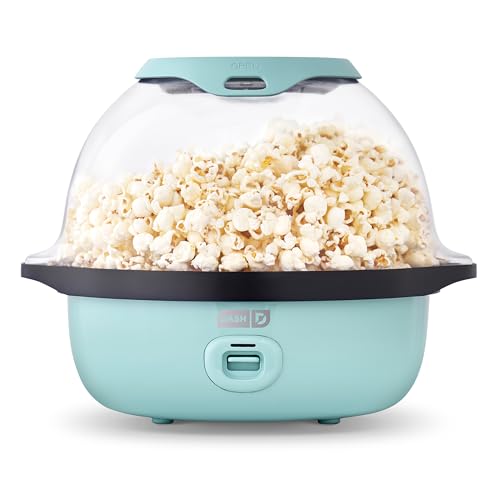
Top pickBest for movie nights
1. Dash SmartStore Deluxe Stirring Popcorn Maker – Hot Oil Electric
A Dash SmartStore Deluxe Stirring Popcorn Maker – Hot Oil Electric (popcorn machine), per the listing. Check price on Amazon.
Good for: movie nights. Watch out: Check capacity and cleaning.

Best for movie nights
2. 1200W Hot Air Popcorn Machine – 4.5-Quart Oil-Free Popcorn Maker
A 1200W Hot Air Popcorn Machine – 4.5-Quart Oil-Free Popcorn Maker (popcorn machine), per the listing. Check price on Amazon.
Good for: movie nights. Watch out: Check capacity and cleaning.
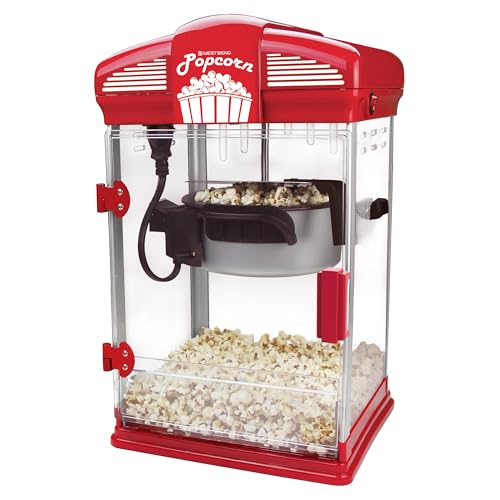
Best for movie nights
3. West Bend Theater Crazy Movie Theater Popcorn Popper Gourmet
A West Bend Theater Crazy Movie Theater Popcorn Popper Gourmet (popcorn machine), per the listing. Check price on Amazon.
Good for: movie nights. Watch out: Check capacity and cleaning.

Best for movie nights
4. Elite Gourmet 18-Cup Hot Oil Stirring Popcorn Maker 4.5 Qt
An Elite Gourmet 18-Cup Hot Oil Stirring Popcorn Maker 4.5 Qt (popcorn machine), per the listing. Check price on Amazon.
Good for: movie nights. Watch out: Check capacity and cleaning.
Best for movie nights
5. Elite Gourmet12-Cup Stirring Popcorn Maker 3Qt Ceramic Nonstick
An Elite Gourmet12-Cup Stirring Popcorn Maker 3Qt Ceramic Nonstick (popcorn machine), per the listing. Check price on Amazon.
Good for: movie nights. Watch out: Check capacity and cleaning.
Best for movie nights
6. Great Northern Popcorn Lincoln 8oz Popcorn Machine Black
A Great Northern Popcorn Lincoln 8oz Popcorn Machine Black (popcorn machine), per the listing. Check price on Amazon.
Good for: movie nights. Watch out: Check capacity and cleaning.

Best for movie nights
7. Dash Fresh Pop Popcorn Maker Electric Hot Air Popper 16-Cup Aqua
A Dash Fresh Pop Popcorn Maker Electric Hot Air Popper 16-Cup Aqua (popcorn machine), per the listing. Check price on Amazon.
Good for: movie nights. Watch out: Check capacity and cleaning.

Best for movie nights
8. VEVOR Commercial Popcorn Machine 8 Oz Kettle 850 W Countertop
A VEVOR Commercial Popcorn Machine 8 Oz Kettle 850 W Countertop (popcorn machine), per the listing. Check price on Amazon.
Good for: movie nights. Watch out: Check capacity and cleaning.
How to Choose
Size and capacity
Pick a size that fits your household.
Power and speed
Check wattage and settings.
Cleaning
Removable, dishwasher-safe parts help.
Hot Air Versus Stirring Poppers
These are two different ways to make popcorn. A hot air popper blows heated air over the kernels until they pop and are pushed out through a chute. It uses no oil in the popping process, so the result is a light, plain, neutral base. You add butter, oil or seasoning afterward. It is fast and simple, but unseasoned popcorn can feel dry until topped, and seasonings may need a light mist of oil to stick.
A stirring popper uses a heated base or kettle with a motorized stirring arm, and usually oil. The agitation keeps the kernels moving so they pop evenly and rarely burn. The result is closer to cinema or stovetop popcorn, with a richer taste and a more satisfying crunch, but it uses oil, has more parts to clean and takes a little more care while hot. Many have a lid that doubles as a serving bowl.
Choose according to how you eat popcorn. If you want a light snack and prefer to control toppings, hot air is the simpler way. If you enjoy the taste of oil-popped corn and want batch cooking for a movie night, stirring models fit better. Both types can be great; the question is how much convenience, flavor and cleanup you want.
Capacity and Batch Planning
Capacity is listed in cups, quarts or ounces of kernels, and the numbers can be confusing. Check whether the figure is for kernels or popped corn, because popped corn takes up many times the volume. Check the product listing for suggested serving numbers, and use that as a guide rather than a guarantee.
Think about who you are feeding. A small hot air popper suits one or two people and fills a bowl in a few minutes. Families and gatherings often prefer a larger kettle machine that produces more per batch, though it takes more counter and cabinet space. Remember that a larger machine used for a small batch may not heat or stir efficiently, so match size to your most common use.
If popping for a crowd, consider how quickly you can make several batches back to back. Some machines need a cooling break between batches, and the manual should state this. Check the cord length too, since a short cord limits where the machine can sit, and keep the unit away from the edge of the counter.
Oil, Kernels and Flavor Choices
Popcorn quality depends on ingredients as much as on the machine. Fresh, properly stored kernels pop better than old ones that have dried out, leaving more unpopped kernels at the bottom. Store kernels in an airtight container in a cool, dry place. Different kernel types produce different popped shapes: some give large, fluffy pieces that suit butter, while smaller, denser pieces hold seasoning well.
For stirring machines, use an oil with a high smoke point and a neutral flavor, and follow the manual for how much oil to use per amount of kernels. Too much oil makes the popcorn greasy and too little can cause scorching. Some listings mention that the machine works with certain oils or with pre-mixed kernel packs, so check the details.
- Hot air toppings: melted butter, light oil mist, salt or a seasoning blend.
- Stirring machine seasoning: add salt during or right after popping for even coverage.
- Sweet options: add sugar to oil-popped batches as directed by the manual, with care, since sugar can scorch.
Cleanup and Parts That Matter
Ease of cleaning often determines whether a popcorn machine gets used regularly. Hot air poppers are simple: you wipe the chute and the bowl, and the machine has few parts. Stirring poppers leave an oily film on the kettle and stirrer, so look for a non-stick surface, removable stirring parts and a lid or bowl that can be washed. Check the listing for what parts are dishwasher safe, and follow the manual rather than assuming.
Wait until the machine is completely cool before cleaning. Never immerse the heating base or any part with electrical components in water. Use a damp cloth and mild detergent to wipe the base, and dry everything before storing. Clean out stray kernels or hulls, since leftover debris can burn at the next use and cause smoke.
Look also at stability and handling. A machine with sturdy feet, a lid that locks and a handle that stays cool is easier to use safely. If the kettle tips for pouring, make sure the mechanism is smooth and secure. Poor design here is a common source of spills and burns.
Safe Use and Troubleshooting
Popcorn machines get hot, so place the machine on a stable, heat-resistant surface with clear space around it. Keep children away from the hot kettle, chute and steam. Never leave the machine unattended while it operates, and do not overfill beyond the stated maximum. Use only the amount of kernels and oil specified in the manual, as too much can cause overflow or smoke.
If many kernels remain unpopped, the likely causes are old or dry kernels, overloading, or a machine that has not preheated fully. If popcorn scorches, the oil may be too little or the batch left too long, and some machines need regular stirring. If hot air popcorn is tough or chewy, a damp kernel or too much humidity could be the cause. Always consult the manual before trying anything unusual.
Replace the machine if the cord is damaged, the heating element fails, the stirring motor no longer turns, or the non-stick surface flakes. Do not keep using a unit that smokes without apparent cause or that gives off an electrical smell.
Which popcorn machine should you buy?
Choose a popcorn machine by how you like your popcorn and how many people you feed. Hot air models suit light, plain snacks, while stirring and kettle models suit richer, oil-popped batches. Here is how the picks above map to common buyers.
- Oil-free popping for one or two people: go for the Dash Fresh Pop Popcorn Maker Electric Hot Air Popper 16-Cup Aqua, or the 1200W Hot Air Popcorn Machine – 4.5-Quart Oil-Free Popcorn Maker for bigger bowls.
- Family movie nights with a stirring kettle: choose the Dash SmartStore Deluxe Stirring Popcorn Maker – Hot Oil Electric or the Elite Gourmet 18-Cup Hot Oil Stirring Popcorn Maker 4.5 Qt.
- Smaller kitchens: the Elite Gourmet12-Cup Stirring Popcorn Maker 3Qt Ceramic Nonstick has a smaller capacity and a nonstick surface.
- A cinema look at home: the West Bend Theater Crazy Movie Theater Popcorn Popper Gourmet suits people who want the theater feel.
- Parties and frequent big batches: consider the Great Northern Popcorn Lincoln 8oz Popcorn Machine Black or the VEVOR Commercial Popcorn Machine 8 Oz Kettle 850 W Countertop, both of which need counter space.
Check each listing for capacity and cleaning details before you decide.
Is a hot air popcorn maker healthier than a stirring popper?
A hot air popcorn maker uses no oil for popping, so the base popcorn is lighter, but what you add afterward decides how healthy the bowl is. A stirring popper uses oil, which adds flavor and calories.
That said, healthier is not the only goal. Many people find plain hot air popcorn dry and add butter or oil anyway. A stirring machine builds the oil into the batch, so seasoning sticks better and the taste is closer to cinema popcorn.
Consider these differences:
- Control: hot air lets you choose toppings and quantities after popping.
- Flavor: stirring machines usually give a richer, more even result.
- Cleanup: hot air has fewer greasy parts, while stirring kettles need wiping and washing.
This guide is general information and is not medical advice. If you follow a special diet, check with a health professional.
How do you choose a popcorn maker that fits your kitchen?
Pick a popcorn maker that matches your counter or cabinet space, your usual batch size and the way you store small appliances. Fit matters because a machine you cannot store easily tends to stay unused.
Measure the space where it will sit, including height with the lid open. Check the cord length and the nearest outlet. Then compare the shape: some are tall and narrow, others wide and low.
Think about frequency too:
- If you make popcorn weekly, a durable, easy-to-clean model pays off.
- If you make it a few times a year, a compact hot air popper is simple to store.
- If you host often, a larger kettle machine can keep up with demand, though it needs room.
Commercial-style machines look impressive, but they are bulkier and may need more care. Match the size to your real use rather than to an imagined party.
What to check before you buy a popcorn machine
Go through this checklist on the current listing before you buy. It helps you avoid common regrets with popcorn makers.
- Capacity: confirm whether the figure refers to kernels or popped popcorn.
- Type: decide between hot air and a stirring or kettle design.
- Oil needs: check whether the machine needs oil and what the maker recommends.
- Removable parts: look for a lid, bowl or kettle that can be washed, and read which parts are dishwasher safe.
- Stability and handles: a locking lid and cool-touch handle make safer use.
- What is included: check for measuring cups, scoops or serving bowls.
- Warranty and returns: read the seller’s terms so you know your options if the heating or stirring fails.
Keep the manual, and run a first batch with the recommended amounts before you serve guests.
How do you make better popcorn at home with any popcorn machine?
You make better popcorn by using fresh kernels, the right amounts and a preheated machine. Good habits matter about as much as which popcorn machine you own.
Start with the kernels. Store them in an airtight container in a cool, dry place, because old, dried-out kernels leave more unpopped ones at the bottom. Measure with the scoop or cup that came with the machine, or follow the manual, rather than guessing.
Next, let the machine warm up as the manual directs. Kettle and stirring models pop more evenly when the base is hot before the kernels go in. Hot air poppers should be placed with a bowl under the chute, with room for the corn to fall.
Seasoning is the last step:
- Salt: fine salt sticks better than coarse crystals, especially on hot air popcorn.
- Butter: melt it and drizzle lightly, then toss the bowl so it spreads evenly.
- Light oil mist: a thin mist helps seasoning stick to dry hot air popcorn.
- Sweet or savory blends: add them in small amounts and taste as you go.
Pour the popcorn out soon after it finishes, since steam trapped under a lid can soften it. Shake out any unpopped kernels so children do not bite on them. Wait for the machine to cool fully before you clean it, and wipe away stray hulls so they do not burn next time.
If results are poor, change one thing at a time: the kernels, the amount, or the preheating.
A few extra habits help over the long run. Keep a small notebook or a note on your phone with the amount of kernels and oil that worked, so you can repeat a good batch. Let each batch finish before you open the lid, and do not shake the machine unless the manual says so. Serve popcorn in a wide bowl so the pieces stay crisp, and store leftovers in an airtight container, where they will stay crisp a little longer than in an open bowl.
Is it worth paying more for a popcorn machine, and who should skip one?
Paying more is worth it if you will use the extra capacity or theater-style features, but a simple model makes good popcorn for most households. Higher-priced machines usually offer larger kettles, sturdier builds or a display look.
Honest trade-offs to weigh:
- Bigger machines need space: kettle and commercial-style models take counter and storage room.
- Oil adds work: stirring poppers need oil and more cleaning.
- Hot air can be plain: you will probably want to season it afterward.
- Heat is real: any popper needs care around children and hot surfaces.
You may want to skip a dedicated machine if you rarely eat popcorn, or if a pot on the stove already works well for you. Small kitchens with little storage may also prefer a simple hot air popper or none at all.
Compare the picks above, check the current listing for capacity and cleaning details, then choose the machine that fits how often you will pop and how many people you feed.
Matching the Popper Style to the Way You Snack
The eight machines in this guide divide into hot air poppers, stirring oil poppers and kettle-style theater machines, and each style rewards a different kind of household. The hot air models, such as the 1200W machine and the Dash Fresh Pop in this list, are the everyday workhorses: fast, light, easy to rinse out and ideal when popcorn is a weeknight snack rather than an event. The stirring models from Dash, West Bend and Elite Gourmet cook kernels in a little oil on a heated plate, which gives a closer-to-stovetop flavour and lets you season in the pot. The kettle machines from Great Northern and VEVOR are the spectacle option, built for gatherings where the popping itself is part of the entertainment and where larger batches justify the extra cleaning.
The practical question is how often you will make popcorn and for how many people. A couple making a bowl most evenings will feel the kettle machine’s cleaning routine as a burden within a month, however charming it looks. A family that hosts film nights for a crowd will find a small air popper frustratingly slow across repeated batches. Be honest about the dominant use case, because popcorn machines are simple devices that either fit your routine exactly or slowly migrate to the back of a cupboard.
Batch rhythm: one big batch versus several small ones
Popcorn is at its best within minutes of popping, which changes how capacity should be judged. Two smaller batches made back to back usually taste better than one large batch made early and left to sit, because steam from the fresh kernels softens popcorn that waits in a closed bowl. Stirring poppers handle the back-to-back rhythm well if you wipe the plate between batches and let the motor rest briefly. Air poppers can run consecutive batches too, but most benefit from a short pause so the housing does not overheat and start scorching the next load. Kettle machines are the exception: their whole design assumes one generous batch served straight away to a group.
Kernel Knowledge That Improves Every Batch
Kernels are not interchangeable, and the machine cannot rescue stale ones. Fresh kernels with proper internal moisture pop into large, tender flakes; old, dried-out kernels produce more unpopped seeds, tougher texture and occasional scorching because they sit in the heat longer. Store kernels in a sealed container away from heat and light, and buy quantities you will use while they are still lively rather than stockpiling for a year. If a batch suddenly leaves many unpopped kernels in a machine that normally performs well, suspect the kernels before the machine.
Kernel variety changes the result too. Butterfly kernels, the classic irregular shape, give the familiar cinema texture and hold toppings well in their crevices. Mushroom kernels pop into rounder, denser balls that suit caramel and coated popcorn because they resist crumbling. Hulless varieties are not truly without hulls, but their thinner hulls shatter into smaller, less noticeable pieces, which some households prefer for children and for anyone who finds hulls caught in their teeth unpleasant. Trying one bag of a different variety in the machine you already own teaches more about your preferences than any specification sheet.
Oil choices for stirring and kettle models
For the stirring and kettle picks in this guide, the oil shapes both flavour and cleanup. A neutral oil with a high smoke point keeps the focus on the corn and seasons cleanly afterwards. Coconut oil gives the closest match to traditional cinema flavour and solidifies on the plate, which some owners find easier to wipe away once cooled. Butter belongs on the finished popcorn rather than in the popping pot for most home machines, because its milk solids brown and stick at popping temperatures and make the plate harder to clean. Whatever oil you choose, measure it: too little gives dry, uneven popping, and too much leaves the finished popcorn greasy and the plate coated.
Seasoning Without Sogginess
Seasoning technique decides whether a good batch stays good. Salt adheres best to popcorn that carries a light coating of oil or melted butter; on plain air-popped corn, much of the salt falls to the bottom of the bowl. Fine salt distributes more evenly than coarse grains, and seasoning in two passes, tossing between them, beats one heavy pass. Liquid flavourings, from butter to hot sauce, should be drizzled gradually while tossing rather than poured in one spot, which creates soggy patches and dry corners in the same bowl.
Dry blends such as nutritional yeast, smoked paprika, cinnamon sugar or grated hard cheese each behave differently. Cheese and yeast cling well to oil-coated popcorn; cinnamon sugar suits a lightly buttered batch made as a dessert; spice blends with sugar in them should never be added to the popping chamber, because sugar burns at popping temperatures and coats the plate. For kettle and stirring models, season in the serving bowl, not in the machine, and the cleanup stays as simple as the design intends.
Serving and holding popcorn for a group
When you pop for a crowd, transfer each batch to a wide bowl rather than a deep one, so steam escapes instead of condensing back onto the popcorn. If you must hold popcorn for a short while, a warm oven on its lowest setting keeps it crisp far better than a sealed container. Paper bags and lined baskets absorb a little surface moisture and work well for individual servings at a gathering. Avoid covering a fresh batch tightly, which is the fastest route to chewy popcorn, and avoid salting a held batch until serving time if you can, since salt draws moisture as it sits.
Care Routines That Keep Flavour Clean
Old oil is the enemy of good popcorn. Residue left on a stirring plate or in a kettle polymerises with repeated heating and begins to flavour every batch faintly stale. Wipe plates and kettles while they are warm but not hot, using a soft cloth, and wash removable parts promptly rather than leaving them overnight. Air poppers need less washing but benefit from a shake-out and a wipe of the popping chamber, because chaff and unpopped kernels left inside scorch on the next use and taint the flavour.
Motors and vents deserve a thought too. Keep the air vents of any model clear of the chaff that popcorn sheds, and never run a popper pushed back against a wall where its exhaust is blocked. If a machine begins to smell of hot dust, unplug it, let it cool fully and clean the chamber and vents before the next batch. Stored machines should be clean and dry with cords loosely coiled; a popper put away with oil residue will greet you with a stale smell that takes a cleaning cycle and a sacrificial batch to clear.
Troubleshooting the Batches That Disappoint
Too many unpopped kernels is the most common complaint across all three styles, and it has three usual causes: kernels that have dried out, a chamber loaded beyond the maker’s stated measure, or a machine that was not allowed to reach full heat before the kernels went in. Air poppers are especially sensitive to overloading, because the kernels must circulate in the airstream; a chamber packed tight pops unevenly and ejects raw kernels into the bowl. Stirring models forgive loading errors more readily but will scorch a layer against the plate if the stirring arm cannot move the mass freely.
Burnt flavours point the other way, towards heat and residue. A few scorched pieces in a stirring batch usually mean the plate carried old oil or the batch was left sitting on the hot plate after popping finished; transferring promptly matters as much as the popping itself. In an air popper, a burnt smell with pale popcorn suggests chaff trapped near the heating element from an earlier batch. Chewy popcorn, by contrast, is almost never the machine’s fault: it is steam management, either from covering the bowl, from kernels with low moisture that popped slowly, or from popcorn held too long before eating.
Safety habits around a hot, simple machine
Popcorn machines are simple, but they combine heat, steam and, in two of the three styles, hot oil. Keep the chute of an air popper pointed at the bowl and away from faces, because the first kernels out can be surprisingly energetic. Never add butter or oil to an air popper’s chamber unless the maker explicitly designs for it; that misuse is behind many damaged machines. With kettle and stirring models, treat the plate and kettle as you would a frying pan for several minutes after switching off, keep handles and cords away from the hot surfaces, and let children watch the popping from a distance rather than leaning over the lid where steam escapes. Unplug the machine before cleaning, and let it cool fully before washing any part that sits near the heating element.
When a popper is worth replacing
Judge a machine by consistency rather than age. A popper that once gave full, even batches and now leaves a third of the kernels unpopped with fresh corn, a stirring arm that stalls under a normal load, or a kettle whose heating has become patchy are all signs that the working parts are tired. Cosmetic wear, by contrast, costs nothing in performance. Because these are among the simplest appliances in the kitchen, a household that makes popcorn weekly gets good value from replacing a tired unit, while an occasional user may happily accept a slightly uneven batch from an older machine for years. The deciding factor is your own rhythm, which is the same principle that should have guided the purchase in the first place.
Popcorn as a Habit: Cost, Storage and Small Rituals
Part of the appeal of every machine in this guide is that popcorn is one of the cheapest snacks a household can make from scratch, and one of the easiest to keep ready. A single stored jar of kernels covers weeks of film nights, takes little cupboard space and never goes stale the way opened snack bags do. That convenience changes buying behaviour: households with a popper within reach tend to snack on popcorn in place of far more processed options, and they can adjust salt and oil to their own taste rather than accepting whatever a bag decided. The machine pays for its place on the counter through that repetition, not through any single spectacular batch.
Storage of the machine itself shapes whether the habit sticks. An air popper light enough to lift with one hand and simple enough to rinse in seconds gets used on impulse. A stirring model that lives assembled on the counter gets used more than one that must be unpacked. A kettle machine earns its footprint when it doubles as a talking point at gatherings. If you are choosing between the picks above and feel torn, choose the one whose storage and cleaning pattern fits the kitchen you actually have, not the one you plan to reorganise someday. Appliances are used in proportion to how little friction surrounds them.
Popcorn for different eaters
Different eaters in the same household often want different bowls, and popcorn accommodates that gracefully. Make one plain batch and divide it: one bowl salted simply, one with a sweet coating, one with a savoury spice blend for the adults. For younger children, pop a batch and pick through it for the fully popped, softer pieces, and serve theirs in a container they can hold securely. For anyone who finds hulls troublesome, the thinner-hulled kernel varieties mentioned earlier make a genuine difference. For guests who avoid oil, an air-popped bowl seasoned with a fine mist of water or a light spray of oil so the salt sticks keeps them included without a separate production. This flexibility, more than raw capacity, is why a modest machine often serves a varied household better than a large specialised one.
Finally, keep the ritual light. Popcorn machines ask almost nothing of you: a measure of kernels, a few minutes of attention and a quick wipe afterwards. The owners who still love their machines years later are the ones who kept the routine that simple, seasoned generously, cleaned the plate before residue built up, and chose the style that matched their evenings. Any of the picks in this guide can deliver that, provided the match between machine and household is honest from the start.
One last check before you decide
Before settling on a model, stand in your kitchen and picture the full cycle: where the machine sits while it pops, where the bowl waits, where the steam or heat goes, and where the parts dry after washing. If that picture works in the space you have, the machine will be used. If it requires moving other appliances every time, even the best popper in this guide will slowly fall out of favour. Popcorn should be the easiest snack in the house to make; the right choice is the one that keeps it that way on an ordinary Tuesday, not just on the first excited weekend.
It is also worth deciding in advance what happens to the machine during the weeks it is not used. A popper stored clean, dry and assembled, with its cord loosely wrapped and its measuring cup kept with it, comes back into service in seconds. A popper stored dirty or in pieces tends to stay stored. That small difference in housekeeping, repeated across months, is what separates the machines owners describe as a great buy from the ones they describe as a phase, and it is entirely within your control from the first batch onward.
When friends ask which style to buy, the shortest honest answer is this: air for everyday ease, stirring for flavour and control, kettle for occasions. Everything else in this guide is refinement of that single choice.
Keep a small notebook or a note on the fridge for your household’s favourite combinations of kernel, oil and seasoning. After a month you will have your own house recipe, and the machine will have earned its place properly.
That is all any of these machines really ask of you.
Frequently Asked Questions
Is it easy to use?
Most have simple controls.
What do I need extra?
Check included accessories.
Is it safe?
Follow the manual.
Do hot air poppers need oil?
Not for popping. They use heated air, so you add butter, oil or seasoning afterward if you like. A light mist of oil can help seasoning stick.
Why are there so many unpopped kernels?
Common causes are old or dry kernels, overloading the machine or not preheating it. Store kernels in an airtight container and follow the manual's quantities.
What oil should I use in a stirring popper?
Choose a neutral oil that handles high heat, and use the amount in the manual. Check the listing in case the maker suggests specific oils.
How do I clean the kettle?
Let it cool completely, then wipe with a damp cloth and mild detergent. Follow the manual for which parts can go in the dishwasher, and never submerge electrical parts.
How much popcorn will one batch make?
Listings often show kernel capacity or serving suggestions. Popped volume is far greater than kernel volume, so use the maker's guidance.
Can I make flavored or sweet popcorn?
Yes, usually by adding seasoning or sugar as directed. Sugar can scorch, so follow the manual and watch the batch closely.
How should I store kernels?
Keep them in an airtight container in a cool, dry place. Old, dried-out kernels pop poorly.
What is the difference between a hot air popper and a stirring popper?
A hot air popper uses heated air and no oil, while a stirring popper heats kernels with oil and a motorized arm. Hot air is lighter and simpler; stirring tastes richer.
Can I put butter in a hot air popper?
No, butter can block the chute and is not meant for the popping chamber. Add melted butter after popping, and follow the manual.
How long does a popcorn machine take to make a batch?
Times vary by model, so check the manual or listing. Most batches take only a few minutes, and some machines need a short rest between rounds.
Why does my popcorn burn?
Burning is usually caused by too little oil, too much sugar or leaving the batch too long. Use the amounts in the manual and watch the batch closely.
Can I use any kernels in a popcorn machine?
Most machines use standard popcorn kernels, but check the manual. Fresh kernels stored in an airtight container pop better than old, dried ones.
Is a popcorn machine safe for kids to use?
Children should not use it alone because the kettle and chute get hot. Keep them back and supervise any use.
How do I clean a popcorn machine?
Let it cool completely, then wipe it with a damp cloth and mild detergent. Never put the electric base in water, and follow the manual for washable parts.
Is a commercial-style popcorn machine good for home use?
It can be if you host often and have space. These machines are larger and need more care, so a smaller model suits most households better.
Bottom Line
Hot air poppers are healthier; stirring poppers taste richer.
More Kitchen Guides
- Best Food Vacuum Sealer Machines
- Best Handheld Frother Wands and Warmers
- Best Food Scales for Baking and Cooking
- Best Automatic and Rechargeable Can Openers
- Best Hand Blenders
- Best Nonstick Electric Griddles and Skillets
- Best Disposable Parchment Air Fryer Liners
- Best Belgian and Mini Waffle Makers

