Disclosure: topratedkitchenware.com is reader-supported. When you buy through links on our site, we may earn an affiliate commission from Amazon and other retailers, at no extra cost to you.
Where to buy
The best mixers for beer are the bottles that turn a lager or wheat beer into a proper beer cocktail — a beergarita, a tropical shandy-style serve, or a frozen beer slush — without flattening the beer or burying it in syrup. These six mixes are the ones that hold their carbonation partnership honestly.
- Master of Mixes Margarita/Daiquiri Variety Pack — six flavors for beergaritas and tropical beer cocktails of every stripe.
- Agalima Organic Margarita Drink Mix — organic lime mix for the cleanest-tasting classic beergarita.
- Daily’s Margarita Mix — the big batching bottle for party pitchers of beer cocktails.
- Zing Zang Original Margarita Mix — bright real-juice mix for tart, refreshing beer serves.
- Zing Zang Strawberry Margarita-Daiquiri Mix — strawberry mix built for frozen beer slushes.
- Master of Mixes Margarita Mix — the classic single-liter margarita mix for a standard beergarita.
Read the full guide ↓ for the detailed reviews, the comparison table, and the serving advice that helps you pick the right bottle or can the first time.
The best mixers for beer solve a specific problem: beer is already a finished drink, so a mixer has to add a new dimension — citrus, fruit, a frozen slush texture — without stealing the beer’s sparkle or turning the glass into soda. Beer cocktails live or die on that balance. A beergarita built well tastes like a margarita that learned to refresh; built badly, it tastes like flat beer poured into syrup, and nobody orders a second. Best Mixers For Beginners
This guide focuses on the mixes that work with the beers people actually have at home: light lagers, Mexican-style lagers, wheat beers and the occasional pale ale. Lager is the forgiving base — crisp, neutral, happy with lime and fruit. Wheat beer brings its own soft citrus and suits strawberry and peach. Hoppy beers are the difficult ones, and we will be honest below about where these mixes stop working with them.
Key Takeaways
- Light lager is the best beer base for mixed drinks — neutral, crisp and happy with citrus.
- A beergarita is the gateway beer cocktail: lager, lime mix, ice, salt if you like it.
- Frozen beer slushes need a mix that tastes strong before blending, because ice dilutes it.
- Add beer last and pour gently — the carbonation is an ingredient, not a garnish.
- Hoppy IPAs fight sweet fruit mixes; save these picks for lagers and wheat beers.
In this guide
Quick Picks
| Pick | Badge | Format | Why it earns its place |
|---|---|---|---|
| Master of Mixes Margarita/Daiquiri Variety Pack | Best Overall | Volume: 1 liter bottles | Six flavors means a beer-cocktail menu from a single case. |
| Agalima Organic Margarita Drink Mix | Best Premium Pick | Volume: 1 liter glass bottle (maker lists 18 servings) | Organic lime in glass — the cleanest classic beergarita base. |
| Daily’s Margarita Mix | Best for Batching | Volume: 64 oz bottle | 64 oz of classic mix for pitchers and party batches. |
| Zing Zang Original Margarita Mix | Best Bright Citrus | Volume: 32 fl oz plastic bottle | Real-juice tartness keeps beer serves tasting fresh, not sweet. |
| Zing Zang Strawberry Margarita-Daiquiri Mix | Best for Frozen Drinks | Volume: 32 fl oz bottle | Strawberry base purpose-built for frozen beer slushes. |
| Master of Mixes Margarita Mix | Best Classic Pick | Volume: 1 liter bottle | The predictable classic liter for a standard beergarita. |
How These Picks Were Chosen
We selected these mixes by asking a beer-specific question of each one: does it bring citrus or fruit that complements a lager’s crispness, does its sweetness stay in check once beer dilution enters the glass, and does it survive being served very cold, which is how every beer cocktail should arrive? Margarita and daiquiri mixes dominate the list for a structural reason — lime and beer are old friends, as any michelada drinker knows — and the fruit options earned their places for shandy-style and frozen serves.
As with every guide in this series, this is research-led work. We compared the makers’ stated ingredients and formats, weighed recurring buyer themes — how sweet the mix reads once diluted, how it behaves frozen, how quickly an opened bottle fades — and kept the six we could assign a clear beer job. We are not claiming laboratory testing, and where a pick has a real limit, such as with hoppy beer, the review says so plainly.
The Best mixers for beer — All Six Picks Reviewed

Master of Mixes Margarita/Daiquiri Variety Pack
Badge: Best Overall
Strengths
- Six flavors in one case makes it the natural party and tasting-flight pick
- Daiquiri-friendly fruit flavors pair directly with white rum serves
- Included salt covers the rimming step for margarita-style drinks
Trade-offs
- A six-bottle case needs real pantry or fridge room
- Fruit flavors vary in how well they suit any single spirit
- Variety format means your favorite flavor runs out first
At a glance:
- Format: bottled cocktail mixes, 6-pack with salt
- Volume: 1 liter bottles
- Flavors named by maker: Blood Orange, Mango, Margarita, Passion Fruit, Watermelon, White Peach
- Maker description: pour-ready, smooth mixing
For beer cocktails, range is a genuine feature, and no pick here offers more of it. The classic margarita bottle builds the standard beergarita; mango and passion fruit turn a wheat beer tropical; watermelon over a light lager is the most refreshing hot-day drink in this entire guide; white peach suits a Belgian-style wit beautifully. One case effectively writes your whole summer beer-cocktail menu. Best Mixers For Beginners Matching And Mastering
The limits are the familiar variety-pack ones, amplified by beer’s perishability: you will drain favorites first, and six open bottles plus beer is a lot of fridge. Buy the case when beer cocktails are a season-long habit or a party plan, not for a single experimental six-pack.
Best for: a full season of varied beer cocktails / Not suited for: a single six-pack experiment

Agalima Organic Margarita Drink Mix
Badge: Best Premium Pick
Strengths
- Organic, all-natural positioning appeals to ingredient-focused buyers
- Glass bottle and boxed presentation suit gifting and a neater home bar
- Balanced lime profile works in both margarita and rum-daiquiri builds
Trade-offs
- Glass is heavier and breakable compared with plastic rivals
- Single-flavor commitment in a full liter bottle
- Premium positioning within this category
At a glance:
- Format: bottled cocktail mix, individually boxed
- Volume: 1 liter glass bottle (maker lists 18 servings)
- Positioned by maker as organic and all natural
- Packaging: glass bottle, individually boxed
If the beergarita is the only beer cocktail you ever make, make it with this. The organic, all-natural lime profile tastes clean in a way that matters more with beer than with spirits, because beer adds its own grain sweetness and a cheap-tasting mix turns the whole glass muddy. Agalima keeps the lime bright and the finish dry enough that the lager still tastes like beer.
The glass bottle is the trade-off: elegant at home, wrong for the beach cooler or the boat. It is also the premium-positioned pick here. For a household whose beer cocktails happen on a patio with proper glassware, that trade is easy to accept; for tailgaters, the plastic-bottled picks travel better.
Best for: the cleanest classic beergarita at home / Not suited for: beach, boat or tailgate mixing

Daily’s Margarita Mix
Badge: Best for Batching
Strengths
- Large 64 oz bottle is built for batching and bigger gatherings
- Classic, familiar margarita profile that rarely surprises a crowd
- Simple one-bottle answer when you want the shopping done quickly
Trade-offs
- Big bottle is awkward to pour for a single drink
- Opened volume needs fridge space and steady use
- Classic profile is less distinctive than craft-style mixes
At a glance:
- Format: bottled cocktail mix
- Volume: 64 oz bottle
- Style: classic margarita mix
Beer cocktails are party drinks, and this is the party format: 64 ounces of classic mix that turns a case of lager into pitchers of beergaritas without anyone playing bartender. The familiar, sweet-leaning profile is exactly right for a crowd serve, where the median palate wants refreshing and uncomplicated, and the beer itself supplies the bitterness that keeps it balanced.
Do not buy it for two people and a six-pack. The bottle is big, the opened shelf life is finite, and its classic profile is the least nuanced here — in a single careful glass, the craft-style picks taste better. Its job is volume with reliability, and at that job it is the best in the guide.
Best for: pitchers of beergaritas for a crowd / Not suited for: small households and slow use

Zing Zang Original Margarita Mix
Badge: Best Bright Citrus
Strengths
- Real fruit juice base gives a brighter, less candy-like citrus edge
- No high fructose corn syrup, which many label-readers look for
- Mid-size bottle balances freshness against having enough for guests
Trade-offs
- Brighter tartness may need a touch more sweetener for some palates
- Plastic bottle presentation is purely practical, not gift-like
- Lime-forward profile dominates subtler spirits if over-poured
At a glance:
- Format: bottled cocktail mix
- Volume: 32 fl oz plastic bottle
- Made with real fruit juice per maker
- Maker notes: made in USA, no high fructose corn syrup
Zing Zang’s real-juice tartness is a gift to beer, because lager’s weakness in mixed drinks is flabbiness — a soft, sweet middle with nothing to cut it. This mix cuts it. A modest pour into a cold lager with a salted rim makes the closest thing here to a michelada-adjacent serve, bright and savory-leaning, and it is the pick we would choose for drinkers who find most beer cocktails too sweet.
Respect the tartness: beer dilutes less aggressively than ice melt in a spirit drink, so start with a smaller proportion than the bottle’s margarita directions suggest and build up. Heavy-handed pours will steamroll a delicate lager entirely.
Best for: tart, michelada-leaning beer serves / Not suited for: drinkers who like their beer cocktails sweet

Zing Zang Strawberry Margarita-Daiquiri Mix
Badge: Best for Frozen Drinks
Strengths
- Strawberry profile is purpose-built for frozen daiquiri-style drinks
- Works as a non-alcoholic base, so everyone at the table can be included
- Real fruit juice base keeps the berry flavor from tasting purely artificial
Trade-offs
- Strawberry is a narrower lane than a classic lime mix
- Sweet berry profile can overwhelm a delicate base spirit
- Frozen serves need blender ice capacity to really shine
At a glance:
- Format: bottled cocktail mix
- Volume: 32 fl oz bottle
- Style: strawberry margarita-daiquiri mix, non-alcoholic
- Made with real fruit juices per maker; made in USA
Frozen beer slushes sound like a gimmick until a strawberry slush made with a wheat beer lands on a hot afternoon. This mix is built for exactly that: a berry profile strong enough to survive blending with ice and beer, from a maker using real fruit juices, in a format that doubles as a non-alcoholic base for the same slush without beer. It is the most fun pick in the guide, and fun is a legitimate criterion for this category.
It is also the narrowest. Strawberry is strawberry — it will not build your classic beergarita, and its sweetness needs a dry, crisp beer underneath it rather than a soft sweet one. Buy it for the slush job specifically and it will not disappoint; buy it as your only mixer and you will run out of ideas by the second weekend.
Best for: frozen strawberry beer slushes / Not suited for: classic lime beer cocktails
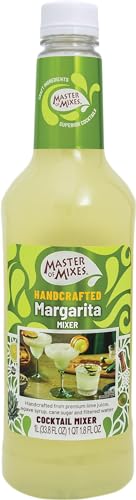
Master of Mixes Margarita Mix
Badge: Best Classic Pick
Strengths
- Straightforward classic profile that behaves predictably in recipes
- Liter size is a practical middle ground for small gatherings
- Widely used bar-style format that bartenders dose by habit
Trade-offs
- Classic profile offers less character than craft or organic rivals
- Single flavor only — no variety-pack exploration
- Needs chilling and a garnish to taste its best
At a glance:
- Format: bottled cocktail mix
- Volume: 1 liter bottle
- Style: classic margarita mix
Sometimes the right answer is the predictable one. Master of Mixes’ classic liter makes a standard beergarita that tastes like the standard beergarita — lime-led, moderately sweet, completely familiar — and for many households that familiarity is the point. It is the bottle to hand a first-time beer-cocktail maker, because the result is hard to get wrong: cold lager, this mix, ice, done.
Its ceiling is distinctiveness. Side by side with the organic and real-juice picks, it tastes simpler, and hop-forward beers expose that simplicity fastest. Keep it in its lane — lagers, wheat beers, classic serves — and it performs exactly as promised. Best Mixers For Belvedere Vodka
Best for: a first, foolproof beergarita / Not suited for: drinkers chasing craft-level nuance
Comparison Table
| Pick | Badge | Format | Flavor lean | Best use | Link |
|---|---|---|---|---|---|
| Master of Mixes Margarita/Daiquiri Variety Pack | Best Overall | 1 liter bottles, 6-pack | Six fruit and citrus flavors | Varied beer-cocktail menus | Check on Amazon |
| Agalima Organic Margarita Drink Mix | Best Premium Pick | 1 liter glass bottle | Organic lime, balanced | Classic beergarita | Check on Amazon |
| Daily’s Margarita Mix | Best for Batching | 64 oz bottle | Classic sweet lime | Party pitchers | Check on Amazon |
| Zing Zang Original Margarita Mix | Best Bright Citrus | 32 fl oz bottle | Bright real-juice lime | Tart lager serves | Check on Amazon |
| Zing Zang Strawberry Margarita-Daiquiri Mix | Best for Frozen Drinks | 32 fl oz bottle | Strawberry | Frozen beer slushes | Check on Amazon |
| Master of Mixes Margarita Mix | Best Classic Pick | 1 liter bottle | Classic margarita lime | Standard beergarita | Check on Amazon |
Two decisions organize this table. The first is fresh versus frozen: the strawberry pick and the variety case’s fruit bottles are your frozen and tropical tools, while the lime-led bottles are for drinks served over ice or straight from the pitcher. The second is scale: the 64 oz bottle only makes sense at party volume, while the 32 oz and liter bottles keep a small household’s mix fresh. Match those two decisions and the right row usually picks itself.
How to Choose the Right Mixer for Beer Cocktails
Choose your beer before your mix. The base beer contributes more than half the finished drink, and its style sets the rules: light and Mexican-style lagers accept almost anything in this guide; wheat beers lean into fruit and berry; amber lagers can handle mango and blood orange; and hoppy IPAs, honestly, accept almost nothing sweet — their bitterness plus a sweet mix reads as a fight in the glass. If IPA is what is in your fridge, drink it straight and mix with the lager next time.
Mind the sweetness math. Beer already carries malt sweetness, and a bottled mix adds its own, so a beer cocktail built at spirit-drink ratios will taste soft and sugary. Start with noticeably less mix than the bottle’s margarita directions — think of the mix as seasoning the beer rather than partnering it equally — then add to taste. The tarter picks in this guide forgive heavier hands; the classic sweet ones punish them.
Temperature and carbonation are your other two dials. Everything must be properly cold, because a beer cocktail served merely cool tastes flat even when it is not. Pour the beer last, down the side of a tilted glass, to keep the foam and fizz alive; a vigorously stirred beer cocktail is a flat one. For frozen serves the rule inverts: blend the mix and ice first, then fold the beer through briefly at the end. Best Mixers For Black Rum
Format follows frequency, as always in this category. Beer cocktails are seasonal for many households — a summer habit — which argues for mid-size bottles you will finish while the weather holds, not bulk that lingers into autumn. The exception is the genuine party purchase: if a gathering is on the calendar, the big bottle and the variety case stop being storage problems and start being the plan.
Finally, salt is a decision, not a default. A salted rim transforms a lime beer cocktail toward michelada territory and makes tart mixes taste rounder; it also overwhelms delicate wheat-beer serves. Rim half the glass if you are unsure — the drinker gets to choose sip by sip, which is a small hosting trick worth stealing for any mixed drink with a rim.
How to Build a Beergarita (and a Beer Slush) Properly
Technique matters more in beer cocktails than in spirit drinks, because carbonation is fragile and dilution behaves differently. These steps cover the two serves this guide is built around.
STEP 1 — Chill everything, including the glass. Beer, mix and glassware all cold. Warm beer foams excessively and goes flat fast when it meets mix.
STEP 2 — Ice and mix first. Fill the glass with fresh ice, add a modest measure of mix — start around a quarter of the glass — and only then reach for the beer.
STEP 3 — Pour the beer gently. Tilt the glass and pour down the side to preserve carbonation. Top, do not stir hard; one gentle lift with a straw or spoon is enough.
STEP 4 — Taste before garnishing. Beer cocktails vary hugely by base beer. Adjust with a little more mix, a squeeze of lime, or a pinch of salt before the wedge goes on.
STEP 5 — For a slush: blend mix and ice to a fine snow, add cold beer, pulse once or twice only. Over-blending after the beer goes in destroys the texture and the fizz together.
Troubleshooting common beer cocktails
Problem: The drink tastes flat → the beer was warm, poured hard, or stirred. Rebuild with cold beer poured gently down the side, and serve immediately rather than letting it sit.
Problem: The drink is too sweet and soft → the mix ratio is at spirit-drink strength. Halve the mix, choose a tarter pick next time, and add a salted rim to restore edge.
Problem: The slush separated into foam and liquid → the beer was blended too long or too warm. Blend mix and ice first, add the coldest beer last, and pulse minimally.
Which Beers Actually Work in Mixed Drinks
The lager family is the workhorse: American light lagers, Mexican-style lagers and pilsners all bring crispness and neutrality, which is precisely what a flavored mix needs underneath it. If a recipe in this guide just says beer, it means one of these. They are also the cheapest experimentation platform — a failed experiment costs you a can of lager and a splash of mix, not a craft bottle.
Wheat beers are the second shelf. Their soft body and natural citrus-and-spice notes make them the natural base for the strawberry and peach serves, and a witbier beergarita needs less mix than a lager one because the beer is already contributing flavor. Amber and Vienna lagers sit between the camps: enough malt to flatter mango and blood orange, enough crispness to stay refreshing. Best Mixers For Blackheart
Then the honest exclusions. IPAs and other hop-forward ales clash with sweet mixes — bitterness plus syrup reads harsh, not complex. Stouts and porters have their own dessert logic and none of these citrus-fruit mixes serve it. Sour beers are already mixed drinks by design. A good mixer guide should tell you where its products stop working, and for this list, the line is drawn at hoppy and dark beers.
Beer Cocktails for a Crowd: Pitchers Without Tears
Pitcher service is where beer cocktails shine socially and fail technically: a pitcher mixed an hour early is a pitcher of flat, warming beer. The fix is staging. Chill the mix in the pitcher with ice shortly before guests arrive, keep the beer separate and cold, and combine in small batches — a pitcher at a time, finished before the next is built. The big-format picks in this guide exist for exactly this workflow.
Set the station up so guests can adjust their own glass: spare mix, soda water, lime wedges, salt for rims, and a tarter option beside the sweet one. Crowds contain both palates, and a self-correcting station beats a single perfected recipe that half the room finds too sweet. Label nothing, explain once, and let people build — beer cocktails are forgiving drinks, which is why they work at parties in the first place.
Common Buying Mistakes
Mistake one: mixing with hoppy beer because it is what you have. Sweet mix plus assertive hops is the one genuinely bad combination in this category. Keep a six-pack of plain lager in the house as your mixing base and drink the IPA the way it was brewed to be drunk.
Mistake two: building beer cocktails at spirit-drink ratios. Beer is the drink; the mix is the seasoning. Start at half the mix you think you need — you can add, and in a carbonated drink you cannot subtract.
Mistake three: pre-mixing pitchers. Carbonation is perishable on a timescale of minutes-to-an-hour, not an afternoon. Stage the components and combine in small batches, as the crowd section above describes.
Mistake four: serving beer cocktails lukewarm-ish. Cold is not a preference in this category, it is structural — it keeps carbonation in solution and sweetness in check. Chill the mix, the beer and the glass, every time. Best Mixers For Beginners Mooching And Mastering
Final Recommendation
Start with the Master of Mixes variety case if beer cocktails are new to your house: it lets you discover, across one summer, whether your household is a classic-beergarita household, a tropical one or a frozen-slush one — and that knowledge is worth more than any single bottle.
Start with the Master of Mixes Margarita/Daiquiri Variety Pack if you want the safest first purchase. If its style does not match your palate, the Agalima Organic Margarita Drink Mix covers the next most common taste, and the Daily’s Margarita Mix is the pick to choose when your priority is the specific job described in its review above.
Keep it cold, pour the beer last and gently, and season rather than drown. Beer cocktails reward restraint more than any other drinks in this series, and the mixes above are at their best when the beer still tastes like beer.
Practical Notes for Better Mixed Drinks
Salt, the Smallest Lever in the Glass
A pinch of salt — in the drink, on a rim, or already present in a mix that uses it — suppresses bitterness perception and makes citrus taste more vivid. With Beer Cocktails it is the cheapest experiment available: build two small glasses, salt one lightly, and taste the difference side by side. Many drinkers discover their mixer was never too tart or too flat; it was simply unsalted. Use a light hand, because salt is a lever that only moves one way — you can add a second pinch, but you cannot take the first one back out of the glass.
Fresh Citrus as a Mixer Upgrade
A bottled mix plus a squeeze of genuinely fresh citrus is the highest-value upgrade in home mixing. The bottled base provides consistency and body; the fresh squeeze provides the volatile aroma that no shelf-stable product fully keeps. For Beer Cocktails, keep one lemon or lime in the house during mixing season specifically for this job. Add the fresh squeeze last, taste, and notice how often a drink you were about to adjust with more mixer actually only needed brightness. It is also the honest way to rescue a bottle that has been open a week too long.
Dilution Is a Recipe Step, Not an Accident
Ice does two jobs — chilling and diluting — and the second is as much a part of the recipe as the spirit itself. A Beer Cocktails drink built strong and stirred or served over generous ice will land softer and more integrated than the same ingredients poured over two cubes. This is why frozen and batch serves in this guide are built slightly stronger than rocks serves: their dilution is larger and faster. When a drink tastes harsh, the fix is often thirty more seconds of chill and melt rather than more mixer, and when it tastes washed out, the cause is usually warm ingredients melting ice too fast at the start.
The Mocktail Version of Every Drink Here
Every serve in this guide has a credible alcohol-free twin, and a thoughtful host builds it from the same mixer rather than from a separate, lesser recipe. Drop the spirit, keep the mixer, ice and garnish, and lengthen with soda water if the balance turns sweet — without the spirit’s weight, most mixes read sweeter, so the soda adjustment matters. For Beer Cocktails gatherings, serving the mocktail in the same glassware with the same garnish is not a nicety; it is the difference between a guest feeling included and feeling catered to as an afterthought.
Food Pairing Without Pretension
Mixed drinks pair with food the way wines do: match weight with weight and use acidity or bitterness to cut richness. A bright, citrus-led Beer Cocktails serve belongs beside grilled, fried or smoky food, where its acid resets the palate between bites. A bitter, tonic-led serve suits salty snacks and cured flavors. A sweeter, fruit-led serve is a dessert-course drink and struggles beside a main course. You do not need a pairing chart — you need the one question this guide keeps asking in different forms: what is the mixer contributing that the rest of the glass, or the plate, does not already have?
A Simple Tasting Method for Comparing Two Mixers
When you own two candidate mixers for Beer Cocktails, compare them properly once and you will never wonder again. Build two half-size drinks with identical spirit, ice and ratio, taste the brighter or lighter one first, and take a sip of water between them. Judge three things only: which drink you would finish, which one tastes more like its main ingredient, and which one still tastes good at the halfway point as dilution sets in. Write the winner’s name and ratio down. Palates forget; notes do not, and the whole exercise takes ten minutes.
Seasonal Drinking: The Same Bottle, Four Different Glasses
The mixer that is perfect in July is merely good in January, because temperature, appetite and dilution all shift with the season. Summer serves for Beer Cocktails want more ice, longer pours of mixer and the brightest options in this guide. Winter serves want shorter, stronger builds, the spiced or herbal directions, and sometimes a drink served with less ice than instinct suggests. Rotating which pick in this guide you reach for, season by season, is not indecision — it is the correct use of a shelf that was deliberately built with range in it.
Glassware, Honestly Assessed
Glassware will not rescue a bad drink, but it shapes a good one more than most home drinkers expect. Tall, narrow glasses protect carbonation and keep a Beer Cocktails highball cold; wide glasses give aroma room, which flatters herbal and floral mixers; heavy, large-format ice suits short serves where slow dilution matters. The practical rule is to own one tall glass you like and use it consistently — consistency of glass is consistency of dilution, and consistency is what turns a recipe into your recipe. Novelty glassware can come later, bought for a drink you already make well.
Batching for Guests Without Losing the Plot
The rules of batching are staging and restraint. Combine the spirit and mixer shortly before serving, keep the batch cold without ice in it, and let each glass be built over fresh ice at the moment of serving — a batch diluted in the jug is a batch dying in the jug. For carbonated Beer Cocktails serves, the sparkling element never goes in the batch at all; it tops each glass individually. Build the batch a touch stronger and tarter than the single serve, because ice and time will soften it, and keep spare mixer and soda beside the station so the host can correct the jug rather than apologize for it.
When a Mixer Disappoints: A Diagnostic Order
Before concluding a mixer is bad, run the diagnostic in order, because the mixer is the least common culprit. One: was everything cold? Two: was the ice fresh and plentiful? Three: was the ratio the one that worked before, or an eyeballed drift? Four: how long has the bottle been open? Five: has your palate simply moved — the beginner section of this series describes how sweetness preference drops with experience. Only after those five should the bottle take the blame, and by then you will usually know exactly which quality in it no longer suits you, which makes the next purchase a precise one.
Keeping a Small Bar Journal
The households that mix well keep, consciously or not, a record: which bottle, which ratio, which guest liked what. It does not need to be a notebook — a phone note or marker on caps does the job — but for Beer Cocktails, where six good options compete, the record is what converts a shelf of bottles into knowledge. Note the failures with the same care as the successes; a line like ‘too sweet with the aged bottle, fine with the white’ is worth more at the next purchase than any review, including this one, because it is written in your own palate’s language.
Hosting Etiquette: The Second Drink Test
Judge a mixer for Beer Cocktails the way a host must: not by the first glass, which is cold, fresh and full of promise, but by the second, when the ice has worked, the palate has settled and the evening has found its pace. Mixers built on real citrus, honest bitterness or genuine spice hold their shape across that second glass. Mixers built mainly on sweetness do not — they flatten, and the drinker quietly switches to water. When you trial a new bottle from this guide, plan the trial honestly: two drinks, same ratio, and a note afterwards about whether the second was as good as the first.
Why Freshness Beats Brand Loyalty
In this category, a fresh bottle of a good mixer beats a stale bottle of a great one, every time. Citrus dulls, carbonation escapes and aromatics fade, and no label prestige survives a month open in a warm cupboard. For Beer Cocktails, the practical consequence is a buying rhythm: smaller formats bought more often, opened bottles kept cold and finished deliberately, and a household rule that a new bottle is not opened while an old one still has honest drinks in it. Brand loyalty is a fine thing; freshness discipline is the thing that makes the loyalty taste justified.
The Garnish Pantry: Five Items, Every Drink Covered
A working garnish pantry for Beer Cocktails fits in one fridge door: lemons, limes, one orange, fresh mint, and a small jar of good salt. Citrus wedges for brightness, peels for aroma, mint for herbal and floral serves, salt for rims and for the pinch that wakes a flat drink up. Everything beyond those five is occasion-specific shopping, bought for a named drink on a named night. Stocked this way, any pick in this guide can be served at its best on any evening, without a special trip — which is precisely the point of a home bar built on bottled mixers in the first place.
Understanding Sweetness: Dry, Balanced and Sweet Serves
Sweetness in a mixed drink is not a quality ranking; it is a setting, and different drinkers set it differently. The useful skill for Beer Cocktails is learning your own setting and how it shifts — most palates drift drier with experience, and almost everyone’s setting drops as a drink warms or as an evening progresses. That is why this guide repeatedly advises building the first drink a touch drier than you think you want: dilution and warmth will sweeten the glass as it sits, and a drink built at your exact preference at minute one is over-sweet by minute fifteen.
Ice, Compared: Cubes, Crushed and Big
The form of ice changes a Beer Cocktails drink as surely as the mixer does. Standard cubes are the all-purpose choice — steady chill, moderate dilution. Crushed ice chills fastest and dilutes fastest, which is why frozen and slush serves taste right only when built strong. One large cube or sphere melts slowest and suits short, spirit-forward serves where the mixer is a seasoning rather than a partner. Home drinkers do not need all three; they need to know that swapping ice form without adjusting the build will move the drink, and that most ‘this tasted better at the bar’ mysteries are, at bottom, ice mysteries.
A Word on Glass Temperature
A cold glass is free quality. Ten minutes in the freezer — or two minutes filled with ice water while you build the drink — keeps a Beer Cocktails serve at its intended temperature several minutes longer, which in a carbonated drink also means several minutes more carbonation. Warm glassware is a silent tax on every other good decision you made: the chilled mixer, the fresh ice, the careful ratio. It costs nothing to avoid, which is why the how-to sections in this guide mention temperature so often. In a three-ingredient drink, there is nowhere for a warm glass to hide.
Reading a Mixer Label Like a Buyer, Not a Fan
The front of a mixer package is advertising; the useful information sits in the ingredient order, the format and the maker’s own flavor notes. Ingredients are listed by weight, so a mix that names real lime juice, cane sugar or agave early is telling you something different from one built on generic flavoring. For Beer Cocktails, that order predicts the glass: citrus and real sweeteners early means brightness, while a long tail of additives usually means a flatter, sweeter drink. Read the serving size too, because calorie and sugar figures are quoted per serving, and a serving is often smaller than the pour a home drinker actually makes.
The Ratio Habit: Measure Twice, Then Trust Your Palate
Every drink in this guide improves when the first build is measured and the rest are tasted. Use a jigger, a shot glass or even a marked measuring cup for the first round with a new mixer for Beer Cocktails, note the ratio that worked, and write it on the cap or the fridge door. From then on you can pour by eye with confidence, because your eye has been calibrated. Drinkers who skip the measuring step entirely tend to blame bottles for what is actually ratio drift — the same mix tasting different every night because it is, measurably, a different drink every night.
Carbonation Is an Ingredient, Not a Texture
In any sparkling mixer, the bubbles do flavor work: they carry aroma to the nose, sharpen acidity on the tongue and keep a rich drink from feeling heavy. That is why the pour technique in the how-to section matters — a gentle pour down a tilted glass can keep noticeably more carbonation in a Beer Cocktails serve than a hard splash into the middle. It is also why opened sparkling mixers are on a clock. Judge a sparkling mixer by its second glass, not its first: the first is factory-fresh for every brand, while the second reveals how well the carbonation was built.
Storage deserves a sentence of its own in any mixer guide, because carbonation and citrus both fade with time and warmth. Keep unopened bottles and cans somewhere cool and out of direct sun, chill what you plan to serve well ahead of time, and once a large bottle is open, treat it as a this-week ingredient rather than a next-month one. A mixer that has gone flat will make even an excellent base spirit taste tired, and no garnish fully rescues it.
Ice is the silent ingredient in every drink in this guide. Fresh, hard, cold ice chills without flooding the glass, while old freezer ice that has absorbed food odors will quietly season your drink with flavors nobody ordered. If your ice has been sitting for weeks, make a fresh tray or bag for guests. It costs almost nothing, and the difference shows up in the first sip of any highball or mixed drink built on the picks above.
Glassware matters less than freshness, but it is not nothing. A tall, narrow glass keeps carbonation lively longer than a wide, open one, and a heavy base feels better in the hand during a long conversation. Whatever you use, fill it properly with ice rather than dropping two cubes into a large glass and hoping for the best. Dilution from a full glass of hard ice is slower and more even, which keeps the balance you mixed actually tasting like the balance you mixed.
Frequently Asked Questions
What is a beergarita?
A beergarita combines a margarita-style mix with beer — usually a light lager — served over ice, often with a salted rim. Some versions add a shot of tequila; the beer-and-mix version in this guide is lighter and more refreshing, and it is the serve most of these picks are built for.
What beer is best for mixed drinks?
Light lagers and Mexican-style lagers are the most versatile bases because they are crisp and neutral. Wheat beers suit fruit and berry mixes. Hoppy IPAs and dark beers generally clash with sweet citrus mixes.
Can you freeze beer into a slush?
Yes — blend the mix and ice first, then add very cold beer and pulse briefly. Blending beer hard or warm destroys its carbonation and the slush separates, so the beer always goes in last.
How much mix should go in a beer cocktail?
Start with roughly a quarter of the glass as mix and adjust upward. Beer already carries malt sweetness, so spirit-drink ratios usually taste too sweet in a beer serve.
Do beer cocktails need a salted rim?
No, but salt transforms lime-based beer drinks toward michelada territory and rounds out tart mixes. Rimming half the glass lets the drinker choose on each sip.
How long does opened margarita mix keep for beer drinks?
Refrigerate after opening and aim to use it within a few weeks. Citrus brightness fades first, and a flat-tasting mix makes a flat-tasting beer cocktail no matter how fresh the beer is.


