Disclosure: topratedkitchenware.com is reader-supported. When you buy through links on our site, we may earn an affiliate commission from Amazon and other retailers, at no extra cost to you.
Where to buy
The six mixers below are the verified picks for this guide to the best mixers for prosecco. Each name links to its Amazon listing, where you can check the latest price on Amazon, confirm the current pack configuration, and read the newest owner feedback. All six are tonic waters, and this guide is built around the serve they make possible: the tonic spritz.
- Fever-Tree Tonic Water Mixer (24 Pack Cans)
- Fever-Tree Light Tonic Water Mixer (24 Pack Cans)
- Fever-Tree Tonic Water Mixer (24 Pack Bottles)
- Fever-Tree Premium Indian Tonic Water (Pack of 8)
- Fever-Tree Mediterranean Tonic Mixer (24 Pack Bottles)
- Fever-Tree Light Tonic Water Mixer (8 Pack Cans)
Read the full guide ↓ for the reasoning behind each pick, the honest trade-offs, and the mixing technique that makes each bottle earn its place.
The best mixers for prosecco have to solve a delicate problem: prosecco is already a complete, sparkling drink, so a mixer must add a new dimension without spending the wine’s own fizz and freshness. The tonic spritz is the modern answer. Prosecco lengthened with a measured pour of tonic water, over ice, with a citrus or herb garnish, gains a bitter, refreshing edge that the wine alone does not have — a drier, more aperitif-like glass that stays recognisably prosecco because the wine, not the mixer, remains the majority of the drink. All six verified picks in this pool are tonic waters, and every one of them can perform that serve.
That focus is a strength, because tonic is not one flavour. This pool spans the tonic map: the classic canned bottling with real quinine, its lighter sibling with a bitter-orange hint, the same recipe in glass bottles, a clean-label Premium Indian flagship, a Mediterranean bottling built on rosemary and herbaceous notes, and a small light eight-pack for households that pour occasionally. Poured against prosecco, those differences stop being academic. The Mediterranean bottling turns the spritz herbaceous and savoury; the light bottlings keep the wine’s fruit in front; the classic bottlings give the drink its driest, most structured form. Choosing among them is choosing which spritz your household drinks.
Technique, as ever, is the multiplier. A tonic spritz is built cold, poured gently, and proportioned with the wine in charge — the tonic is the frame, never the picture. The guide below compares the six frames in depth, then teaches the build and the troubleshooting that keep prosecco sparkling in both senses. Readers who enjoy the frame-first principle will recognise it from the neighbouring shelves, from Best Mixers For Raspberry Vodka to the whiskey highballs of Best Mixers For Red Stag — different drinks, same discipline of letting the mixer serve the star.
Key Takeaways
- The tonic spritz is the serve: prosecco lengthened with tonic over ice, gaining a dry, bitter, aperitif edge.
- Prosecco must remain the majority of the glass — tonic is the frame, never the picture.
- All six picks are tonics, and their differences are real: classic for structure, light for fruit-forward delicacy, Mediterranean for an herbaceous, savoury spritz.
- Temperature and gentle pouring protect two sparkling ingredients at once; a warm or violently poured spritz goes flat twice as fast.
- Single-serve cans and small bottles insure the tonic’s carbonation; large bottles belong to gatherings.
- Check on Amazon for the current pack configuration before ordering, as tonic pack sizes change between seasons.
In this guide
Quick Picks
| Pick | Badge | Why it earns its place | Listing |
|---|---|---|---|
| Fever-Tree Tonic Water Mixer (24 Pack Cans) | Best Overall | Real-quinine tonic in single-serve cans — the driest, most reliable spritz frame, at full fizz every time. | Check on Amazon |
| Fever-Tree Light Tonic Water Mixer (24 Pack Cans) | Best Light Pick | Listing states 30 calories per can with a bitter-orange hint — the gentlest frame, keeping prosecco’s fruit in front. | Check on Amazon |
| Fever-Tree Tonic Water Mixer (24 Pack Bottles) | Best Bottle Format | The classic real-quinine recipe in 6.8 Fl Oz glass bottles — the generous spritz serve with table presence. | Check on Amazon |
| Fever-Tree Premium Indian Tonic Water (Pack of 8) | Best Premium Pick | No artificial sweeteners, flavourings, or preservatives, per the listing — the clean-label flagship for a gathering-sized spritz. | Check on Amazon |
| Fever-Tree Mediterranean Tonic Mixer (24 Pack Bottles) | Best for a Savoury Spritz | Rosemary essential oils with African quinine, per the listing — the herbaceous spritz that tastes like the aperitivo hour feels. | Check on Amazon |
| Fever-Tree Light Tonic Water Mixer (8 Pack Cans) | Best Small Pack | The light recipe — listing states 30 calories per serving with bitter orange — in an eight-can pack for occasional spritz households. | Check on Amazon |
How These Picks Were Chosen
Selection for this guide began from the spritz itself. A mixer for prosecco must bring bitterness without a competing flavour empire, carbonation that survives being poured over wine and ice, and a profile that can sit beside prosecco’s pear, apple, and floral notes without covering them. Tonic water is the category that meets that specification, and the six verified bottlings in this pool meet it in six distinguishable ways — which is why all six are linked, and why the reviews concentrate on the differences between them rather than on a pretence that they are interchangeable.
This is a research-led guide and claims no hands-on testing. Judgements rest on what each listing itself states — quinine, botanical notes such as rosemary and bitter orange, calorie figures where the maker prints them, and pack formats — read against the documented structure of the spritz serve. No prices are printed, because they move; each pick invites you to check the latest price on Amazon. One honesty note belongs here: the tonic spritz is the lighter, drier member of the spritz family, and drinkers seeking the classic bittersweet orange aperitivo are chasing a different drink that this pool does not contain — and this guide will not pretend otherwise.
The 6 Best Options for Best Mixers for Prosecco

Fever-Tree Tonic Water Mixer (24 Pack Cans)
Badge: Best Overall
Strengths
- Real quinine, per the listing — full bitterness for the driest spritz in the guide
- Subtle citrus and fruit notes, per the listing, sit naturally beside prosecco’s own fruit
- 5.1 Fl Oz cans are spritz-sized: one can frames roughly two glasses, opened fresh each session
Trade-offs
- The most structured frame — prosecco’s delicacy is presented dryly, which aperitif lovers want and fruit lovers may not
- A 24-can case is a storage commitment
- Cans lack the table ceremony of glass for formal occasions
At a glance
- Format: 5.1 Fl Oz cans, 24 pack (per listing)
- Real quinine (per listing)
- Profile per listing: subtle citrus and fruit notes balanced by quinine bitterness
- Brand: Fever-Tree
The classic canned tonic is this guide’s benchmark spritz frame, and the listing states its credentials plainly: real quinine, with subtle citrus and fruit notes balanced by quinine bitterness. Against prosecco, that balance is the whole game. The wine brings pear, apple, and white flowers; the tonic’s quiet citrus and fruit undertones rhyme with them instead of introducing a foreign flavour, while the quinine lays a dry, bitter foundation under the glass that prosecco alone never provides. The finished spritz tastes like the wine grew an aperitif spine — recognisably prosecco, unmistakably more composed.
Format quietly decides spritz quality, and cans decide it in your favour. A spritz contains two carbonated ingredients, and its sparkle is only as alive as the flatter of the two; a tonic poured from a bottle opened last week handicaps the freshest prosecco. A 5.1 Fl Oz can is opened at the moment of building, pours at full pressure, and conveniently frames about two glasses — one can per spritz session, with nothing left to decline in the fridge. Build in a wine glass over plentiful ice: prosecco first, gently, then the tonic in a shorter measure, one slow stir, and a citrus twist over the surface.
Choose the classic cans when your spritz ideal is dry and structured — the pre-dinner glass that sharpens an appetite rather than sweetening it. Fruit-forward households may find their first love in the light or Mediterranean picks below, but most spritz drinkers who start here stay here, because this is the frame against which the others define themselves.
Best for: spritz drinkers who want the dry, structured, aperitif version with guaranteed carbonation / Not suited for: drinkers who want prosecco’s fruit completely in front — start with a light bottling
Check on Amazon to see the current listing for the Fever-Tree Tonic Water Mixer (24 Pack Cans), confirm the pack on offer, and read the most recent owner feedback.

Fever-Tree Light Tonic Water Mixer (24 Pack Cans)
Badge: Best Light Pick
Strengths
- Listing states 30 calories per can — the lightest frame in the guide
- Hint of Mexican bitter orange, per the listing, bridges tonic bitterness and prosecco’s citrus-fruit register
- Real quinine, per the listing, keeps the spritz structured rather than merely diluted
Trade-offs
- A gentler bitterness — the spritz reads softer and fruitier, which dry-serve drinkers may find polite
- Less corrective power if a prosecco pours sweeter than expected
- Same 24-can storage commitment as the classic pick
At a glance
- Format: 5.1 Fl Oz cans, 24 pack (per listing)
- Listing states 30 calories per can
- Real quinine; hint of Mexican bitter orange (per listing)
- Brand: Fever-Tree
The light canned tonic is the spritz frame for wine lovers — drinkers who chose their prosecco for its fruit and flowers and want the mixer to add architecture without redecorating. Its quinine is real, per the listing, but pitched as a foundation rather than a headline, and the listing states 30 calories per can, the lightest figure in this guide. Poured at a frame’s measure beneath a good prosecco, it dries the finish, lengthens the drink, and leaves the pear and blossom exactly where the winemaker put them. If the classic cans build the aperitif version of the spritz, this bottling builds the lunchtime version — brighter, softer, and easier to drink at length.
The bitter-orange hint earns its mention again in this context, because prosecco’s own citrus register is gentle — more blossom and zest than juice — and a bridge note matters. Mexican bitter orange sits between the wine’s softness and the tonic’s bitterness and helps the two read as one composed drink rather than as wine with something sparkling poured into it. That coherence is the difference between a spritz that tastes designed and one that tastes diluted, and it is why this guide rates the light bottling as a formulation in its own right rather than a compromise for the calorie-conscious.
Choose the light cans for fruit-forward proseccos, for long afternoon serves, and for households introducing tonic spritzes to drinkers who find quinine austere. Keep the classic case for the pre-dinner pour. The two together — which the shared can format makes a painless policy — cover the spritz’s whole mood range from a single shelf.
Best for: wine-first drinkers, fruit-forward proseccos, and long afternoon spritz serves / Not suited for: drinkers who want maximum quinine structure in the glass
Check on Amazon to see the current listing for the Fever-Tree Light Tonic Water Mixer (24 Pack Cans), confirm the pack on offer, and read the most recent owner feedback.

Fever-Tree Tonic Water Mixer (24 Pack Bottles)
Badge: Best Bottle Format
Strengths
- Real quinine with subtle citrus and fruit notes balanced by quinine bitterness, per the listing
- 6.8 Fl Oz bottles pour a generous spritz session for two without a second opening
- Glass presentation suits the table — a spritz is, among other things, a visual drink
Trade-offs
- Glass is heavier and less forgiving than cans for picnics and poolside service
- A bottle opened for one small spritz will not hold its fizz for the next session
- A 24-bottle case needs real pantry space
At a glance
- Format: 6.8 Fl Oz bottles, 24 pack (per listing)
- Real quinine (per listing)
- Profile per listing: subtle citrus and fruit notes balanced by quinine bitterness
- Brand: Fever-Tree
The bottled classic is the same real-quinine recipe as the benchmark cans — subtle citrus and fruit notes balanced by quinine bitterness, per the listing — presented in 6.8 Fl Oz glass bottles, and the presentation is not a trivial difference for this particular drink. A spritz is a visual pleasure before it is a flavour: pale gold wine, lively bubbles, ice, and a garnish, ideally in a large wine glass on a table with food approaching. A glass tonic bottle belongs to that theatre in a way a can, for all its carbonation discipline, does not, and households that serve spritzes to guests will feel the difference in how the drink is received.
The format also suits the two-glass rhythm of a shared spritz session. One bottle, opened cold, frames a pair of generous glasses in a single service, with nothing left over to decline — the large-bottle problem disappears when the bottle is sized to the occasion. Build as with the cans: wine glass, plentiful hard ice, prosecco poured gently first, tonic in the shorter measure, one slow stir, citrus or an olive-adjacent savoury garnish if the evening leans aperitivo. The bottle’s extra volume over the can simply lets the glasses be built a touch longer, which on a warm evening is its own argument.
Buy the bottles when your spritz life is social and seated — dinners, terraces, occasions with glassware. Buy the cans when it is spontaneous, portable, or solo. The recipe does not change between them; the ritual does, and rituals are legitimate reasons to choose one format over another.
Best for: hosts serving spritzes at the table who want generous serves and glass presentation / Not suited for: picnics, poolside service, or one-glass sessions that would strand an opened bottle
Check on Amazon to see the current listing for the Fever-Tree Tonic Water Mixer (24 Pack Bottles), confirm the pack on offer, and read the most recent owner feedback.

Fever-Tree Premium Indian Tonic Water (Pack of 8)
Badge: Best Premium Pick
Strengths
- No artificial sweeteners, flavourings, or preservatives, per the listing
- Premium Indian tonic profile — the flagship style of the category, with a clean, quinine-led structure
- 16.9 Fl Oz bottles pour a full round of spritzes from a single opening
Trade-offs
- Large bottles are a gathering format; opened for one glass, they decline across the week
- Eight large bottles are a pantry commitment
- Premium positioning within the tonic class
At a glance
- Format: 16.9 Fl Oz bottles, pack of 8 (per listing)
- No artificial sweeteners, flavourings, or preservatives (per listing)
- Style: Premium Indian tonic water
- Brand: Fever-Tree
The Premium Indian bottling is the flagship of the tonic category, and its listing’s claim — no artificial sweeteners, flavourings, or preservatives — matters more in a wine drink than in almost any other serve. Prosecco is a delicately flavoured ingredient; drinkers chose it for pear, blossom, and freshness rather than for punch. A tonic frame built without artificial notes keeps that delicacy audible: the spritz tastes of wine, quinine, and citrus, and of nothing that arrived from a flavouring laboratory. For households that read labels as a matter of policy, this is the only bottle in the guide that makes the policy effortless.
The 16.9 Fl Oz format defines its occasion with unusual clarity. One bottle pours a round — several spritzes across a gathering — which makes it the natural purchase for the household whose spritz is an event: the dinner party aperitif, the terrace hour with friends, the celebration before the celebration. Opened for that purpose and finished within it, its carbonation never becomes a question. Opened for a solitary glass, it becomes the fridge-door problem in its largest form, and this guide’s small-format picks exist precisely for that household rhythm instead.
Positioned qualitatively at the premium end of the tonic class, this pack earns its place when the prosecco itself is a bottle worth framing carefully and the company is worth framing it for. It is the spritz shelf’s special-occasion bottling — not an everyday workhorse, and all the better for knowing it.
Best for: gatherings pouring a full spritz round, and clean-label households framing a good prosecco / Not suited for: solo or two-glass sessions — the large bottle will decline before it is finished
Check on Amazon to see the current listing for the Fever-Tree Premium Indian Tonic Water (Pack of 8), confirm the pack on offer, and read the most recent owner feedback.
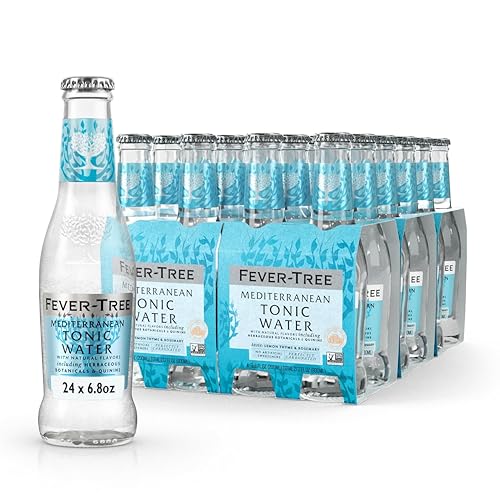
Fever-Tree Mediterranean Tonic Mixer (24 Pack Bottles)
Badge: Best for a Savoury Spritz
Strengths
- Essential oils of rosemary combined with African quinine, per the listing — a genuinely distinct, herbaceous profile
- The savoury direction pairs with prosecco’s fruit by contrast, the way herbs pair with a fruit garnish
- 6.8 Fl Oz bottles in a 24 pack suit a household that has adopted this as its house spritz
Trade-offs
- The herbaceous character is a commitment — drinkers who want a neutral frame should choose the classic
- Rosemary-led spritzes suit food and aperitivo hours better than dessert-adjacent occasions
- A 24-bottle case of a distinctive flavour is a bigger bet than a case of the classic
At a glance
- Format: 6.8 Fl Oz bottles, 24 pack (per listing)
- Essential oils of rosemary with African quinine (per listing)
- Profile per listing: subtly herbaceous and refreshing
- Brand: Fever-Tree
The Mediterranean bottling is the one pick in this guide that changes the spritz’s genre rather than merely its proportions. Its listing describes essential oils of rosemary combined with African quinine, producing a subtly herbaceous, refreshing flavour — and poured under prosecco, that herbaceousness does something no classic tonic can: it turns the spritz savoury. The wine’s pear and apple read brighter against the herbal frame, the finish turns dry and culinary, and the glass stops tasting like a refreshment and starts tasting like the first course of a meal. Garnished with a sprig of thyme, a rosemary stem, or a green olive, it is the closest this pool comes to the full aperitivo ritual.
That distinctiveness is the reason for both its badge and its trade-off. A Mediterranean spritz is a house style: households that love it tend to adopt it entirely, stocking the 24-bottle case as their standing spritz frame and building their garnish habits around it. Households that want the wine framed neutrally will find the rosemary an opinion they did not ask for, and for them the classic bottlings are the correct shelf. Neither reaction is wrong; they are different relationships with the same wine, and the guide’s job is to make the fork in the road visible before the case is bought.
Food is the tiebreaker. If your spritzes arrive alongside olives, cured meats, cheeses, and the savoury opening of a meal, the Mediterranean frame will taste inevitable. If they arrive alone, in the sun, as a pure refreshment, the classic or light frames will taste cleaner. Choose by the table the drink will sit on, and this most characterful bottle in the guide will either become your signature or be respectfully left to the households it was made for.
Best for: aperitivo households serving spritzes with savoury food who want a signature house style / Not suited for: drinkers who want a neutral frame — the rosemary is an opinion, not a whisper
Check on Amazon to see the current listing for the Fever-Tree Mediterranean Tonic Mixer (24 Pack Bottles), confirm the pack on offer, and read the most recent owner feedback.

Fever-Tree Light Tonic Water Mixer (8 Pack Cans)
Badge: Best Small Pack
Strengths
- Same light recipe as the 24-can pick — real quinine and a touch of Mexican bitter orange, per the listing
- Listing states only 30 calories per serving
- Eight-can pack is the low-commitment way to adopt the spritz or to trial the light style
Trade-offs
- Occasional households only — regular spritz drinkers will reorder constantly and should buy the case
- Gentler bitterness, like its 24-can sibling
- Small packs are the least economical way to buy tonic over a season
At a glance
- Format: 5.07 Fl Oz cans, 8 pack (per listing)
- Listing states only 30 calories per serving
- Real quinine; touch of Mexican bitter orange (per listing)
- Brand: Fever-Tree
Not every household’s spritz life justifies a case, and this eight-pack exists for the honest majority whose prosecco occasions are monthly rather than weekly. The recipe is the light bottling’s — real quinine, a touch of Mexican bitter orange, and a listing-stated 30 calories per serving, with balanced botanicals giving the smooth, crisp taste the maker describes — in 5.07 Fl Oz cans, eight to a pack. Every quality argument made for the light case applies here unchanged; the only difference is commitment, and commitment sized to a real calendar is a virtue this guide praises in every category it covers.
The small pack also has a second, strategic use: it is the trial format. A household deciding between the classic and light frames, or adopting the tonic spritz for the first time, can run the entire experiment — several evenings, several bottles of prosecco, both textures of the drink — on one eight-pack, and let the glasses vote before a case is bought. Few purchases in the drinks aisle offer so complete an audition for so little shelf space, and spritz newcomers are advised to take it before scaling into the 24-can formats above.
The trade-off is purely economic rhythm: bought repeatedly, small packs are the most expensive way to drink tonic across a season, and the household that finds itself reordering monthly has received its answer — graduate to the case, in whichever style the eight-pack proved. Until that signal arrives, this is the proportionate, low-regret way to keep a spritz capability in the house.
Best for: occasional spritz households and anyone trialling the light style before buying a case / Not suited for: regular spritz drinkers, for whom the 24-can formats are the rational purchase
Check on Amazon to see the current listing for the Fever-Tree Light Tonic Water Mixer (8 Pack Cans), confirm the pack on offer, and read the most recent owner feedback.
Comparison Table
| Pick | Badge | Format (per listing) | Profile in the glass | Listing |
|---|---|---|---|---|
| Fever-Tree Tonic Water Mixer (24 Pack Cans) | Best Overall | 5.1 Fl Oz cans, 24 pack | Full quinine bitterness, subtle citrus and fruit, lively carbonation | Check on Amazon |
| Fever-Tree Light Tonic Water Mixer (24 Pack Cans) | Best Light Pick | 5.1 Fl Oz cans, 24 pack | Lighter quinine frame, bitter-orange bridge, smooth and crisp per listing | Check on Amazon |
| Fever-Tree Tonic Water Mixer (24 Pack Bottles) | Best Bottle Format | 6.8 Fl Oz bottles, 24 pack | Classic quinine frame in a generous serve; refined carbonation | Check on Amazon |
| Fever-Tree Premium Indian Tonic Water (Pack of 8) | Best Premium Pick | 16.9 Fl Oz bottles, pack of 8 | Flagship Indian tonic profile; clean-label, quinine-led structure | Check on Amazon |
| Fever-Tree Mediterranean Tonic Mixer (24 Pack Bottles) | Best for a Savoury Spritz | 6.8 Fl Oz bottles, 24 pack | Herbaceous rosemary over African quinine; savoury, refreshing | Check on Amazon |
| Fever-Tree Light Tonic Water Mixer (8 Pack Cans) | Best Small Pack | 5.07 Fl Oz cans, 8 pack | Light quinine frame, bitter-orange touch, smooth and crisp per listing | Check on Amazon |
How to Choose Best Mixers for Prosecco That Fit Your Bar
Choosing a prosecco mixer is choosing a spritz personality, and the six tonics in this guide divide cleanly by the glass you picture. Picture the dry pre-dinner aperitif, and the classic frames — cans for spontaneity, bottles for the table — are your shelf. Picture a long, bright afternoon where the wine’s fruit should sing, and the light frames are yours, in case or eight-pack according to your calendar. Picture the savoury aperitivo hour with food, and the Mediterranean bottling stands alone as the house-style choice. The picture test works because tonic styles, unlike many mixer differences, are genuinely audible in the finished glass.
Proportion is the second decision, and it is the one new spritz drinkers most often get wrong. The wine must lead: a spritz built with tonic as the majority is a tonic drink with wine in it, and it tastes like dilution, because it is. Build with prosecco as the clear majority of the liquid, tonic as the seasoning-lengthener, and adjust in small steps across evenings until your household’s ratio is found. That ratio, once found, should be written down — spritz consistency is a household asset, and rediscovering it by accident every summer is a waste of good wine.
Temperature discipline is the third decision, and it is unforgiving because the spritz contains two sparkling ingredients. Chill the prosecco thoroughly, chill the tonic, use a large glass with plentiful hard ice, and pour both ingredients gently. Every degree of warmth and every violent pour is paid for in bubbles, and bubbles are the drink. The same cold discipline, incidentally, is what separates a designed drink from a diluted one across this programme’s shelves — the shakes and blends over at Best Mixers For Protein Shakes obey their own version of it, which is a reminder that mixing, in every sense of the word, rewards people who respect temperature and proportion.
Finally, buy format by rhythm. Cases for households whose spritz is a standing institution; eight-packs for the occasional and the experimenting; large bottles only where a gathering will finish them the evening they open. Prosecco itself will not wait in an open bottle, and a tonic shelf sized to the same rhythm as the wine shelf is a small, satisfying piece of household engineering.
How to Build a Tonic Spritz That Keeps Both Sparkles Alive
The spritz is a drink of sequence and gentleness: two carbonated ingredients, one glass of ice, and a garnish, assembled in an order that protects the bubbles both ingredients bring. The method below is this guide’s house build, using any of the six tonic picks; the garnish line is where the Mediterranean and classic frames part company.
- Chill everything: the prosecco thoroughly, the tonic alongside it, and the wine glasses if the occasion allows. Warm ingredients spend bubbles; cold ones keep them.
- Fill a large wine glass generously with hard, fresh ice — more than feels polite. The ice is the drink’s climate system and its dilution governor.
- Pour the prosecco first, gently, down the side of the glass, filling it to your household’s spritz proportion with the wine clearly in the majority.
- Add the tonic in its shorter measure, poured just as gently. The order matters: wine first means the tonic marries into it rather than foaming against it.
- Stir once, slowly, with a long spoon or a straw — a single pass to marry the liquids, never enough to evict the carbonation.
- Garnish by frame: a citrus twist for the classic and light spritzes; a thyme sprig, rosemary stem, or green olive for the Mediterranean.
- Serve immediately, in the glass it was built in, while both sparkles are still performing. A spritz’s peak is its first minutes.
Leftovers on this shelf are simple to manage because the tonics are patient and the wine is not. Unopened cans and bottles keep in a cool pantry indefinitely for household purposes; opened large bottles should be finished within the gathering that opened them. An opened prosecco, by contrast, should be stoppered, refrigerated, and poured the same evening — which is one more reason the tonic shelf’s small formats matter: they let a household build exactly the number of spritzes the open wine can serve, and no more.
Troubleshooting
- Problem: the spritz tastes like diluted wine → the tonic took the majority, or the ice melted into a warm build. Rebuild colder, with prosecco clearly leading the proportion and a glass packed with hard ice.
- Problem: the drink goes flat within minutes → one of the two sparkling ingredients arrived flat, or the pour was violent. Use a freshly opened tonic format, chill both ingredients, and pour down the side of the glass.
- Problem: the spritz tastes bitter and the fruit has vanished → the frame is too assertive for this wine. Shorten the tonic measure, or move from the classic to a light bottling, whose gentler quinine keeps prosecco’s fruit in front.
The Spritz Family, and Where the Tonic Spritz Sits in It
The spritz descends from a practical idea — wine lengthened and refreshed for the aperitivo hour — and its famous members each choose a different lengthener with a different personality. The bittersweet orange branch, built on bitter aperitivi, is the family’s extrovert: vivid, sweet-bitter, unmistakable. The tonic spritz is the family’s minimalist: no additional flavour empire, just bitterness, fizz, and length, so that the wine remains the flavour and the mixer remains the frame. Neither is the correct spritz; they are different drinks sharing a glass shape and an hour of the day, and a household should know which one it is in the mood to build before it shops.
This pool contains only the minimalist branch, and this guide’s honesty about that is deliberate. A shopper seeking the orange aperitivo serve will not find it among six tonic waters, and pretending a rosemary tonic is a substitute would repeat, in miniature, every category error this programme’s guides exist to correct. What the tonic spritz offers instead is real: a drier, lighter, more wine-forward aperitif that suits drinkers who find the classic spritz sweet, and a serve that can be built entirely from a shelf of tonics chosen with the care this guide applies. Minimalism, chosen knowingly, is a style — not a shortfall.
Prosecco Itself: Pouring the Right Wine into the Frame
A tonic frame flatters most prosecco, but not all prosecco equally, and a paragraph of wine guidance will save a household several flat experiments. Drier prosecco styles make the most structured spritzes: their lower sweetness lets the quinine and the wine’s acidity compose a genuinely aperitif glass, and the fruit reads as freshness rather than as sugar. Sweeter styles push the spritz toward a softer, rounder drink that pairs naturally with the light tonic frames, whose gentler bitterness avoids stacking dryness on a wine that never asked for it. Match frame weight to wine weight, as you would match a sauce to a dish, and the pairing stops being luck.
Freshness of the wine matters as much as its style. Prosecco is a young wine’s pleasure — fruit and fizz at their peak in the months after release, fading politely thereafter — and a spritz cannot restore what age has taken from the bottle. Buy prosecco for the season you will drink it, store it cool and dark, and open it for occasions rather than anniversaries. The tonic shelf, patient and shelf-stable, will be waiting whenever the wine is ready; that division of patience is exactly how a spritz bar should be stocked.
The Spritz Hour: Timing the Drink to the Evening
The spritz belongs to a specific hour — the hinge between afternoon and dinner, when the light is good, the meal is coming but not yet here, and a drink’s job is to sharpen appetite and conversation rather than to conclude anything. Timing the serve to that hour is part of its recipe. A tonic spritz poured then performs at its design weight: dry enough to make food taste anticipated, light enough to leave the evening’s wine its role, and brief enough in the glass that its peak and the hour’s peak coincide. Pour the same drink after a heavy meal and it tastes like an interruption; the recipe has not changed, but the hour has, and the hour is an ingredient.
Hosts can build the hour deliberately. Set the glasses, ice, and garnish before guests arrive, chill more prosecco and tonic than the arithmetic suggests — a spritz hour that runs dry at its peak is a small tragedy of planning — and open the first bottle when the first guests are actually in the room, not before. The same household, it is worth noting, usually runs its other entertainments on similar rails: the gaming corner has its own matching discipline over at Best Mixers For Ps4, and the principle is identical — the right source, the right channel, prepared before the moment arrives. Aperitivo, like everything else in a well-run house, is mostly preparation wearing the costume of spontaneity.
Common Buying Mistakes
Spritz mistakes are gentle drinks’ mistakes — nothing explodes, everything merely disappoints. The five below are the ones that turn a designed serve into a diluted one.
- Letting the tonic take the majority. A spritz is wine, lengthened. Invert the proportion and you have built a tonic drink with wine in it, and it will taste like dilution because it is.
- Building warm. Warm prosecco and warm tonic spend their bubbles on contact with the glass. Chill both, always — the drink has no other defence.
- Pouring violently and stirring enthusiastically. Carbonation is spent by agitation. Gentle pours and a single slow stir are technique, not fussiness.
- Opening a large tonic bottle for one glass. The rest of the bottle will frame nothing but the fridge door by next week. Small formats exist for small sessions.
- Expecting the orange aperitivo from a tonic shelf. The tonic spritz is the dry, minimalist branch of the family. Enjoy it as itself rather than grading it as a substitute.
Avoid those five and any of the six frames in this guide will perform as reviewed. The spritz rewards households that treat gentleness as a skill — which, in the drinks world, it reliably is.
Final Recommendation
For most prosecco households, start with Fever-Tree Tonic Water Mixer (24 Pack Cans) (Check on Amazon): the classic quinine frame, guaranteed carbonation, and the dry aperitif structure that defines the tonic spritz. If your wines run fruit-forward or your serves run long, make Fever-Tree Light Tonic Water Mixer (24 Pack Cans) (Check on Amazon) the first case — its lighter frame and bitter-orange bridge keep the wine in front. For the table and the gathering, Fever-Tree Tonic Water Mixer (24 Pack Bottles) (Check on Amazon) pours the generous version in glass, with the presentation a spritz deserves. Around those three poles, the Premium Indian bottles cover the full-round occasion, the Mediterranean builds the savoury house style, and the eight-pack keeps the occasional household honestly supplied.
Stock by rhythm, build cold and gently, keep the wine in charge of its own drink — and the tonic spritz will become what it is in the households that swear by it: the easiest aperitif in the house to make, and the hardest to make badly twice.
Related guides
Frequently Asked Questions
What is the best mixer for prosecco?
Tonic water, built as a tonic spritz with the prosecco in the majority. The classic Fever-Tree cans are this guide’s best overall pick for their real quinine and guaranteed carbonation; light bottlings suit fruit-forward wines, and the Mediterranean bottling builds a savoury, herbaceous version.
What proportion of prosecco to tonic should a spritz use?
Prosecco should clearly lead — the tonic is a frame and lengthener, not a co-star. Start with the wine as the strong majority of the liquid and adjust in small steps across evenings until your household’s ratio is found, then keep it consistent.
Is a tonic spritz the same as the classic orange spritz?
No — they are different branches of the spritz family. The tonic spritz is drier, lighter, and more wine-forward, with bitterness from quinine rather than from a bitter aperitivo. This pool contains only tonics, and this guide recommends the tonic spritz as itself, not as a substitute.
Classic or light tonic for prosecco?
Classic for drier wines and a structured aperitif serve; light for sweeter, fruit-forward wines and long afternoon serves. The light listings state 30 calories per can or serving, if the lighter direction matters to your household.
What garnish suits a tonic spritz?
A citrus twist for the classic and light frames; a thyme sprig, rosemary stem, or green olive for the Mediterranean frame. One garnish, chosen to match the tonic’s personality, over a large glass packed with ice.
Why does my spritz go flat so quickly?
Warm ingredients, a violent pour, or a tonic that was opened in a previous session. Chill both sparkling ingredients, pour gently down the side of the glass, stir once, and prefer single-serve tonic formats for small sessions. Check on Amazon for current pack configurations when restocking.


