Disclosure: topratedkitchenware.com is reader-supported. When you buy through links on our site, we may earn an affiliate commission from Amazon and other retailers, at no extra cost to you.
Where to buy
A toilet leak rarely announces itself. It shows up as a warped floorboard, a musty smell under the bathroom, a water bill that crept up for no obvious reason, or a faint rocking when you sit down. The six best non leak toilets below were chosen because their designs reduce the number of places water can escape in the first place: proven flush valves, well-glazed trapways, seats and hardware that stay tight, and — in one case — an install kit that includes the wax ring most base leaks can be traced back to. Start with our top pick and check the latest price on Amazon: Check on Amazon.
- TOTO Drake Two-Piece Elongated 1.6 GPF with CEFIONTECT — Best Overall
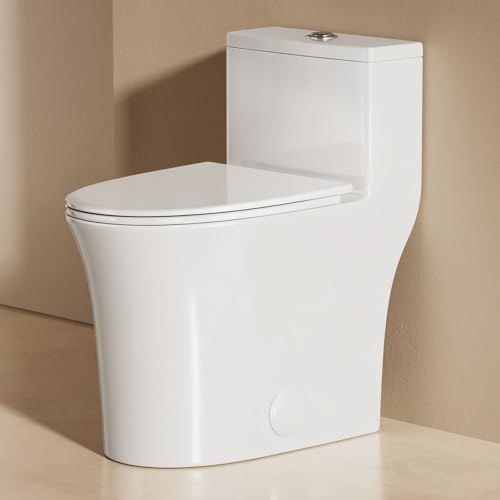
- MAXSA 15-Inch Elongated Two-Piece 1.28 GPF Toilet — Best Value Pick
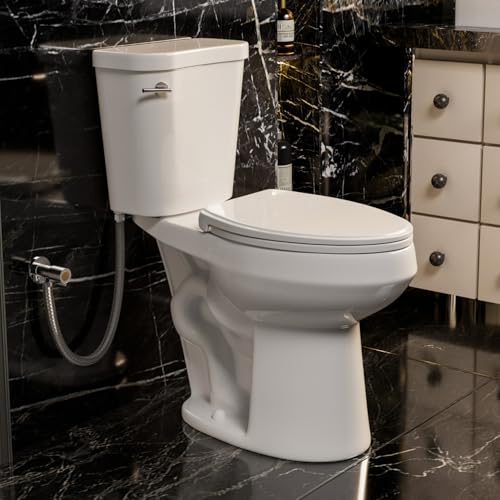
- HOROW 17-Inch Comfort Height Dual Flush Toilet — Best for Seniors and Everyday Comfort
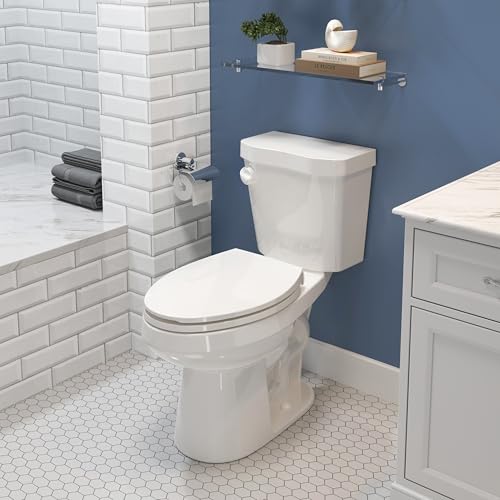
- Gerber Maxwell Crest Elongated Two-Piece Toilet — Best for a Low-Stress Installation
- Los Flexi 19-Inch Extra Tall Toilet — Best for Tall Adults
- TOTO Drake 1.28 GPF with 10-Inch Rough-In — Best for Tight Rough-Ins and Water Saving
Read the full guide ↓
Let us be honest about the phrase before anything else: no toilet is literally leak-proof forever, and any guide that promises one is selling you something. What the best non leak toilets actually do is shrink the odds and slow the timeline. They use flush valves with a long track record instead of novelty mechanisms, they keep the tank-to-bowl joint simple and well-gasketed, they sit flat and stable on the flange so the base seal is not stressed every time someone sits down, and they make the wear parts — flapper, fill valve, supply line — easy to inspect and cheap to replace before a slow seep becomes floor damage. If you are replacing a toilet because the old one leaked, that framing matters more than any single feature, because most toilet leaks are not bowl cracks. They are a tired wax ring, a warped flapper letting water slip into the bowl around the clock, a supply connection that was cross-threaded on install day, or tank bolts that loosened a fraction of a turn per year until the gasket gave up.
This guide walks through the six models we would shortlist for a leak-averse bathroom, explains where each one is strong and where it still needs your attention, and then goes deep on the unglamorous details that actually decide whether a toilet stays dry: how to seat a wax ring properly, how to spot a silent tank-to-bowl leak with a dye tablet, how tight tank bolts should be (snug, never cranked), and how often to check the supply line. If your bigger worry is blockages rather than water escaping, our companion research on Best Non Plug Toilets and Best Nonclog Toilets covers the flush-power side of the same shortlist. Here, the priority is a dry floor, a dry subfloor, and a water bill that only reflects water you meant to use.
Key Takeaways
- No toilet is leak-proof for life; the best non leak toilets minimize leak points, use proven valves, and make wear parts easy to replace.
- The TOTO Drake 1.6 GPF is our top pick for its mature TORNADO FLUSH platform, CEFIONTECT glaze, and widely available replacement parts.
- Most leaks come from the wax ring, the flapper, or the supply connection — installation quality matters as much as the model you buy.
- The Gerber Maxwell Crest includes a wax ring and a tool-free install kit, which removes two common first-day leak causes.
- Dual-flush and 1.28 GPF models cut the water lost if a leak does develop, because every silent refill cycle moves less water.
- Check the base, the supply line, and the tank bolts twice a year; a five-minute inspection prevents most expensive leak damage.
In this guide
Quick Picks
| Pick | Badge | Flush | Height / Rough-In | Link |
|---|---|---|---|---|
| TOTO Drake Elongated 1.6 GPF with CEFIONTECT | Best Overall | 1.6 GPF TORNADO FLUSH | Universal Height / 12-inch class | Check on Amazon |
| MAXSA 15-Inch Elongated Two-Piece | Best Value Pick | 1.28 GPF siphonic flush | 15-inch bowl / 12-inch rough-in | Check on Amazon |
| HOROW 17-Inch Comfort Height | Best for Seniors and Everyday Comfort | Dual flush 1.1/1.6 GPF, MAP 1000g | 17-inch ADA chair height / 12-inch rough-in | Check on Amazon |
| Gerber Maxwell Crest Elongated | Best for a Low-Stress Installation | Efficient siphonic flush | Elongated / wax ring included | Check on Amazon |
| Los Flexi 19-Inch Extra Tall | Best for Tall Adults | 1.28 GPF siphonic flush | 19-inch height / 12-inch rough-in | Check on Amazon |
| TOTO Drake 1.28 GPF, 10-Inch Rough-In | Best for Tight Rough-Ins and Water Saving | 1.28 GPF TORNADO FLUSH | Universal Height / 10-inch rough-in | Check on Amazon |
Badges reflect the leak-averse angle of this guide: proven platforms, simple joints, stable seating, and install support rank ahead of styling. A household that also wants a bowl that stays cleaner between scrubs should cross-check our notes on Best Non Stain Toilets, because glaze quality affects both staining and how easily you can spot a hairline crack early.
How These Picks Were Chosen
This is a research-led guide, not a hands-on lab test, and we want to be plain about that. We compared the verified manufacturer listings for each model, the flush architecture each one uses, the height and rough-in each one needs, and the parts ecosystem behind it — whether flappers, fill valves, and gaskets for that platform are standard items a hardware store stocks, or odd sizes you would wait a week to receive while a leak continues. For a leak-focused shortlist, that last point is decisive. A toilet whose wear parts are universal can be resealed the same afternoon you notice moisture; a toilet with proprietary internals can drip for days waiting on a shipment.
We weighted five things. First, platform maturity: designs that have been sold in volume for years have had their weak gaskets and valves found and fixed. Second, joint count and joint quality: every connection between tank and bowl, bowl and flange, and supply line and fill valve is a future leak candidate, so simple, well-documented joints scored higher. Third, seating stability: a bowl that rocks even slightly works its wax ring like a loose tooth, so footprint, weight distribution, and bolt design mattered. Fourth, flush efficiency: a 1.28 GPF toilet that develops a silent flapper leak wastes roughly a fifth less water per refill cycle than a 1.6 GPF model, which is real money over an undetected month. Fifth, installation support: included wax rings, clear torque guidance, and tool-free hardware reduce the beginner mistakes that cause most first-year leaks. Models that were primarily styled for looks, with concealed trapways that hide early seepage from view, were marked down for this particular guide — when dryness is the goal, being able to see and reach every joint is a feature, not a flaw. Readers comparing water-free alternatives for cabins will find that category covered separately under Best Non Plumbed Toilets; everything here is a conventional plumbed toilet chosen to behave itself on a normal bathroom floor.
The 6 Best Non Leak Toilets
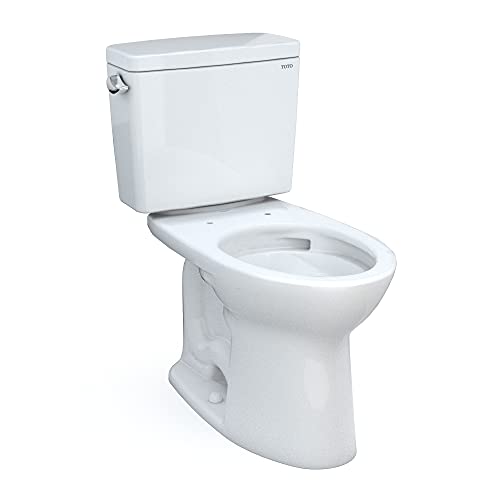
TOTO Drake Two-Piece Elongated 1.6 GPF with CEFIONTECT
Badge: Best Overall
Strengths
- Mature TORNADO FLUSH platform with a long service history and standard, easy-to-find replacement valves and flappers.
- CEFIONTECT glaze leaves a smoother bowl surface, so residue and early hairline discoloration are easier to spot during inspections.
- Universal Height elongated bowl suits most adults and keeps weight planted firmly over the flange for a stable base seal.
Trade-offs
- Two-piece construction means a tank-to-bowl gasket joint exists; it is reliable, but it is one more joint to check yearly.
- At 1.6 GPF it moves more water per flush — and per silent refill — than the 1.28 GPF models on this list.
- The traditional exposed-trapway styling will not satisfy anyone shopping for a sleek, skirted silhouette.
Mini spec box: Two-piece elongated toilet; 1.6 GPF TORNADO FLUSH; CEFIONTECT glaze; Universal Height; Cotton White finish.
The Drake earns the top spot in a leak-focused guide for a boring reason, and boring is exactly what you want here: this platform has been installed in enormous numbers for years, which means its failure modes are known, documented, and cheap to fix. The flush valve and flapper are conventional parts. The tank-to-bowl connection uses a straightforward gasket and bolt arrangement that any plumber — or confident homeowner — can reseat in under an hour. When a toilet’s job is to sit in the corner and never be thought about, a deep bench of spare parts and a million prior installations are worth more than any novel mechanism.
In daily use, the TORNADO FLUSH system rinses the bowl with a swirling action driven by rim jets, which keeps the bowl cleaner and, indirectly, makes your leak inspections easier: a clean bowl and a clean exterior mean that any new moisture, mineral trail, or discoloration stands out instead of blending into grime. The elongated Universal Height bowl is comfortable for most adults and gives the base a long, stable footprint. The honest limitation is the one shared by every two-piece toilet: the tank sits on the bowl with a compressible gasket between them, and after many years that gasket can harden. Put a hand behind the tank once or twice a year and feel for dampness; if you find any, a replacement gasket kit is inexpensive and the job is well within DIY reach. Paired with a fresh wax ring and a braided stainless supply line at install, this is the closest thing on the list to fit-and-forget.
Best for: Homeowners who want the most proven platform and easy parts availability / Not suited for: Buyers who want a one-piece silhouette or the lowest possible water use

MAXSA 15-Inch Elongated Two-Piece Toilet
Badge: Best Value Pick
Strengths
- Water-saving 1.28 GPF siphonic flush limits how much water a slow, undetected leak can waste between checks.
- Soft-close seat removes slam impacts that can gradually loosen seat and, over years, stress bowl fittings.
- Standard 12-inch rough-in and conventional two-piece layout keep installation and future resealing straightforward.
Trade-offs
- The 15-inch bowl height is lower than comfort-height models, which taller users and anyone with knee trouble may feel.
- A smaller brand means a thinner local parts network than TOTO or Gerber; confirm valve sizes before you need them.
- Elongated bowl needs more front-to-back room than a round-front toilet in a very small bathroom.
Mini spec box: Two-piece elongated toilet; 1.28 GPF siphonic flush; soft-close seat included; 12-inch rough-in; white ceramic; 15-inch bowl height.
The MAXSA is the value route to a drier bathroom, and its leak case rests mostly on arithmetic. Silent leaks — a flapper that no longer seals perfectly, a fill valve that tops up the tank every hour — waste water in proportion to how much water each cycle moves. A 1.28 GPF platform simply has less to lose than older 1.6 GPF and legacy higher-volume toilets, so the same undetected month costs you less while you get around to noticing it. The siphonic flush is a conventional, well-understood design with no pressure-assist vessel to maintain, which keeps the list of things that can go wrong short.
The soft-close seat is a small thing that matters more than it looks: a seat slammed down thousands of times transmits shock into the bowl rim and its mounting hardware, and anything that reduces mechanical shock reduces long-term loosening. The trade-offs are real, though. Fifteen inches is a traditional standard height, noticeably lower than the 17-to-19-inch comfort heights elsewhere in this guide, and for a household with tall adults or aging knees that difference is felt every single day. And because MAXSA is not a legacy plumbing brand, we would advise buying a spare flapper and fill valve at purchase time and keeping them in the vanity — cheap insurance that turns a future leak into a ten-minute fix instead of a delivery wait.
Best for: Budget-conscious renovators replacing an old high-volume toilet / Not suited for: Tall users or anyone who needs chair-height seating

HOROW 17-Inch Comfort Height Dual Flush Toilet
Badge: Best for Seniors and Everyday Comfort
Strengths
- Dual flush 1.1/1.6 GPF lets liquid waste clear with less water, reducing total volume at risk from any slow leak.
- Powerful MAP 1000g flush performance means fewer double flushes and less standing water stress on the flapper seal.
- 17-inch ADA chair height and soft-close seat suit seniors, elderly users, and tall adults who sit and rise frequently.
Trade-offs
- Dual-flush mechanisms have more moving parts than a single-flush valve, so there is slightly more to inspect.
- Two-piece design keeps the tank-to-bowl gasket on your annual checklist.
- Chair height can be tall for shorter adults and small children, whose feet may not rest flat.
Mini spec box: Two-piece elongated toilet; dual flush 1.1/1.6 GPF; MAP 1000g flush rating in the listing; 17-inch ADA chair height; soft-close seat; 12-inch rough-in.
HOROW’s comfort-height model makes this list because frequent, confident use is itself a leak strategy. A toilet that flushes completely the first time — and the listing’s MAP 1000g figure describes a flush tested to clear a substantial solid load — does not get flushed twice out of habit, does not leave waste standing against seals, and does not tempt anyone to jiggle handles or hold levers down, the small abuses that wear valve components early. The dual-flush valve lets the household route most flushes through the lighter 1.1 GPF cycle, which trims both the water bill and the total volume that passes over the flapper seal each day.
The 17-inch chair height is the headline comfort feature: for seniors and for tall adults, sitting down and standing up without dropping the last few inches means less grabbing at the tank or walls for support — and less lateral force on the bowl, which is precisely the rocking force that fatigues a wax ring over time. The honest limitation is mechanical: a dual-flush valve is a little more complex than a plain flapper, with two actuation paths to keep clean and correctly adjusted. It is not fragile, but it rewards an owner who lifts the tank lid once a year, checks that both buttons return cleanly, and wipes any grit from the seal. If your household also battles tank condensation in a humid climate, the separate guide to Best Non Sweating Toilets covers insulated-tank options; this HOROW is a standard tank design.
Best for: Senior households and tall adults who want chair height plus water saving / Not suited for: Owners who want the absolute simplest single-flush valve to maintain

Gerber Maxwell Crest Elongated Two-Piece Toilet
Badge: Best for a Low-Stress Installation
Strengths
- Tool-free install kit with a wax ring included removes the two most common first-day leak causes: a missing or wrong seal and over-torqued hardware.
- Glazed trapway resists buildup that leads to partial blockages and overflow-prone slow drains.
- Gerber is an established plumbing brand with a professional installer base, so service knowledge and parts are accessible.
Trade-offs
- The listing emphasizes efficient flushing rather than a headline MAP score, so bulk-clearing confidence is lower than the HOROW picks.
- Conventional styling and exposed trapway will not appeal to design-first renovators.
- Still a two-piece toilet: the tank-to-bowl joint needs the same periodic check as its rivals.
Mini spec box: Two-piece elongated toilet; soft-close seat; efficient siphonic flush; glazed trapway; tool-free install kit with wax ring included; white finish.
Ask a plumber where toilet leaks are born and most will not name a factory defect — they will name installation day. A wax ring that was the wrong thickness, a bowl set down crooked and then lifted and reset on the same crushed ring, closet bolts cranked until the flange or the porcelain complained: these are the leaks that appear in month two and get blamed on the toilet. The Maxwell Crest attacks exactly that moment. The kit in the box includes the wax ring, and the tool-free hardware is designed to be tightened correctly by hand rather than guessed at with a wrench, which makes a correct first seal much more likely for a DIY installer.
Once installed, the glazed trapway does quiet preventive work. Buildup inside an unglazed or partially glazed trapway narrows the passage over the years; narrower passages mean slower drains, and slow drains are how you eventually get the one leak nobody thinks of as a leak — an overflow at the rim during a partial blockage. A fully glazed path keeps waste moving and keeps water where it belongs. The limitation to note is flush bravado: Gerber positions this model around efficient, easy clearing rather than a maximum-load test figure, so households that know they stress a toilet hard may prefer the HOROW or the 1.6 GPF Drake and treat this one as the guest-bathroom or careful-household option. As a complete, installer-friendly package aimed squarely at not leaking from day one, though, it is the most on-brief pick in this guide.
Best for: DIY installers and first-time toilet replacers who want the seal done right / Not suited for: Households that need maximum bulk-flush power above all else

Los Flexi 19-Inch Extra Tall Toilet
Badge: Best for Tall Adults
Strengths
- 19-inch extra tall bowl lets tall adults and seniors sit and rise squarely, reducing the sideways rocking that fatigues base seals.
- 1.28 GPF siphonic flush keeps per-cycle water volume low, limiting loss if a valve leak develops.
- Soft-close seat and standard 12-inch rough-in keep the rest of the package conventional and serviceable.
Trade-offs
- At 19 inches it is genuinely tall; shorter adults and children will find it too high for comfortable daily use.
- A newer brand name means less long-term field history than the TOTO and Gerber platforms.
- The taller bowl raises the tank as well, so check vertical clearance under any over-toilet shelving.
Mini spec box: Two-piece elongated toilet; 19-inch extra tall bowl height; ADA-oriented comfort design; 1.28 GPF siphonic flush; S-trap; soft-close seat; 12-inch rough-in.
Height might seem unrelated to leaking until you watch how people actually use a too-low toilet: they brace, they twist, they drop the last few inches, and they push off sideways to stand. Every one of those movements applies a small lateral load to the bowl, and the bowl transfers that load to the wax ring and closet bolts. Multiply by several uses a day for several years and you have the classic slow base leak that stains the floor around a toilet that was never defective. For a tall household, a 19-inch bowl is not a luxury — it is how you make people load the toilet vertically, the way the seal was designed to be loaded.
The Los Flexi pairs that height with a conventional 1.28 GPF siphonic flush and an S-trap layout on a standard 12-inch rough-in, so nothing about the plumbing side is exotic. That conventionality is the point: the leak-relevant parts remain standard and replaceable. Be clear-eyed about the fit, though. Nineteen inches is the tallest bowl in this guide by a clear margin, and in a mixed-height household the shorter partner may veto it within a week. Measure the primary users, not the guests. And because the brand lacks the decades-long track record of the top pick, buy it with the same insurance suggested for the MAXSA: photograph the valve model numbers at install and keep a spare seal kit on hand.
Best for: Tall adults and senior households where safe, square sit-to-stand matters most / Not suited for: Shorter adults, children, or mixed-height households sharing one bathroom

TOTO Drake 1.28 GPF with 10-Inch Rough-In and SoftClose Seat
Badge: Best for Tight Rough-Ins and Water Saving
Strengths
- 10-inch rough-in fits older and tighter bathrooms where a standard toilet would force the tank into the wall or the bowl off the flange center.
- 1.28 GPF TORNADO FLUSH trims both consumption and the volume lost through any future silent leak.
- CEFIONTECT glaze and SoftClose seat included; WASHLET+ Ready if you later add a bidet seat without replacing the toilet.
Trade-offs
- The 10-inch rough-in is a specialist fit; in a standard 12-inch bathroom it leaves an awkward gap behind the tank.
- Premium platform pricing within this list, in exchange for the glaze and the parts ecosystem.
- Two-piece layout, so the tank-to-bowl gasket remains a periodic inspection point.
Mini spec box: Two-piece elongated toilet; 1.28 GPF TORNADO FLUSH; 10-inch rough-in; CEFIONTECT glaze; SoftClose seat included; WASHLET+ Ready; Universal Height; Cotton White.
A surprising number of base leaks trace back to a rough-in mismatch. When the drain flange sits 10 inches from the finished wall — common in older homes — and someone forces a 12-inch toilet into place, the bowl either cannot sit centered on the flange or the tank ends up jammed against the wall, and the installer compensates with an off-center seal that was compromised before the first flush. This Drake variant exists precisely for that bathroom. The correct rough-in means the bowl drops straight onto the wax ring, centered, with the tank clear of the wall: the single best start a base seal can get.
Beyond the fit, you get the same virtues as the top pick in a thriftier flush: TORNADO FLUSH bowl rinsing, the CEFIONTECT surface that sheds residue and makes early moisture trails visible, and a SoftClose seat in the box. The WASHLET+ readiness is a future-proofing bonus rather than a leak feature, but it does mean a later bidet-seat upgrade will not disturb the bowl or its seal. The limitation is simply specificity — measure your rough-in before ordering, from the finished wall to the center of the flange bolts, and only choose this model if the answer really is 10 inches. In a 12-inch bathroom, buy its sibling at the top of this list instead. Shoppers whose bathrooms need gentler cleaning chemistry to protect glazes like CEFIONTECT will find the related discussion under Best Non Scratch Cleaners For Toilets useful alongside this guide.
Best for: Older homes with a true 10-inch rough-in and owners who want TOTO parts support / Not suited for: Standard 12-inch rough-in bathrooms, where the gap behind the tank looks and feels wrong

Comparison Table
| Model | Flush | Height | Rough-In | Leak-Relevant Strength | Link |
|---|---|---|---|---|---|
| TOTO Drake 1.6 GPF CEFIONTECT | 1.6 GPF TORNADO FLUSH | Universal Height | 12-inch class | Most proven platform, standard parts | Check on Amazon |
| MAXSA 15-Inch | 1.28 GPF siphonic | 15-inch | 12-inch | Low per-cycle volume limits leak loss | Check on Amazon |
| HOROW 17-Inch Dual Flush | 1.1/1.6 GPF dual, MAP 1000g | 17-inch ADA | 12-inch | Complete flushes, less seal stress | Check on Amazon |
| Gerber Maxwell Crest | Efficient siphonic | Elongated standard | Wax ring included | Install kit targets day-one seal errors | Check on Amazon |
| Los Flexi 19-Inch | 1.28 GPF siphonic | 19-inch extra tall | 12-inch | Vertical loading protects base seal | Check on Amazon |
| TOTO Drake 1.28 GPF 10-Inch | 1.28 GPF TORNADO FLUSH | Universal Height | 10-inch | Correct rough-in centers the seal | Check on Amazon |
How to Choose a Toilet That Will Not Leak
Start by separating the three places a toilet can leak, because each one has a different cure. A base leak appears at the floor and comes from the wax ring or a cracked flange; the fix is a correct seal and a bowl that does not rock. A tank leak appears at the tank-to-bowl bolts, the supply connection, or as water silently slipping past the flapper into the bowl; the fix is gasket quality, correct bolt snugness, and a valve design you can service. A bowl or tank crack is the rare third case, usually from impact or overtightened hardware, and the fix is replacement. When you shop with that map in mind, marketing language falls away and you can judge any model — including the six above — on joints, seals, and serviceability.
Next, measure before you fall in love. Rough-in first: measure from the finished wall (not the baseboard) to the center of the closet bolts. Twelve inches is standard, 10 inches appears in older homes, and choosing the wrong one manufactures a bad seal on day one. Height second: a bowl the household can use squarely, without twisting or dropping, protects the base seal for years, so match height to the tallest regular users without making it unusable for shorter ones. Water volume third: every gallon per flush is also a gallon per leak cycle, so 1.28 GPF and dual-flush models carry a built-in damage discount over older high-volume designs. Finally, look up the valve parts before you buy. If the flapper and fill valve are standard sizes stocked everywhere, a future leak is an afternoon errand; if they are proprietary, order a spare set with the toilet and store it in the bathroom.
One more factor deserves emphasis because it is free: visibility. Exposed trapways and accessible tank hardware let you see a mineral trail or feel a damp bolt during a ten-second check. Concealed, skirted designs look cleaner and wipe down faster, but they hide the earliest evidence of seepage. For a second bathroom or a rental where inspections are rare, that trade may still be worth it; for the bathroom above a finished ceiling, choose the design that shows you its problems early. And whatever you choose, budget for a new braided stainless supply line and a quality wax ring (or a wax-free silicone seal, if your flange height suits one) at install — reusing the old line to save a few dollars is the most expensive economy in plumbing.
How to Install and Maintain a Toilet So It Stays Leak-Free
Installation decides more leaks than manufacturing does, so treat the following as part of the product, not an afterthought. Shut off the water, flush, and sponge the tank and bowl dry. Remove the old toilet and scrape the flange completely clean; a new ring on old wax is a leak with a head start. Inspect the flange itself — it should sit roughly level with or slightly above the finished floor; a flange buried below floor level needs an extender or a thicker ring, not a prayer. Set the new wax ring, lower the bowl straight down onto the bolts in one motion (if you miss, pull it up, replace the ring, and start over — never slide or re-seat on crushed wax), then tighten the closet nuts alternately, a little at a time, until the bowl is snug and does not rock. Shim any slight unevenness before final tightening, and never use bolt torque to pull a bowl down to an uneven floor: that is how porcelain cracks. Connect a new supply line hand-tight plus a modest turn, mount the tank with even, alternating bolt pressure until the gasket compresses uniformly, then fill and watch every joint through three full flushes with a dry paper towel — the towel shows moisture your fingers miss.
Maintenance is a short calendar. Twice a year: feel behind the tank for dampness, run the paper towel around the base and the supply connection, and confirm the bowl does not rock when you push it firmly sideways. Once a year: drop a dye tablet or food coloring into the tank, wait twenty minutes without flushing, and check the bowl — color in the bowl means the flapper is passing water silently, and a replacement flapper is one of the cheapest fixes in the house. Replace supply lines on the manufacturer’s schedule or at any sign of bulging or corrosion, and replace the flapper at the first phantom refill — the toilet refilling briefly for no reason is the sound of money leaving.
Troubleshooting, in the pattern that matters:
- Problem: Water pooling at the base after flushing → likely a failed wax ring or loose closet bolts. Stop using the toilet, pull it, inspect the flange for cracks, and reset it on a fresh ring; do not simply caulk around the base, which traps water and hides the damage.
- Problem: The tank refills for a few seconds every hour or two → the flapper is leaking into the bowl. Clean the flapper seat of grit or mineral scale first; if the phantom refills continue, replace the flapper with the correct size for your valve.
- Problem: Dampness or a slow drip at the supply connection → close the angle stop, dry the fitting, and retighten gently. If the drip persists, replace the supply line and its washers rather than tightening harder, which can crack the fill valve shank.
Why Toilets Leak at the Base — and Why It Is Rarely the Toilet’s Fault
The wax ring is a nineteenth-century solution still doing twenty-first-century work: a soft, deformable seal squeezed between the bowl outlet and the drain flange. It fails for mechanical reasons, not mysterious ones. Floors flex, especially wood floors in older bathrooms, and every sit-and-stand cycle pumps the joint microscopically. A bowl set slightly off-center starts with half the wax it should have on one side. A flange installed too low — after a new, thicker floor goes in over the old one, for instance — leaves a gap the standard ring cannot fill. Understanding this changes how you shop: the best non leak toilets are the ones that sit heavy, flat, and stable, on the correct rough-in, with enough bowl footprint to resist rocking — which is exactly why height fit and rough-in fit appear throughout the reviews above, and why a toilet chosen for the people who will load it daily outperforms a nominally fancier model chosen from a photograph.
The Silent Tank Leak: The Most Expensive Leak You Cannot See
A base leak at least leaves evidence. A flapper leak leaves only a water bill. The flapper is a rubber or silicone disc that seals the flush valve at the bottom of the tank; with age it warps, stiffens, or collects mineral scale, and water begins slipping past it into the bowl continuously — sometimes a trickle, sometimes a steady exchange that keeps the fill valve topping up the tank around the clock. The dye test described above is the definitive check and takes twenty minutes and no tools. The good news is that every model in this guide uses serviceable valve components, so the fix is a part, not a plumber’s invoice. The strategic point for shoppers is to prefer platforms whose flappers are standard sizes: when the silent leak arrives — and over a long enough ownership, it visits almost every toilet — you want the cure to be hanging on a hook at the nearest hardware store.
Rentals, Guest Bathrooms, and Second Homes: Where Leak Prevention Pays Most
The value of a leak-averse toilet scales with how rarely anyone is watching it. In a rental property, a tenant may not notice — or may not report — a slow base seep for months, and the repair bill arrives with interest in the form of subfloor replacement. In a second home that sits empty between visits, even a modest flapper leak runs completely unobserved, cycling the fill valve for weeks. For those properties, the priorities in this guide sharpen: choose the most proven platform you can, fit a new braided supply line with a clean shutoff at the wall, and consider a simple battery-powered water alarm on the floor behind the bowl, which turns an invisible seep into an audible event for the cost of a pizza. Landlords should also standardize on one or two models across units; when every toilet in the portfolio uses the same flapper and fill valve, the spare-parts shelf is small, the fix is fast, and no leak waits on a special order. Guest bathrooms in an occupied home deserve the same thinking in miniature — they are used in bursts, then ignored, so a toilet that flushes completely, seals quietly, and shows its problems visibly will always beat a design-led model whose concealed trapway hides the first month of a leak from the only people who could have caught it.
Common Buying Mistakes
- Believing any toilet is leak-proof for life. Seals, flappers, and supply lines are wear parts. Buy for serviceability, not for a promise.
- Skipping the rough-in measurement. A 12-inch toilet forced onto a 10-inch flange starts life with a compromised base seal. Measure from the finished wall to the bolt centers first.
- Reusing the old supply line and wax ring. Both are inexpensive and both are leading leak sources. Replace them at every install, no exceptions.
- Caulking all the way around the base to hide a seep. Caulk traps leaked water against the subfloor and hides the evidence. Leave the back of the base uncaulked so a leak can show itself.
- Overtightening tank bolts and closet nuts. Porcelain cracks under point load. Snug and even beats strong, every time.
- Choosing height by photograph. A bowl that makes users twist, drop, or push off sideways loads the base seal laterally for years. Match height to the household.
Final Recommendation
For most households, buy the TOTO Drake 1.6 GPF with CEFIONTECT: the most proven platform in the guide, standard parts everywhere, and a glaze that makes inspections easy. If your rough-in measures 10 inches, choose its sibling, the TOTO Drake 1.28 GPF with 10-inch rough-in, and get the centered seal your bathroom was built for. DIY installers who want the seal done right the first time should look hard at the Gerber Maxwell Crest and its included wax ring and install kit; tall and senior households should prioritize the HOROW at 17 inches or the Los Flexi at 19 inches, because a toilet people can use squarely is a toilet whose base seal survives. Whichever you choose, spend the small extra on a new supply line and set a twice-yearly reminder to check the base, the bolts, and the tank — that habit, more than any model, is what makes a toilet a non leak toilet.
Frequently Asked Questions
What is the most common cause of a toilet leaking at the base?
A failed wax ring seal between the bowl and the drain flange. It usually results from the bowl rocking, the flange sitting too low after a flooring change, or a ring that was compressed unevenly at install. The fix is to pull the toilet, inspect the flange, and reset the bowl on a fresh ring — not to caulk over the symptom.
How can I tell if my toilet is leaking silently into the bowl?
Use the dye test: add a dye tablet or dark food coloring to the tank, wait about twenty minutes without flushing, and look at the bowl water. If color appears in the bowl, tank water is slipping past the flapper. Replacing the flapper with the correct size for your flush valve usually cures it the same day.
Is a one-piece or two-piece toilet less likely to leak?
A one-piece toilet removes the tank-to-bowl joint entirely, which is one less gasket to age. A well-made two-piece toilet with a quality gasket and evenly tightened bolts is still highly reliable, and its tank components are often easier and cheaper to service. All six picks in this guide are two-piece designs chosen for proven valves and parts availability; whichever style you choose, installation quality matters more than the joint count.
How often should I check my toilet for leaks?
Twice a year is a sensible rhythm: feel for dampness behind the tank, run a dry paper towel around the base and supply connection, test that the bowl does not rock, and listen for phantom refills. Do a dye test once a year, or immediately if your water bill rises without explanation.
Does a lower GPF toilet really help with leaks?
It does not prevent leaks, but it limits their cost. A silent flapper leak wastes water in proportion to the volume each refill cycle moves, so a 1.28 GPF toilet loses less per cycle than a 1.6 GPF or older high-volume model over the same undetected period. Lower volume is damage control, not prevention — the inspection habit is prevention.
Should I caulk around the base of a new toilet?
Many installers caulk the front and sides for a finished look and to keep mop water out, but leave the back uncaulked. That gap is deliberate: if the wax ring ever fails, water can escape visibly at the back instead of spreading invisibly under the flooring. A full, sealed bead hides exactly the evidence you need to see early.
When should I call a plumber instead of fixing a leak myself?
Call a plumber if the flange is cracked or corroded, if the floor around the toilet is soft or spongy (which suggests subfloor damage), if a leak returns after a careful reseal, or if you see any crack in the porcelain itself. Flappers, fill valves, supply lines, and wax rings on a sound flange are reasonable DIY work; structural and flange repairs are not.