Disclosure: topratedkitchenware.com is reader-supported. When you buy through links on our site, we may earn an affiliate commission from Amazon and other retailers, at no extra cost to you.
Where to buy
The six picks below are the verified drink mixers for this guide to the best mixers for Malibu coconut rum. Coconut rum is sweet, smooth, and famously easy to drink, so the mixer’s job is specific: bring citrus, fruit, or bitterness that gives the coconut something to play against. Four picks are citrus-and-fruit cocktail mixes — three margarita-style blends and a strawberry daiquiri mix — that suit frozen and blended coconut-rum drinks. Two are Fever-Tree tonic waters for the drier, highball direction. Each review judges its bottle honestly in those roles. Each name links to its Amazon listing, where you can check the latest price on Amazon and confirm the current pack before you order.
- Zing Zang Strawberry Margarita-Daiquiri Mix, 32 Fl Oz
- Daily’s Margarita Mix, 64 oz Bottle
- Zing Zang Original Margarita Cocktail Mix, 32 Fl Oz
- Master of Mixes Margarita Mix, 1 Liter Bottle
- Fever-Tree Tonic Water Mixer, 24 Pack, 5.1 Fl Oz Cans
- Fever-Tree Light Tonic Water Mixer, 24 Pack, 5.1 Fl Oz Cans
Read the full guide ↓ for the ratios, the frozen-versus-highball decision, and the mistakes that turn coconut rum drinks one-note and sugary.
Finding the best mixers for Malibu coconut rum means understanding what coconut rum lacks. On its own it is soft, sweet, and low in bite — pleasant, but a full glass of it with another sweet mixer becomes dessert without structure. The drinks people remember add one of three things: citrus acidity, as in a coconut daiquiri-style serve; real fruit, as in a frozen strawberry-coconut blend; or bitterness and sparkle, as in a coconut rum and tonic highball. The six verified picks in this guide cover exactly those three directions, which is why a margarita-family mix belongs here at all: its lime-led profile is the readiest bottled source of the citrus that coconut rum needs, and the daiquiri mix is quite literally from rum’s own family of drinks.
This guide is organised around serves, not brands. Decide first whether your coconut rum drinking runs frozen, rocks, or long and sparkling; then choose the bottle that serves that style; then use the ratios in the how-to section, because with a sweet base spirit, the difference between a balanced drink and a syrupy one is usually two tablespoons of judgment. Readers building a broader rum shelf will find the same serve-first logic in Best Mixers For Malibu Rum and its neighbouring guides.
Key Takeaways
- Coconut rum needs contrast: citrus, real fruit, or bitter sparkle. Sweet-on-sweet mixing is the main failure to avoid.
- The Zing Zang Strawberry Daiquiri mix is the most natural partner in the pool — daiquiri is rum’s own drink family, and strawberry loves coconut.
- Margarita mixes earn their place as lime-led blenders for frozen and rocks coconut-rum drinks, not as a claim that coconut rum belongs in a margarita.
- Fever-Tree tonics take coconut rum in the dry direction: a rum-and-tonic highball with real quinine bitterness.
- Format matters: the 64 oz Daily’s bottle suits parties, the 32 oz bottles suit home bars, and single-serve tonic cans prevent flat leftovers.
- Chill everything and mind the ratio; coconut rum’s sweetness means the mixer, not the spirit, usually needs the firmer hand.
In this guide
Quick Picks
Badges separate the six picks by serve style and occasion, and the same badges appear in the detailed reviews.
| Pick | Badge | Best for | Link |
|---|---|---|---|
| Zing Zang Strawberry Margarita-Daiquiri Mix, 32 Fl Oz | Best Overall | Frozen and blended coconut-rum drinks | Check on Amazon |
| Daily’s Margarita Mix, 64 oz | Best for Parties | Big-batch frozen serves for a crowd | Check on Amazon |
| Zing Zang Original Margarita Mix, 32 Fl Oz | Best Citrus Blender | Lime-led coconut drinks on the rocks | Check on Amazon |
| Master of Mixes Margarita Mix, 1 Liter | Best Classic Pantry Bottle | A litre bottle for regular home mixing | Check on Amazon |
| Fever-Tree Tonic Water Cans, 24 Pack | Best for a Dry Serve | Coconut rum highballs with quinine bite | Check on Amazon |
| Fever-Tree Light Tonic Water Cans, 24 Pack | Best Light Option | A lighter tonic serve, per its listing profile | Check on Amazon |
How These Picks Were Chosen
This is a research-led guide and claims no hands-on tasting panel that did not happen. The six picks come from the verified beverage-mixer pool, with each product’s identity, format, and stated characteristics confirmed against its listing data before inclusion. Everything this guide asserts about a bottle — its size, its pack format, that a mix is made with real fruit juice or contains no high fructose corn syrup, that a tonic is built on real quinine — comes from that verified data. Prices and ratings are never asserted, because they change and because neither measures how a mixer behaves against coconut.
Selection weighted pairing logic first. Coconut rum’s partners were mapped into citrus, fruit, and bitter-sparkling families, and the pool was read against that map: the daiquiri mix for fruit, the margarita mixes for citrus, the tonics for bitterness. Format came second — a party bottle, home-bar bottles, and single-serve cans are genuinely different purchases, and the guide keeps all three. Stated ingredient signals came third: the Zing Zang listings’ references to real fruit juice and the absence of high fructose corn syrup, and Fever-Tree’s real-quinine positioning, are the kind of label facts a buyer can verify on the bottle in hand.
One honesty note: fresh pineapple juice and fresh lime remain coconut rum’s classic from-scratch partners, and no bottled mix replaces them at their best. This guide exists because bottled mixes offer consistency, shelf life, and speed — the frozen drink for six on a Friday night — and it judges them on that honest basis.
The 6 Best Mixers for Malibu Coconut Rum
Each review covers what the bottle is, how it behaves with coconut rum, where it honestly falls short, and who should buy it. Sizes and pack details are stated only as verified.

Zing Zang Strawberry Margarita-Daiquiri Mix, 32 Fl Oz
Badge: Best Overall
Strengths
- A daiquiri mix is rum’s home territory: strawberry and coconut is a proven, crowd-pleasing pairing.
- The listing states it is made with real fruit juices and made in the USA.
- The 32 fl oz bottle is a practical home-bar size for a weekend of frozen drinks.
Trade-offs
- It is a sweet mix for a sweet spirit; frozen dilution and a squeeze of fresh lime keep it balanced.
- Strawberry leads the drink — if you want coconut to lead, choose a citrus pick instead.
- Once opened, a bottled mix has a fridge life; it is not a buy-and-forget pantry item.
Mini spec box: Format: 32 fl oz bottle, pack of 1 · Style: strawberry margarita-daiquiri mix, non-alcoholic · Stated: made with real fruit juices, made in USA
Start here if your coconut rum drinking is frozen, blended, or served to a group with varied palates. Strawberry and coconut is one of those pairings that needs no persuasion — it is the backbone of countless beach-bar menus — and a daiquiri mix delivers it in the format rum drinks already understand. Blend coconut rum with this mix and ice for the classic serve; the ice’s dilution is not a flaw but the balancing mechanism, softening both the mix’s sweetness and the rum’s. On the rocks, use a shorter pour of mix than the bottle’s margarita framing suggests, because coconut rum brings its own sugar to the glass.
The listing’s real-fruit-juice note matters in this specific pairing: strawberry mixes live on a spectrum from candy-like to fruit-like, and fruit-like is what coconut deserves, since coconut itself is a real, fatty, natural flavour that candy strawberry bullies. The honest limitation is direction: this mix makes the drink a strawberry drink with coconut support. Drinkers who want the coconut forward should treat this as the party bottle and pick a citrus or tonic option below for their own glass. Either way, finish frozen serves with fresh lime if you have it — a small squeeze restores the acid line that blending dulls.
Best for: frozen and blended coconut-rum drinks for groups / Not suited for: drinkers who want a dry, coconut-forward serve

Daily’s Margarita Mix, 64 oz Bottle
Badge: Best for Parties
Strengths
- The 64 oz bottle is the pool’s party format — one bottle carries a full session of frozen coconut-lime drinks.
- A margarita mix’s lime-led profile supplies the acidity coconut rum needs in blended serves.
- A single large bottle simplifies shopping, chilling, and blender-batch planning.
Trade-offs
- Sixty-four ounces is a commitment for a solo drinker; opened-bottle fridge life applies.
- Its profile is margarita-first, so the coconut drink it makes leans lime and reads as a twist, not a classic.
- A big bottle needs fridge or cooler space at the party itself.
Mini spec box: Format: 64 oz bottle · Style: margarita mix
Parties change the mixer equation: consistency and volume beat nuance, and the blender becomes the bar. Daily’s 64 oz bottle is the straightforward answer in this pool — enough lime-led mix to run repeated frozen batches of coconut-rum drinks without a mid-party shop run or a second bottle opened and half wasted. Blend it with coconut rum and plenty of ice, taste the first batch, and adjust the second: if the crowd finds it sweet, a longer ice blend and a lime wedge per glass pull it back; if it reads sharp, a touch more rum rounds it.
Be clear-eyed about what the drink is: a coconut-lime frozen twist in the margarita-mix tradition, not a canonical coconut cocktail. Served honestly under that description, it is a genuine crowd-pleaser — tart, cold, and easy. The bottle’s size is also its warning. A household of one or two occasional drinkers will watch the back half of 64 ounces age in the fridge door; for them, the 32 oz bottles in this guide are the rational buy, and this bottle is the one to purchase when the guest list, not the calendar, says so. Party planners will recognise the same volume logic used for Best Mixers For Margaritas nights: buy the format the occasion consumes.
Best for: parties and big frozen batches / Not suited for: solo drinkers or coconut-purist serves

Zing Zang Original Margarita Cocktail Mix, 32 Fl Oz
Badge: Best Citrus Blender
Strengths
- The listing states it is made with real fruit juice and contains no high fructose corn syrup.
- A lime-led original margarita profile is the purest citrus tool in the pool for coconut rum.
- The 32 fl oz plastic bottle is home-bar friendly and easy to handle and store.
Trade-offs
- It brings citrus, not tropical fruit; drinkers wanting pineapple-style richness must add it themselves.
- Its margarita identity means salt-rim habits should be left behind for coconut serves.
- As with all bottled mixes, sweetness is fixed — your only dials are ratio, ice, and fresh citrus.
Mini spec box: Format: 32 fl oz plastic bottle · Style: original margarita cocktail mix, lime-led · Stated: made with real fruit juice, no high fructose corn syrup, made in USA
This is the bottle for the rocks serve: coconut rum, this mix, ice, and a lime wedge — a coconut-lime drink with genuine acidity holding the sweetness in line. Of the citrus options here, the original Zing Zang reads cleanest for that purpose, and its stated formulation — real fruit juice, no high fructose corn syrup — supports a brighter, less syrupy glass than the category’s stereotype. Work with a lighter hand than a tequila margarita would take, because the base spirit is sweet: start around two parts coconut rum to one part mix over plenty of ice, taste, and adjust in small steps.
It also blends well for drinkers who find the strawberry direction too fruity: a frozen coconut-lime made with this mix is the closest bottled route to a coconut daiquiri’s balance. The trade-off is scope. Citrus is all it brings; the tropical middle of the drink must come from the rum itself or from fresh additions you supply. Treat it as a precision tool rather than a complete cocktail in a bottle, and it earns its shelf space — the same role citrus plays when the base changes, as in Best Mixers For Mango Rum.
Best for: coconut-lime drinks on the rocks or blended / Not suited for: drinkers wanting a fruit-led or dry serve
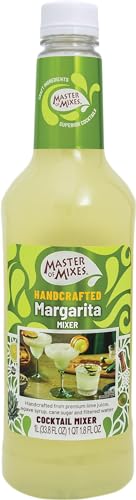
Master of Mixes Margarita Mix, 1 Liter Bottle
Badge: Best Classic Pantry Bottle
Strengths
- A 1 liter bottle is the classic home-bar pantry size: enough for several sessions, small enough to finish.
- The margarita profile gives coconut rum a dependable lime backbone for rocks and frozen serves.
- A single, simple bottle format keeps the bar shelf uncluttered.
Trade-offs
- It is a straightforward margarita mix; it does not bring the fruit or the stated no-HFCS angle of the Zing Zang bottles.
- Coconut drinks made with it are twists by design — set expectations accordingly.
- Like every bottled mix here, its sweetness is fixed at the factory.
Mini spec box: Format: 1 liter bottle · Style: margarita mix
Master of Mixes is the pool’s steady pantry option: a litre of lime-led mix that behaves predictably across rocks and frozen coconut-rum serves. Predictability is an underrated virtue in a home bar. When friends ask for the coconut-lime drink you made last month, a consistent bottled base lets you reproduce it instead of approximating it, and the litre size threads the needle between the party-scale Daily’s and the smaller Zing Zang bottles — several weekends of drinks, finished while still fresh.
Use it where you want the coconut to stay slightly more present than the Zing Zang Original allows: a measured pour over ice, a lime wedge, and nothing else is a clean two-ingredient-plus-ice drink. In the blender it holds up batch after batch. Its limitation is personality: it will not surprise you, and drinkers chasing the brightest citrus or a fruit dimension should look to the Zing Zang pair. As the shelf’s reliable middle, though, it is the bottle many home bars will actually finish first — and a finished bottle is the truest review any mixer gets.
Best for: regular home mixing and reproducible coconut-lime serves / Not suited for: drinkers seeking the brightest citrus or a fruit-led drink

Fever-Tree Tonic Water Mixer, 24 Pack, 5.1 Fl Oz Cans
Badge: Best for a Dry Serve
Strengths
- Real quinine bitterness is the strongest available contrast to coconut rum’s sweetness.
- The listing describes subtle citrus and fruit notes balanced by quinine bitterness — a profile that flatters coconut.
- Single-serve 5.1 fl oz cans in a 24 pack mean every highball is fully sparkling, with no flat leftovers.
Trade-offs
- A rum-and-tonic is a deliberate departure from the sweet tropical template; not every coconut-rum fan wants dry.
- The listing frames the tonic for gin and vodka serves, so the coconut pairing is a drinker’s choice, not a label claim.
- Cans suit highballs only — this pick does not blend into frozen drinks.
Mini spec box: Format: 24 pack, 5.1 fl oz cans · Style: tonic water with real quinine · Stated profile: subtle citrus and fruit notes balanced by quinine bitterness
Every coconut-rum shelf needs an exit from sweetness, and this is it. A coconut rum and tonic — highball glass, plenty of ice, a can of this Fever-Tree, a lime wedge — is a genuinely different drink from everything else in this guide: the quinine’s bitterness frames the coconut instead of amplifying its sugar, the carbonation lifts its richness, and the result drinks long and refreshing where a frozen serve drinks rich and brief. The can format is the practical hero: tonic dies quickly in an opened bottle, while a 24 pack of single-serve cans keeps the last highball of the month as sparkling as the first.
The listing’s own framing is for gin and vodka tonics, and this guide does not pretend otherwise; the coconut pairing is a well-established drinker’s move rather than a manufacturer’s claim, and it is recommended on pairing logic — bitter against sweet, sparkle against richness — that you can test in one glass. If your coconut rum habit has started to feel one-note, this pick is the corrective. If you love the sweet tropical style unapologetically, it is the bottle to skip, and the strawberry daiquiri mix above is your first purchase instead. Either judgment is respectable; the guide’s job is to make it an informed one, the same serve-first thinking behind Best Mixers For Masking Vodka Taste.
Best for: dry, sparkling coconut-rum highballs / Not suited for: frozen drinks or sweet-serve loyalists

Fever-Tree Light Tonic Water Mixer, 24 Pack, 5.1 Fl Oz Cans
Badge: Best Light Option
Strengths
- The listing states 30 calories per can, with a hint of Mexican bitter orange over balanced botanicals.
- The lighter profile lets coconut rum’s own flavour carry more of the drink.
- The same single-serve can practicality as the classic tonic: 24 pack, 5.1 fl oz cans, always sparkling.
Trade-offs
- A lighter tonic provides a gentler bitter frame; drinkers wanting maximum contrast should choose the classic.
- It shares the tonic family’s limits: highballs only, and a departure from the sweet tropical style.
- The bitter-orange note, while subtle, steers the drink citrus-ward.
Mini spec box: Format: 24 pack, 5.1 fl oz cans · Style: light tonic water with real quinine · Stated: 30 calories per can, hint of Mexican bitter orange, balanced botanicals, smooth crisp taste
The Light tonic is the highball for drinkers who find the classic tonic’s frame a little assertive against a delicate spirit. Coconut rum is not a bold spirit; it can be bullied. This lighter bottling keeps the essential architecture — quinine bitterness, carbonation, a citrus-botanical lift — while stepping back enough that the coconut reads first and the tonic reads as refreshment. The stated bitter-orange hint is well judged for this pairing, echoing the citrus direction of the guide’s other picks in a drier register.
Choose between the two tonics by the drink you want at the end of a hot day. Classic tonic makes a statement drink, bitter-forward and bracing. Light tonic makes an easy drink, sparkling and coconut-led, closer in spirit to a long refresher. Both come in the same can format and pack size, so the decision is purely about the glass. Households divided on the question can stock both without storage drama — cans stack, and neither will go flat waiting for its drinker.
Best for: lighter, coconut-led highballs / Not suited for: drinkers wanting the strongest bitter contrast
Comparison Table
| Pick | Format | Direction with coconut rum | Badge | Link |
|---|---|---|---|---|
| Zing Zang Strawberry Daiquiri Mix | 32 fl oz bottle | Fruit-led, frozen or blended | Best Overall | Check on Amazon |
| Daily’s Margarita Mix | 64 oz bottle | Lime-led, party-scale frozen batches | Best for Parties | Check on Amazon |
| Zing Zang Original Margarita Mix | 32 fl oz bottle | Bright citrus, rocks or blended | Best Citrus Blender | Check on Amazon |
| Master of Mixes Margarita Mix | 1 liter bottle | Classic lime backbone, pantry staple | Best Classic Pantry Bottle | Check on Amazon |
| Fever-Tree Tonic Water Cans | 24 × 5.1 fl oz cans | Dry, bitter, sparkling highball | Best for a Dry Serve | Check on Amazon |
| Fever-Tree Light Tonic Cans | 24 × 5.1 fl oz cans | Lighter highball, coconut-led | Best Light Option | Check on Amazon |
How to Choose a Mixer for Coconut Rum
Choose by serve first. Frozen and blended drinkers should start with the strawberry daiquiri mix for groups of mixed palates, or the citrus mixes for a sharper, daiquiri-adjacent profile. Rocks drinkers live in the citrus middle: the Zing Zang Original for brightness, the Master of Mixes litre for pantry reliability, the Daily’s only when the guest list justifies its size. Highball drinkers choose between the two tonics on bitterness alone. Any other order of decision — brand first, bottle looks first, biggest discount of the day first — reliably ends with a mixer that fights the drink you actually make.
Then choose by household arithmetic. Bottled mixes, once opened, are fridge items with a finite life; buy the size your household finishes while it is fresh. A couple making two drinks on a Friday should buy 32 ounces, not 64. A beach-house weekend should buy the opposite. Cans invert the logic: unopened cans wait patiently, so tonic drinkers can buy the 24 pack without a consumption deadline pressing on the first can. Finally, taste your base honestly. Coconut rum is sweet; every choice in this guide is really a choice about how you intend to balance that sweetness — with acid, with fruit, or with bitterness — and the drinkers who answer that question first are the ones whose home bars work.
How to Mix Coconut Rum Three Ways: Frozen, Rocks, and Highball
For the frozen serve, work cold and work in batches. Chill the mix and the rum if you can, fill the blender with ice first, and blend coconut rum with the strawberry daiquiri mix — or a citrus mix for the sharper version — until the texture is uniformly slushy with no ice chunks. Taste before pouring: blending dulls acidity, so a squeeze of fresh lime per batch is the professional correction. Serve immediately; frozen drinks separate as they stand, and a thirty-second re-blend is the fix, not a straw stirred hopefully.
For the rocks serve, build in the glass over fresh ice: coconut rum first, then a measured pour of citrus mix — start near two parts rum to one part mix — then stir briefly to chill and marry. Taste and adjust in small steps; you can always add mix, and you cannot remove it. A lime wedge squeezed and dropped in is both garnish and final seasoning. For the highball, fill a tall glass completely with ice, pour the coconut rum, top with a full can of tonic — classic for bitterness, light for an easier drink — and stir once, gently, to combine without killing the sparkle.
Troubleshooting, in the pattern worth remembering:
- Problem: the drink is cloying → it needs acid or bitterness, not more ice alone; add fresh lime to mixed serves, or switch the next round to a tonic highball.
- Problem: the frozen drink is watery → the ice was wet or the blend ran long; use fresh, hard ice, blend in shorter bursts, and serve at once.
- Problem: the coconut flavour disappears → the mix ratio is too heavy; pull the mix back in small steps and let the rum re-emerge, especially with the fruit-led daiquiri mix.
Coconut Rum Beyond the Obvious: Punches, Coolers, and Zero-Proof Versions
A coconut-rum punch for a crowd is the party bottle’s natural second job. Combine the Daily’s or a citrus mix with coconut rum in a large chilled vessel, add plenty of ice, and let guests serve themselves; the punch will dilute gently as it stands, which suits a sweet base. Keep a bowl of lime wedges beside it so drinkers can tune their own acidity — the host’s best trick, because palates for sweetness vary more than any other taste. For a cooler-style serve, lengthen any rocks drink with a splash of the light tonic: the drink keeps its citrus shape and gains sparkle and length without a full highball conversion.
Zero-proof versions deserve the same architecture rather than an afterthought. The citrus mixes over ice with tonic — classic or light — give a non-drinking guest acid, bitterness, and sparkle in one glass; add a coconut-water base if you keep it, and the serve reads as designed rather than substituted. This is the broader lesson of the coconut shelf: the mixers are doing structural work — acid, fruit, bitterness, bubbles — and that structure serves every drinker at the table, a principle the cluster applies from Best Mixers For Mezcal serves to brunch drinks.
Ice, Glassware, and Garnish: The Unglamorous Third of the Drink
More home coconut-rum drinks are ruined by ice than by mixer choice. Frozen serves need hard, fresh ice in quantity: ice that has sat in a freezer absorbing odours, or wet ice melting in a bowl on the counter, waters the blend and dulls every flavour the mixer brought. Rocks serves need cubes large and cold enough to chill without collapsing into dilution within minutes. Highballs need the glass filled completely — a half-filled highball is a warm, flat drink wearing a tall glass as a costume. None of this requires purchases beyond a working freezer and the discipline to make ice ahead of the occasion.
Glassware follows the serve. Frozen drinks belong in a glass with room for the slush to mound slightly and a straw that reaches the bottom; rocks drinks in a glass heavy enough to feel cold through the hand; highballs in the tallest, narrowest glass you own, because height protects carbonation. Garnish is seasoning, not decoration: a lime wedge is an acid adjustment the drinker controls, a strawberry on a frozen daiquiri-mix serve signals the flavour honestly, and a strip of citrus peel over a tonic highball adds aroma that the first sip notices. Skip garnishes that do none of those jobs; a drink dressed for a photograph and seasoned for no one is the home bar’s most common vanity.
Storing the Coconut Shelf: Bottles, Cans, and Fridge Discipline
Bottled mixes divide into two lives. Unopened, they are patient pantry items; keep them cool, dark, and upright, and rotate stock so the oldest bottle is used first. Opened, they become fridge items with a personality that fades: citrus dulls first, fruit mixes follow, and a bottle that has lived in the fridge door for a season should be tasted before it is served to guests — if it reads flat, it becomes a cooking ingredient or a lesson, not a drink. Write the opening date on the cap with a marker; memory is not a storage system.
Cans invert every one of those concerns. Unopened tonic cans wait almost indefinitely, stack neatly, and chill quickly, which is why the 24 packs in this guide suit irregular drinkers: the last can is as good as the first. Chill cans before serving rather than relying on ice alone, because a warm tonic poured over ice spends its first minutes melting the very ice that should be chilling the drink. Coconut rum itself asks little: a cool shelf, a tight cap, and protection from strong light. The whole shelf, kept this way, is always one lime away from a drink — which is the actual definition of a working home bar.
Occasions: Matching the Coconut Serve to the Moment
A weekday evening drink wants the highball: one can, one pour, no blender to wash, and a dry profile that sits comfortably before dinner. It is also the serve that best survives a small household’s irregular rhythm, because the can format means the drink is identical whether it has been three days or three weeks since the last one — consistency that bottled serves, however good on opening night, cannot promise a slow drinker. A weekend afternoon with friends wants the frozen strawberry serve, made in batches, because it is festive in a way a highball deliberately is not and because batch blending keeps the host out of the kitchen. A barbecue wants the rocks citrus serve — sturdy, quick to build, forgiving of warm weather and distracted timing. A dessert-adjacent nightcap wants the fruit-led serve at a smaller size, where its richness is the point rather than a problem.
Reading occasions this way also solves the buying question that opened this guide. Households do not need all six bottles; they need the bottles for their two most common occasions, bought in the formats those occasions consume. The six picks are a map of the territory, not a shopping list to complete. Choose your occasions, choose your serves, and the shelf builds itself — the same occasion-first logic that organises Best Mixers For Mic setups for a party’s sound as much as its drinks.
Reading a Mixer Label Like a Bartender
The label facts used throughout this guide were chosen deliberately, and they form a checklist you can reuse on any bottle, including ones this guide does not cover. First, find the format truth: total volume and servings per container tell you the occasion the bottle was built for, whatever the front label promises. Second, read the ingredient signals the listing itself states — real fruit juice, the absence of high fructose corn syrup, real quinine — and treat anything not stated as unknown rather than assumed. Third, note the intended serve the maker describes: a mix framed for margaritas or a tonic framed for gin tells you its home territory, and your job as the buyer is to decide whether your spirit’s needs genuinely overlap that territory, as coconut rum’s need for lime overlaps the margarita mix’s.
Fourth, and most neglected, read for sweetness architecture. A bottled mix concentrates its sweetness at a fixed level; your only corrections are ratio, ice, fresh citrus, and bitter lengtheners. If a label and listing give you no way to judge that level, the first bottle is an experiment and should be bought in the smallest format — the reason this guide keeps returning to the 32 oz bottles for first purchases and reserves the 64 oz bottle for proven occasions. Bartenders taste a new mixer neat, then in the drink, then adjust; home buyers can do exactly the same with the first glass from any bottle in this guide, and the notes from that glass are worth more than any advertisement on the carton.
Serving Coconut Rum Drinks with Food
Coconut rum drinks are rarely drunk alone, and the food on the table should steer the serve more than hosts usually allow. With grilled, salty, or spicy food, the frozen and rocks citrus serves earn their place: cold, acidity, and a touch of sweetness stand up to char and heat, and the drink refreshes between bites instead of competing with them. With rich or creamy dishes, reverse the instinct — the table already has richness, so the tonic highball’s bitterness and sparkle cut through where another sweet serve would pile on. With dessert, shrink the fruit-led serve rather than abandoning it: a small frozen glass beside a simple cake is a pairing, while a full tall one is a second dessert fighting the first.
Timing matters as much as pairing. Coconut-rum serves before a meal should lean dry and light — the light tonic highball — because a heavy sweet drink blunts the appetite it is meant to wake. The sweeter serves belong with the food or after it. Hosts who plan the evening this way discover that one bottle of coconut rum and two well-chosen mixers cover an entire dinner, which is the practical end point of this whole guide: not a shelf crowded with tropical bottles, but a small set of contrasts, chosen on purpose, that between them can answer any plate and any palate at the table.
Common Buying Mistakes
- Mixing sweet with sweet and hoping. Coconut rum plus a sweet mixer with no acid or bitterness is the category’s classic failure; choose a contrast on purpose.
- Buying the party bottle for a quiet household. Opened mixes age in the fridge; match the format to the consumption you actually have.
- Pouring mix like a margarita. Tequila is dry and assertive; coconut rum is sweet and soft, so bottled-mix ratios should start lighter for rum.
- Serving frozen drinks late. Blended serves separate and water down as they stand; blend to order or re-blend briefly.
- Ignoring the tonic direction entirely. Drinkers who only ever mix coconut rum sweet often burn out on it; one dry highball resets the palate and the bottle’s reputation.
Final Recommendation
Most coconut-rum drinkers should start with the Zing Zang Strawberry Margarita-Daiquiri Mix: it is the most natural pairing in the pool, fruit-led and frozen-friendly, and it makes the drink guests ask for again. Citrus loyalists should take the Zing Zang Original Margarita Mix for rocks serves, stepping up to the Daily’s 64 oz bottle only for parties. And every shelf benefits from the dry option — the Fever-Tree Tonic Water cans — because the highball is the serve that keeps coconut rum interesting after the frozen season ends.
Frequently Asked Questions
What mixes best with Malibu coconut rum?
Contrast mixes best. Citrus-led mixes such as the margarita bottles in this guide, fruit-led mixes such as the strawberry daiquiri mix, and bitter sparkling mixers such as tonic water each balance coconut rum’s sweetness in a different way. The best choice depends on the serve: frozen, rocks, or highball.
Why are margarita mixes recommended for coconut rum?
Because of their lime-led acidity, not because coconut rum belongs in a margarita. Coconut rum needs citrus to stay balanced, and bottled margarita mixes are the readiest consistent source of that citrus for frozen and rocks drinks. Used at a lighter ratio than for tequila, they make a coconut-lime drink in the daiquiri’s spirit.
Can you mix coconut rum with tonic water?
Yes — it is a well-established highball. Fill a tall glass with ice, add coconut rum, top with tonic, and finish with lime. The quinine bitterness and carbonation cut the rum’s sweetness and richness, producing a dry, refreshing long drink that is completely different from a frozen serve.
What ratio of mix to coconut rum should I use?
Start near two parts coconut rum to one part bottled citrus or fruit mix, taste, and adjust in small steps. Bottled mixes are formulated sweet, and coconut rum adds its own sugar, so margarita-strength ratios usually overshoot. For tonic highballs, a full single-serve can over a standard rum pour in a tall glass of ice is the reliable starting point.
How long does an opened bottled mix keep?
Treat opened bottled mixes as refrigerated items and use them while they still taste bright — citrus mixes flatten and dull with time in the fridge door. Buy the bottle size your household finishes promptly: 32 oz for most home bars, the 64 oz Daily’s for occasions. Unopened cans of tonic keep far longer and lose nothing by waiting.
Which mixer should a first-time buyer start with?
Start with the serve you will actually make most. If that is frozen drinks for friends, the strawberry daiquiri mix in its 32 oz bottle is the friendliest first purchase. If it is a quiet drink for yourself, a citrus bottle at the same size teaches ratio control fastest. Buy tonic cans alongside either if you suspect your palate leans dry — the cans wait patiently, cost you no fridge deadline, and give you the contrast serve from the first week. What not to do is start with the largest bottle of anything: first bottles are for learning your own ratios, and small formats make that learning cheap. Once your first bottle is open, run one deliberate comparison evening — the same rum, the same ice, your mixer at two different ratios — and write down which glass you finished happily. That single note will guide your second purchase better than any recommendation, and it is the moment a bought bottle becomes a understood shelf.
How do I make a coconut-rum drink less sweet without changing mixers?
Add acid, dilution, or bitterness with what you have: a squeeze of fresh lime, a longer frozen blend, more ice in a rocks serve, or a splash of tonic floated on top. Each pulls the balance back without new bottles. If every drink still reads sweet, the next purchase should be the tonic, not another sweet mix.
For the wider shelf, the cluster guides linked throughout this article — covering other rums, other spirits, and other serves — are the right next reads before your next bottle.


