Where to Buy
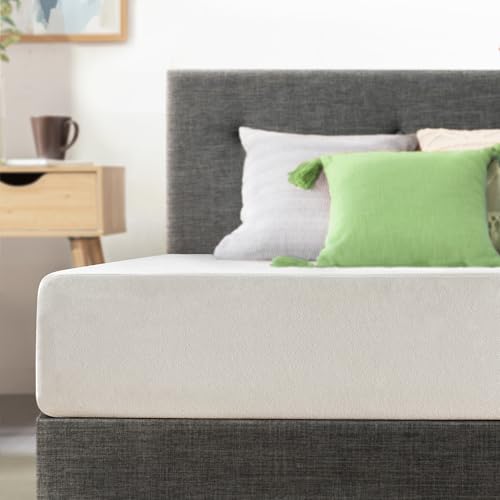
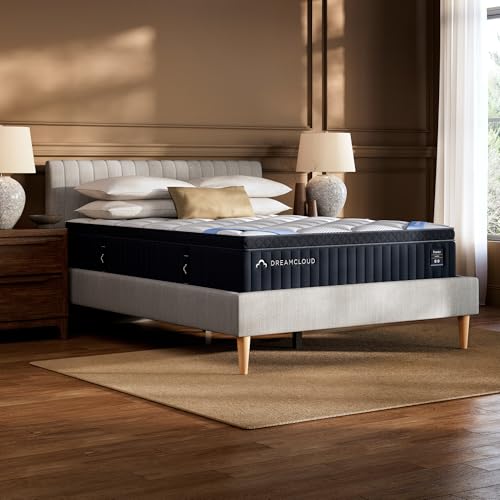
Every pick in this guide is sold on Amazon in the full size (54 x 75 in). Check price on Amazon for the live figure on the exact full variant before you plan around any pick, because mattress pricing moves often. The headline pick is the DreamCloud Premier Hybrid 13″ Full, which leads for side sleepers because it is the one pick whose feel the independent testers corroborate. One warning first: the plushest pick, the Tuft & Needle Mint Hybrid Legacy Plush Full, is a line-sitter — its price has a history of sitting above this budget, so only buy it when the live listing fits the Under $1,500 frame. Read its review before you fall in love with it.
Disclosure: topratedkitchenware.com is reader-supported. As an Amazon Associate, we earn from qualifying purchases made through links on this page, at no additional cost to you. Check price on Amazon for the current figure on every pick.
A side sleeper judges a mattress in a strict order, and this guide is organised by it. Depth first: is there enough verified stack under the shoulder to sink without bottoming out? Surface second: what do the first inches do at the shoulder and hip, where the whole weight concentrates? Local give third: does the support yield point by point, the way pocketed coils do, or push back as one uniform slab? Every pick below passed the same full-size verification bar as our base guide at this tier — then it was re-judged, in that order, through this lens. At $1,500 the lens finally has real material: the deepest verified comfort stack in the line, the plushest verified build in the series, and a genuine firmness ladder with a soft rung.
The tier’s paperwork story survives the re-judging. Last tier’s line-sitter, the Tuft & Needle Original Hybrid full, has become an ordinary pick: its tracked history fits inside this budget, and the warning is retired in its review. The one genuinely new bed this tier admits is its plusher sibling — the 14-inch Mint Hybrid Legacy Plush — the new line-sitter, whose price record has spent long stretches above this budget. For a side sleeper that is the centre of the guide: the Mint is the plush answer, and its price is the one that will not sit still.
The hero earns its place differently. The Premier Hybrid’s label says medium-firm, and testers land close to it for once: NapLab measures 6 out of 10 and other coverage puts it at 6 to 7 — a genuine middle feel with two inches of memory foam over pocketed coils in a 13-inch stack. That makes it this lens’s worked example: depth, surface and local give argued from verified numbers rather than adjectives, with the listing’s advertised trial to settle how it feels under your shoulder on night twenty.
Meanwhile the names a side sleeper would most expect at $1,500 are still absent: the Luxe Hybrid, the Nectar Classic and the Helix Midnight are all sold in their makers’ own stores as inside this kind of budget, several marketed directly at side sleepers, and not one could pin a dated Amazon full-size price here. Saatva does not sell on Amazon at all. At $1,500 the wall is no longer about money. It is about proof.
In this guide
Quick Picks
| Pick | Best for | Type | Price |
|---|---|---|---|
| DreamCloud Premier Hybrid 13″ — Full | Best overall for side sleepers — deepest verified comfort stack; testers corroborate the label | Hybrid (gel memory foam + pocketed coils) | Check price on Amazon |
| Tuft & Needle Mint Hybrid Legacy Plush — Full | The plushest verified full in the series — read the warning and check the live price first | Hybrid (plush adaptive foam + coils), 14″ | Check price on Amazon |
| Brooklyn Bedding Signature Hybrid 11″ — Full, Soft | Best plush buy on a stable record | Hybrid (TitanFlex foam + encased coils) | Check price on Amazon |
| Brooklyn Bedding Signature Hybrid 11″ — Full, Medium | Best compromise — side sleepers who share the bed, or change positions | Hybrid (TitanFlex foam + encased coils) | Check price on Amazon |
| Tuft & Needle Original Hybrid Legacy — Full, Medium | Best paper trail — medium feel; tracked history fits this budget | Hybrid (adaptive foam + coils) | Check price on Amazon |
| DreamCloud Classic Hybrid 12″ — Full | Best for heavier side sleepers who like a firm surface | Hybrid (gel memory foam + wrapped coils) | Check price on Amazon |
How These Picks Were Chosen
Full-size verification only, pinned or it doesn’t count. Every pick belongs to the 54 x 75 full variant, with an identifiable full-size ASIN and a listing that can actually be bought. A headline attached to a twin, queen or king is a trap we name, never a number we use. That is why several famous names appear below as named, deliberately unlinked entries: their brand-store full offerings sit inside this kind of budget while their Amazon full listings cannot be verified.
The wall test, applied name by name — and passed, with one asterisk. Each candidate needed a full-size ASIN we can identify with confidence, a verifiable Amazon full-size listing at this tier, and a listing that can actually be bought. Five picks pass outright. The sixth, the Mint Hybrid, passes only with its volatility printed next to it, under the same line-sitter protocol applied at lower tiers. The failures are documented after the reviews, because “why isn’t the famous one here?” is still the most useful question a guide at this tier can answer.
The Rolanstar rule, eighth application. The Rolanstar 8-inch full has been quoted in roundups since our $100 guide, and its Amazon listing has shown “No featured offers available” in every crawl this series has checked — an eighth time for this guide. A mattress you cannot buy is not a pick, so it remains named and unlinked.
Maker dimensions over marketing dimensions. Where a maker’s specification block disagrees with the size name, we print the maker’s figures. Every pick here publishes true 54 x 75 dimensions; cut-small beds remain on the bench. A full gives two sleepers about 27 inches each, and a curled sleeper spends width on knees and elbows — an inch missing is an inch your shoulder notices.
The first side-sleeper test: depth. A shoulder sinks until something stops it, so the first question is how much verified stack it has to travel through. We argue depth only from verified profiles: the Mint’s 14 inches, the Premier’s 13 inches with two inches of memory foam, the Classic’s 12, the Brooklyn rungs’ 11. Where a pick’s research verified no profile, we print none and say so. A deep stack is not automatically a soft bed, which is why depth is only the first test.
The second side-sleeper test: surface. What the first inches do at shoulder and hip decides whether depth is usable. Labels are the maker’s placement, printed as placement; the pattern across independent testers is the closest thing to a measurement. Where they contradict a label — one pick is labelled 6.5 and sleeps at 7.5 to 8 — we print the contradiction at full strength. Cooling language gets the same discipline: gel and cooling fibres are first-contact effects, and a buried side saturates fastest. No pick here sleeps cold.
The third side-sleeper test: local give. A support core either yields point by point or it does not. Pocketed, encased and wrapped coils compress where the shoulder presses and hold where it doesn’t — the mechanical version of pressure relief. A uniform foam slab cannot do that. We credit coil cores with local give as a construction fact, never as a medical claim.
Listing language is not laboratory language. Coil construction is described as each listing describes it, firmness as the tester pattern, and fiberglass statements as brand claims in listing copy. The DreamCloud listings advertise relief from back pain in their titles; no mattress here is presented as treating any condition. If pain persists, or you notice numbness or weakness in an arm or hand, see a clinician, not a product page.
Trials are quoted only where a listing states them. A brand’s direct-store trial is not an Amazon term. Both DreamCloud titles advertise a 365-night trial and a Forever Warranty, and the Mint’s listing copy advertises a 100-night trial — claims to confirm at checkout. For the Brooklyn picks and the Original Hybrid Legacy, no in-listing trial could be verified; their brands’ store trials are buy-direct terms you should not assume follow an Amazon purchase.
The Six Best Full Mattresses for Side Sleepers Under $1500
1. DreamCloud Premier Hybrid 13″ (Full) — the worked example: the label the testers believed
Who it suits: Side sleepers who want the deepest verified comfort stack in this guide, a feel the testers actually corroborate, and a trial printed in the listing itself to settle the one question no review can answer for them.
The Premier Hybrid’s full listing (ASIN B0F74SLW9V) is sold and shipped by Amazon.com — check price on Amazon, because its pricing moves with deal windows. Depth: 13 inches and six layers, with two inches of memory foam over transition foam — the shoulder’s travel allowance before the support core answers back. Surface: a quilted CloudQuilt top with twice the cooling fibers of the Classic, over that memory foam. The fibres are a first-contact effect that saturates toward body temperature; we credit a cool first impression, not a cold night. The memory foam is the real surface story: it lets shoulder and hip make their hollows while the rest of the surface stays level. Local give: a pocketed-coil core (792 coils in the queen per the listing; the full carries fewer) — compressing where the shoulder presses, holding where it doesn’t.
On feel, the brand labels it medium-firm, and testers land close to the label for once: NapLab measures 6 out of 10, and other coverage puts it at 6 to 7 — a genuine middle feel, noticeably less firm than the Classic’s 7.5 to 8. That agreement is why this pick is the worked example: the one bed here where a side sleeper can reason from numbers instead of adjectives. The listing title advertises a 365-night trial and a Forever Warranty, alongside a fiberglass-free claim — brand claims in listing copy, to confirm at checkout. The same title advertises relief from back pain; that is marketing language, and this guide declines it — no mattress here treats anything.
- Premier class, verified in a full — check price on Amazon before you buy
- 13-inch build with 2 inches of memory foam over pocketed coils
- Tester-measured medium-firm (6 to 7 of 10) — label and testers roughly agree
- Listing title advertises a 365-night trial and Forever Warranty (confirm at checkout)
Honest limitation: Its pricing moves with deal windows, so confirm the live figure and exact variant at checkout. The 13-inch profile is the second-tallest here, which matters for fitted sheets and low frames. And never confuse this listing with the legacy 14-inch Premier full that older trackers still carry: that is a previous generation, not this bed.
Choose it if: You sleep on your side or change positions and want the strongest combination of depth, corroborated feel and listing-stated trial terms here.
Skip it if: You want the plushest surface here (the Mint, when its live price fits), or the listing shows the Premier Memory Foam — the all-foam namesake — instead of the Hybrid. Check the title says Hybrid before you check out.
2. Tuft & Needle Mint Hybrid Legacy Plush (Full) — the plushest bed here, on a calendar
Who it suits: Side sleepers who want the tallest, softest verified full in this series — and who will buy it only when the live listing fits this budget.
Start with the warning, because here the warning is the review’s first fact: a side sleeper buys feel, and feel cannot be planned around a volatile price. The Mint Hybrid Legacy Plush full (ASIN B0DJ21T1SL) has a long record showing extended stretches above this budget — a line-sitter. Check price on Amazon, and if the live listing reads over the Under $1,500 frame, buy something else here instead. The Brooklyn Soft is the plush fallback. Do not stretch.
The bed itself earns its place. Depth: the model name is the Mint Hybrid Medium Plush 14 — a 14-inch hybrid, the tallest profile here, giving a shoulder the most stack to travel through. Surface: a plusher comfort stack over a coil core than the Original Hybrid, aimed at side sleepers who found the Original’s medium feel a half-step too firm. Its maker places it as “medium plush,” its softest hybrid — printed as placement; no listing-grade tester figure for the full could be sourced, so the plushest claim here is also its least independently measured. Local give: a coil core under the plush stack, credited with point-by-point yield as a construction fact. Its listing copy advertises a 100-night trial, a 10-year limited warranty, and CertiPUR-US and GREENGUARD Gold certification — claims, to confirm at checkout.
One identity warning matters here: Tuft & Needle also sells a non-Legacy Mint Hybrid Plush full on Amazon, a different listing in a higher, premium tier. The pick here is the Legacy listing. If the listing in front of you does not match the Legacy name, you are looking at the wrong one.
- The plush answer at this tier — buy only when the live price fits the budget
- 14-inch profile — the tallest pick here, with the plushest comfort stack
- Listing copy advertises a 100-night trial and 10-year warranty (confirm at checkout)
- Its volatile price history is disclosed in full, not hidden
Honest limitation: It is a line-sitter in the strictest sense: its price history includes long stretches over this budget, and the price climbs back after dips. Its feel is also the least independently measured here — the maker’s “medium plush” placement is all the evidence there is. Every other pick here is a safer purchase; this one is here because, when its live price fits, it is the only genuinely new bed this tier admits.
Choose it if: You want the plushest, tallest verified full here, the live listing fits the budget, and it is the Legacy listing.
Skip it if: The live price has climbed back over the budget, or you cannot confirm which Mint listing you are looking at. The Brooklyn Soft is the safer plush buy.
3. Brooklyn Bedding Signature Hybrid 11″ (Full, Soft) — the plush fallback that survives a calendar
Who it suits: Side sleepers and lighter back sleepers who want a genuinely soft surface without a line-sitter’s calendar attached. Check price on Amazon for the live figure.
The Soft variant (ASIN B076MKH3LD, model BBS46S) carries the joint-longest price record in this series, tracked for years and sitting comfortably inside this budget throughout. That record is its argument: the Mint above is plusher on paper, but its price is volatile, while the Soft has stayed buyable across its whole record. A side sleeper buying feel needs the feel to be buyable when the old bed gives out, not when a tracker happens to dip.
Through the three tests: depth is 11 inches — the joint-shallowest stack here, printed plainly; what the Soft offers is not the deepest travel but the softest first inches in a verified ladder. Surface: the softest comfort stack in the Brooklyn line over a coil core — the classic recipe for shoulder and hip cushioning, and the rung the maker tunes for this guide’s reader. Printed relatively, softest of three rungs, with no numeric firmness, because no listing-grade number could be sourced. Local give: individually encased coils under TitanFlex foam. True 75 x 54 dimensions; CertiPUR-US certified foams.
What fine print survives? The Brooklyn rungs move within a shared price cycle, so firmness — not price — should choose between rungs. Its Firm sibling sits on the bench, the documented promote-in if the Mint demotes. And no sleep trial could be verified in this listing’s copy; the brand’s 120-night trial is a buy-direct term — for a feel purchase, that is the Soft’s real cost against the DreamClouds’ and Mint’s listing-stated trials.
- A long, stable record that fits this budget — check price on Amazon
- The softest Brooklyn rung — plush on any day
- True full footprint (75 x 54 in) — no cut-small surprise
- Encased coils under TitanFlex foam; CertiPUR-US certified
Honest limitation: Soft has the narrowest audience here: heavier and stomach sleepers will find it under-supportive, and its 11-inch stack is the joint-shallowest. No in-listing trial was verifiable, so its Amazon return safety net is thinner than the DreamClouds’ — a real cost when the purchase is feel.
Choose it if: You sleep on your side, run light to average, and want the plush end of a verified ladder whenever you are ready to buy.
Skip it if: You sleep on your stomach, run heavy, or want the deepest stack (the Premier) or the plushest build at any calendar risk (the Mint).
4. Brooklyn Bedding Signature Hybrid 11″ (Full, Medium) — the compromise rung
Who it suits: Combination sleepers and side sleepers who share the bed — the Brooklyn rung most people should actually buy. Check price on Amazon for the live figure.
The evidence here remains the strongest in the series. The Signature Hybrid’s full-size Medium variant (ASIN B076MLJLYS, model BBS46M) has a tracker record spanning years, and its entire record fits inside this budget. The bed is the same 11-inch hybrid as its siblings: TitanFlex pressure-relieving foam over individually encased coils, CertiPUR-US certified foams, and published dimensions of 75 x 54 inches — a true full.
Through this lens the Medium is the compromise, charged as one. Depth: the same 11 inches as the Soft. Surface: the balance point — contour enough for side-sleeping intervals, surface enough for back and stomach — precisely what a combination sleeper needs, and what a dedicated light side sleeper should read as a half-step too firm: for that reader the Soft is the rung. Where the Medium wins is the shared bed: the middle rung gives a side sleeper a workable surface without asking a back-sleeping partner to sleep in a hammock. Local give: the same encased-coil core. No numeric firmness: relative placement only, the middle of three.
The fine print is the standing Brooklyn fine print. Its price moves within the family cycle, so patience may or may not be rewarded. No sleep trial could be verified in this listing’s copy; Brooklyn’s 120-night store trial is a direct-purchase term, so treat an Amazon purchase as covered by Amazon’s standard returns unless the listing says otherwise at checkout.
- A years-long record that fits this budget — check price on Amazon
- The ladder’s default rung for combination sleepers and couples
- True full footprint (75 x 54 in) — no cut-small surprise
- Encased coils under TitanFlex foam; CertiPUR-US certified
Honest limitation: For a dedicated light side sleeper the Medium is not the right rung, however safe the word “medium” sounds. No in-listing trial was verifiable, so its Amazon return safety net is thinner than the DreamClouds’ advertised one.
Choose it if: You change positions, share the bed, or simply want the verified default: a real DTC hybrid in a true full, well inside this budget.
Skip it if: You are a dedicated light side sleeper (the Soft is your rung), a dedicated back or stomach sleeper (the Firm is yours), or a trial period is non-negotiable (the DreamClouds).
5. Tuft & Needle Original Hybrid Legacy (Full, Medium) — the line-sitter, retired
Who it suits: Side sleepers who want the simple, medium-feel hybrid from the original bed-in-a-box name — last tier’s buy-only-on-one-day condition has expired. Check price on Amazon for the live figure.
Start with the record, because with this pick the record is the review. The Original Hybrid Legacy full (ASIN B0DJ22KGNL) has a tracker record spanning well over two years. At the $1,000 tier, parts of that record sat over the budget, and this pick carried the longest warning label in the guide. At $1,500, every part of the record — current, typical and highest — sits inside the budget. The warning does not get edited; it gets retired, in writing: this is now an ordinary pick with an extraordinary paper trail.
The bed itself, on its listing’s terms, is a medium-feel hybrid from Tuft & Needle’s Legacy line — the previous-generation Original Hybrid sold through Amazon — with adaptive foam over a coil core, in a true full size. That medium placement is the whole judgement: neither the plush of the Mint and the Soft nor the firmness of the Classic. Light side sleepers needing real shoulder sink are better served two picks up; average and combination side sleepers get a surface whose record cannot surprise them. Local give is credited to its coil core. One discipline note: no profile figure was verified, so this guide prints no thickness for it — its case is its record. Two channel facts: the brand’s own store is the cheaper channel for the current model, so compare both; and no in-listing trial could be verified — the brand’s 100-night trial is a direct-purchase term.
- A record whose whole history fits this tier — check price on Amazon
- The pick whose price cannot surprise you at this budget
- A third brand and a simple medium feel — now without its asterisk
- True full size on the listing’s figures
Honest limitation: The brand’s own store is the cheaper channel for the current model, and no in-listing trial was verifiable, so its Amazon return safety net is thinner than the DreamClouds’. Its medium surface is also a compromise for this lens: a committed light side sleeper will find plusher surfaces above it. Its price still swings — but the whole swing now happens inside the budget.
Choose it if: You want this brand and feel, sleep at an average build or change positions, and have compared the brand’s store and still prefer Amazon.
Skip it if: The channel gap bothers you, you need real plush (the Mint when its price fits, or the Soft), or you want a trial printed in the listing itself.
6. DreamCloud Classic Hybrid 12″ (Full) — the firm end: read the testers, not the label
Who it suits: Heavier side sleepers who like a firm surface, and back-and-side sleepers who want the trial terms printed in the Amazon listing title itself. Check price on Amazon for the live figure.
The Classic Hybrid full (ASIN B0F74STD2J) is a 12-inch, six-layer hybrid: a quilted CloudQuilt top in a cashmere blend, gel memory foam, and individually wrapped coils. Its dimensions are a true 54 x 75 inches and it weighs about 66 pounds — a manageable two-person carry. Coverage confirms Amazon itself is the seller. What makes it a pick here is that the Amazon title itself advertises the 365-night trial and Forever Warranty. Do not confuse it with the all-foam Classic fulls, which share the name and none of the coils.
The feel is where this lens charges it. DreamCloud rates the Classic Hybrid at 6.5 out of 10; Tom’s Guide’s testers experienced it at 7.5 to 8 — genuinely firm — and Sleep Foundation fits it best to back sleepers under 230 lb and side sleepers in the 130–230 lb range who like a firmer surface. Believe the testers over the label. Depth is a verified 12 inches; surface is where it fails the light side sleeper — a firm surface means the shoulder travels less, and a light shoulder does not press hard enough to earn the sink the stack could give. For a heavier side sleeper the arithmetic reverses, which is why this pick is last for this guide’s typical reader and first for its heaviest one. Local give: the wrapped-coil core yields point by point. The gel foam is a first-contact effect, and a buried side saturates it fastest; no foam-topped mattress sleeps cold. Its “fiberglass free” listing language is the brand’s claim, printed as a claim.
- A mid-range famous-name pick — check price on Amazon
- Listing title advertises a 365-night trial and Forever Warranty (confirm at checkout)
- Amazon itself is the seller on the listing
- True 54 x 75 full; wrapped coils and a quilted cashmere-blend top
Honest limitation: It sleeps firmer than its 6.5 label — plan on a 7.5–8 feel — and for a light side sleeper that is the wrong direction entirely: the one pick whose surface works against its depth. Confirm the live listing and the hybrid variant before purchase.
Choose it if: You are a heavier side sleeper who likes a firm surface, or a back-and-side sleeper, and you want the trial language attached to the Amazon purchase itself.
Skip it if: You are a light side sleeper who needs real cushion — the Premier, the Mint or the Brooklyn Soft is your bed.
Comparison Table
| Model | Type | Price | Trial (listing terms only) | Side-sleeper read |
|---|---|---|---|---|
| DreamCloud Premier Hybrid 13″ | Hybrid | Check price on Amazon | 365 nights + Forever Warranty, per listing title | The worked example: deepest verified comfort stack; testers corroborate the label |
| Tuft & Needle Mint Hybrid Legacy Plush 14″ | Hybrid | Check price on Amazon | 100 nights, per listing copy | The plushest, tallest build here — buy only when the live price fits |
| Brooklyn Signature Hybrid 11″ Soft | Hybrid | Check price on Amazon | None verified in listing | The plush pick on a long record — soft on any day, not just on drop days |
| Brooklyn Signature Hybrid 11″ Medium | Hybrid | Check price on Amazon | None verified in listing | The compromise surface for side intervals plus back and stomach |
| Tuft & Needle Original Hybrid Legacy | Hybrid | Check price on Amazon | None verified in listing | Medium feel, the whole record fits — the pick whose price cannot surprise you |
| DreamCloud Classic Hybrid 12″ | Hybrid | Check price on Amazon | 365 nights + Forever Warranty, per listing title | The firm end: testers rate it 7.5–8 against a 6.5 label |
How to Choose a Full Mattress for Side Sleepers Under $1500
Judge in the lens’s order: depth, surface, local give. Depth first — is the verified stack deep enough for your shoulder to travel? The picks run from 14 inches down to 11. Surface second — that is where the Soft earns its readers and the Classic loses its light ones. Local give third — every pick here sits on coils, part of what this budget buys over foam slabs. A bed that fails the first test cannot be rescued by the third.
Check the live price, not the name. Pricing on these picks moves, and the Mint in particular has a history of sitting above this budget. Check price on Amazon, confirm the variant and size, and be willing to walk away. Note what has changed: the Tuft & Needle Original’s whole record now fits, so a shopper who wants certainty can buy the record instead of the day.
Match firmness using tester numbers over labels. The Classic’s 6.5 label sleeps at a tester-rated 7.5–8, while the Premier’s medium-firm label is corroborated at 6 to 7, and the Mint’s “medium plush” is its maker’s own placement. For the Brooklyn rungs we print no numbers — only relative placement — because no listing-grade figure could be sourced. Where a listing advertises a trial, that trial is the real firmness test.
Use the ladder properly — including the rung on the bench. Make the firmness choice by sleeper, not by adjective. Side sleepers and the light: Soft. Combination sleepers and couples: Medium. Back, stomach and heavier sleepers: Firm, from the bench. Firm is not better than soft; it is better for different bodies.
Count the width honestly. A full is 54 inches wide — about 27 inches per sleeper for two — and a curled side sleeper spends width on knees and elbows, not just shoulders. Two committed side sleepers in a full are close quarters however good the mattress is; if the room allows a queen, the same names are judged in our queen guides. One sleeper in a full gets the whole 54 inches to curl across — for a solo side sleeper the full is a generous size.
Budget the whole bed. A premium mattress on a failing frame sleeps worse than a budget mattress on a sound one. Slats should be close enough to support foam (gaps over about 3 inches invite sagging and warranty arguments), and the Mint’s 14-inch and Premier’s 13-inch profiles need deep-pocket sheets your 10-inch bedding may not have.
Depth, Surface and Local Give: How a Side Sleeper Should Read This Tier
The three tests deserve their own section, because at $1,500 they finally separate the picks. Depth is the easiest to verify: the Mint’s 14 inches, the Premier’s 13, the Classic’s 12, the Brooklyn rungs’ 11 — with the Tuft & Needle Original printing no figure, because none could be verified. But depth is only potential: a shoulder sinks until the surface resists. That is why the Classic, third-deepest here, is this lens’s last pick for a light sleeper — its firmness spends its 12 inches resisting a light shoulder, while the Soft gives more usable sink in its first inches. Depth tells you the most a bed could give. Surface tells you how much you will actually get.
Surface is also where this tier’s honesty problems live. The evidence comes in three grades, kept separate. Best: independent tester measurements — the Premier’s 6 to 7 (corroborated), the Classic’s 7.5 to 8 against its 6.5 label (contradicted, printed at full strength). Middle: a maker’s relative placement — the Mint as its maker’s softest hybrid, the Brooklyn rungs as ends of one ladder; real but relative, which is why no Brooklyn rung and no Tuft & Needle carries a number here. Worst: cooling language — first-contact effects that saturate toward body temperature under sustained contact, and a buried side saturates fastest. Credit a cooler first impression; do not let it sell you a cooler night.
Local give is the quiet test, and the one this budget most reliably buys. A coil core — pocketed in the Premier, encased in the Brooklyns, wrapped in the Classic — compresses where it is pressed and holds where it is not, so a shoulder can make its hollow without the hip’s support collapsing beside it. That is why every pick here is a hybrid. The corollary cuts the other way: local give cannot rescue a wrong surface — a light shoulder never presses hard enough to reach the Classic’s coils through its firm surface. Judge in order, and let a listing’s advertised trial, where one exists, be the court of final appeal.
One Line-Sitter Retires, Another Arrives — and the New One Is the Plush One
This series has now run the line-sitter protocol three times. At the $700 tier, the Brooklyn Soft was the line-sitter, and it graduated at $1,000 when its record fit. At $1,000, the Tuft & Needle Original Hybrid was the line-sitter — and it graduates here, at $1,500, when its whole record fits. At $1,500, the Mint Hybrid takes the same seat, under the same full-strength disclosure and demote rule. Nothing about these beds changed as they crossed the tiers; the budgets did. A line-sitter is not a property of a mattress — it is a relationship between a price record and a number in a guide’s title. The correct response is to disclose the volatility and let the reader decide: check price on Amazon first, every time.
What is new this tier is who is sitting in the seat. At lower tiers the line-sitter was a Brooklyn rung, then a medium all-rounder; at $1,500 it is the plushest bed in the series — the pick this lens ranks first on surface. A side sleeper who misses the Mint’s window loses the guide’s plushest verified surface, and the temptation to stretch past the cap is exactly what the demote rule exists to refuse. Buy it only when the live listing fits the Under $1,500 frame, in the Legacy listing — or buy the Soft, soft on every ordinary day. The contingency plan is the Brooklyn Firm on the bench.
The Wall at $1,500: The Plush Names a Side Sleeper Cannot Buy Here
It is worth being precise about what still stands outside this guide, because at $1,500 the exclusions stop looking like budget decisions and start looking like what they are: evidence decisions — and through this lens they sting more, because the wall stands exactly where side sleepers shop. The DreamCloud Luxe Hybrid is the headline holdout: a plush-class, premium-tier bed in its maker’s own store. But no full-size Amazon ASIN for the Luxe could be identified with confidence, and no dated Amazon full price exists in any tracker record we could find; coverage notes the Luxe is sold through the brand’s website and stores, with other DreamCloud models on Amazon. Famous enough, plush enough — and, on the channel this guide links to, unverifiable. It stays named and unlinked, first in line for promotion the day an Amazon full listing verifies.
Nectar fails for the eighth straight tier. Its own store sells the Classic and Classic Hybrid fulls as budget-to-mid-range beds — and the Amazon evidence remains anchored to the queen, with no full-size Amazon price pinnable for any Nectar model. A brand can be affordable in its own shop window and unverifiable on Amazon at the same time, at $1,500 exactly as at $100. Helix is the same failure: the Midnight full is a premium-tier brand bed, but its dated Amazon records are queen records and no full ASIN could be pinned. Saatva sells direct only, with no Amazon listing at any size. Below those four, the wall holds: the Rolanstar failed its eighth straight featured-offer check; Lucid’s hybrid full exists only as a list-table figure; Siena’s pricing scatters by channel; the Novilla and Linenspa hybrid fulls have had pinned ASINs and unpinned full prices for five straight tiers; EGOHOME’s Black line remains brand-store-only or offer-less; SweetNight’s Twilight scatters by channel; Serta’s Sleeptrue verifies in queen but not in a pinnable full child. The wall was never really about money. At $1,500 it is about proof.
Common Buying Mistakes
Buying the Mint on a day its live price sits over the budget and calling it an Under $1,500 pick. Its price swings widely; the over-cap reading is its normal state, not an anomaly — and for a side sleeper the temptation is doubled, because the Mint is the plush answer. Check price on Amazon, confirm the Legacy listing, and be willing to switch to the Brooklyn Soft or the Premier.
Drifting to the wrong Mint. Tuft & Needle sells two Mint Hybrid fulls on Amazon: the Legacy listing in this guide, and a non-Legacy namesake in a higher tier. The names differ by one word. Read the listing title in full before you check out, here and everywhere: the Premier Memory Foam, the legacy 14-inch Premier and the all-foam DreamCloud Classics are all neighbours that deliver less than the pick you meant to buy.
Trusting the firmness label over the testers. A 6.5 that sleeps at 7.5–8 is a firm bed, whatever the box says — and a light side sleeper who buys the Classic on its label has bought the wrong surface with the right depth. If you need soft, buy the pick that is actually soft: the Mint when its price fits, the Premier, or the Brooklyn Soft.
Buying firm because firm sounds supportive. For a side sleeper, support and firmness are not the same thing: a surface too firm holds the shoulder up and lets the spine sag sideways. The Brooklyn Firm is a fine bed — for back, stomach and heavier sleepers, which is why it sits on the bench. Buy the rung your position points to.
Assuming a brand-store price is an Amazon price. The Luxe, the Helix Midnight and the Nectar Classic are sold in brand channels — buy them from the brand, on brand terms; do not expect an Amazon listing to match a figure it never printed.
Planning around a deal figure after the deal window closes. Deal pricing is temporary by definition. Check price on Amazon when you buy, and plan around the live figure in front of you.
Assuming brand-store terms follow an Amazon purchase. Brooklyn’s 120 nights and Tuft & Needle’s 100 nights on the Original Hybrid are direct-store terms; the DreamClouds’ 365 nights are printed in their Amazon listing titles and the Mint’s 100 nights in its listing copy — that difference is the whole game, and for a side sleeper it is doubled, because the trial is the only true firmness test.
Removing the cover to check for fiberglass. Never unzip or remove a mattress’s inner cover — if a fiberglass-containing barrier is present, that is how fibres get into your room. Keep covers intact, use a protector, and follow the maker’s care instructions.
Final Recommendation
For most full-size side sleepers, a budget-tier bed can still be the value centre here: the Novilla Bliss 12″ remains an honest budget benchmark, and the Ashley Chime 12″ Hybrid (maker’s figures: about 74.5 x 53 inches — cut small, never rounded up), the Zinus 12″ hybrid (coils interconnected, per its listing — never “pocketed”) and the EGOHOME Dreamer, with its 100-night trial and a processing fee that applies, are honest budget-tier beds verified in our lower guides. If any pick here fails its live check, the Bliss steps in first. One more verified bed belongs here: the Brooklyn Signature Hybrid Firm full, a mid-range rung on the same long record as its siblings — the firm rung for back, stomach and heavier sleepers, and the promote-in if the Mint demotes. It is not a side sleeper’s pick; it is the contingency plan, and a good one.
But this tier finally offers the whole top shelf with the paperwork done, and for a side sleeper the order matters. If you want the most substantial verified full published here — the deepest corroborated stack, the feel the testers believed, the trial in the title — the DreamCloud Premier Hybrid is the buy: check price on Amazon and buy when the live figure fits. If you want the plushest bed here and your timing is good, the Mint Hybrid Plush at a live price that fits this tier is the one genuinely new thing this tier buys — inside the Under $1,500 frame, in the Legacy listing, or not at all. If you want plush without a calendar, the Brooklyn Soft is soft on every day of its long record, and the Medium is the compromise for shared beds. If you want the record instead of the day, the Original Hybrid’s entire history fits this budget. And if you are a heavier side sleeper who likes a firm surface, the Classic, testers’ 7.5–8 and all, remains the safer famous-name buy.
Still deciding between tiers? Compare this guide with Best Full Mattress For Side Sleepers Under $1000 to see exactly what the higher tier adds, or look ahead to Best Full Mattress For Side Sleepers Under $2000 if the Luxe-class beds are calling. The same names judged at queen size appear in Best Mattress For Side Sleepers Under $1500 and Best Hybrid Mattress For Side Sleepers Under $1500, and if your current mattress needs help rather than replacing, start with Best Mattress Topper Under $200 and a sound base from Best Headboard For Apartments Under $200.
FAQ
What firmness should a side sleeper choose in a full mattress?
Start from the soft end of any line and justify moving firmer. In this guide that means the Brooklyn Soft for a dedicated light-to-average side sleeper, the Medium for combination sleepers and shared beds, and the DreamCloud Premier — tester-measured at 6 to 7 — as the middle-feeling pick with the deepest stack. Heavier side sleepers can go firmer: the Classic’s 7.5 to 8 suits side sleepers in the 130–230 lb range who like a firm surface, per Sleep Foundation. Where only a maker’s placement exists — the Brooklyn rungs, the Mint’s “medium plush” — we print the placement and say so.
Is the Mint Hybrid worth it for a side sleeper?
When its live price fits this budget, it is the plushest and tallest verified full in this series — a 14-inch build with the softest comfort stack here, plus a 100-night trial in its listing copy. But it is a line-sitter with a volatile history, so the answer is conditional: buy it inside the Under $1,500 frame in the Legacy listing, with the trial confirmed at checkout — or take the Brooklyn Soft, which is soft on every day of its long record.
Why does the DreamCloud Premier’s price change?
Because its Amazon pricing moves with deal windows. This guide deliberately prints no fixed figure for it: check price on Amazon for the live figure at the moment you buy, confirm the listing is the 13-inch Premier Hybrid full, and judge the purchase on the figure in front of you.
Why is the DreamCloud Classic last when it looks like the value pick here?
Because this guide is judged through the side-sleeper lens, and the Classic’s surface works against its depth for its typical reader. Its label says 6.5 out of 10; its testers say 7.5 to 8 — genuinely firm. A light shoulder does not press hard enough to earn the sink its 12-inch stack could give. For a heavier side sleeper who likes a firm surface, the order reverses: Amazon as seller, and a 365-night trial in the listing title. Last here means last for a light side sleeper, not least.
Is a full mattress wide enough for two side sleepers?
It is close quarters: a full is 54 inches wide, about 27 inches per sleeper, and a curled side sleeper spends width on knees and elbows as well as shoulders. Two light, compatible sleepers manage it in plenty of homes; two restless ones will not. If the room takes a queen, the same names are judged in our queen guides. For one sleeper the question disappears — a solo side sleeper gets all 54 inches.
Why did the Tuft & Needle warning disappear?
Because the budget outgrew the record. At the $1,000 tier, the Original Hybrid Legacy full was a pick only on favourable days, and the guide said so at full strength. At $1,500, its current, typical and highest tracked figures all fit inside the cap. The bed did not change. The warning was a statement about a budget, and the budget moved.
Why is there still no Nectar — or Luxe — in this guide, even at $1,500?
Because the test is not the budget — it is the proof. Nectar sells its Classic fulls in its own store as budget-to-mid-range beds, and the Luxe full is a premium-tier brand bed. But no dated Amazon full price for any Nectar model could be pinned, for the eighth straight tier, and no Luxe full ASIN or Amazon price could be pinned either. The same is true of the Helix Midnight, while Saatva sells direct only. A buying guide links the channel it can verify. The day an Amazon full listing for any of them verifies, it will be judged here — and the Luxe, a plush-class bed, would be judged near the top of this list.
Whatever happened to the Rolanstar full mattress?
It is still famous, still quoted in roundups, and its Amazon listing still showed “No featured offers available” in the freshest crawl we could check — the eighth straight tier with that result. A price you cannot buy at is not a price. It stays named and unlinked here until a featured offer verifies.
Can a new mattress fix my shoulder pain?
No mattress here is presented as treating shoulder pain, back pain or any other condition, whatever a listing title claims — a bed can feel more or less comfortable, and that is all. A softer, deeper surface may feel kinder under a shoulder; that is a comfort statement, not a treatment. If you have persistent pain, numbness or weakness, see a clinician.
Are any of these mattresses fiberglass-free?
Several listings say so — the DreamClouds’ titles and bullets state it outright — and we report those as makers’ claims, because listing copy is what we can verify. No claim here comes from independent laboratory testing. The safe practice is identical either way: never remove a mattress’s inner cover, and use a protector from the first night.