If you juice every day, a centrifugal juicer needs to do more than spin fast. It should feed quickly, clean up without fuss and hold up to repeated use. A good daily machine has a wide chute, a sturdy motor and a pulp container sized for your usual batch.
The six juicers below were chosen with regular use in mind, from sleek, well-built models to compact ones that are easy to put away. We have not used these products ourselves, so confirm the motor power, chute size and warranty on the current listing before you buy. A daily habit deserves a machine you can clean in a few minutes. Plan a rinse routine from day one, because a juicer that is easy to clean is the one that stays on your counter.
As an Amazon Associate we earn from qualifying purchases. Links below are affiliate links, and they do not change the product information we give.
What to Look For
| Feature | Why it matters |
|---|---|
| Cleanup time | A fast rinse keeps you juicing every day |
| Motor | A strong motor handles daily loads without strain |
| Chute | A wide opening saves chopping each morning |
| Pulp bin | A larger bin means fewer stops |
| Warranty | Check the coverage, since daily use wears parts |
In this guide
Specs at a Glance
| Juicer | Type | Build | Notes |
|---|---|---|---|
| Breville Juice Fountain Cold | Centrifugal | Plastic and steel | Cold spin technology |
| Breville Juice Fountain Elite | Centrifugal | Die-cast and steel | Powerful motor |
| Philips Viva Collection Juicer | Centrifugal | Plastic and steel | Quick-clean design |
| Braun TributeCollection Juicer | Centrifugal | Plastic and steel | Compact design |
| NutriBullet Juicer Pro | Centrifugal | Plastic and steel | Wide chute |
| Ninja Juicer Pro | Centrifugal | Plastic and steel | Pulp control settings |
The 6 Best Centrifugal Juicers for Daily Use

Top pickBest for a daily routine
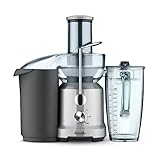
1. Breville Juice Fountain Cold
A Breville juicer with a wide chute and a design the maker describes as keeping the juice cooler during extraction. It is a long-standing choice for people who juice often.
Suits: a daily routine. Strengths: fast and familiar. Weaknesses: not quiet. Skip it if noise bothers you.
Best for hard vegetables
2. Breville Juice Fountain Elite
A more powerful model in the Breville line with a die-cast build and a motor meant for tougher produce, such as carrots and beets.
Suits: hard vegetables. Strengths: power. Weaknesses: bigger and heavier. Skip it if you want a light unit.
View Breville Juice Fountain Elite on Amazon

Best for people who hate cleanup
3. Philips Viva Collection Juicer
A centrifugal juicer from a large appliance maker with a design that aims for quick cleaning after use.
Suits: people who hate cleanup. Strengths: a simple wash routine. Weaknesses: availability varies by region. Skip it if you want a wide range of speeds.
View Philips Viva Collection Juicer on Amazon
Best for small kitchens
4. Braun TributeCollection Juicer
A German-designed centrifugal juicer with a tidy profile and a few simple controls for everyday use.
Suits: small kitchens. Strengths: a clean design. Weaknesses: check the pulp bin size. Skip it if you juice in large batches.
View Braun TributeCollection Juicer on Amazon

Best for casual daily juicing
5. NutriBullet Juicer Pro
A centrifugal juicer from a brand known for blenders, with a wide chute and a pulp bin sized for a few glasses at a time.
Suits: casual daily juicing. Strengths: a wide chute. Weaknesses: a plastic build. Skip it if you want metal parts.

Best for people who like to adjust texture
6. Ninja Juicer Pro
A juicer from a popular appliance brand with a wide chute and pulp control settings, so you can pick a smoother or thicker juice.
Suits: people who like to adjust texture. Strengths: pulp options. Weaknesses: more parts to wash. Skip it if you want minimal parts.
View Ninja Juicer Pro on Amazon
Care and Setup
- Rinse the parts the moment you finish juicing.
- Brush the mesh basket under running water.
- Dry the parts before putting the juicer away.
- Keep the power cord clear of the wet area.
- Keep a small brush by the sink just for the filter basket.
- Check the seal and blade for wear every few weeks.
Mistakes to Avoid
- Leaving pulp in the machine until the next day.
- Overfilling the pulp bin.
- Using a damaged filter basket.
- Pushing produce too hard through the chute.
- Letting the machine run empty for long periods.
- Mixing too much leafy produce with hard produce in one pass.
How Centrifugal Juicing Works and What It Suits
A centrifugal juicer pushes produce against a fast-spinning blade disc inside a mesh basket. The blade shreds the food, and the spinning force throws the juice through the mesh while the pulp stays inside or is carried to a separate bin. The method is quick, which is why it suits busy mornings and people who juice every day.
It is useful to know where this design is strong and where it is limited. Firm fruits and vegetables such as apples, carrots, beets, cucumbers and celery tend to work well. Citrus is more efficient in a dedicated citrus juicer, and leafy greens, herbs and wheatgrass are hard to process in a fast-spinning machine, because the leaves tend to be thrown around rather than pressed. Folding greens into a wad and alternating them with firm produce helps, and some cooks accept lower yields from greens.
Speed brings trade-offs. Fast spinning can introduce air into the juice, which creates foam and may cause faster separation as the juice sits. Some makers describe features meant to limit heat, but any claims should be read as the maker’s description. Fast machines are also louder than slow juicers. Slow, or masticating, juicers crush and press produce, are quieter and often extract more from leafy items, but they take longer to feed and clean.
For daily use, think about what you actually juice most. If your routine centers on apples, carrots and oranges for a quick glass, a centrifugal model fits well. If you juice many greens, consider whether a slower style would suit you better.
Chute Size, Feed Speed and Prep Time
For a daily habit, prep time often matters more than motor specs. A wide chute lets you feed whole apples or large pieces without chopping, which saves minutes every morning. A narrow chute forces you to cut produce into small pieces, which is a chore that can turn a daily habit into an occasional one. Check the listed chute diameter, and remember that very wide chutes need a sturdy pusher and safety lock.
The pusher is a small but important part. It should fit snugly, move smoothly and let you apply steady pressure without jamming. Pushing too hard overloads the motor and reduces yield. Let the blade do the work, and feed produce at a steady pace. Alternate soft and hard items to keep the basket from clogging, since very soft fruit can gum up the mesh.
Think about the batch size you make. A single glass needs little prep, while juice for a family may involve many items and multiple runs. A pulp bin that holds a larger amount lets you keep juicing without stopping to empty it. Some models have continuous pulp ejection, where pulp is thrown into a container as you juice, while others keep pulp in the basket and require stops. Check which design the listing describes.
- A wide chute reduces chopping.
- A well-fitting pusher gives smooth, safe feeding.
- A large pulp bin supports bigger batches.
- Check how many parts you must assemble each morning.
Getting More Juice From Your Produce
Yield is a practical concern because produce adds up over a month. Several habits improve how much juice you get. Choose ripe, fresh, juicy produce, since dry or old items give less. Wash everything well, and remove parts that the maker advises against, such as large pits and tough rinds. Some items, like apples, can be juiced with the skin on, while others, such as citrus and pineapple, should be peeled, and the manual may list items to avoid.
Feed items at a steady pace, and alternate hard and soft produce. Hard items such as carrots help push through softer or leafy ingredients. Some people run the pulp through a second time to extract a bit more, although the extra juice is often thin and the pulp may be too dry. Check how wet the pulp looks, since very wet pulp suggests low efficiency.
Pulp is not waste if you plan for it. Dry pulp can go into compost, be mixed into muffins, soups, veggie burgers or broth, or be added to pet food only if it is safe for the animal. Do not use pulp from ingredients that are unsafe for pets, and check before feeding any. Keep the pulp container empty to avoid backup.
Consider the produce you buy. Firm vegetables tend to yield well per dollar, and buying in season usually improves taste. Cut large items to fit the chute only when necessary, and juice immediately after washing. Store produce correctly so it stays juicy, and juice at room temperature or cold, depending on how you like it. Experiment with combinations, balancing sweet, earthy and tart flavors.
Freshness, Storage and Oxidation
Fresh juice is best consumed soon after it is made. Exposure to air causes oxidation, which changes color and flavor, and juice can separate as it stands. A centrifugal juicer adds some air, so juice often shows a layer of foam on top and may separate faster than juice made with a slow press. This is normal. Stir or shake the juice before drinking, or skim the foam if you dislike it.
If you must store juice, use a clean, airtight container and fill it close to the top to leave little air. Keep it refrigerated and drink it within the time recommended by food safety guidance, which is usually short for fresh, unpasteurized juice. Do not leave juice out at room temperature for long, since it spoils quickly. Juice made from greens or sprouts may carry higher food safety risks, and certain groups, such as pregnant people, young children, older adults and people with weakened immune systems, are often advised to take extra care with unpasteurized juice.
Citrus juice, lemon in particular, can slow browning in juices like apple and pear, and some people add a squeeze for this reason. Some prefer glass containers because they do not hold flavors. Freezing juice in trays or small containers is possible, but texture and taste may change.
Wash produce thoroughly before juicing, since there is no cooking step to reduce contaminants. Use clean equipment and clean hands, and discard produce that is moldy or spoiled. If you are unsure, check guidance from a food safety authority.
Long-Term Wear and When Parts Need Replacing
A juicer used daily takes more wear than one used on weekends, so it helps to know what to watch. The mesh filter basket is the most important wear part. Over time, the tiny holes can clog with fibers and the mesh can fatigue, and a damaged basket can throw off the balance of the spinning assembly. Inspect the basket regularly for cracks, bent or torn mesh and clogged holes. Scrub it with the brush that comes with the machine, hold it up to the light to see whether the holes are clear, and replace it if it is damaged.
The blade disc can dull, and a dull blade reduces yield and makes the machine work harder. Seals and gaskets may harden or crack and can cause leaks. Locking arms, clasps and lids are also stress points, since you open and close them every day. If a clasp does not engage or a safety lock fails, stop using the machine until it is repaired or replaced.
Listen to the motor. A change in sound, vibration, burning smell or a machine that stops mid-run can signal a problem. Do not run it empty for long periods, avoid overloading it, and allow it to cool if the manual suggests rest periods. Wipe the base with a damp cloth, keep the cord dry and away from the wet area, and never immerse the motor base.
Check that replacement parts are sold for your model, and consider the warranty. A juicer you can maintain is more cost-effective than one you must discard when a basket wears out. Keep the manual and store the machine with the parts completely dry.
Daily Juicer FAQ
Is a centrifugal juicer good for daily use?
Yes, for firm fruit and vegetables. It is quick, which suits busy mornings.
How should I handle cleanup every day?
Rinse straight away and use the brush that comes with the machine. Fresh pulp rinses off easily.
Does the juice keep?
Juice is best the same day. Store it chilled in a sealed container if you must keep it.
Should I look at the warranty?
Yes. Daily use wears motors and baskets, so check the coverage on the listing.
Are centrifugal juicers good for leafy greens?
They can process greens but usually give lower yields than slower juicers. Folding leaves and alternating them with firm produce helps.
Why does my juice have so much foam?
Fast spinning mixes air into the juice, so foam is normal. You can skim it, stir it in or let it settle before drinking.
Can I juice citrus in a centrifugal juicer?
Many can handle peeled citrus, but a dedicated citrus juicer is often more efficient. Check the manual for guidance on pith and peel.
What can I do with the leftover pulp?
You can compost it or add it to recipes such as muffins, soups or broths. Only feed pulp to pets if the ingredients are safe for them.
How often should I replace the filter basket?
There is no fixed schedule because wear depends on use. Replace it when you see cracks, bent mesh, deep scratches or holes that will not clear.
Is it safe to leave the juicer assembled on the counter?
It is better to dry and store the parts clean, because leftover moisture and residue invite mold. Keep the base wiped and the cord away from water.
How long can I keep fresh juice?
Fresh juice is best drunk soon after making. If you store it, use a sealed container, keep it cold and follow food safety guidance for the time limit.
Which Produce Suits a Centrifugal Juicer
Centrifugal machines do their best work on firm, watery produce. Apples, carrots, cucumbers, celery, beets, pears and melon all push through the spinning basket and give a decent amount of liquid. Citrus can work when you peel it and remove thick pith, though many people prefer a dedicated citrus press for oranges and lemons because it is gentler on the bitter parts of the fruit.
Soft or stringy items are where this style struggles. Berries can spray and leave juice in the pulp. Leafy greens such as kale, spinach and herbs tend to wrap and compress without giving up much liquid, so many people roll them into a ball or sandwich them between harder produce like apple or cucumber to push them through. Bananas, avocados and other creamy fruit do not juice at all and are better in a blender.
Prep is mostly about safety and clog prevention. Wash produce, cut out pits and large seeds from stone fruit, and remove any rind that is tough or waxed. Alternate soft and hard items rather than feeding all one kind, which keeps the basket from loading up. If your goal is a lot of green juice, a centrifugal model is workable, but be realistic about yield and consider a slow juicer later.
Noise, Footprint and Kitchen Fit
A fast-spinning motor is loud. It is not unusual for a centrifugal juicer to sound like a loud blender, and that matters if you juice early in the morning in a shared home. Heavier machines with a solid base often vibrate less, and a rubber mat under the base helps keep both noise and walking in check. If sound is a deal-breaker, read the listing for noise comments and consider how often you will run it.
Size also decides whether a juicer stays in use. A tall unit with a wide chute and a large pulp bin may not fit under upper cabinets, so measure the height with the lid and plunger in place. If you will keep it on the counter, a design that is easy to wipe down will look better after months of use. If you store it in a cupboard, a lighter machine and a compact cord wrap matter more.
Think about outlet placement and cord length too. Many models have short cords, and an extension cord is not a good solution for a high-wattage kitchen appliance. Plan the spot before you buy so the juicer sits close to the sink and a safe outlet.
Centrifugal or Slow Juicer: Knowing When to Step Up
Centrifugal juicers are fast, affordable and simple, which is why they suit a daily habit. Slow, or masticating, juicers crush produce at a low speed. They typically take more prep because the chute is narrower, run slower and cost more, but they often pull more liquid from greens and soft fruit, and some people prefer the texture and the slightly longer shelf life of the juice.
The right choice depends on what you juice. If most of your juice is apple, carrot, cucumber and citrus, a centrifugal model is a good match and gives you back time every morning. If you want leafy greens, wheatgrass or a lot of soft fruit, a slow juicer may repay its extra cost. Cleanup is often similar, though some slow juicers have more small parts.
A practical approach is to start with a centrifugal juicer and see whether your habit lasts. Many people give up on juicing within weeks because of cleanup and prep, not because of the machine type. If you are still juicing happily after a few months and keep running into yield limits, that is a good moment to consider a slow model.
Building a Daily Routine That Lasts
The best juicer is the one you actually use, so build a routine that lowers friction. Shop once or twice a week and wash and chop produce in one session. Keep the juicer assembled and the brush by the sink until you finish juicing, then rinse right away so pulp does not dry on the mesh. Cleaning in two minutes is far easier than scrubbing hardened fiber later.
Think about cost. Juice uses a large amount of produce per glass, so budget for the grocery bill as well as the machine. Buying in-season fruit and vegetables, using a mix of cheap staples like carrots and apples, and saving pricey items for special blends can keep the cost manageable.
It also helps to stay realistic about what juice is. Juice removes most of the fiber and concentrates the sugar from fruit, so many dietitians suggest treating it as a supplement to whole fruits and vegetables and not a replacement. If you have a medical condition such as diabetes, or take medications, ask a healthcare professional before changing your diet. Used sensibly, a juicer is a convenient way to add variety to your day.
Making Daily Juicing Sustainable: Cost, Waste and Routine Design
A juicer used daily succeeds or fails on systems, not enthusiasm. The first system is buying: produce bought without a plan wilts, so shop against two or three combinations you genuinely enjoy and rotate them, rather than improvising a different recipe every day. Buy firm, heavy produce, store it properly, and juice the most perishable items first in the week. The second system is pulp. Daily juicing produces a steady stream of it, and households that keep the habit usually find a use: pulp folded into muffins, soups, stocks or compost, rather than a bin that quietly argues the habit is wasteful. The third system is time. Keep the machine assembled, in place and clean, because a juicer stored in pieces in a cupboard will not survive contact with a busy morning, however good its motor is.
Comparing the Six Juicers in This Guide for Everyday Use
The Breville Juice Fountain Cold is built around keeping juice cooler during extraction and storing a larger batch, which suits households juicing once for more than one person or for later in the day. The Breville Juice Fountain Elite brings a heavier build and strong performance for the committed daily user who values durability over a long service life. The Philips Viva Collection Juicer takes a compact approach with quick-clean design thinking, suiting smaller kitchens where the machine must earn a modest footprint. The Braun TributeCollection Juicer offers a straightforward, established design for regular use without unnecessary complexity. The NutriBullet Juicer Pro fits households already comfortable with that maker’s style, balancing capacity and convenience for daily glasses. The Ninja Juicer Pro rounds out the group with a modern feature set aimed at making the daily routine feel managed rather than laborious. For daily use, weigh cleaning design and parts durability as heavily as extraction power, because the machine you will still be using in a year is the one whose basket you do not dread washing.
Wear Signs and When a Part, Not the Machine, Is the Problem
Declining performance in a centrifugal juicer is usually a worn part announcing itself. A filter basket whose mesh has dulled or warped yields wetter pulp and less juice from the same produce. A blade that has lost its edge tears rather than cuts, increasing vibration and foam. Seals and locking arms that no longer sit firmly cause leaks and safety switches that cut power mid-session. Before replacing a whole machine, inspect these parts in order, clean the mesh thoroughly with a brush under running water, and check that the basket is seated exactly as designed. Produce quality matters too: a week of soft, ageing apples will make any juicer look tired. Test with fresh, firm produce before concluding the machine is at fault. Keeping a note of when parts were replaced turns maintenance from guesswork into a schedule, which is how a daily appliance stays reliable for years.
Planning the Week: A Shopping and Juicing Rhythm
Daily juicing becomes far cheaper and calmer when the week has a rhythm. Anchor it with two shopping points rather than one large one, so the second half of the week still has firm, fresh produce instead of the softening remainder of a single big shop. Juice the most perishable combinations early in the cycle, and save hard keepers such as carrots, apples and citrus for later days. Prep in small evening batches if mornings are rushed: washed, cut produce stored in a sealed container for the next morning keeps the routine inside a few minutes, which is the threshold a daily habit must respect. Track, for a few weeks, what actually got juiced and what got thrown away, and let that honest record, rather than ambition, set the quantities you buy. A rhythm built on real consumption is what turns a January intention into a routine still running in June.
Related guides
- 6 Best Juicers for Leafy Greens: Slow and Twin-Gear (2026)
- 6 Best Juicers for Celery Juice: Slow and Fast (2026)
- 6 Best Centrifugal Juicers for the Home Kitchen (2026)
Frequently Asked Questions
Do I need to peel fruit before juicing?
It depends on the produce. Apples, carrots and cucumbers can usually go in with the skin on after a good wash. Citrus, pineapple and mango should be peeled, because the rind is bitter or tough. Always remove pits and large seeds, and check the manual for any items the maker advises against.
Is juice as healthy as eating whole fruit?
Not exactly. Juicing removes most of the fiber and leaves the sugars more concentrated, so juice is easier to drink in large amounts. Many dietitians suggest treating juice as an addition to whole fruits and vegetables, not a replacement. If you have a health condition, ask your doctor or a dietitian.
Can I juice frozen fruit or ice in a centrifugal juicer?
Generally no. Frozen produce and ice can strain the motor and damage the basket. Let frozen fruit thaw first, or use a blender for frozen drinks. Follow the manual for your model, since makers list what to avoid.
How much produce do I need for one glass of juice?
It varies a lot with the produce. Juicy items like cucumbers, oranges and apples give more liquid per pound than leafy greens or berries. As a rough guide, many people use several pieces of fruit or a few large carrots per glass. Expect to adjust by trial.
What Daily Use Demands That Occasional Use Does Not
A juicer used every day lives a different life from one used on occasional weekends, and the differences should drive your choice. Daily use multiplies small frictions: a part that is awkward to wash is awkward three hundred times a year, a chute that needs extra chopping costs minutes every single morning, and a pulp bin that fills mid-session interrupts every large batch. This is why this guide weighs cleanup time, motor strength and chute width so heavily, and why the models here, from the Breville Juice Fountain Cold to the Philips Viva with its quick-clean design, compete on the routine as much as on the juice.
Daily use also wears. Seals, latches, baskets and pushers all age faster under a daily rhythm, which makes the warranty check this guide recommends a practical step rather than a formality, and makes build quality a daily feature rather than an abstract one. The die-cast body of the Breville Juice Fountain Elite, for example, is not about luxury; it is about a machine that still feels tight and true after years of mornings. Similarly, a compact design such as the Braun TributeCollection earns its place in a small kitchen not by being small once, but by being easy to lift, wash and put away every day without slowly becoming a resentment.
The final daily demand is motivational. A routine survives when it is pleasant, so the machine you enjoy using, the one whose sounds, weight and washing rhythm suit you, will out-juice a theoretically superior machine that irritates you. Read the comparisons below with your own mornings in mind, because for daily juicing, fit to routine is the specification that decides everything else.
Comparing the Six Juicers in This Guide
The two Breville models frame the range. The Juice Fountain Cold is the daily driver’s choice, wide-chuted and familiar, with a design the maker describes as keeping juice cooler during extraction, suited to a household routine that values speed and consistency. The Juice Fountain Elite adds power and a die-cast build for tougher produce and heavier use, the machine for the juicer whose daily batch includes carrots, beets and other hard work. Between them, the question is how hard your produce is and how much machine you want to move and wash each day.
The Philips Viva and the Braun TributeCollection compete on the cleanup-and-compactness axis. The Philips is designed around a quick clean, which addresses the daily juicer’s main enemy directly, while the Braun offers a tidy, compact German design for smaller kitchens where the machine must earn a modest footprint daily. The NutriBullet Juicer Pro brings a wide chute and a pulp bin sized for a few glasses from a brand most households know from blending, a comfortable step for casual daily juicers. The Ninja Juicer Pro adds pulp control settings, letting you adjust how much pulp ends up in the glass, which suits households whose members disagree about texture and want the machine to settle the argument.
For a daily habit, rank the features in this order: cleaning speed first, because it decides whether the habit survives; chute and pulp capacity second, because they decide how smooth the session feels; power third, matched to your hardest regular produce; and footprint throughout, because the machine must live where the routine happens. Every model here juices well. The right one juices well inside your mornings.
Designing a Morning Routine That Sticks
Routines stick when they are prepared the night before and finished completely each time. Wash and, where it helps, portion the next morning’s produce in the evening, so the session itself is only feeding, drinking and rinsing. Keep the machine assembled and in place rather than stored in pieces, because a juicer that needs assembly at dawn will eventually be skipped at dawn. Lay the brush by the sink permanently, line the pulp container if your model benefits from it, and decide in advance what a weekday juice is, so there is no recipe deliberation slowing the start.
The rinse-immediately rule is the routine’s keystone, and daily juicers should treat it as part of juicing rather than as cleaning that follows it. Pour the juice, drink it while the parts soak or rinse, and finish the wash before you leave the kitchen. A mesh basket rinsed at once stays bright for years; the same basket left until evening teaches you why people abandon juicers. On the busiest mornings, even a thorough rinse under running water with the brush, leaving a fuller wash for later that day, protects the machine and the habit.
Finally, vary the juice just enough to stay interested. A standing rotation of a few combinations, changing with the seasons and the market, prevents the boredom that quietly ends daily habits more often than any mechanical failure. Keep the rotation written on a card with the machine, as a prompt rather than a rule.
Wear, Care and Knowing When a Part Is Done
Daily machines announce their wear honestly if you pay attention. A basket whose mesh has dulled or torn will pass more pulp and yield less juice; a seal that has hardened will weep at the joints; a latch that no longer closes with its old certainty will let vibration creep in. None of these is a catastrophe, and several are replaceable parts, which is worth checking on the listing and with the maker before assuming a whole machine is finished. What matters is noticing early, because a worn basket strains the motor and a leaking seal makes the daily routine messy enough to threaten the habit.
Care that prevents wear is mostly the care already described: gentle feeding without forcing, prompt cleaning without abrasives, full drying before storage, and a stable, level operating surface that does not add vibration of its own. Add one periodic habit: every month or so, run a careful inspection while you clean, turning each part over and looking at it properly. Cracks in plastic, nicks in the basket rim, and pulp baked into hidden corners all reveal themselves to a deliberate look, and catching them at that stage is the difference between ordering a part and replacing a machine.
Keep your model’s details and purchase information together, so that if a part is needed, the conversation with the maker starts from facts rather than guesswork. Daily appliances reward owners who treat them as long-term equipment, and long-term equipment is maintained on a record, not on memory.
More Daily Juicing Questions Answered
How long should a daily juicer session take, start to finish?
With produce prepared and the rinse-immediately habit in place, most daily sessions run from a few minutes of feeding to a few minutes of washing, with the drinking in between at whatever pace you like. If your sessions regularly feel long, the cause is usually prep or cleaning, and both shrink with the night-before preparation described above.
Is a more powerful motor worth it for daily use?
Only if your daily produce demands it. Hard roots and large batches justify the Elite-style power in this guide; a routine built on apples, citrus and cucumbers does not, and a mid-power machine will feel quicker to handle and wash. Match power to your hardest regular item, not to the hardest item you can imagine.
What is pulp control, and do I need it?
Pulp control, offered by the Ninja model here, adjusts how much of the produce’s fiber ends up in the finished juice, from clearer to thicker. Households with strong and divided texture preferences benefit most. If everyone in your home likes juice the same way, it is a pleasant extra rather than a deciding feature.
Can I run the juicer twice in one morning for a crowd?
Yes, with a pause to empty the pulp container and a quick check of the basket between batches, since a basket loaded with pulp yields less and vibrates more. For regular crowd juicing, choose one of the larger-capacity models here so the pause comes less often.
How do I keep the habit going on holiday or busy weeks?
Shrink the routine rather than abandoning it: a smaller, simpler juice on the busiest days keeps the rhythm, the machine in use and the produce rotation moving. Habits survive on continuity, and a modest glass made daily does more for the routine than a grand session made rarely.
When should I replace a daily juicer rather than a part?
When the motor itself weakens, when several parts are worn at once, or when the machine’s design no longer fits a routine that has grown, in batch size or in produce. A single worn basket or seal is maintenance; a tired motor is a farewell, and recognizing the difference saves money in both directions.
Troubleshooting a Daily Routine That Feels Harder Than It Should
When daily juicing starts to feel like a chore, diagnose before you shop. If prep is the burden, the answer is a wider chute or night-before preparation, not a new motor. If cleaning is the burden, look honestly at whether the rinse is truly immediate, and consider whether a quick-clean design such as the Philips in this guide matches your mornings better than the machine you have. If yield disappoints, check the basket’s condition and your feeding pace before blaming the model, since a rushed pusher and a worn mesh explain most thin results. If noise is the burden, a solid surface, a level footing and a shorter, better-prepared session help more than any replacement.
Most daily routines that fail do so at one identifiable point, and the point is usually fixable for less than the cost of a new machine. Fix the point, and the habit that felt heavy becomes light again, which is the entire secret of juicing daily for years rather than for a season. The machines in this guide are built for that long game; the routine you build around yours decides whether you play it.
A weekly rhythm worth copying
Many long-term daily juicers settle into a gentle weekly rhythm: a market shop for firm, fresh produce, a larger batch session on a quiet morning to use what is oldest, and simple single juices on the busy days between. Once a week, the machine gets its fuller wash and inspection, the pulp goes to baking or the compost, and the card of combinations gains or loses a line based on what the household actually drank. Nothing in that rhythm is demanding, and that is precisely why it lasts, carrying the machine and the habit together from one season into the next.
Keep a small stock of the household’s staple produce where you can see it, on the counter or at the front of the refrigerator, rather than buried in a drawer. Visibility is a quiet motivator: produce that is seen gets juiced, and a juicer that is used daily justifies every part of its design, from the quick-clean surfaces to the warranty you checked before buying. When the stock runs low, let that, rather than a vague intention, be the trigger for the next shop, and the whole system, machine, produce and people, will keep itself running with surprisingly little thought.
Share the routine where you can. A partner who knows the feeding pace and the rinse rule, or a teenager trusted with the weekend batch, turns a personal habit into a household one, and household habits survive holidays, illnesses and busy seasons that end solitary ones. Teach it once, write the card, and let the machine belong to everyone.
Belonging, for an appliance, means being reached for without deliberation. Arrange the counter so that reaching for this one is the easiest choice in the kitchen at breakfast time, and deliberation will rarely be needed at all.
That arrangement, a clear stretch of counter, the brush in its place, the card of combinations in view, is worth more than any single feature difference between the models in this guide, and it is entirely yours to create.
Create it on the day the machine arrives, while enthusiasm is high, rather than promising yourself a better setup later. Later setups have a way of never arriving, while first-day arrangements quietly become permanent.
Permanent, in this case, is exactly what you want: a station that greets you each morning already solved, leaving only the pleasure of choosing what goes into the glass.
Choose well, vary it with the seasons, and drink it fresh, while the machine that made it is already clean and waiting for tomorrow.
Waiting well is a design virtue in a daily machine, and every model in this guide was chosen with that quiet, unglamorous virtue in mind.
Judge your final choice by that standard, how it will feel on an ordinary tired morning three months from now, and you will rarely choose wrong.
Ordinary mornings are where appliances earn their keep, and a daily juicer earns it faster than almost anything else in the kitchen.
Let it earn that keep from the first week, with produce ready, the routine written down, and no session left unwashed at the end of the day.
A clean machine at bedtime is a promise kept to tomorrow morning, and tomorrow morning is where this habit lives.
Keep the promise for a month, and the routine will start keeping itself.
That is the point at which a purchase becomes a practice, and a practice is what daily juicing was always meant to be.
Begin it tomorrow, simply, and let the days accumulate.
They will, pleasantly.
One more encouragement for the first fortnight: expect the routine to feel deliberate at first and do not mistake that feeling for failure. Every lasting kitchen habit begins as a sequence you have to think through, and ends as one your hands perform while your mind plans the day. Give the juicer those two honest weeks of daily use, with the setup and the washing done properly each time, and you will reach the second state without noticing the moment it arrived.
The Short Version
For a proven daily machine, the Breville Juice Fountain Cold. For tougher produce, the Elite. For easy cleanup, the Philips Viva. For a tidy look, the Braun Tribute. For a wide chute, the NutriBullet Juicer Pro. For pulp control, the Ninja Juicer Pro. For daily juicing, put cleanup time and build quality ahead of extra features.

