Disclosure: topratedkitchenware.com is reader-supported. When you buy through links on our site, we may earn an affiliate commission from Amazon and other retailers, at no extra cost to you.
Where to buy
The six verified picks below are the shortlist for anyone searching for the best mixers for bacardi gold. Each name links to its Amazon listing, where you can check the latest price on Amazon, confirm the current pack size, and read the newest owner feedback before you buy.
- Fever-Tree Tonic Water Cans 24 Pack
- Fever-Tree Tonic Water Bottles 24 Pack
- Zing Zang Strawberry Margarita-Daiquiri Mix
- Master of Mixes Margarita Mix 1 Liter
- Fever-Tree Light Tonic Water Cans 24 Pack
- Fever-Tree Premium Indian Tonic Water 8 Pack
Read the full guide ↓ for the ranking logic, the honest limitations of every pick, and the mixing checks that matter more than any label claim.
Choosing the best mixers for bacardi gold is a different exercise from mixing a white rum, because gold rum arrives with flavour of its own. The amber colour signals time in oak, and with it come vanilla, caramel, toasted nut and gentle spice notes that a heavy-handed mixer will bury in seconds. The goal in this guide is pairing, not covering: every pick was judged on whether it frames those aged notes, lifts them with citrus or bitterness, or complements them with fruit, while leaving the rum recognisably itself in the glass.
That framing rules out the two lazy defaults. Cola is the classic gold rum partner, but it is not in this verified pool, and this guide does not pretend otherwise; instead the pool offers a genuinely interesting alternative map — a strawberry daiquiri-style mix, a classic lime mix, and four distinct Fever-Tree tonics. Tonic with an amber rum is less familiar than tonic with gin, yet the bitterness gives the rum’s sweetness a spine, and the result is a long, grown-up serve that gold rum drinkers increasingly reach for. Readers coming from the stronger end of the shelf will notice the contrast with Best Mixers For Bacardi 151, where the mixer has to restrain the spirit; here it has to respect it.
Each pick below gets an honest review: what it does to the vanilla and caramel core, where it flattens the rum instead of flattering it, and who should skip it. The buying guide explains how to match mixer weight to the rum’s age character, the how-to section covers building a rum and tonic properly and blending the strawberry serve, and the comparison table lines the six up by format and job so the choice takes minutes, not guesswork.
Key Takeaways
- Gold rum has vanilla, caramel and spice notes from oak; choose mixers that frame that character instead of burying it.
- Tonic is the surprise pairing: quinine bitterness balances gold rum’s sweetness and makes a long, adult serve.
- Strawberry daiquiri-style mix works because the daiquiri is a rum drink; keep the rum measure honest so the fruit does not erase it.
- Classic lime mix gives a brighter, sharper serve that suits gold rum in a shaken, short drink.
- Format follows occasion: cans for single fresh serves, bottles for unhurried sharing, mixes for blended or shaken drinks.
- Serve gold rum drinks cold but not frozen numb; extreme cold mutes the aged notes you bought the bottle for.
In this guide
Quick Picks
| Badge | Pick | Why it earns its place for best mixers for bacardi gold |
|---|---|---|
| Best Overall | Fever-Tree Tonic Water Cans 24 Pack | Real-quinine tonic that gives gold rum’s sweetness a dry, sparkling frame. |
| Best for an Unhurried Serve | Fever-Tree Tonic Water Bottles 24 Pack | The same tonic character in a larger glass bottle, sized for a generous long drink. |
| Best Fruity Serve | Zing Zang Strawberry Margarita-Daiquiri Mix | A real-juice strawberry daiquiri base; the daiquiri is gold rum’s home turf. |
| Best Classic Citrus | Master of Mixes Margarita Mix 1 Liter | A textbook lime mix for a shaken gold rum daiquiri-style serve. |
| Best Lighter Serve | Fever-Tree Light Tonic Water Cans 24 Pack | A crisper tonic with bitter orange, for drinkers moderating sweetness. |
| Best for Sharing | Fever-Tree Premium Indian Tonic Water 8 Pack | Larger bottles with a clean ingredient stance, made for pouring for two or more. |
How These Picks Were Chosen
This guide is research-led, and it says so plainly: the ranking comes from verified listing data, flavour architecture and established pairing logic for amber rum, not from claims of laboratory testing. The six picks are the verified pool for this keyword, ranked by one central question — what does this mixer do to a gold rum’s oak-derived character? Mixers scored well when they added a contrasting axis, bitterness or acidity, without stacking sweetness on a spirit that is already perceived as sweet. They scored less well, and their reviews say so, where their flavour is so assertive that the rum becomes a background ingredient.
Format was the second filter. A gold rum drink is often an unhurried one, so bottle formats that pour gracefully for two people earned credit alongside single-serve cans that guarantee fresh carbonation. Pack details, flavour notes and ingredient claims in every review come from the listings themselves; nothing is invented, no prices are printed because they change, and every pick points you to check the latest price on Amazon instead. The same sourcing discipline runs across the cluster, including Best Mixers For Bacardi Rum, where the spirit category widens beyond gold.
One honesty note belongs here: the most famous gold rum mixer of all, cola, is not among the verified picks, so it is discussed only as context in the buying guide and never linked or ranked. What is ranked is what could be verified, and the tonic-led result turns out to be a strength rather than a compromise, because it gives gold rum drinkers a drier repertoire than the usual sweet serves.
The 6 Best Mixers for an Amber Rum With Character

Fever-Tree Tonic Water Cans 24 Pack
Badge: Best Overall
Strengths
- Quinine bitterness cuts through caramel sweetness and resets the palate each sip
- Single-serve cans keep carbonation at full strength for every drink
- Subtle citrus notes echo the garnish a rum and tonic wants anyway
Trade-offs
- Rum and tonic is still an unfamiliar order for some guests; expect questions
- Very dry result will not suit drinkers who want a soft, sweet rum serve
- A 24 pack asks for cupboard space and a real commitment to the style
- Format: 24 pack of 5.1 fl oz cans
- Key ingredient note: Real quinine, per listing
- Flavour note: Subtle citrus and fruit notes, per listing
This is the pick that changes how a gold rum household drinks. Built tall — a measured pour of gold rum, a full can of tonic, a glass packed with ice and a wedge of lime or orange — the drink tastes like the rum on a clearer day: the vanilla and caramel are still present, but the bitterness stops them cloying, and the bubbles keep the whole serve lively to the last sip. It is the most repeatable drink in this guide, the one that works on a weeknight without a blender, a shaker or a plan.
The can format is part of the recommendation. Tonic loses its sparkle quickly once a bottle is opened, and a flat rum and tonic is a sad thing; a can opened per drink removes the problem entirely. The limitation is palate, not quality: if your idea of a rum drink is unapologetically sweet, this will taste austere for the first glass. Give it the lime, drink it very cold, and judge it on the second.
Best for: gold rum drinkers who want a dry, long, everyday serve that still tastes of rum / Not suited for: anyone whose rum drinks must be sweet and fruit-led

Fever-Tree Tonic Water Bottles 24 Pack
Badge: Best for an Unhurried Serve
Strengths
- A larger single bottle pours one generous long drink without splitting a can
- Glass bottle presentation suits a sit-down meal or a slower evening
- The familiar Fever-Tree balance of citrus, fruit and quinine bitterness
Trade-offs
- Once opened, a bottle should be finished in that serve or the fizz fades
- Heavier to store and chill than cans
- Shares the dry profile that sweet-serve drinkers may resist
- Format: 24 pack of 6.8 fl oz bottles
- Key ingredient note: Real quinine, per listing
- Flavour note: Subtle citrus and fruit notes, per listing
Think of this as the same recommendation as the top pick, retuned for a different rhythm. The bottle holds enough tonic for one properly long drink — the kind built in a big glass with plenty of ice and drunk slowly alongside food or conversation. Gold rum rewards that pace: as the ice settles and the drink breathes, the oak notes move forward and the bitterness recedes, so the last third of the glass tastes different from the first, in a good way.
Choose bottles over cans when the serve is the event rather than a refreshment between other things. The caveat is carbonation discipline: this is a one-drink bottle, not a store cupboard staple to be recapped for tomorrow. Chill it hard, pour it once, and commit. Households that entertain pairs or couples will find this the most civilised format in the guide.
Best for: a slow, generous rum and tonic for one or two people, served with food or an evening in / Not suited for: stocking a fridge for casual, partial pours across a week

Zing Zang Strawberry Margarita-Daiquiri Mix
Badge: Best Fruity Serve
Strengths
- Made with real fruit juices, so the strawberry tastes like fruit rather than syrup colouring
- Daiquiri is a rum-native serve, so no flavour translation is needed
- Non-alcoholic mix doubles as a strawberry cooler base for non-drinkers
Trade-offs
- Fruit will lead and the rum will follow; oak nuance is not the point of this drink
- Blended serves need crushed ice and equipment planning
- Sweetness is set by the bottle and cannot be dialled down independently
- Format: 32 fl oz bottle, pack of 1
- Style: Strawberry margarita-daiquiri mix, non-alcoholic
- Origin note: Made in USA, per listing
Every guide needs its celebration drink, and this is the gold rum one. A strawberry daiquiri built on a real-juice mix, blended smooth with crushed ice, is the serve guests photograph and remember — and gold rum is a better base for it than white, because the caramel undertone rounds the strawberry into something closer to dessert fruit than to a candy drink. Keep the rum measure present rather than shy; fruit this assertive can take it, and the drink should still taste like a cocktail.
Be clear-eyed about the trade: this is the pick where the mixer, not the rum, is the headline. Buy it for blended and party serves, for the household member who loves fruity drinks, and for the option of pouring the same pink glass without alcohol for anyone who prefers it. For tasting the rum itself, go back to the tonics above.
Best for: blended strawberry daiquiris and fruity party serves with a caramel-rich base / Not suited for: rum purists who want oak and spice in the foreground
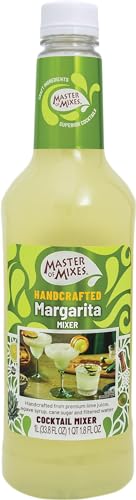
Master of Mixes Margarita Mix 1 Liter
Badge: Best Classic Citrus
Strengths
- Classic lime profile that makes a recognisable, crowd-pleasing shaken drink
- The 1 liter size suits a household that makes citrus rum drinks regularly
- Consistent behaviour makes it easy to settle on a house ratio
Trade-offs
- Bright lime can trim back the rum’s softer vanilla notes if over-poured
- A plainer flavour than the real-juice or tonic picks
- Formulated for margaritas, so expect a tequila-leaning lime character
- Format: 1 liter bottle
- Style: Classic margarita mix
Shaken with gold rum and ice and strained into a cold glass, this classic lime mix makes the sharpest drink in the guide — a daiquiri-style serve where acidity leads and the rum’s sweetness answers. It is a useful contrast to the tonics: where tonic lengthens and dries, lime concentrates and brightens. Gold rum handles both, and having this bottle in the fridge gives a household the short-drink option on the nights a long tonic feels too much like a soft drink with ambitions.
Measure the mix with a little restraint. The margarita template assumes tequila’s aggression and pours the lime generously; gold rum is softer, and an extra splash of water from a good hard shake plus a slightly lighter mix measure keeps the balance. Its ceiling is distinctiveness — this is the classic done competently, not a flavour adventure — but classics earn their status honestly.
Best for: a shaken, lime-led short drink when a long tonic serve feels too light / Not suited for: slow sipping serves where the rum should unfold gradually

Fever-Tree Light Tonic Water Cans 24 Pack
Badge: Best Lighter Serve
Strengths
- Bitter orange is a natural partner for gold rum’s spice and caramel
- A lighter style keeps a long drink refreshing rather than filling
- Botanical balance adds complexity without adding sweetness
Trade-offs
- Less body means the serve depends on good ice and a cold can
- The drier profile narrows its guest appeal compared with the classic tonic
- Another 24 pack commitment, in a more specific flavour direction
- Format: 24 pack of 5.1 fl oz cans
- Flavour note: Hint of Mexican bitter orange, per listing
- Style note: Light tonic with balanced botanicals, per listing
The Light tonic is the connoisseur’s can in this guide. Its bitter orange note does something quietly clever with gold rum: citrus oils and oak spice have an affinity, and the drink tastes composed rather than merely mixed. It is also the serve for drinkers who are moderating sweetness across the board and want the rum’s character carried by bitterness and aroma instead of sugar. Poured over a full glass of ice with an orange twist, it is arguably the most elegant drink here.
Elegance has conditions. A lighter mixer shows every flaw in the build — warm tonic, tired ice, a mean pour — so treat it as a small ritual rather than a casual assembly. Readers building a lighter repertoire across spirits will find the same philosophy in Best Mixers For Bacardi White Rum, where delicate mixers meet a delicate rum.
Best for: a crisp, aromatic rum and tonic with an orange edge, for drinkers cutting sweetness / Not suited for: casual builds with warm cans and a handful of ice

Fever-Tree Premium Indian Tonic Water 8 Pack
Badge: Best for Sharing
Strengths
- No artificial sweeteners, flavourings or preservatives, per the listing
- Larger bottles pour a table’s worth of long drinks in one opening
- A classic Indian tonic profile that flatters an amber rum’s depth
Trade-offs
- A big bottle must be finished promptly once opened or the sparkle goes
- Less portion control than cans; measuring the tonic matters too
- A pack of 8 larger bottles is a fridge-space decision
- Format: 16.9 fl oz bottles, pack of 8
- Ingredient note: No artificial sweeteners, flavourings or preservatives, per listing
- Style: Premium Indian tonic water
This is the dinner-party tonic. The larger bottle pours two or three generous rum and tonics at a sitting, which is exactly when its clean, classic profile earns the Premium name: nothing artificial in the frame, just quinine, citrus and sparkle letting a good gold rum speak. For a host making one round of identical drinks, a shared bottle is also more graceful than opening can after can at the table.
The discipline is the same as with any large sparkling format: chill it thoroughly, open it when the glasses are ready, and finish it that session. What is left flat tomorrow will not do the rum justice. Bought for the occasions it suits — a meal, a small gathering, a planned round — it is the most sociable pick in the guide, and the one most likely to convert a cola loyalist at the table.
Best for: hosts pouring a round of rum and tonics for a meal or small gathering / Not suited for: a single drinker opening a large bottle for one glass
Comparison Table
| Pick | Type | Format from listing | Best use in this guide | Listing |
|---|---|---|---|---|
| Fever-Tree Tonic Water Cans 24 Pack | Tonic water | 24 x 5.1 fl oz cans | Default rum and tonic, can-fresh every time | Check on Amazon |
| Fever-Tree Tonic Water Bottles 24 Pack | Tonic water | 24 x 6.8 fl oz bottles | One generous long serve per bottle | Check on Amazon |
| Zing Zang Strawberry Margarita-Daiquiri Mix | Strawberry margarita-daiquiri mix | 32 fl oz bottle | Blended fruity celebration serve | Check on Amazon |
| Master of Mixes Margarita Mix 1 Liter | Classic margarita mix | 1 liter bottle | Shaken citrus short serve | Check on Amazon |
| Fever-Tree Light Tonic Water Cans 24 Pack | Light tonic water | 24 x 5.1 fl oz cans | Crisp aromatic long serve | Check on Amazon |
| Fever-Tree Premium Indian Tonic Water 8 Pack | Premium Indian tonic water | 8 x 16.9 fl oz bottles | Sharing format for a planned round | Check on Amazon |
How to Choose the best mixers for bacardi gold
Start by deciding what the drink is for. If gold rum is your house pour and you drink it weekly, the tonic cans are the repertoire pick: dry, fresh and endlessly repeatable. If the bottle comes out for guests, formats divide by theatre — the strawberry mix for blended celebration drinks, the larger tonic bottles for a poured round at the table, the classic lime mix for a shaken short serve before a meal. Buying one of each family, rather than six of one style, is how a small home bar covers every occasion this rum is likely to meet.
Second, respect the sweetness stack. Gold rum reads as sweet even when it is technically dry, because vanilla and caramel are flavours the brain files under dessert. Mixers that add heavy sweetness on top — cola being the famous example outside this pool — can push a drink into cloying territory within a few sips. That is the quiet argument for this pool’s tonic lean: bitterness and acidity are the two tools that keep an amber rum drink balanced, and every pick here wields at least one of them. If you do choose the fruity or classic lime bottles, serve them colder and slightly shorter to keep the same balance.
Third, read formats literally before ordering. This pool contains cans counted in dozens, small bottles, and large sharing bottles that look similar in a thumbnail and behave completely differently in a fridge. Check the pack count, the volume per unit and the flavour variant twice, and check the latest price on Amazon at the same time, since multi-packs shift in value as listings change. Finally, buy the garnish with the mixer: lime for the citrus and classic tonic serves, orange for the light tonic, and plenty of ice for all of them. A gold rum drink is a small composition, and the mixer is only its largest part. The wider context for these choices sits in Best Mixers For Bacardi Rum, which covers the rum category as a whole.
How to Build a Rum and Tonic, Blend a Daiquiri and Fix Common Problems
For the rum and tonic, the method is short and unforgiving of shortcuts. Chill the tonic. Fill a tall glass to the brim with fresh ice — not half full, brim full. Add a measured pour of gold rum, then pour the tonic slowly down the inside of the glass to keep the bubbles alive. Add the garnish last: lime for brightness, orange if you are using the light tonic. Do not stir aggressively; two gentle lifts with a spoon are enough. The drink should hiss faintly, taste dry first and rummy second, and stay cold to the end because the ice was a structure, not a garnish.
For the strawberry serve, blend the mix, the measured rum and a generous quantity of crushed ice until the texture is smooth and thick, then pour without straining and serve immediately with a straw and a spoon’s worth of patience — blended drinks melt fast. For the shaken lime serve, shake the rum and a restrained measure of mix with hard ice until the shaker frosts, strain over fresh ice or serve straight up in a cold glass, and taste before adding anything else. In all three methods, keep opened mixes refrigerated, keep sparkling formats cold and sealed until the moment of pouring, and never top up a finished drink with extra rum to “fix” it; rebuild it instead.
Problem: the rum and tonic tastes sweet and flat. → The tonic was warm or the glass was short on ice. Rebuild with a cold can, a brim-full glass of fresh ice and a full squeeze of lime to restore the dry edge.
Problem: the strawberry daiquiri tastes of fruit but not of rum. → The fruit has taken over, usually through too much mix or too little spirit presence. Next blend, trim the mix slightly and make sure the rum measure is the full intended one, served in a smaller glass.
Problem: the shaken lime drink tastes harsh. → It is under-diluted. Shake longer with more ice; the melt water is an ingredient, and a properly shaken serve should taste bright, not aggressive.
Gold Rum and Tonic: Why the Unfamiliar Pairing Works
Rum drinkers raised on cola often meet rum and tonic with suspicion, and the suspicion is worth answering directly. Cola and gold rum share so many flavour notes — caramel, vanilla, spice — that the drink can taste like one long sweet chord. Tonic introduces the missing note: bitterness. Quinine gives the palate a reset between sips, carbonation scrubs the richness, and the rum’s own character becomes easier, not harder, to taste. It is the same reason a squeeze of lime transforms the drink; contrast is what makes richness legible.
The pairing also travels well across the gold rum category. Younger amber rums with lighter oak take the classic tonic happily, while spicier, more aged expressions flatter the bitter-orange light tonic. If a first glass tastes austere, adjust the garnish before abandoning the style: orange softens what lime sharpens, and a larger ice load smooths the bitterness into the background. Most converts report the second glass, built cold and drunk slowly, is the one that settles the question.
What to Serve Alongside: The Gold Rum Occasion Map
Matching the mixer to the moment prevents most disappointing drinks. A weeknight wind-down wants the can of classic tonic: no equipment, no washing up, a dry drink that does not demand attention. A weekend lunch with grilled food wants the light tonic and orange, because bitter citrus flavours sit comfortably beside char and salt. A celebration wants the strawberry blend, made in batches and poured small. A dinner party wants the big-bottle Indian tonic, poured at the table as a round. And the shaken lime serve belongs to the cocktail hour before food, when a short, sharp drink is the point.
Notice what the map never does: it never asks one bottle to cover every occasion. The household that buys a single mixer for a characterful rum ends up forcing it into serves it flatters least. Two or three of the formats in this guide, chosen by occasion, will outperform a case of any one of them — a principle that holds across the rum shelf, as the neighbouring guide to Best Mixers For Bad Vodka argues from the opposite problem, a spirit with too little character rather than plenty.
Read the Rum First: A Two-Minute Tasting Before You Mix
Before choosing a mixer for a gold rum, taste the rum the way you would taste anything you are about to cook with: a small pour, at room temperature, with water beside it. You are not judging it as a sipping rum — most gold mixing rums are built for company — you are mapping it. Note where the sweetness sits: some gold rums lead with vanilla, others with caramelised sugar, others with a drier, spicier oak. Note the finish: a short, sweet finish wants bitterness from the mixer; a longer, spicier finish can carry the herbal and citrus directions in this pool without disappearing.
Then add a teaspoon of water and taste again. Water opens an amber rum noticeably, separating the oak from the sweetness, and it previews what dilution in a long drink will do. If the watered rum tastes more interesting, the tonic serves in this guide will flatter it, because they are essentially structured dilution. If it tastes thinner and duller, lean toward the shaken lime serve or the strawberry blend, where the mixer contributes flavour of its own rather than asking the rum to perform. Two minutes of this turns mixer buying from guessing into matching, and it costs a thimbleful of rum.
Repeat the exercise when a new bottle enters the house, because “gold rum” is a colour, not a recipe: two amber bottles can be as different as a lager and a stout. The badges in this guide assume a middle-of-the-road gold profile — vanilla, caramel, gentle spice — and the tasting tells you which direction to lean from that centre. It is the single most useful habit a home mixer can build, and it transfers to every other spirit shelf in the house.
Gold Rum Across the Year: A Seasonal Serving Calendar
An amber rum is one of the few spirits whose best mixer genuinely changes with the weather, and planning by season gets more from the pool than any single “best” bottle. In high summer, the light tonic with bitter orange is the serve: crisp, cold and bitter enough to stay refreshing when sweet drinks turn cloying by the second glass. The strawberry blend belongs to the same season’s gatherings — blended drinks are outdoor drinks, made for gardens and balconies and the particular thirst that heat creates.
Autumn and winter tilt the shelf toward the classic tonics and the shaken lime serve. As food gets richer, the firm quinine of the classic cans earns its keep at the table, cutting through slow-cooked and roasted flavours the way a bitter aperitif does. The big sharing bottles of Indian tonic belong to the same season’s dinners, poured as a round when the meal is the event. The shaken lime drink, meanwhile, is the cocktail-hour serve of the darker months: short, sharp and warming, a deliberate contrast to the long cold drinks of July.
Spring is the Mediterranean-adjacent moment in this pool — not a separate pick here, but the season when the classic tonic with an orange garnish and the first herbs from the garden gestures in that direction. The calendar’s lesson is rotation rather than loyalty: a household that buys two formats per season will drink better all year than one that buys a case of a single style in January. Gold rum is a patient spirit; its mixers can afford to be seasonal ones.
Building a Small Home Bar Around a Gold Rum
Suppose the gold rum is the anchor bottle of a modest home bar and the question is what company it actually needs. This guide’s answer is deliberately small: two tonic formats from the pool — the classic cans for everyday and one occasion format, bottles or the sharing size — one citrus or fruit mix for the shaken and blended serves, and the garnish basics of lime, orange and ice in quantity. That is a complete gold rum repertoire. It covers the weeknight, the dinner, the party and the cocktail hour, and every element of it gets used before it gets old.
Resist the two expansions that tempt every new home bar. The first is the flavour safari — a dozen exotic mixers bought in a burst of enthusiasm, opened once and abandoned, which is how cupboards fill with sticky, ageing bottles. The second is duplication: three tonics that differ only in label, bought because each was recommended somewhere, when the honest differences in this pool are style and format, both of which a two-format shelf already spans. Buy the second bottle of what you finished, not the first bottle of what you merely read about; a home bar should be a record of what a household actually drinks.
The same restraint applies to glassware and tools. One tall glass shape for long serves, one shorter glass for shaken drinks, a measure, a long spoon and a freezer with ice — that is the entire equipment list implied by every serve in this guide. Gold rum drinking is a flavour hobby, not an equipment hobby, and the money saved on gear is better spent on the rum itself and on keeping the two or three mixers that matter fresh, cold and in rotation.
Pairing Gold Rum Drinks With Food: Where These Mixers Earn Their Keep
Gold rum drinks are underexploited at the table, partly because the cola default is too sweet for most food and partly because rum is filed as a party spirit rather than a dining one. The tonic end of this pool changes that calculation. A classic rum and tonic beside grilled meats or rich, slow-cooked dishes does the work a bitter aperitif does in other traditions: it refreshes between bites, cuts fat with bitterness and carbonation, and its modest sweetness echoes the caramelisation in the food rather than fighting it. The light tonic with orange is the better partner for seafood and salads, where its crispness and citrus behave almost like a wine’s acidity.
The fruit and citrus mixes have their own tables. The strawberry blend belongs outdoors with barbecue smoke and grilled fruit desserts, where its sweetness is an asset and its cold, thick texture stands up to bold flavours. The shaken lime serve is the pre-dinner drink of the set — short, sharp, appetite-opening — and it should stay there, because its intensity crowds a main course. Thinking of the pool as a small drinks menu, matched course by course, is the easiest way to understand why six mixers for one rum is not excess: each has a seat at a different part of the meal.
Two cautions keep food pairing honest. Serve the drinks colder and slightly drier at the table than you would on the sofa, because food adds richness the drink must balance. And keep pours modest across a meal; a dining drink is a companion, not a competitor, and the rum’s character should still be discernible in the last glass. Hosts who observe both will find gold rum quietly becoming their most requested dinner spirit — a promotion no cola serve ever earned it.
One Last Check Before You Order
Run this short audit before any mixer in this guide goes into a basket. First, name the next occasion the bottle will actually serve — a weeknight, a dinner, a party — and confirm the format matches it, because format regret is the commonest outcome in this category. Second, picture the fridge: is there room to chill the pack properly, and a plan to finish opened sparkling formats in their session? Third, confirm the garnish is either in the house or in the same order, since a gold rum serve without its citrus is a draft, not a drink. Fourth, re-read the listing’s variant and pack count one final time; the tonics in this pool wear similar faces in photographs and behave very differently in a cupboard.
If all four checks pass, the order is sound and the only remaining task is the pleasant one of the first build. If any check fails, the fix is almost always smaller, not larger: a smaller pack, a nearer occasion, a humbler plan. Gold rum itself is a lesson in the virtues of patience and proportion, and buying its mixers the same way is simply applying the spirit’s own philosophy to the shopping. Do that, and every bottle ranked above will taste like the recommendation it was written to be.
Common Buying Mistakes
The first mistake is buying mixers as if gold rum were white rum: reaching for the sweetest, fruitiest options and then wondering why every drink tastes like a dessert topping. An amber rum needs contrast, and a trolley full of sweet mixes gives it none. The second mistake is the purist’s error — deciding tonic is “for gin” and never testing the pairing that this pool is built around. Categories in the drinks cabinet are habits, not laws, and rum and tonic is the habit most worth breaking in this entire cluster of guides.
Format mistakes follow. Buyers order a 24 pack before tasting a style, chill large bottles and then dribble them across a week of flat drinks, or buy a blended-drink mix without owning the crushed ice the serve requires. And the quietest mistake of all: serving gold rum drinks over a few tired cubes from an open tray, so the spirit’s careful balance is drowned in melt water within minutes. Decide the occasion, taste before committing to volume, and treat ice as an ingredient with a budget. The rum has already done its slow work in the barrel; the least a buyer can do is not rush the last five minutes.
Final Recommendation
Begin with the Fever-Tree Tonic Water Cans 24 Pack Fever-Tree Tonic Water Bottles 24 Pack Zing Zang Strawberry Margarita-Daiquiri Mix shortlist for the fastest route in. The first of those names, the Fever-Tree tonic cans, is the recommendation for most gold rum drinkers: it is the serve you will actually make every week, dry and fresh and faithful to the rum. Take the bottle format of the same tonic when the drink is an occasion rather than a habit, and the strawberry mix when the occasion is a party. The classic lime bottle covers the shaken-drink nights, and the two remaining tonics — the bitter-orange light cans and the big sharing bottles — round out a repertoire that respects what is special about an amber rum.
The through-line of this guide is respect for the barrel. Gold rum’s vanilla, caramel and spice were put there slowly; the right mixer is simply the one that refuses to waste them. Choose the format that fits your next occasion, chill everything properly, and check the latest price on Amazon before you order.
Frequently Asked Questions
What is the classic mixer for gold rum, and why is it not ranked here?
Cola is the classic partner, in serves like the Cuba Libre with lime. It is not ranked in this guide because it is not among the verified picks for this keyword, and this guide only links products it can verify. The tonic-led pool ranked here offers a drier alternative repertoire that many gold rum drinkers prefer once they try it.
Does tonic really work with rum, or is it just a gin mixer?
It genuinely works. Quinine bitterness balances rum’s natural sweetness, carbonation lightens its richness, and citrus garnishes bridge the two. The pairing is modern rather than historical, which is why it surprises people, but flavour-wise an amber rum and tonic is a composed, adult drink — especially built long over plenty of ice.
Which pick best shows off the rum itself?
The classic Fever-Tree tonic, in cans or bottles. Its bitterness and subtle citrus frame the rum without adding competing flavours, so the vanilla, caramel and spice stay in the foreground. The light tonic is a close second, with the caveat that its bitter-orange note becomes part of the flavour picture.
Can I use the strawberry mix without a blender?
Yes. Shaken hard with ice and served over crushed or cubed ice, it makes a perfectly good fruity daiquiri-style drink with a looser texture. The blender gives the classic thick, frosty result, but the flavour pairing — real-juice strawberry with a caramel-rich rum — works in either build. Serve it in modest glasses either way.
How should I garnish a gold rum and tonic?
Lime is the default: a wedge squeezed and dropped in sharpens the classic and light tonics alike. Orange suits the light tonic’s bitter-orange note and softens the drink’s edge. Avoid elaborate garnishes; the point of the serve is the interplay of rum, bitterness and citrus, and a simple wedge keeps that focus.
How do I store the larger tonic bottles once opened?
Treat an opened sparkling bottle as a same-session product. Recapping and refrigerating will preserve it briefly, but the carbonation that makes the drink will fade, and a flat tonic flatters no rum. If your household drinks one glass at a time, the can formats in this guide exist precisely to solve that problem.


