Disclosure: topratedkitchenware.com is reader-supported. When you buy through links on our site, we may earn an affiliate commission from Amazon and other retailers, at no extra cost to you.
Where to buy
The six verified picks below are the shortlist for anyone searching for the best mixers for bad vodka. Each name links to its Amazon listing, where you can check the latest price on Amazon, confirm the current pack size, and read the newest owner feedback before you buy.
- Fever-Tree Mediterranean Tonic 24 Pack
- Fever-Tree Elderflower Tonic Cans 24 Pack
- Fever-Tree Sparkling Sicilian Lemonade
- Fever-Tree Light Tonic Water 8 Pack Cans
- Fever-Tree Tonic Water Refreshingly Light 16.9 oz
- Schweppes Tonic Water 10 Count (Pack of 6)
Read the full guide ↓ for the ranking logic, the honest limitations of every pick, and the mixing checks that matter more than any label claim.
Every home bar eventually inherits one: a bottle of harsh, hot, medicinal vodka that nobody wants to drink and nobody wants to waste. Searching for the best mixers for bad vodka is really searching for a rescue plan, and this guide treats it as one. The verified pool is a set of strongly flavoured Fever-Tree tonics and a familiar Schweppes — Mediterranean, light, elderflower and refreshingly light styles — and strong flavour is exactly what a rescue requires. A mixer for good vodka can afford to be subtle; a mixer for bad vodka has a job to do, and subtlety is not it.
The rescue rests on four levers, and every pick here pulls at least two of them. Bitterness gives the palate something authoritative to attend to besides alcohol burn. Aroma — rosemary, elderflower, bitter orange — reroutes the nose, which is where harsh spirits do most of their damage. Carbonation and cold together blunt heat and lift the drink. And length, a generous mixer-to-spirit ratio, dilutes the fault instead of concentrating it. What no mixer can do is perform alchemy: a truly dreadful spirit stays dreadful in a short drink, which is why every serve in this guide is long, cold and mixer-forward. The neighbouring rum guides, such as Best Mixers For Bacardi White Rum, ask mixers to flatter a spirit; here the request is closer to an intervention.
Read the reviews as triage. Some picks mask with herbs, some with flowers, some with sheer bitter authority, and one familiar name earns its place by being the flavour everyone already trusts. The how-to section covers the rescue build in full, including the chilling and dilution discipline that does half the work, and the mistakes section names the false economies — including the short, strong “masking” drink — that make a bad bottle worse. A bad vodka handled well becomes perfectly drinkable party stock; handled badly, it becomes a story. Choose the first outcome.
Key Takeaways
- Rescue is about masking with authority: bitterness, aroma, carbonation, cold and length are the five tools, and every pick uses several.
- Short drinks cannot be saved — build long, with a generous mixer pour over a full glass of ice.
- Herbal and floral tonics reroute the nose, where harsh vodka does most of its damage.
- Elderflower and Mediterranean styles are the strongest flavour cover in this pool.
- Serve rescues very cold; warmth exposes every fault a cheap spirit has.
- No mixer performs miracles: if a spirit tastes unpleasant even in a long, cold, bitter serve, retire it to cooking or the sink without guilt.
In this guide
Quick Picks
| Badge | Pick | Why it earns its place for best mixers for bad vodka |
|---|---|---|
| Best Overall Rescue | Fever-Tree Mediterranean Tonic 24 Pack | Rosemary-led herbal cover plus quinine — the strongest all-round disguise in the pool. |
| Best Floral Cover | Fever-Tree Elderflower Tonic Cans 24 Pack | Soft elderflower sweetness that reroutes the nose and rounds the burn. |
| Best Citrus Cover | Fever-Tree Sparkling Sicilian Lemonade | Bright lemon sparkle — the most familiar-tasting rescue in the pool. |
| Best Crisp Cover | Fever-Tree Light Tonic Water 8 Pack Cans | Bitter-orange light tonic for a dry rescue that does not add sweetness. |
| Best for a Planned Round | Fever-Tree Tonic Water Refreshingly Light 16.9 oz | A large light-tonic bottle for making one consistent round of rescue serves. |
| Best Familiar Bulk Staple | Schweppes Tonic Water 10 Count (Pack of 6) | The household-name tonic in serious quantity — the workhorse for a long rescue campaign. |
How These Picks Were Chosen
The selection lens for this guide was deliberately unglamorous: masking power per pour. Each verified tonic was ranked by the strength and character of its flavour, the firmness of its bitterness, and its ability to keep working as the drink dilutes — because a rescue drink is a long drink, and a mixer that tastes strong for two sips and then vanishes is no rescue at all. Aromatic picks scored highly because harsh vodka announces itself through the nose before the palate, and a mixer that gives the nose rosemary or elderflower to process has already won half the battle before the first taste.
All product details come from the verified listings, and the guide follows the cluster’s standing rules: research-led rather than test-claiming, no invented specifications, no printed prices, and a prompt at each pick to check the latest price on Amazon. The same honesty discipline shapes the whole mixer cluster, including Best Mixers For Bacardi Rum, where the mixers flatter a good spirit instead of covering a poor one — the sourcing, however, is identical.
A word on scope: the classic vodka rescues outside this pool — ginger beer for a mule, cranberry or citrus juices, cola — are real and are discussed as context in the buying guide. They are not linked or ranked, because this guide only ranks what it can verify. The tonic family that is ranked turns out to be a better rescue toolkit than its gin-night reputation suggests, precisely because bitterness is the one flavour a harsh spirit cannot shout over.
The 6 Best Mixers for Rescuing a Harsh Vodka
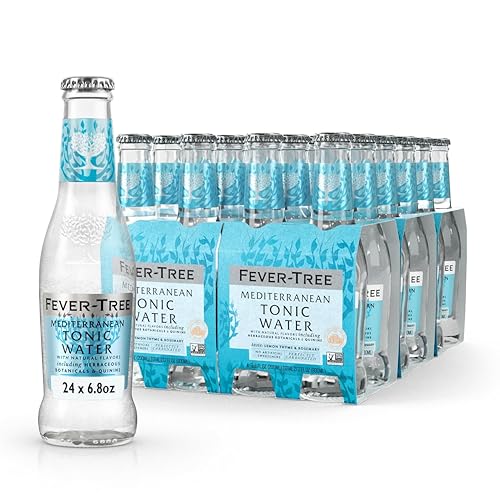
Fever-Tree Mediterranean Tonic 24 Pack
Badge: Best Overall Rescue
Strengths
- Rosemary aroma occupies the nose before the vodka can
- Herbaceous depth keeps masking as the drink dilutes
- Quinine bitterness gives the palate a firmer subject than alcohol burn
Trade-offs
- The herbal flavour is distinctive; not every drinker likes rosemary in a glass
- Bottles must be finished in the session once opened
- A determined purist will still detect a poor spirit underneath — masking is not erasing
- Format: 24 pack of 6.8 fl oz bottles
- Key ingredient note: African quinine with rosemary essential oils, per listing
- Flavour note: Subtly herbaceous and refreshing, per listing
The Mediterranean tonic takes the top spot because it attacks a bad vodka on the most fronts at once. The rosemary aroma reaches the nose first and gives the drink a savoury identity of its own; the quinine gives the palate its marching orders; the carbonation and a long pour do the dilution work. Guests drinking this build taste a herbal tonic drink that happens to contain vodka, which is exactly the outcome a rescue is supposed to produce.
Garnish is part of the mechanism, not decoration: a rosemary sprig or a strip of lemon peel reinforces the aroma story the mixer starts. Serve it in a tall glass, very cold, and do not apologise for the bottle it came from — confidence is also an ingredient. Its one honest limit is the limit of the whole category: it covers faults, it does not delete them, and a truly aggressive spirit will still warm the finish. Even so, this is the strongest cover in the pool.
Best for: the default rescue serve for parties and mixed groups drinking a harsh bottle / Not suited for: drinkers who dislike herbal flavours, whatever the vodka costs

Fever-Tree Elderflower Tonic Cans 24 Pack
Badge: Best Floral Cover
Strengths
- Elderflower’s soft sweetness rounds harsh edges more gently than sugar alone
- Floral aroma gives the drink an identity guests read as deliberate
- Cans keep portions exact, which keeps every rescue at the right ratio
Trade-offs
- Floral flavours are divisive; some guests will ask what the perfume is
- A sweeter profile than the other rescues, which not every drinker wants
- A 24 pack commitment to a distinctive flavour
- Format: 24 pack of 5.1 fl oz cans
- Key ingredient note: African quinine, per listing
- Flavour note: Soft, sweet elderflower notes, per listing
Where the Mediterranean pick disguises with savoury herbs, this one disguises with charm. Elderflower’s soft, honeyed aroma is one of the most effective covers for a rough spirit because it changes the drink’s whole register: the glass reads as a floral spring serve, and the vodka’s heat retreats to a background warmth. For drinkers who find bitter tonics austere, this is the rescue that still tastes kind.
Use it where the audience suits it — brunches, garden drinks, guests who order floral cocktails by choice. Garnish with cucumber or mint to keep the story coherent, and keep the pour long and the can cold. The honest caveat is taste politics: a committed anti-floral drinker will dislike the drink and blame the mixer, when the mixer is in fact the only thing standing between them and the unmasked bottle.
Best for: a gentle, floral rescue for drinkers who dislike bitter serves / Not suited for: anti-floral palates or anyone wanting a neutral-tasting drink

Fever-Tree Sparkling Sicilian Lemonade
Badge: Best Citrus Cover
Strengths
- Strong lemon character covers medicinal notes effectively
- Sparkling length dilutes heat while staying refreshing
- The flavour is universally familiar, so guests need no persuading
Trade-offs
- A 4 pack is a small supply for a rescue project
- Citrus sweetness means the drink still reads as a soft-drink style serve
- Acidic drinks are the wrong vehicle for anyone avoiding citrus
- Format: 4 pack of 6.8 fl oz
- Style: Sparkling Sicilian lemonade
Lemonade and vodka is a combination every drinker already understands, and familiarity is a rescue asset: nobody interrogates a glass that tastes like a sparkling lemon drink. The Sicilian lemon in this pick is fragrant rather than merely sour, which matters — a harsh vodka under a flat, sweet lemonade still tastes cheap, while under bright, sparkling citrus it tastes like a deliberate, if simple, serve.
The pack size is the practical story. Four bottles will rescue an evening, not a whole bottle of vodka, so treat this as the specialist for the drinkers who want the softest landing, and run the tonic picks as the volume operation beside it. Serve over a full glass of ice with a lemon twist, keep the vodka measure honest, and the result is the least “rescue-flavoured” drink in the guide.
Best for: guests who want a familiar citrus drink with the vodka firmly in the background / Not suited for: working through a whole bad bottle; the pack is too small to be the main plan

Fever-Tree Light Tonic Water 8 Pack Cans
Badge: Best Crisp Cover
Strengths
- Bitter orange gives the nose and palate a firm alternative focus
- A light, dry profile suits drinkers who reject sweet masking
- Small pack suits a single inherited bottle project
Trade-offs
- The least cushioning cover here; a very rough spirit may still show through
- Demands maximum cold and fresh ice to work
- Crisp and dry will not please guests expecting a soft drink
- Format: 8 pack of 5.07 fl oz cans
- Flavour note: Touch of Mexican bitter orange, per listing
- Style note: Light tonic with balanced botanicals, per listing
Some drinkers would rather taste a vodka’s roughness honestly inside a dry drink than have it perfumed, and this is their pick. The light tonic’s bitter-orange edge and firm quinine give the serve a crisp, adult frame; built very cold and long, a mediocre vodka becomes an acceptable dry highball. It is the connoisseur’s rescue — the least disguise, the most structure.
Be realistic about its ceiling. Of all the picks, this one asks the most of the base spirit, and a genuinely aggressive bottle will still warm the finish. Use it for the “not great” bottles rather than the truly dreadful ones, and reserve the herbal and floral covers for the worst cases. Matching the rescue strength to the fault is the quiet skill this whole guide is teaching.
Best for: dry-drink lovers rescuing a mediocre, not catastrophic, vodka / Not suited for: the harshest bottles, which need aromatic cover instead

Fever-Tree Tonic Water Refreshingly Light 16.9 oz
Badge: Best for a Planned Round
Strengths
- One bottle pours a round at identical strength and dilution
- Light style keeps a party serve crisp rather than sweet
- A familiar tonic profile that needs no explaining to guests
Trade-offs
- Opened bottles fade; this is a same-session format only
- Light cover shares the limits of the light style with very rough spirits
- A single large bottle is the wrong buy for one quiet drink
- Format: 16.9 fl oz bottle
- Style: Refreshingly light tonic water
Party logic favours this bottle. When the plan is to serve a group from the problem vodka, consistency is the rescue: one chilled bottle, one ratio, every glass built the same long, cold way. Batch discipline prevents the classic failure where early drinks are properly diluted and later ones, poured by eye and by mood, are not. The light profile also suits a crowd — crisp, not sweet, and easy to drink alongside food.
The rule, as with every large sparkling format in this cluster, is commitment: open it when the glasses are ready and finish it at the occasion. A host who does that gets the most controlled version of the rescue in the guide. A host who opens it for a single Tuesday drink gets a flat Wednesday, and neither the tonic nor the vodka will be to blame.
Best for: hosts serving a planned round of identical rescue drinks / Not suited for: single drinks or staggered, informal pouring

Schweppes Tonic Water 10 Count (Pack of 6)
Badge: Best Familiar Bulk Staple
Strengths
- A familiar flavour guests already trust, which lowers every eyebrow in the room
- A large multi-pack supply suits working through a bottle over several occasions
- A classic, no-surprises tonic profile that mixes predictably
Trade-offs
- A plainer flavour than the Fever-Tree picks, with less aromatic cover
- Bulk quantity is a storage commitment
- Predictability cuts both ways: it will not disguise as cleverly as the herbal or floral picks
- Format: 10 count, pack of 6
- Style: Classic tonic water
Sometimes the best rescue is the one nobody questions. Schweppes is the tonic flavour most drinkers grew up with, and a vodka and Schweppes with lime reads instantly as a normal drink — which, for a host quietly working through a bad bottle, is a social feature no craft mixer can match. The bulk format supports the long campaign: several occasions, same build, no reordering drama.
Its masking is honest but plain. Bitterness and bubbles do the work, without the aromatic reinforcements of the Fever-Tree specialists, so build it long, cold and lime-forward to compensate. Think of it as the infantry of this guide: not the cleverest pick, but the one that shows up in quantity and gets the bottle finished without a single guest asking questions.
Best for: quietly working through a bad bottle over several ordinary occasions / Not suited for: the single worst bottles, which need aromatic cover
Comparison Table
| Pick | Type | Format from listing | Best use in this guide | Listing |
|---|---|---|---|---|
| Fever-Tree Mediterranean Tonic 24 Pack | Mediterranean tonic | 24 x 6.8 fl oz bottles | Herbal cover, strongest all-round disguise | Check on Amazon |
| Fever-Tree Elderflower Tonic Cans 24 Pack | Elderflower tonic | 24 x 5.1 fl oz cans | Floral cover for gentler palates | Check on Amazon |
| Fever-Tree Sparkling Sicilian Lemonade | Sparkling lemonade | 4 x 6.8 fl oz bottles | Citrus cover, softest landing | Check on Amazon |
| Fever-Tree Light Tonic Water 8 Pack Cans | Light tonic water | 8 x 5.07 fl oz cans | Dry structured rescue, lightest cover | Check on Amazon |
| Fever-Tree Tonic Water Refreshingly Light 16.9 oz | Light tonic water | 16.9 fl oz bottle | Consistent round for a group | Check on Amazon |
| Schweppes Tonic Water 10 Count (Pack of 6) | Classic tonic water | 10 count, pack of 6 | Familiar bulk workhorse | Check on Amazon |
How to Choose the best mixers for bad vodka
Grade the fault before choosing the cure. A vodka that is merely hot and one-dimensional — the commonest kind of bad — will disappear happily under any pick in this guide built long and cold. A vodka with medicinal, rubbery or solvent-like notes needs aroma as well as bitterness, which means the Mediterranean or elderflower picks and a garnish that continues their story. A vodka that tastes actively unpleasant even in a long, cold, bitter drink is beyond mixers; the honest purchase in that case is no purchase, and the bottle should be retired. Spending good mixer money chasing an unsalvageable spirit is the category’s central false economy.
Next, match the format to the campaign. A single inherited bottle that will be served at one gathering wants the large light bottle or the Mediterranean pack and a fixed house ratio. A bottle being worked through ordinary weeknights wants cans, whose portions enforce the ratio without thought. A mixed group with unknown tastes wants a two-front stock: one aromatic cover and the familiar Schweppes, so every guest can be routed to a drink they will accept. Check pack counts on the listing carefully — this pool mixes 4 packs, 8 packs, 24 packs and bulk cases in similar photography — and check the latest price on Amazon before committing to volume.
Finally, budget for the supporting cast, because a rescue is a system, not a bottle. Ice in quantity, lemons and limes, one aromatic garnish, and tall glasses all do measurable masking work. It is also worth knowing the classics outside this verified pool — a ginger-beer mule and citrus-juice serves are legitimate rescues discussed here as context — but if the shopping trip is for tonics, this pool covers the bitter, herbal, floral, citrus and familiar bases between its six picks. Readers rescuing other spirits will find the same grade-the-fault logic in Best Mixers For Bacardi 151, where the fault is strength rather than flavour.
How to Rescue a Bad Vodka: The Build, the Chill and the Fixes
Begin before the glass: put the vodka in the freezer and the mixers in the coldest part of the fridge well ahead of serving. Cold is the cheapest mixer in this guide, and it is not optional — warmth volatilises exactly the harsh notes you are trying to hide, while deep chill suppresses them and lets bitterness and aroma lead. When serving, fill a tall glass completely with fresh ice, add a modest, measured pour of the cold vodka, and fill with the mixer poured slowly to keep its carbonation. Garnish with intent — the aroma is part of the recipe — and serve immediately.
Hold the ratio long. The instinct to “use up” a bad bottle by pouring it generously is the rescue’s fatal error: it concentrates the fault, overwhelms the mixer and produces the strong, nasty drink that confirms everyone’s opinion of the bottle. A modest pour in a long drink tastes better, lasts longer and, across an evening, uses the bottle at the same total rate with far happier guests. Store opened still ingredients refrigerated, treat opened sparkling bottles as same-session products, and keep a fresh-ice rule for every glass — melt water from a tired first drink is a fault no mixer should be asked to cover.
Problem: the drink still burns. → It is too short or too warm. Lengthen it with more mixer and ice, serve the vodka freezer-cold, and reduce the pour in the next round rather than adding sweetener to this one.
Problem: a medicinal note comes through the tonic. → Bitterness alone is not covering it. Switch to the Mediterranean or elderflower pick, add an aromatic garnish, and make sure the drink is at maximum cold before judging it.
Problem: the rescue tastes fine at first and harsh by halfway. → The ice has melted and the drink has warmed and concentrated. Rebuild on fresh ice in a taller glass; a rescue drink should be finished while it is still cold, not nursed.
Why Bitterness Is the One Flavour a Bad Spirit Cannot Shout Over
There is a reason this verified pool, chosen for other spirits entirely, works as a rescue kit: quinine. Sweetness can be out-shouted by a harsh spirit, because alcohol heat and sugar simply coexist and the heat wins on the finish. Bitterness behaves differently — it seizes the palate’s attention, structures the sip, and gives the finish somewhere to go besides burn. That is why even the plainest pick here, the familiar Schweppes, rescues more effectively than a sweeter mixer of higher nominal quality, and why the tonic family keeps recurring across this cluster of guides wherever a spirit needs organising.
Aroma is bitterness’s partner in the mechanism. Much of what drinkers call a vodka’s harshness is actually smell — volatile, medicinal top notes that reach the nose before the liquid reaches the tongue. A mixer with a confident aroma, rosemary or elderflower or bitter orange, gives those receptors a different, pleasanter assignment. Understanding the two mechanisms lets a host improvise intelligently with whatever is in the cupboard: if it is bitter or aromatic, it is a candidate; if it is merely sweet, it is a spectator.
Party Doctrine: Serving the Problem Bottle Without Announcing It
A short section of social engineering, offered without embarrassment, because this is the situation the keyword actually describes. Choose one house rescue serve for the event and make it well: one mixer, one ratio, one garnish, built identically every time. Offer it by name — a Mediterranean tonic highball sounds like a choice, because it is one — and pour the good bottles for the guests who ask for specific drinks. Keep the water, the soft versions and the food coming, and keep every serve long and cold as the evening progresses rather than letting ratios drift.
What not to do matters equally. Do not announce the rescue, which primes guests to taste faults; do not serve the bottle in short drinks “to get it over with”, which manufactures the worst version of it; and do not mix the problem bottle into a punch at full strength and hope dilution by volume saves it — a punch is just a long drink that has lost its portion control. Handled with this doctrine, most bad bottles end their lives as perfectly decent party stock, which is the best ending they were ever going to get. The same host-first thinking runs through Best Mixers For Bacardi Gold, applied to a bottle worth showing off instead of one worth covering.
Know the Fault: A Field Guide to What Makes Vodka Taste Bad
Not all bad vodkas are bad in the same way, and the rescue works better when the fault is named. The commonest fault is simple heat: a spirit distilled or blended without much care for smoothness, which drinks hot and thin and leaves a raw warmth on the finish. Heat is the easiest fault to rescue, because dilution and cold address it directly, and every pick in this guide handles it. The second fault is medicinal or chemical top notes — smells that suggest a pharmacy shelf — which live in the nose and therefore demand aromatic cover: this is the Mediterranean and elderflower territory, where the mixer’s perfume arrives first and stays.
The third fault is a soapy, sweet or oddly flavoured palate, sometimes from over-enthusiastic additives in budget production. Sweetness-based masking fails here, because the fault itself is sweet-adjacent; bitterness is the corrective, and the drier tonics earn their keep. The fourth and final fault is the genuinely unpleasant one — solvent-like, aggressive, unpleasant even at arm’s length — and this guide’s position is blunt: that bottle is not a mixing project. Naming the fault honestly before shopping prevents the classic waste of premium mixers poured over a spirit that a thirty-second nosing would have condemned.
A quick home diagnostic takes one small pour. Smell it at arm’s length, then closer; taste a teaspoon neat, then a teaspoon in three teaspoons of cold water. The water test is the tell: dilution reveals whether the fault is concentration — fixable, since a long drink is dilution with flavour — or character, which no ratio will remove. File the bottle accordingly, buy for the fixable ones, and let the diagnostic, not optimism, write the shopping list.
The Cold Doctrine: Temperature as the Cheapest Mixer You Own
Every rescue in this guide leans on cold, and the mechanism deserves its own section because it is free. Cold suppresses volatility: the harsh, high notes of a rough spirit literally reach the nose less aggressively from a near-freezing drink, while the flavours a mixer wants to project — quinine’s bitterness, rosemary’s oils, elderflower’s perfume — remain legible at low temperatures. Cold also numbs the palate slightly, in the useful sense: the burn receptors that a bad vodka excites are quieter in a cold mouth. A rescue built at fridge temperature is therefore not the same drink served colder; it is a measurably better-masked drink.
The doctrine has three working rules. Chill the spirit itself — the freezer is a vodka’s natural home, and a freezer-cold pour starts the drink with a masking advantage no garnish can match. Chill the mixer until it is properly cold, not cool-ish, because a lukewarm tonic poured over ice spends its carbonation and its cold budget in the first thirty seconds. And protect the finished drink: tall glass, full ice, prompt drinking, no nursing a rescue serve across an hour of warming. A drink that starts masked and ends warm and concentrated has simply postponed the fault to the last third of the glass.
Hosts sometimes resist the doctrine as fussiness, until the side-by-side test settles it: the same bad vodka, the same tonic, one glass built warm and short, one built freezer-cold and long. The difference is not subtle, and it costs nothing but forethought. In a category where the entire premise is making the best of a poor purchase, the free improvements should always be collected first — before the elderflower, before the garnish, before anything with a price attached at all.
After the Bad Bottle: Turning a Rescue Into a Repertoire
The quiet success story of a rescued bottle is what it teaches the household that drank it. A family that bought Mediterranean tonic to cover a harsh vodka frequently discovers it prefers the herbal serve with its next, better bottle too — the rescue mixer becomes the house style, and the bad purchase ends up improving the home bar permanently. That is the healthiest way to frame the whole exercise: the mixers in this guide are not a penalty paid for a mistake, they are good bottles in their own right, bought under honest pretences, and most of them will outlast the spirit they were bought to fix.
It is worth deciding, while the rescue is still running, what the next vodka purchase should learn from it. The lesson is rarely “spend much more” — the middle of the vodka market is crowded with clean, neutral bottles — it is “buy for neutrality, in a size the household will finish while it is fresh, from a producer whose plain bottle is the flagship rather than an afterthought”. And keep one rescue-grade tonic in the house permanently thereafter, because guests bring bottles, gifts disappoint, and a home bar with a masking plan never has to serve a bad drink again.
Finally, a word for the bottle that started all this, once it is empty: let it go without mythology. It was not a bargain, it was not a catastrophe, it was tuition. The household now owns a diagnostic method, a cold doctrine, a set of masking mixers and a clearer sense of its own palate than it had before the purchase. Few bottles at any price teach that much — which is the closest thing to a happy ending that the best mixers for bad vodka can honestly offer.
The One-Glass Test: Auditioning Any Mixer Against a Bad Bottle
Before any bulk purchase, run the audition this guide has referenced throughout, in full. Take the worst glass the bottle produces on its own terms — a small neat taste, noted honestly — and then build one long serve with the candidate mixer: freezer-cold spirit, a modest measure, a full glass of fresh ice, the mixer poured to length, the garnish the mixer wants. Taste it at once, at five minutes and at fifteen, because a rescue must work across the life of the drink, not just its first impression. A mixer that masks for two sips and surrenders by the halfway point has failed the only test that matters.
Score the audition on three plain questions. Does the nose read as the mixer’s aroma rather than the spirit’s fault? Does the finish end on bitterness, citrus or herbs rather than on heat? And would you serve this glass, without explanation, to a friend whose palate you respect? Three yeses mean the pairing works and bulk buying is justified. Two mean the build needs work — colder, longer, better garnished — before the mixer is blamed. One or none, repeated across two different mixer styles, is the bottle’s verdict, and the honest response is to stop spending on it.
Keep the audition’s discipline for good bottles too, inverted: when a fine vodka arrives, the same three questions tell you which mixer flatters rather than covers, and the household’s tonic stock suddenly serves both ends of the shelf. A single repeatable test, applied at both extremes, is worth more than a cupboard of opinions — and it is the method this entire cluster of guides is built on, whether the spirit in question deserves rescue or celebration.
One Last Check Before You Spend on a Rescue
Rescue shopping has one extra gate that ordinary mixer buying does not: the test drink comes before the case, always. If the bottle has not yet passed the one-glass audition described above — long, freezer-cold, properly garnished — then the correct order today is a single small format, not the 24 pack, however attractive the bulk listing looks. Confirm, too, that the household owns the rescue’s supporting cast: ice in quantity, citrus, tall glasses and fridge room for chilling both spirit and mixer. A rescue is a system, and a system bought in pieces fails at its missing piece.
Then set the campaign’s terms in advance: the house ratio, the occasions the bottle will serve, and the point at which spending stops if the drinks disappoint. Decided coldly, those terms protect both the wallet and the guests. Decided loosely, they drift, and drift is how a five-drink problem becomes a five-case cupboard. Buy the cover that matches the fault, keep every serve long and cold, and let the bottle end its life as a story about good hosting rather than a monument to optimism.
A Final Serving Note
Judge every rescue in this guide on its best behaviour before judging it at all: freezer-cold spirit, a fresh can or bottle, a full glass of new ice, the garnish in place. A harsh vodka served warm and short is not a fair trial of any mixer, and more good tonics have been wrongly condemned by careless builds than by any fault of their own. Build the first glass exactly as the how-to section specifies, taste it across its full life, and only then adjust. The rescue that survives that honest trial will survive the party too.
Common Buying Mistakes
The first mistake is buying a delicate mixer for a heavy job: a subtle, lightly flavoured tonic that would flatter a premium vodka will be trampled by a harsh one, and the buyer concludes that tonic “doesn’t work” when the pairing was simply outmatched. Rescue buying should run the other way — choose the strongest flavour in the shop that your guests will still enjoy. The second mistake is the sugar reflex: reaching for the sweetest juices and sodas to bury the burn, and building drinks that taste soft for two sips before the heat walks through the sweetness and stays. Sweetness decorates a fault; bitterness and aroma actually contest it.
The third mistake is economic: spending premium mixer money, in bulk, on a spirit that a single test drink would have condemned. Always run one long, cold trial serve before committing to a case. And the fourth is presentational — serving the rescue warm, short or in a small glass to “be efficient”, then blaming the mixer. Every condition that makes a good vodka taste better makes a bad vodka taste survivable, and they are all cheap: cold, length, ice, garnish. Skip them and no purchase in this guide can save the evening.
Final Recommendation
Work from the Fever-Tree Mediterranean Tonic 24 Pack Fever-Tree Elderflower Tonic Cans 24 Pack Fever-Tree Sparkling Sicilian Lemonade shortlist. The first name there, the Mediterranean tonic, is the recommendation for most rescues: its rosemary aroma and quinine structure give a harsh vodka the most complete new identity in the pool. Choose the elderflower cans for gentler palates, the lemonade for the softest landing, the light cans for dry drinkers with a merely mediocre bottle, the big light bottle for a planned round, and the Schweppes case for the long, quiet campaign across several occasions.
The principle to keep is proportionality: grade the fault, match the cover, build it long and cold, and stop spending when a test drink says the bottle is beyond help. Within those rules, a bad vodka is not a disaster — it is a tonic-buying exercise with a happy ending. Chill everything, measure honestly, and check the latest price on Amazon before you order.
Related guides
- Best Mixers For Tito S Vodka
- Best Mixers With Plum Vodka
- Best Soda Mixers For Vodka
- Best Tito S Vodka Mixers
Frequently Asked Questions
Can a mixer really make bad vodka taste good?
It can make it taste like a good mixed drink, which is the realistic goal. Bitterness, aroma, carbonation, cold and dilution together can move a harsh spirit into the background of a serve that tastes deliberate. What mixers cannot do is make a bad vodka taste like a premium one in a short or neat serve — the fault needs length and cold to hide in.
Should I filter cheap vodka to improve it first?
Filtering through a standard water filter is a popular home experiment and some drinkers report a smoother result, but this guide takes no position beyond noting the mixer strategy works regardless. If you filter, still build the drink long and cold; filtration, at best, reduces the fault rather than removing the need for a proper rescue serve.
Why not just use juice or cola to hide it?
Juice and cola are legitimate rescues and are mentioned in this guide as context, but they are not in the verified pool, so they are not ranked or linked here. They also mask mainly with sweetness and acid, which fades as a drink warms; tonic bitterness keeps working to the last sip, which is why the ranked pool performs so consistently.
What ratio should a rescue drink use?
Longer than your instinct. A modest measured pour of vodka under a full can or bottle measure of mixer, over a glass filled with ice, is the working template in this guide. If the drink still burns, the next adjustment is a smaller spirit pour — never a larger one in the hope of finishing the bottle faster.
Is it dishonest to serve guests a rescued bottle?
No, provided the drink itself is good and moderation is respected. Hosts choose mixers to suit spirits all the time; matching a strong-flavoured tonic to a harsh bottle is ordinary good hosting, not deception. What would be poor hosting is serving a spirit you know tastes unpleasant in a form guests cannot enjoy — which is exactly what the rescue prevents.
When should I give up on a bottle?
When a long, cold, aromatic serve still tastes actively unpleasant — medicinal, solvent-like or simply nasty on the finish. At that point further mixer spending is waste. Retire the bottle without ceremony; the guides in this cluster exist to make good drinks, and no mixer earns its place by martyrdom.


