Disclosure: topratedkitchenware.com is reader-supported. When you buy through links on our site, we may earn an affiliate commission from Amazon and other retailers, at no extra cost to you.
Where to buy
The best mixers for champagne respect one fact above all: champagne is delicate, so the mixer you pour beside it matters more than the mixer you would choose for a bolder spirit. Every option below is a verified drink mixer that can lengthen, sweeten, or add sparkle to a champagne pour without completely burying the wine. Start with the full list here, then read the detailed reviews before you decide how much citrus, fruit, or bitterness your glasses actually need.
- Zing Zang Original Margarita Cocktail Mix, 32 Fl Oz — Best Overall
- Zing Zang Strawberry Margarita-Daiquiri Mix, 32 Fl Oz — Best Fruity
- Fever-Tree Tonic Water Mixer, 24 Pack, 5.1 Fl Oz Cans — Best for Spritzes
- Master of Mixes Margarita Mix, 1 Liter Bottle — Most Versatile
- Daily’s Margarita Mix, 64 oz Bottle — Best for Batch Serving
- Fever-Tree Light Tonic Water Mixer, 24 Pack, 5.1 Fl Oz Cans — Best Light Option
Read the full guide ↓
Introduction: Finding the Best Mixers for Champagne Without Flattening the Wine
The best mixers for champagne succeed or fail on restraint. Champagne already brings acidity, fine bubbles, and subtle fruit and bread-like notes of its own, so a mixer that would be perfect in a margarita can easily overwhelm a flute if you pour it with the same heavy hand. That is the central tension of this guide, and it shapes every recommendation that follows. We looked for mixers that can play three distinct roles beside sparkling wine: a citrus role for champagne cocktails in the family of the French 75 and the champagne margarita, a fruit role for bellini-style and brunch serves, and a sparkling bitter role for spritzes where tonic lengthens the wine and adds a dry edge. Within each role, balance matters more than intensity. You want enough flavor to justify mixing at all, but not so much sugar or acid that the wine disappears underneath it.
There is also a practical side that many roundups ignore. Champagne occasions are rarely solo occasions. They are toasts, brunches, showers, holiday mornings, and small celebrations where you may be pouring for six people at once, some of whom want a full cocktail and some of whom want something lighter. A good champagne mixer therefore needs to work at small ratios, taste consistent from the first glass to the last, and ideally double as a mocktail base for guests who skip the wine entirely. Several picks in this list earn their place partly because they pour just as happily over ice with soda for a non-alcoholic serve. If you are also building a broader home bar, the same thinking about balance applies when you shop for Best Mixers For Cocktails more generally, because champagne is simply the least forgiving base you will mix with.
Finally, a note on expectations. None of these mixers will improve a champagne you dislike on its own, and none of them should be used to hide a wine that has gone flat or oxidized. Mixing is a way to steer a decent sparkling wine in a new direction — brighter, fruitier, drier, longer — not a rescue operation. Buy a sound, dry sparkling wine you would happily sip neat, keep both the wine and the mixer cold, and use the ratios in the how-to section as starting points rather than rules. Taste the first glass, adjust, and only then batch for guests.
Key Takeaways
- Ratio is everything with champagne: start at roughly one part mixer to three or four parts wine, taste, and only then add more.
- Citrus margarita-style mixes work in champagne cocktails, but only in small, bright doses — their lime and salt notes are built for tequila, not wine.
- Fruit mixes such as the strawberry pick are the natural choice for bellini-style brunch glasses and for guests who prefer a softer, sweeter serve.
- Tonic water mixers make the driest, longest champagne drinks; the light tonic keeps that profile with fewer calories per can, according to its listing.
- Chill everything. Warm mixer kills bubbles faster than almost any other mistake, and flat champagne cannot be rescued by a good mixer.
- Every pick here also works as a mocktail base over ice, which makes one bottle or pack cover drinkers and non-drinkers at the same gathering.
In this guide
Quick Picks
| Pick | Badge | Format from listing | Best use with champagne | Link |
|---|---|---|---|---|
| Zing Zang Original Margarita Cocktail Mix | Best Overall | 32 Fl Oz plastic bottle, real fruit juice | Bright citrus champagne cocktails | Check on Amazon |
| Zing Zang Strawberry Margarita-Daiquiri Mix | Best Fruity | 32 Fl Oz, real fruit juices | Bellini-style brunch glasses | Check on Amazon |
| Fever-Tree Tonic Water Mixer | Best for Spritzes | 24 pack, 5.1 Fl Oz cans, real quinine | Dry, bitter-edged spritzes | Check on Amazon |
| Master of Mixes Margarita Mix | Most Versatile | 1 Liter bottle | House champagne cocktail base | Check on Amazon |
| Daily’s Margarita Mix | Best for Batch Serving | 64 oz bottle | Large-batch punches and parties | Check on Amazon |
| Fever-Tree Light Tonic Water Mixer | Best Light Option | 24 pack, 5.1 Fl Oz cans, light recipe | Lower-calorie spritzes | Check on Amazon |
The table rewards a second look if you are torn between the citrus and sparkling families. Citrus mixes change the flavor of the drink; tonic mixers change its texture and length. If your guests love classic champagne cocktails with a lime-bright edge, stay in the first family. If they prefer a long, dry, aperitif-style glass they can sip slowly, stay in the second. The strawberry pick sits between the two worlds: it changes the flavor clearly, but its fruit softness reads gentler in a flute than sharp lime does. Hosts who entertain mixed crowds often keep one bottle from each family on hand, which is still a modest shopping list compared with stocking separate liqueurs, syrups, and juices. Readers planning a full sparkling-wine menu may also want to compare notes with our coverage of Best Mixers For Citrus Vodka, because citrus vodka and champagne reward many of the same bright, cold, lightly sweetened partners.
How These Picks Were Chosen
This is a research-led guide, not a hands-on laboratory test, and we want to be plain about that. We did not open every bottle beside every champagne in a controlled tasting. Instead, we built the shortlist from verified product listings, compared what each listing actually states about ingredients, format, and intended use, and then judged each mixer against the specific demands champagne makes: acidity that complements rather than duplicates the wine, sweetness that can be dosed in small amounts, carbonation where the mixer itself is sparkling, and flavors that stay recognizable at low ratios. Any mixer whose listing promised intensity above all else was treated with suspicion, because intensity is precisely what a delicate sparkling wine does not need.
We also weighted format heavily. Champagne occasions cluster around gatherings, so bottle and pack sizes, resealability, and single-serve cans all matter in real use. A large bottle that pours well for a party punch scores differently from a slim can that keeps its fizz for one spritz at a time, and both can be the right answer for different hosts. Ingredient signals in the listings — real fruit juice, real quinine, no high fructose corn syrup, cane sugar and agave — were used as quality cues, not as guarantees of taste, and we have repeated only what the listings themselves claim. Where a listing was silent about a detail, we left that detail out rather than filling the gap with a guess.
One more filter deserves mention: versatility beyond champagne. A mixer bought for one brunch should not become refrigerator clutter afterward. Every pick here has an obvious second life — in margaritas, in gin or vodka serves, or as a standalone mocktail base — so a bottle opened for champagne still earns its shelf space in the weeks that follow. That same second-life logic is why hosts who stock up for sparkling wine often end up well covered for Best Mixers For Clear Rum nights as well, since citrus and tonic both cross over cleanly.
The 6 Best Mixers for Champagne

Zing Zang Original Margarita Cocktail Mix, 32 Fl Oz
Badge: Best Overall
Strengths
- Made with real fruit juice, according to the listing, which gives its lime profile a fresher edge than purely artificial citrus mixes.
- The listing notes no high fructose corn syrup, a meaningful cue for a mixer you will taste clearly in a wine glass.
- A single 32 Fl Oz bottle covers many champagne cocktails because you use it in small ratios.
Trade-offs
- It is built for margaritas, so its salt-and-lime assertiveness must be dosed carefully beside wine.
- Plastic bottle format is practical but less elegant to bring to the table than glass.
- Once opened, it needs refrigerator space and steady use to be finished at its best.
Mini spec box: Format: 32 Fl Oz plastic bottle (from listing). Juice note: made with real fruit juice. Sweetener note: no high fructose corn syrup. Origin note: made in USA. Flavor family: lime margarita.
In a champagne glass, this mix behaves like a concentrated citrus seasoning rather than a co-star, and that is exactly how to use it. A small measure in the bottom of a flute, topped slowly with cold dry sparkling wine, gives you a bright, lime-lifted cocktail that still tastes unmistakably of wine. The real-juice base helps here: the citrus reads round rather than candy-like, so it folds into the wine’s own acidity instead of sitting on top of it. For a brunch service, try it in a champagne margarita format — a restrained pour of this mix, the wine, and a twist of lime peel expressed over the glass — and you will see why it leads the list. It also pulls double duty as a mocktail base with soda and ice for guests skipping alcohol, which makes a single bottle unusually hardworking across a mixed crowd.
The honest limitation is discipline. Pour this mix the way you would pour it for a margarita and the wine vanishes; all you will taste is a fizzy lime drink. New users should measure the first round rather than free-pouring, find the ratio their palate likes, and write it on the bottle if they plan to batch. Used with that restraint, it is the most rewarding citrus option here. Used carelessly, it is the easiest one to get wrong.
Best for: hosts who want one bright citrus mixer for champagne cocktails and margaritas alike / Not suited for: drinkers who want the wine’s flavor completely untouched.

Zing Zang Strawberry Margarita-Daiquiri Mix, 32 Fl Oz
Badge: Best Fruity
Strengths
- Made with real fruit juices, per the listing, for a strawberry profile that reads as fruit rather than syrup alone.
- The softest, most approachable flavor in this list for guests who find dry champagne austere.
- Non-alcoholic mixer format means the same bottle builds strawberry mocktails for non-drinkers.
Trade-offs
- Sweeter and more dominant than the tonic picks; it will steer the drink firmly toward fruit.
- Strawberry and wine is a brunch profile, not an aperitif one — less suited to savory pre-dinner service.
- Color transfers to the glass, so pale, elegant presentation gives way to a pink serve.
Mini spec box: Format: 32 Fl Oz, pack of 1 (from listing). Juice note: made with real fruit juices. Type note: non-alcoholic cocktail mixer. Origin note: made in USA. Flavor family: strawberry margarita-daiquiri.
If the citrus pick is seasoning, this strawberry mix is a sauce — generous, fruity, and meant to be tasted. That makes it the natural bellini alternative in this lineup. A classic bellini uses peach puree; a strawberry champagne serve borrows the same architecture, fruit first and wine poured gently over it, and this mix supplies the fruit layer without any peeling, hulling, or blending on the morning of a brunch. The result is a pink, softly sweet glass that reliably pleases guests who bounce off dry sparkling wine served straight. For showers, holiday mornings, and warm-weather patios, that crowd-pleasing quality is worth more than purist elegance.
Technique matters with fruit mixes. Pour the mix into the flute first, then add the wine in a slow stream, pausing if the foam climbs, and give one gentle stir at most. Aggressive pouring or stirring will knock the bubbles out and leave the drink tasting flat and sweet rather than lively. A small fresh strawberry on the rim, if you have one, bridges the mix’s flavor and makes the glass look intentional rather than improvised. And because the mix is non-alcoholic, the same presentation works with sparkling water for a matching mocktail, so every guest’s glass looks alike at the table.
The limitation to respect is sweetness management. With a sweeter sparkling wine, this mix can push the drink into dessert territory. Choose the driest wine you can for fruit mixing, keep the ratio modest, and let guests who want more fruit add it themselves. Controlled that way, it is the friendliest bottle in this guide.
Best for: brunches, showers, and guests who prefer fruit-forward, softer champagne serves / Not suited for: purists who want a dry aperitif profile.

Fever-Tree Tonic Water Mixer, 24 Pack, 5.1 Fl Oz Cans
Badge: Best for Spritzes
Strengths
- Real quinine gives a genuine bitter edge that dries out a champagne serve beautifully, per the listing.
- Single-serve 5.1 Fl Oz cans keep their carbonation until the moment you open them — no flat half-bottles.
- Subtle citrus and fruit notes in the listing’s description suit wine better than heavily flavored tonics would.
Trade-offs
- A 24-can pack is a commitment in pantry space if you only mix occasionally.
- Quinine bitterness divides opinion; bitter-averse guests may prefer the fruit picks.
- Cans chill fast but also warm fast once poured, so serve promptly.
Mini spec box: Format: 24 pack, 5.1 Fl Oz cans (from listing). Key ingredient note: real quinine. Flavor notes from listing: subtle citrus and fruit notes balanced by quinine bitterness. Intended serves in listing: gin and tonic or vodka and tonic — used here as a champagne spritz mixer.
A champagne-and-tonic spritz sounds unusual until you taste one made carefully. The tonic lengthens the wine, its bitterness frames the wine’s fruit, and the combined bubbles keep the glass lively far longer than wine alone stays lively in a warm room. This Fever-Tree pick is built for that job: the listing’s own description emphasizes balance — citrus and fruit notes held in check by quinine — and balance is the whole game beside sparkling wine. Use a large wine glass rather than a flute, add ice if the occasion is casual, pour the wine first, then the tonic gently down the side, and finish with a citrus twist. The result is an aperitif that drinks drier and longer than a straight pour, which is precisely what you want before a meal.
The can format quietly solves the oldest problem in home mixing: the opened bottle going flat in the fridge. Each spritz gets a fresh can, so glass twelve tastes like glass one. That consistency matters at gatherings, and it is why this pick outranks bottled tonics for hosts. The same cans obviously serve their listed purpose in gin and vodka drinks on other nights, and readers stocking a flexible bar often pair this kind of purchase with Best Mixers For Ciroc Red Berry for berry vodka serves, since a good tonic crosses between the two without missing a beat.
Its limitation is simply taste: quinine is bitter, and no ratio trick removes that character entirely. If your crowd leans sweet, choose the strawberry pick instead. If your crowd leans dry, this is the most sophisticated mixer in the guide.
Best for: dry-palate drinkers and aperitif-style spritz service / Not suited for: guests who dislike bitterness in any form.
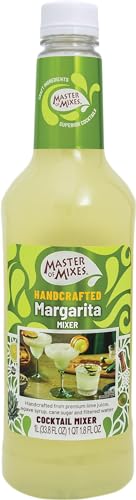
Master of Mixes Margarita Mix, 1 Liter Bottle
Badge: Most Versatile
Strengths
- The 1 Liter bottle is a practical house size: enough for a gathering, small enough to finish while fresh.
- A familiar, consistent margarita profile makes ratios predictable from glass to glass.
- Equally at home in champagne cocktails, classic margaritas, and soda-based mocktails.
Trade-offs
- The listing gives fewer ingredient details than some rivals, so quality cues are thinner on paper.
- Its profile is assertive; champagne use demands the same small-ratio discipline as the other citrus picks.
- One liter disappears quickly if you also serve margaritas at the same event.
Mini spec box: Format: 1 Liter bottle (from listing). Flavor family: margarita. Use note: cocktail and mocktail mixing.
Every home bar benefits from one dependable, middle-of-the-road citrus mix, and that is the role this bottle plays beside champagne. Its flavor is the classic margarita template — lime-forward, sweetened, built to be recognized — which makes it the easiest citrus pick for a first-time champagne-cocktail maker to calibrate. Start with a teaspoon-scale pour in a flute, top with wine, taste, and build from there. Because the profile is consistent bottle to bottle, once you find your ratio you can reproduce it at the next gathering without re-dialing everything in, and consistency is an underrated virtue when you are hosting rather than bartending for yourself alone.
Versatility is the deeper argument. The same liter that brightens champagne on Saturday makes margaritas the following weekend and lime mocktails in between, so it rarely lingers unfinished. Hosts who buy a single citrus mix for all purposes should start here and only specialize later if a favorite drink emerges. If your household leans toward orange liqueur drinks as well, the citrus calibration you learn with this bottle transfers directly when you explore Best Mixers For Cintronge, since both revolve around managing bright citrus against a base you do not want to bury.
The trade-off is distinction. Nothing about this mix is rare or surprising, and beside a particularly fine champagne its straightforward sweetness can feel a touch blunt compared with the real-juice Zing Zang. Pair it with a good everyday sparkling wine rather than your most precious bottle, and it will never disappoint you.
Best for: one-bottle households that want a predictable citrus mix for many drinks / Not suited for: showcasing a special vintage champagne.

Daily’s Margarita Mix, 64 oz Bottle
Badge: Best for Batch Serving
Strengths
- The 64 oz format is the largest in this guide, built for punches and party-scale batching.
- A single consistent base makes big-batch champagne punches taste uniform across many glasses.
- Simple, familiar margarita flavor that broad crowds recognize and accept.
Trade-offs
- Far too much volume for a small household to finish quickly after opening.
- The listing is spare on ingredient detail, so this is a value-and-volume pick, not a connoisseur pick.
- Its assertive profile needs the strictest ratio control of any pick here when wine is involved.
Mini spec box: Format: 64 oz bottle (from listing). Flavor family: margarita. Best context: batch serves and punches.
Some champagne mixing is not about flutes at all; it is about a punch bowl at a wedding shower, an office celebration, or a holiday open house where thirty glasses need to taste the same. That is this bottle’s arena. A champagne punch built on a citrus base — sparkling wine, this mix in measured proportion, soda or tonic to lengthen, and plenty of ice and citrus wheels — lives or dies on the base being consistent and plentiful, and a 64 oz bottle supplies both without opening three smaller bottles mid-party. Batch builders should mix everything except the sparkling wine ahead of time, chill that base thoroughly, and add the wine in stages during the event so the bowl keeps its sparkle from the first ladle to the last.
There is an economy of effort here that smaller formats cannot match. One bottle, one ratio decision, one base to chill. For a host who is also cooking, decorating, and greeting, that simplicity is a genuine feature. Just respect the flip side: a household of two should not buy this size for a quiet brunch, because an opened large bottle that lingers for weeks will not taste like it did on day one, and the savings of scale evaporate if half the bottle is poured away.
Used at the right scale, though, this is the hardest-working party pick in the guide — the one you reach for when the guest list, not the recipe, is the challenge.
Best for: punches, showers, and large celebrations needing one consistent citrus base / Not suited for: small households or slow, occasional mixing.

Fever-Tree Light Tonic Water Mixer, 24 Pack, 5.1 Fl Oz Cans
Badge: Best Light Option
Strengths
- The listing states 30 calories per can, the lightest stated profile among the sparkling picks.
- A hint of Mexican bitter orange, per the listing, adds a citrus lift that suits wine particularly well.
- Real quinine keeps the bitter structure of a true tonic rather than a merely flavored soda.
Trade-offs
- Light recipes taste leaner; drinkers who love a fuller tonic may prefer the regular version.
- As with the regular tonic, the 24-can pack asks for storage space and steady use.
- Its delicacy can be lost if the champagne itself is very assertive or served too warm.
Mini spec box: Format: 24 pack, 5.1 Fl Oz cans (from listing). Calorie note from listing: 30 calories per can. Flavor notes from listing: hint of Mexican bitter orange, balanced botanicals. Key ingredient note: real quinine.
This light tonic is the spritz pick for drinkers who count what is in the glass without wanting to announce it. Poured with champagne, it keeps everything the regular tonic offers — length, dryness, bitter frame, fresh carbonation from a just-opened can — while trimming the mixer’s own contribution down. The bitter orange note the listing describes is a quiet asset beside wine: it echoes the citrus peel garnish you would add anyway, so the drink tastes composed rather than merely diluted. Serve it in a large glass over ice with a thin orange twist and it reads as a deliberate aperitif, not a compromise.
It also suits long events. A full-strength sweet mixer can cloy by the third glass; a light tonic spritz stays refreshing, which is why this format thrives at afternoon gatherings that stretch toward evening. Hosts can offer both tonics side by side and let guests self-select, since the cans make switching effortless. If your entertaining style often mixes sparkling wine afternoons with spirit-forward evenings, the same light-tonic logic shows up again in our notes on Best Mixers For Church gatherings and other group settings where a lighter, longer drink keeps everyone comfortable — the principle of lengthening rather than strengthening travels well.
The honest caveat is leanness. A light tonic has less body, so beside a very delicate wine the drink can feel thin if over-iced. Use larger, colder ice, pour generously with the wine, and keep the tonic share near a third of the glass rather than half.
Best for: calorie-aware drinkers and long, relaxed spritz sessions / Not suited for: those who want a rich, full-sugar tonic profile.
Comparison Table
| Pick | Flavor family | Format | Champagne role | Link |
|---|---|---|---|---|
| Zing Zang Original Margarita | Lime citrus | 32 Fl Oz bottle | Bright cocktail seasoning | Check on Amazon |
| Zing Zang Strawberry | Strawberry fruit | 32 Fl Oz bottle | Bellini-style fruit layer | Check on Amazon |
| Fever-Tree Tonic | Bitter citrus tonic | 24 × 5.1 Fl Oz cans | Dry spritz lengthener | Check on Amazon |
| Master of Mixes Margarita | Classic lime | 1 Liter bottle | All-purpose citrus base | Check on Amazon |
| Daily’s Margarita | Lime citrus | 64 oz bottle | Batch punch base | Check on Amazon |
| Fever-Tree Light Tonic | Light bitter orange tonic | 24 × 5.1 Fl Oz cans | Light spritz lengthener | Check on Amazon |
How to Choose the Right Mixer for Your Champagne
Start by deciding what you want the mixer to do, because the three roles in this guide — citrus seasoning, fruit layer, sparkling lengthener — lead to different bottles. If you love classic cocktails and want the wine brighter and sharper, choose a citrus mix and commit to small ratios. If you are serving brunch to a mixed crowd, choose the fruit pick and the driest wine you can find, because fruit mixes bring their own sweetness. If you want a longer, drier, more adult aperitif, choose a tonic and a big glass. Naming the role first prevents the most common shopping error, which is buying a big sweet bottle for a job that needed a dry sparkling one.
Next, match format to your real calendar. Count the champagne occasions you actually host in a typical two months. One or two small brunches point to the 32 Fl Oz bottles or the versatile liter. Regular spritz drinkers will move through a 24-can pack happily and benefit from its always-fresh carbonation. A single large annual party justifies the 64 oz bottle only if margaritas or punches will finish what the party does not. Format mistakes are the main source of waste in this category, far more than flavor mistakes, because an opened mixer is a perishable good wearing a shelf-stable costume.
Then read ingredient signals the way this guide did: as cues, not promises. Real fruit juice, real quinine, cane sugar or agave, and the absence of high fructose corn syrup all suggest a mixer built to be tasted clearly, which is what wine mixing demands. A listing that says nothing about ingredients is not automatically a bad product, but beside champagne — where the mixer is exposed — the picks with clearer signals are safer first purchases. Finally, consider the second life of the bottle. A mixer that also serves your margarita, highball, or mocktail habits will be finished fresh; a one-occasion bottle may not be. Buy for the bar you actually run, not the one in the photograph.
Sweetness calibration deserves its own paragraph because it decides more glasses than any brand choice. Sparkling wines range from very dry to noticeably sweet, and the same mixer pour will taste balanced in one and cloying in another. The working rule is inverse pairing: the sweeter the mixer, the drier the wine; the drier the mixer, the more freedom you have. When in doubt, buy the driest wine on your shortlist, because you can always add a touch more mixer at the glass, while sweetness already in the drink cannot be taken back out.
How to Mix Champagne Drinks That Keep Their Sparkle
Good champagne mixing is mostly temperature and gentleness. Follow this sequence and your drinks will keep the bubbles that make them worth making. First, chill the wine and the mixer for several hours; cold liquid holds carbonation far better than cool liquid. Second, chill the glasses if you can, even ten minutes in a freezer helps. Third, pour the mixer into the glass first for fruit and citrus serves, so the wine mixes as it pours, but pour wine first for tonic spritzes so the tonic can be floated down the side. Fourth, pour the wine slowly, tilting the glass slightly, and pause if foam rises. Fifth, stir at most once, gently, or not at all. Sixth, garnish last and serve immediately — a mixed champagne drink is at its best in its first minutes.
Ratios to start from: citrus mixes at one part mix to four parts wine; fruit mixes at one to three; tonic at one to two in a large glass over ice. Treat these as calibration points. Palates differ, wines differ, and the second glass is where you apply what the first glass taught you. For batch service, mix the base — mixer plus any still ingredients — in a chilled pitcher, keep the wine separate and cold, and combine glass by glass or in small pitcher rounds. A punch bowl can be combined all at once only if it will be served within the hour and kept on ice.
Storage after the event matters too. Reseal opened bottles promptly and refrigerate them; keep cans in a cool cupboard and chill only what you will pour. Leftover mixed drinks cannot be saved — the sparkle is the drink — so batch conservatively and make a second round rather than a giant first one.
Troubleshooting. Problem: the drink tastes flat minutes after pouring → the mixer or wine was not cold enough, or the pour was aggressive; chill longer and pour slower down the side of a tilted glass. Problem: the drink tastes like juice with bubbles rather than wine → the mixer ratio is too high; cut the mixer by a third and choose a drier wine next round. Problem: the spritz tastes harsh and bitter → the tonic share is too large or the wine too dry for your palate; shift toward two parts wine to one part tonic and add a citrus twist to soften the edge aromatically.
Champagne Mixers for Brunch Versus Aperitif Service
Brunch and aperitif service ask opposite things of a mixer, and recognizing which occasion you are hosting sharpens every choice in this guide. Brunch is generous, sweet-leaning, and forgiving: fruit mixes shine, citrus mixes can be poured a little more freely, and guests often welcome a second glass that tastes like a treat. Aperitif service is lean and appetite-waking: tonic spritzes belong here, citrus should be a whisper, and sweetness should be minimal so the meal ahead still tastes vivid. A host who buys one mixer for both occasions usually ends up with the versatile liter or a tonic pack, then adjusts ratio and garnish to steer the same bottle toward the hour. That flexibility is a strength of this category, not a compromise, as long as you consciously change the pour when the occasion changes.
Building a Small Sparkling-Wine Bar That Covers Mocktails Too
A thoughtful champagne bar quietly solves the non-drinker problem by design rather than by apology. Every pick in this guide is a non-alcoholic mixer, which means the mocktail version of any serve is simply the same glass built with sparkling water or a non-alcoholic sparkling wine in place of champagne. Match the garnish, match the glassware, and no guest is holding a visibly lesser drink. Keep citrus wheels, fresh strawberries when in season, and plenty of ice within reach, and set the mixers out with small measures so guests can calibrate their own ratios. This self-serve approach also protects the wine: guests who prefer a lighter drink will lengthen their own glasses instead of the host over-mixing a whole batch to the sweetest palate in the room.
Glassware, Garnish, and the Small Details That Change the Drink
It is tempting to treat glassware as decoration, but with sparkling drinks it is equipment. A flute preserves bubbles and concentrates aroma, which suits citrus and fruit serves where the wine should stay center stage. A large wine glass gives a tonic spritz room for ice and lets the bitter aromatics open, which is why spritz service in a flute often tastes cramped and overly sharp. A coupe looks celebratory and suits short, strong champagne cocktails, though its wide surface sheds bubbles fastest, so coupe serves should be small and drunk promptly. Matching the glass to the mixer family is a two-second decision that quietly improves every round you pour, and it costs nothing once the glasses are in the cupboard.
Garnish deserves the same practical respect. A twist of citrus peel expressed over the glass — squeezed gently so its oils mist the surface — adds aroma without adding liquid, sweetness, or dilution, which makes it the safest upgrade for a drink that already tastes balanced. Fresh fruit should echo the mixer’s own flavor: a strawberry with the strawberry mix, a lime wheel with a citrus serve, an orange twist with the light tonic’s bitter orange note. Avoid garnishing across flavors, because a random garnish reads as noise. Finally, keep a small bowl of ice water for rinsing your measure between different mixes at a party; carrying strawberry residue into a dry tonic spritz is a small sloppiness guests can genuinely taste. These details are minor individually, but champagne mixing is a game of small margins, and the hosts who mind them pour noticeably better drinks with exactly the same bottles.
Common Buying Mistakes
The first mistake is buying a mixer for its performance in its namesake drink and assuming it transfers directly to champagne. Margarita mixes are calibrated for tequila’s strength; beside wine they must be re-dosed, and shoppers who miss that point conclude wrongly that citrus and champagne do not belong together. The second mistake is ignoring format: the giant bottle bought for a toast for two, or the single small bottle bought for a shower of twenty. The third is serving temperature — warm mixer over cold wine still yields a lukewarm, fast-flattening drink. The fourth is pairing a sweet mixer with a sweet wine and blaming the mixer for the result. The fifth is opening everything at once at a party, leaving five half-used bottles to age in the refrigerator instead of one bottle used well. Each of these errors is a planning error, not a product error, which is good news: all of them are free to fix.
Final Recommendation
For most readers, the first purchase should be the Zing Zang Original Margarita Cocktail Mix: its real-juice citrus profile gives the brightest, most classic champagne cocktails, and it works across margaritas and mocktails afterward. If your gatherings lean toward brunch and fruit, choose the Zing Zang Strawberry Margarita-Daiquiri Mix instead and pair it with your driest sparkling wine. If your palate leans dry and your occasions lean aperitif, skip citrus entirely and start with the Fever-Tree Tonic Water Mixer for spritzes that stay lively and lean. Batch hosts should add the large Daily’s bottle only when the guest list justifies it, and calorie-aware spritz drinkers will be happiest with the light tonic. Whichever you choose, chill everything, pour gently, and let the wine remain the main event.
Related guides
Frequently Asked Questions
Can you really mix margarita mix with champagne?
Yes, in small ratios it makes a bright champagne cocktail sometimes called a champagne margarita. The key is restraint: the mix is a citrus seasoning beside wine, not a co-equal pour. Start near one part mix to four parts wine, taste, and adjust. Choose a dry sparkling wine so the mix’s sweetness stays in balance, and serve immediately while the bubbles are lively.
What is the best mixer for champagne at brunch?
Fruit mixes are the classic brunch answer because their softness suits morning palates and food. The strawberry pick in this guide works in the bellini style — fruit in the glass first, wine poured gently over it. Citrus mixes also work at brunch if dosed lightly. Whichever you choose, set out a sparkling-water version so non-drinkers get the same presentation.
Does tonic water really work with champagne?
It does, as a spritz. Tonic lengthens the wine, adds a dry bitter frame from quinine, and brings its own carbonation, so the drink stays lively longer than wine alone. Use a large glass, pour the wine first, add tonic gently at roughly one part tonic to two parts wine, and finish with a citrus twist. Bitter-averse drinkers should start with the light tonic or choose a fruit mix instead.
How much mixer should go in each glass?
Start with one part citrus mix to four parts wine, one part fruit mix to three parts wine, or one part tonic to two parts wine in a large glass. These are calibration points, not laws. Taste the first glass and adjust the second. It is always easier to add mixer than to rescue an over-mixed drink, so build upward in small steps.
How should opened mixer bottles be stored?
Reseal them promptly and refrigerate. Use opened citrus and fruit mixes steadily over the following weeks rather than letting them linger for months, and keep unopened cans in a cool cupboard, chilling only what you plan to pour. If an opened mix smells dull or tastes flat and tired, retire it — beside champagne there is nowhere for a tired mixer to hide.
Can these mixers make good mocktails?
Yes. Every pick here is non-alcoholic, so the same recipes work with sparkling water or non-alcoholic sparkling wine in place of champagne. Keep the glassware, garnish, and ratios the same and the mocktail reads as a full member of the round rather than an afterthought, which is exactly how inclusive hosting should feel.
Which sparkling wine should I buy for mixing?
Choose a sound, dry sparkling wine you would happily drink on its own. Mixing steers a wine’s flavor; it does not repair faults, flatness, or oxidation. Drier wines give you the most control because every mixer in this guide adds some sweetness or fruit. Save your most precious bottles for drinking neat, and mix with a good everyday sparkling wine instead.


